
What Makes a Great Pre-Workout? The 6 Quality Markers
By Jon Klipstein, U.S. Army Combat Veteran & Founder of Die Tryin Co.
Science reviewed by Onur Oncer, BS Physiology and peer-reviewed published researcher.
6 THINGS THAT SEPARATE A STRONG PRE-WORKOUT FROM A WEAK ONE
"What makes a pre-workout actually great?" gets a different answer in the supplement aisle than it does in a research paper. The aisle says: caffeine count, flashy ingredient names, dramatic flavor reviews. The research says: clinical doses, transparent labels, ingredient synergy, third-party testing.
This is the research answer — the six quality markers that separate a pre-workout that actually moves your training from one that just delivers a buzz. Use it as a buyer's checklist before you spend $50 on the next tub.
1. EFFICACIOUS DOSING (NOT MARQUEE DOSING)
The single biggest difference between a strong pre-workout and a weak one is dose math. Most brands use the right ingredients — just at fractions of the doses used in clinical research. The label looks loaded; the formula does nothing.
What the research-supported doses actually look like:
- L-Citrulline: 6–8g (most brands use 1–3g)
- Beta-Alanine: 3.2g
- Betaine Anhydrous: 2.5g
- L-Tyrosine: 1.5–3g+
- Creatine Monohydrate: 2.5–5g
- Nitrosigine®: 1.5g (1,500mg)
- Alpha-GPC: 300–600mg
- CognatiQ®: 100mg
If a label shows fractions of those numbers, the product can't deliver the studied effects. Full ingredient-by-ingredient breakdown in our 4 best pre-workout ingredients deep dive.
2. TRANSPARENCY — NO PROPRIETARY BLENDS
A 2019 industry analysis found that the majority of commercial pre-workouts use proprietary blends to hide under-dosing of "marquee" ingredients (Jagim et al., 2019). When a label shows "Performance Blend: 8,500mg" without breaking out each ingredient's individual dose, the brand is hiding under-dosing.
A quality pre-workout shows every ingredient at its exact dose. No exceptions. If you can't verify a clinical dose because the label is hidden, the dose isn't clinical.
3. SMART PUMP STACK (NITRIC OXIDE INGREDIENTS THAT ACTUALLY WORK)
The pump engine of any great pre-workout is the nitric oxide stack. Multiple pathways work better than any single ingredient alone:
- L-Citrulline (6–8g) — primary NO precursor; widens blood vessels for the pump itself
- Nitrosigine® (1.5g) — stabilized arginine silicate; sustains the dilation across the session, not just for the first 20 minutes
- VasoDrive-AP® (508mg) — clinically studied casein peptide that supports vasorelaxation alongside L-Citrulline. Deep dive in our VasoDrive-AP breakdown
- Agmatine Sulfate — derived from L-arginine; helps prolong pumps by slowing the breakdown of nitric oxide
One ingredient at clinical dose works. All four stacked work significantly better. Quality formulas pick at least 2–3 of these and dose them properly.
4. REAL FOCUS INGREDIENTS (NOT JUST CAFFEINE)
The training stimulus is bigger when you're locked in. Caffeine alone doesn't deliver mind-muscle connection — it just delivers wakefulness. Quality formulas stack actual nootropics:
- L-Tyrosine (1.5–3g+) — precursor for dopamine and norepinephrine; supports focus under physical stress; reduces perceived fatigue
- Alpha-GPC (300–600mg) — acetylcholine precursor; mind-muscle connection and motor control
- CognatiQ® (100mg) — whole coffee fruit polyphenols; supports BDNF production for cognitive sharpness
- Huperzine-A — acetylcholinesterase inhibitor; extends the duration of focus from Alpha-GPC
- Theanine (100–200mg) — smooths the edge off caffeine without dulling alertness
Strong pre-workouts deliver focus through multiple mechanisms, not just one. That's why the focus from a quality formula feels qualitatively different from coffee.
5. ENDURANCE INGREDIENTS FOR REAL OUTPUT
Two ingredients drive the endurance/output side of a pre-workout:
- Beta-Alanine (3.2g) — buffers lactic acid; extends time-to-failure in 60–240 second efforts. The tingling sensation (paresthesia) is harmless and a sign that the dose is real (Trexler et al., ISSN 2015)
- Betaine Anhydrous (2.5g) — supports power output and cellular hydration; modest but consistent in trained lifters
Together these two ingredients are responsible for the "extra rep" that quality pre-workouts give you on heavy sets. Skip them and you've got an expensive coffee.
6. CLEAN, SUSTAINED ENERGY (NOT CRASH JUICE)
Caffeine matters, but how it's delivered matters more. The difference between a great formula and a cheap one is the caffeine profile:
- Natural caffeine sources — from green tea, coffee fruit, or naturally extracted; smoother kinetics than synthetic anhydrous
- Extended-release caffeine (like zumXR®) — blended with fast-acting caffeine so you don't spike-and-crash inside 90 minutes
- Total dose in the 200–300mg range — matches the ergogenic sweet spot of 3–6mg/kg bodyweight; anything over 400mg per scoop is a marketing decision, not a performance one
"Strongest pre-workout" doesn't mean "most caffeine." A 175mg-caffeine formula with full clinical doses of citrulline, beta-alanine, betaine, tyrosine, creatine, and trademarked pump ingredients is functionally stronger than a 600mg-caffeine formula with pixie-dusted everything else. Strong = ingredient stack working in concert, not raw stimulant load.
BONUS: WHAT THIRD-PARTY TESTING ACTUALLY PROVES
Beyond the formula, two paperwork checks separate trusted brands from sketchy ones:
- Certificate of Analysis (COA) — lab verifies the product matches the label. Cheap brands fail this routinely.
- Banned-substance testing (NSF Certified for Sport, Informed Sport) — non-negotiable for athletes, military, first responders, or anyone drug-tested at work
Brands that publish these certificates are showing you the receipts. Brands that don't are hoping you won't ask.
WHAT A GREAT PRE-WORKOUT LOOKS LIKE IN PRACTICE
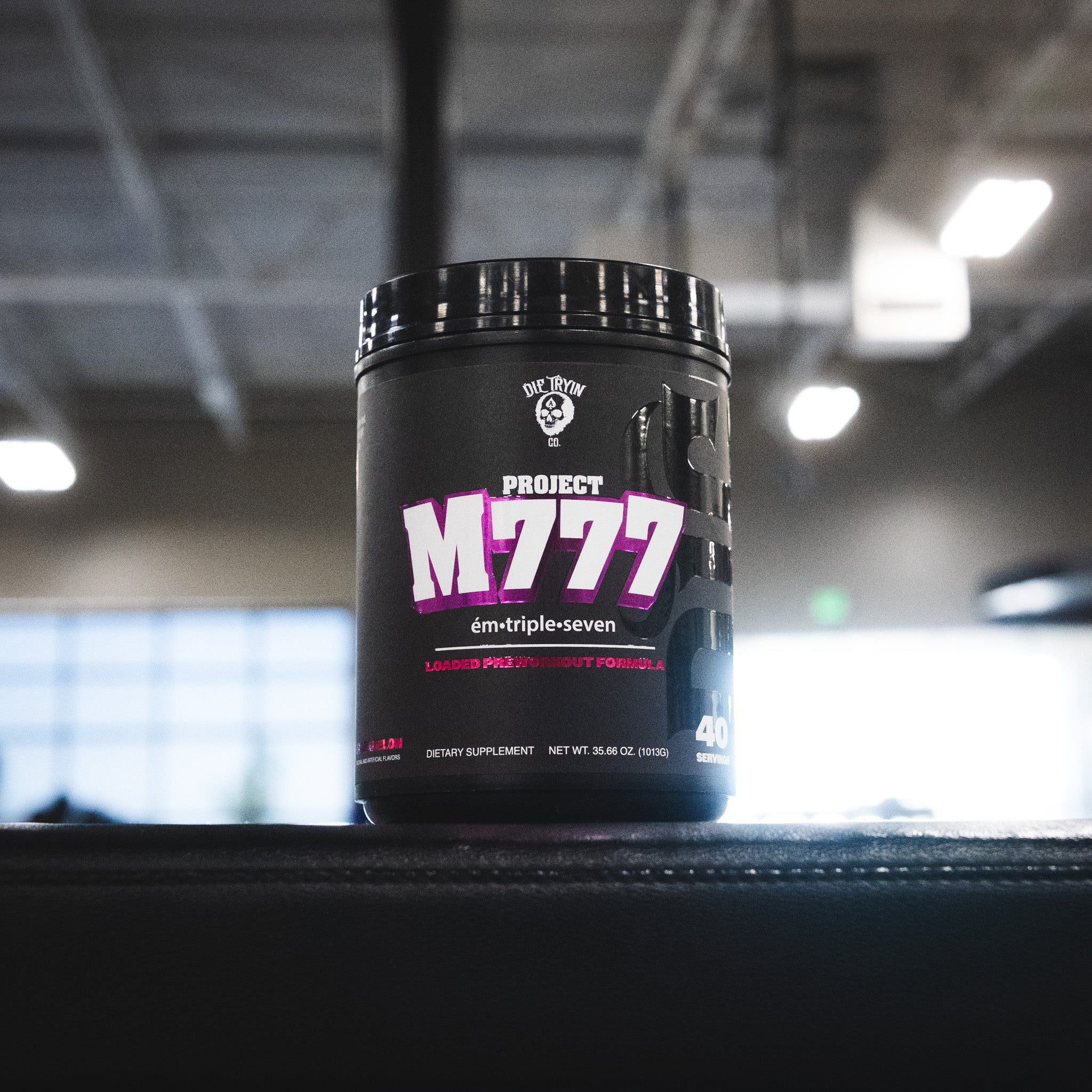
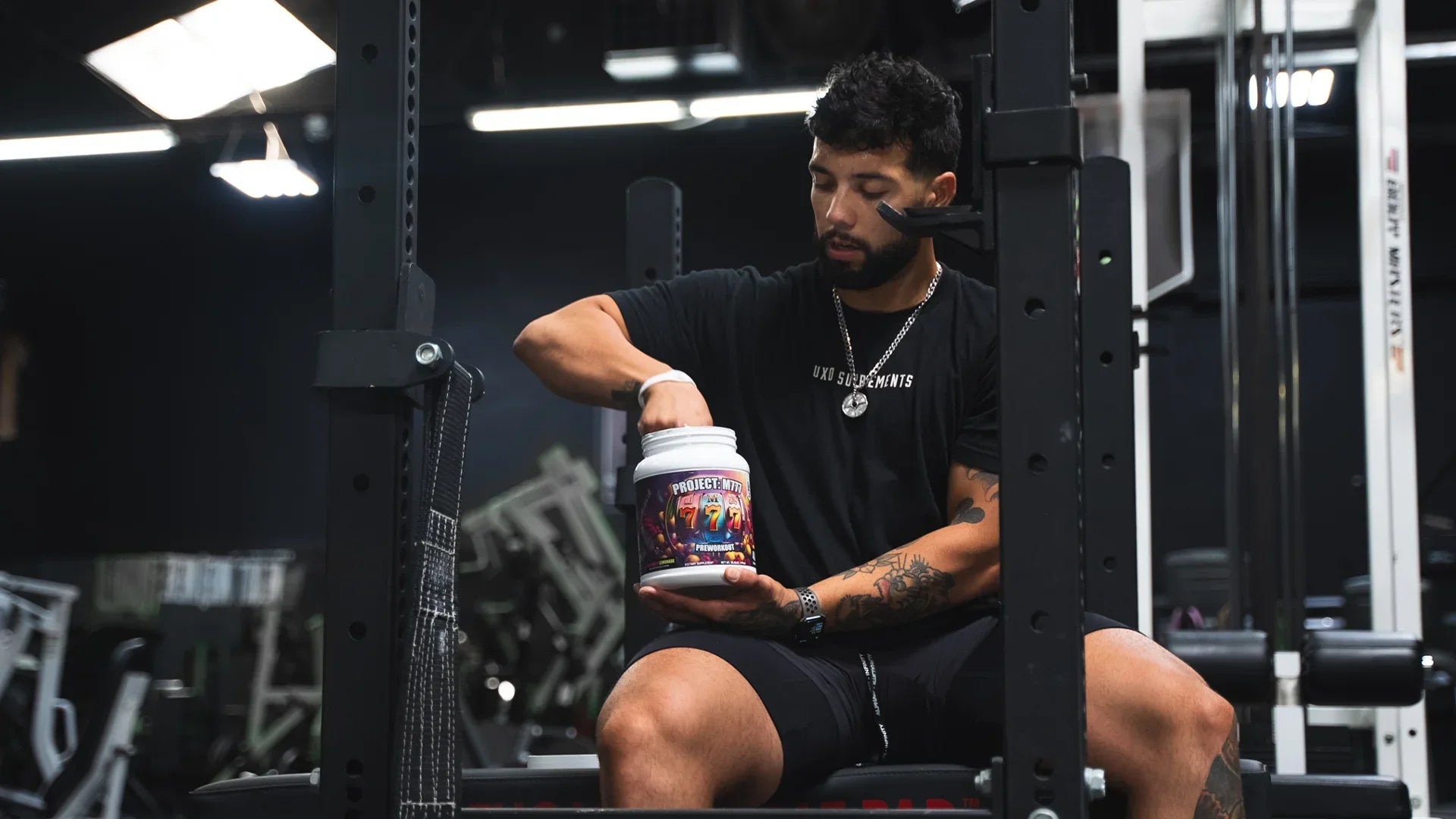
Project M777 is the build of every criteria above. Full clinical doses across pump, focus, endurance, and energy ingredients. Trademarked components used at their studied doses. Transparent label. Third-party tested. 425 mg caffeine in the full two-scoop serving, for experienced stim users only. One scoop is half that, a performance dose, not a jitters dose. If you are pregnant, managing a medical condition or taking medication, clear any supplement with your doctor first.
Start with one scoop, half the full serving, and see how you respond. The full two-scoop serving is for the hardest training day of the week, not every session. (Cycling rules in our how often should I use pre breakdown.)
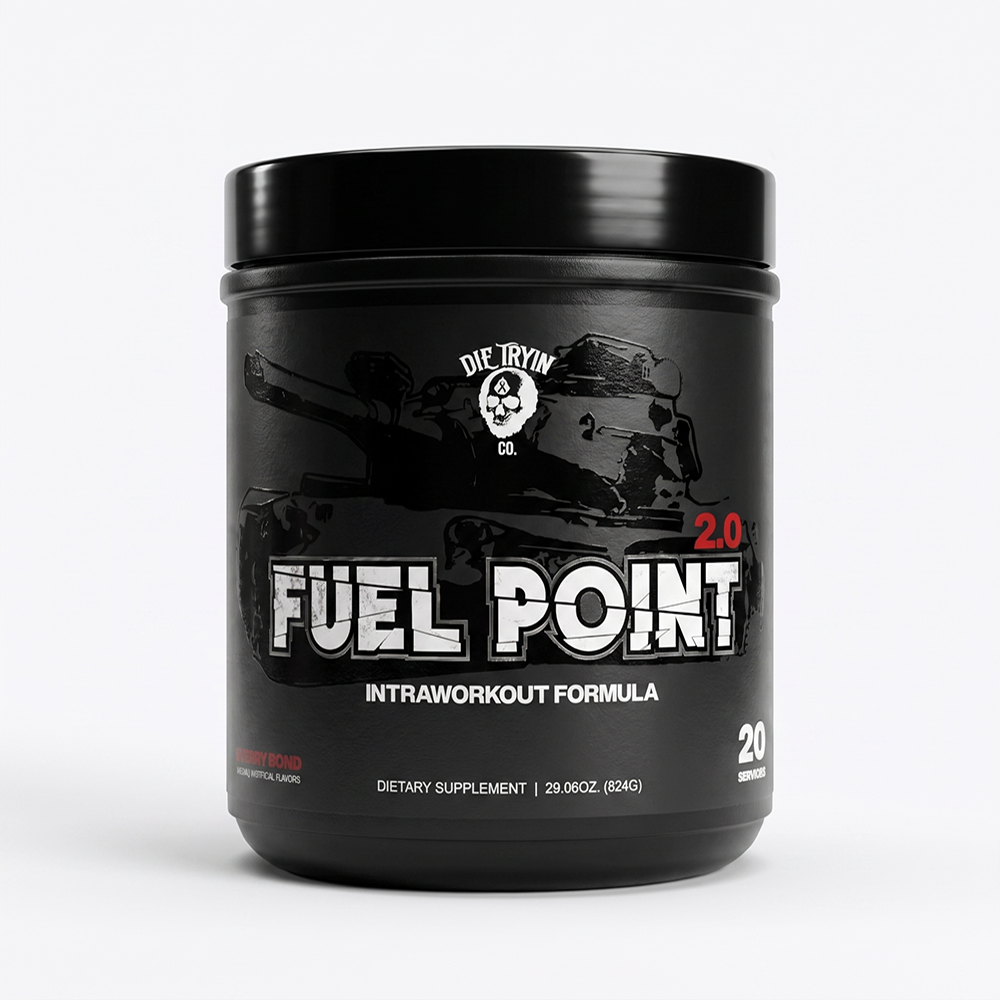
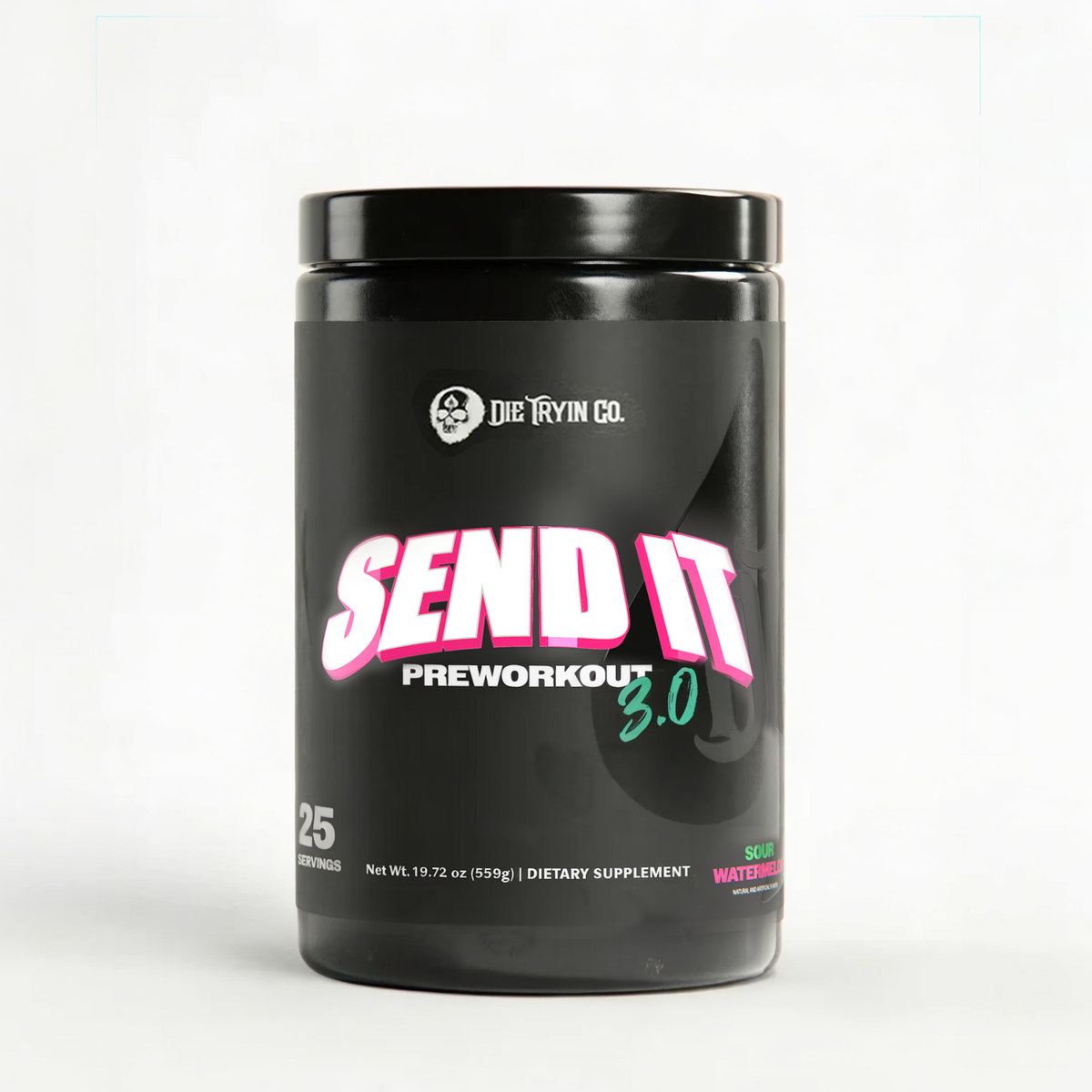
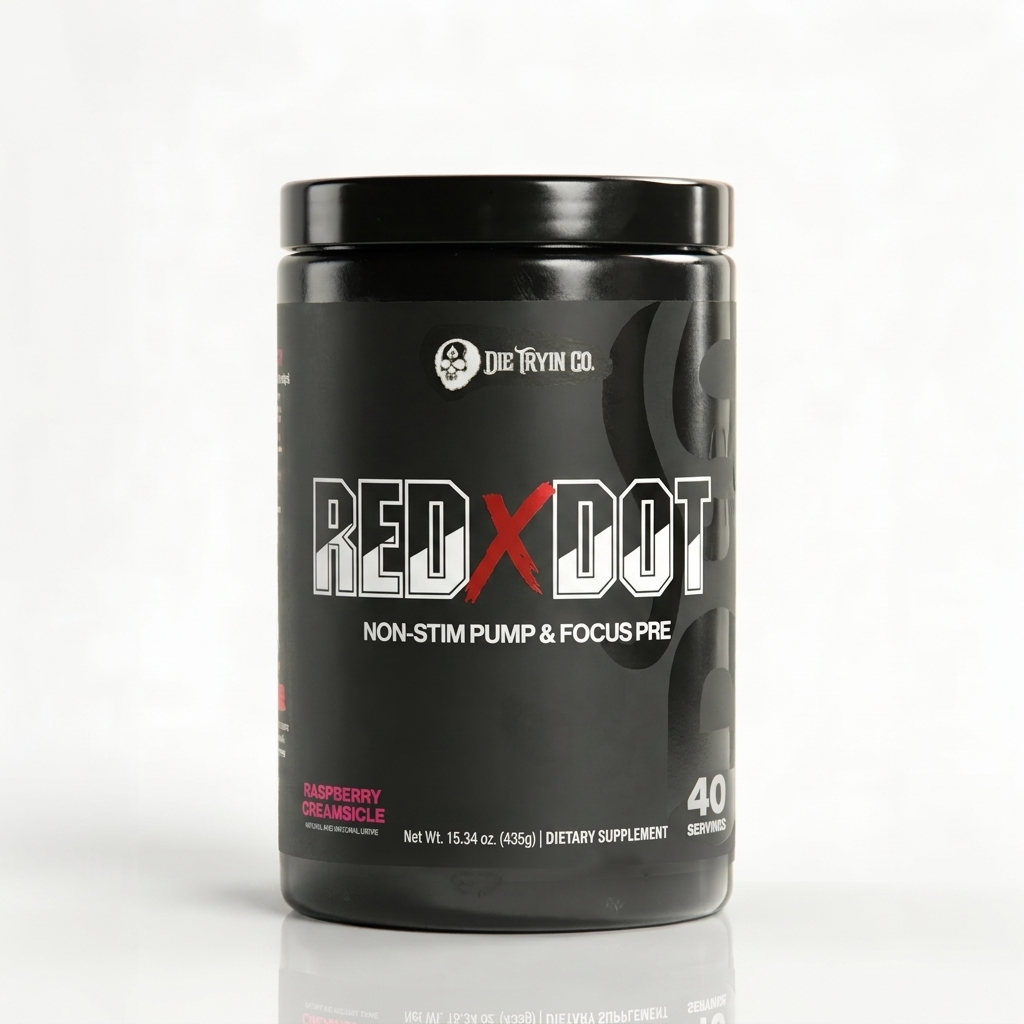
If you want the same quality criteria at a balanced daily-driver dose, SEND IT 3.0 hits the same standards with a cleaner stim profile. Stim-sensitive or evening training? Red Dot hits the same standards without caffeine.
Not sure which DTC formula fits your training? Take the quiz — 90 seconds.
FREQUENTLY ASKED QUESTIONS
What's the strongest pre-workout in the Die Tryin Co. lineup?
By raw intensity, it's Project M777 — 425 mg caffeine in the full two-scoop serving (one scoop is half), full clinical doses of L-Citrulline, Beta-Alanine, Betaine, Tyrosine, Creatine, plus Alfabin® rauwolscine. The full serving is for experienced stim users only. By balanced effectiveness, SEND IT 3.0 wins for most lifters. "Strongest" depends on the goal.
Is "strongest" the same as "highest caffeine"?
No. Caffeine performance benefit plateaus around 3–6mg/kg bodyweight. A formula with 600mg caffeine and pixie-dusted everything else is weaker on actual performance than a formula with 200mg caffeine and clinical doses of citrulline, beta-alanine, betaine, and tyrosine. The full stack drives output. Caffeine alone drives wakefulness.
What's an "efficacious dose" actually mean?
A dose that's been shown in peer-reviewed research to produce the claimed effect. For ergogenic ingredients, doses below clinical thresholds don't measurably improve performance — they just show up on the label for marketing. The dose ranges in this article are what shows up in research.
Why do pre-workouts hide ingredients in proprietary blends?
One reason only: cost. Hiding under-dosing inside a blend lets brands list "L-Citrulline" on the label even if there's only 500mg of it. A 6g dose of L-Citrulline costs the manufacturer real money; a 500mg sprinkle costs almost nothing. Proprietary blends are a profit margin trick.
Does the brand reputation matter, or just the label?
The label is what you take. But brand reputation tells you whether the label is honest. A clear COA + banned-substance testing certificate verifies that what's on the label is what's in the tub. Veteran-founded, transparent brands like Die Tryin Co. publish that paperwork because the trust matters more than the marketing.
Are trademarked ingredients always better than non-trademarked?
No — trademarked ingredients are better when they're patented for a real reason (stabilization, standardization, clinical research backing) AND dosed at the studied range. Trademarked at clinical dose = better. Trademarked at pixie-dust dose = same as a non-trademarked sprinkle. Look for both the trademark AND the dose number.
READY TO GEAR UP?
A great pre-workout isn't about the buzz, the flavor, or the marketing budget. It's about clinical doses, transparent labels, ingredient synergy, and third-party testing. Die Tryin Co. is built on all four — veteran-founded, no proprietary blends, every batch tested. Take the quiz to find the formula that matches your training goal.
Go deeper: start with our complete guide to pre-workout supplements, then check how to choose the best pre-workout, the 4 best pre-workout ingredients, is pre-workout bad for you, pre-workout vs energy drinks, or our VasoDrive-AP pump deep dive.
ALWAYS FORWARD.
GEAR THAT FITS THIS POST
The products this article actually talks about. Real doses, disclosed labels, veteran owned.

Read more
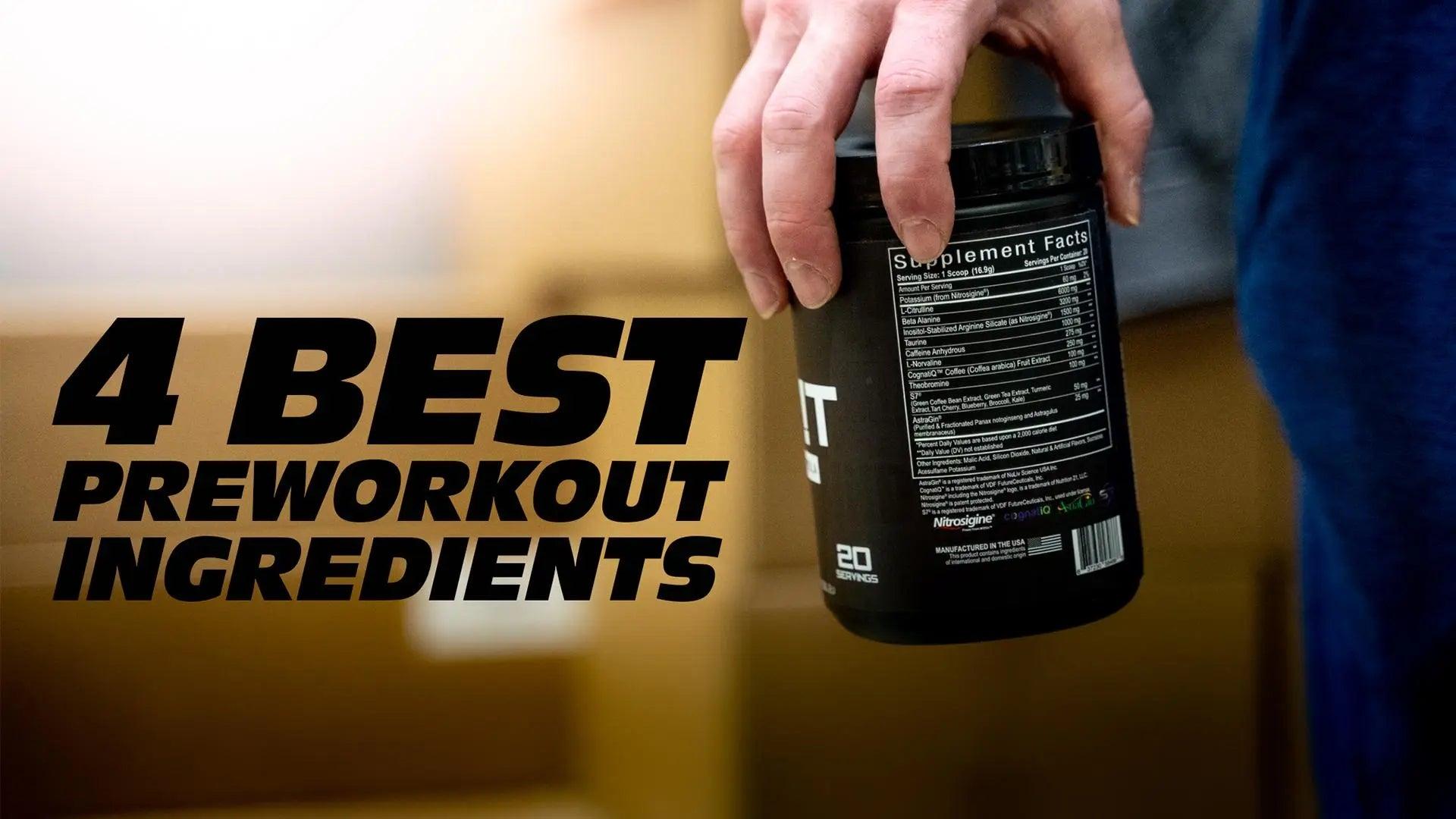
Strip away the marketing — these are the 4 ingredients that actually drive pre-workout performance: L-Citrulline, Beta-Alanine, Nitrosigine®, CognatiQ®. Plus what to avoid and why dose matters.
The patented, casein-derived pump ingredient inside Project M777 — how VasoDrive-AP drives blood flow, and what the research actually says.
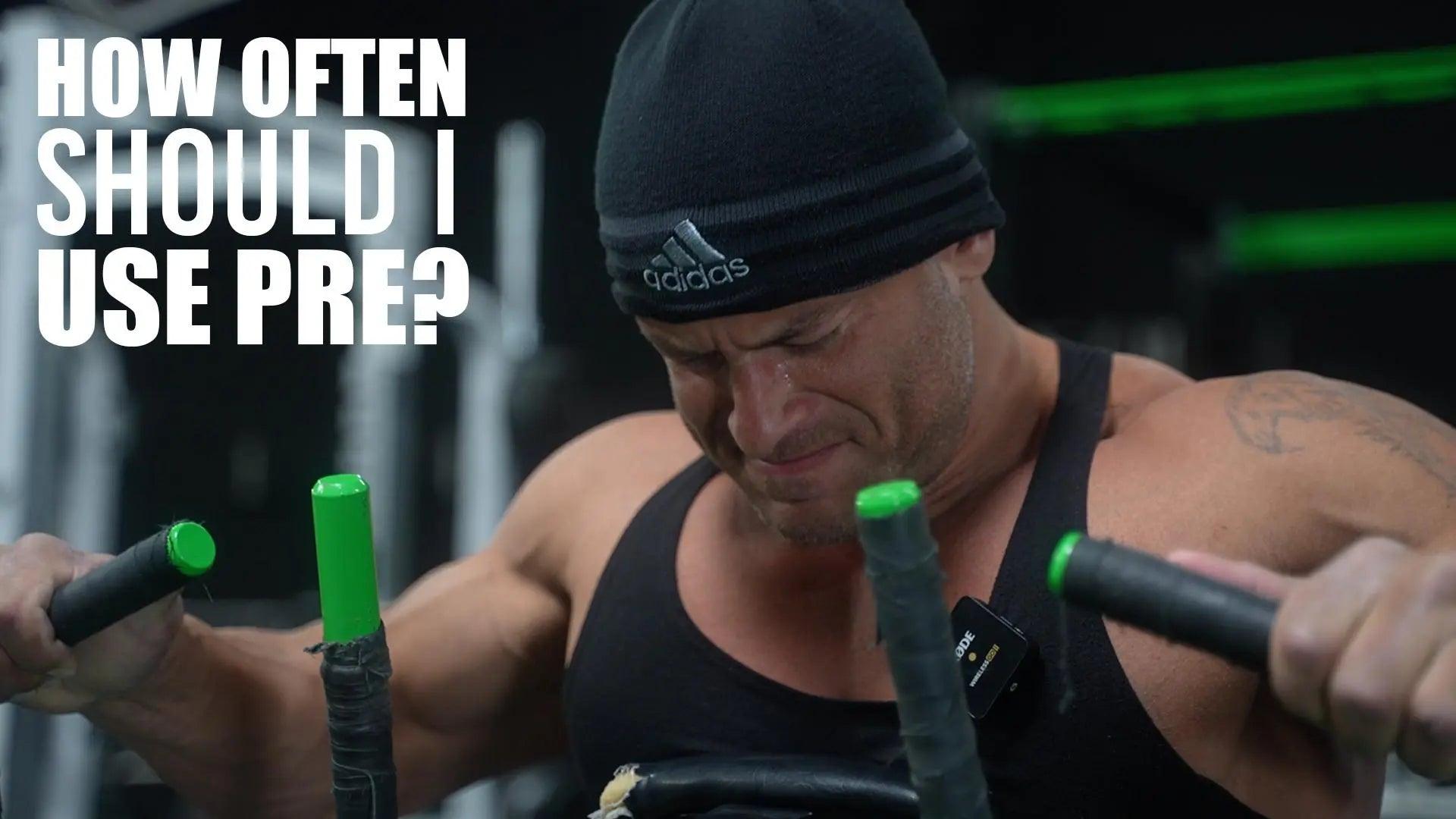
How often you take pre-workout matters more than how big the scoop is. Real framework for frequency, timing, signs you're overdoing it, and how to cycle the formula to keep it working long-term.
What actually works in pre-workout — ingredients, doses, timing, and how to pick the right one. Cut through the marketing. Get the real answer.
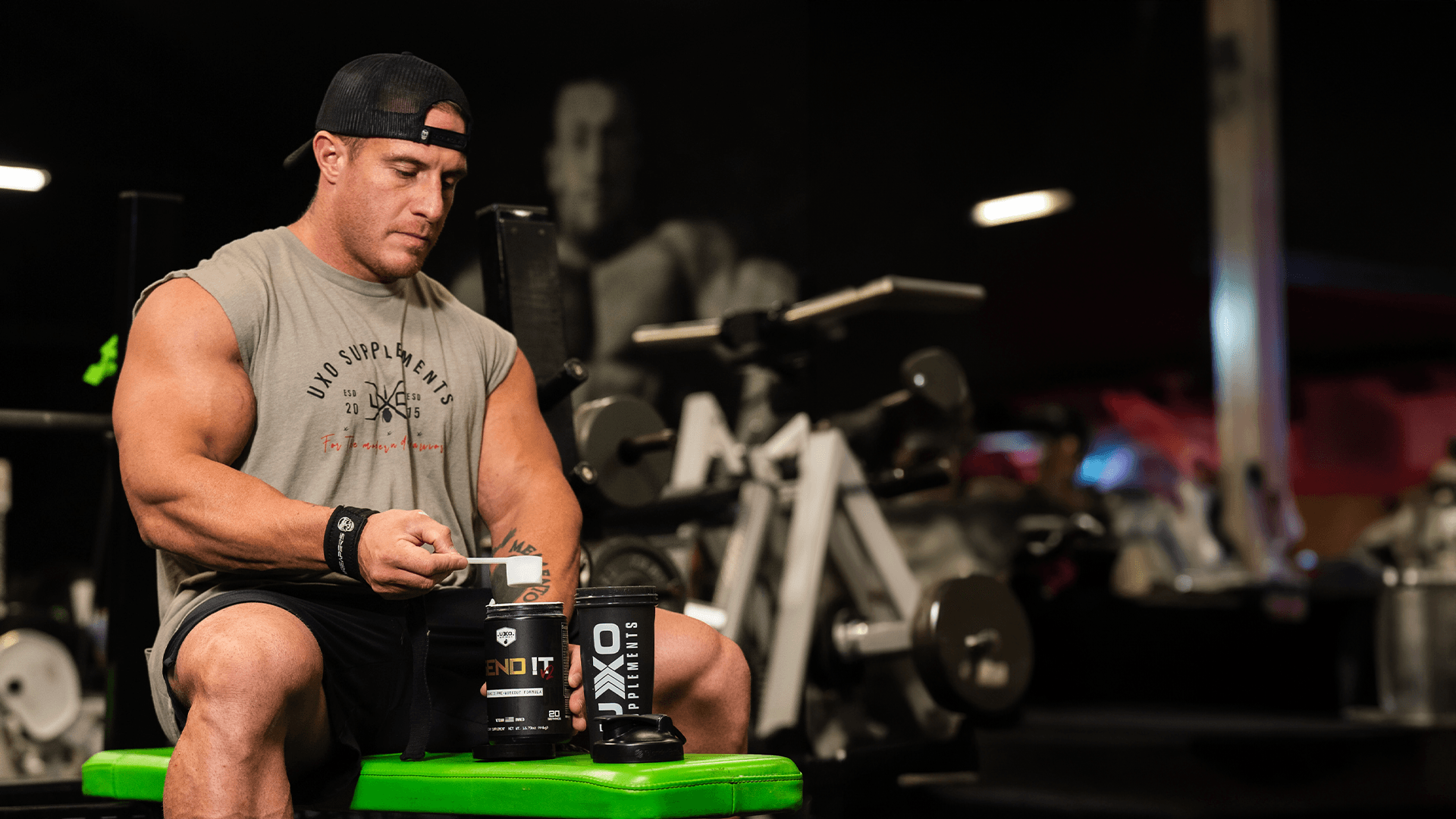
The honest pre-workout buyer's guide — 6 things that actually matter (real doses, banned-substance testing, smart caffeine, no proprietary blends) plus which DTC pre-workout fits your goal.
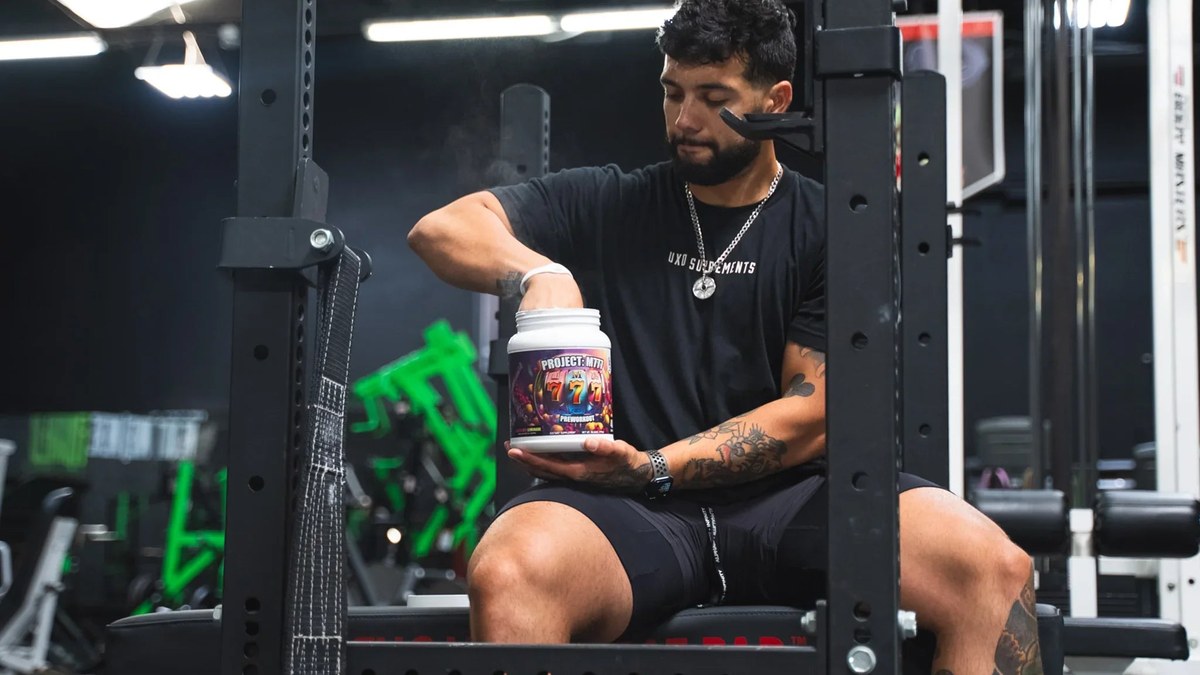
A well-dosed pre-workout is safe for most healthy adults — but the wrong formula causes the side effects everyone fears. Crash, addiction, sensitive stomach, cardiovascular concerns: which are real...