



Hybrid Athlete Training: Add Miles, Keep Muscle
By Jon Klipstein, U.S. Army Combat Veteran & Founder of Die Tryin Co., and Chelsea Rodgers, IFBB Pro & Die Tryin Co. Athlete
Science reviewed by Onur Oncer, BS Physiology (Phi Beta Kappa) and peer-reviewed published researcher.
TWO ENGINES, ONE BODY
Most people get this wrong. They hear that cardio kills gains, so they pick a side: lifters who get winded on a flight of stairs, or runners with nothing pushing back against the pavement. The hybrid athlete refuses the choice, and the modern research says the refusal is legitimate.
Here is the short version: the interference effect is real, it is smaller than the last decade of gym folklore claims, and almost all of it can be programmed around. This is how you add mileage without handing back muscle.
| IF YOUR PRIORITY IS | THE PLAY | WHY |
|---|---|---|
| Muscle, with running on the side | Lift 3-4x, run 2-3x, cap easy runs at 30-45 min, separate sessions by 3+ hours | Interference scales with endurance frequency and duration |
| Miles, without shrinking | Keep 2-3 heavy full-body lifts and defend them like appointments | Lifting stimulus preserved beats lifting volume maximized |
| Power and speed | Never run hard and lift explosive in the same session | Explosive strength is the one adaptation the data shows same-session training blunts |
| Minimum interference cardio | Bike or hill sprints over long slow road miles | Fiber-level costs show up with running, far less with cycling |
THE INTERFERENCE EFFECT, THEN AND NOW
The scare has a real origin. A 2012 meta-analysis of 21 studies found that adding endurance work to lifting cut into hypertrophy, strength and especially power, that running was worse than cycling, and that the damage scaled with how often and how long you ran (Wilson et al., 2012). That paper built a decade of cardio-kills-gains content.
Then the science grew up. A 2021 meta-analysis of 43 studies, with tighter controls and identical lifting prescriptions between groups, found concurrent training did not compromise muscle growth or maximal strength at all. The single adaptation that suffered was explosive strength, and mostly when the cardio and the lifting were crammed into the same session instead of separated by at least three hours (Schumann et al., 2021).
The remaining cost hides deeper. A fiber-level meta-analysis found a small negative effect of concurrent training on individual muscle fiber growth, concentrated in type I fibers, and mainly when the endurance work was running rather than cycling (Lundberg et al., 2022). A 2023 analysis by Huiberts and colleagues in Sports Medicine added nuance: the lower-body strength interference shows up in men and, interestingly, not in women.
Put the whole arc together and the honest summary is this: whole-muscle size and max strength survive concurrent training when the lifting is protected. What you pay for mixing is power, some fiber-level growth if your miles are all pavement, and recovery capacity. Those are programming problems, and programming problems have programming answers.
THE RULES THAT SURVIVE THE DATA
Separate the sessions. Three or more hours between running and lifting, or better, different days for the hard versions of each. Same-session training is where the measurable explosive-strength cost lives.
Pair hard with hard, easy with easy. Keep your hard days brutally hard and your easy days genuinely easy. Interval day and heavy squat day belong on the same day with hours between them, so the recovery days stay clean. Stacking a hard run onto every rest day is how hybrid athletes quietly stop recovering.
Choose your cardio weapon. Long slow road miles are the most expensive form of cardio for a lifter at the fiber level. Cycling, incline treadmill work and short hill sprints buy conditioning at a discount. If the goal demands running mileage, build it gradually and let the lifting volume flex down before the intensity does.
Defend the barbell appointments. Two to three heavy full-body sessions per week is the floor that keeps the muscle you built. Squat or hinge, press, pull, carried loads. When the week gets crowded, cut lifting volume, never lifting intensity.
THE WEEK ON PAPER
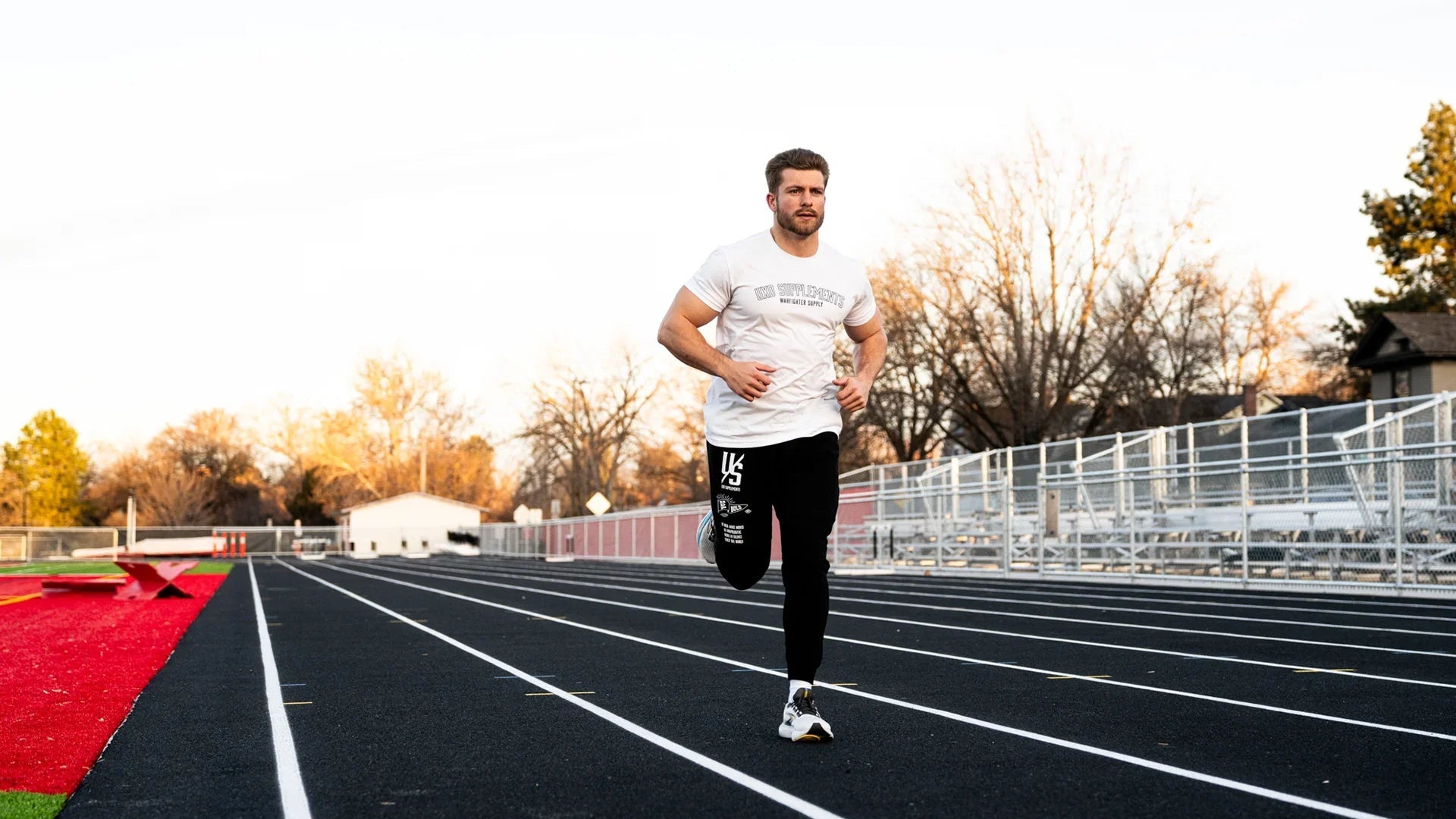
Here is what the rules look like as an actual week for a lifter holding 15-20 miles. Monday: heavy lower body. Tuesday: easy run, 30-40 minutes, conversational pace. Wednesday: heavy upper body, and if the schedule forces a run onto this day, it goes in the morning with the lifting in the evening. Thursday: intervals or hills, short and violent, done. Friday: full-body strength, moderate load, higher speed on the bar. Saturday: the long run. Sunday: nothing that raises your heart rate past a walk.
Notice what that week protects. The two hardest lifting days sit next to the two easiest running days. The long run gets a fresh pair of legs and a full rest day behind it. Nothing explosive shares a session with anything glycolytic. Scale the mileage up or the lifting down and the skeleton holds: hard beside easy, quality defended, junk volume nowhere.
WHAT THE BARBELL PAYS BACK TO THE RUNNER
This street runs both directions. Strength work stiffens tendons, improves force per stride and raises the ceiling on your sprint finish, which is why every serious endurance program in the world now includes it. The lifter who starts running gets a bigger engine for high-rep sets and faster recovery between them. You are not splitting one recovery budget so much as building two systems that subsidize each other, provided the total workload respects the budget.
FUEL THE DELTA
Here is where most hybrid experiments actually die: the math. Running adds hundreds of calories of daily expenditure, and the lifter who keeps eating like a pure lifter starts shrinking, then blames the running. If the scale trends down while mileage climbs and you are not cutting on purpose, eat more. Protein stays anchored around your bodyweight target, carbs climb with mileage.
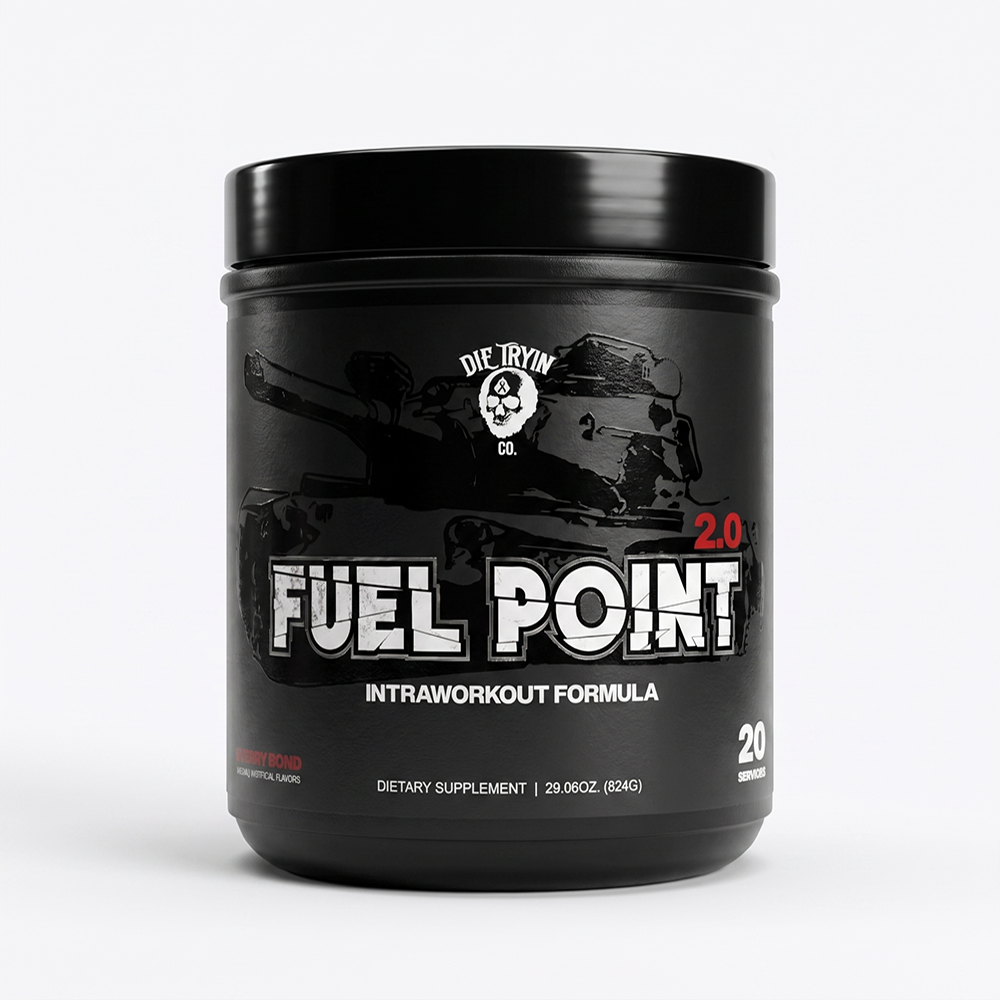
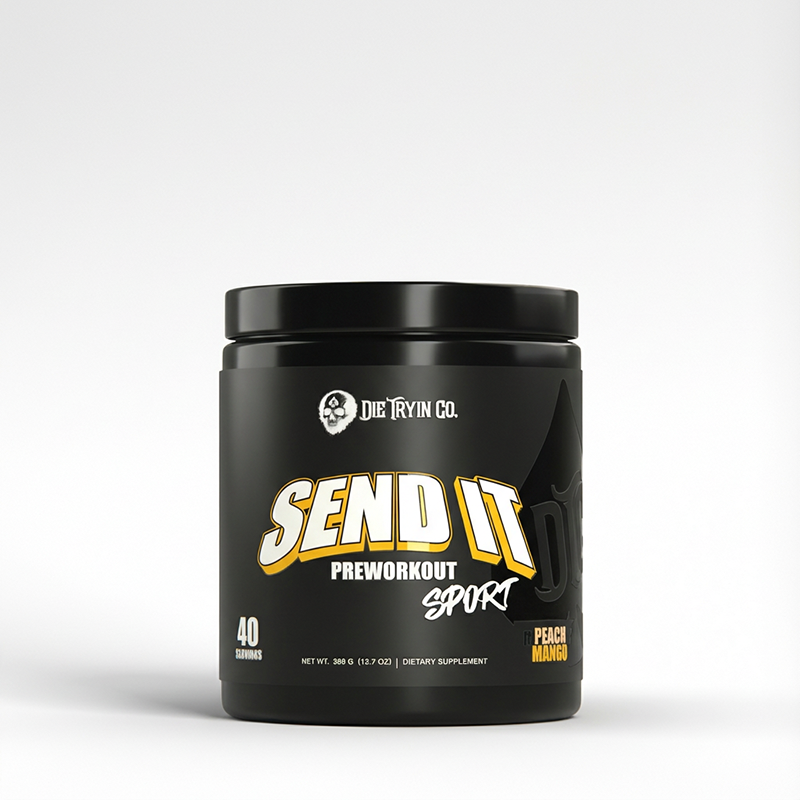
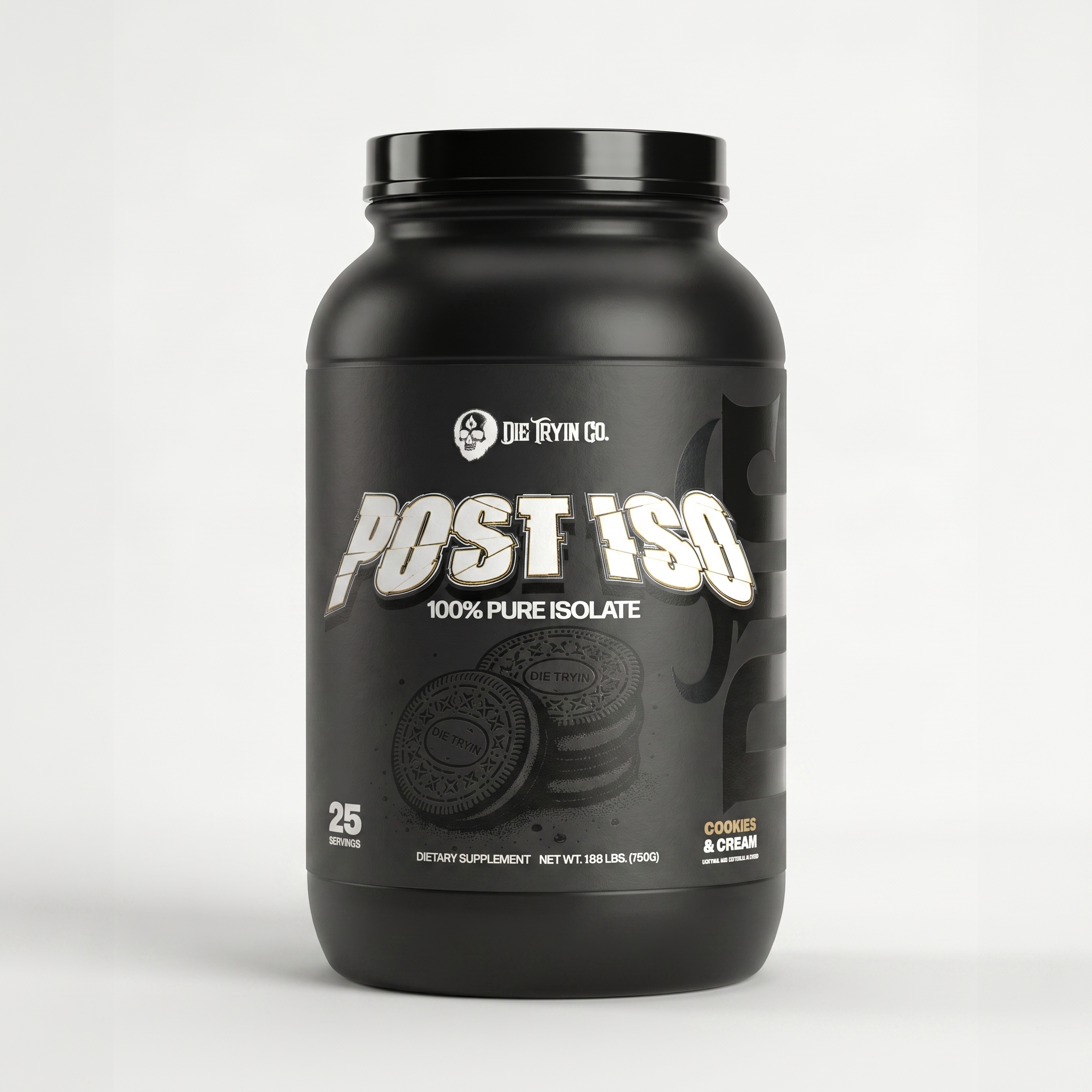
For sessions past the hour mark, intra-workout carbs and aminos stop being a luxury: Fuel Point 2.0 was built for exactly this gap. Creatine Monohydrate remains the most evidence-backed supplement in sport and gives up nothing to the endurance side. For a pre-workout that respects an afternoon run, SEND IT Sport runs a lower-stim formula built for long sessions, and Post Iso covers the protein anchor after either kind of workout.
FREQUENTLY ASKED QUESTIONS
Will running make me lose muscle?
Not by itself. The modern meta-analytic data shows muscle size and max strength hold when lifting is maintained. Muscle loss in hybrid athletes is almost always an eating problem or a recovery problem wearing running shoes.
How many miles can I run and still gain?
There is no magic cutoff in the data, but interference scales with frequency and duration. Most lifters hold gains comfortably around 15-20 easy-paced miles a week. Past that, you are managing a trade, and the table above is how you manage it.
Should I run before or after lifting?
If they must share a day, lift first when strength matters most and separate the two by three hours or more. The research flags same-session mixing as the main threat to power development specifically.
Is cycling really better than running for keeping muscle?
For pure interference, research suggests yes: the fiber-level costs concentrated in running, not cycling. Runners should still run. Everyone else buying general conditioning can buy it cheaper on a bike or a hill.
Do hybrid athletes need more protein?
More calories, definitely. Protein targets stay roughly the same, around the bodyweight anchor you already use as a lifter. The bigger risk is under-eating carbs and trying to run the extra mileage on fumes.
READY TO GEAR UP?
Build the engine and keep the armor: Fuel Point 2.0 for the long sessions, SEND IT Sport for run-day training energy, Creatine every day, Post Iso after. Deeper dives: what VO2 max actually predicts and how to combine lifting and cardio for fat loss. Not sure where to start? Take the quiz.
ALWAYS FORWARD.
Read more

Being unfit carries a larger mortality risk than smoking or diabetes. Here is what VO2 max measures, how to estimate it, and how to train it.
Cardio does not kill gains. Bad scheduling does. Here is how to run both without paying for it.

Two tubs both say 9 g of citrulline. One gives you 9 g, the other gives you 6 g. The 2:1 ratio explained, plus the 2024 trial that tested whether the malate does anything at all.
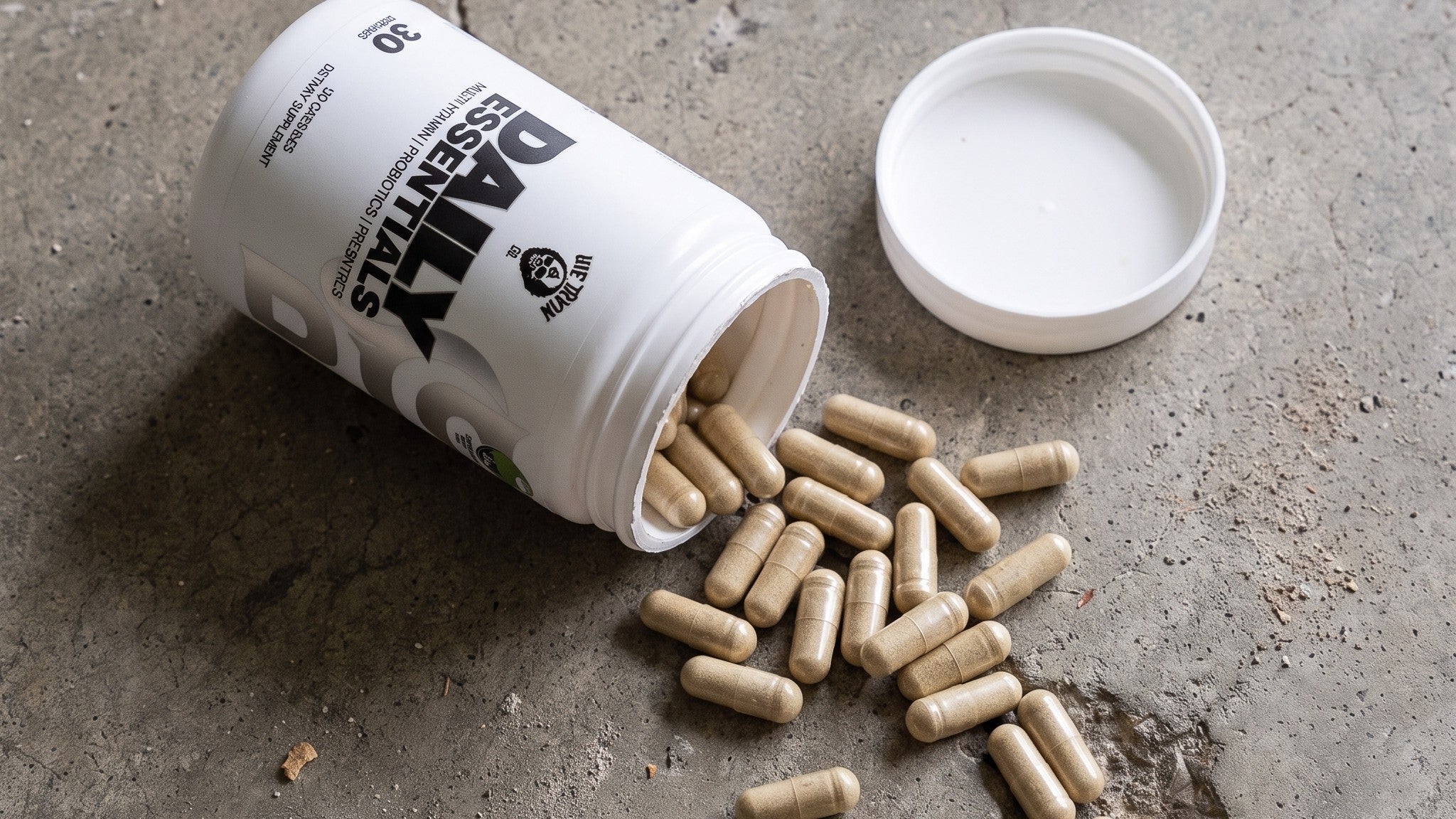
The honest case for a multivitamin when you train hard: where the evidence stops, where the gaps are real, and why chelated minerals plus a gut stack change the math.
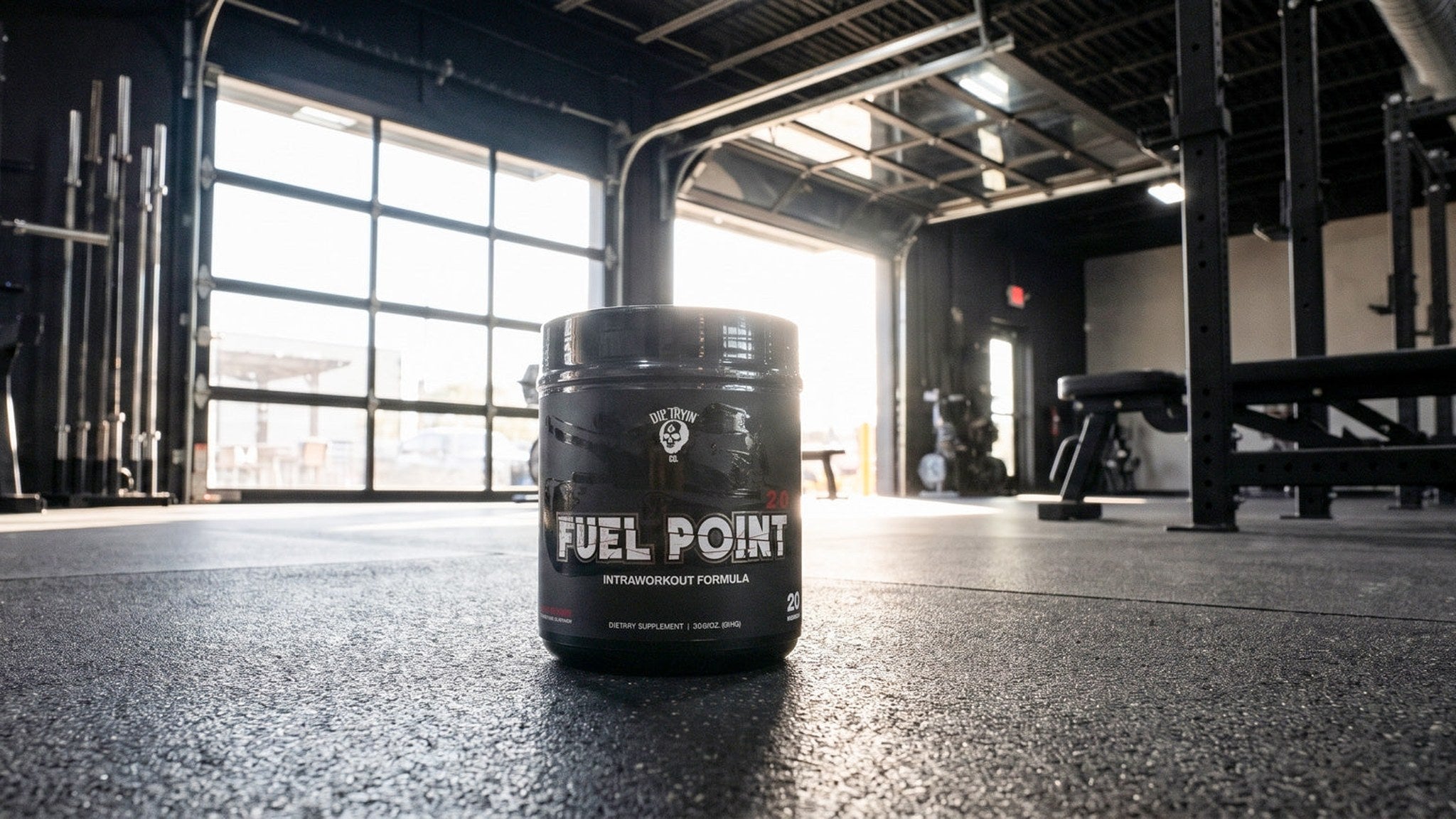
Most people buy carbs, aminos and electrolytes as three separate tubs. Fuel Point 2.0 is one scoop that does all three jobs, with every dose printed where you can read it.

Seven fruiting-body mushrooms, honest doses, and what the research actually shows (and doesn't). The no-hype athlete's guide to the new Shroombiosis collab.
GEAR THAT FITS THIS POST
The products this article actually talks about. Real doses, disclosed labels, veteran owned.