

Legs and Arms Same Day: Does It Actually Work?
By Jon Klipstein, U.S. Army Combat Veteran & Founder of Die Tryin Co.
Science reviewed by Onur Oncer, BS Physiology and peer-reviewed published researcher.
THE HORMONE THEORY THAT BUILT A THOUSAND LEG DAYS
Listen up. You have probably heard some version of this: squat first, curl second, and the testosterone spike from the leg work floods your arms and makes them grow faster. Free anabolics. Just reorder your session.
We used to repeat that one here too. It came from a real study in a real journal, and the finding was interesting. But a single small study is a hypothesis, not a law, and it does not sit alone. A larger, longer version of the same experiment was published a year before it and found nothing, which is the part that gets left out of the retelling. A much bigger study on trained lifters later pointed the same way. Here is the honest version, including where our older take got it wrong.
| STUDY | DESIGN | WHAT IT FOUND |
|---|---|---|
| West 2010 (n=12 untrained young men, 15 weeks) | One arm curled alone to hold hormones at baseline; the other curled then immediately did high-volume leg work to spike them | No difference. Arm-alone gained 12% cross-sectional area, the high-hormone arm 10%. Strength rose equally |
| Rønnestad 2011 (n=9, 11 weeks) | Same within-subject idea, run the other way: leg work performed immediately before one arm's curls | Both arms grew and got stronger. The leg-first arm had a better relative 1RM gain plus added cross-sectional area at the thickest point of the arm |
| Morton 2016 (n=49 trained men, 12 weeks) | A high-load vs. low-load trial; the hormone question was a secondary analysis matching each man's hormone rise to his own results | No significant correlation between the rise in any purported anabolic hormone and change in strength or size |
WHERE THE "LEGS BEFORE ARMS" IDEA CAME FROM
The source is Rønnestad and colleagues, published in the European Journal of Applied Physiology in 2011. Nine subjects trained their elbow flexors four times a week for eleven weeks. Two of those weekly sessions had leg work performed immediately before one arm's curls. The other two sessions trained the opposite arm with no leg work first.
The design is genuinely clever. Each subject served as his own control, one arm randomized to each condition, so nutrition, sleep, and genetics were identical between the two. Testosterone and growth hormone rose significantly in the legs-plus-arms sessions and did not budge in the arms-only sessions. That part is not in dispute.
Here is where our old post overstated it. We wrote that training arms after legs "led to a significant change in 1RM bicep curls," which reads like the arms-only condition did nothing. The paper says both conditions increased 1RM, peak power, and muscle volume. The legs-first arm's edge was a superior relative improvement, plus growth at one specific measurement site the control arm did not match. Real, but narrower than the way it usually gets repeated. Nine people, one lab, one time.
THE STUDY THAT CAME FIRST AND FOUND NOTHING
A group at McMaster University had already built essentially the same experiment and run it longer. Twelve young men trained their elbow flexors for fifteen weeks. One arm did isolated curls designed to keep hormones at baseline. The other arm did identical curls immediately followed by a high volume of leg work to spike hormones on purpose. Note the order: in this one the legs came after, not before.
The hormonal manipulation worked exactly as intended. Growth hormone, IGF-1, and testosterone all rose significantly after the leg-loaded protocol and stayed flat after the curls-only protocol, and that split held across the whole training block.
The muscle did not care. Cross-sectional area rose 12% in the low-hormone arm and 10% in the high-hormone arm, no significant difference between conditions. Fiber-level growth showed the same pattern, and strength rose equally in both arms. Note the direction of those numbers: the arm that got the hormone bath posted the smaller figure. It was not significant, so nobody should claim leg work hurts your arms. But it is hard to look at 12 versus 10 and conclude hormones did the building. Twelve subjects is still a small trial, and these were untrained men.
THE BIGGEST TEST: 49 TRAINED LIFTERS, NO CONNECTION
If the acute hormone spike mattered, lifters with bigger spikes should build more muscle. Morton and colleagues had the data to test that in 49 resistance-trained men across twelve weeks of whole-body training, matching each man's post-exercise hormone response against his own results.
There were no significant correlations between the acute rise in any purported anabolic hormone and the change in strength or hypertrophy. These were experienced lifters, not beginners, which is the population most likely to be reading this. Two honest caveats: that trial was designed to compare heavy loads against light loads, so the hormone question rode along as a secondary analysis, and it is a correlation inside a training study rather than a direct manipulation. It still points the same way as the earlier work, and it is the largest sample of the three.
SO SHOULD YOU TRAIN LEGS AND ARMS ON THE SAME DAY?
Sure. Just not for the reason the internet told you.
Pairing legs and arms is a good way to structure a week. It frees up other days, it lets you hit arms with real attention instead of tacking three sets onto the end of a back workout, and it keeps session count low for people who can only train three or four times a week. Those are scheduling wins, and scheduling wins keep people consistent.
What the evidence does not support is doing it because you think squats are secretly building your biceps. If that belief is the only reason you cram both into one session, and the result is that you curl with nothing left in the tank, you traded quality arm training for a hormone effect the two larger studies could not find.
- Good reason: your schedule allows three or four training days and you want arms to get dedicated volume
- Good reason: you like the pairing, it keeps you in the gym, and you recover fine from it
- Bad reason: chasing a testosterone spike
- Bad reason: you are butchering curls because your heart rate is still at 170 from the squat rack
HOW TO RUN A LEG + ARM DAY WITHOUT WRECKING BOTH
If you are going to pair them, the goal is that both halves get real effort. Fatigue is the constraint, not hormones. Our old advice to cap legs at squats and leg curls was directionally right, and it is still the move, just for the honest reason: you need something left for the second half.
- Put the priority first. Whichever body part you actually want to improve goes at the front of the session, while you are fresh. If arms are the weak point, curl first. The research above says nothing bad happens if you do.
- Cap the leg work at two to three hard compound movements. A squat pattern and a hamstring movement covers the major groups. This is not the day for a twelve-set quad marathon.
- Rest longer than feels necessary between the halves. Five to eight minutes and some water before you touch a curl bar. Systemic fatigue from heavy leg work will cost you reps.
- Do not take everything to failure. Stacking both body parts into one session already raises the total stress. Failure is a tool, not a default setting, and this is a session where that distinction matters.
- Warm up the elbows separately. Your general warm-up happened an hour ago. Two light feeder sets beat going straight to a heavy load on cold biceps. Our warm-up guide covers the structure.
WHAT ACTUALLY GROWS ARMS
Same things that grow everything else. Enough hard sets per week, loads you progress over time, full range of motion, and recovery that lets you show up again. Not exercise order. Not a thirty-minute hormone window.
- Weekly volume in a productive range. More is not automatically better and there is a point of diminishing returns. See the training sweet spot.
- Progression you can actually track. Adding a rep or five pounds over weeks beats any session-ordering trick.
- Technique that loads the target. If you are heaving the bar, your biceps are not the limiting factor. Bar choice matters less than execution.
- Recovery. Sleep and food do more for arm size than any ordering strategy. Start with the recovery guide.
The full breakdown lives in our arm growth post and the muscle building pillar. If you want the leg half programmed properly, the leg day workout is there.
FUELING A SESSION THAT HITS BOTH ENDS
A combined leg and arm day runs long and costs more than a normal session. That is a fueling and hydration problem, not a hormone problem.
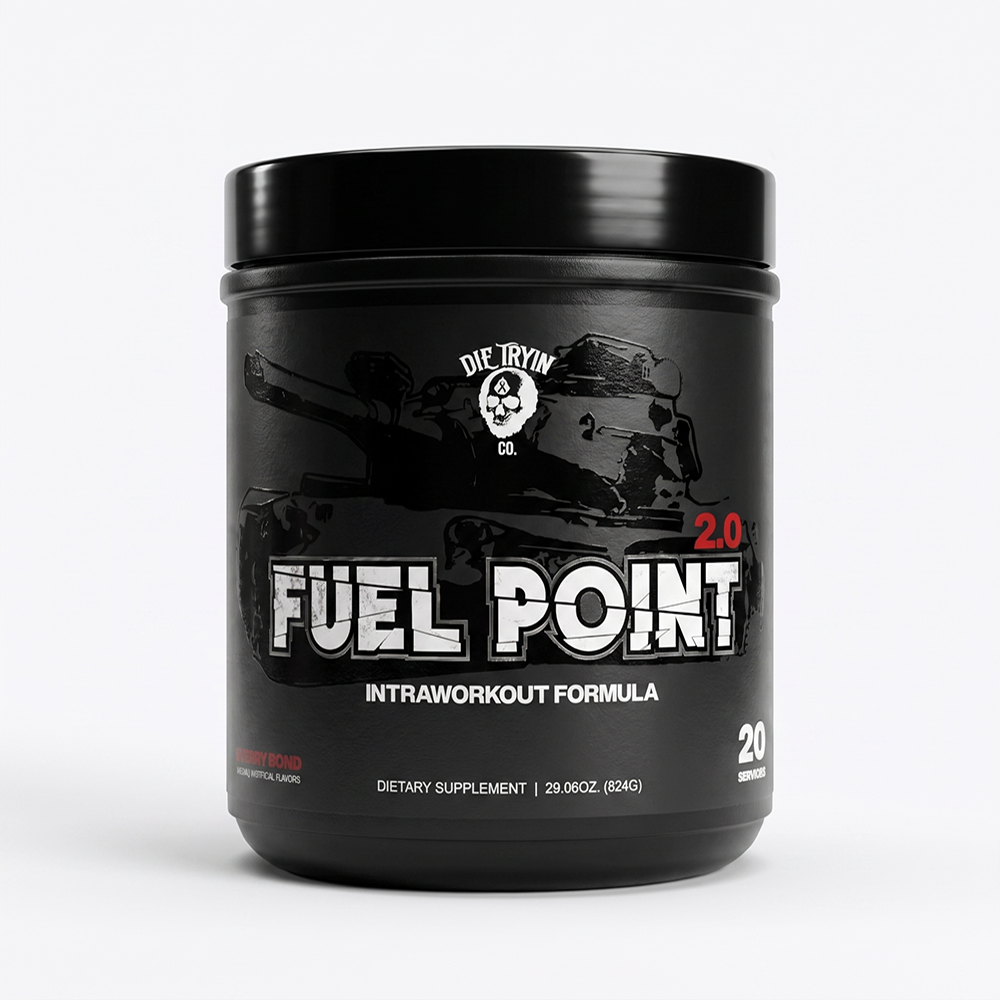
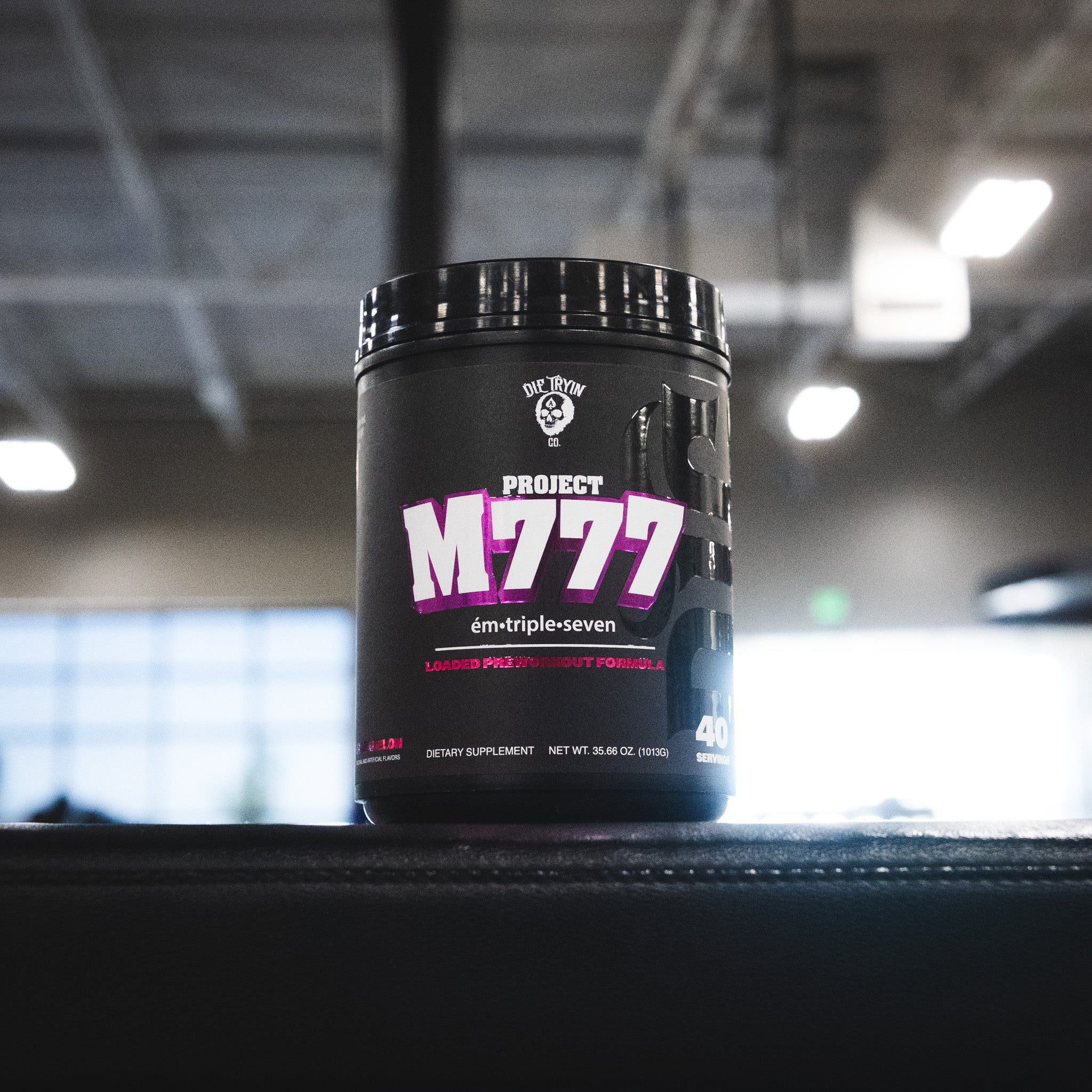
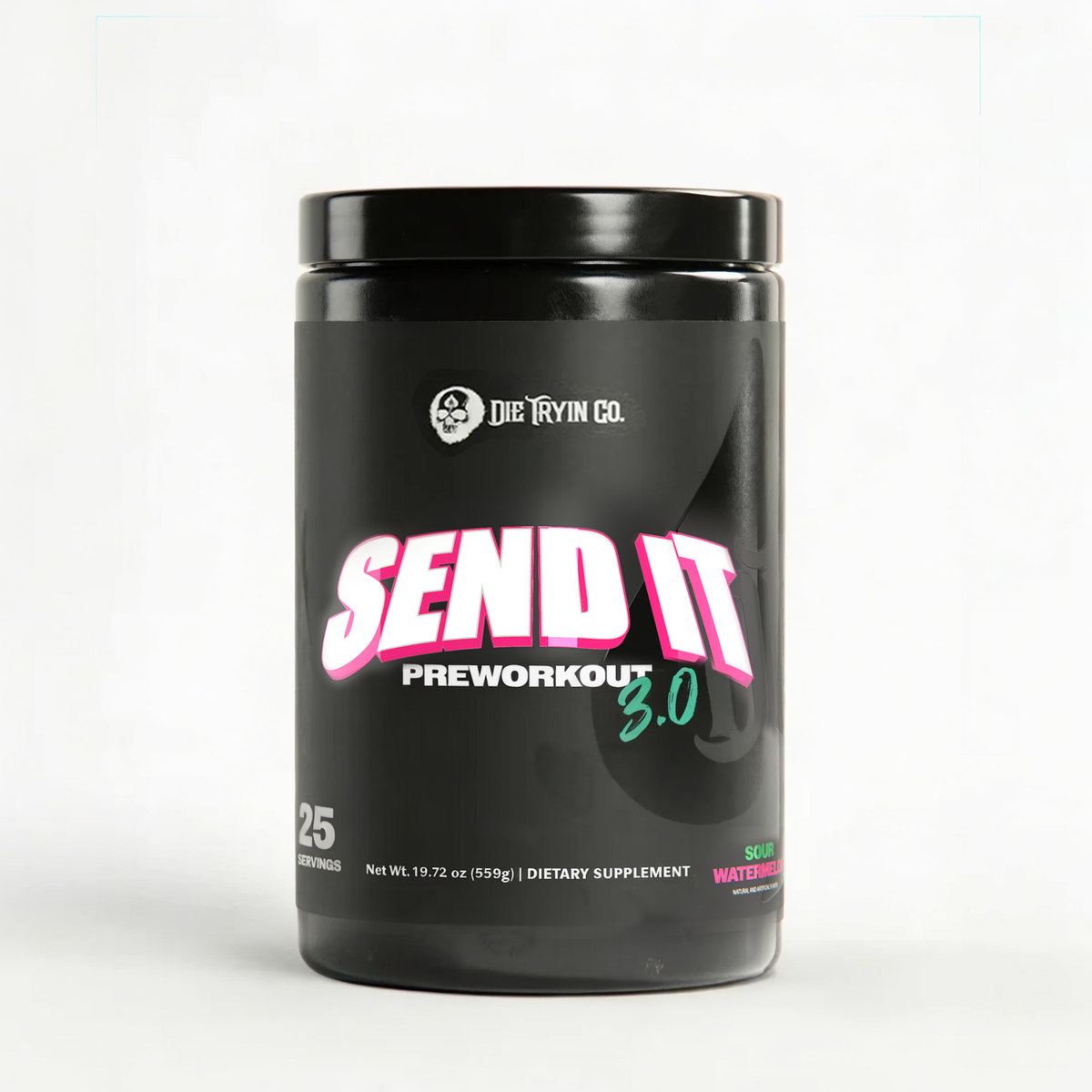
- Pre-workout: SEND IT 3.0 is the daily driver for this. If the leg half is genuinely brutal, Project M777 is built for your hardest days.
- Hydration: long sessions mean real fluid loss. Aqua Spike during the gap between halves.
- Protein: Post Iso gives you 24g of whey isolate to cover a session that trained a lot of tissue.
- Creatine Monohydrate: 5g daily, one of the few supplements with real strength and size research behind it. Real doses of real ingredients.
- Timing questions: our pre, intra and post workout guide maps what to take when.
FREQUENTLY ASKED QUESTIONS
Does training legs before arms increase testosterone?
Yes, acutely. Both Rønnestad 2011 and West 2010 measured a significant rise in testosterone and growth hormone when leg work was in the session, and no rise when the arm worked alone. The rise is real. The question is whether it builds anything, and that is where the evidence splits.
So does the testosterone spike actually build bigger arms?
The best available evidence says no meaningful effect. One small study of nine men found an edge, a longer study of twelve found none, and a study of 49 trained lifters found no correlation between hormone response and results. Research suggests mechanical tension, volume, and progressive overload are what drive growth.
Is it bad to train arms after legs?
No. West 2010 found no significant difference in growth or strength either way. The only real cost is fatigue. If you cannot curl with quality after squatting, put arms first or split the days.
What is the best order for a legs and arms workout?
Whichever body part you most want to improve goes first. If arms are your priority, train them first while you are fresh. There is no evidence you lose anything by doing so.
How many exercises should I do for legs if arms come after?
Two to three hard compound movements. A squat pattern and a hamstring movement hits the major groups and leaves you with enough capacity to train arms properly.
Does this apply to other muscle pairings, like legs before chest?
Same logic. The hormone rationale does not hold up for any pairing. Pair muscle groups by your schedule, your recovery, and your priority.
What if I am a beginner?
Order matters even less. Beginners respond to almost any consistent, progressive program. Pick a split you will actually show up for and get strong on the basics. Basics beat hype.
READY TO GEAR UP?
Train both halves like they matter. Here is what backs the work:
- SEND IT 3.0 — clinical doses, the daily driver
- Project M777 — for the days the leg half is going to hurt
- Post Iso — 24g whey isolate with DigeZyme enzymes
- Creatine Monohydrate — 5g micronized, no novel-form marketing
- Aqua Spike — hydration for the long sessions
- Straight Leg Joggers — for the walk to the car after squats
- Take the quiz — find the stack that fits how you actually train
Discipline beats motivation. Order your session around what you want to improve, not around a hormone spike that the two largest studies could not find.
ALWAYS FORWARD.
GEAR THAT FITS THIS POST
The products this article actually talks about. Real doses, disclosed labels, veteran owned.

Read more
Training to failure is a tool, not a default. Here is what the research actually says for size and for strength, what the fatigue costs you, and the exact spots where taking a set to the wall earns...
Five minutes on a treadmill is not a warm-up. Here is the four-phase ramp that actually preps you to lift heavy, plus what the research says about foam rolling and static stretching.
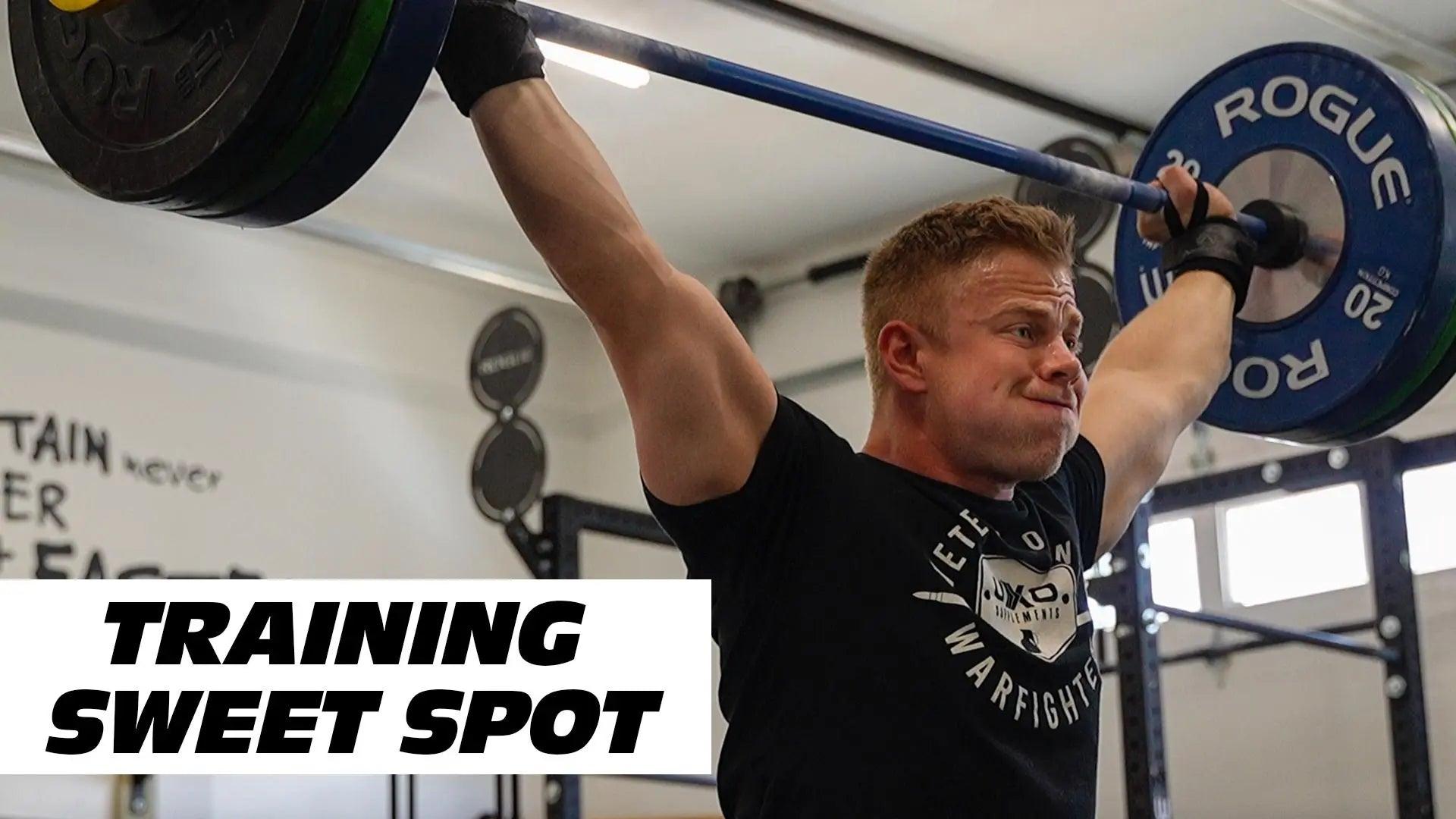
More is not better, it is just more. Here is where the returns actually flatten out, and how to train at the edge of enough.
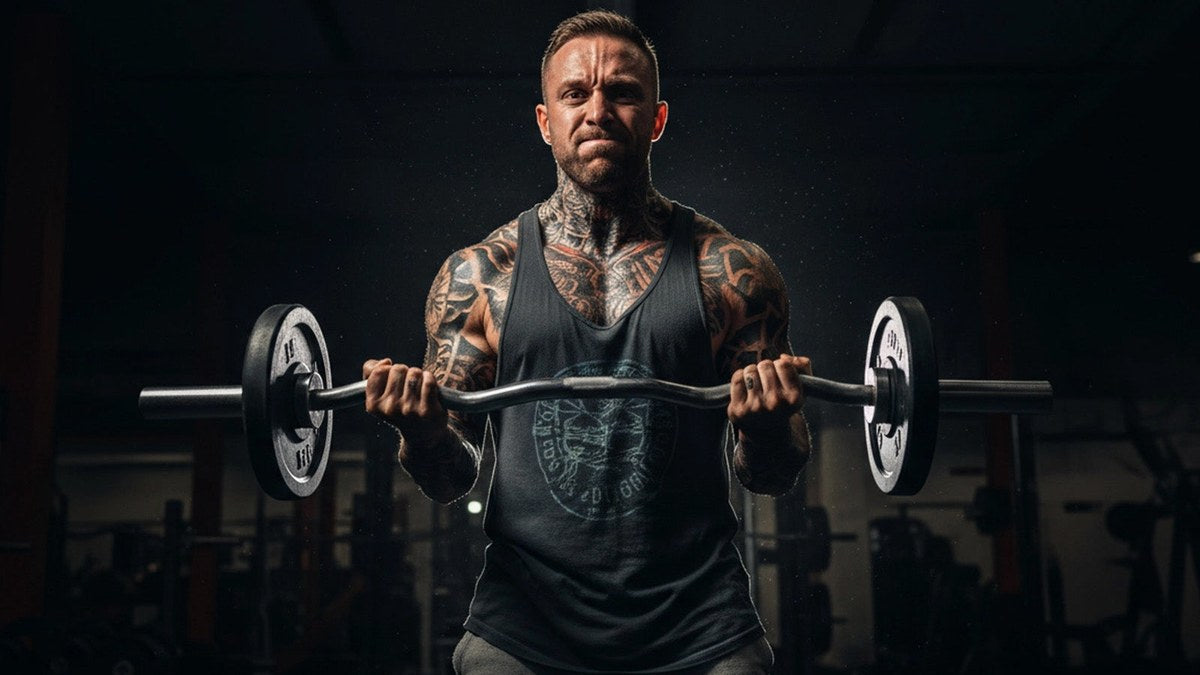
One loads the biceps harder, the other spares your wrists. Neither wins outright, and wrist comfort decides it for most lifters.
The no-BS recovery playbook — sleep, stress, nutrition, modalities, and the framework that ties it all together. Recovery is where growth actually happens.
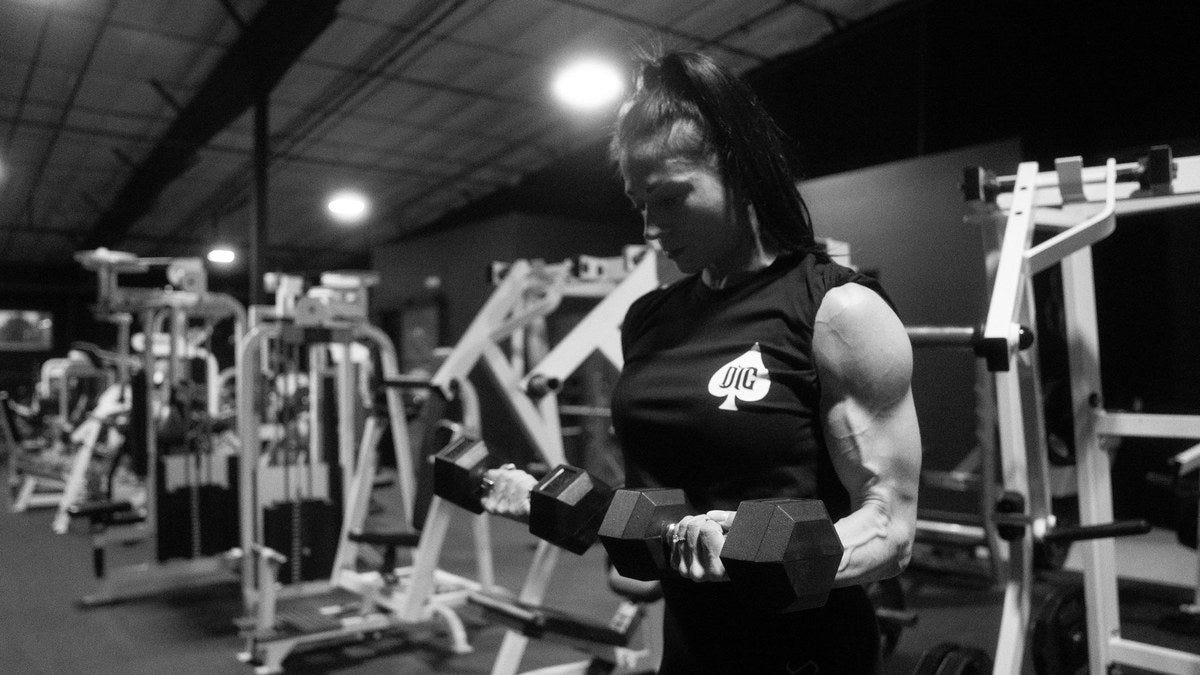
Bigger biceps don't come from endless curls. The real strategy: anatomy, training mistakes, the 4 best exercises (incline curl, hammer, cable, preacher), sets/reps, and recovery.