


Why Your Preworkout Needs These Essential Ingredients
By Jon Klipstein, U.S. Army Combat Veteran & Founder of Die Tryin Co.
Science reviewed by Onur Oncer, BS Physiology and peer-reviewed published researcher.
Listen up. You want a pre-workout that performs — not sugar-coated hype or a mystery blend that hides the doses. Supplements aren't magic. They're tools to help you push harder, focus sharper, and recover faster.
As a combat vet, I value gear I can trust. Your pre-workout should be the same. Here's the straight talk on the ingredients that actually move the needle — and the doses that matter.
CAFFEINE: THE NO-BS ENERGY DRIVER
Caffeine is the backbone of any solid pre-workout. It wakes up your brain and body, blocks adenosine receptors, and bumps dopamine and norepinephrine. The result: you feel alert, focused, and ready to attack your session.
Too many pre-workouts under-dose caffeine or hide it inside proprietary blends so you don't know what you're taking. That's rookie behavior.
Aim for 150–400 milligrams. Under 150 mg and you're basically sipping flavored water with a hint of buzz. Over 400 mg and you're rolling the dice on jitters and a crash.
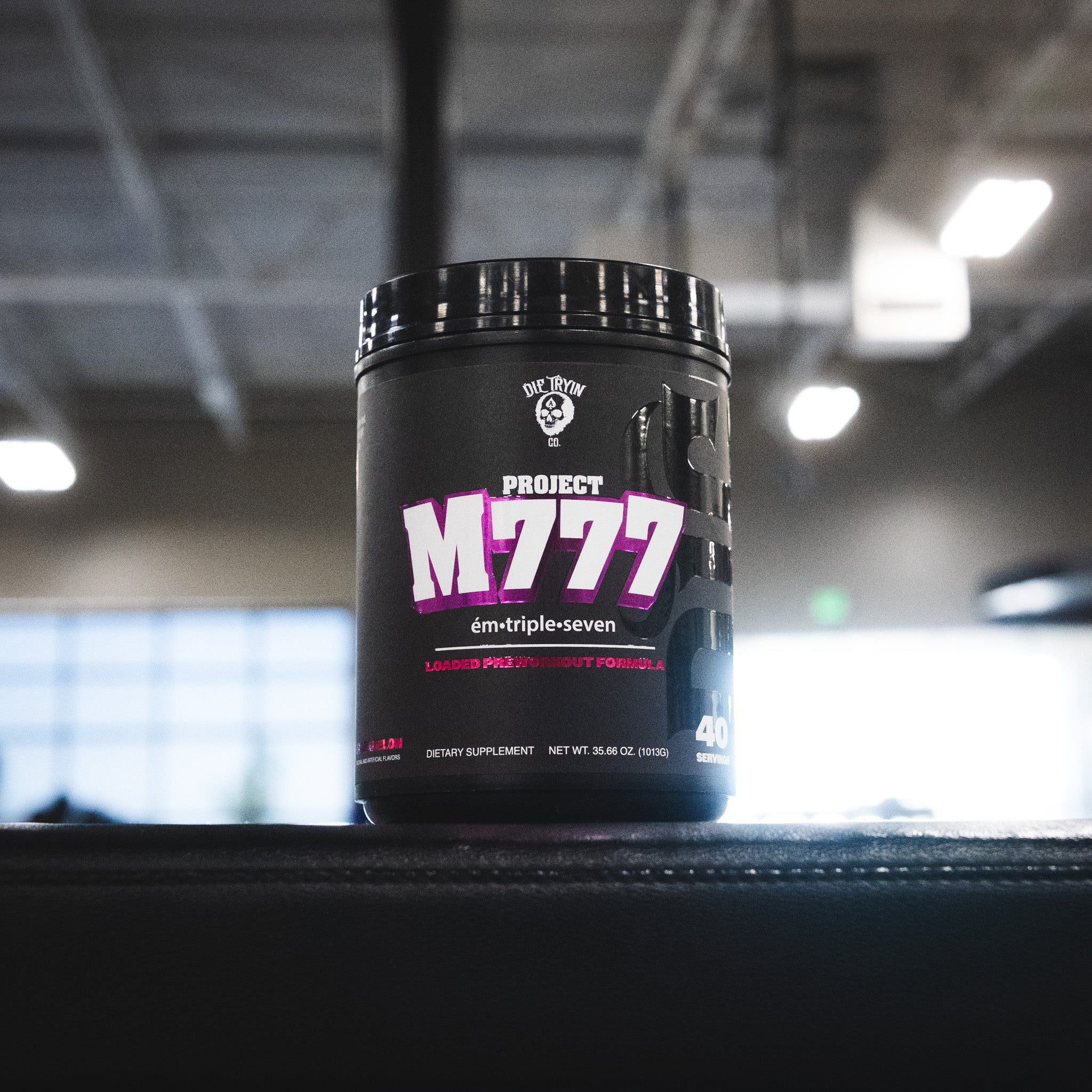
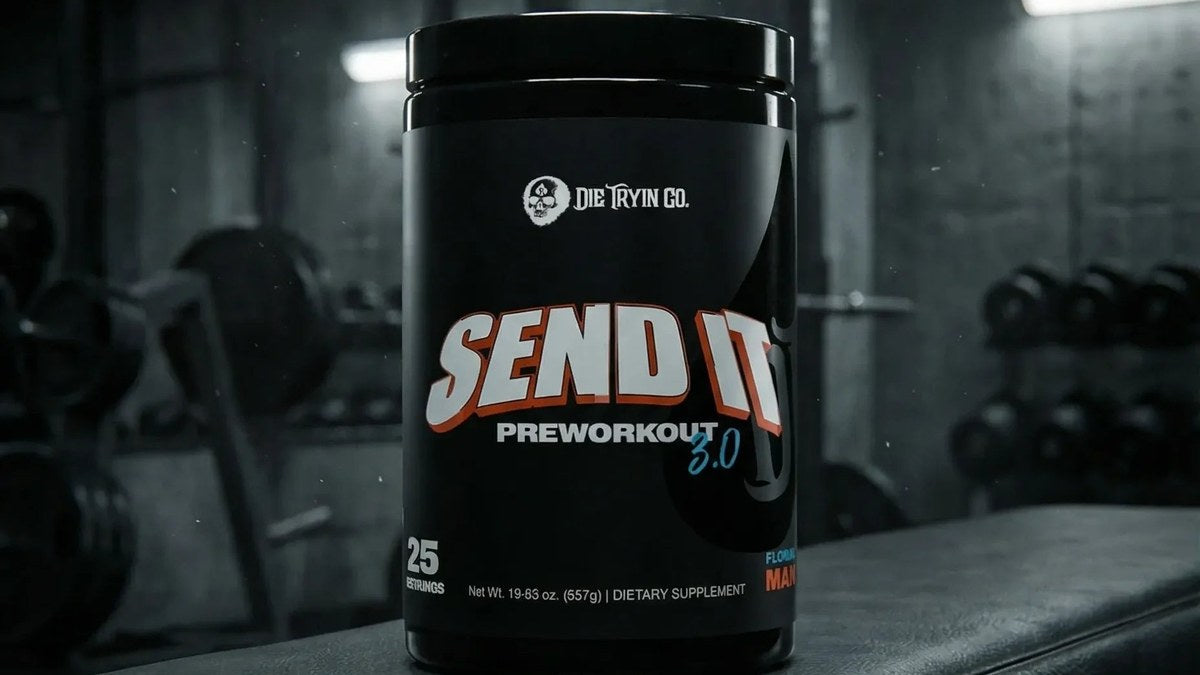
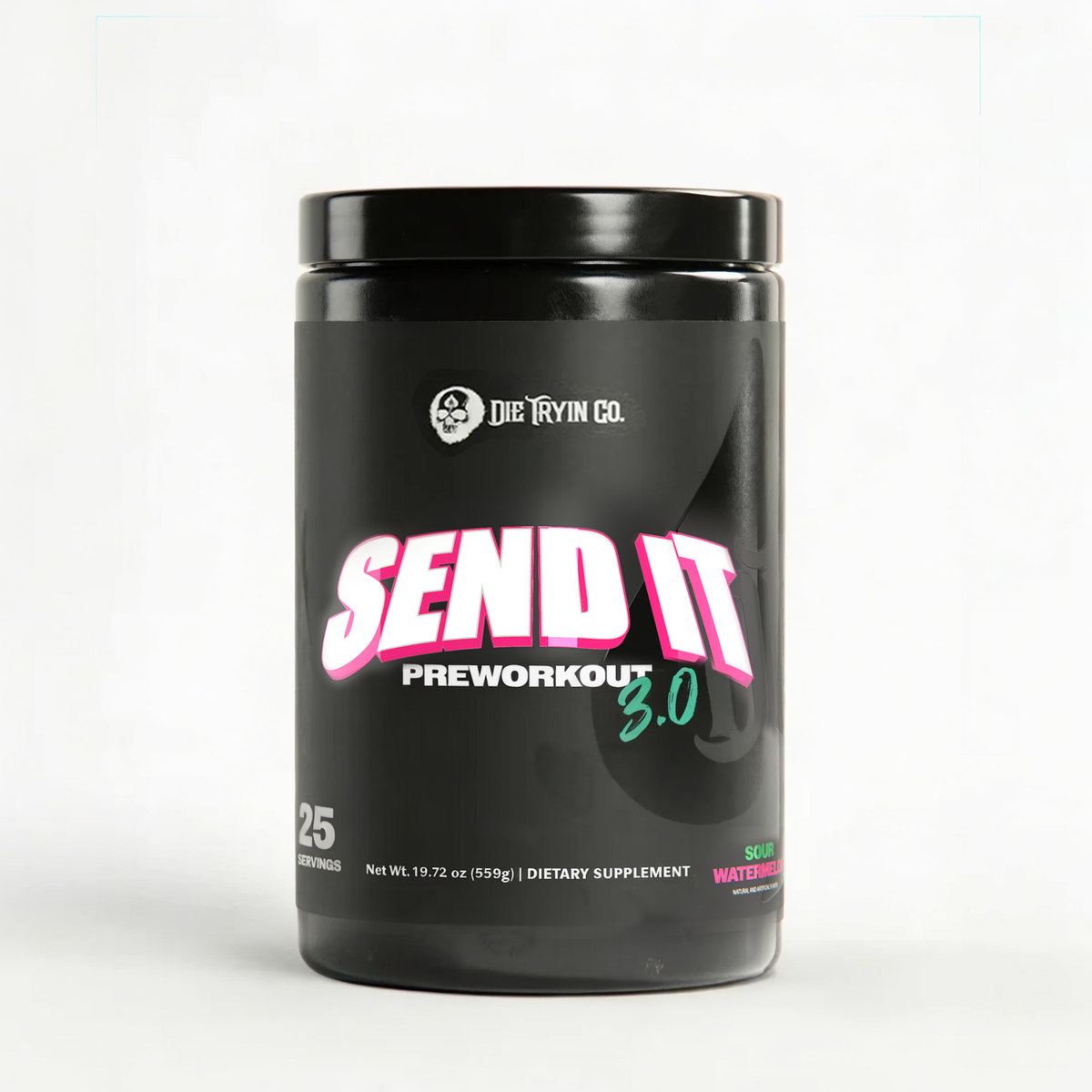
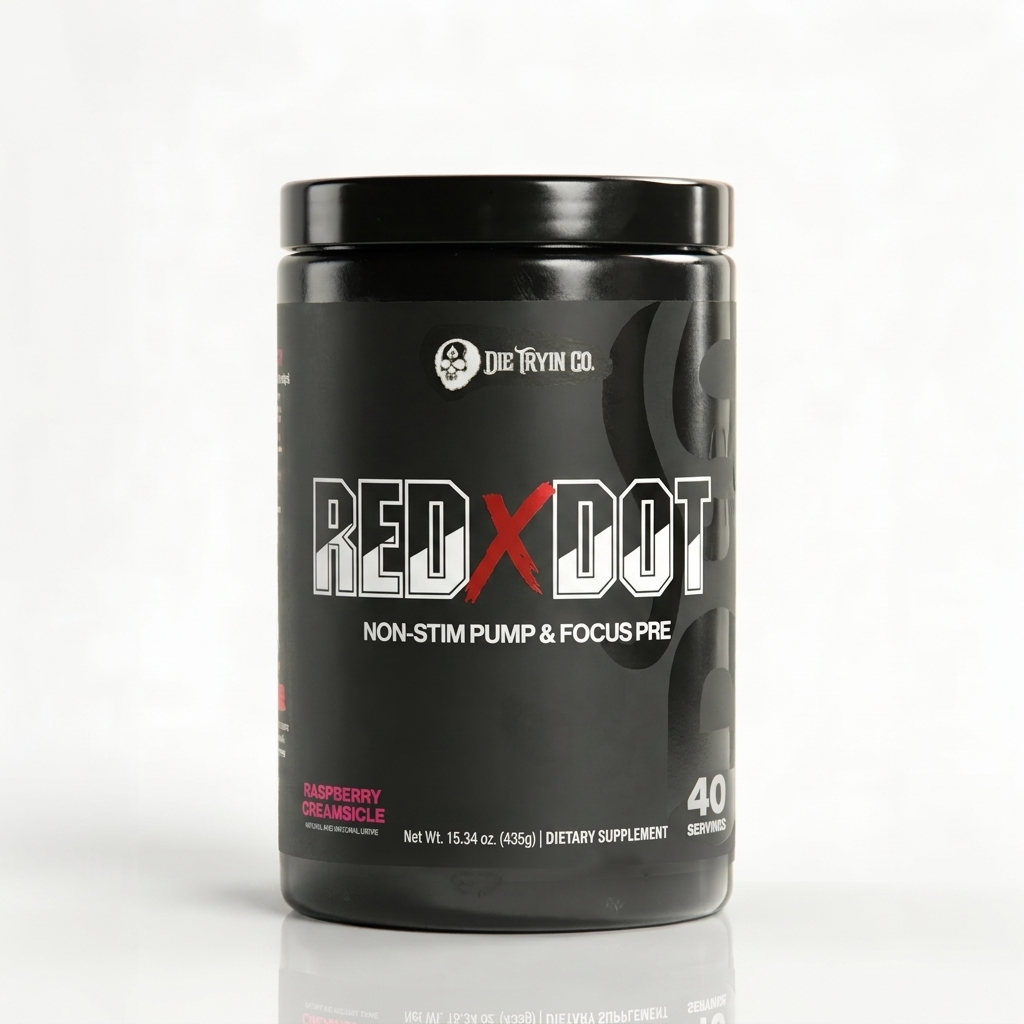
SEND IT 3.0 lands at 250 mg of natural caffeine plus 36mg of extended-release — clean energy that doesn't crash at minute 45. When you need to send it hard, Project M777 stacks 425mg caffeine (natural plus extended-release) in the full two-scoop serving for max-stim training days, experienced users only. Training late or sensitive to caffeine? Red Dot has you covered — and we broke down why that matters in our stim-free guide.
Don't accept mystery doses. Know your caffeine. Examine.com breaks down the research.
L-CITRULLINE: THE PUMP THAT PAYS OFF
Forget gimmicks. For a real pump and serious blood flow you need 6–8 grams of L-citrulline. This isn't just about looking better in the mirror — citrulline raises nitric oxide, dilates blood vessels, and supports oxygen and nutrient delivery to working muscle. Translation: more endurance and better performance during high-volume work.
Most formulas throw in 2–3 grams and call it a day. That won't move the needle.
Watch the label here. Older formulas used "citrulline malate" — that's L-citrulline bound to malic acid, with the malate adding filler weight. At the common 2:1 ratio, 6g of citrulline malate is roughly 4g of actual L-Citrulline. Modern transparent brands use pure L-citrulline at higher functional doses. The full label math lives in our L-Citrulline vs citrulline malate guide.
SEND IT 3.0 delivers 9 grams of pure L-citrulline — well past the clinical minimum — so you actually get the pump and performance you paid for. That's the kind of dose disclosure you should demand on every label.
Examine.com explains why dosing matters.
BETA-ALANINE: THE FATIGUE FIGHTER
Beta-alanine buffers acid in muscle and delays fatigue during high-intensity work. That tingling sensation you feel? It's harmless — and it's not the goal. The real benefit comes from building muscle carnosine over time, which means 3.2–6.4 grams daily so you can push harder and longer when it counts.
Don't be fooled by formulas that toss in a gram and brag about it on the label. That's fairy dust.
Both SEND IT 3.0 and Project M777 hit 3.2 grams per scoop — the clinical floor, every scoop. Stack it daily for the full effect.
The ISSN Beta-Alanine Position Stand lays it out.
BETAINE ANHYDROUS: THE OVERLOOKED POWER INGREDIENT
Most pre-workouts skip betaine. Most reviewers don't talk about it. That's a mistake.
Betaine supports power output, cellular hydration, and high-intensity work capacity. It's not flashy. There's no tingle, no rush, no obvious "feel." But the research backs it for strength and performance, and the effective dose is 2.5 grams.
It's one of the ingredients that separates serious formulators from brands that follow trends. Both SEND IT 3.0 and Project M777 deliver 2.5g per scoop. M777 doubles it at 5g for max-intensity training days.
If you see betaine on a label at 1g or less, that's underdosing. If it's not there at all, the brand is probably building around marketing rather than research.
L-TYROSINE: THE FOCUS EDGE
When the grind gets real and your focus starts slipping, L-tyrosine pulls you back in. It supports the neurotransmitters — dopamine, norepinephrine, epinephrine — that keep you sharp under stress. That mental edge can be the difference between a productive session and a wasted one.
Effective range is 1–2 grams for general focus support. Higher doses (3g+) come into play for sustained focus under serious fatigue or stress.
Tyrosine pairs well with caffeine for compound stimulation, which is why SEND IT 3.0 runs 3 grams and Project M777 hits 3.5g per scoop. If you want focus-forward training with zero caffeine, Red Dot is built around tyrosine and nootropics for days you need to dial in without overloading the system.
CREATINE MONOHYDRATE: THE STRENGTH FOUNDATION
Creatine is the most studied supplement in sports nutrition. Period. It helps regenerate ATP — the fuel your muscles burn during heavy lifts and sprints. Take 3–5 grams every day, every day, to saturate your stores and build real strength and power output.
One thing first: don't fall for "novel" creatine forms. HCl, ethyl ester, buffered, nitrate — none of them outperform monohydrate. They exist so brands can charge more and differentiate. Monohydrate has 30+ years of research behind it. Anything else is marketing.
Here's the truth most brands won't tell you: creatine doesn't need to be in your pre-workout. It works on a saturation model, not an acute one — meaning daily consistency matters more than timing. That's why we sell creatine as a standalone, so you get a full 5-gram dose every day, not a half-scoop buried in a blend.
Project M777 does include 2.5g of creatine monohydrate per scoop (5g at full dose) for athletes who want it stacked. But if you're using SEND IT 3.0 or any other daily pre-workout, supplement creatine separately.
See the full ISSN Creatine 2017 review if you want the deep dive.
WHAT TO AVOID ON THE LABEL
This is where most pre-workouts lose you. Proprietary blends. Fairy-dusted formulas. Underdosed hype ingredients dressed up to look fancy on the label.
Proprietary blends hide actual amounts, so you're left guessing whether you got real doses or filler. That's a bait-and-switch.
The Jagim 2019 study showed how most pre-workouts using proprietary blends fall short of clinically effective doses on key ingredients. They sell you the name, not the dose.
Watch for formulas listing 20+ ingredients that still miss the clinical thresholds on caffeine, citrulline, beta-alanine, and betaine. Demand transparency. If the label won't show exact amounts per serving, put it back on the shelf.
For a deeper breakdown of how to read a pre-workout label, see our guide on how to choose the right pre-workout.
HOW TO STACK AND TIME IT
Timing is mission-critical. Take your pre-workout 20–30 minutes before you train. That gives caffeine and the other ingredients enough runway to kick in and get you dialed when you walk under the bar.
Stack smart. Caffeine plus beta-alanine plus L-citrulline plus betaine is the foundation — energy, endurance, power, and pump working together. Creatine is your daily foundation, taken every day including rest days. Tyrosine is your mental edge for sessions when focus matters as much as output.
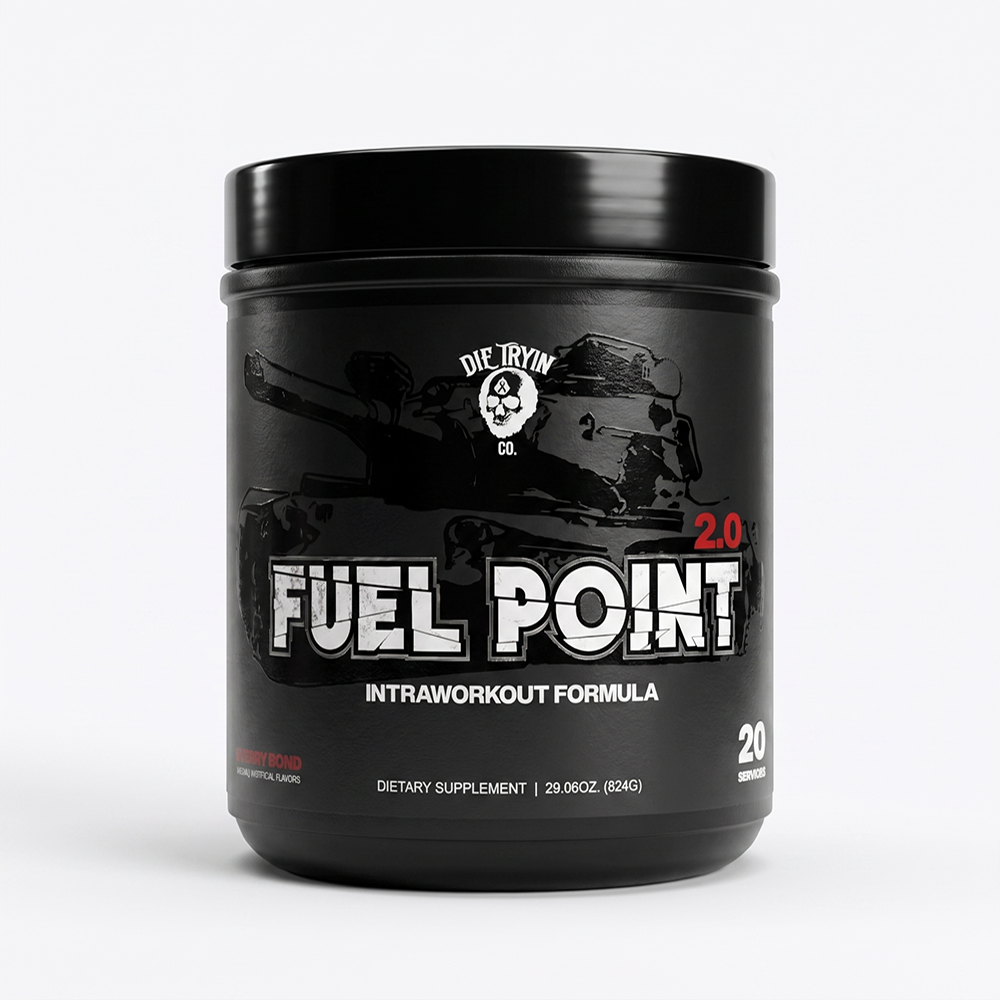
SEND IT 3.0 is built around this exact stack — balanced doses, no-nonsense label, full transparency. Project M777 is for when you need to send it hard. Going zero caffeine? Red Dot covers it.
For the complete breakdown of pre-workout science, timing, and formulation, see our Complete Guide to Pre-Workout Supplements.
Not sure where to start? Take our 60-second supplement quiz to find the right formula for how you train.
Train smart. Read your labels. Don't fall for the hype.
ALWAYS FORWARD.
FREQUENTLY ASKED QUESTIONS
What ingredients actually work in a pre-workout?
Six ingredients have the science to back them up: caffeine (150–400 mg), L-citrulline (6–8 g), beta-alanine (3.2–6.4 g daily), betaine (2.5 g), L-tyrosine (1–3 g), and creatine monohydrate (3–5 g daily). Everything else on most labels is either underdosed, unproven, or window dressing. Stick to the six and you're already ahead of 90% of the pre-workouts on the shelf.
Why is L-citrulline dosed so high compared to other ingredients?
Because that's what the research shows works. L-citrulline needs 6–8 grams to meaningfully raise nitric oxide and improve blood flow. Anything less is marketing. Brands undersize it because citrulline is one of the most expensive ingredients per gram — cutting the dose protects their margin. SEND IT 3.0 runs 9 grams because we'd rather pay for the dose than dress up the label.
What's the difference between citrulline and citrulline malate?
Citrulline malate is L-citrulline bound to malic acid. At the common 2:1 ratio, the malate part is about one-third of the total weight, so 8 grams of citrulline malate gives you about 5.3 grams of actual L-Citrulline. If a label says 6 grams of "citrulline malate," you're not getting 6 grams of citrulline — you're getting closer to 4. Modern transparent brands use pure L-citrulline at full doses. Always check whether the label spec is for the compound or the active dose.
Why isn't betaine in more pre-workouts?
Because it's not flashy. Betaine doesn't give you a noticeable rush, tingle, or buzz — it just supports power output and hydration in the background. Brands chasing the "feel" of a pre-workout often skip it because customers don't notice the absence. Brands building for actual performance include it at 2.5g. It's one of the cleanest signals of whether a formulator built for marketing or for results.
Do I need to cycle pre-workout?
If your pre-workout is built around caffeine, yes — tolerance builds and the energy effect dulls over time. Take 1–2 weeks off every 6–8 weeks, or rotate to a low-stim or stim-free formula. The non-stim ingredients like creatine, beta-alanine, citrulline, and betaine don't need cycling. They work on saturation, so consistency wins.
Is the beta-alanine tingle a sign it's working?
No. The tingling (paresthesia) is a harmless side effect of beta-alanine binding to nerve receptors. It happens whether the dose is clinically useful or not. Some people barely feel it; some get the full body buzz. Don't use the tingle to judge product quality — check the dose on the label instead. 3.2 grams or more, daily.
Can I take pre-workout every day?
Daily use is fine for most healthy adults, but caffeine tolerance is real. If you're training 5+ days a week on a stim-heavy formula, expect diminishing returns by week 4 or 5. Rotate in a stim-free formula on lighter days, or take periodic breaks. And if you have any cardiovascular issues or take medications, check with your doctor before going daily on anything caffeinated.
READY TO GEAR UP?
You've got the knowledge. Now match it with the right tool.
- Hardest training days, max stim: Project M777
- Daily driver, balanced energy: SEND IT 3.0
- Focus over stim, evening sessions: Red Dot
- Pump-focused, stim-free capsules: Pump Action
- Endurance and long sessions: SEND IT Sport
- Zero caffeine, full performance: Red Dot
- Daily creatine saturation: Creatine Monohydrate
Not sure where to start? Take our 60-second supplement quiz.
Browse the full Die Tryin Co. pre-workout lineup at /collections/preworkouts.
ALWAYS FORWARD.
GEAR THAT FITS THIS POST
The products this article actually talks about. Real doses, disclosed labels, veteran owned.


Read more

Stim-free pre-workouts deliver real performance without the jitters, crashes, or sleep disruption. Built for evening training, caffeine-sensitive lifters, and endurance work. Here's why they belong...
Cut through the supplement noise. What to look for on the label, ingredients that matter, and red flags to avoid when picking a pre-workout.

What actually works in pre-workout — ingredients, doses, timing, and how to pick the right one. Cut through the marketing. Get the real answer.
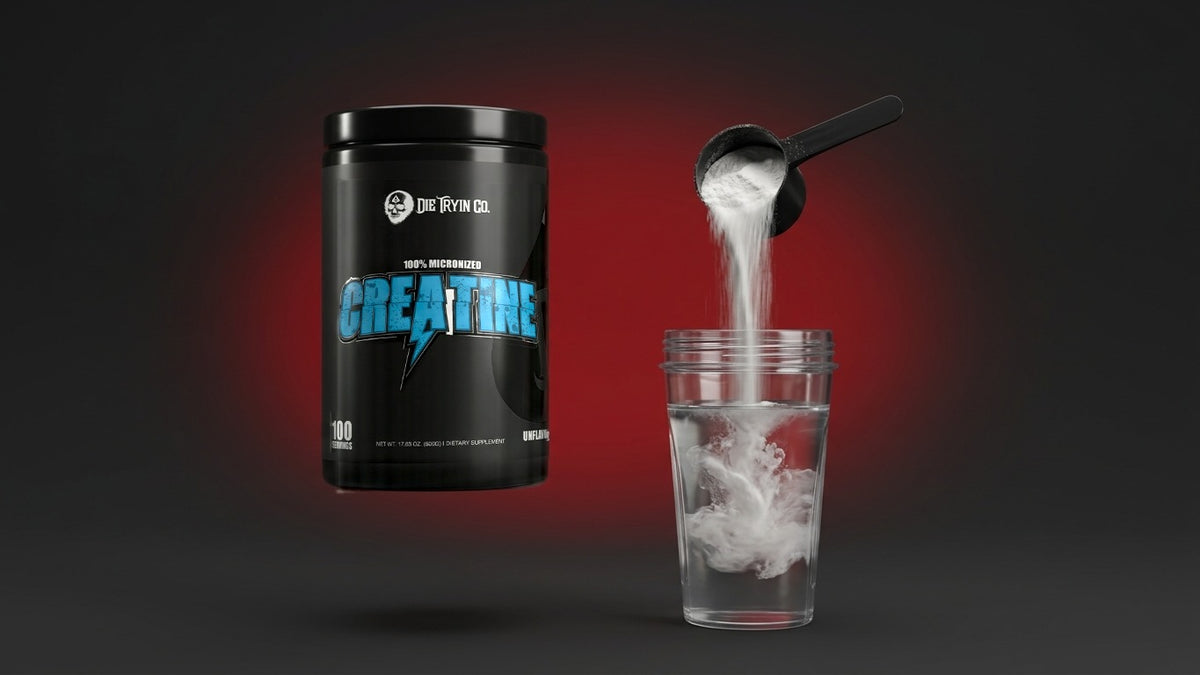
Your gut lining runs the same creatine energy system as your muscles. Here is what the research shows on stomach upset, IBS, colitis and leaky gut, and exactly where the human evidence stops.

Creatine gummies can work if the creatine is actually in them, and lab tests keep finding it often is not. Here is why a scoop of Creatine Monohydrate powder still wins.
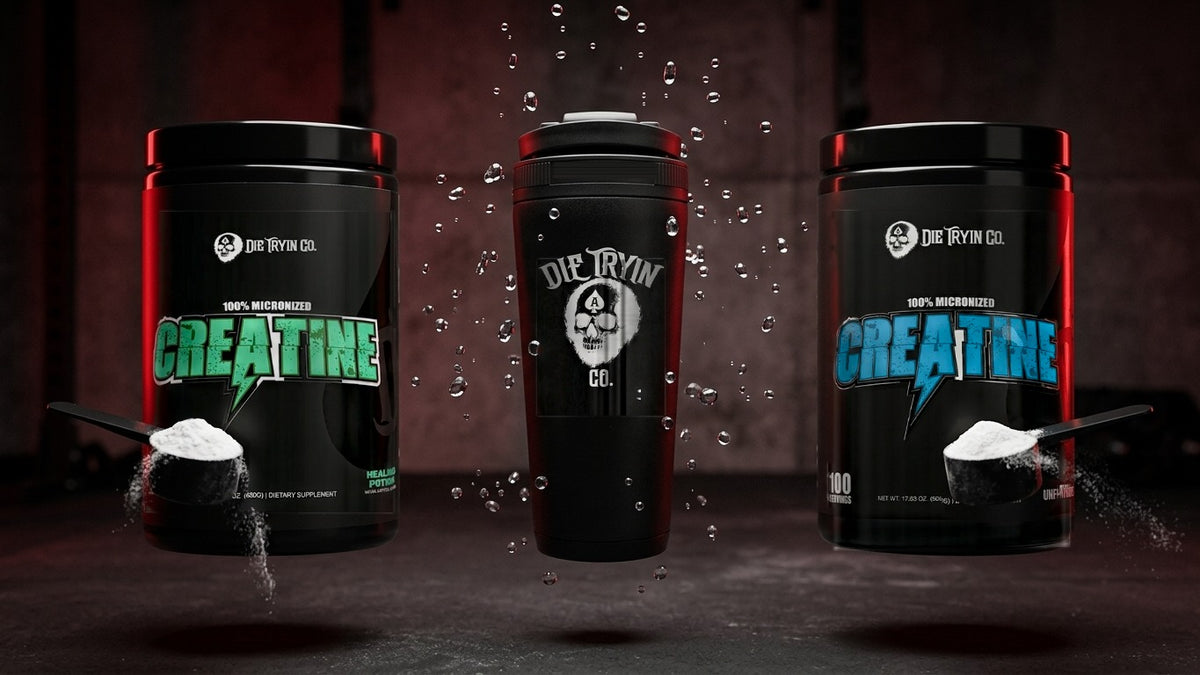
Flavor doesn't change what creatine does; taking it every day is what counts. How to pick flavored or unflavored, what to mix it with, and how long it lasts once mixed.