

What Is FST-7? The 7-Set Bodybuilding Protocol Explained
By Jon Klipstein, U.S. Army Combat Veteran & Founder of Die Tryin Co.
SEVEN SETS, THIRTY SECONDS REST — AND ONE OF THE MOST BRUTAL PROTOCOLS IN BODYBUILDING
FST-7 is shorthand for Fascia Stretch Training, 7 sets. Created by IFBB pro bodybuilding coach Hany Rambod — the trainer behind multiple Mr. Olympia winners including Phil Heath, Jay Cutler, Hadi Choopan, and Derek Lunsford — it’s a high-volume isolation protocol used as a finishing technique at the end of a muscle group’s workout. The pump is brutal. The point is brutal. And when programmed correctly, the results are why some of the biggest physiques in the sport swear by it.
Here’s what FST-7 actually is, the mechanism behind why it works, how to run a set correctly, and where to plug it into your own program.
FST-7 PROTOCOL AT A GLANCE
| ELEMENT | DETAIL |
|---|---|
| Sets | 7 working sets |
| Reps per set | 10-15 (depending on variation) |
| Rest between sets | ~30 seconds (Rambod standard) OR 20 seconds isometric/stretch + 20 seconds rest (Chet’s variation) |
| Position in workout | LAST exercise of the body part — never first |
| Best implements | Cables, dumbbells, machines (anything that holds tension consistently) |
| Best muscle groups | Smaller / isolated groups (shoulders, arms, calves, rear delts). NOT for big compounds. |
| Frequency | Once per muscle group per week is plenty |
WHO CREATED FST-7
FST-7 was developed by Hany Rambod, an IFBB pro coach widely considered one of the most successful coaches in modern bodybuilding. His client list includes seven-time Mr. Olympia Phil Heath, four-time Mr. Olympia Jay Cutler, 2022 Mr. Olympia Hadi Choopan, and current top-level competitors like Derek Lunsford. The protocol grew out of Rambod’s work in the trenches with elite-level bodybuilders looking for ways to break through training plateaus.
The “Fascia Stretch” part of the name is the underlying idea: that the fascia — the connective tissue surrounding muscle — can act as a physical constraint on muscle expansion. By driving sustained blood, nutrients, and intramuscular pressure into the working muscle, FST-7 aims to stretch the fascia and create more room for muscle growth over time. Whether that’s the exact mechanism is debated in the academic literature, but the practical result — massive pump + high-volume metabolic stress — is real and reproducible. The protocol works whether or not the “fascia” explanation is the complete story.
WHAT FST-7 ACTUALLY DOES (THE RESEARCH-BACKED MECHANISM)
The honest mechanism behind why FST-7 builds muscle isn’t mystical. It’s the combination of two of the most well-established drivers of hypertrophy.
1. Mechanical tension across high volume. Seven sets of 10-15 reps is a significant total rep count for one exercise. Each set delivers mechanical tension on the working muscle — the primary growth signal per the hypertrophy research. Multiply that across 7 sets and the total tension exposure is far higher than a typical 3-4 set isolation movement.
2. Metabolic stress from short rest periods. Cutting rest between sets to 30 seconds (or shorter, in Chet’s 20s-iso + 20s-rest variation) means the muscle doesn’t fully recover between sets. Metabolites accumulate. Pump intensifies. The cell-swelling and metabolic load that result are the secondary hypertrophy driver per the same research. FST-7 maximizes both.
The pump itself isn’t the cause of growth — the underlying tension and metabolic stress are. But the intense pump is the obvious sign that the working muscle is being absolutely flooded with blood and nutrients, which is exactly the state the protocol is designed to create.
HOW TO RUN AN FST-7 SET
Step-by-step protocol. Use this as the LAST exercise of your shoulder, arm, or calf day:
1. Pick a single isolation movement. Lateral raises, bicep curls, tricep pushdowns, calf raises, rear delt cable flyes, leg curl. One movement, one target muscle. No compound lifts.
2. Choose a weight you can hit for 10-15 strict reps on every set. This is critical. The weight that gets you 12 clean reps on set 1 should still get you 10 clean reps on set 7 (with the pump). If you can’t hit 10 reps by set 4 or 5, the weight is too heavy. Drop it.
3. Execute the set with full ROM and slow eccentric. No half-reps. Stretched start, hard squeeze at the contraction, 2-3 second eccentric back to the starting position. Full tension on every rep.
4. Rest 30 seconds. That’s it. Rambod’s standard is 30 seconds. Some variations (Chet’s in particular) add a 20-second isometric hold, stretch, or band-resisted contraction between sets, then 20 seconds of rest. Both work. The short rest is what keeps tension and metabolic load building across the 7 sets.
5. Repeat for 7 total sets. The cumulative load is the point. Sets 5, 6, and 7 are where the growth signal really stacks — that’s why dropping the weight prematurely costs you most of the protocol’s benefit.
6. That’s the workout for that body part. FST-7 is the finisher. After 7 brutal sets, the muscle is cooked. Move to the next body part or end the session.
BEST EXERCISES AND MUSCLE GROUPS FOR FST-7
FST-7 isn’t for everything. The protocol works best on small and mid-size muscle groups that can recover from high-volume isolation work and where pump-driven hypertrophy is the main goal. Best targets:
Shoulders — lateral raises or rear delt flyes. Probably the most popular FST-7 application. See Chet Nichols’s shoulder day for the FST-7 lateral raise variation in action — live demonstration of the 20-second iso + 20-second rest protocol on dumbbells. For the medial delt grip cue that pairs perfectly with FST-7 laterals, see pinky-up lateral raises.
Back — lat pulldowns, cable rows, or pullovers. The other most common FST-7 application. See our FST-7 back workout for the specific back-day application.
Biceps — cable curls, preacher curls, or hammer curls. FST-7 on biceps after your heavier curl work is one of the most pump-intense protocols in bodybuilding. See how to build bigger biceps for the heavier work that should come first.
Triceps — rope pushdowns, single-arm cable kickbacks. Same logic as biceps. Run FST-7 after your heavier compound tricep work. See best tricep exercises for the compound work.
Calves — standing calf raises, seated calf raises. Calves respond beautifully to high-volume protocols because they’re built for endurance. Fit into a leg day as the calf finisher.
What NOT to use FST-7 for: heavy compound lifts (squats, deadlifts, bench press, weighted pull-ups). The systemic fatigue from 7 sets at short rest will compromise form, increase injury risk, and not deliver the same isolation-pump benefit. Save FST-7 for isolation movements.
WHEN TO PROGRAM FST-7
FST-7 is a finishing technique. The protocol assumes you’ve already done your main compound and accessory work on the target muscle group. Here’s the typical structure:
Shoulder day example (Chet’s approach): Overhead press (compound) → Reverse-grip overhead press (secondary compound) → FST-7 lateral raises (finisher). The lateral raise FST-7 is the LAST exercise, run when the shoulders are already warmed up and the main strength work is done.
Frequency: Once per muscle group per week is plenty. FST-7 is high-volume and high-stress — running it twice a week on the same muscle leads to overtraining for most lifters. Pick one body part per session for FST-7 work.
Programming context: Plug it into a push/pull/legs or upper/lower split. FST-7 can fit on any day — you’re just choosing which body part gets the finisher treatment that session. The full programming framework lives in the Muscle Building pillar.
COMMON FST-7 MISTAKES
1. Going too heavy. The single most common error. If you can’t hit 10-15 strict reps on every set with full ROM, the weight is too heavy. Drop the weight and run the protocol correctly. The volume is the point, not the load.
2. Resting too long. Stretching rest to 60-90 seconds turns FST-7 into a regular 7-set workout. The short rest IS the protocol. If you can’t maintain 30-second rests, the weight is too heavy — drop it.
3. Running it on compound lifts. Don’t do 7 sets of squats with 30 seconds rest. You’ll get hurt. FST-7 is an isolation finisher, not a compound protocol.
4. Using it as the first exercise. FST-7 cooks the muscle. If you run it first, you have nothing left for heavier compound work that drives strength gains. Do the heavy work first, finish with FST-7.
5. Skipping form for ego. By set 5 or 6 the pump is intense and the temptation to swing the weight kicks in. Don’t. Drop the weight, finish the reps strict. As Chet Nichols says: throw the ego out the door.
6. Running it every workout. FST-7 is high-stress. Once per muscle group per week is the cap. More than that and you’re overtraining the connective tissue and joints, not just the muscle.
FST-7 IN ACTION — DTC EXAMPLES
The protocol is easier to understand once you’ve seen it run. We have two posts that show FST-7 in actual use:
Shoulders: Chet Nichols’s massive shoulder day runs the FST-7 lateral raise variation with band-resisted isometric between sets. Full video demo + transcript of the protocol in action. If you want to see what 7 sets actually looks like, watch Chet run it.
Back: Our FST-7 back workout covers the back-day application — lat pulldowns, cable rows, and pullovers in the 7-set finisher format.
For shoulder-day pairing, see Jenna’s shoulder day for the broader programming context and the rotator-cuff warmup that should precede any heavy shoulder volume. For Chet’s other technique work, see his plate front raise tip.
FAQ
What does FST-7 stand for?
Fascia Stretch Training, 7 sets. The “FST” is the training principle (driving blood and nutrients into the muscle to stretch the surrounding fascia). The “7” is the set count.
Who invented FST-7?
Hany Rambod, an IFBB pro bodybuilding coach who has trained multiple Mr. Olympia winners including Phil Heath, Jay Cutler, Hadi Choopan, and Derek Lunsford.
Does FST-7 work?
Yes, as a finisher. It stacks mechanical tension across seven sets with metabolic stress from short rests, two of the most well-established drivers of hypertrophy, and the pump is the sign of that work, not the cause of growth.
How many reps per FST-7 set?
10-15 reps is the standard range. Pick a weight you can hit for 12-15 strict reps on set 1 and still get 10 strict reps on set 7. If you can’t, the weight is too heavy.
How long should I rest between FST-7 sets?
30 seconds is Hany Rambod’s standard. Some variations (including Chet Nichols’s approach in his shoulder day) use 20 seconds of isometric tension or stretching, then 20 seconds of rest. Both work. The point is to keep rest short and intramuscular tension high across all 7 sets.
Can I do FST-7 every workout?
No. Once per muscle group per week is the cap. The protocol is high-stress on the connective tissue and joints. Running it more often leads to overtraining for most lifters.
Can I do FST-7 on squats or deadlifts?
No. FST-7 is an isolation finisher, not a compound protocol. 7 sets of squats or deadlifts at 30 seconds rest will compromise form and increase injury risk. Save FST-7 for isolation movements like lateral raises, curls, pushdowns, and calf raises.
Do I need a training partner?
Not strictly, but a partner makes the isometric variations easier. If you’re running Chet’s variation with band-resisted isometrics between sets, you can use a band looped overhead or under your feet as a partner stand-in.
How long until I see results from FST-7?
FST-7 is a training tool, not a magic protocol. Expect the same hypertrophy timeline as any other well-programmed bodybuilding work: 4-8 weeks before measurable change, longer for visible aesthetic differences. The advantage of FST-7 is breaking through stubborn plateaus on lagging muscle groups, not delivering overnight results.
READY TO GEAR UP?
Try the protocol. Pick a body part that’s lagging, run FST-7 as the finisher of next week’s session, see how the muscle feels for the next 48 hours. If the pump is intense and the soreness shows up where you wanted it, the protocol is working.
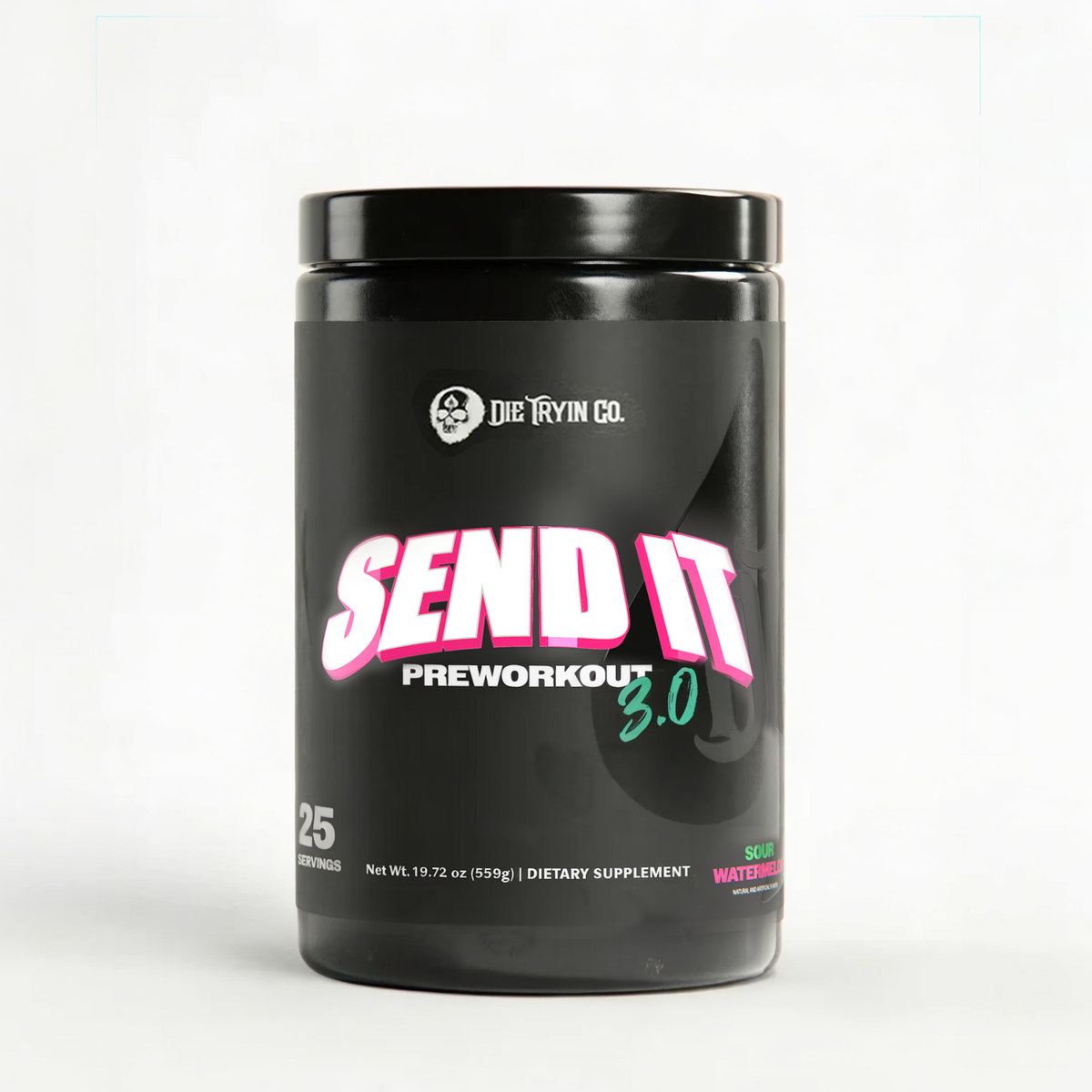
Need a stack to support the volume? SEND IT 3.0 for pre-workout focus and pump that holds across 7 brutal sets. Creatine Monohydrate for the training volume that pays off over weeks. Or take the quiz for a stack matched to your goals.
ALWAYS FORWARD.
GEAR THAT FITS THIS POST
The products this article actually talks about. Real doses, disclosed labels, veteran owned.

Read more
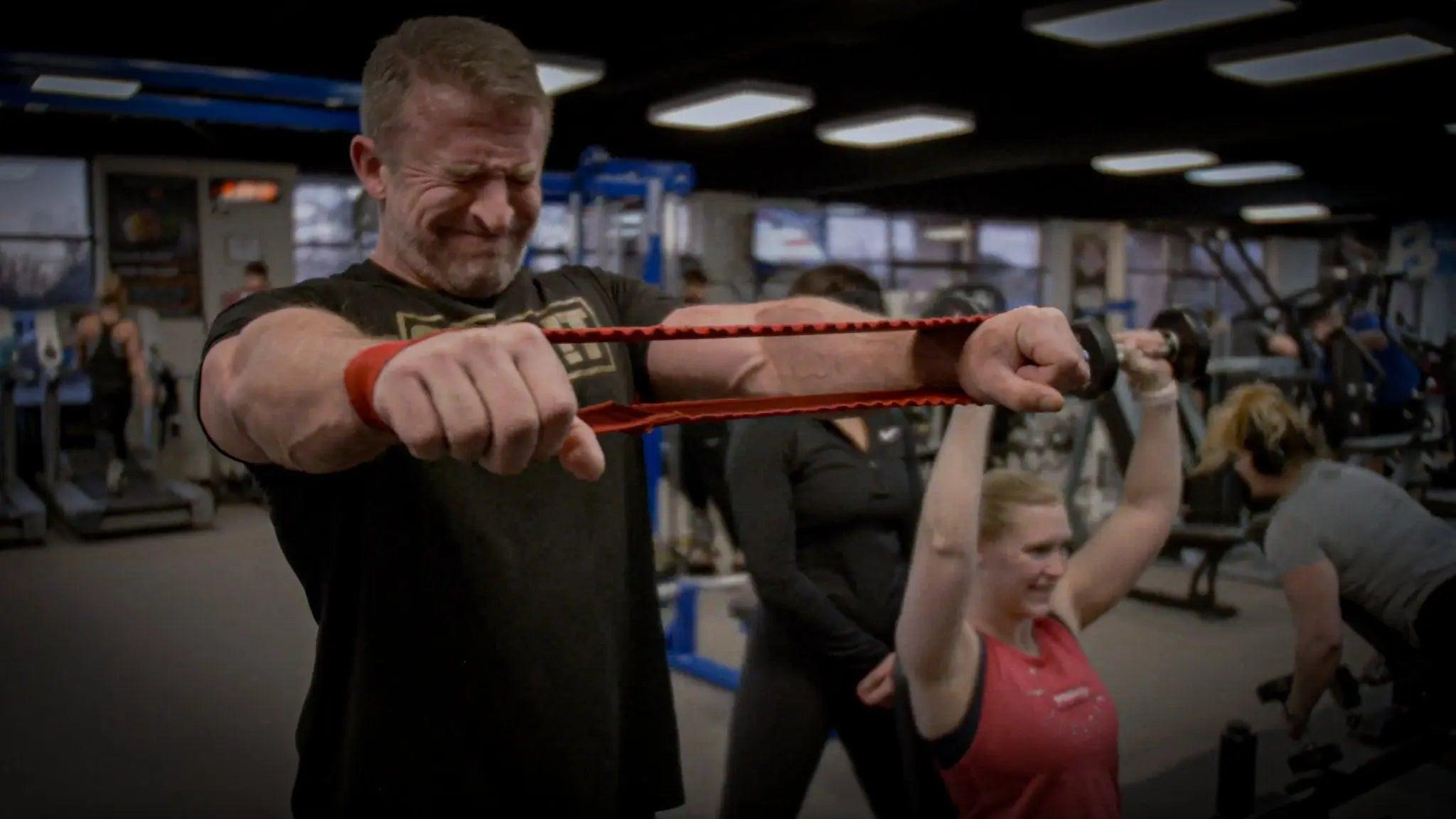
DTC trainer Chet Nichols walks you through his shoulder day — tempo-driven working sets, reverse-grip overhead press, the brutal FST-7 lateral protocol, and why he saves rear delts for back day.
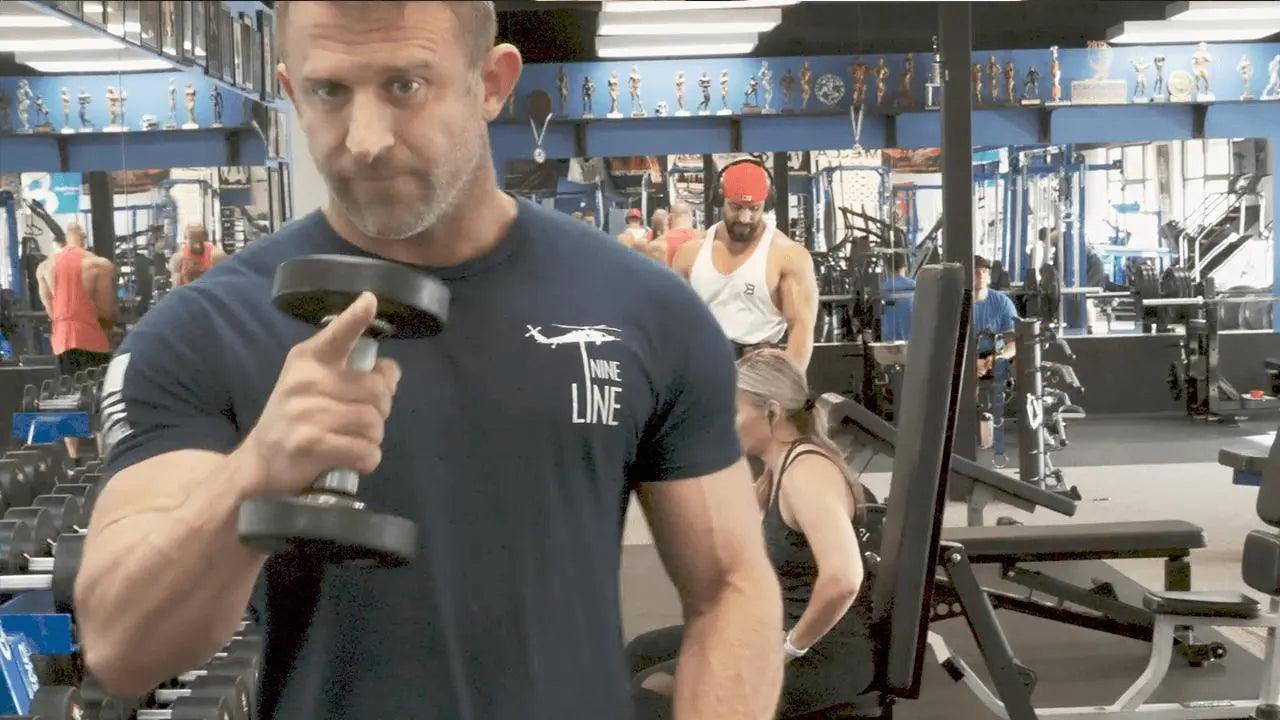
A 60-second technique tip that biases more work onto the medial delt — the side of your shoulder. Costs nothing, builds width.
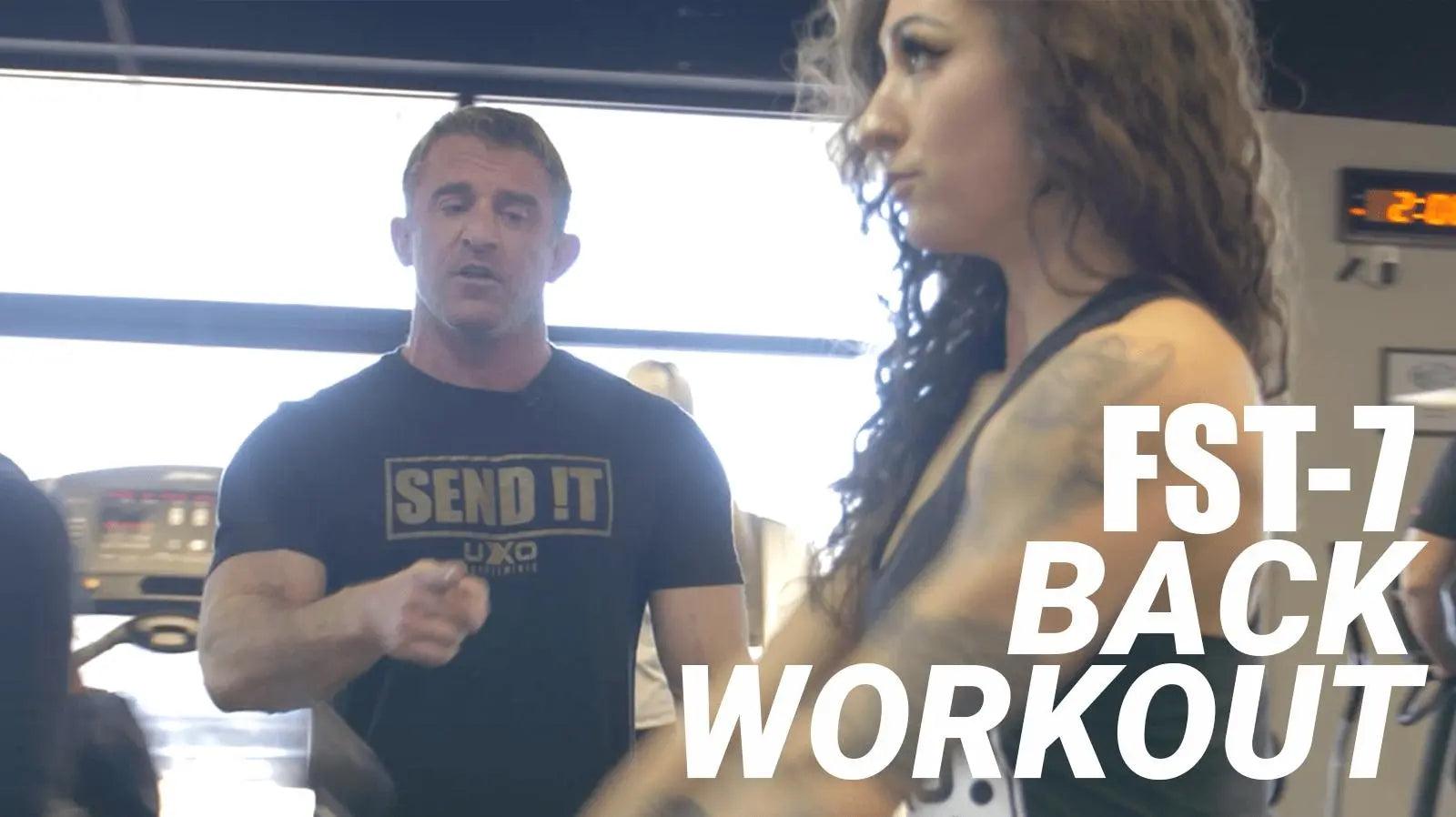
IFBB Pro Chet Nichols's FST-7 back workout — seven sets of straight-arm pulldowns to stretch and grow your lats. The protocol, the form, and the honest science.
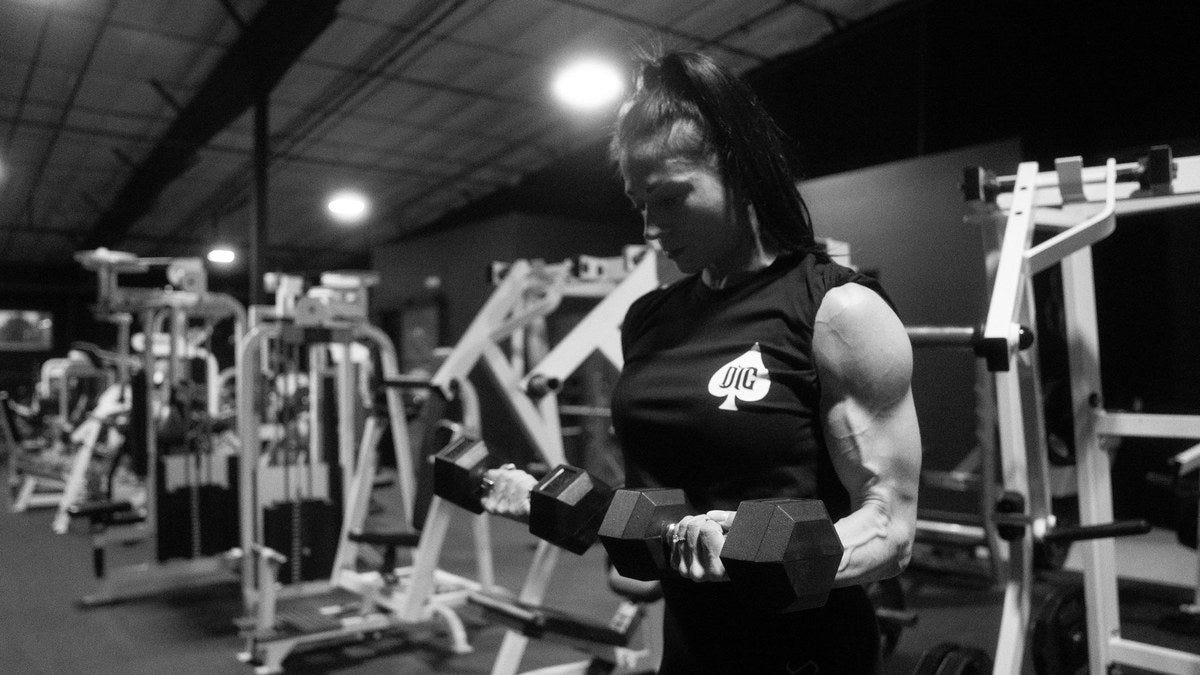
Bigger biceps don't come from endless curls. The real strategy: anatomy, training mistakes, the 4 best exercises (incline curl, hammer, cable, preacher), sets/reps, and recovery.
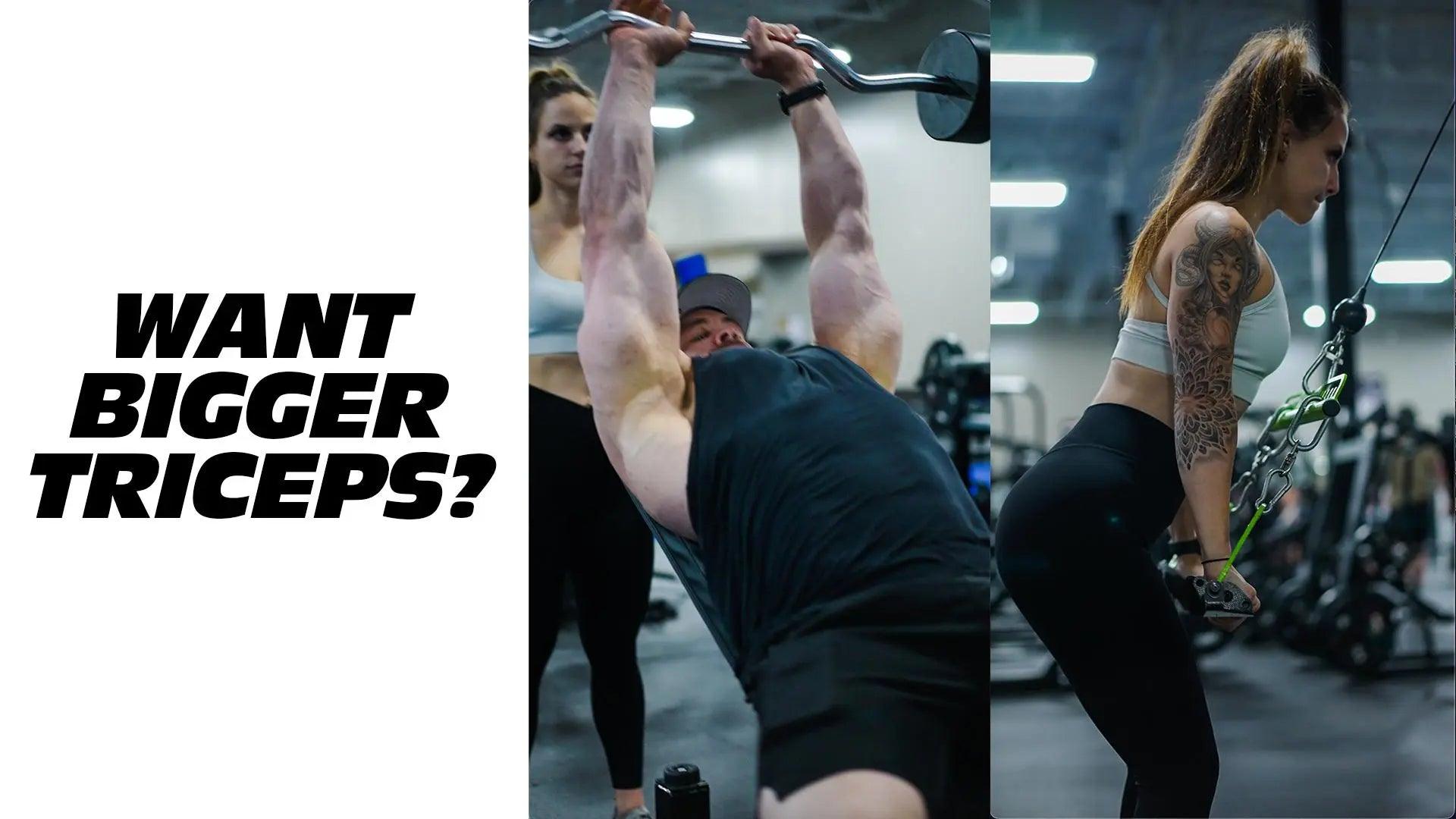
Your triceps are two-thirds of your arm. Here are the 7 best tricep exercises to hit all three heads — and how to program them for size.
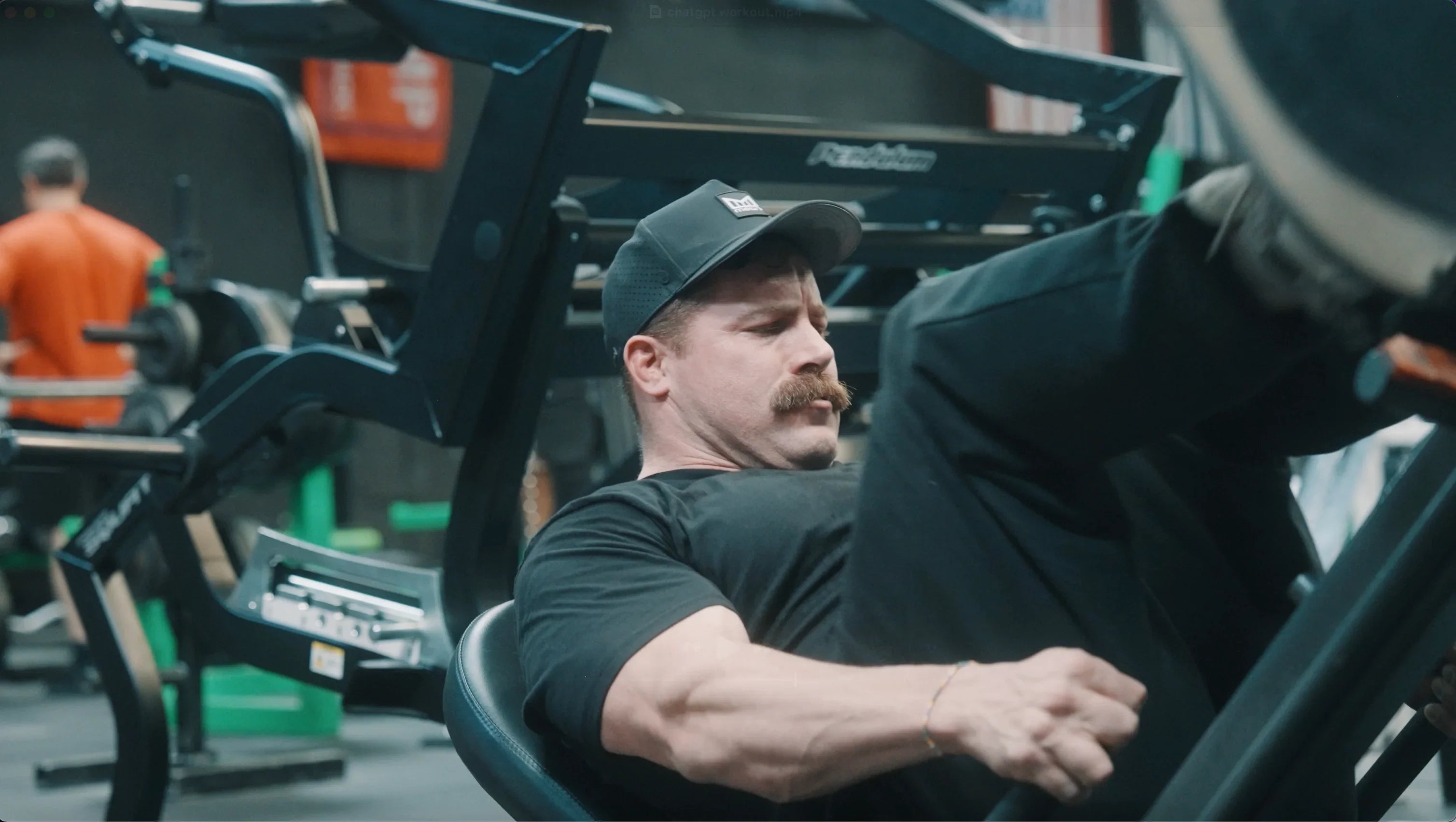
The best leg exercises that actually build wheels — 8 moves for quads, hamstrings, glutes, and calves, plus a complete leg-day plan.