

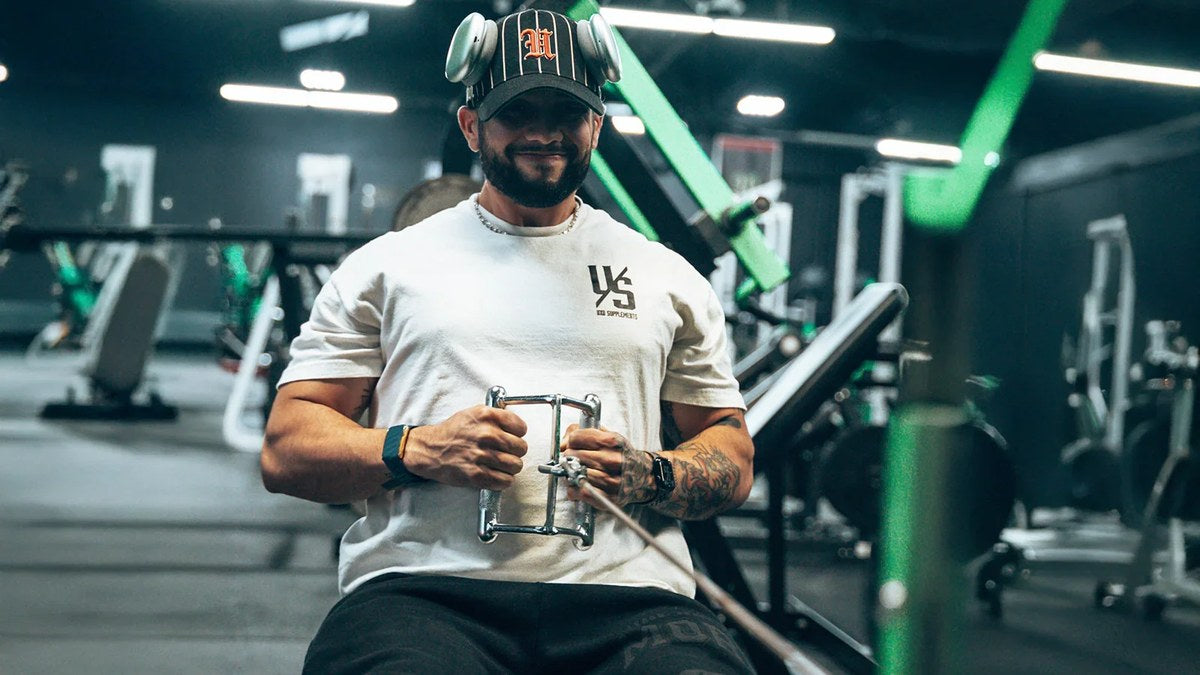
Brutal Back Day: The Blueprint for a Thicker Back
By Jon Klipstein, U.S. Army Combat Veteran & Founder of Die Tryin Co., and Garrett Ussery, NASM-CPT & 2025 Idaho Cup Overall Champion
BUILD THE ARMOR
When someone walks into a gym, a big, wide back is one of the first things that commands respect. It gives you that armor-plated look, the kind of physique that reads as power even under a hoodie. But most lifters never get there, because they chase width without depth or thickness without structure, hitting the same cable machine week after week and wondering why their back looks flat from the side.
This workout is different. We're not isolating, we're dominating: a strategic assault on every section of the back, lats, traps, rhomboids, erectors, and rear delts, with power movements laying the foundation and hypertrophy work to widen, thicken, and define. It's brutal, it's calculated, and it's built to stack on serious size.
THE BRUTAL BACK DAY WORKOUT
| EXERCISE | SETS x REPS | JOB |
|---|---|---|
| Deadlift | 4 x 5, rest 2-3 min | Total-back foundation, erectors and traps under heavy load |
| Barbell Row | 4 x 8, rest 90 sec | Thickness anchor, lats and mid-back |
| Weighted Pull-Up or Lat Pulldown | 4 x 8-10, rest 90 sec | Width, the vertical pull |
| Chest-Supported Row | 3 x 12, rest 60-90 sec | Mid-back volume with the lower back protected |
| Rear Delt Flye | 3 x 15, rest 60 sec | The 3D finish across the upper back |
| Barbell Shrug | 3 x 12, rest 60 sec | Traps, hold the top for a full second |
Style: strength plus size. Deadlifts and rows move heavy with full rest, everything after chases the pump with shorter breaks. The session runs 60 to 75 minutes, and if it doesn't feel like a fight by the third movement, the loads are too polite. Straps are welcome from the barbell row onward, this is a back workout, not a forearm audition, and grip should never be the reason a pulling set ends early.
WHY THESE SIX, IN THIS ORDER
The heavy hinge comes first because the erectors are the muscle group you can least afford to load when fatigued, and everything after leans on their endurance. The barbell row follows while your hinge position is still sharp, full technique breakdown in our barbell row form guide. Then the vertical pull for width, and if you have ever wondered whether pulldowns can replace rows, our pulldowns vs rows breakdown answers it: they are complements, not substitutes, which is exactly why this session has both.
The chest-supported row exists because by movement four your lower back is done being a hero, and taking it out of the equation lets the mid-back keep working at full effort. Rear delts and shrugs close it out because a thick back without rear delts and traps looks unfinished from every angle, and most lifters chronically underfeed both, our rear delt guide makes that case in full.
EXECUTION NOTES, MOVEMENT BY MOVEMENT
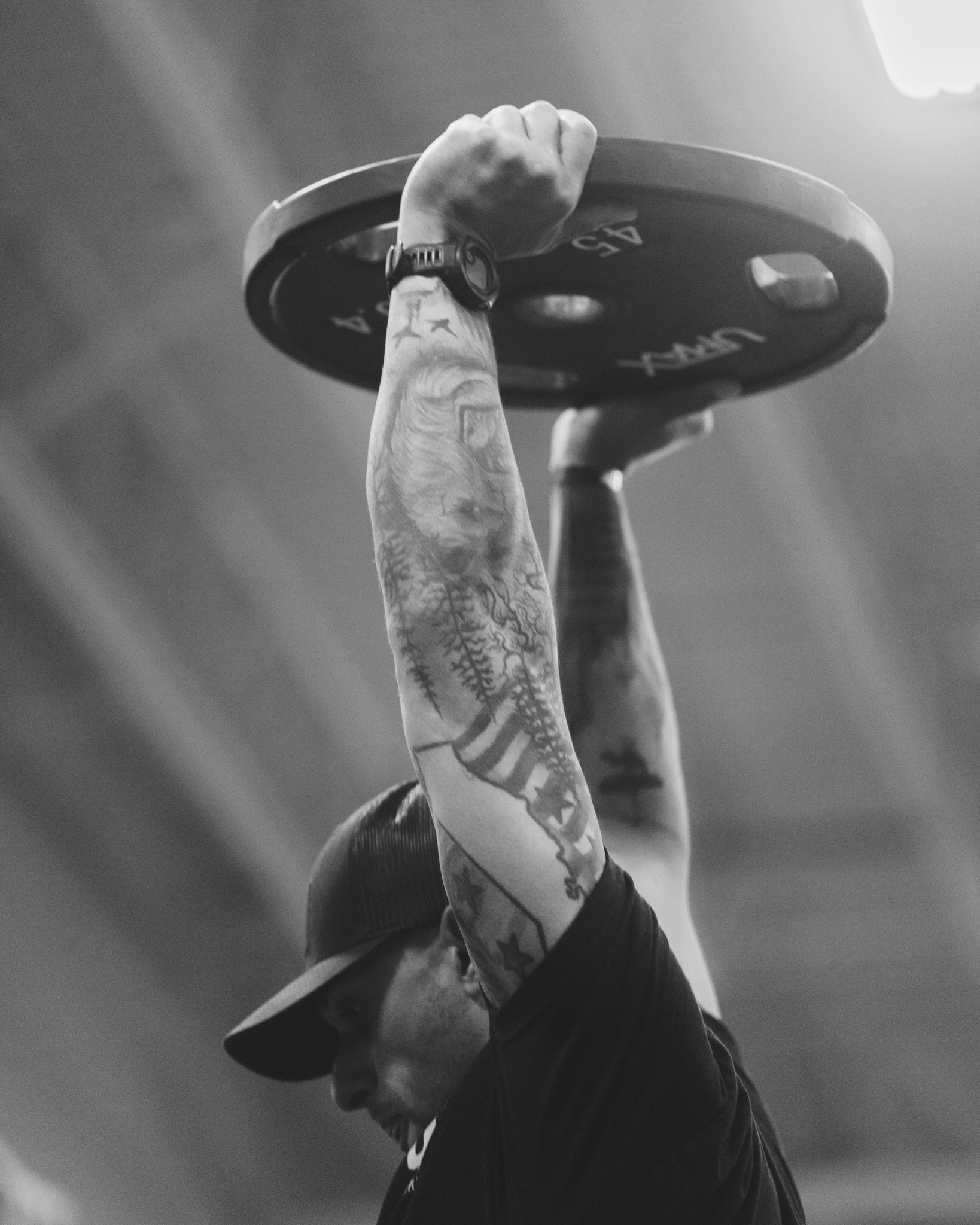
Deadlift: these are strength sets, not touch-and-go cardio. Full reset on the floor each rep, brace, pull. Leave one rep in the tank on every set, the row still needs your lower back. Barbell row: torso angle locked, bar to your pockets, one-second squeeze, full stretch at the bottom. The moment your hips start heaving, the set is over no matter what the counter says. Pull-ups: dead hang to chest-leading finish, add weight only when strict bodyweight reps are smooth for all four sets. Chest-supported row: chest glued to the pad the entire set, if the pad loses contact you are cheating the exact support the exercise exists for. Rear delt flyes: light weight, zero momentum, think about throwing your knuckles wide rather than lifting the dumbbells. Shrugs: straight up and down, one-second hold at the top, no rolling, rolling adds theater and subtracts traps.
THE WARM-UP THAT EARNS THE HEAVY SETS
Five focused minutes, not thirty half-hearted ones. Two light sets of band pull-aparts and dead hangs to wake up the shoulder blades, then ramp the deadlift: empty-ish bar, then roughly 50%, 70%, and 85% of your first working weight for fast triples and doubles. By the time the work sets start, your hinge is grooved and your grip is warm. Skipping the ramp to save ten minutes is how back day becomes physical therapy day.
THE RESEARCH BEHIND THE BLUEPRINT
Two findings shape how you should execute every pull in this session. First, range of motion: a 2025 EMG study of the prone barbell row found the lats fired hardest in the top half of the pull, the squeeze into the body, with no advantage to cutting range (Fischer et al., 2025). Full stretch at the bottom, hard squeeze at the top, on every row variation in the table.
Second, volume: a dose-response meta-analysis found more weekly sets per muscle produced more growth, with 10 or more sets per week clearly outperforming less (Schoenfeld et al., 2017). This session alone delivers roughly 14 hard pulling sets for the lats and mid-back. Run it once weekly alongside a second lighter pull day and the back sits comfortably in the growth zone without living there year-round.
PROGRESSION AND ROTATION
Run the blueprint for six to eight weeks on double progression: earn the top of each rep range, then add weight. When it stalls or staleness creeps in, rotate the flavor without abandoning the structure: Jenna's back day is the volume-and-pump counterpart to this strength-first session, the FST-7 back workout weaponizes short-rest intensity for a shock week, and the cues in bigger back, focus on the stretch upgrade every rep of all of them. Same principles, different ammunition.
FUELING BRUTAL BACK DAY
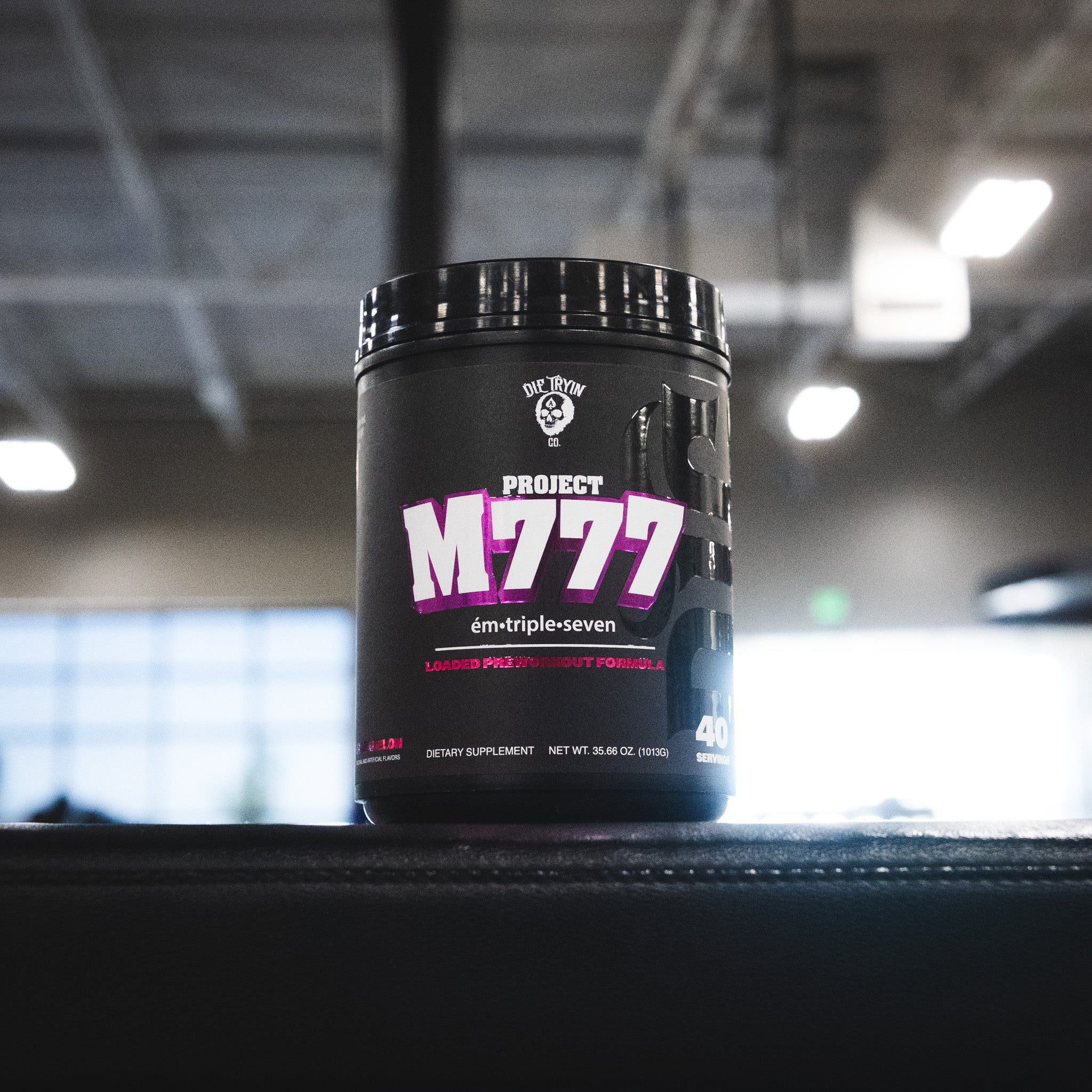
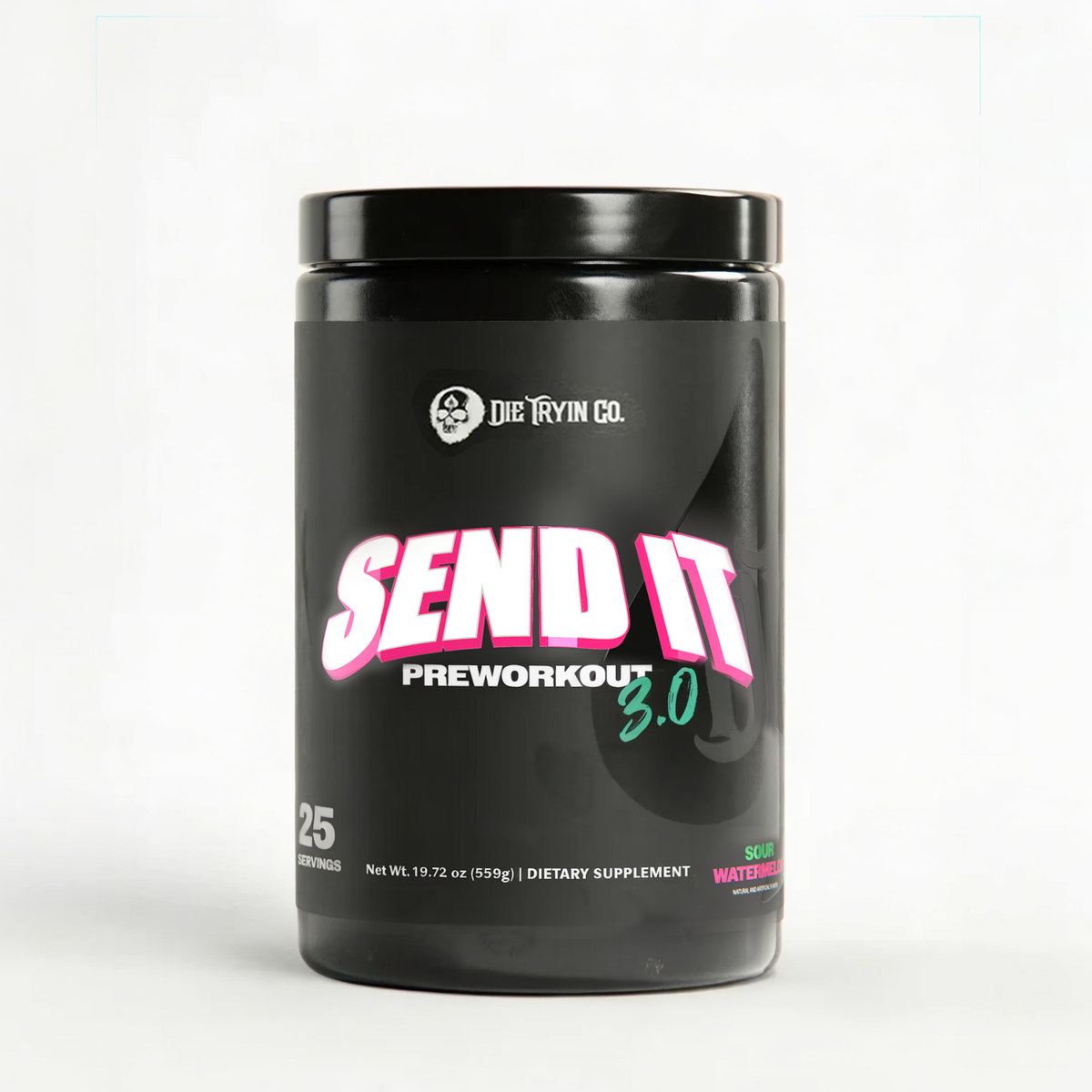
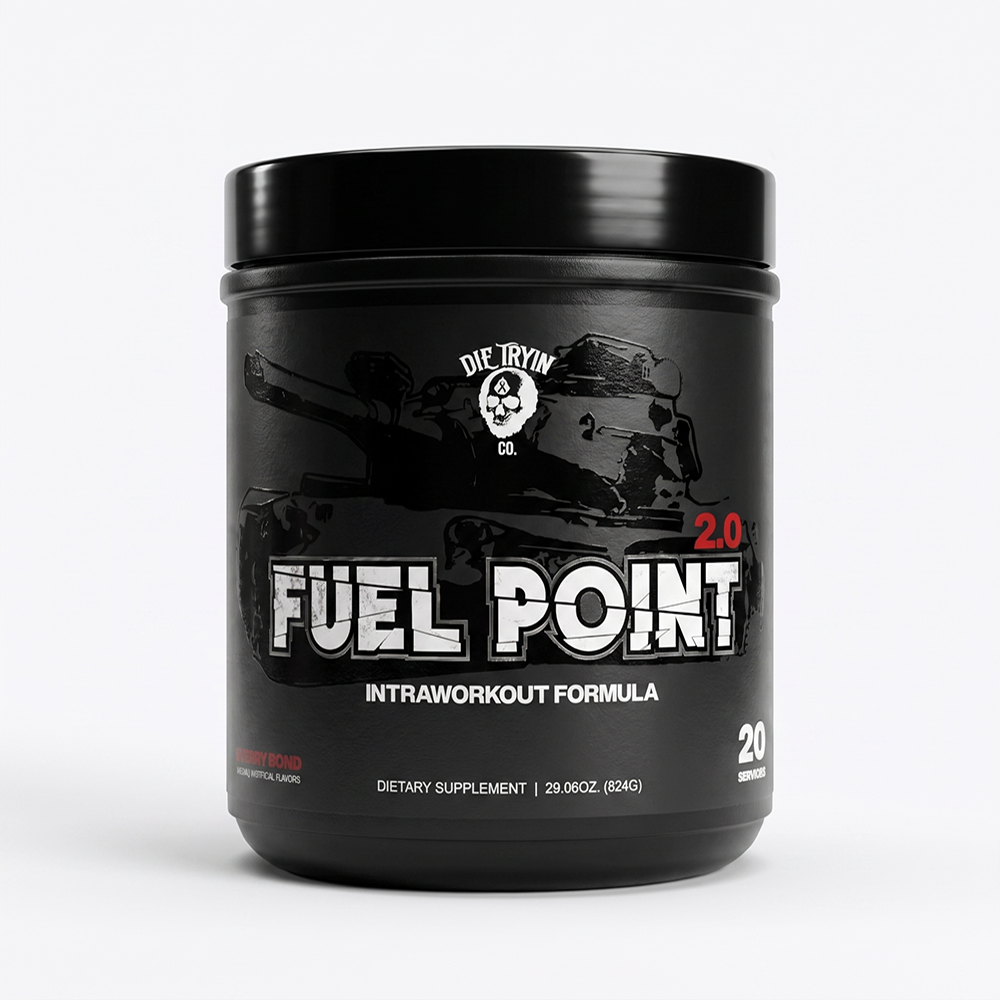
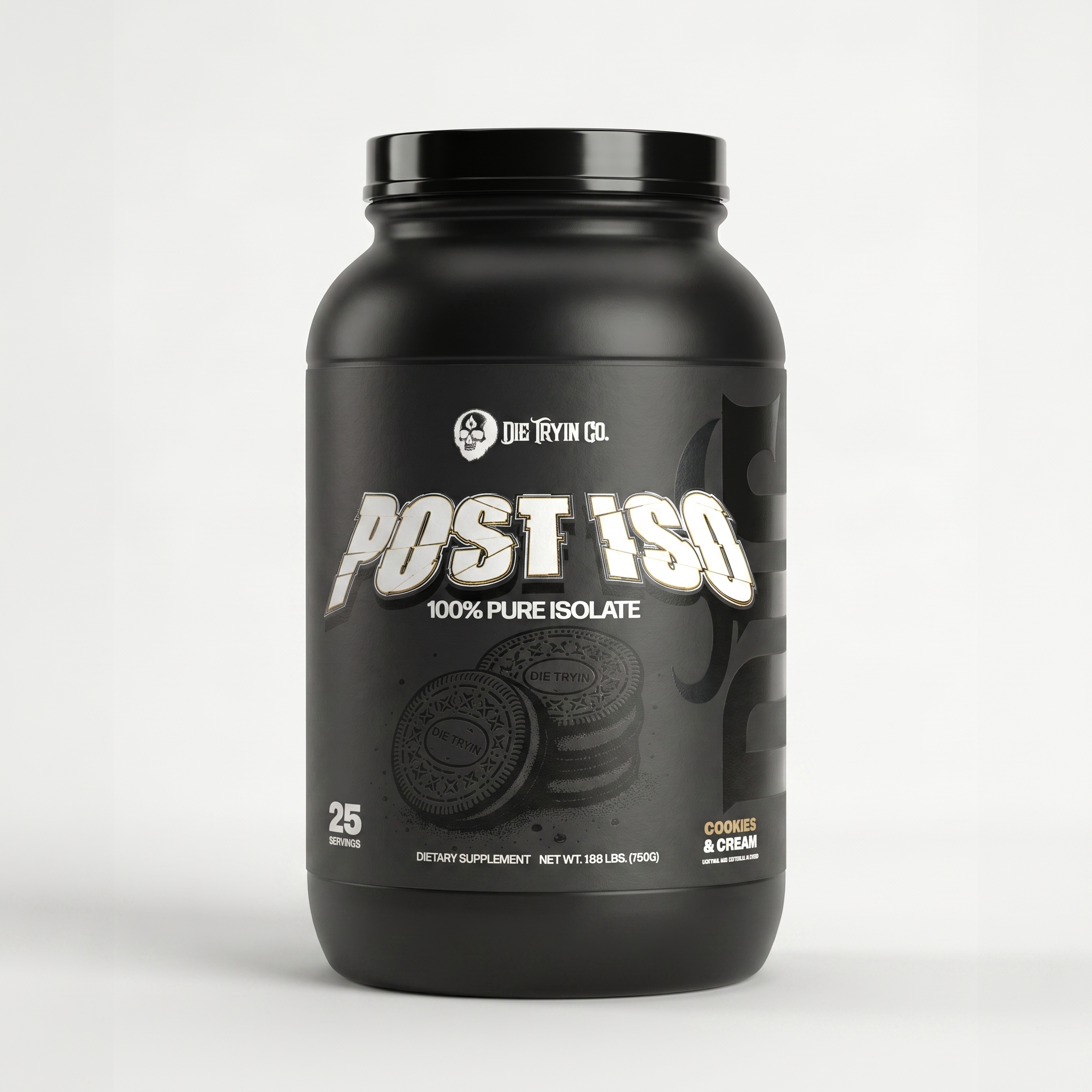
You're pushing your nervous system to the brink, so fuel it like you mean it. Project M777 pre-workout for the hardest version of this session, sky-high energy and focus for the heavy pulls. Fuel Point 2.0 in the bottle, carbs, all nine EAAs, and electrolytes to hold output through 75 minutes of pulling. Post Iso after, fast-digesting whey isolate to start repairs, with Creatine Monohydrate daily underneath it all.
FREQUENTLY ASKED QUESTIONS
How often should I run this back workout?
Once a week as written, with a lighter second pull day if you want faster progress. The deadlift-plus-rows combination needs real recovery, back-to-back brutal sessions just bury you.
Can I swap deadlifts for rack pulls or trap bar?
Yes. Rack pulls from below the knee keep most of the back stimulus with less fatigue cost, and the trap bar is friendlier to beat-up lower backs. Keep the heavy hinge slot filled with something.
Should I use lifting straps?
After your grip becomes the limiting factor, absolutely. Straps on the heavy rows and pulls let the back train past the point your forearms would otherwise call the set. Train grip separately if it bothers you.
What if I can't do weighted pull-ups?
Strict bodyweight pull-ups, then pulldowns to finish the sets. If strict pull-ups aren't there yet, pulldowns take the slot entirely until they are, no shame in the machine, only in half reps.
How long before this shows in the mirror?
Strength moves first, expect the row and pull-up numbers to climb within three or four weeks. Visible thickness is a two-to-three-month project at honest effort and adequate protein, and the back is famously slow to reveal progress to its owner. Photograph your back double biceps monthly, the camera notices before you do.
Why does my back never get sore?
Usually because your arms are doing the pulling. Slow the eccentric, add the one-second squeeze, and use the mind-muscle cues from the stretch-focused guide linked above. Soreness isn't the goal, but never feeling back work is a signal.
READY TO GEAR UP?
Load the bar, chalk up, and put the headphones on something violent. Six movements, 75 minutes, and a back that fills doorways is built one brutal session at a time. Train smart. Train hard.
ALWAYS FORWARD.
GEAR THAT FITS THIS POST
The products this article actually talks about. Real doses, disclosed labels, veteran owned.


Read more
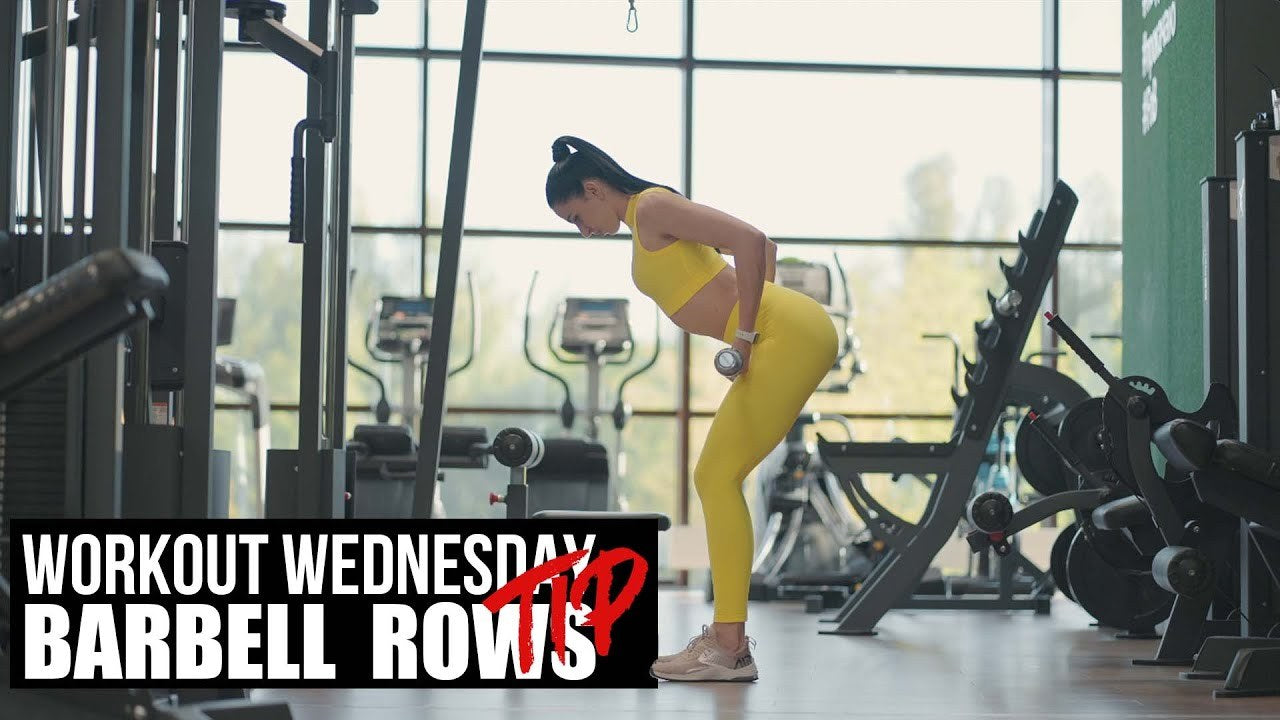
The row is a skill, not a tug. Full setup and bar-path coaching from the DTC team, grip variations compared, and the research on where your lats actually work hardest.

Width or thickness. Vertical or horizontal. The honest answer is both, programmed properly, and here is why.
The posterior deltoid is the one head you can't see, can't feel when your traps take over, and barely touch when you press. Here's how to fix all three.

DTC athlete Jenna Fiscus walks you through her complete back day — width, thickness, and the supplement stack she runs alongside it.
IFBB Pro Chet Nichols's FST-7 back workout — seven sets of straight-arm pulldowns to stretch and grow your lats. The protocol, the form, and the honest science.
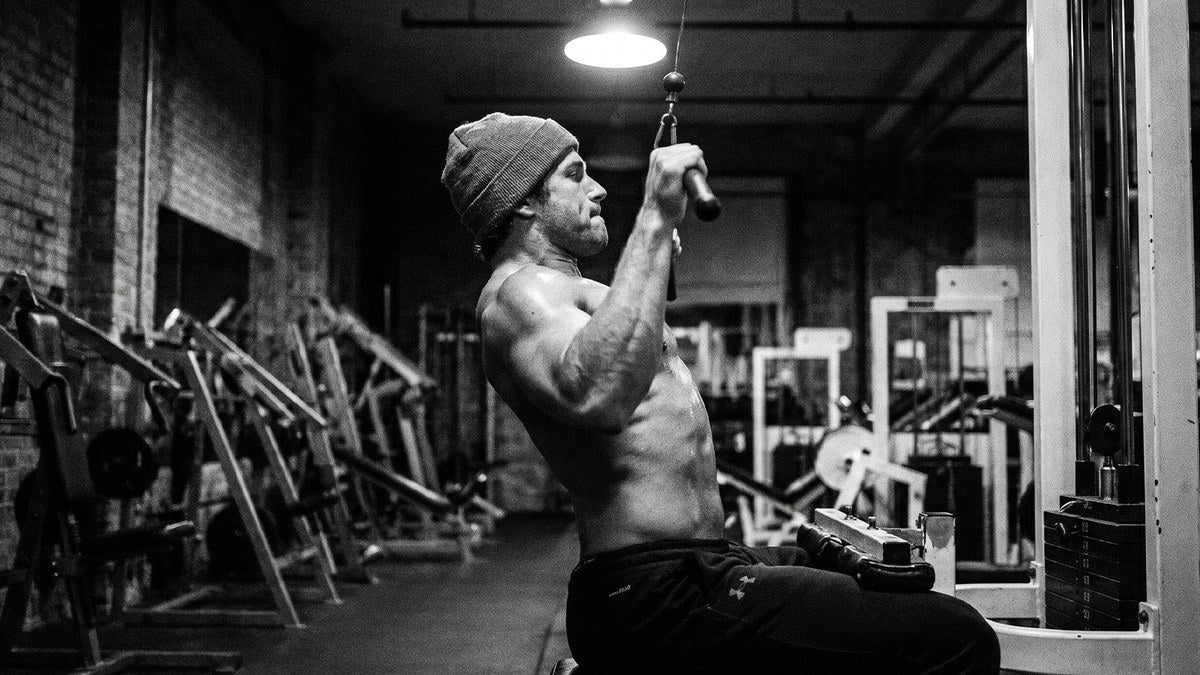
The secret to a bigger back isn't more weight — it's the stretch. Here's how to train your lats at long muscle lengths, demoed on the barbell row.