





Rear Delt Exercises: 5 Moves for the Head That Lags
By Jon Klipstein, U.S. Army Combat Veteran & Founder of Die Tryin Co., and Garrett Ussery, NASM-CPT & 2025 Idaho Cup Overall Champion
Science reviewed by Onur Oncer, BS Physiology and peer-reviewed published researcher.
THE DELT HEAD YOU CAN’T SEE IS THE ONE THAT’S LAGGING
Most people get this wrong. They hammer shoulders twice a week, press heavy, chase lateral raises until the side delts are on fire, and still end up with a shoulder that looks flat from behind. Effort isn’t the problem. The rear delt just never got a real job.
The posterior deltoid is the one head you can’t check in the mirror while you train it. You can’t watch it work. You won’t feel it at all if your traps hijack the set. And it does close to nothing during a press, which is exactly where most lifters dump most of their shoulder volume. That’s the real answer on how to grow rear delts: it isn’t genetics, it’s allocation.
So this is the rear delt guide, not another shoulder routine. Anatomy, why the head stalls out, the rear delt exercises that actually load it, and the cues that keep the work in the delt instead of the upper back. If you want a full session, Chet’s Massive Shoulder Day is the workout. If you want side delts, the side deltoid guide and pinky-up lateral raises own that head. This one is the rear delt, start to finish.
| EXERCISE | WHAT IT DOES FOR THE REAR DELT | THE CUE THAT MAKES IT WORK |
|---|---|---|
| Reverse pec deck | Pure horizontal abduction on a fixed arc. Nowhere to cheat. | Lean into the pad. Don’t sit bolt upright. |
| Chest-supported rear delt flye | Same pattern with free weights, plus a deep stretch at the bottom. | Arms long, sweep wide, zero curling. |
| Face pull | Horizontal abduction plus external rotation in one move. | Elbows high and outside the wrists. |
| Rope or wide-grip high row | Lets you load the rear delt heavier than a flye ever will. | Pull to the collarbone, not the belly button. |
| Pull-ups + heavy rows | The compound base. Ranked highest for posterior delt activation in review data. | Treat these as the base, not the finisher. |
WHAT THE POSTERIOR DELTOID ACTUALLY DOES
The deltoid is one muscle with three functional heads. The anterior head runs off the outer third of your collarbone, the middle head off the acromion at the top of the shoulder, and the posterior head off the spine of the scapula. All three converge on the same insertion on the upper arm bone. One muscle, three lines of pull, three completely different jobs.
The rear delt’s jobs are pulling jobs. It drives horizontal abduction (the arm traveling backward, away from the midline), it assists shoulder extension (the arm driving behind you), and it helps rotate the arm externally. Nothing on that list happens while you press. Pressing belongs to the anterior delt: flexion and horizontal adduction, the exact opposite motions. Your rear delt is a pulling muscle bolted onto a pressing muscle, and most training weeks only pay one of them.
WHY REAR DELTS LAG: THE PRESSING PROBLEM
Here’s the truth, with numbers on it. A 2020 study measured EMG activity in all three deltoid heads across four common lifts in 13 resistance-trained men, each at 60% of one-rep max. The posterior deltoid registered roughly 3.5% of maximum voluntary contraction on the bench press and 2.5% on the dumbbell flye. Shoulder press pulled 11.4%. The lateral raise, of all things, was the highest of the four at 24%.
Read that again. Your heaviest, most emotionally important upper-body lift is asking your rear delt for about three percent of what it can produce. You could bench four days a week for a decade and the posterior head would barely register it. Chest work builds a chest. It does not build rear delts, and no amount of pressing volume changes that.
Honest framing, because this matters: EMG measures electrical activation during a set, not muscle growth over months. High activation is a reasonable read on which muscle is doing the work, not proof of hypertrophy. But the direction here isn’t subtle. A head contributing three percent isn’t getting a growth stimulus, it’s along for the ride.
FIVE REAR DELT EXERCISES THAT ACTUALLY LOAD IT
1. Reverse Pec Deck
The most controllable rear delt exercise in the building. The chest pad kills torso swing, the arc is fixed, and the resistance stays honest from start to finish. That control is exactly what a small muscle you can’t see needs. Face the pad, chest against it, and drive the arms apart rather than backward. Three to four sets of 12 to 20 reps.
2. Chest-Supported Rear Delt Flye
Same movement pattern, free-weight version. Face down on an incline bench set around 30 to 45 degrees, dumbbells hanging straight below you, arms long. Sweep them out wide in a big arc. The bench does the same job as the pec deck pad, it removes the cheat. If you have to jerk your torso to move the dumbbells, the dumbbells are wrong.
3. Face Pull
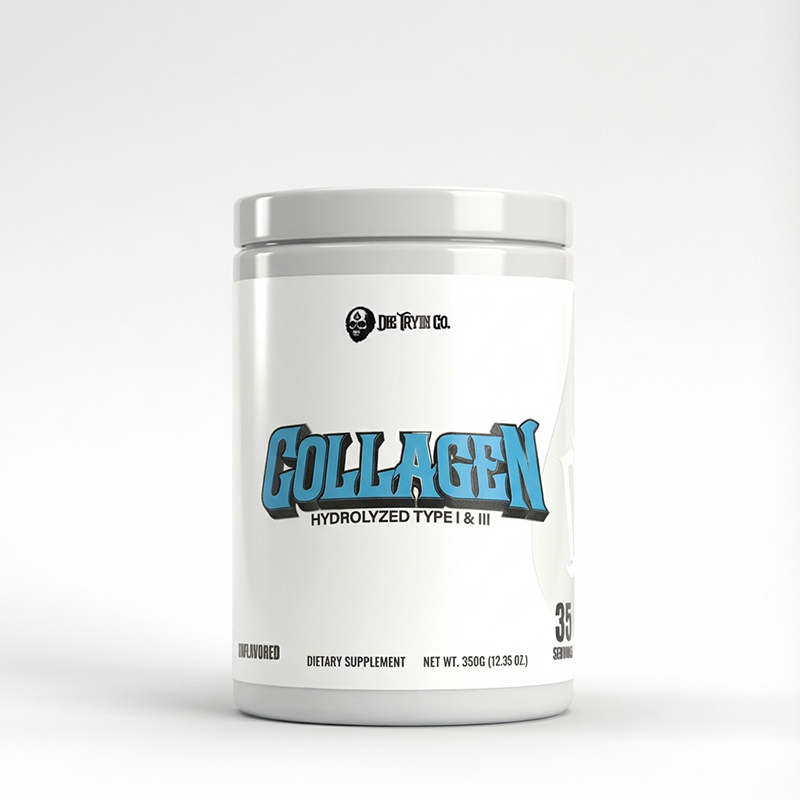
Rope set around eye height. Pull toward your forehead with the elbows high and outside the wrists, then finish with the hands rotating back and out. The face pull stacks external rotation on top of horizontal abduction, so it trains the rear delt alongside the small rotators and the mid back. That combination is worth having in the week if your pressing volume is heavy. Collagen Peptides sits in the same connective-tissue support lane if your shoulders take a beating year-round.
4. Rope or Wide-Grip High Row
A row where the elbow path runs high and wide instead of tight to the ribs. Pull the handle toward your collarbone with the elbows flared, not toward your belly button. Same machine, different elbow angle, different muscle doing the work. Standard rowing loads lats. High-elbow rowing loads the rear delt. Lat pull-downs vs. rows and barbell row technique go deeper on elbow path.
5. Pull-Ups and Heavy Row Variations
A 2022 systematic review pooled 33 EMG studies and ranked exercises by activation for each deltoid head. For the posterior deltoid, pull-ups produced the greatest activation of the exercise groups reviewed, with the standard pull-up and the suspension-trainer inverted row topping the individual list. Translation: your back day is already doing more for your rear delts than your shoulder day is. Treat heavy pulling as the base and the four isolation moves above as the finish. That’s the same logic behind Chet training rear delts on back day instead of shoulder day.
FOUR CUES THAT KEEP THE WORK IN THE REAR DELT
Cue one: lean into the pad, don’t sit up straight. On a reverse pec deck, sit slightly back from the support and let your chest press into it. Sit bolt upright and your scapular retractors are already in position to lead the movement from rep one. Leaning in shifts the leverage back toward the delt where you want it.
Cue two: keep the arms long. Soft elbow, locked angle, no curling mid-rep. The rear delt only gets loaded when the movement happens at the shoulder joint. Every degree your elbow bends and unbends is a degree the arm stole back for free.
Cue three: traps stay quiet. If your traps start firing and shrugging their way into the set, the weight is too heavy. That’s not a discipline failure, it’s a load problem. Drop the dumbbells, keep the shoulder blades down and quiet, and earn the reps back honestly.
Cue four: know which end of the range matters. A 2023 review on resistance-training technique recommends emphasizing long muscle lengths with a rep tempo between two and eight seconds. For the rear delt, the long-length position is at the start, arms reaching across your body in front of you. Own that stretch. At the other end, once the arms travel far behind the torso the shoulder blades retract and the mid back takes the set over, so stop the finish before that happens. Deep stretch in front. Controlled stop in back.
HOW TO PROGRAM REAR DELTS
Put them where they’ll get real effort, which for most lifters is not the last four minutes of shoulder day. Back day works. Pull day works. A dedicated slot at the front of your shoulder session works if you’re honest about it. What never works is one lazy set of flyes tacked on after you already emptied the tank on presses.
Two to four sets, twice a week, 12 to 20 reps, loads you can control without a body swing. The rear delt is a small muscle on a long lever, so it responds to frequency and execution quality far more than to load. Want the fascia-stretch approach on rear delt finishers? What Is FST-7 covers the protocol. Rebuilding the week around better pulling volume? PPL vs. Upper/Lower is the split guide.
FAQ
How often should I train rear delts?
Twice a week for most lifters. The rear delt handles light loads and recovers fast, so frequency beats one brutal weekly session. Two to four working sets per exposure is plenty if the execution is clean.
Why do my traps take over on rear delt flyes?
Almost always load. The rear delt is small and works on a long lever, so the moment the weight exceeds what it can move, your traps and rhomboids step in to finish the rep. Cut the weight by a third, keep the shoulder blades down, and stop the rep before the arms travel far behind your torso.
Are face pulls or the reverse pec deck better for rear delts?
Different tools. The reverse pec deck isolates horizontal abduction with the least room to cheat, so it’s the better pure rear delt builder. The face pull adds external rotation, which makes it the better all-around shoulder movement. Most weeks have room for both.
Do rows and pull-ups count as rear delt work?
Yes, and more than most people assume. The 2022 review ranked pull-ups highest for posterior deltoid activation among the exercise groups it examined. Heavy pulling is your base. Isolation work is how you finish the job, not how you start it. Bigger back: focus on the stretch covers the pulling side.
How long until rear delts show a visible change?
Expect months, not weeks, and expect other people to notice before you do. That’s the nature of a muscle you can’t see in the mirror. Photograph yourself from behind every four weeks and let the pictures argue instead of your memory. While you’re there, front delts are the third head worth auditing.
READY TO GEAR UP?

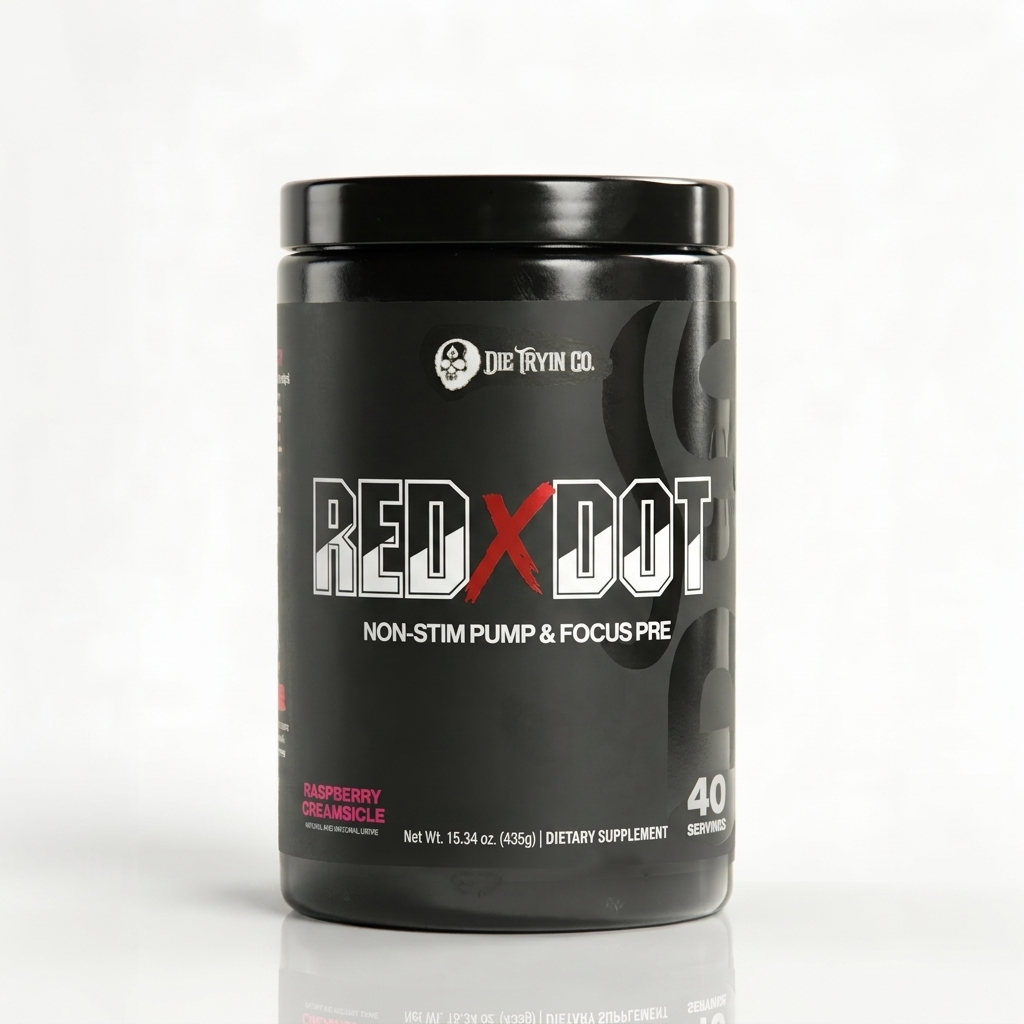
Rear delts don’t reward ego. They reward attention, frequency, and technique you actually hold under fatigue. Basics beat hype. Pick two of the five moves above, run them twice a week for eight weeks, and stop trying to press the head into existence. Tools for the work: Red Dot for stim-free pump and focus on the high-rep isolation days, SEND IT 3.0 when the pull day is heavy, Creatine Monohydrate at 5g daily for the training volume that builds delts over the long haul, and a Beater tank so you can actually see the head everyone else notices before you do. Not sure where to start? Take the quiz and get a stack matched to your goals.
ALWAYS FORWARD.
GEAR THAT FITS THIS POST
The products this article actually talks about. Real doses, disclosed labels, veteran owned.


Read more
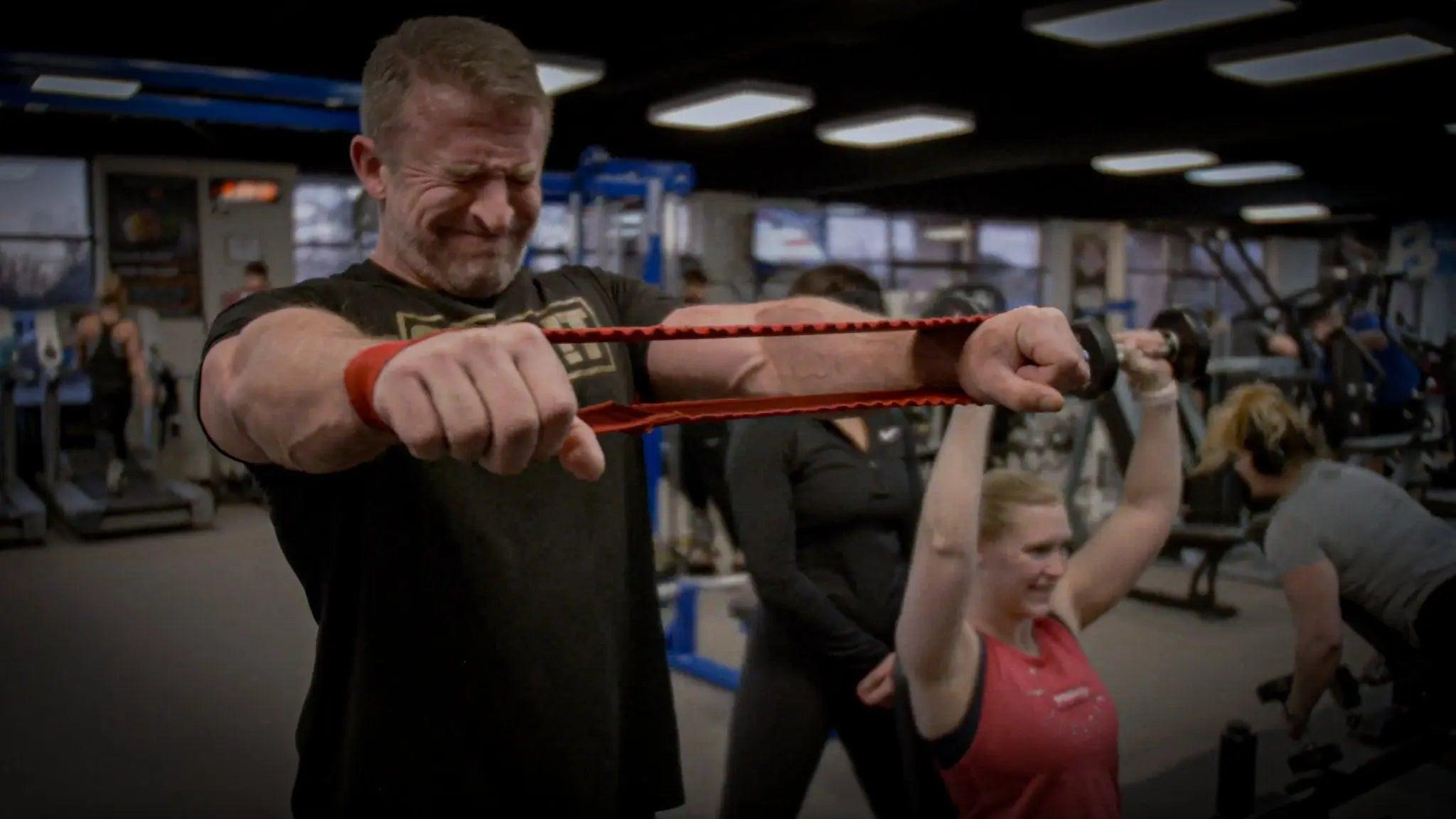
DTC trainer Chet Nichols walks you through his shoulder day — tempo-driven working sets, reverse-grip overhead press, the brutal FST-7 lateral protocol, and why he saves rear delts for back day.
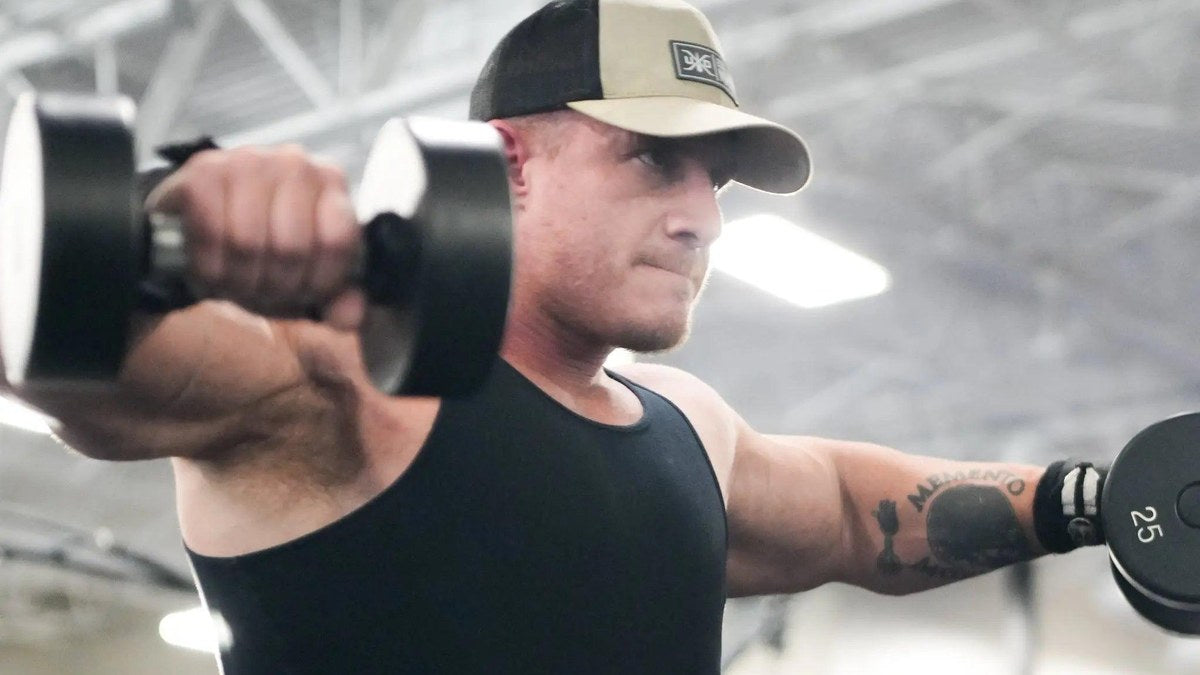
The side delt barely participates in your presses. Five research-backed moves that build actual width, from hand position to the dumbbell-vs-cable verdict.
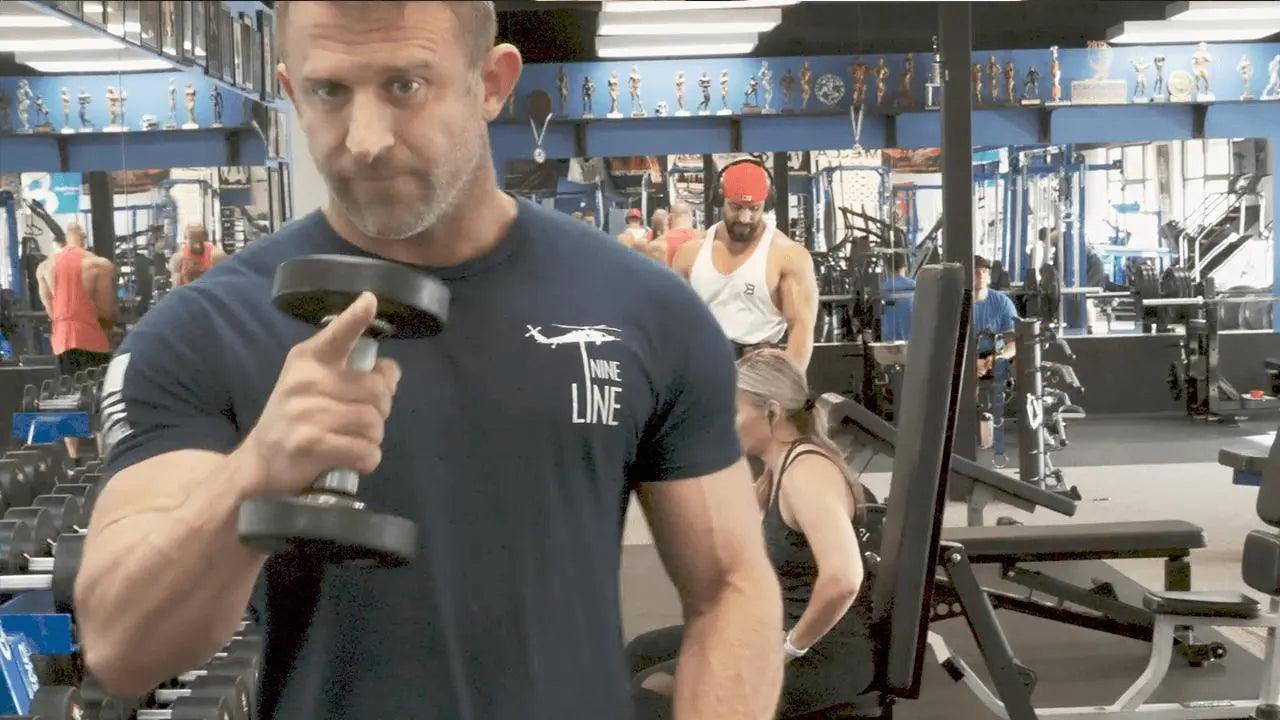
A 60-second technique tip that biases more work onto the medial delt — the side of your shoulder. Costs nothing, builds width.

The 7 chest exercises Garrett Ussery uses to build mass on himself and his clients — upper, middle, and lower pec coverage, plus how to program a chest day.

Width or thickness. Vertical or horizontal. The honest answer is both, programmed properly, and here is why.
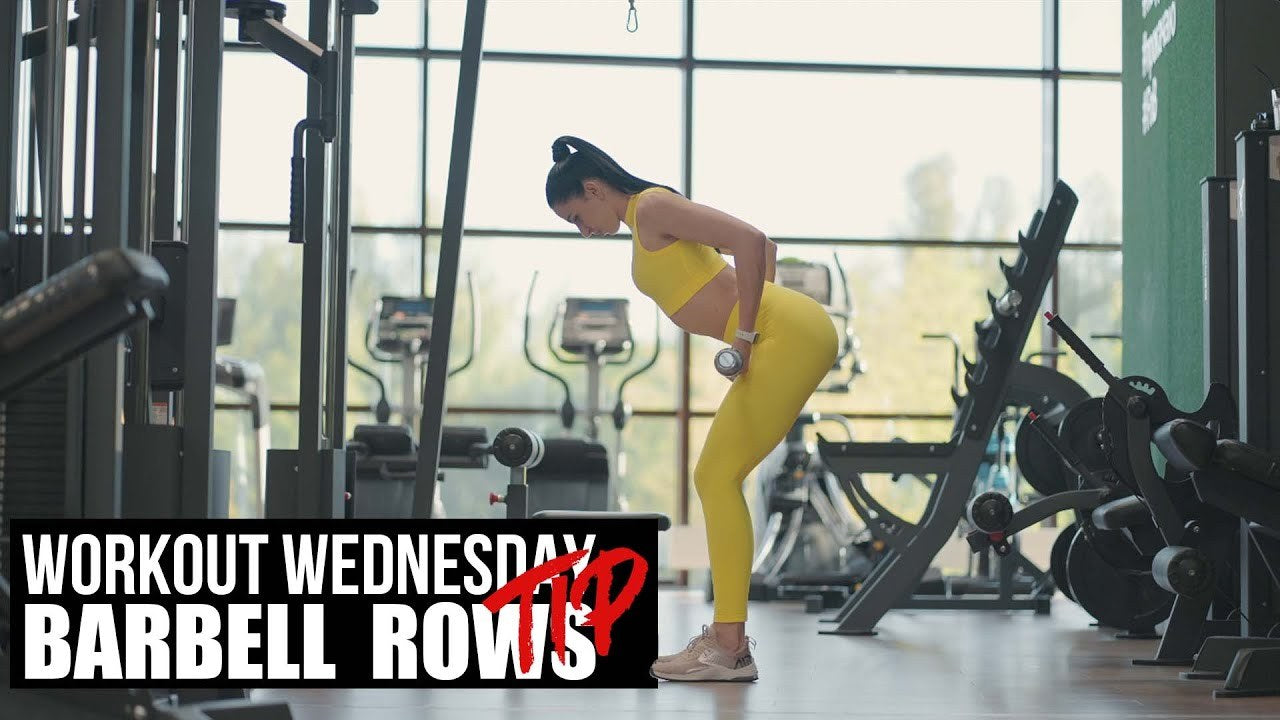
The row is a skill, not a tug. Full setup and bar-path coaching from the DTC team, grip variations compared, and the research on where your lats actually work hardest.