





Side Delts: 5 Ways to Build Real Width
By Jon Klipstein, U.S. Army Combat Veteran & Founder of Die Tryin Co., and Garrett Ussery, NASM-CPT & 2025 Idaho Cup Overall Champion
WIDTH IS BUILT, NOT INHERITED
Here's the truth: the side delt is the muscle that makes shoulders read wide from the front and the back, it barely participates in your presses no matter how heavy they get, and most lifters train it with fifteen distracted reps at the end of push day. Then they blame their clavicles.
The fix is not a secret exercise. It is treating the medial deltoid like a muscle you actually want: direct work, honest tension, progression on paper, and a few technique decisions the research has already made for you. Five moves, in order of payoff.
1. MAKE THE LATERAL RAISE THE ANCHOR, NOT THE AFTERTHOUGHT
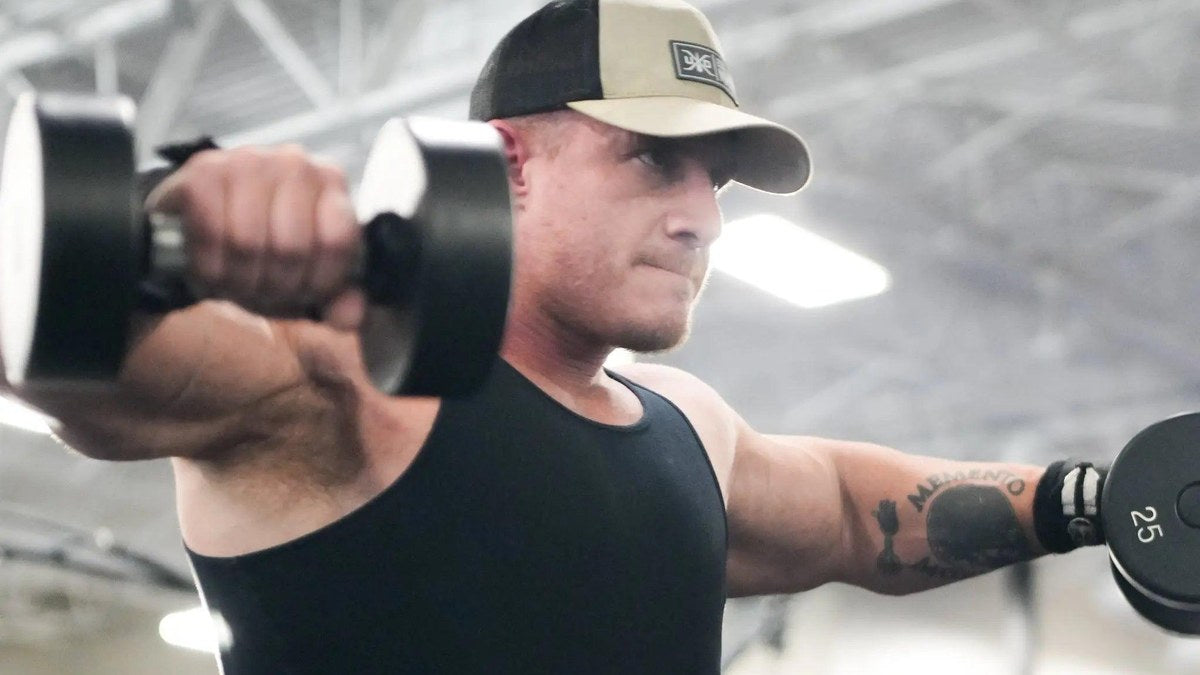
The EMG picture is blunt about what builds width. In resistance-trained lifters, the lateral raise put the medial delt at the top of the activation table, ahead of pressing, while the bench press and flyes barely woke it up at all (Campos et al., 2020). If your shoulder plan is presses plus vibes, the side delt is living on scraps.
So schedule it like it matters: first or second on shoulder day, 10 to 20 quality sets a week across two sessions for a lagging side delt, loads light enough to own and heavy enough to fight. Track it in the same log as your squat. What gets written down grows.
2. SET YOUR HANDS BY THE RESEARCH, NOT THE MIRROR
Small rotations change which head does the work. An EMG study in competitive bodybuilders found the medial delt fired hardest with the humerus in neutral, thumb roughly level with the pinky, while internally rotating the arm, the pour-the-pitcher cue, shifted the emphasis toward the rear delt and the traps, and external rotation fed the front delt (Coratella et al., 2020).
Translation: raise with a neutral hand, lead with the elbow, stop chasing the tilted-dumbbell trick as a side-delt hack. We went deep on one grip variation that does earn its keep in our pinky-up lateral raise breakdown, and the short version is the same lesson: hand position is a targeting tool, so aim it on purpose.
3. PICK THE TOOL YOU WILL PROGRESS, DUMBBELL OR CABLE
The internet has spent a decade arguing cables beat dumbbells for side delts because of the resistance curve. Then someone finally tested it: an eight-week within-person trial, one arm on cables and one on dumbbells, five sets to failure twice a week, found both grew the lateral delt 3 to 4 percent with no meaningful difference between tools (Larsen et al., 2025).
So the tool war is settled: pick whichever you can load, log and repeat in your gym, and spend the saved argument on effort. Sets taken near failure grew delts on both implements. Sets taken to Instagram grew neither.
4. PRESS FOR THE BASE, RAISE FOR THE WIDTH
Overhead pressing still belongs in the week. The same activation research puts the shoulder press close behind the lateral raise for the medial delt, and it carries the front delt, the triceps and heavy loading potential the raise cannot. The mistake is not pressing. The mistake is believing pressing finishes the job, because its medial-delt stimulus arrives diluted across three other muscles that all want the credit.
Run both: a heavy press progression for the base, direct raises for the width, and rear-delt work so the shoulder reads round from every angle, which we cover move by move in the rear delt guide. Balanced delts are also healthier delts when the pressing gets heavy.
5. CHEAT ON PURPOSE OR NOT AT ALL
The lateral raise is the most cheated lift in the building: hips swinging, traps shrugging, range shrinking as the set goes on. Strictness is the progression for most sets, a two-second lower, a dead stop at the bottom, the elbow leading the hand. Then, if you want the advanced version, cheat deliberately: two controlled partials from the bottom after failure, or a slight body-english swing on the last two reps with a five-second negative. Controlled cheating extends a set. Accidental cheating just moves the work to your traps.
For a full session that strings all five of these into one brutal hour, Chet's FST-7 shoulder day is the reference workout: the complete breakdown is here.
THE FOUR-WEEK WIDTH BLOCK
Here is how Garrett runs the five moves as an actual specialization block when a client's shoulders lag. Week structure: side delts trained three times across the week, roughly fourteen hard sets total, everything else at maintenance. Day one, shoulder day proper: seated dumbbell press 4x6-8 building the base, then dumbbell lateral raises 4x10-12 strict, neutral hand, two-second negatives, last set finished with five partials from the bottom. Day three, on upper day: cable lateral raises 3x12-15, the arm behind the body slightly so tension arrives early, superset with rear-delt flyes. Day five, the pump finisher after whatever else is scheduled: one long mechanical set, heavy cheats to strict reps to partials, one round, done in ninety seconds.
Progression across the four weeks is one honest step at a time: add a rep to each set before adding load, and only add load when the top of the rep range moves with no trap takeover. Film the last set on day one weekly. When week four's video shows the same strictness as week one at heavier weight, the block worked, and the tape will show it before the mirror does.
Two warnings from the coaching floor. First, delts recover fast but shoulder joints keep score, so if pressing volume is heavy, grow the raise volume and not the press volume. Second, do not run a specialization block for everything at once. Width for four weeks, then back to balance. The physique is built in blocks, not in permanent emergencies.
FREQUENTLY ASKED QUESTIONS
How many sets of lateral raises per week?
Ten to twenty hard sets weekly for a prioritized side delt, split across two or three sessions. Start at the low end, add sets only when progress stalls, and count only sets with honest tension.
Heavy or light for side delts?
Both work when effort is real. The 8 to 20 rep range is the practical home: heavy enough to load, light enough to keep the delt, not the traps, in charge. Rotate ranges across the week.
Why do my traps take over on lateral raises?
Usually load ego and a shrug you cannot feel. Lighten the weight, depress the shoulders before the first rep, lead with the elbows, and pause the top for a count. If the traps still win, do the raises seated.
Can I train side delts every day?
You can get away with high frequency because the loads are small, but the research on volume says diminishing returns arrive fast. Three focused exposures beat seven token ones, and recovery is where the growth happens.
Do shrugs or upright rows build side delts?
Upright rows hit the medial delt along with the traps and work fine for elbows that tolerate them. Shrugs are a trap exercise wearing a shoulder costume. Neither replaces the raise.
How long until my shoulders look wider?
The Larsen trial measured 3 to 4 percent thickness gain in eight weeks of hard, focused work, and that is in already-trained lifters. Visible-in-a-shirt width is usually two or three of those blocks stacked across a year. Delts respond fast to honest volume, but nobody raises their way to capped shoulders in a month, and anyone selling that timeline is selling.
READY TO GEAR UP?
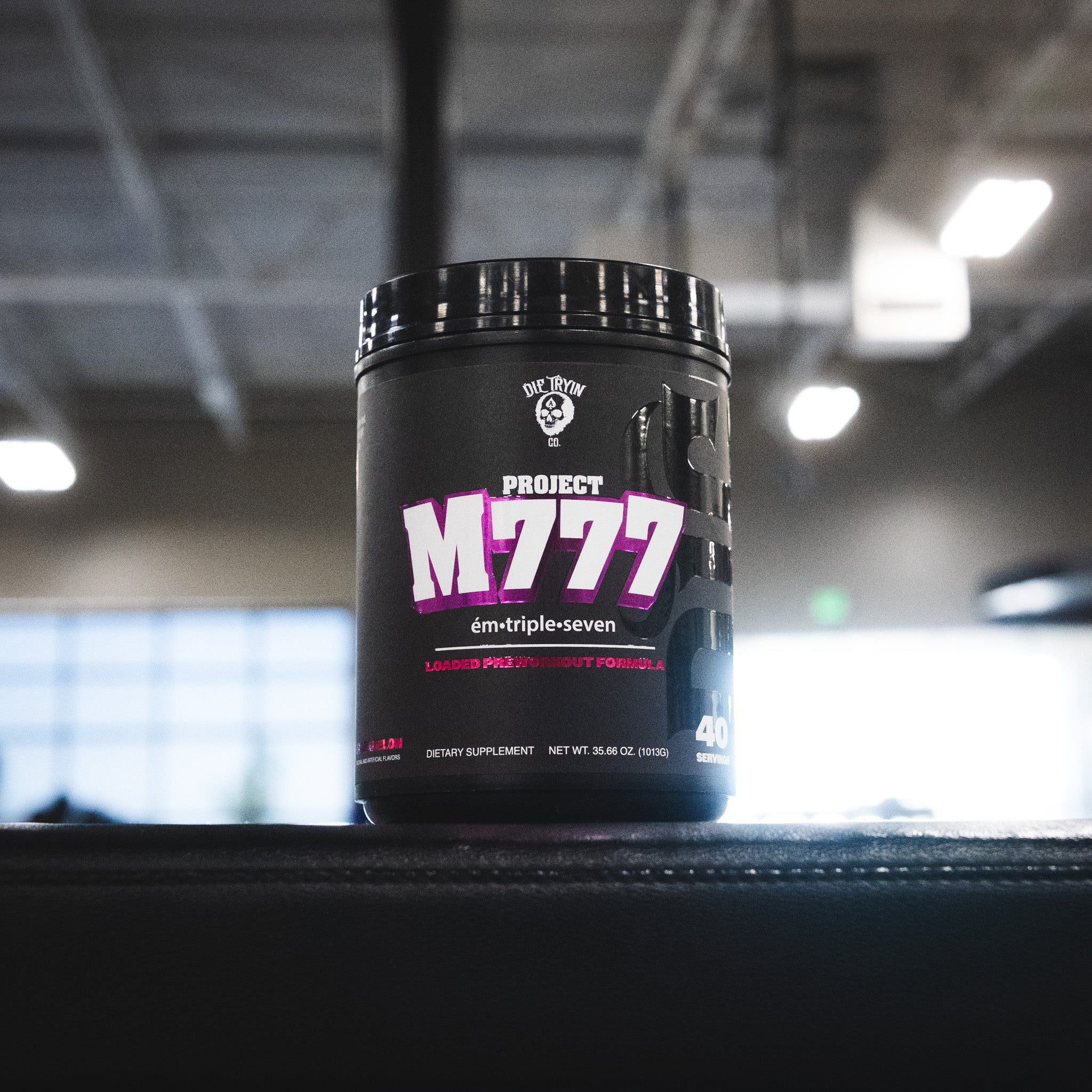
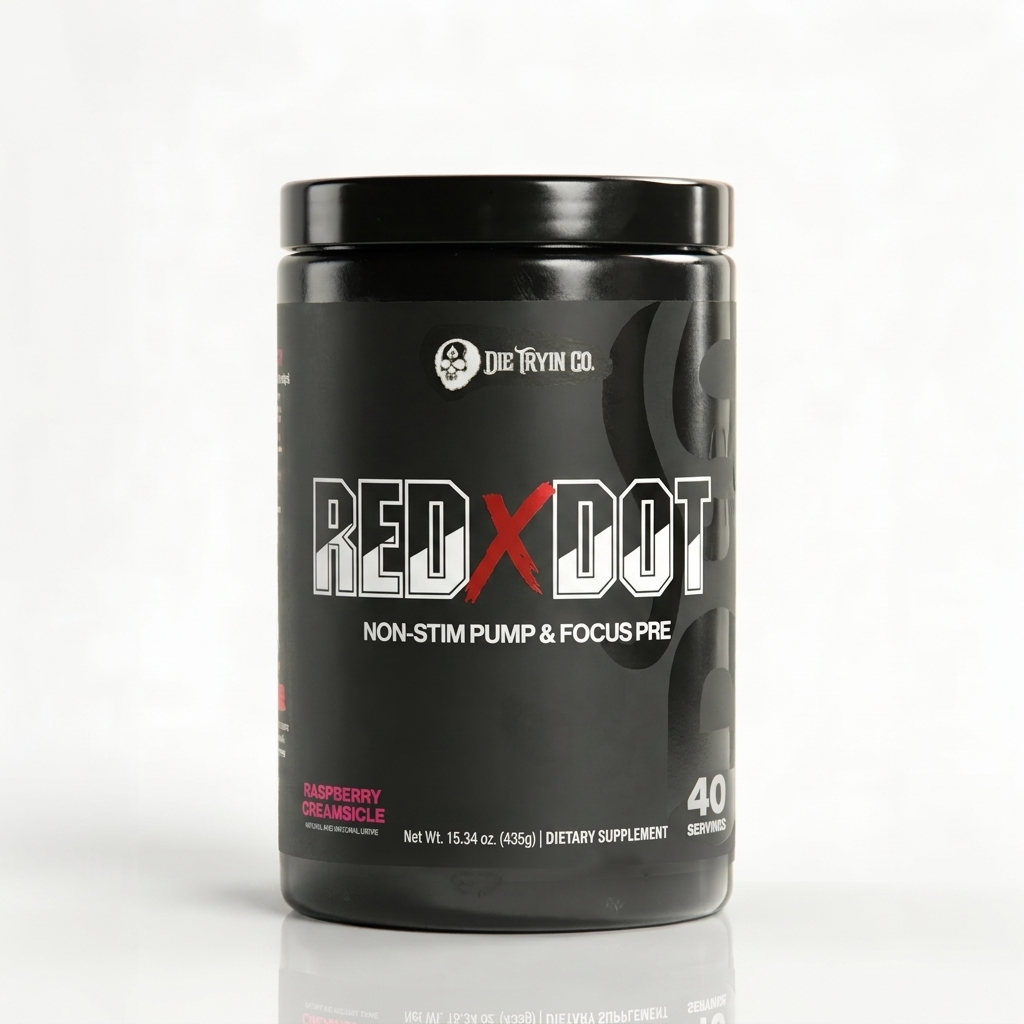
Delt sessions are pump sessions, so fuel accordingly: SEND IT 3.0 before, or Red Dot if you train late and want the pump without the caffeine, Creatine daily, Post Iso after. Not sure what fits? Take the quiz.
ALWAYS FORWARD.
GEAR THAT FITS THIS POST
The products this article actually talks about. Real doses, disclosed labels, veteran owned.



Read more
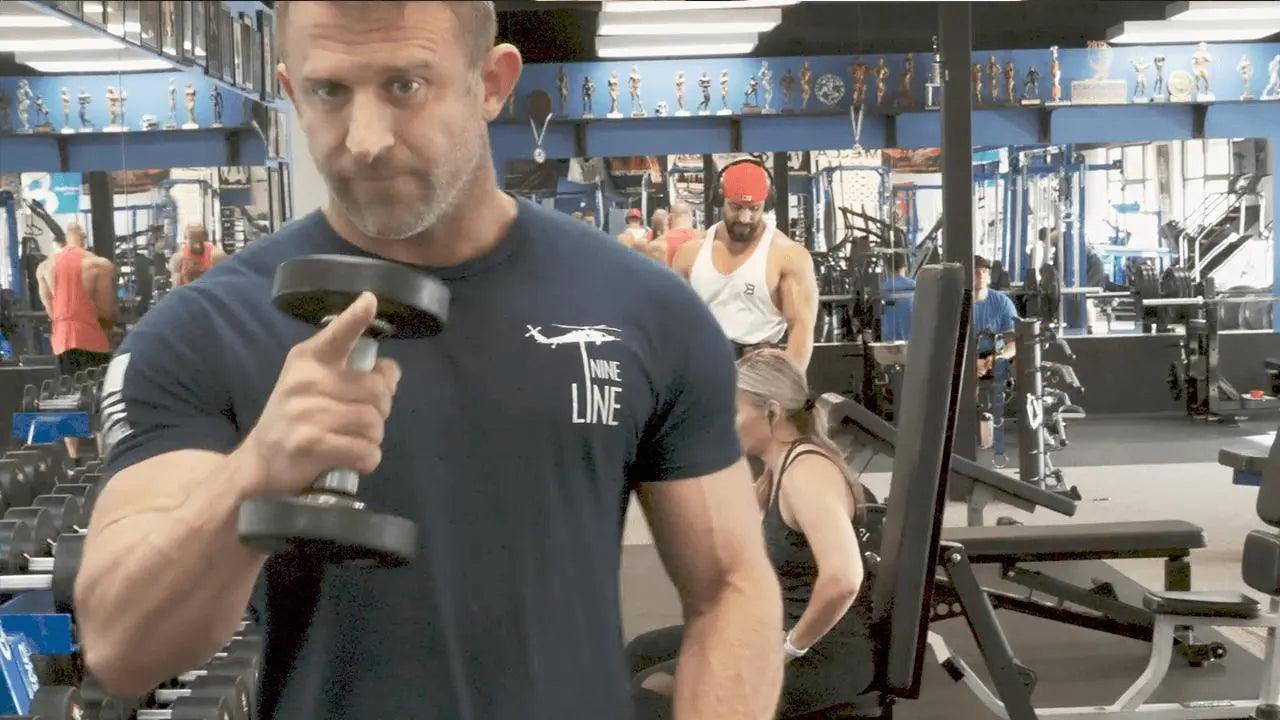
A 60-second technique tip that biases more work onto the medial delt — the side of your shoulder. Costs nothing, builds width.
The posterior deltoid is the one head you can't see, can't feel when your traps take over, and barely touch when you press. Here's how to fix all three.
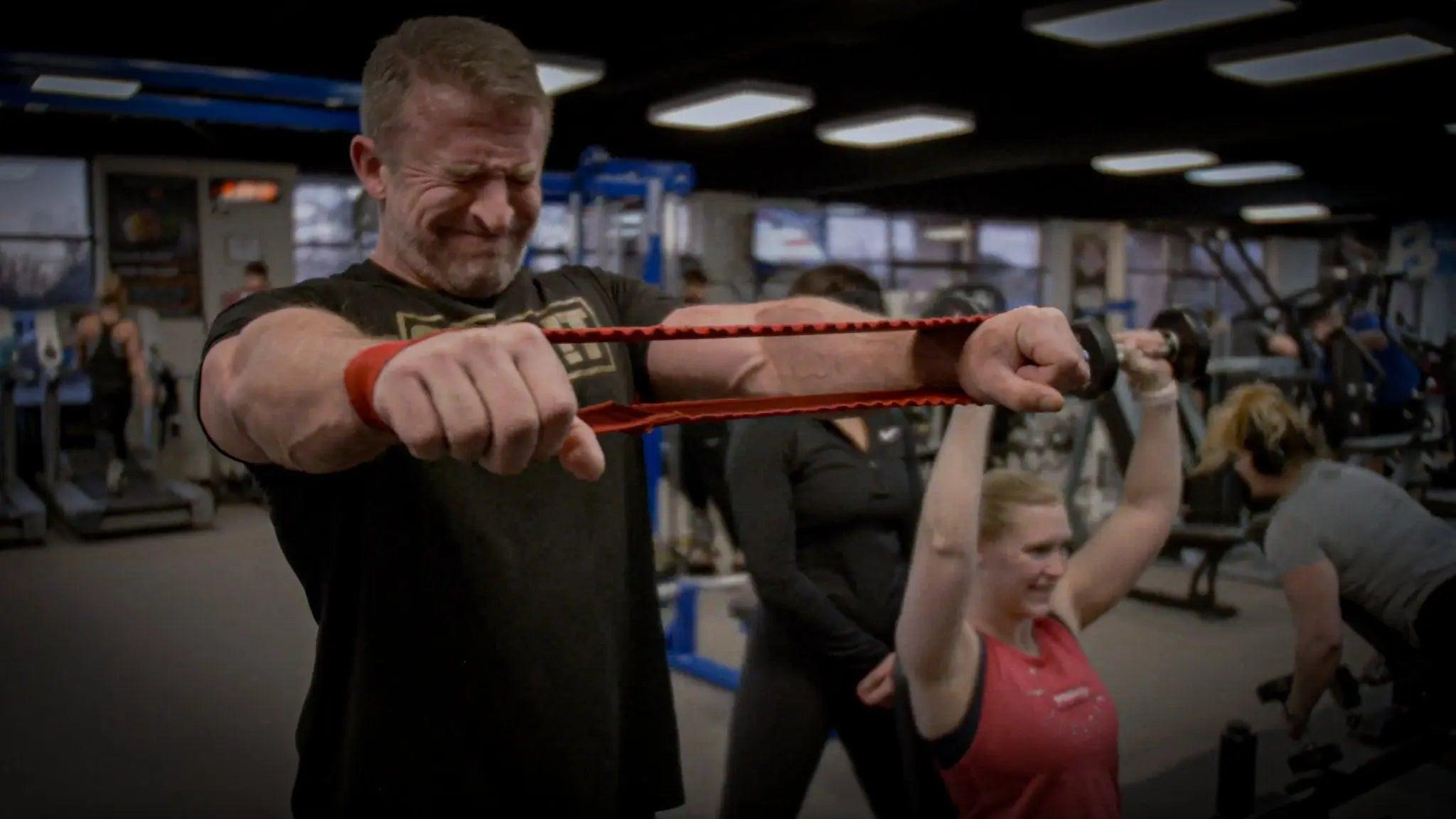
DTC trainer Chet Nichols walks you through his shoulder day — tempo-driven working sets, reverse-grip overhead press, the brutal FST-7 lateral protocol, and why he saves rear delts for back day.
Your gut lining runs the same creatine energy system as your muscles. Here is what the research shows on stomach upset, IBS, colitis and leaky gut, and exactly where the human evidence stops.

Creatine gummies can work if the creatine is actually in them, and lab tests keep finding it often is not. Here is why a scoop of Creatine Monohydrate powder still wins.

Flavor doesn't change what creatine does; taking it every day is what counts. How to pick flavored or unflavored, what to mix it with, and how long it lasts once mixed.