


Barbell Rows: Technique That Builds a Thicker Back
By Jon Klipstein, U.S. Army Combat Veteran & Founder of Die Tryin Co., and Garrett Ussery, NASM-CPT & 2025 Idaho Cup Overall Champion
THE ROW IS A SKILL, NOT A TUG
Most people get this wrong. They load a bar, bend over somewhere between a hinge and a shrug, and yank the weight at their chest until something twinges. Then they wonder why their back refuses to grow while their biceps are sore for three days.
The barbell row is one of the best mass builders in the gym, targeting nearly every muscle on the back of your torso: lats, rhomboids, traps, rear delts, and the erectors holding the whole position together. But it only pays out if you row with your back instead of your arms, and that is a technique choice you make on every single rep.
SETUP: THE HINGE COMES FIRST
Before the bar moves, the position has to exist. Push your hips back until your torso is somewhere between 45 degrees and nearly parallel to the floor, knees soft, bar hanging over mid-foot. Your back stays flat, not rounded, not hyperextended. Brace your core like you are about to take a punch and keep breathing behind that brace.
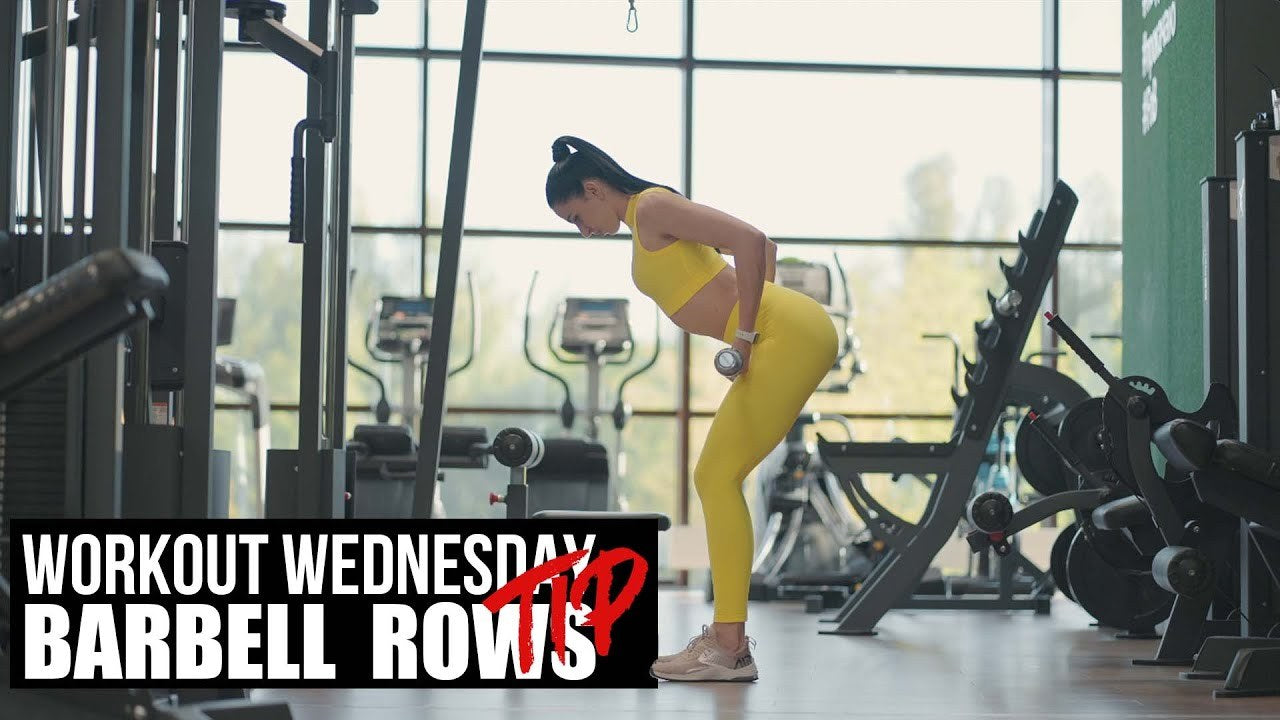
Now the detail almost everyone skips: at the bottom of each rep, let your shoulders fully disengage. Let them droop forward and stretch. That dead-hang moment is what you want, because a row that starts from a shrugged, tight shoulder never trains the full range. Watch our athlete Jasmine demonstrate it in the video below, the drop and stretch at the bottom is deliberate, not lazy.
THE PULL: BAR TO YOUR POCKETS
Pulling the bar straight up turns the row into a bicep and shoulder exercise. Pulling the bar back toward your pockets and belly button is what loads the back. As the bar travels, drive your elbows behind you and squeeze between the shoulder blades at the top, a hard one-second squeeze, then control the bar back down into that stretched bottom position.
A slight rise of the torso as you pull is acceptable, a few degrees, the way Jasmine does it. A 30-degree body heave with the hips doing half the work is not a row, it is a bad deadlift with extra steps. If you need momentum to finish a set, the bar is too heavy for your back to be the one lifting it.
GRIP CHOICES: WHAT CHANGES AND WHAT DOESN'T
The reverse grip, palms up, is the variation shown in the demo, and it is a legitimate mass builder: the underhand position keeps your elbows tighter to your body, which biases the lats and lets most lifters handle a bit more weight. The overhand grip, palms down, with elbows flaring slightly wider, shifts more work toward the upper back and rear delts. Neither is wrong. They are two different exercises wearing the same name, and a complete back program eventually uses both.
Width matters less than lifters think for the prime movers, but as a rule: narrower grips bias the lats, wider grips bias the traps and rear delts. If lat width is the specific goal, our lat pulldowns vs rows breakdown goes deep on which pull builds what.
WHAT THE EMG RESEARCH SAYS ABOUT YOUR RANGE OF MOTION
A 2025 study put surface EMG on trained lifters performing prone barbell rows through different ranges of motion and found the lats showed their highest mean excitation in the top half of the pull, while overall muscle activation differences between ranges were modest and inconsistent (Fischer et al., 2025).
Two practical takeaways. First, the finish of the row, the last few inches where you squeeze the bar into your body, is where the lats earn their keep, so cutting the rep short before the squeeze throws away the best part. Second, since no partial range showed a meaningful overall advantage, the default answer stays boring and correct: full range, stretched bottom, hard squeeze at the top.
THE FOUR MISTAKES THAT KILL THE ROW
The heave. Hips and lower back throw the weight, elbows just come along for the ride. Fix: drop 20% off the bar and freeze your torso angle for the whole set. The shrug-row. Shoulders stay pinned up by your ears, so the traps do everything and the lats do nothing. Fix: full stretch at the bottom of every rep. The half rep. Bar stops four inches from your body, which skips the squeeze where the research says the lats work hardest. Fix: touch your body or count nothing. The gasp-and-hold. Holding your breath for eight straight reps until your position folds. Fix: breathe behind the brace, one breath per rep.
THE ROW FAMILY: PICK YOUR VARIATION
Once the standard bent-over row is clean, the family opens up. The Pendlay row starts every rep dead on the floor with your torso parallel, building explosive strength off a full reset. The chest-supported row takes the lower back out entirely, ideal late in a session when your erectors are spent. The single-arm dumbbell row lets you train through a longer range and fix side-to-side imbalances. Rotate them across training blocks rather than stacking them all in one session, the back grows from progressive quality, not from variation collecting.
PROGRAMMING THE ROW
Rows belong early in your pull day, when your lower back is fresh, because the hinge position is the first thing that degrades under fatigue. Three to four sets of six to ten reps is the working zone for size and strength, progressing per the standard progressive overload rules: earn the top of the rep range with clean technique, then add weight.
Where does it fit in the bigger picture? Slot it as the first horizontal pull in our pull day routine, or run it as the thickness anchor in the Brutal Back Day blueprint. And if your mind wanders mid-set, fix the connection first: focus on the muscle doing the work, lighten the bar if you have to, and re-read the stretch cue in our bigger back stretch guide, because feeling the target muscle lengthen and contract is the entire skill.
FREQUENTLY ASKED QUESTIONS
Why do I feel barbell rows in my biceps instead of my back?
You are pulling the bar straight up instead of back toward your pockets, or starting each rep from a tight, shrugged shoulder. Reset: stretch at the bottom, drive the elbows behind you, squeeze the shoulder blades. Lighter weight, better path.
Is the reverse grip safe for barbell rows?
Yes, with a controlled bar path and a weight you can own. The underhand position does put the biceps in a stronger line of pull, so avoid jerking the bar off the floor and leave the ego loading for someone else's gym story.
Should my torso be parallel to the floor?
Anywhere from 45 degrees to near-parallel works. Lower angles hit the lats and mid-back harder but demand more from your lower back. Pick the angle you can hold for every rep of every set.
How heavy should I row?
Heavy enough that the last two reps of each set are a fight, light enough that your torso angle and bar path never change. If rep eight looks different from rep one, the bar is lying to you about your strength.
Are barbell rows enough for a complete back?
No single pull is. Pair a horizontal row with a vertical pull like pull-ups or pulldowns, plus rear delt and trap work across the week. The row is the thickness anchor, not the whole plan.
READY TO GEAR UP?
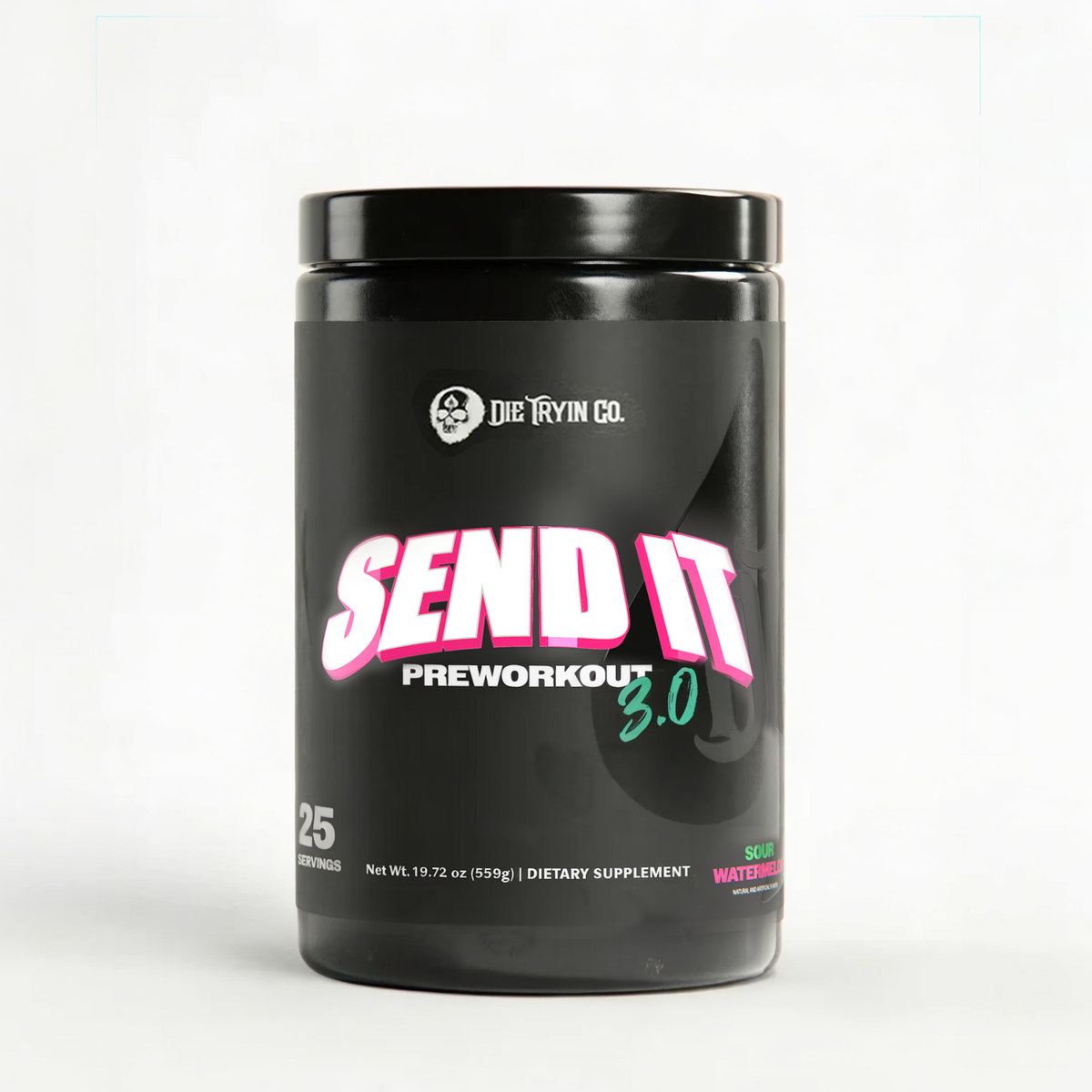
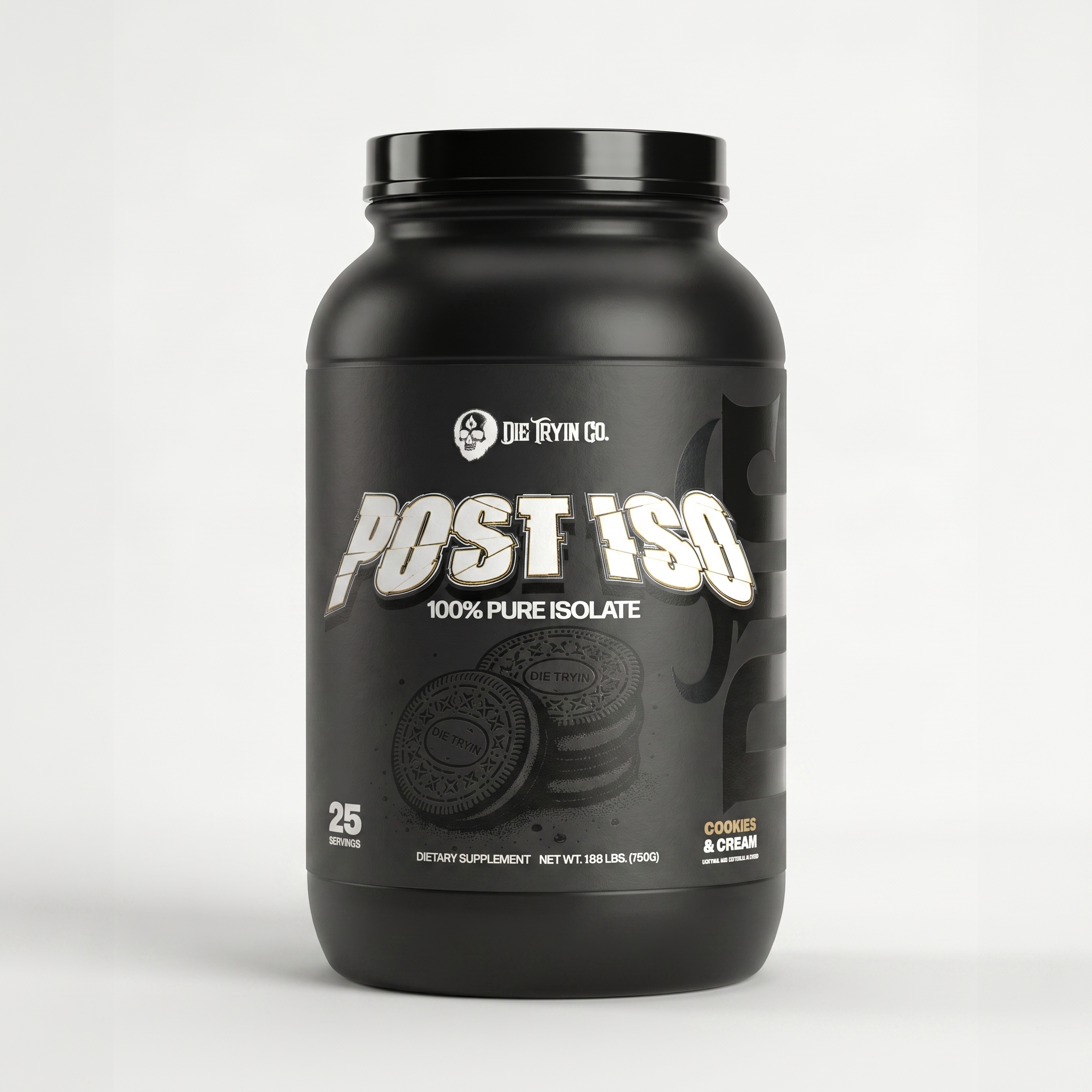
Back day rewards focus more than any other session. SEND IT 3.0 about 30 minutes before you lift, Creatine Monohydrate every day, and Post Iso when the work is done. Then get under the bar and row like it owes you money.
ALWAYS FORWARD.
Read more

Width or thickness. Vertical or horizontal. The honest answer is both, programmed properly, and here is why.

Muscle grows when demand grows, everything else is detail. The load-vs-reps research, the double progression method, and how to escape a plateau without wrecking recovery.

A pull day is not a list of back exercises. It is two movement patterns plus the muscles everyone skips.
Width without thickness looks flat. The full barbell-first back blueprint, exercise by exercise, with the research on range of motion and weekly volume behind it.

The secret to a bigger back isn't more weight — it's the stretch. Here's how to train your lats at long muscle lengths, demoed on the barbell row.

Flavor doesn't change what creatine does; taking it every day is what counts. How to pick flavored or unflavored, what to mix it with, and how long it lasts once mixed.
GEAR THAT FITS THIS POST
The products this article actually talks about. Real doses, disclosed labels, veteran owned.