




Push Day Workout: 8 Moves for Chest, Shoulders, Triceps
By Jon Klipstein, U.S. Army Combat Veteran & Founder of Die Tryin Co., and Garrett Ussery, NASM-CPT & 2025 Idaho Cup Overall Champion
Science reviewed by Onur Oncer, BS Physiology and peer-reviewed published researcher.
MOST PUSH DAYS ARE BUILT WRONG
Most people get this wrong, and it usually isn't the exercise list. It's that they press chest, shoulders and triceps hard one time every seven days, rest 45 seconds between sets, chase a pump, and then wonder why the bench hasn't moved in six months.
Push day is the session that trains every muscle involved in driving weight away from your body. Chest. Shoulders. Triceps. It's the highest-leverage upper-body day you run, because those three groups overlap on nearly every pressing movement, so you can load all of them hard without stealing recovery from your pulling day.
Here's the full session: eight movements, the sets and reps that go with them, how often to repeat it, and how long to actually rest between sets. Basics beat hype.
| SLOT | THE JOB | SETS x REPS |
|---|---|---|
| Heavy horizontal press | Load the chest and triceps with real weight | 4 x 5-8 |
| Incline press | Bias the upper chest | 3 x 8-12 |
| Vertical press | Build the front delts and lock in overhead strength | 3 x 6-10 |
| Dips and flyes | Train the chest in the stretched position | 3 x 8-15 |
| Delt and tricep isolation | Finish the side delts and triceps that pressing underworks | 3-4 x 8-20 |
HOW OFTEN SHOULD YOU RUN PUSH DAY?
Twice a week. Not once. A 2016 systematic review and meta-analysis on training frequency compared muscle groups trained one to three days per week with weekly volume held equal, and twice a week produced the larger hypertrophy effect. The authors' conclusion: major muscle groups should be trained at least twice a week to maximize muscle growth.
That's the single biggest fix available to most lifters, and it's why a push, pull, legs split works best when you run it twice through in six days rather than once through in seven. Push, pull, legs, repeat. If you can only train four days, make the second push session shorter and lighter instead of skipping it.
HOW MANY SETS DOES A PUSH MUSCLE ACTUALLY NEED?
More than three, and probably fewer than you think you need on a good day. A 2016 dose-response meta-analysis of weekly set volume found a graded relationship: each additional weekly set was associated with roughly a 0.37% greater gain in muscle size, and higher-volume groups out-grew lower-volume groups by about 3.9%.
Practically, that lands most lifters somewhere in the 10 to 20 hard sets per muscle per week range, split across two sessions. The session below runs 13 direct chest sets, 7 for delts and 6 for triceps, with the pressing work feeding all three. Run it twice exactly as written and chest clears 20 weekly sets, which is the ceiling for most people. So if your joints or your sleep start complaining, trim the second session's chest work first, and read the training sweet spot before you add anything.
SLOT 1: THE HEAVY HORIZONTAL PRESS
Barbell bench press opens the session because it's the movement you can load heaviest, and heavy loading is what makes push day a strength day and not just a pump day. Four sets of five to eight, taken close to hard but not to technical failure.
- Set your grip slightly wider than shoulder width, feet planted, shoulder blades pulled down and back.
- Lower under control to the lower chest, touch, then drive the bar up and slightly back toward your face.
- Keep the ribcage down. Bouncing the bar off your chest is not intensity, it's a missed rep with extra steps.

SLOT 2: THE INCLINE PRESS
The upper chest is the region most lifters under-build, and flat pressing alone doesn't fully cover it. Incline dumbbell press at 30 to 45 degrees is the fix. Dumbbells earn their spot here because each arm works independently and you get a deeper stretch at the bottom than a barbell allows.
- Set the bench between 30 and 45 degrees. Steeper than that and the front delts start taking over.
- Press the dumbbells up and slightly together without clanging them at the top.
- Lower until your upper arms are roughly level with your torso, then reverse without bouncing out of the stretch.

SLOT 3: THE VERTICAL PRESS
Overhead pressing is the slot people quietly drop because their bench numbers are prettier. Keep it. It builds the front delts and the triceps through a range that horizontal pressing never touches, and it's what separates a torso that looks built from every angle from one that only works head-on.
- Stand or sit with the weight at shoulder height, ribs stacked over hips, glutes and abs braced.
- Press straight overhead until the arms lock out, ears roughly in line with the biceps at the top.
- If your lower back arches to finish a rep, the weight is winning. Drop it and press clean, or switch to a machine shoulder press for the last sets.


SLOT 4: DIPS AND FLYES FOR THE STRETCH
Pressing loads the chest hardest in the middle of the range. Dips and cable flyes load it where a barbell can't: deep in the stretched position, arms behind the torso. That's the slot that turns a flat chest into a full one.
- Chest dips: lean the torso forward, let the elbows travel back and out slightly, descend until the upper arms break parallel, then drive up. Add weight once you can clear 12 clean reps.
- Cable chest fly: soft bend in the elbows, sweep the handles together in front of the chest, hold the squeeze for a beat, then let the arms open under control.
- Both movements reward control over load. If you're swinging, you're stealing reps from the muscle you came to train.


SLOT 5: DELT AND TRICEP ISOLATION
Pressing hits the front delts and the long head of the triceps hard. It barely touches the side delts, and it never finishes the triceps off. That's what this slot is for, and it's why the last 15 minutes of push day matter more than most people treat them. For the deeper breakdown on width, read the side deltoid guide.
- Lateral raises: 3-4 sets of 12-20. Lead with the elbows, stop at shoulder height, lower slower than you lifted. Light weight, high honesty.
- Close-grip bench or overhead extension: 3 sets of 8-12 for the heavier tricep work.
- Tricep pushdowns: 3 sets of 12-15. Elbows pinned to your sides, full lockout, no leaning into the bar.


THE FULL PUSH DAY WORKOUT
Here's the whole session in order. Warm up the shoulders and do two ramp-up sets on the bench before set one counts.
| EXERCISE | TARGET | SETS x REPS | REST |
|---|---|---|---|
| Barbell Bench Press | Chest, triceps | 4 x 5-8 | 3 min |
| Incline Dumbbell Press | Upper chest | 3 x 8-12 | 2-3 min |
| Overhead Press | Front delts | 3 x 6-10 | 2-3 min |
| Chest Dips | Lower chest, triceps | 3 x 8-12 | 2 min |
| Cable Chest Fly | Chest, stretched position | 3 x 12-15 | 90 sec |
| Lateral Raise | Side delts | 4 x 12-20 | 60-90 sec |
| Close-Grip Bench Press | Triceps | 3 x 8-12 | 2 min |
| Tricep Pushdown | Triceps | 3 x 12-15 | 60-90 sec |
REST LONGER THAN YOU WANT TO
Short rest feels productive. It usually isn't, at least not on the heavy slots. In an eight-week trial, 21 resistance-trained men ran the same program with either one-minute or three-minute rest between sets. The three-minute group gained significantly more strength on both bench press and squat, plus greater muscle thickness in the anterior thigh. The triceps trended the same direction without reaching statistical significance, so treat the strength result as the solid one.
That trial ran full-body sessions, not push days, so here's the translation: three minutes on bench, two to three on incline and overhead work, and 60 to 90 seconds on isolation. Rushing the compounds costs you load, and load is the whole point of putting them first. Save the short-rest, high-effort work for the finishers, and see training to failure for where to spend that intensity.
HOW TO PROGRESS IT WEEK TO WEEK
A workout you repeat identically for two months is a maintenance program with extra sweating. Add a rep. Add five pounds. Add a set to the slot that's lagging. Pick one lever per session and move it, and log it, because you will not remember what you benched three Tuesdays ago.
When the bar stops moving, the answer usually isn't a new exercise. It's more sessions per week, better rest, or more sleep. Our full breakdown lives in the progressive overload guide, and what happens after the session is covered in the complete recovery guide.
WHAT TO FUEL IT WITH
Supplements are tools, not crutches. They earn a spot on push day when they solve a real problem: not enough energy to hit the top set, not enough protein to recover, not enough carbohydrate to finish a long session. Real doses of real ingredients, nothing hidden behind a proprietary blend.
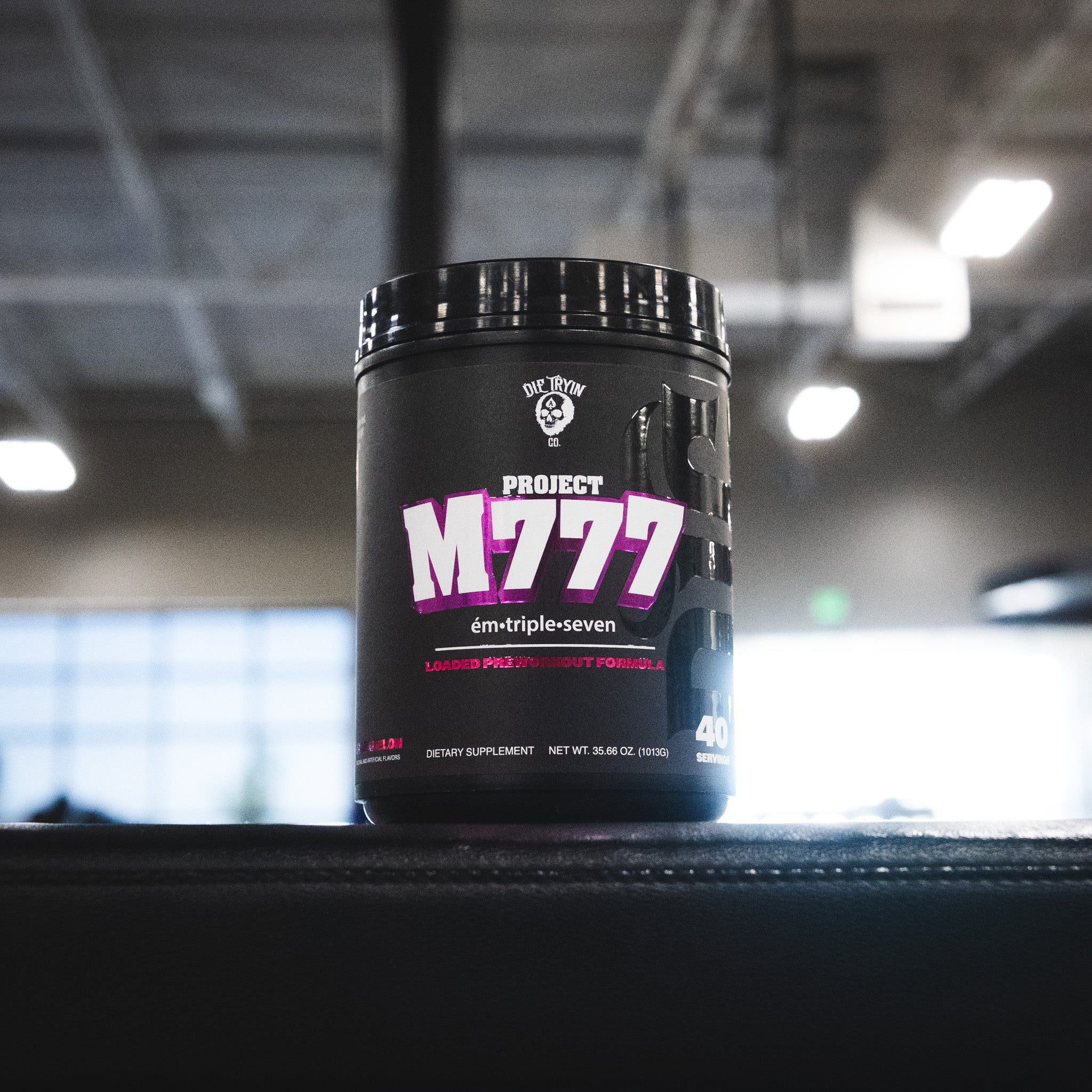
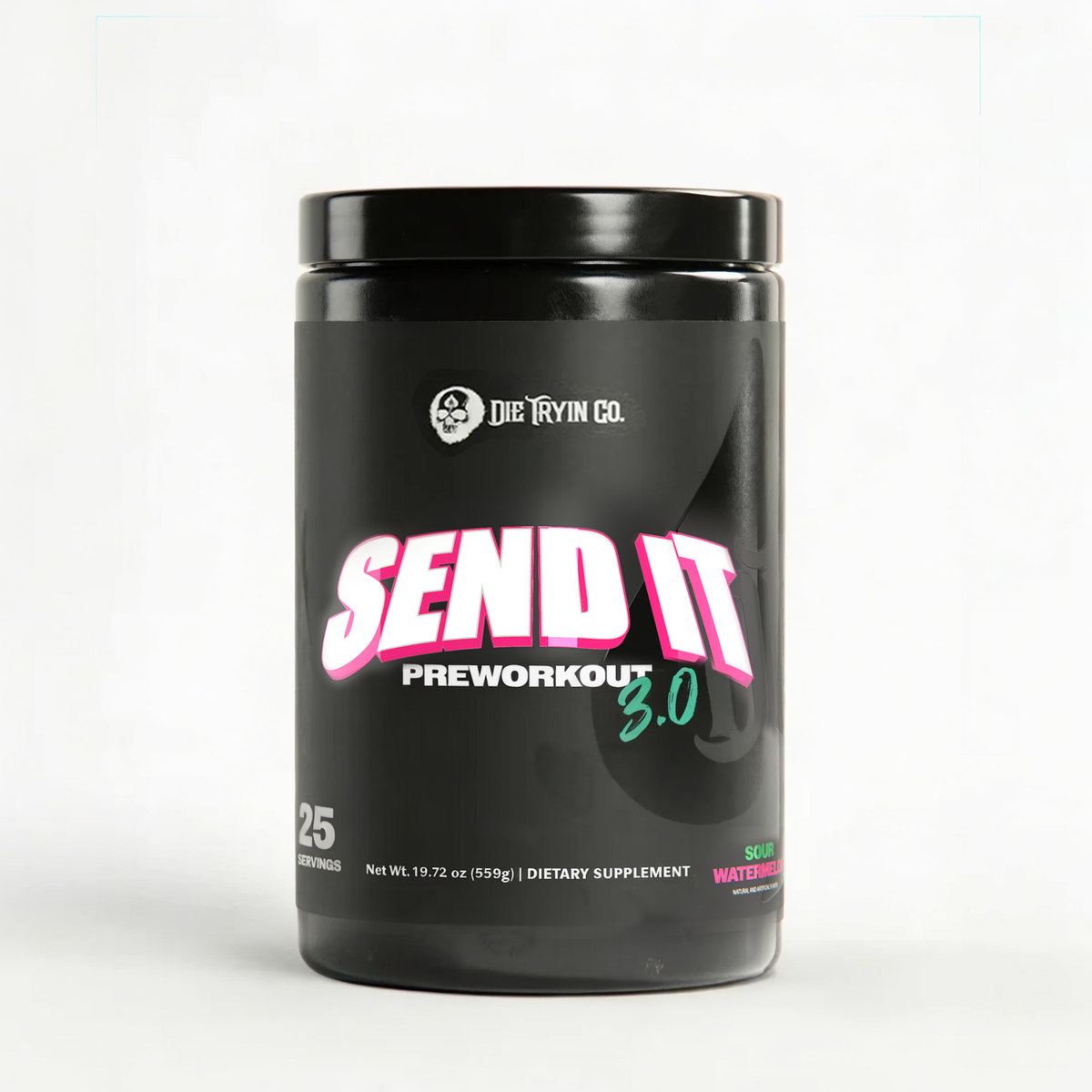
- Before: Project M777 for your hardest push day (one scoop carries 213 mg caffeine and 5,000 mg L-Citrulline), or SEND IT 3.0 as the daily driver at 9,000 mg L-Citrulline and roughly 286 mg total caffeine.
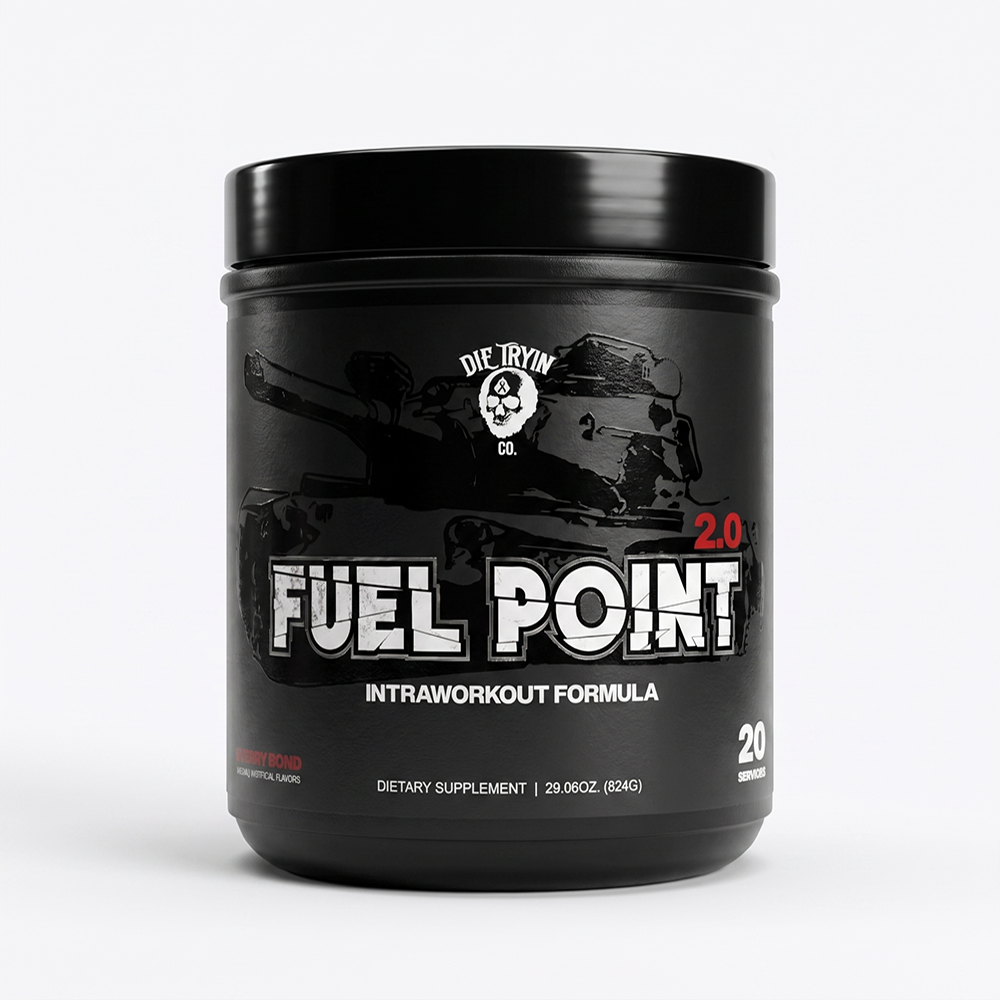
- During: Fuel Point 2.0 if push day runs long, with 24 g of SusCarb HBCD carbohydrate and 6,750 mg of essential amino acids per scoop.
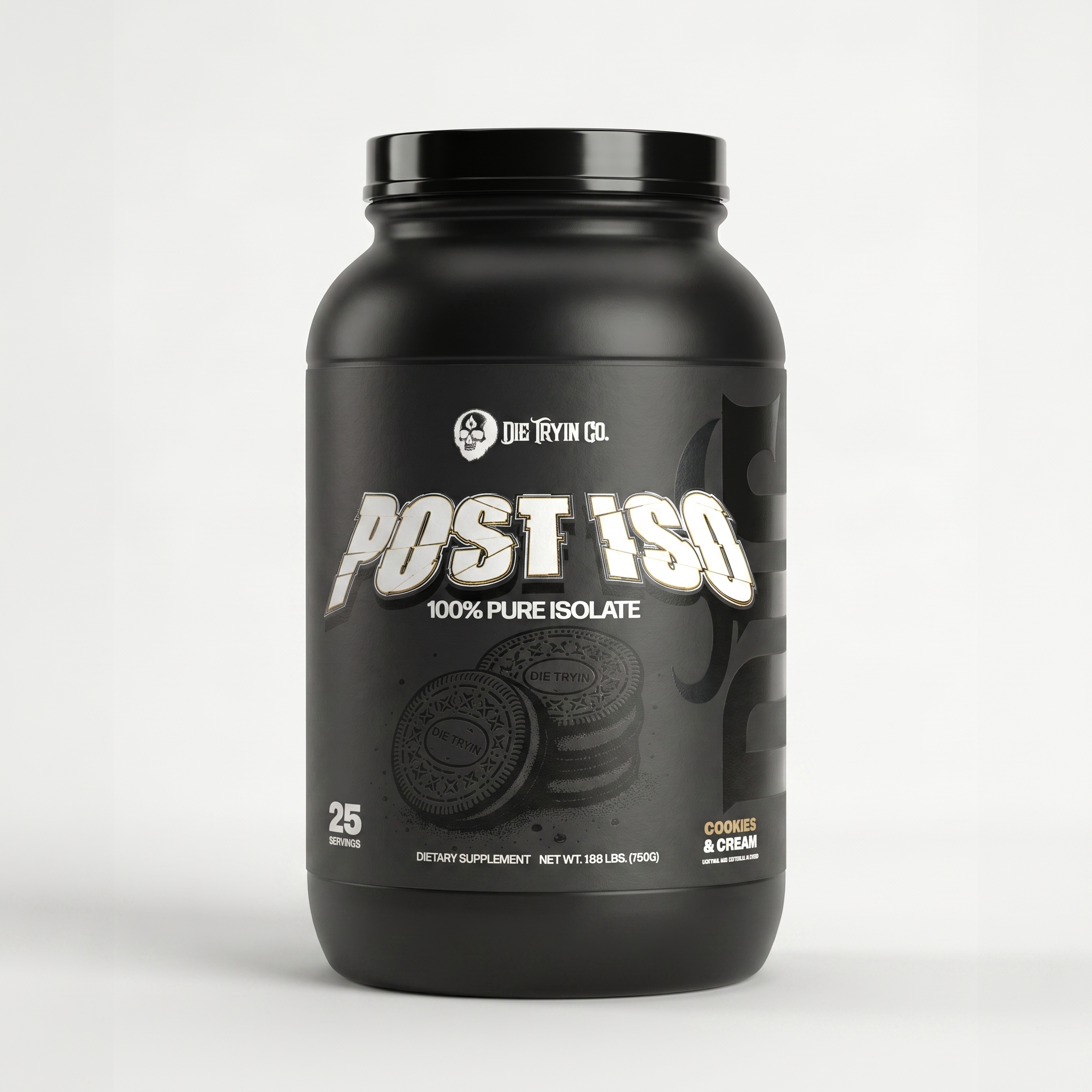
- After: Post Iso puts 24 g of whey isolate protein in without the filler.
- Every day, training or not: 5 g of Creatine Monohydrate. It works on saturation, so consistency matters more than timing.
PUSH DAY FAQ
How often should I do push day?
Twice a week. Research on training frequency points to training each major muscle group at least twice weekly for growth, and push, pull, legs run twice through in six days gets you there cleanly.
How long should a push day workout take?
About 75 minutes, warm-up included. If you're resting three minutes on the compounds like you should be, eight movements fills that window. Anything running past 90 minutes usually means too much scrolling between sets, not too much training.
Should push day come before or after pull day?
Either order works. What matters is that the day before push day wasn't a heavy tricep or front-delt session. Most lifters run push, pull, legs and rotate, which puts two full days between pressing sessions.
Can I train chest and shoulders on the same day?
Yes, and you should. Pressing already loads the front delts heavily, so separating them into two days doubles the fatigue on the same tissue. Grouping them is the entire logic behind push day.
Do I need to bench press to build a chest?
No. The barbell bench press is the easiest movement to load heavily, which is why it leads the session, but dumbbell pressing, machine pressing and weighted dips all build chest. Pick the heavy horizontal press your shoulders tolerate best and progress it.
What should I take before a push day workout?
Food first: a meal with protein and carbohydrate 60 to 90 minutes out. A pre-workout is the accelerator on top, not a replacement for the fuel. Match the stimulant load to the session, not to your ego.
READY TO GEAR UP?
Show up, press heavy, rest long enough to press heavy again, and run it back in three days. Here's what belongs in the bag:
- Hardest push day: Project M777
- Daily driver: SEND IT 3.0
- Long sessions: Fuel Point 2.0
- Post-training protein: Post Iso
- Daily saturation: Creatine Monohydrate
- Heavy training blocks: Glutamine
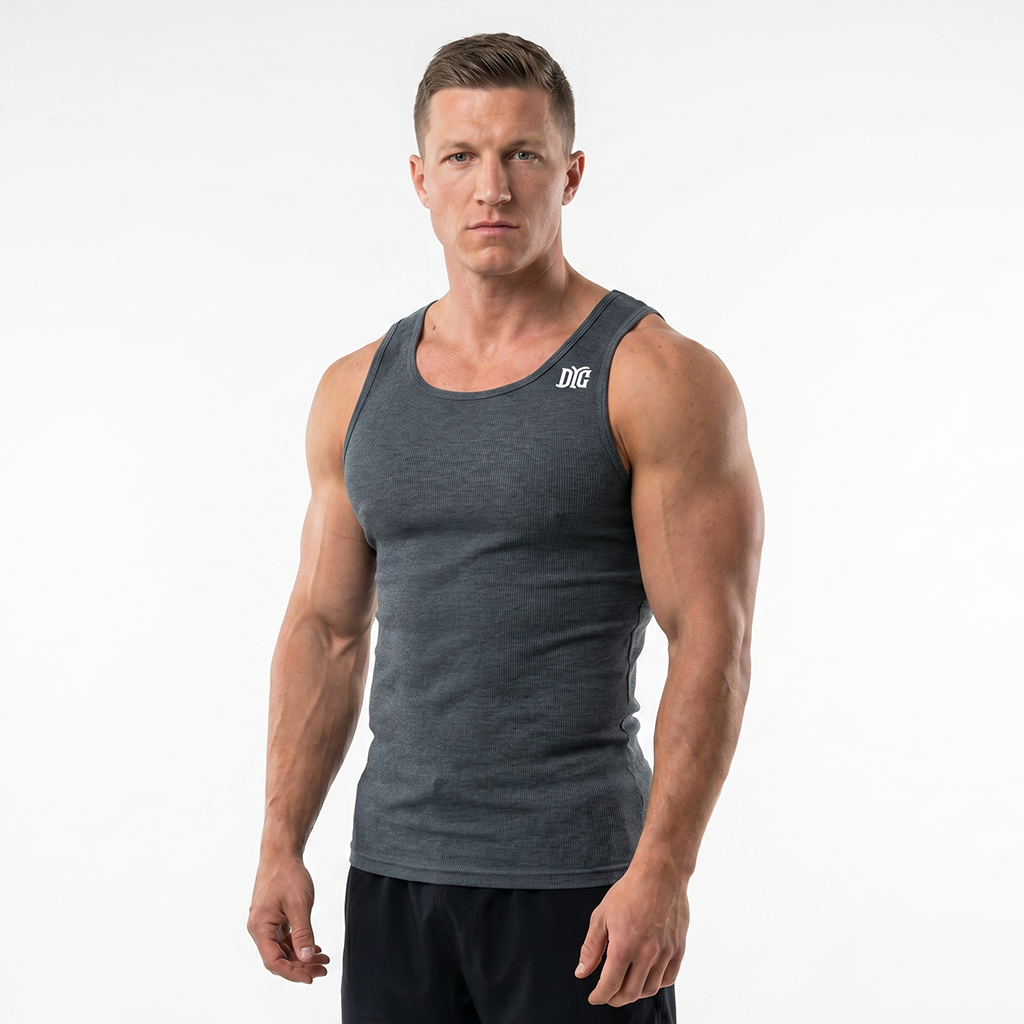
- Something to press in: the Everyday Tank
- Not sure where to start: take the quiz and get matched in under a minute
ALWAYS FORWARD.
GEAR THAT FITS THIS POST
The products this article actually talks about. Real doses, disclosed labels, veteran owned.

Read more
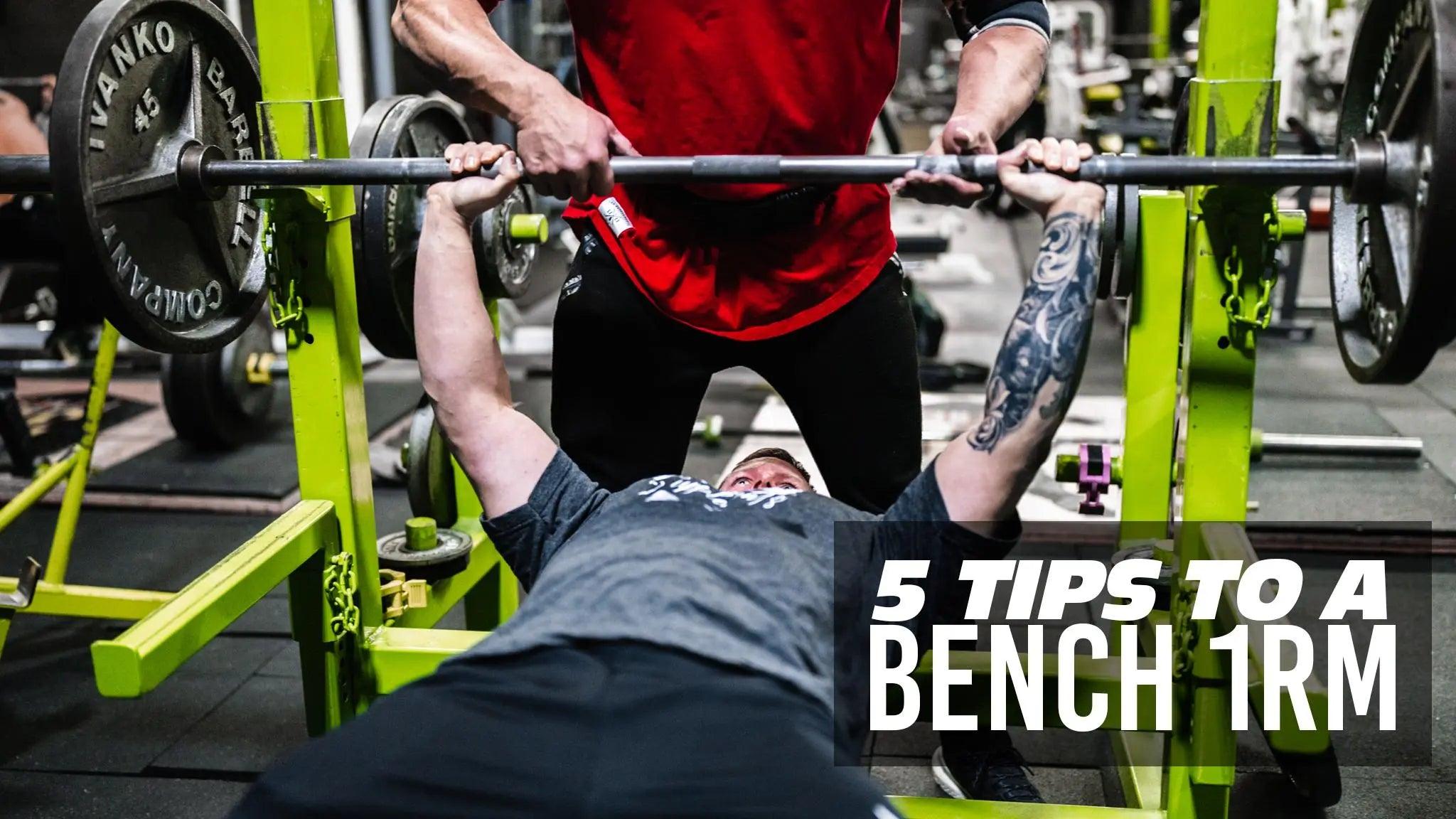
6 evidence-based strategies to increase your bench press — progressive overload, technique fixes, accessory work, and the recovery framework that turns training into real PRs.
EMG research maps exactly which part of your chest fires at every bench angle. Flat owns the mid and lower pec, 30 degrees owns the upper shelf.

The 7 chest exercises Garrett Ussery uses to build mass on himself and his clients — upper, middle, and lower pec coverage, plus how to program a chest day.
Your triceps are two-thirds of your arm. Here are the 7 best tricep exercises to hit all three heads — and how to program them for size.
There's no perfect split — only the one you'll stick to. PPL vs. upper/lower broken down, plus how to choose the best workout split for your week.

A pull day is not a list of back exercises. It is two movement patterns plus the muscles everyone skips.