


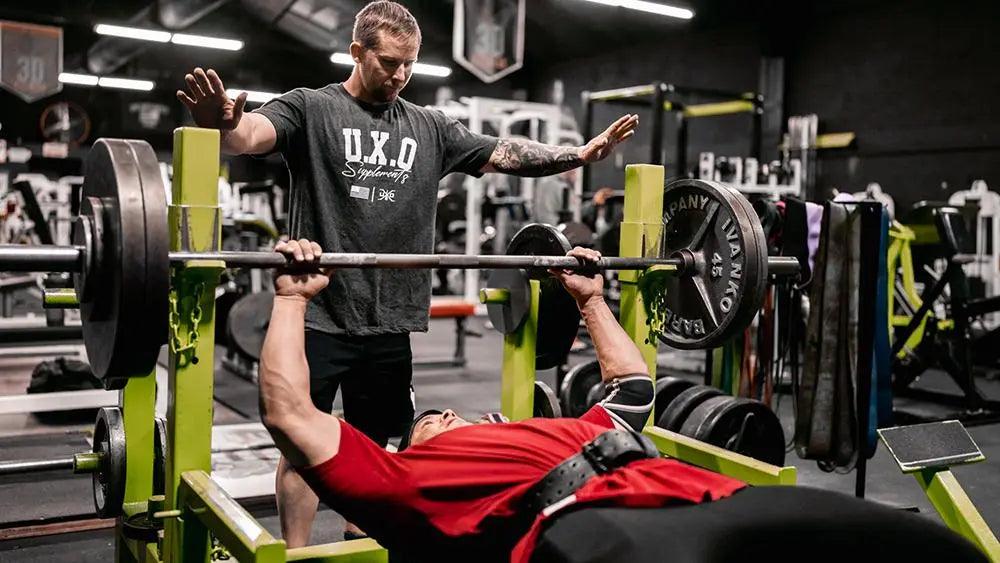
Bench Angle & Pec Activation: What EMG Research Shows
By Jon Klipstein, U.S. Army Combat Veteran & Founder of Die Tryin Co., and Garrett Ussery, NASM-CPT & 2025 Idaho Cup Overall Champion
THE ANGLE IS THE TARGETING SYSTEM
Most people get this wrong. They load the flat bench, grind out their sets year after year, and then wonder why the top of their chest looks like it never got the memo.
Here's the truth: your bench angle is a targeting system. Same bar, same press, different region of the pec doing the work. Set the bench wrong and you spend your best effort training a muscle you didn't intend to train.
This isn't gym-bro theory. Researchers have wired trained lifters with EMG sensors and measured exactly which part of the chest fires at every bench angle. The data is clear, and most lifters have never seen it.
Quick answer first. The full breakdown is below.
| BENCH ANGLE | WHAT THE EMG SHOWS | USE IT FOR |
|---|---|---|
| Flat (0°) | Highest mid and lower pec activation of any angle tested | Overall chest mass and heavy pressing strength |
| Incline 30° | Peak upper (clavicular) pec activation | Upper-chest emphasis |
| Incline 45°+ | Past 45 degrees, pec output drops and the anterior deltoid takes over | Mostly front-delt work, diminishing chest return |
| Decline | Not tested in these studies; flat already maxes the lower pec | Optional variety, not a requirement |
PEC ANATOMY IN PLAIN ENGLISH
Your pectoralis major is one muscle with two heads. The clavicular head (your upper chest) runs from the collarbone down toward the upper arm. The sternocostal head (the mid and lower chest, the bulk of the muscle) runs from the sternum across to the same attachment point on the arm.
Both heads do the same jobs: driving the arm across the body and rotating it inward. The difference is the line of pull. Upper fibers pull up and across. Lower fibers pull down and across. Change the bench angle and you change which fibers line up with the bar path. That's the entire game.
WHAT THE EMG RESEARCH ACTUALLY SHOWS
A 2020 EMG study took 30 trained lifters and measured muscle activity across five bench angles (0, 15, 30, 45, and 60 degrees) at 60 percent of 1RM. Upper pec activation peaked at 30 degrees. Mid and lower pec activation was highest on the flat bench. At 60 degrees, the anterior deltoid did more work than at any other angle while pec performance dropped. Triceps involvement stayed roughly the same across every angle tested.
An earlier EMG study found the same pattern under heavier load. Fifteen men pressed at 0, 28, 44, and 56 degrees at 70 percent of 1RM. The upper pec fired significantly harder at 44 and 56 degrees than on the flat bench, the mid and lower chest was strongest at 0 degrees and dropped as the angle rose, and the front delts worked harder at every incline compared to flat. The authors' takeaway: complete chest development needs both flat and incline pressing.
Put the two studies together and the picture is clean. Flat bench owns the mid and lower chest. The 30 to 45 degree window owns the upper chest. Past 45 degrees, you're paying chest-day effort for a shoulder press.
ANGLE-BY-ANGLE BREAKDOWN
FLAT BENCH (0 DEGREES)
The foundation. Flat produced the highest mid and lower pec activation of any angle tested, and it lets you move the most weight, which matters for long-term growth and strength. If your chest day only has room for one press, this is it. And if your numbers have stalled, our guide on increasing your bench press 1RM gives you the step-by-step fix.
INCLINE, 30 DEGREES
The upper-chest sweet spot. Thirty degrees produced peak clavicular activation in the 2020 study, and the earlier study showed the upper pec firing significantly harder at moderate inclines than at flat. Set the bench between 30 and 45 degrees, accept that the bar will be lighter than your flat work, and press through the chest, not the shoulders.
INCLINE, PAST 45 DEGREES
Diminishing returns. Above 45 degrees, the anterior deltoid takes over and pec performance decreases. If front delts are the goal, fine. If chest is the goal, bring the bench back down. A steeper angle doesn't mean a higher chest, it means less chest.
DECLINE
Honest answer: neither study tested decline angles, so nobody should be quoting EMG numbers at you to sell it. Gym tradition says decline builds the lower chest, but flat bench already produced the highest lower-pec activation of any angle tested. Decline isn't useless (shorter range, and some lifters find it comfortable on the shoulders), but treat it as optional variety. Flat has the lower chest covered.
HOW TO PROGRAM IT
You don't need five angles. You need two, pushed hard and progressed over time. Basics beat hype. A simple chest session looks like this: heavy flat pressing first while you're fresh, incline work at 30 to 45 degrees second to hammer the upper chest, then a fly or cable movement to finish. Our chest and tricep workout lays out a full session built on exactly that structure.
Where it lands in your week depends on your split. Hitting chest twice per week beats one marathon session, and choosing the right workout split handles that automatically. Consistency beats intensity. Two smart angles trained hard every week will out-build six angles trained at random. Want to see it applied? Garrett runs these exact angles in his own training, and his gym hack for chest is worth stealing for your next session.
Filmed in the UXO Supplements era. UXO Supplements is now Die Tryin Co. Same team, same mission.
COMMON MISTAKES
Here's where lifters waste their chest-day effort:
- Cranking the incline to 60 degrees. That's a front-delt press wearing a chest-day label. EMG shows pec output drops while the anterior deltoid takes over.
- Chasing decline for "lower chest" while neglecting flat. Flat bench already delivers the highest lower-pec activation of any angle tested. Fix the flat press before adding novelty.
- Angle-hopping. Five pressing angles, zero progression on any of them. Pick two angles and add weight or reps over time.
- Ego-loading the incline. Bouncing the bar and cutting range doesn't build the upper chest. Drop the load and own the full range.
- Flat bench only, forever. Both studies point the same direction: the upper chest needs incline work that flat pressing doesn't fully provide.
FAQ
What is the best bench angle for upper chest?
Thirty degrees produced peak upper-pec activation in the most detailed EMG study, and moderate inclines around 45 degrees also beat flat for the clavicular head. Set the bench between 30 and 45 degrees and keep the pecs, not the shoulders, driving the press.
Is decline bench worth it?
It's optional. These EMG studies didn't test decline angles, and flat bench already produced the highest lower-pec activation of the angles tested. Use decline as variety if you like it, but don't treat it as a mandatory lower-chest builder.
Is incline harder than flat?
Most lifters press noticeably less weight on incline. The front delts take a bigger share of the load and the pressing position is less favorable for total poundage. That's normal. Judge incline sets by upper-chest effort, not by matching your flat numbers.
What angle builds the most overall chest mass?
Flat is the base: highest mid and lower pec activation plus the heaviest loading. But the research conclusion is both, flat for the bulk of the muscle and a 30 to 45 degree incline for the upper shelf.
Can I just do flat bench?
You can, and your mid and lower chest will develop fine. The upper chest activates less at flat than at moderate inclines, so if a full upper shelf matters to you, add incline pressing.
How many bench angles do I need in one workout?
Two. Flat plus one incline between 30 and 45 degrees covers the whole muscle. Extra angles add fatigue, not new regions of chest.
READY TO GEAR UP?
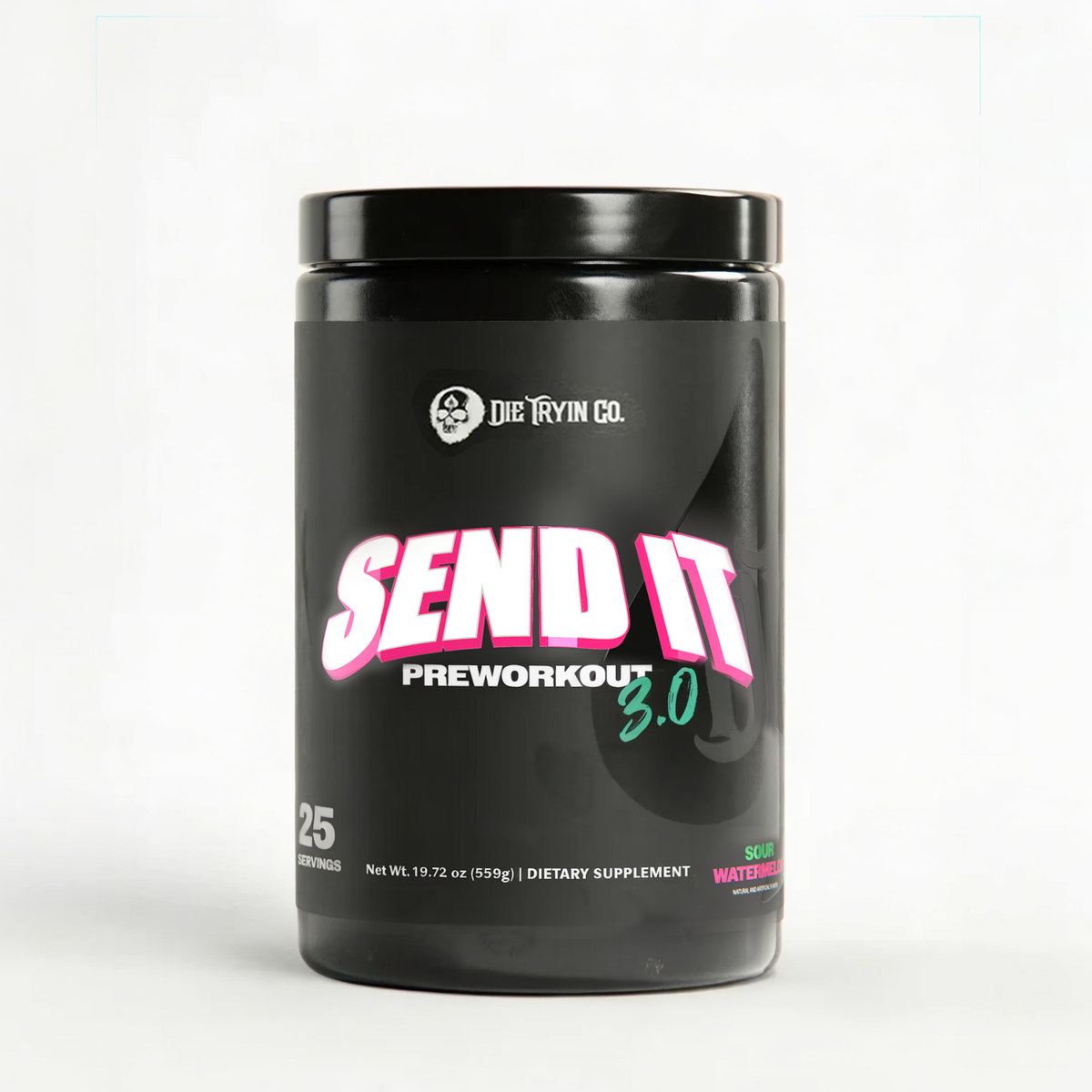
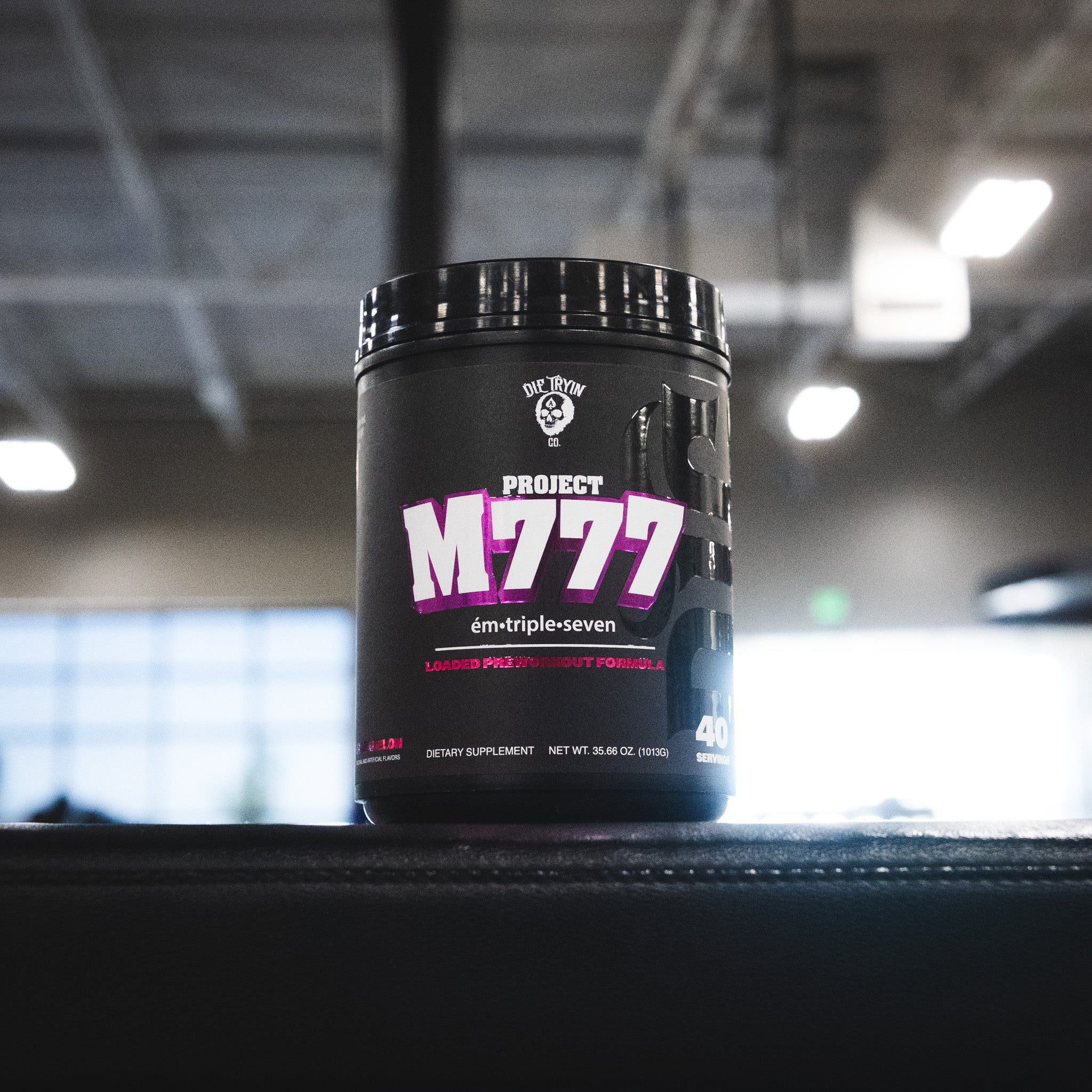
The angle decides where the work goes. Your effort decides whether anything grows. Show up to chest day ready to press: SEND IT 3.0 is the daily driver pre-workout, and when it's a max-effort bench session, Project M777 is the high-stim option built for your hardest days.
Not sure which one fits your training? Take the quiz and get matched in under a minute.
ALWAYS FORWARD.
Read more
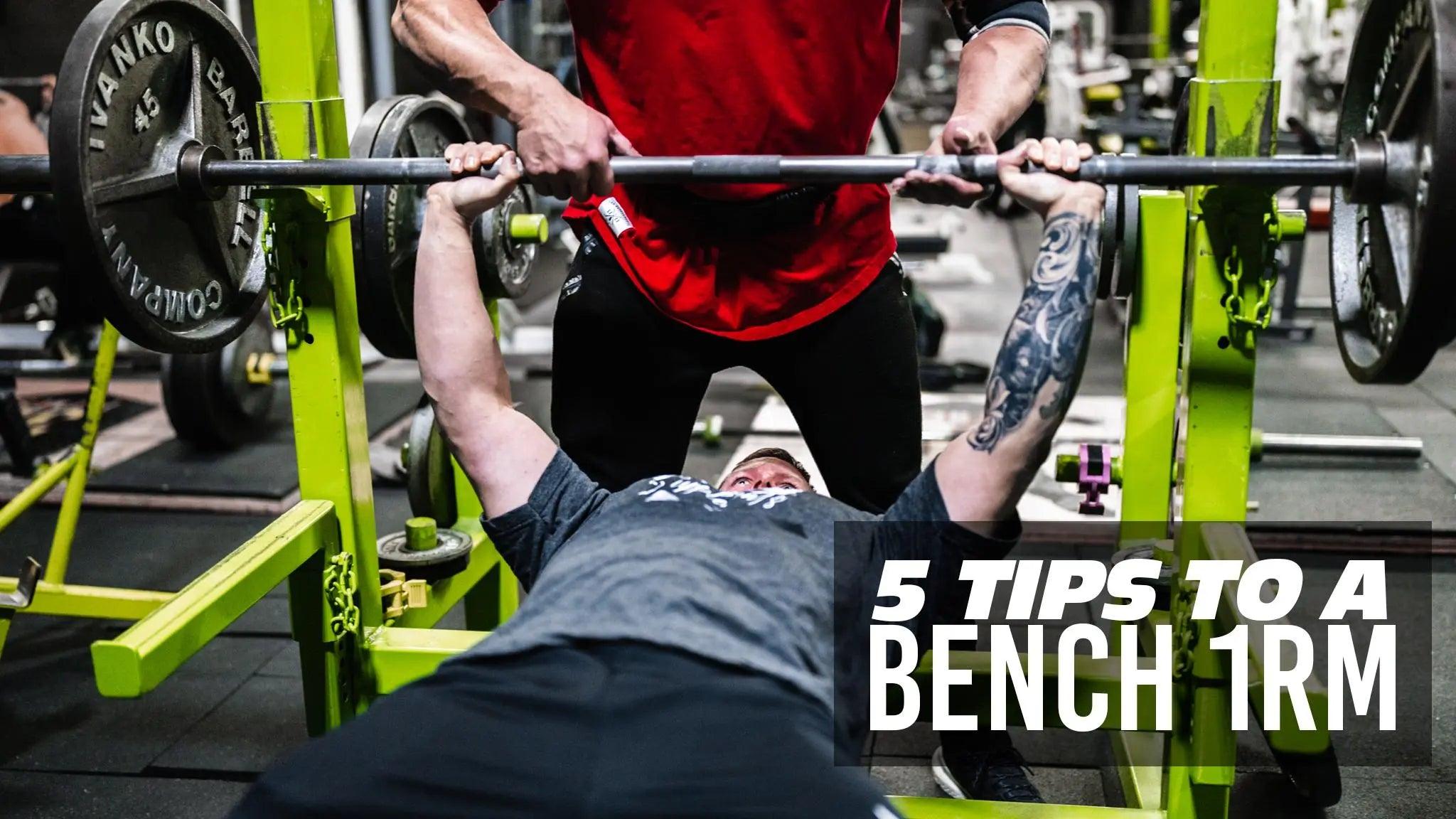
6 evidence-based strategies to increase your bench press — progressive overload, technique fixes, accessory work, and the recovery framework that turns training into real PRs.

The 7 chest exercises Garrett Ussery uses to build mass on himself and his clients — upper, middle, and lower pec coverage, plus how to program a chest day.
There's no perfect split — only the one you'll stick to. PPL vs. upper/lower broken down, plus how to choose the best workout split for your week.
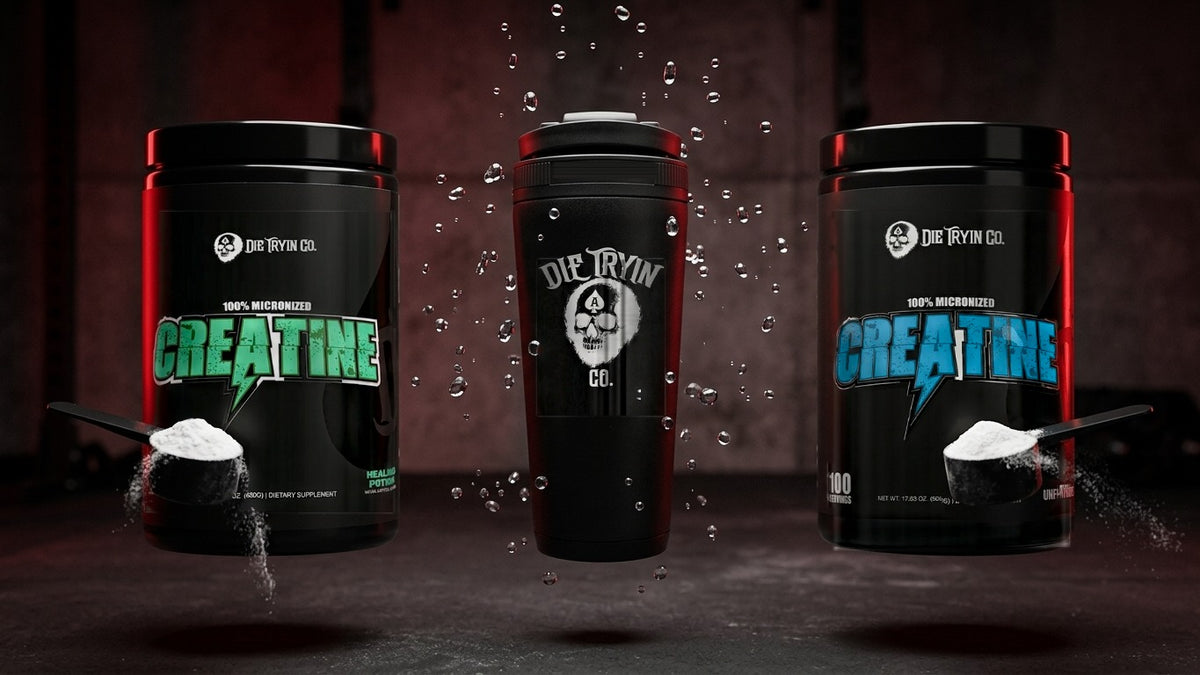
Flavor doesn't change what creatine does; taking it every day is what counts. How to pick flavored or unflavored, what to mix it with, and how long it lasts once mixed.
Whey protein concentrate now costs more than four times its early-2023 low. Here is what is driving it, what the 2027 forecasts actually say, and how to pay less per gram of protein without getting...
Four days, 1,400 miles on the road, 17 new products and 500 new customers. Here is what went down at the Die Tryin Co. booth at the 2026 Olympia World Fitness Expo.
GEAR THAT FITS THIS POST
The products this article actually talks about. Real doses, disclosed labels, veteran owned.