

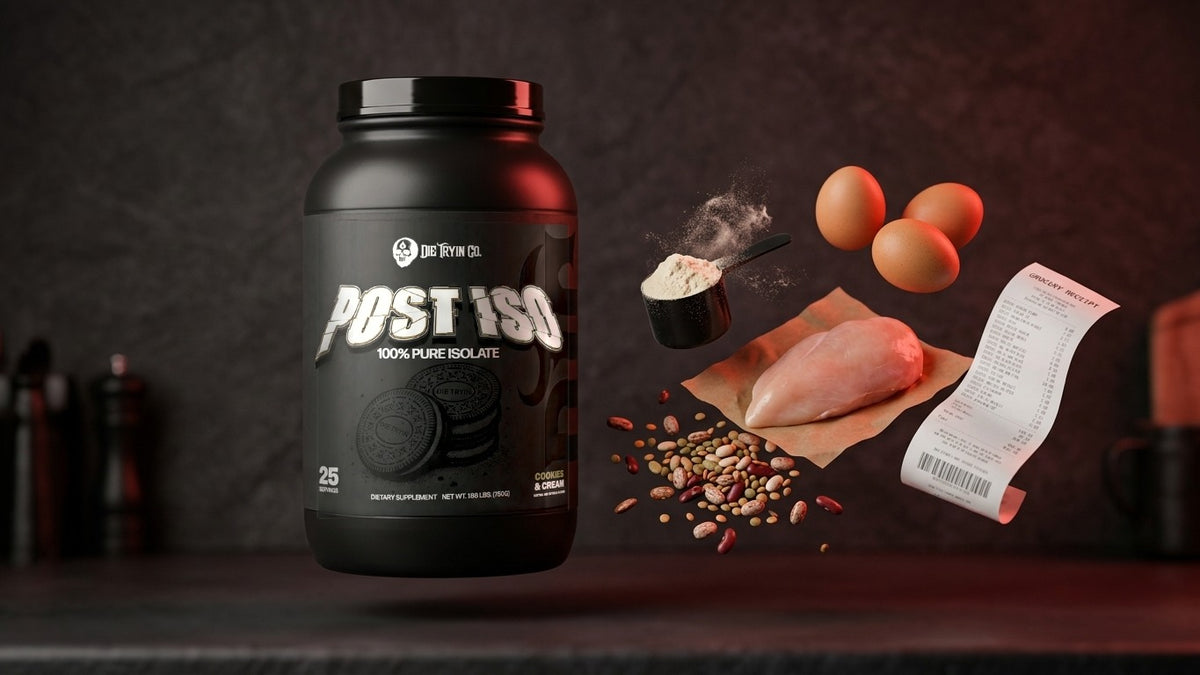
Why Is Protein Powder So Expensive in 2026? The 2027 Outlook
By Jon Klipstein, U.S. Army Combat Veteran & Founder of Die Tryin Co.
Science reviewed by Onur Oncer, BS Physiology and peer-reviewed published researcher.
YOUR PROTEIN DIDN'T GET BETTER. IT GOT MORE EXPENSIVE.
Listen up. You are not imagining it: protein powder is more expensive in 2026 because the whey inside it got expensive, fast. Whey comes from cheese, cheese output grows slowly, and demand from protein-in-everything foods and GLP-1 users outran it. Same scoop, bigger bill.
Here's the truth: in the US, USDA Dairy Market News had whey protein concentrate (WPC80) mostly trading from the low $10s to the mid $11s per pound in the week of September 28 to October 2, 2026, and isolate in the $14s. In February 2023, concentrate traded in the low $2 range (half its price a year earlier) and isolate at $4 or lower. That is more than four times the price for concentrate and at least 3.5 times for isolate.
This is not a milk shortage: US milk output rose 2.6% in 2025. It is a squeeze on the high-protein grades of whey that go into your shake.
| THE QUESTION | THE SHORT ANSWER (DATED) | GO DEEPER |
|---|---|---|
| How much did whey go up? | Concentrate: more than 4x its Feb 2023 price. Isolate: at least 3.5x. (USDA, week ending Oct 2, 2026) | Timeline below |
| Why? | Whey comes from cheese, and cheese output grows slowly. Demand from protein foods and GLP-1 users outran it. | Drivers below |
| What changed at the shelf? | Retail whey concentrate powder up about 15% in a year (AP, June 2026). Watch for smaller scoops and cheaper blends. | Spot a padded protein label |
| Will prices drop in 2027? | Concentrate has cooled since August 2026. Isolate has not. USDA's 2027 whey forecast sits above 2026. | 2027 outlook below |
| Cheapest protein per gram? | Dried beans, eggs, milk, chicken breast (BLS, Aug 2026). Whey isolate wins on calories, not always on price. | Cost table below |
| What should I do? | Price protein per 25 g, eat mostly food, use powder for the gap, read the label. | Find your daily protein number |
WHY IS PROTEIN POWDER SO EXPENSIVE? THE REAL DRIVERS
Here is what moved the price, and what did not.
- Cheese sets the ceiling. Every pound of cheese yields nine pounds of whey (USDA, via AP), and US cheese output rose just 2.4% from January to July 2026 (USDA NASS). USDA projects 2026 cheese at $1.570 a pound, down from $1.8634 in 2024. Cheese got cheaper. Its protein got pricier.
- Processors chase the high-protein grades. July 2026 output of 50 to 89.9% protein concentrate rose 10.3% year over year and isolate 6.1% (USDA NASS), while exports of high-protein whey concentrate were down 21% year to date (US Dairy Export Council, August 2026). More of the good stuff stayed home, and prices still climbed. Our read: demand ran faster.
- Protein in everything. NielsenIQ counts 38,708 products advertising protein in the average US supermarket (via AP, June 2026), and 70% of US adults say they try to eat protein, up from 59% in 2022 (IFIC, via New Hope Network, May 2026). Much of it bids for the same whey.
- GLP-1 users. A KFF poll fielded Oct 27 to Nov 2, 2025 found 12% of US adults currently taking a GLP-1 drug, and Ever.Ag's Kathleen Wolfley told AP (June 2026) that GLP-1 use is one of the factors that supercharged whey concentrate demand. The size of that pull is an estimate, not a measurement.
- Bird flu: not the cause. Tariffs: not the main story. H5N1 herd detections fell from 917 in 2024 to 171 in 2025 and 85 in 2026 as of late August (APHIS, via CIDRAP) while milk output rose. China's 2025 retaliatory tariffs made US whey harder to sell there, a downward push on prices here. Tariffs do hit costs: BellRing's August 2026 earnings release says input-cost inflation, tariffs included, and higher freight hit its gross profit, and US duties on some Canadian dairy began August 21, 2026 (USDA WASDE). No source we found measures the net effect on whey protein prices.
WHEY PROTEIN PRICE INCREASE: 2023 TO 2026, BY THE NUMBERS
| WEEK / DATE | CONCENTRATE (WPC80), PER LB | ISOLATE (WPI), PER LB |
|---|---|---|
| Feb 6 to 10, 2023 | Low $2 range | $4 or lower |
| Early Dec 2024 (StoneX analyst estimate) | About $4.75 | Record above $8.50 |
| Mar 2 to 6, 2026 | A $9.50 offer for instant went unfilled for lack of product | Not quoted |
| May 11 to 15, 2026 | High $11s to low $12s | $12s to $13s |
| Aug 3 to 7, 2026 (concentrate's top range so far) | $12.25 to $13.25 | Around $14 |
| Sept 28 to Oct 2, 2026 (latest) | Low $10s to mid $11s | In the $14s |
Every row is USDA Dairy Market News except December 2024 (StoneX's Nate Donnay, in Hoard's Dairyman, Dec 19, 2024). In June, AP (Dee-Ann Durbin, June 14, 2026) put concentrate above $13 a pound, citing Ever.Ag, and US Dairy Export Council data had it up 60% in 2025 and another 76% by June 2026 (via The Cattle Site, August 2026).
The shelf followed. AP reported US retail whey concentrate powder up around 15% in a year (Datasembly data), with isolate up faster. Earnings filings agree: BellRing tied Dymatize's 20.7% price/mix gain in the quarter ended June 30, 2026 to inflation-driven price increases and international distribution gains, and Glanbia reported like-for-like pricing up 7.6% in its Performance Nutrition unit (home of Optimum Nutrition and Isopure) for the first half of 2026.
WHAT THE SQUEEZE LOOKS LIKE ON THE SHELF
Some of it has not hit the tag yet. Hope Tipton of INFRA told New Hope Network (May 11, 2026) that cost increases had not been passed on yet, and that any "pricing shifts" likely won't happen until the first or second quarter of 2027.
The quiet version is harder to spot. Registered dietitian Abby Langer (Men's Health, March 24, 2026) flagged fewer scoops, smaller servings and cheaper concentrate blends standing in for isolate. A proprietary blend lists only its total weight (21 CFR 101.36(c)), so you see the order, not the split (more in whey isolate vs protein blends). One number catches all of it: cost per 25 grams of protein. A hypothetical $60 tub with 30 servings of 25 grams costs $2.00 per 25 grams. Cut it to 27 servings, or shave each scoop to 22 grams, and it becomes $2.22 or $2.27. Same sticker, less protein.
The ugly version has history. In 2014, US class actions alleged that some brands padded protein claims with cheap free amino acids, one complaint saying it offset rising wholesale whey costs. Allegations, not findings. FDA still lets protein be counted from nitrogen (21 CFR 101.9(c)(7)). Learn how to verify a protein label and what third-party testing really means.
WILL PROTEIN PRICES DROP IN 2027?
Short answer: none of the dated forecasts here points back to 2023 prices. Forecast: USDA's September 11, 2026 WASDE puts commodity dry whey at $0.690 a pound for 2027 (raised from $0.680), versus $0.670 for 2026 and $0.596 in 2025. That is the low-protein commodity, not isolate, and it points slightly up. Expectation: in early September, most trade contacts quoted by USDA Dairy Market News expected concentrate to hold around $12 through year-end, some a drop toward $10. By early October it already traded in the low $10s to mid $11s, and isolate had not eased.
- Down: new plants. IDFA and Ever.Ag (June 24, 2026) say processors have invested more than $1.6 billion in dairy protein capacity, but the extra output takes time and consumers will likely see higher prices until then. Glanbia's New Mexico isolate expansion is not due until 2027 (AP).
- Down: more supply. Isolate stocks at the end of July 2026 were 23.8% higher than a year earlier (USDA NASS).
- Up: demand. Scott Dicker of SPINS told New Hope Network (May 11, 2026) he does not expect the protein craze to slow this year or, "most likely," next year.
- Up: the isolate shift. USDA's trade contacts warned in early September 2026 that more plants switching to isolate could tighten concentrate again.
Here's the bottom line. The shelf trails the ingredient market by months, so budget for protein staying expensive and let the per-25 g math do the work. Watch the USDA weekly whey report, US cheese output and isolate stocks.
CHEAPEST PROTEIN PER GRAM IN 2026: FOOD VS. POWDER
Price per tub lies, and so does price per serving, because the brand picks the serving. The honest number is cost per 25 grams of protein: tub price × 25 ÷ (servings per tub × grams of protein per serving). Here it is on groceries, at Bureau of Labor Statistics average prices (US city average, August 2026, the latest) with USDA FoodData Central protein values.
| FOOD | PRICE (AUG 2026) | $ PER 25 G PROTEIN | KCAL PER 25 G PROTEIN |
|---|---|---|---|
| Dried beans (any type) | $1.63 per lb | $0.42 | 395 |
| Eggs (grade A large) | $2.27 per dozen | $0.75 | 284 |
| Whole milk | $4.23 per gallon | $0.86 | 484 |
| Chicken breast (boneless) | $4.17 per lb | $1.02 | 133 |
| Cheddar cheese | $5.98 per lb | $1.44 | 440 |
| Ground beef (protein figured at 80/20) | $6.92 per lb | $2.22 | 369 |
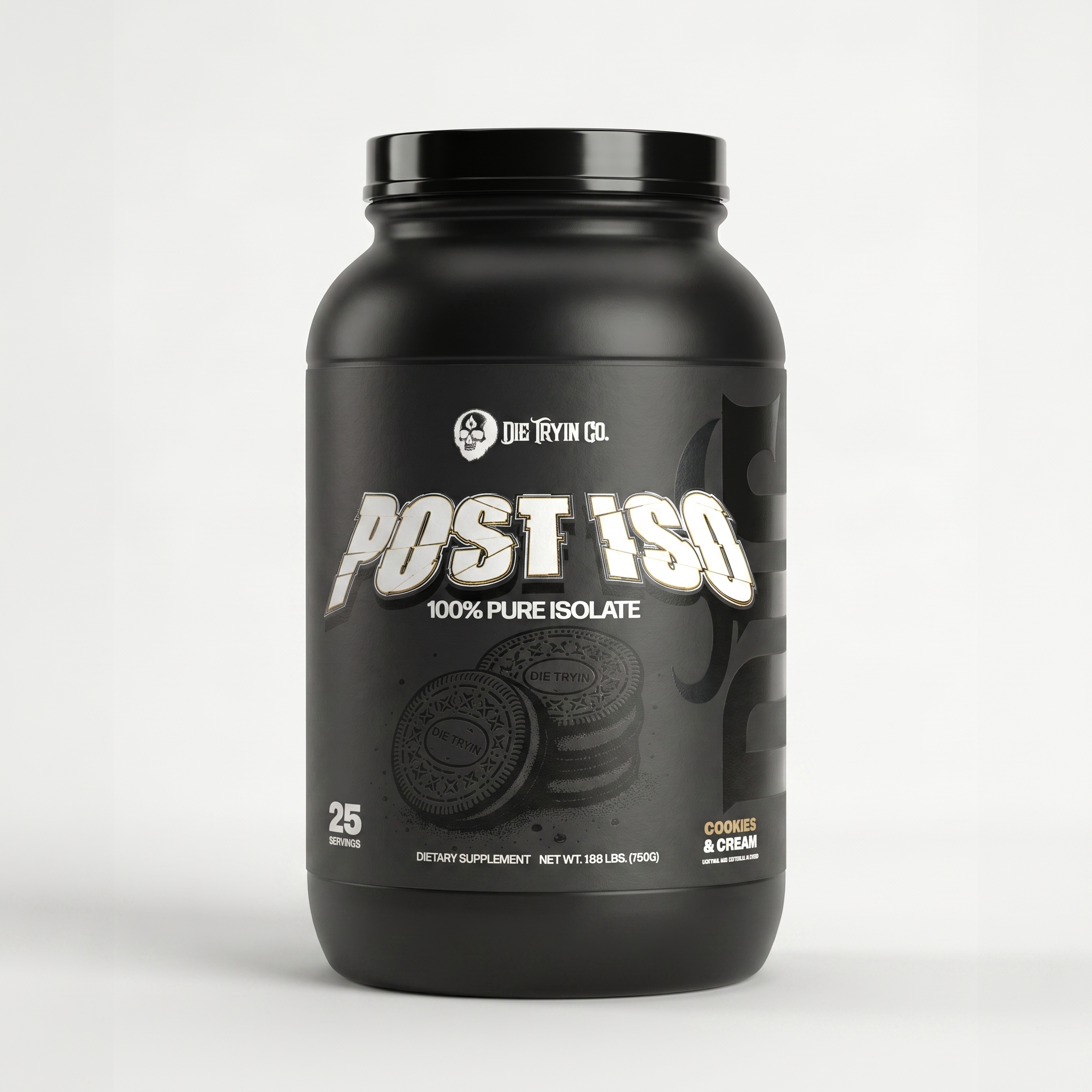
| Post Iso (100% whey isolate) | Not tracked by BLS | Tub price ÷ 24 | 110 per 24 g scoop (label) |
Read it right. Dried beans are the cheapest gram on the board, at about 395 calories per 25 grams of protein. Chicken breast is the lean value pick: about a dollar and 133 calories. That hypothetical $2.00 tub loses on price to everything here but ground beef.
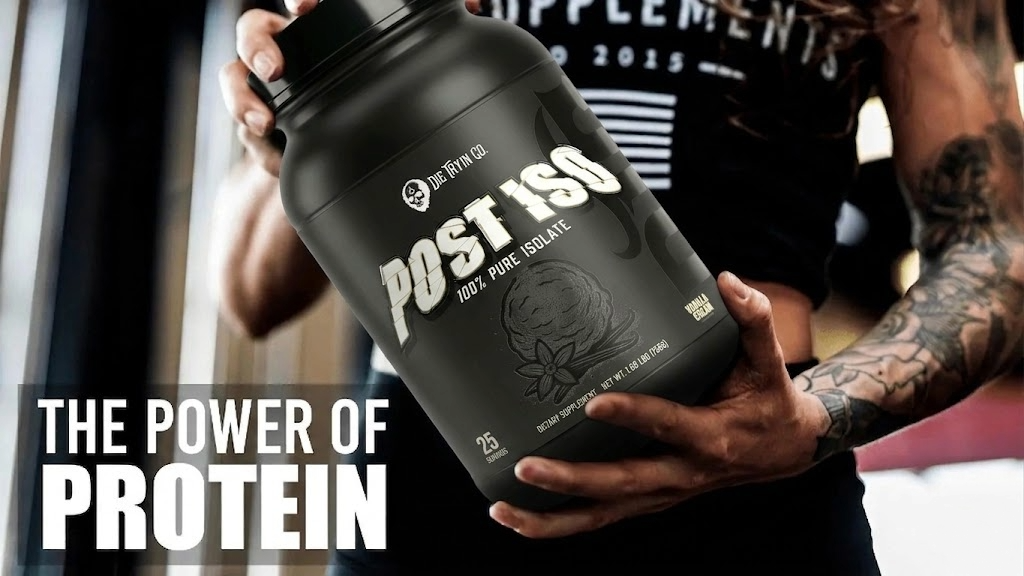
Powder's real edge is calories and convenience: a scoop of Post Iso is 24 grams of protein in 110 calories, no stove, no dishes. A cheap gram is not always an equal gram, either. Whey is about 11% leucine, the amino acid research ties most closely to switching on muscle protein synthesis, and matching the leucine in 25 grams of whey takes about 38 grams of pea or 40 grams of soy protein (Gorissen et al., Amino Acids, 2018).
WHAT TO DO ABOUT IT (WITHOUT GETTING PLAYED)
- Price every tub, bar and shake per 25 grams of protein.
- Read the label before the price tag. A cheap gram means nothing if it is not real protein: run the label check first.
- Buy food first. Eggs, chicken breast, milk and beans, like an athlete's grocery haul.
- Use powder for the gap, not the whole plan.
- Know your real number. Try tracking for a few days, then use the protein calculator.
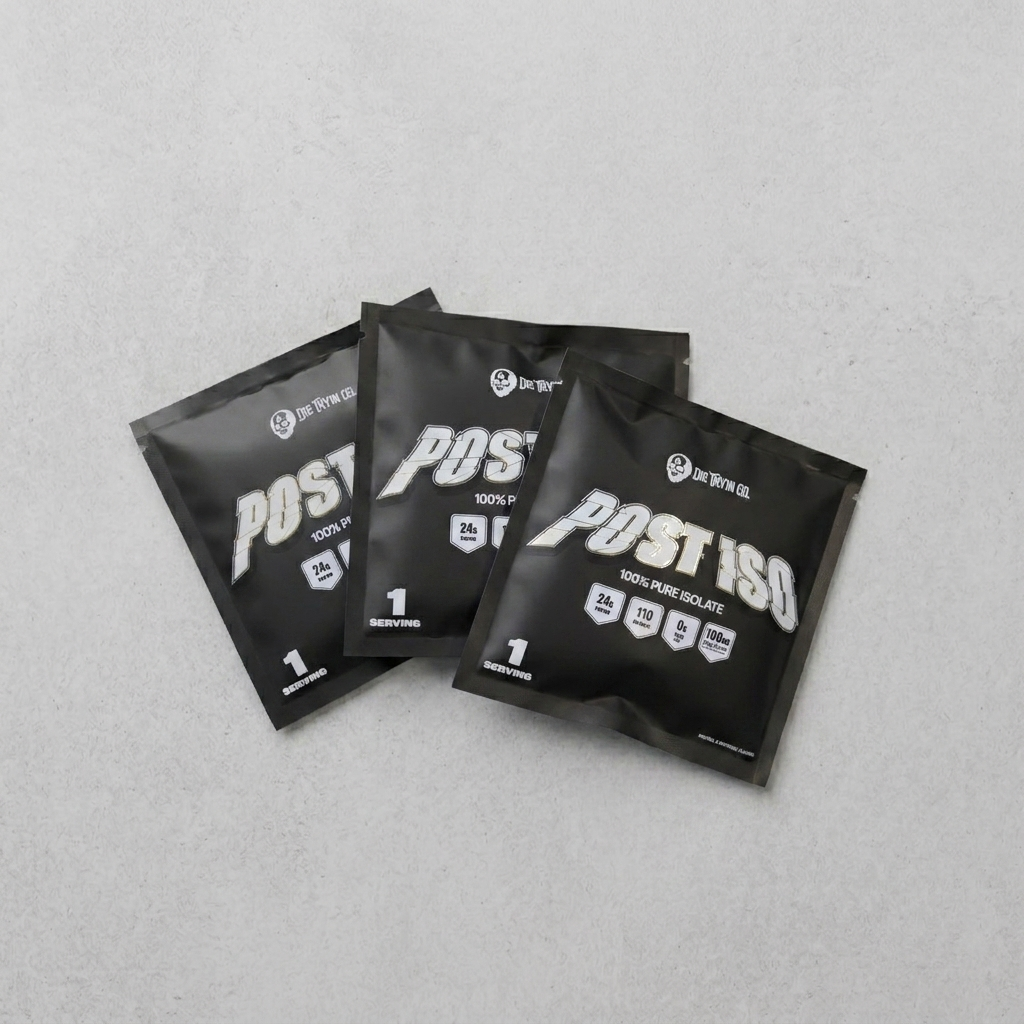
- Test a flavor before you buy a tub. A single-serving Post Iso sample beats a tub you never finish.
You may need less than you think. The Morton et al. 2018 meta-analysis in the British Journal of Sports Medicine (49 trials, 1,863 people) found muscle gains from protein supplementation during resistance training leveled off around 1.6 grams of total protein per kilogram of body weight a day (the authors call about 2.2 g/kg prudent to max out). At 1.6 g/kg, an 80 kg (176 lb) lifter needs about 128 grams; if food covers 100, that is about one scoop short, not three. Get your number in how much protein you actually need.
Our own Post Iso is 100% whey isolate: 24 grams of protein per 30.6 g scoop, 25 servings per tub, plus 100 mg of DigeZyme multi-enzyme complex. So 25 grams of protein costs your tub price ÷ 24. Hold every brand to that math, ours included.
FREQUENTLY ASKED QUESTIONS
Why is whey protein so expensive right now?
Demand for the high-protein grades, from protein foods and GLP-1 users, outran a supply capped by cheese output. In the week ending October 2, 2026, USDA had concentrate at more than four times its February 2023 level.
Is there a whey protein shortage in 2026?
Not empty shelves, but a tight market for the high-protein grades. In early March 2026 a $9.50-a-pound offer for instant concentrate went unfilled for lack of product, and in October USDA still called isolate tighter than concentrate.
Will whey protein prices go down?
Not to 2023 levels on any dated forecast. Concentrate has eased from its August 2026 peak, isolate has not, and USDA's 2027 forecast for commodity dry whey ($0.690 a pound) sits above 2026.
What is the cheapest protein to buy?
At August 2026 BLS prices: dried beans about $0.42 per 25 grams of protein, eggs $0.75, whole milk $0.86 and chicken breast $1.02, the leanest. For any powder, run price × 25 ÷ total grams of protein in the tub.
Are protein powders actually worth it?
As a tool, yes. As a requirement, no. In the Morton 2018 meta-analysis, protein supplementation during resistance training added 0.30 kg of fat-free mass and 2.49 kg to one-rep max. It earns its price when it fills a real gap. Need a shake at all? See our complete protein guide.
Is drinking protein powder every day ok?
For healthy adults, a daily shake is food in a faster format, and your daily total is what counts (more on how much protein is too much). If you are pregnant, managing a medical condition such as kidney disease, or taking medication, including a GLP-1, clear any supplement with your doctor first.
READY TO GEAR UP?
Fill the gap with Post Iso, 100% whey isolate with DigeZyme added. Try a flavor with a Post Iso sample packet first, and shake it in a Die Tryin Co. Sportshaker. Room in the budget for one more? Make it Creatine Monohydrate, which the ISSN's 2017 position stand calls "the most effective ergogenic nutritional supplement currently available to athletes with the intent of increasing high-intensity exercise capacity and lean body mass during training."
Not sure what else belongs in your stack? Take the quiz. Train smart. Train hard. Spend like you mean it.
ALWAYS FORWARD.
Read more
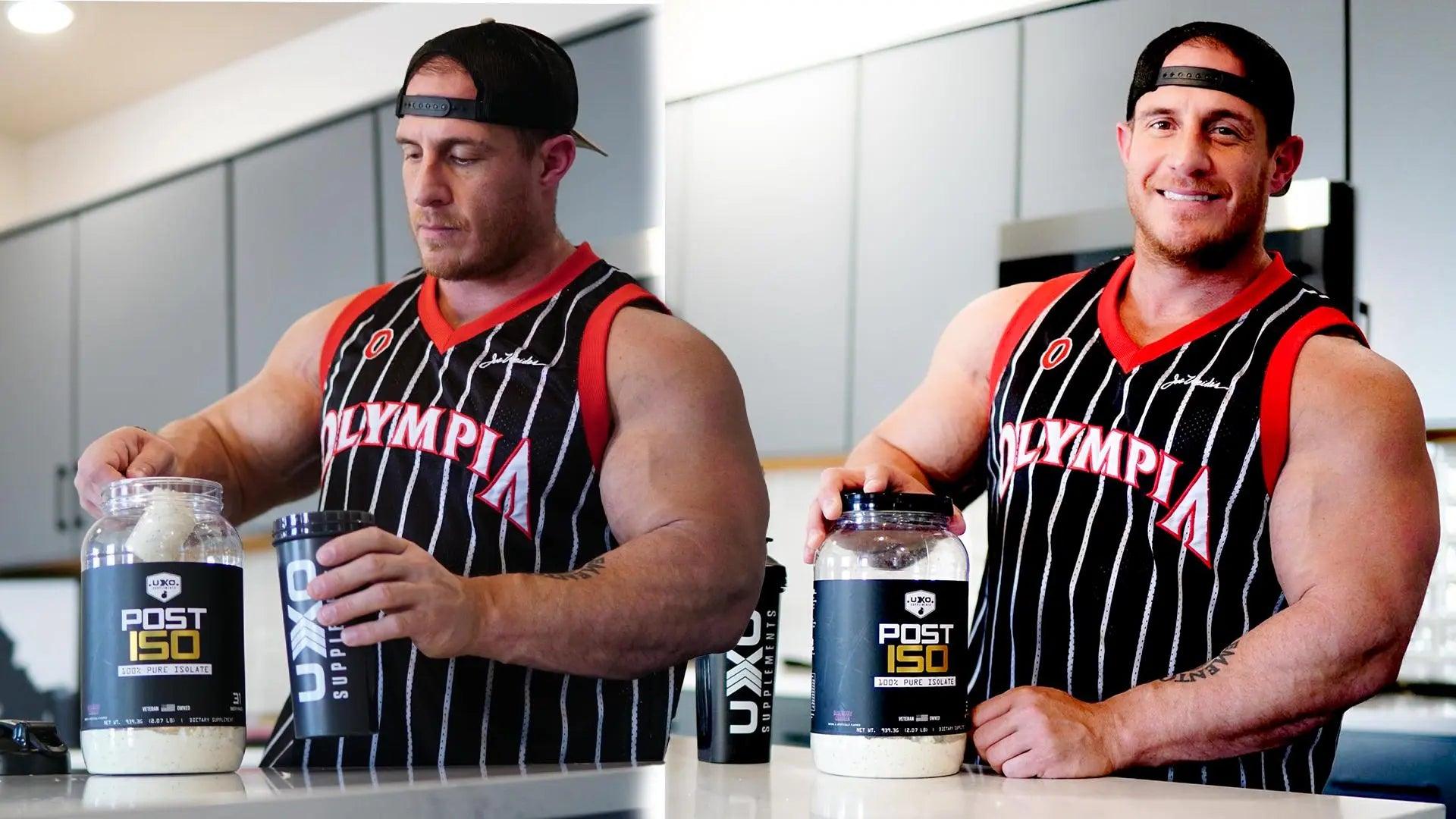
Independent screenings keep catching protein products whose labels write checks the tub cannot cash. The 60-second math test and the signals that tell you a protein is what it claims.
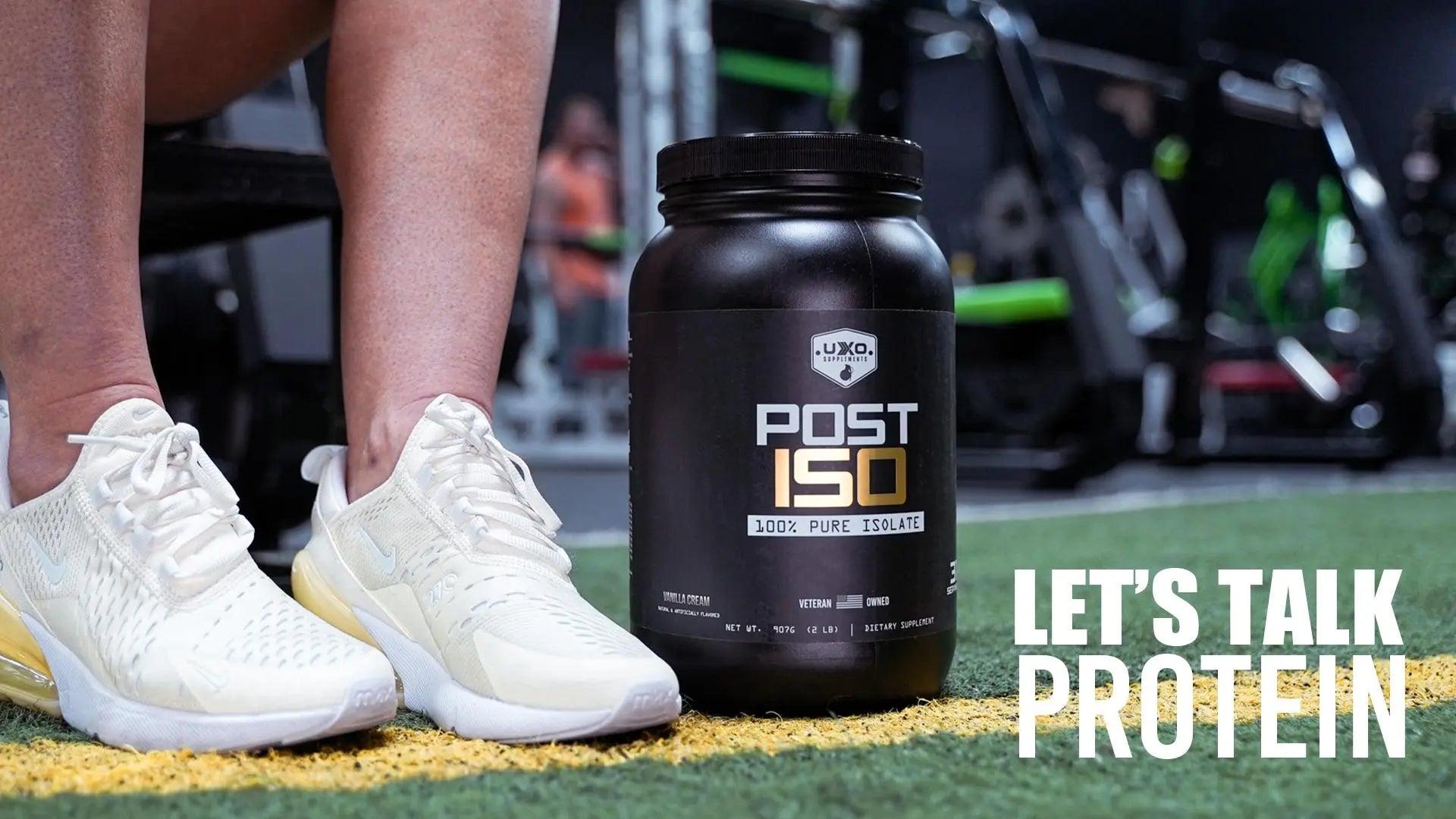
Isolate or blend is a smaller decision than the label suggests. Here is what genuinely separates them, and what matters more.
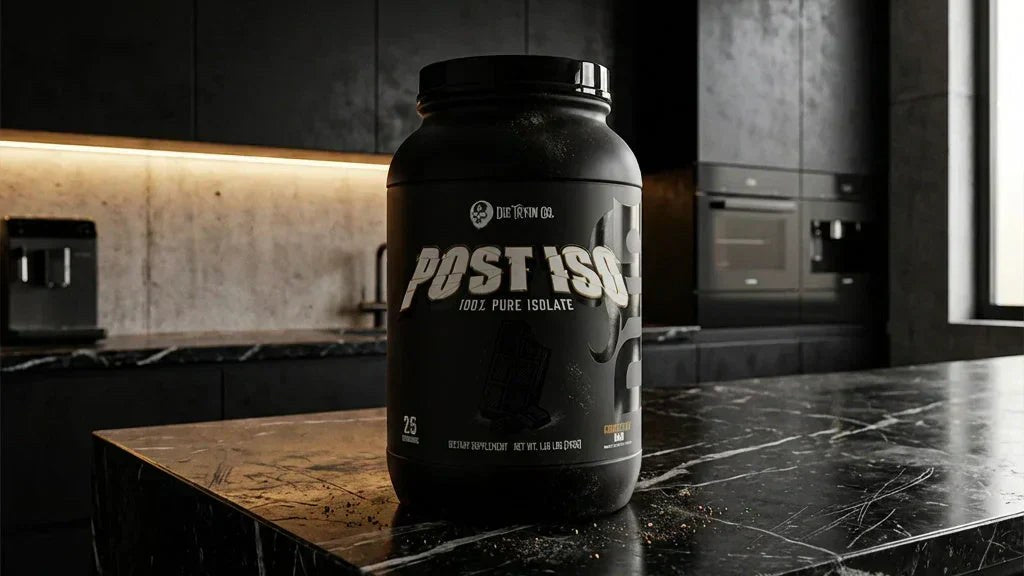
The complete protein playbook — how much you need, when timing matters, which sources deliver, and the myths costing you money.
Protein does more than build muscle. 8 real benefits ranked by evidence strength: satiety, metabolic boost, bone density, sarcopenia prevention, and more.
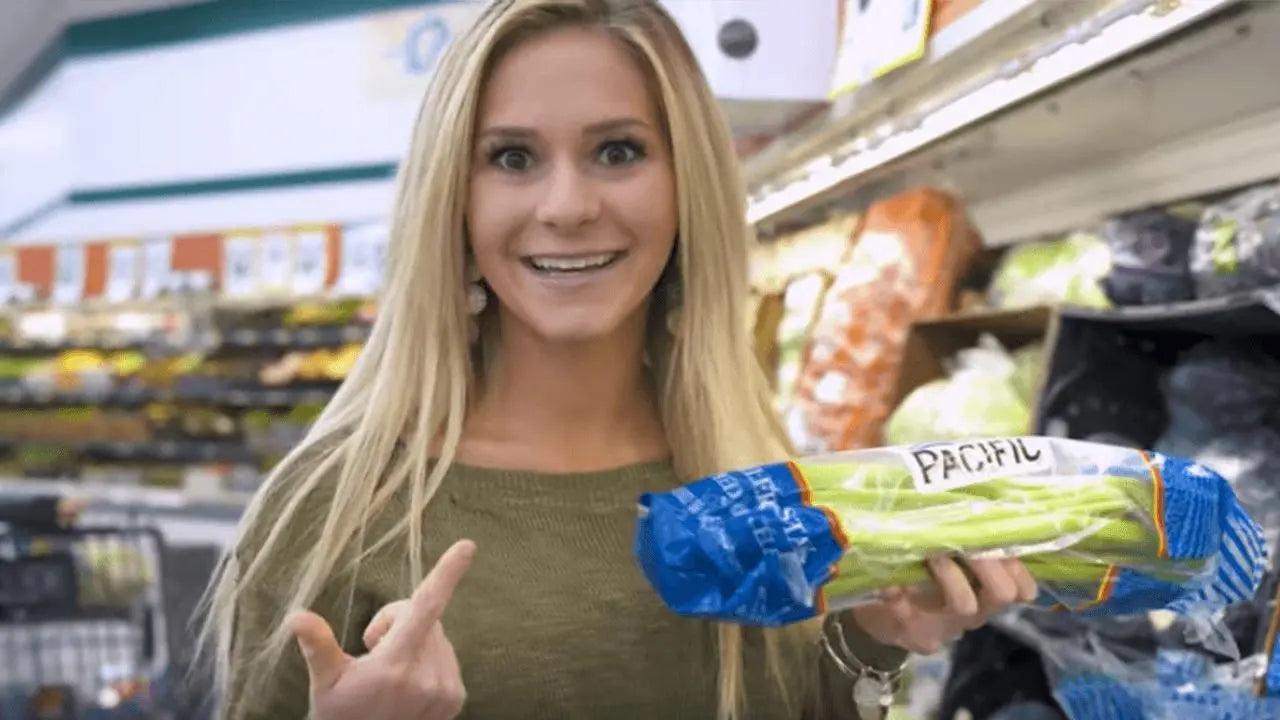
DTC athlete Jenna Fiscus takes you through a full healthy grocery haul — the exact protein, carbs, produce, and smart swaps that make eating clean actually doable.
"Third party tested" has no legal definition, and independent labs keep finding undeclared steroids and wrong doses in products that print it. Here is what each tier of testing actually verifies, a...
GEAR THAT FITS THIS POST
The products this article actually talks about. Real doses, disclosed labels, veteran owned.