




Is Your Protein Real? How to Verify a Label
By Jon Klipstein, U.S. Army Combat Veteran & Founder of Die Tryin Co.
Science reviewed by Onur Oncer, BS Physiology and peer-reviewed published researcher.
MOST PEOPLE NEVER CHECK
Most people get this wrong by never asking the question. A protein tub is a label, a smell and a promise, and the entire supplement industry knows the average buyer will verify none of it. The researchers who do check keep finding reasons to: independent screenings of commercial protein products keep surfacing quality gaps, loose labeling and claims that outrun the evidence. Here is what they find, and the five-minute skill set that makes you unscammable.
WHAT THE LABEL AUDITS ACTUALLY FIND
A screening of 52 protein supplements sold in Spain examined labels against the rules and the science and found the market policed far more loosely than buyers assume: unauthorized benefit claims on some products, quality and composition information that varied widely, and a regulatory frame with real gaps in consumer protection (Rodriguez-Lopez et al., 2022). A 2025 analysis went at the claims directly: of 209 health claims on protein products, under a third fully complied with the authorized wording, and 43.8 percent of products carried at least one claim regulators never approved (Rodriguez-Hernandez et al., 2025).
Neither study means your tub is fake. They mean the label is a marketing document until you verify it, and verification is easier than the industry hopes you realize.
Do the cost-of-error math and checking stops feeling paranoid. A serious lifter runs through a tub or two a month, hundreds of dollars a year riding on one nutrition line. If that line quietly overstates protein by a quarter, you are not just overpaying, you are under-eating protein while your log insists you are covered, and then blaming your program for a stall your shaker caused. Five minutes of verification per brand, once, closes that hole permanently.
THE TRICK TO KNOW: AMINO SPIKING
The standard lab test for protein content measures nitrogen, and here is the loophole: cheap free-form aminos like glycine and taurine are packed with nitrogen too. A documented industry practice is to dump them into a formula so the tub tests high for protein while carrying less of the complete, muscle-relevant kind. The tell is on the label itself. A real protein product lists its full amino acid profile and does not bury glycine, taurine or creatine inside the protein number. If the aminogram is missing and the first ingredients after whey are free aminos, walk.
Why does the loophole persist? Because the nitrogen method is cheap, standardized and legally sufficient in most markets, and closing it would require regulators to mandate amino-specific testing that most jurisdictions have not. Until that changes, the enforcement mechanism is you, reading labels the way this article teaches, and brands like ours choosing to publish what the law does not force us to.
THE 60-SECOND MATH TEST
Take the scoop size and the protein per serving off any label and divide. A whey isolate should land near 85 to 90 percent protein by weight once flavoring is accounted for; a concentrate blend near 70 to 80. A 35-gram scoop claiming 30 grams of protein in a heavily flavored formula is telling the truth. A 35-gram scoop of cookie-flavored anything claiming 32 is asking for faith. Run the same math on price: dollars divided by total protein grams in the tub, not by servings, is the only honest cost comparison between products, because serving sizes are a marketing decision and grams are not. Two tubs at the same price can differ thirty percent on that number.
READING THE AMINOGRAM LIKE A PRO
When a label does print the full amino acid profile, two numbers tell you almost everything. Leucine first: real whey runs roughly 10 to 11 grams of leucine per 100 grams of protein, so a 25-gram serving should show somewhere near 2.5 grams. Dramatically less means the protein is diluted or the profile is padded. Then scan the total: the nine essential aminos plus the rest should add up to something close to the claimed protein per serving. If the aminogram totals 18 grams under a 25-gram protein claim, the missing seven grams are the story, and it is not a good one.
One more subtlety worth knowing: added creatine, glycine or taurine are not villains by themselves, they are legitimate ingredients with their own uses. The offense is counting them inside the protein number. An honest label lists them separately, outside the protein math, and a brand confident in its formula has no reason to do it any other way.
THE SMELL, MIX AND FOAM TESTS
Your kitchen runs three more checks for free. Real whey mixes fast in cold water and settles with modest foam; a formula that clumps into gum or foams like a bath bomb is often heavy on gums and fillers. The smell should be dairy-sweet, not chemical. And a serving should sit fine in a healthy gut, mild lactose effects aside for concentrate; cramping that arrives every single time is your digestive system flagging an ingredient list your eyes skimmed. None of these replace the math and the aminogram, but fraud rarely survives four independent tests at once.
WHAT VERIFICATION LOOKS LIKE ON OUR SHELF
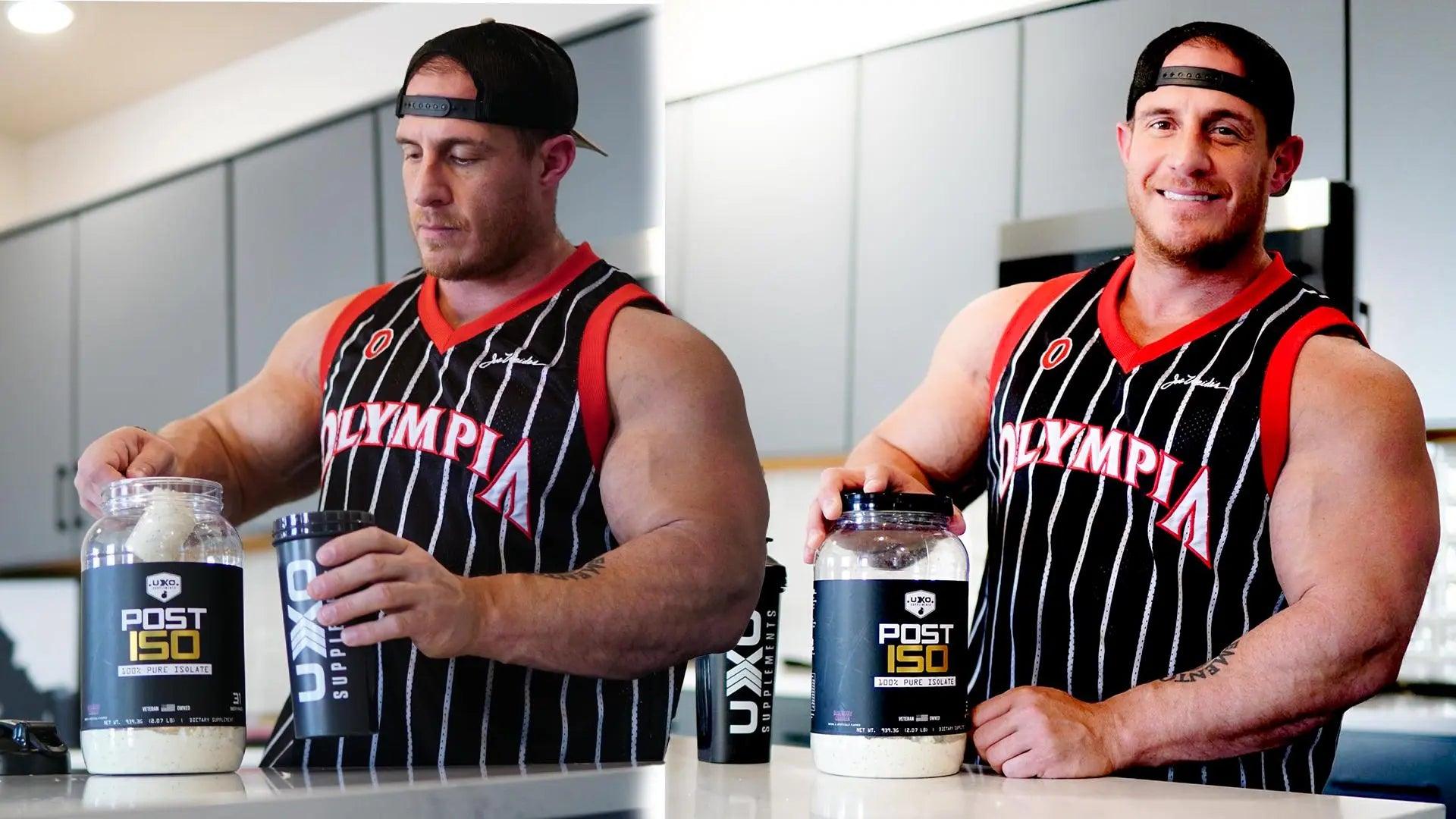
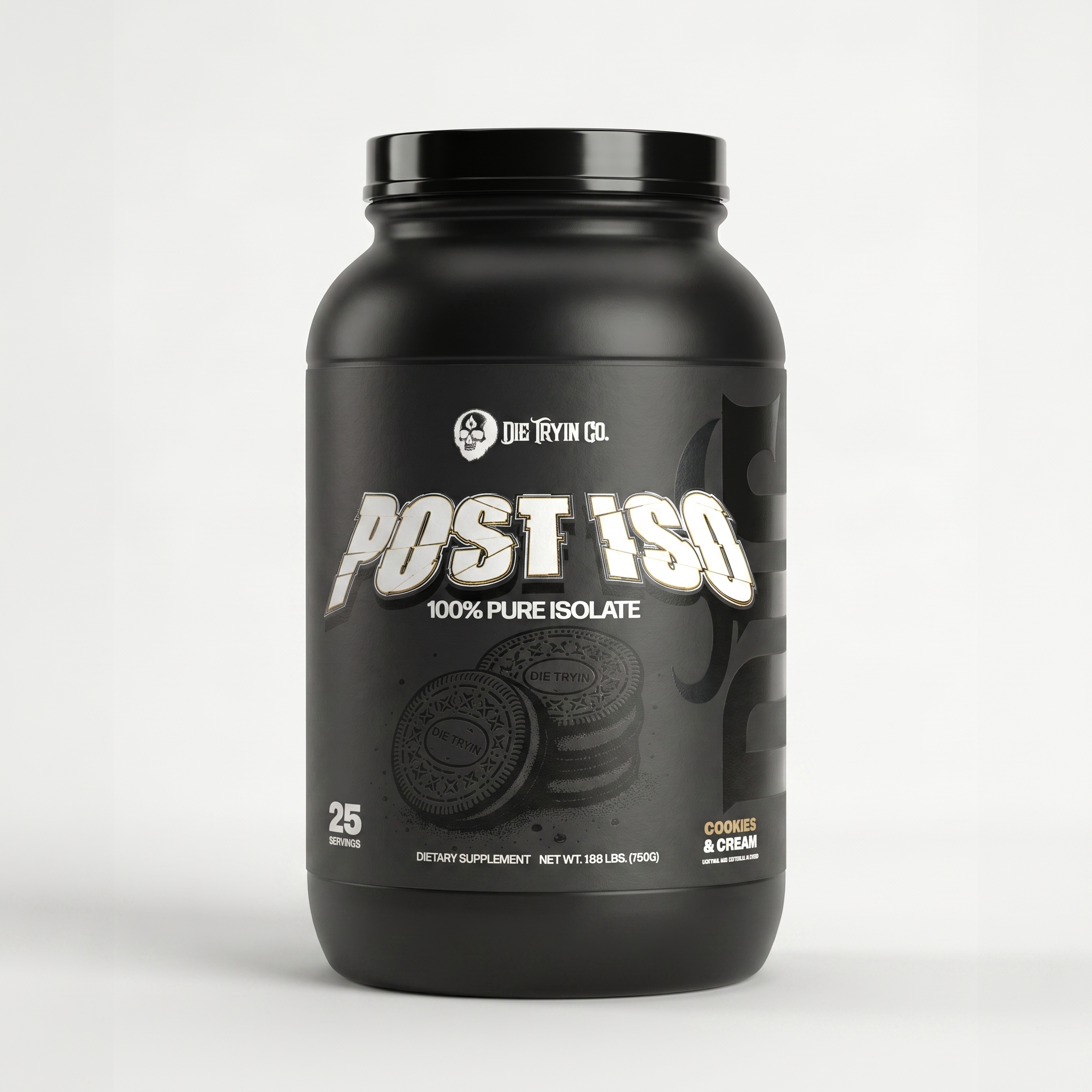
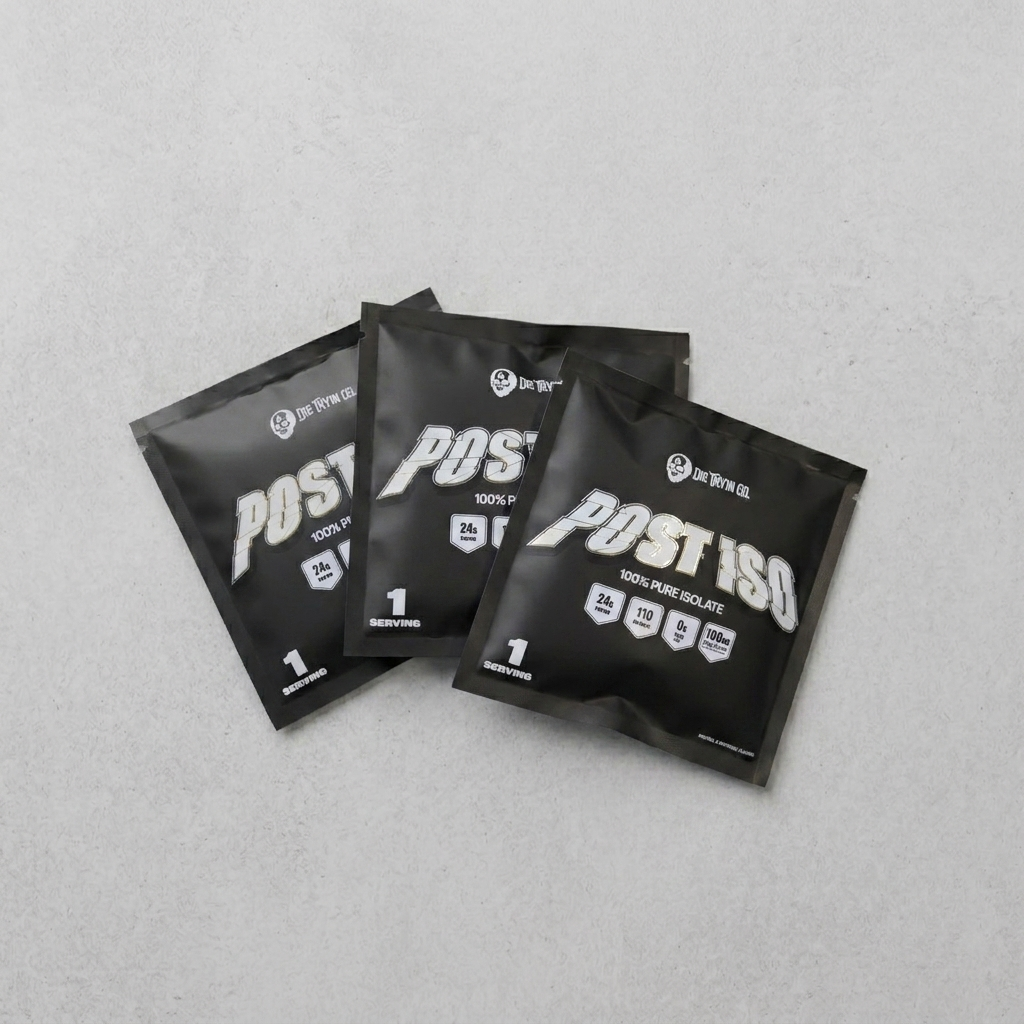
Run Post Iso through every test above yourself: it is a whey isolate delivering 24 g protein per serving with the full panel printed, digestive enzymes included and nothing spiked into the protein math. We publish the label because the label survives arithmetic. And if trust is the question, start smaller than a tub: a single-serving Post Iso sample costs pocket change and lets your own shaker run the taste-and-mix test before you commit. The wider science of choosing protein, isolate versus concentrate, timing, totals, lives in the protein-and-carbs breakdown.
FREQUENTLY ASKED QUESTIONS
How can I tell if a protein powder is fake?
Run the math test, demand a full amino acid profile, and look for third-party testing. Products failing two of those three have told you what you need to know.
What is amino spiking exactly?
Padding a formula with cheap nitrogen-rich free aminos so lab protein tests read high while complete protein content is lower than the label implies. The missing aminogram is the classic tell.
Does third-party testing actually matter?
Yes, differently than people think: it verifies the tub matches the label and screens contaminants. It does not make a mediocre formula good, it makes an honest one provable.
Is expensive protein always better?
No. Divide price by total protein grams in the container and compare. Some premium tubs are excellent, some are marketing with a nice bag. The math does not care about the bag.
Whey isolate or concentrate?
Isolate runs higher protein by weight with minimal lactose, concentrate is cheaper per gram. Both build muscle. Pick by digestion, budget and the honesty of the label in your hand.
Do these problems apply to plant proteins too?
Yes, and sometimes more so, since blends make dilution easier to hide. The same tests apply unchanged: math on the scoop, a full aminogram, third-party verification. Plant proteins run naturally lower in leucine, so expect a lower but still-published number, not a missing one.
Should I trust influencer reviews of protein?
Trust them on taste and mixing, which they genuinely test. On protein content and label honesty they usually know exactly what you knew before this article. The math test costs sixty seconds and does not have a sponsorship rate.
READY TO GEAR UP?
Buy protein like an auditor: Post Iso for the isolate that survives the math, a sample packet if you want proof before commitment, Creatine as the other label that has nothing to hide. Not sure how much protein you even need? Take the quiz.
ALWAYS FORWARD.

GEAR THAT FITS THIS POST
The products this article actually talks about. Real doses, disclosed labels, veteran owned.

Read more
Adding carbs to your shake does not boost muscle protein synthesis. That does not make carbs pointless.
Your gut lining runs the same creatine energy system as your muscles. Here is what the research shows on stomach upset, IBS, colitis and leaky gut, and exactly where the human evidence stops.

Creatine gummies can work if the creatine is actually in them, and lab tests keep finding it often is not. Here is why a scoop of Creatine Monohydrate powder still wins.
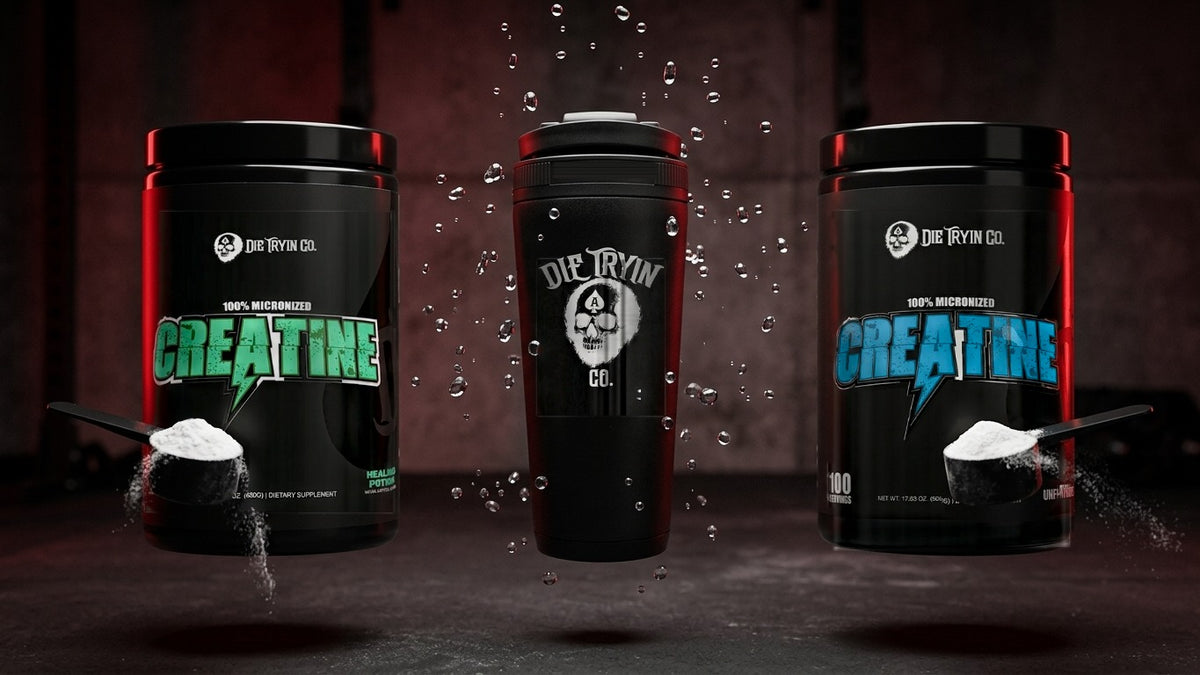
Flavor doesn't change what creatine does; taking it every day is what counts. How to pick flavored or unflavored, what to mix it with, and how long it lasts once mixed.
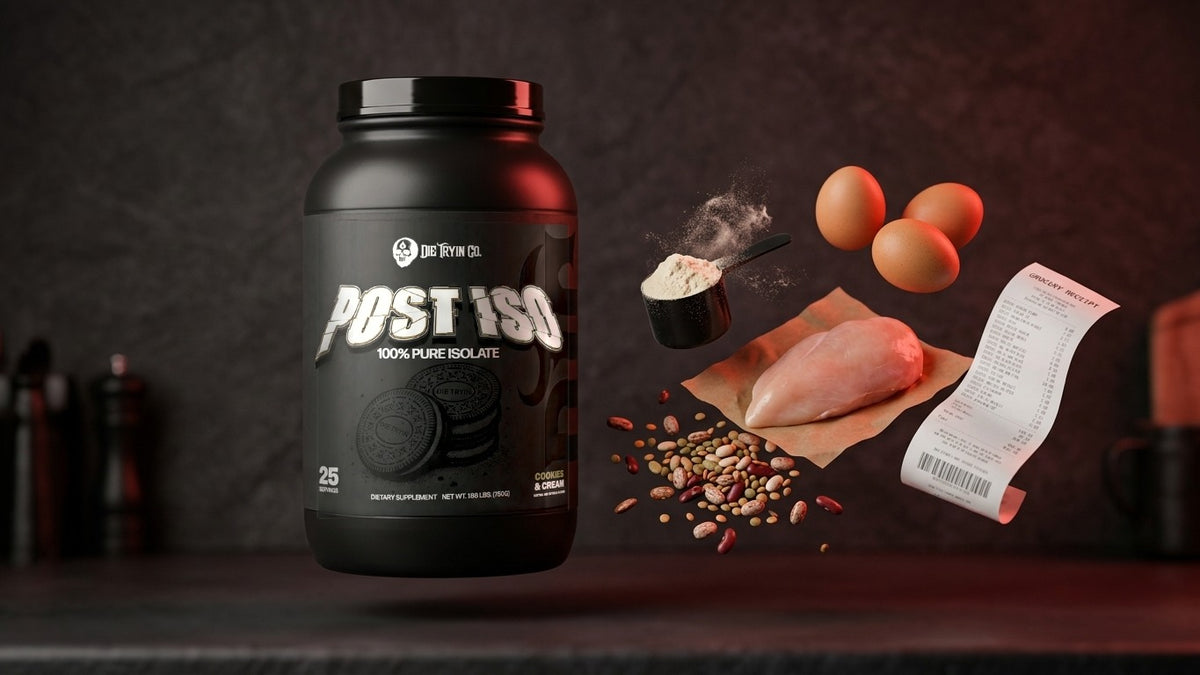
Whey protein concentrate now costs more than four times its early-2023 low. Here is what is driving it, what the 2027 forecasts actually say, and how to pay less per gram of protein without getting...
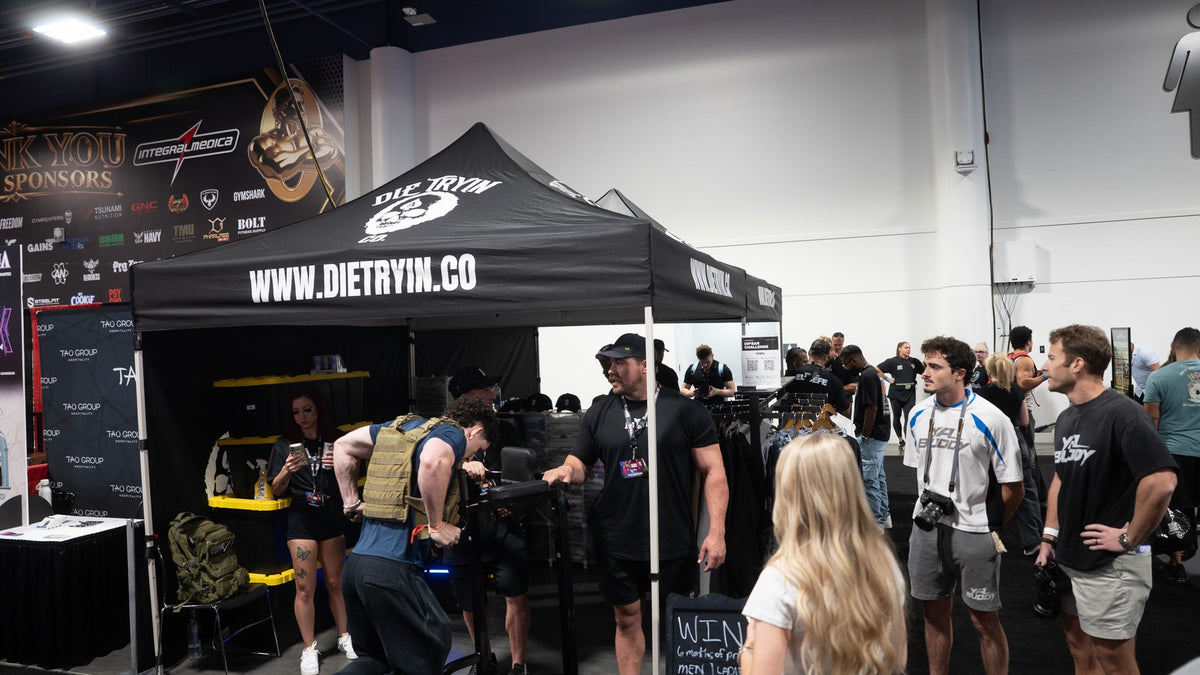
Four days, 1,400 miles on the road, 17 new products and 500 new customers. Here is what went down at the Die Tryin Co. booth at the 2026 Olympia World Fitness Expo.