



Third Party Tested Supplements: What It Really Means
By Jon Klipstein, U.S. Army Combat Veteran & Founder of Die Tryin Co.
Science reviewed by Onur Oncer, BS Physiology and peer-reviewed published researcher.
THE MOST ABUSED PHRASE ON A SUPPLEMENT LABEL
Listen up. "Third party tested" is printed on thousands of tubs sitting on shelves right now, and on most of them it means close to nothing. A brand can send a single raw ingredient to a lab one time, get one piece of paper back, and print those three words on every product it will ever sell. Nobody stops them.
Third party tested supplements are real and they are worth paying for. The words alone are not the proof. The proof is what got tested, who tested it, which lot it came from, and whether you are allowed to see the paperwork. Here is how supplement testing actually stacks up, and how to check any brand yourself in about five minutes.
| TESTING TIER | WHAT IT ACTUALLY VERIFIES | WHO IT MATTERS TO |
|---|---|---|
| No testing | Nothing. The label is a marketing document with no independent check behind it. | Nobody. Walk away. |
| Heavy metals + microbials | That the powder is not carrying lead, arsenic, cadmium, mercury or a bacterial load. Says nothing about dose. | Everyone. This is the floor, not a selling point. |
| COA on the finished lot | Identity and potency. That the ingredient is the ingredient, at the amount printed on the panel. | Anyone paying for real doses. |
| Certified banned-substance program (NSF Certified for Sport, Informed Sport / Informed Choice, BSCG) | Finished lots screened against the prohibited lists that sports bodies and employers enforce. | Tested athletes, military, first responders, anyone facing a drug panel. |
WHAT "THIRD PARTY TESTED" LEGALLY MEANS
Nothing, by itself. There is no legal definition of the phrase and no governing body owns it. In the United States, supplements are not approved before they reach the shelf, manufacturers are responsible for their own quality controls, and outside testing is voluntary.
Voluntary is not the problem. Vague is. "Third party tested" with no follow-up detail is the supplement equivalent of a guy telling you he trains hard. Cool. Trains what? How often? Under what load? A real answer names the test, names the lab, and points at a lot number.
THE NUMBERS INDEPENDENT LABS KEEP FINDING
This is not paranoia. It is a documented pattern going back two decades. Researchers buy supplements off the open market, run them through mass spectrometry, and publish what falls out.
An international study in the International Journal of Sports Medicine purchased 634 non-hormonal supplements from 215 suppliers across 13 countries and analyzed them by gas chromatography-mass spectrometry. Ninety-four of them, 14.8%, contained anabolic androgenic steroids that were not declared on the label. A later review in Nutrients pooling 23 separate analyses reported contamination with prohibited substances running between 12% and 58%, depending on the sample studied.
The label accuracy picture is worse. A 2023 analysis in JAMA Network Open tested 57 sports supplements built around popular botanical performance ingredients. Forty percent contained no detectable amount of the ingredient printed on the front of the tub. Where the ingredient was present at all, measured amounts ran from 0.02% to 334% of what the label claimed. Only 11% landed within 10% of the labeled quantity, and 12% carried at least one FDA-prohibited drug, including 1,4-dimethylamylamine, octodrine, oxilofrine, deterenol and omberacetam. Read that again. Roughly nine out of ten labels did not accurately describe what was in the bottle.
TIER 1: HEAVY METALS AND MICROBIALS
This is the cheapest test in the industry and the one every brand should already be running. A lab checks the finished powder for heavy metal load (lead, arsenic, cadmium, mercury) and for microbial contamination (total plate count, yeast, mold, specific pathogens). Plant-derived raw materials pull minerals out of soil, so this is not a hypothetical risk.
- What it catches: contaminated raw material lots, dirty blending equipment, water-activity problems in flavored powders.
- What it does not catch: whether the label dose is real, whether the ingredient is even present, whether a banned stimulant slipped in.
Recalls still happen for exactly the contamination this inexpensive test would have flagged. When a brand says "we test" and this is all they mean, they have told you their product will not make you sick. They have not told you it works.
TIER 2: THE COA, AND HOW TO ACTUALLY READ ONE
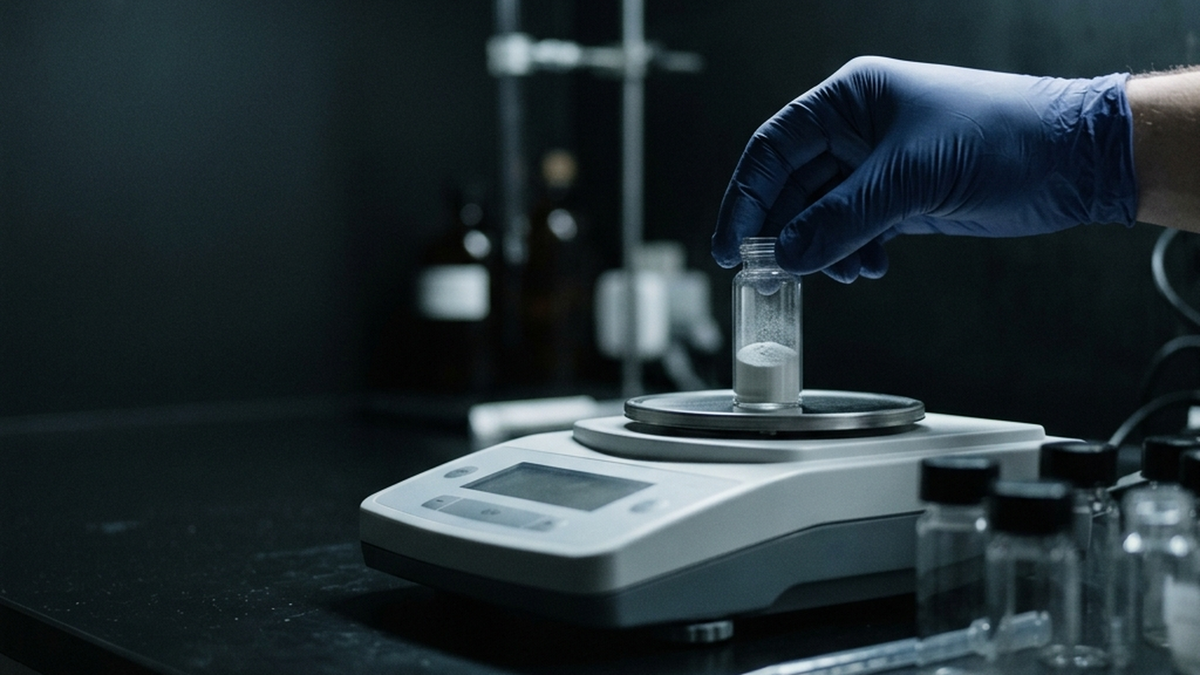
A Certificate of Analysis is the document behind the claim. It answers two questions: identity (is this ingredient actually that ingredient) and potency (is there as much of it as the panel says). This is the tier that separates a real dose from label dressing.
- Lot number. Does the COA name a specific batch, or is it one generic document being reused forever?
- The lab. Is it named, independent from the manufacturer, and accredited to ISO/IEC 17025?
- Scope. Identity, potency, heavy metals, microbials, or only one of the four? Ask which.
- Date. A certificate from three years ago says nothing about the tub in your hand.
- Finished product versus raw material. Testing a barrel of L-Citrulline before it goes in the blender is not the same as testing the blended, flavored, finished powder.
That fifth point is where most brands quietly hide. Raw material certificates come free from the ingredient supplier. Finished-product testing costs the brand money, every single lot, and it is the only version that proves what is in the scoop you are drinking.
TIER 3: BANNED SUBSTANCE TESTING AND THE SEALS
Banned substance testing is a different job entirely. Tiers one and two confirm what should be in the product. This tier hunts for what should not be, and it exists because the studies above keep finding undeclared steroids and prohibited stimulants in products marketed as ordinary sports nutrition.
- NSF Certified for Sport: screens finished lots against the prohibited lists enforced by major sports organizations, verifies that label contents match the product, and audits the manufacturing facility.
- Informed Sport and Informed Choice: two tiers of the same program. Informed Sport certifies batch by batch before release. Informed Choice runs monthly blind sampling on product pulled from retail.
- BSCG Certified Drug Free: screens against WADA and major-league prohibited lists, including pharmaceutical compounds outside the usual sports-nutrition suspects.
These programs cost real money per SKU and per batch, which is a genuine barrier to entry for smaller brands. That cost is also why the seal means something when you see it. Somebody paid to be checked by people with no stake in the answer. Brands that cannot carry a full certification often contract an accredited lab directly for a targeted panel instead, which beats nothing and is not the same as certification. Ask which one you are looking at.
If you are drug tested by a league, a federation, your unit or your employer, treat the seal as mandatory. Anti-doping runs on strict liability. What shows up in your sample is your problem, no matter how it got there.
WHY PROPRIETARY BLENDS DEFEAT VERIFICATION
A proprietary blend gives you a blend total and an ingredient list in descending order by weight. It does not give you a per-ingredient dose. Which means there is no number for a lab, or for you, to verify anything against.
That is the part most people miss. Verification requires a claim. "2,400mg Performance Matrix" is not a claim, it is a shape. You cannot test whether a hidden dose matches a number that was never printed. Proprietary blends hide underdosing, and they make third party testing structurally unable to help you. We took that game apart in good pre-workout versus questionable and in how marketing and influencers distort supplement claims.
THE FIVE QUESTIONS TO ASK BEFORE YOU BUY
- What exactly do you test for: heavy metals, microbials, identity, potency, banned substances, or some of those?
- Do you test the finished product, or only incoming raw materials?
- Do you test every lot, or one lot per year?
- Which lab, and is it ISO/IEC 17025 accredited?
- Can I see the COA for the lot number printed on my tub?
Email the brand and see what comes back. A brand that genuinely tests answers all five without flinching. A brand that printed the phrase and hoped nobody would ask gets vague fast. You will know inside one reply.
WHERE DIE TRYIN CO. STANDS
Here is what we will put in writing, because you can verify it yourself in ten seconds without taking our word for anything: every Die Tryin Co. formula lists every active ingredient with its own dose. No proprietary blends. No blend totals. No 200mg sprinkle hiding behind one big impressive number.
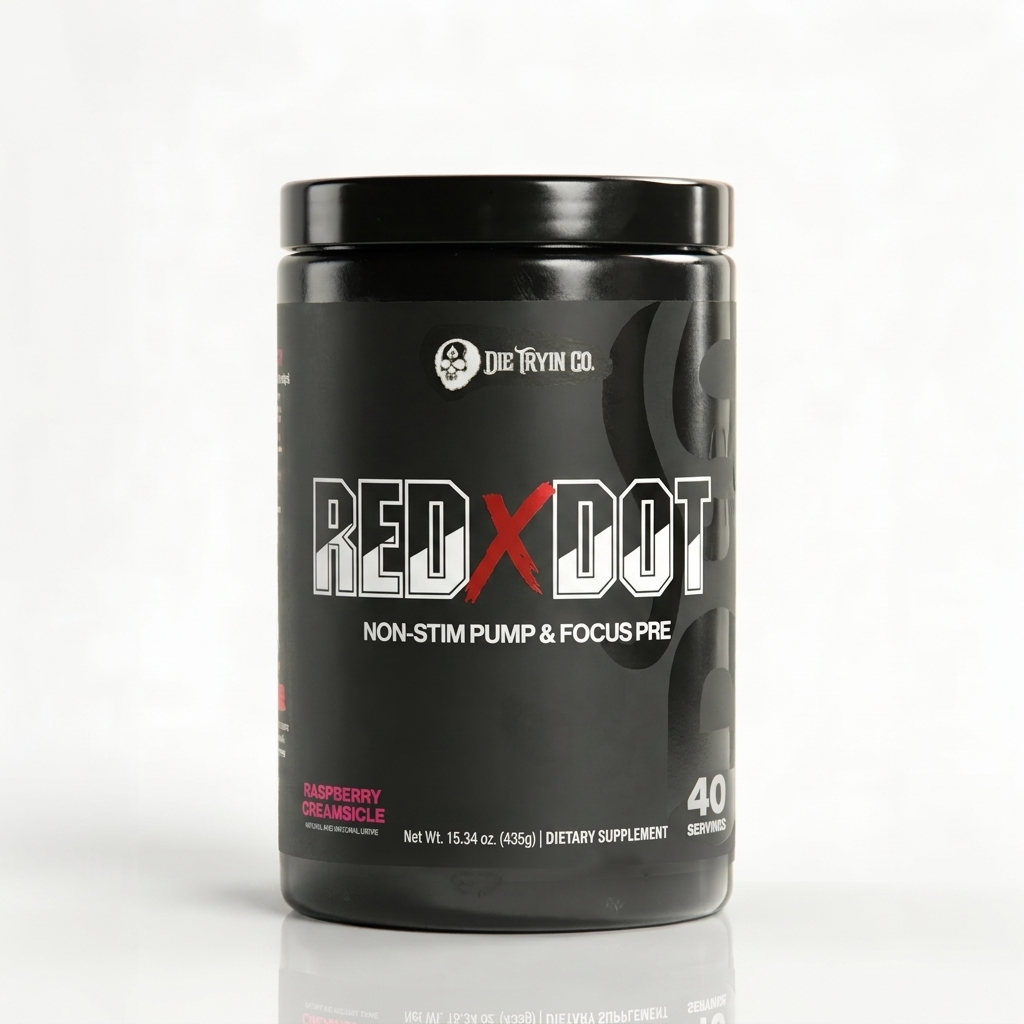
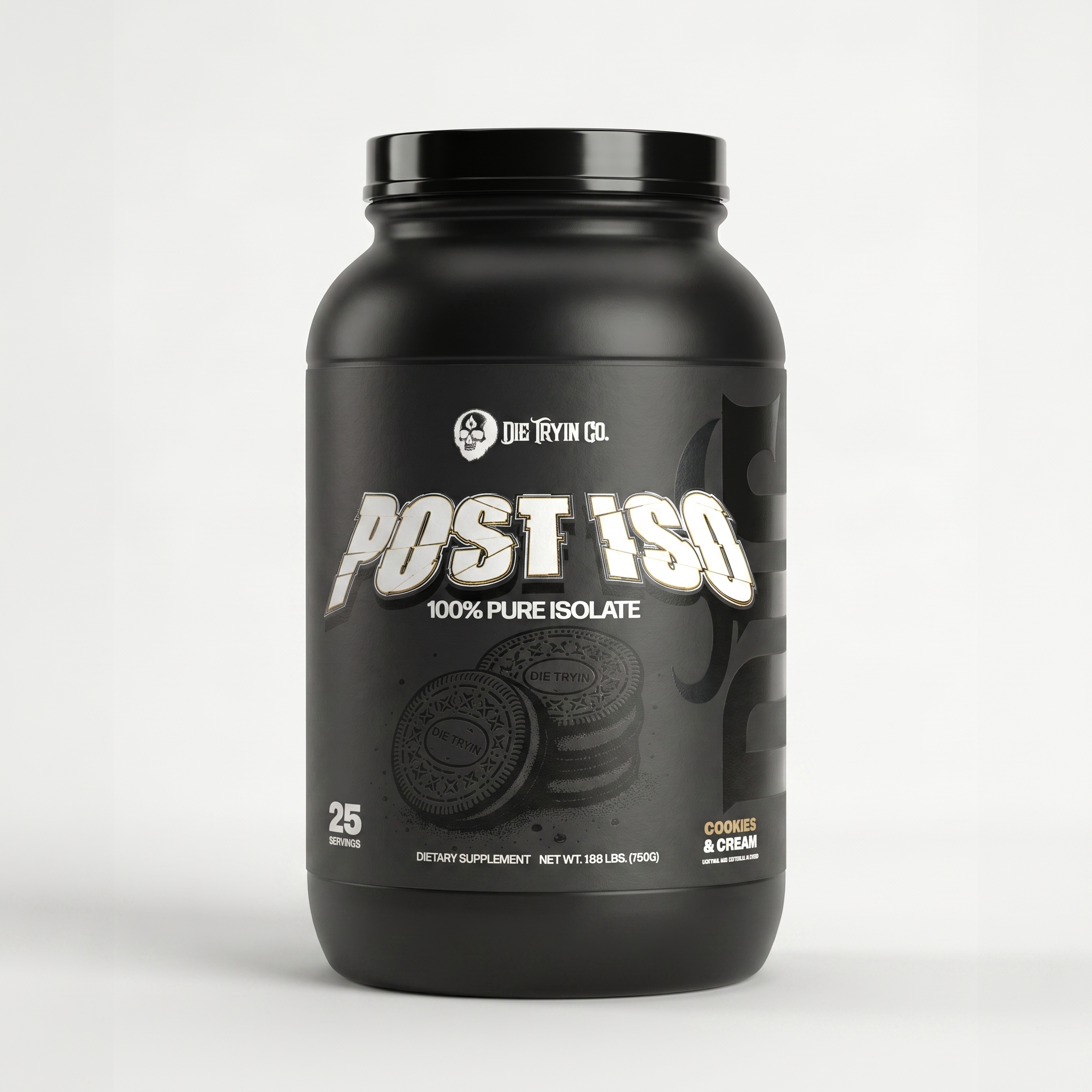
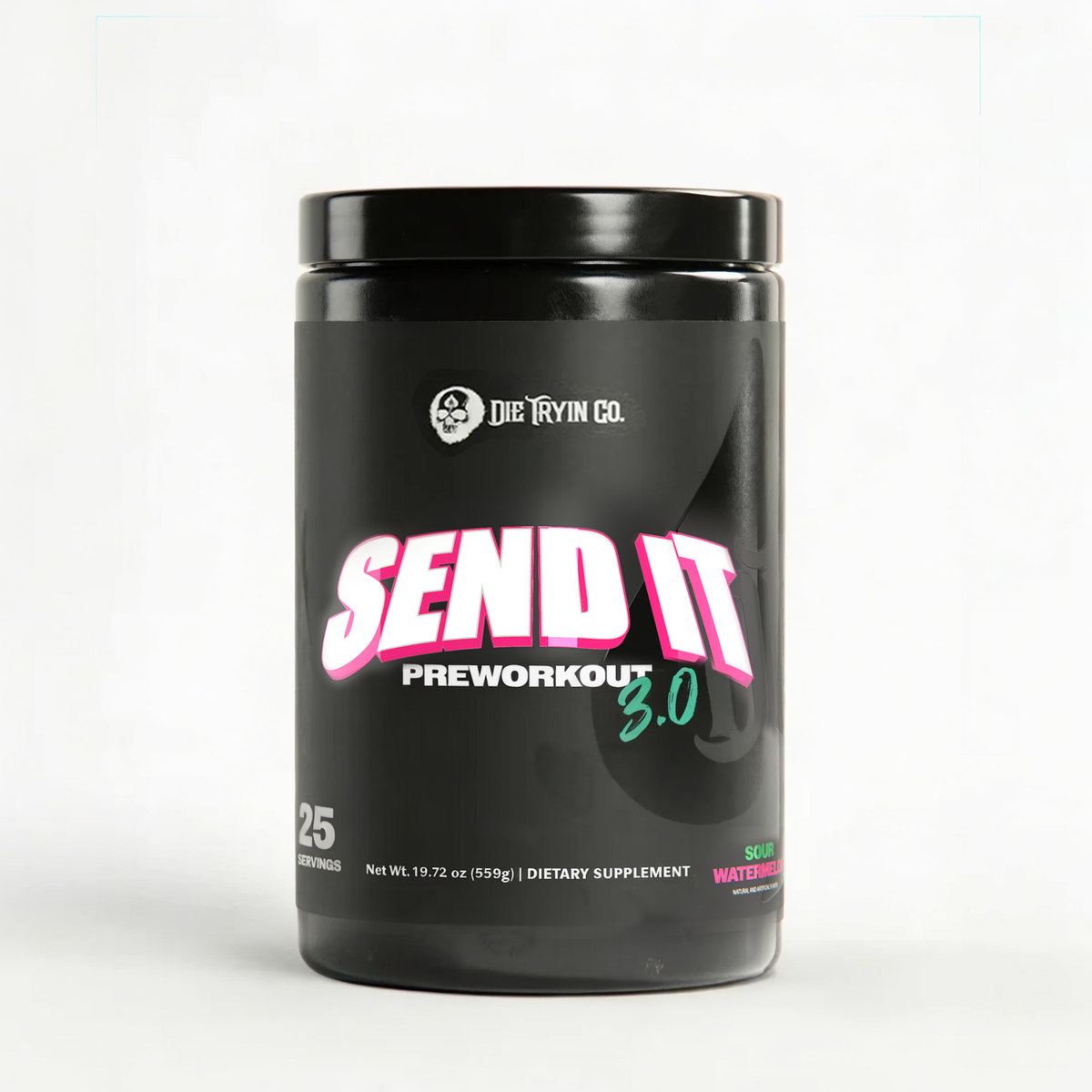
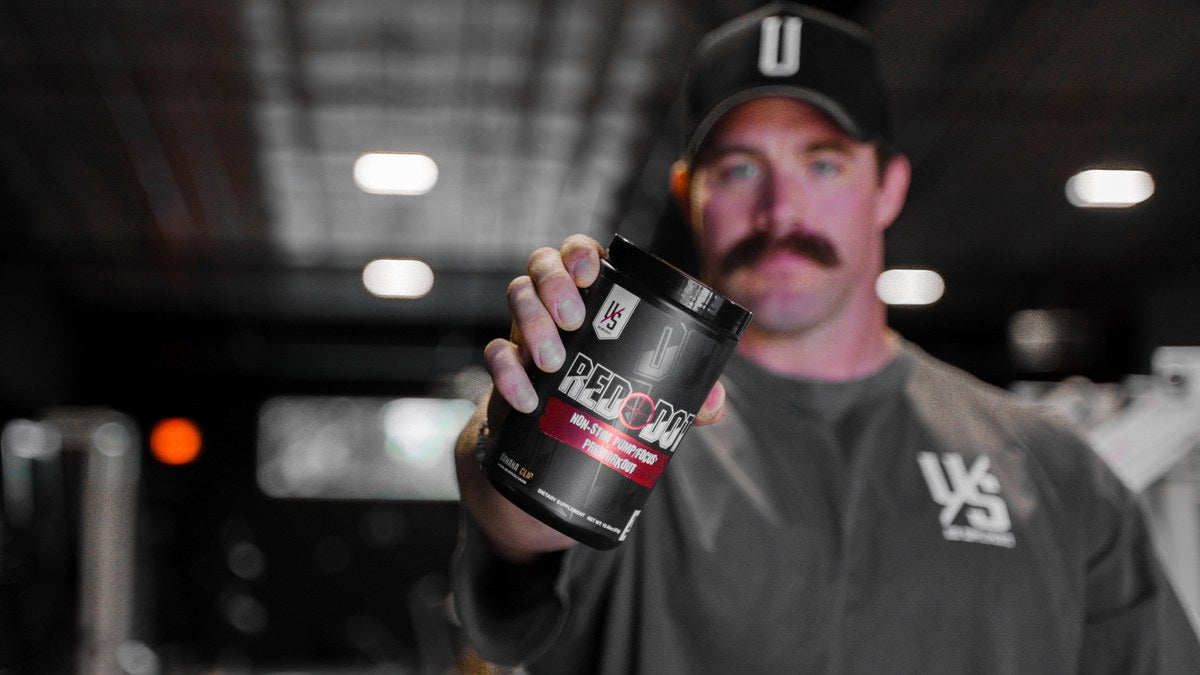
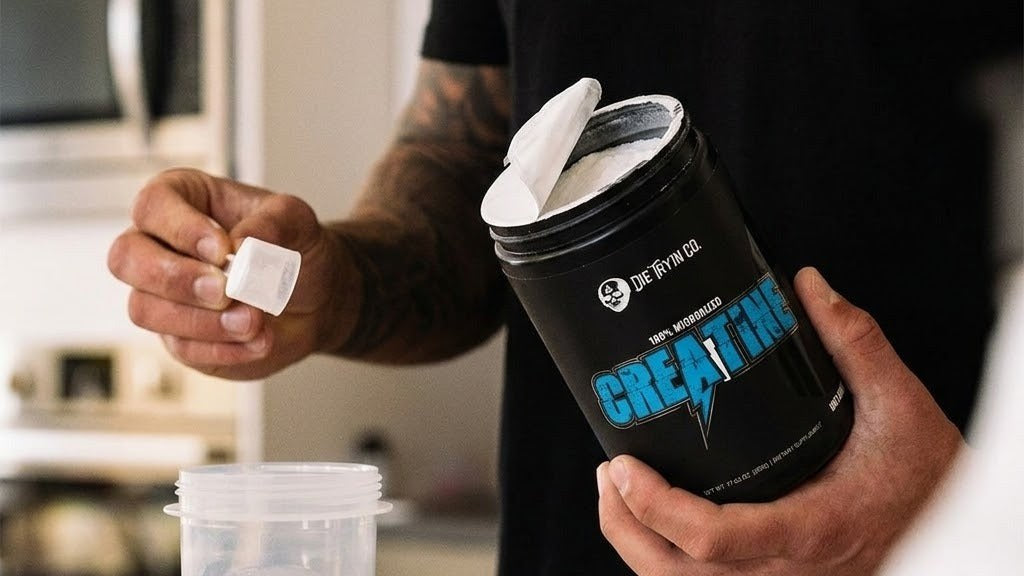
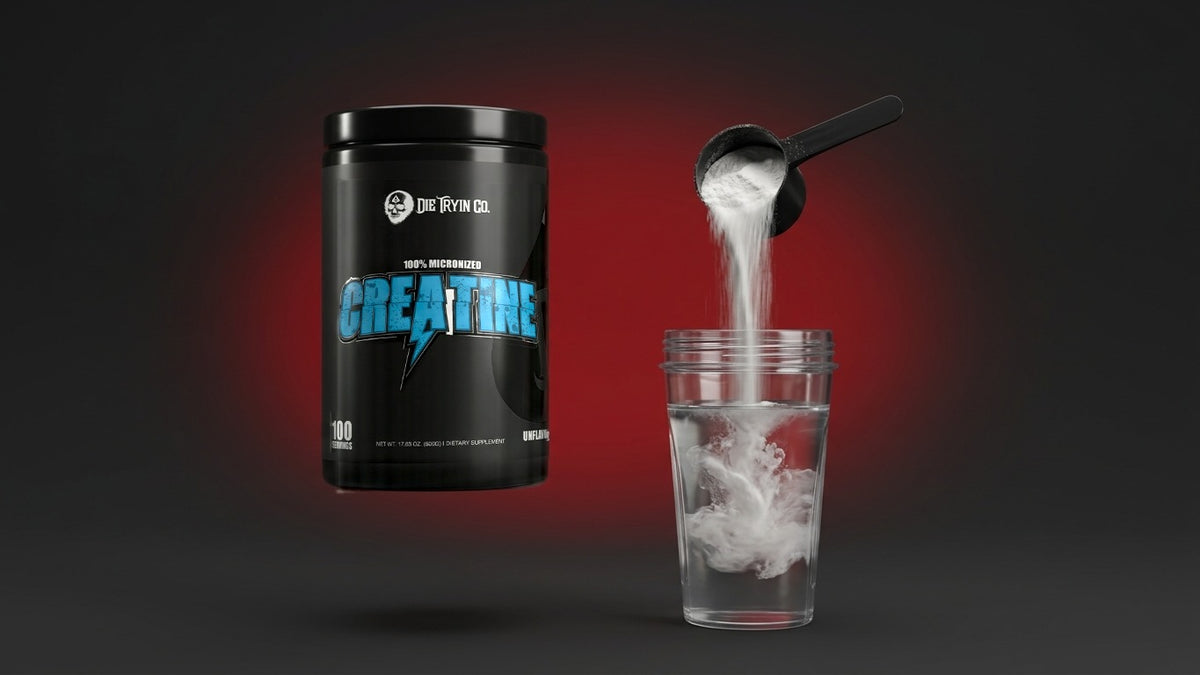
Read the panels. Red Dot carries 9,000mg of L-Citrulline and 508mg of VasoDrive-AP, printed line by line. Creatine is 5g of Creatine Monohydrate, the form with the deepest research base, as the single active. Post Iso is 24g of protein per scoop from whey isolate, with DigeZyme enzymes. SEND IT 3.0 runs its actives at researched amounts rather than pixie-dust levels. Those are checkable claims, and that is the whole point of a transparent label. It gives you something to hold us to.
FREQUENTLY ASKED QUESTIONS
What does "third party tested" actually mean on a supplement label?
On its own, very little. There is no legal definition and no owner of the phrase. It becomes meaningful only when the brand specifies what was tested, by which accredited lab, on which lot, and whether it was the finished product or a raw ingredient.
Is third party testing required by law in the United States?
No. Supplements are not approved before sale, and outside lab testing is voluntary. Manufacturers are responsible for their own quality systems, which is exactly why independent verification carries weight when a brand chooses to pay for it.
What is a COA, and should a brand show me one?
A Certificate of Analysis reports identity and potency, and often contaminant results, for a specific batch. Yes, a brand should be willing to show you the one matching the lot number on your tub. Reluctance is itself an answer.
Do I need NSF Certified for Sport or Informed Sport products?
If you are subject to drug testing through a league, federation, military unit or employer, treat certification as mandatory. Anti-doping operates on strict liability, so an undeclared contaminant becomes your violation regardless of intent.
Does third party testing mean a supplement works?
No. Testing verifies that what is in the tub matches the label. Whether that ingredient does anything useful at that dose is a separate question answered by research, not by a lab certificate. Both matter, and they are not interchangeable.
Why do proprietary blends make testing less useful?
Because a blend prints a total instead of per-ingredient doses. With no stated number, there is nothing for a lab to confirm or contradict. Transparent panels create a verifiable claim, which is what makes testing worth paying for in the first place.
READY TO GEAR UP?
Every panel open, every dose printed, nothing hiding behind a blend total:
- SEND IT 3.0, the daily-driver pre-workout with actives at researched amounts
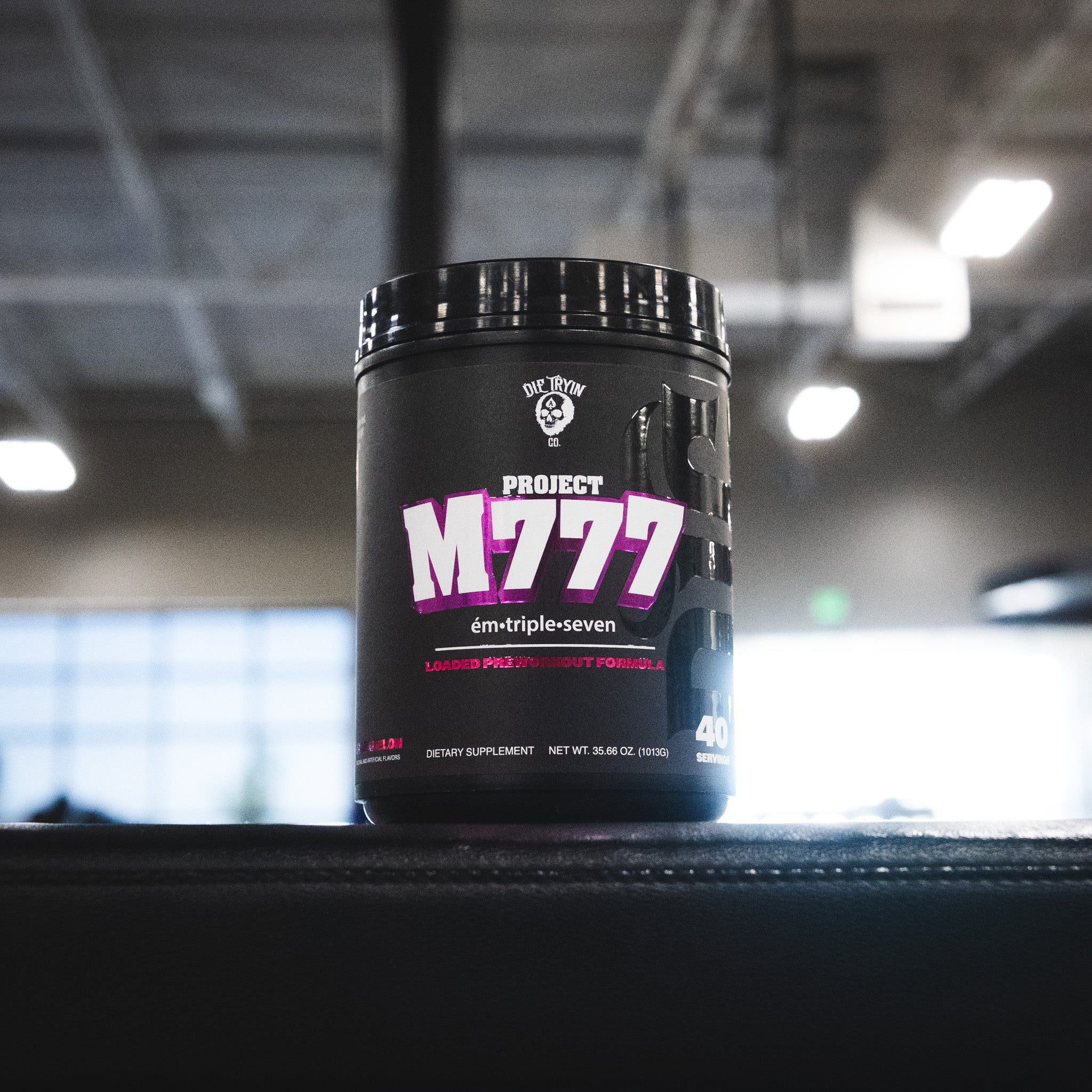
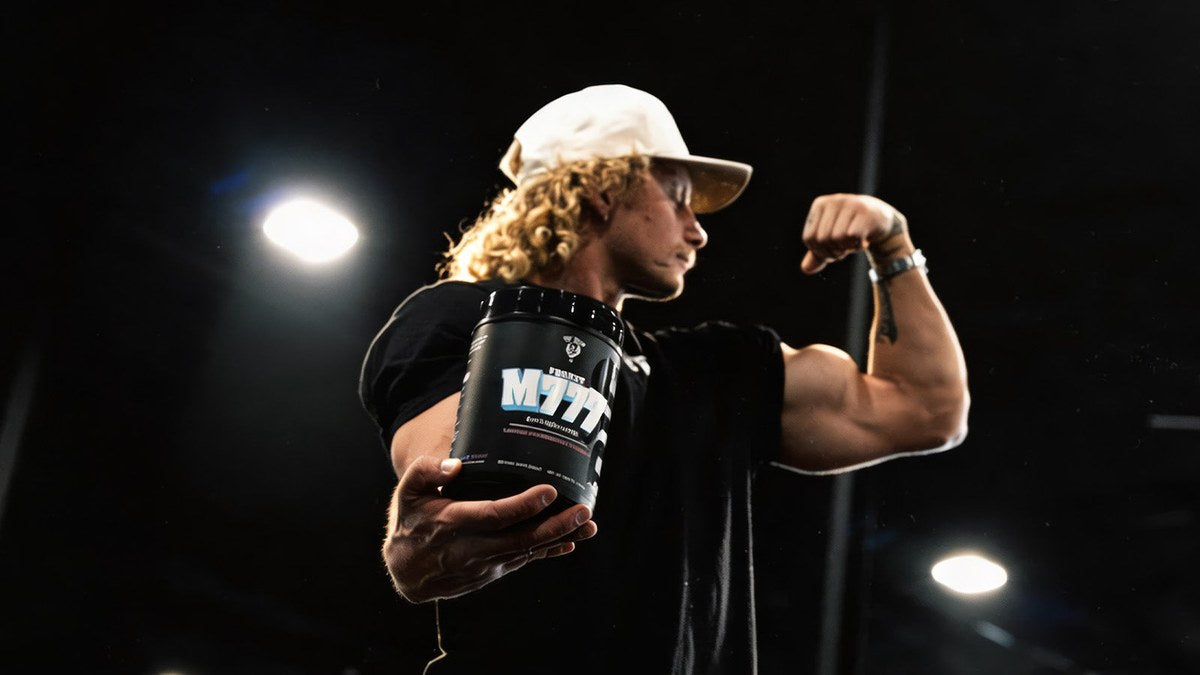
- Project M777, the high-stim option for your hardest sessions
- Red Dot, stim-free pump and focus, 9,000mg L-Citrulline
- Creatine, 5g Creatine Monohydrate, one active, no story
- Post Iso, 24g protein per scoop from whey isolate
Not sure what belongs in your stack? Run the DTC supplement quiz. Want the deeper read on dose transparency, work through The Complete Guide to Pre-Workout Supplements. If creatine safety is what brought you here, we handled those myths in Creatine Myths Busted. Demand the paperwork. Read the panel. Ask the question.
ALWAYS FORWARD.

GEAR THAT FITS THIS POST
The products this article actually talks about. Real doses, disclosed labels, veteran owned.

Read more
The honest pre-workout buyer's guide — 6 things that actually matter (real doses, banned-substance testing, smart caffeine, no proprietary blends) plus which DTC pre-workout fits your goal.
Most pre-workouts are built for margins, not performance. 6 markers of a real formula vs. 5 red flags that tell you it's expensive caffeine in a flashy tub.
Real ingredient, real research, a fraction of the studied dose, and the study name still on the box. Here is how to read past it, starting with our own label.

What actually works in pre-workout — ingredients, doses, timing, and how to pick the right one. Cut through the marketing. Get the real answer.
Kidney damage, steroids, hair loss, bloating — creatine is buried under gym myths. Here's the truth on each one, backed by what the research actually shows.
Your gut lining runs the same creatine energy system as your muscles. Here is what the research shows on stomach upset, IBS, colitis and leaky gut, and exactly where the human evidence stops.