



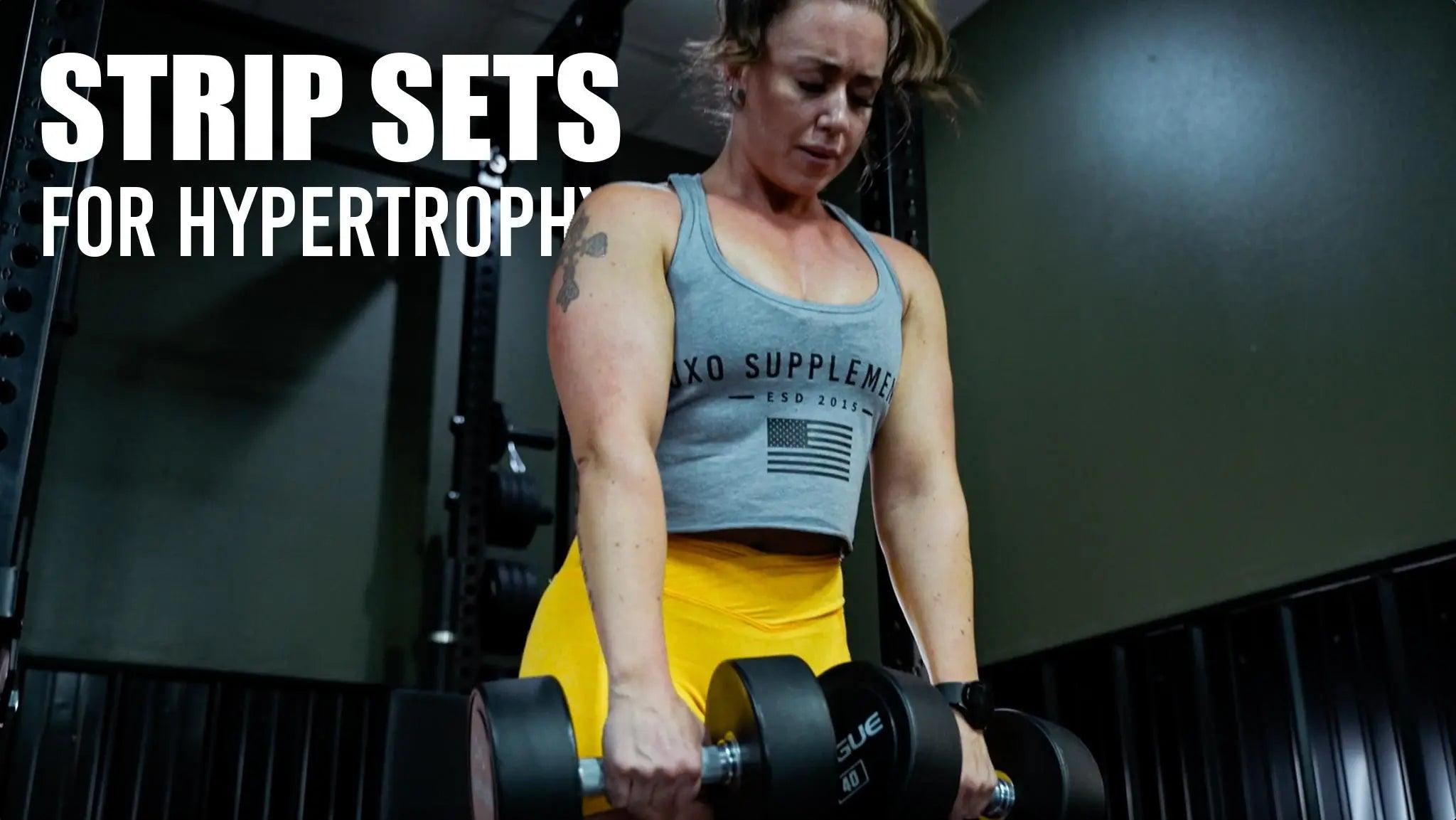
Strip Sets for Hypertrophy: Worth It or Just Fatigue?
By Jon Klipstein, U.S. Army Combat Veteran & Founder of Die Tryin Co.
Science reviewed by Onur Oncer, BS Physiology and peer-reviewed published researcher.
STRIP SETS BUY TIME, NOT EXTRA MUSCLE
Here's the truth: a strip set is not a growth hack. It's a compression tool.
You take a set to failure, cut the load, and keep going with no real rest. Same movement, lighter weight, more reps. Lifters have called it a lot of things over the years — drop sets, descending sets, breakdown sets, rack runs. Same idea every time.
Most write-ups claim strip sets let you "keep lifting heavy for an extended period." That's backwards. You're lifting progressively lighter while the muscle is already cooked. Not a knock on the technique — just what it actually does, and the reason it earns a slot in your program isn't the one the internet sells you.
Three research reviews have now weighed in. The honest answer: strip sets build about the same muscle as straight sets when total work is matched, in noticeably less time, at a higher cost in effort and fatigue. Useful trade. Not magic. Here's when to take it, and when it's just an expensive way to feel destroyed.
| SITUATION | STRIP SETS? | WHY |
|---|---|---|
| 45 minutes or less to train | Yes | This is the one thing they are genuinely good at — same result, less clock. |
| Last isolation move for a muscle | Yes | Low technical risk, and nothing left in the session to compromise. |
| One lagging muscle group | Yes, sparingly | Adds stimulus to one target without stretching the whole session. |
| Heavy barbell squat, deadlift, or row | No | Form falls apart under failure fatigue and the plates take too long to strip. |
| First exercise of the day | No | You would spend your best reps and drag the fatigue through everything after. |
| Every exercise, every session | No | Fatigue stacks faster than stimulus does. See are you overtraining. |
| Week 4 of a hard block, sleep in the tank | No | Wrong lever. You need a deload, not more intensity. |
WHAT A STRIP SET IS — AND WHAT IT ISN'T
A strip set changes exactly one variable: load. Same exercise, same bar path, same joint angles, same everything else. You just make the weight lighter so the muscle can keep producing reps after the original load stops moving.
That distinction matters, because there's a cousin technique that constantly gets lumped in with it and shouldn't be.
- Strip set (load drop): Same movement, less weight. Leg extension at 100 lb to failure, pin drops to 75 lb, go again immediately.
- Mechanical drop set (leverage drop): Same weight, better position. Incline dumbbell curl to failure, stand up with the exact same dumbbells, curl again from the stronger angle.
Two different tools solving two different problems. One changes what you're lifting; the other changes the position you lift it from. Everything below is about the load drop — the leverage version is its own conversation and gets its own write-up.
WHAT THE RESEARCH ACTUALLY SAYS
A 2023 systematic review and meta-analysis in Sports Medicine – Open pooled six studies and 142 lifters comparing drop sets to traditional sets. Both methods grew muscle. Neither beat the other — the between-group difference came out to a standardized mean difference of 0.155 at p = 0.392, which is statistical language for "nothing here." What did separate them was the clock: some of the drop-set protocols finished in half to one-third of the time.
A larger 2026 meta-analysis in the same journal ran 12 studies and 274 participants and landed in the same place on growth — no significant difference in hypertrophy (SMD 0.04) or strength (SMD -0.04). Where drop sets clearly separated was in what they cost you: significantly higher ratings of perceived exertion (SMD 1.62) and higher blood lactate (SMD 0.67).
A third 2026 review examined "advanced" training systems as a whole category across 23 studies — rest-pause, cluster sets, tempo work, velocity-based training, drop sets. The pooled hypertrophy advantage for all the fancy stuff over plain multiple sets was g = 0.046, not statistically significant. That review did report a moderate strength benefit for advanced methods as a group, but credited it to velocity-based training and eccentric overload — not to drop sets, which produced adaptations comparable to traditional sets once volume and effort were matched.
Three reviews, one answer. Research suggests strip sets are a wash on the outcome you care about and a win on the clock. Be honest about that evidence base, though: 142 people in one pool, 274 in another, mostly young recreationally trained adults on short programs. "No detected difference" isn't "proven identical." It means nobody has found the bonus muscle this technique gets marketed on.
THE FATIGUE BILL COMES DUE
That perceived-exertion finding is the part lifters skip past, and it's the most practically useful number in the stack. Strip sets feel dramatically harder for the same result. That cost is real, it compounds across a week, and it shows up in ways that don't look like fatigue at first.
- Effort inflation. You leave wrecked from a session that grew exactly as much tissue as the boring version would have.
- Lingering local fatigue. Soreness in the target muscle quietly downgrades the next session that touches it.
- Technique erosion. The final drop is the ugliest set of reps you will perform all week. On the wrong exercise that isn't just wasted, it's a risk.
- Programming camouflage. Three drops at the end don't repair four half-effort sets before it. Hard finishers make mediocre workouts feel productive.
Chasing intensity when the real gap is recovery is the oldest mistake in the book. If sleep is short, food is low, or you're deep into a block, subtract instead of adding — the recovery guide and the most overlooked part of training both cover why. And since a strip set only works if the top set is honest, get straight on what failure is and isn't first: training to failure is a tool, not a standard.
HOW TO RUN A STRIP SET CORRECTLY
The technique lives or dies on transition speed. If unloading takes 30 seconds, you didn't do a strip set, you did a rest-pause set with extra steps. Set up so the drop takes under five seconds, and know all three weights before you touch the first one.
| STAGE | LOAD | TARGET | STOP RULE |
|---|---|---|---|
| Top set | Your true 8–12 rep weight | 8–12 reps, 0–1 in reserve | Rack it and strip immediately |
| Drop 1 | Cut 20–25% | 6–10 reps to failure | Strip immediately |
| Drop 2 | Cut another 20–25% | 5–8 reps to failure | Done. Walk away. |
| Drop 3 (optional) | Cut another 20–25% | 4–8 reps to failure | Isolation work only, and not every week |
- Pick fast equipment. Pin-loaded machines, dumbbell racks, cable stacks. Loose plates on a barbell are too slow and too clumsy at failure.
- Calibrate by reps, not by percentage. If a drop only buys you 2 more reps, you didn't cut enough. If you grind out 20, you cut too much.
- Count it as roughly two hard sets, not four. There's no agreed standard for how drops tally toward weekly volume, but counting every drop as a full set inflates your log and hides why you stalled.
- Cap it at one or two exercises per session. The technique is a scalpel. Used on everything, it's just a hammer.
WHERE STRIP SETS BELONG
Exercise selection is most of the decision. The green-light list is everything where an ugly last rep costs you nothing. The red-light list is everything where it costs you a lot.
- Green light: Lateral raises, leg extensions, leg curls, cable rows, lat pulldowns, machine chest press, triceps pushdowns, biceps curls, calf raises, chest-supported rows.
- Red light: Back squat, deadlift, barbell row, heavy barbell bench, overhead press. Failure under a loaded bar is a different category of problem than failure on a machine, and it isn't worth the minutes you'd save.
- Frequency: One or two exercises per session, one or two sessions per week. Cycle them in for three or four weeks, then pull them back out.
- Placement: Last movement for that muscle, never the opener. Heavy work gets your fresh nervous system — that's what training smarter, not harder means in practice, and a real warm-up protects the whole session.
SUPPORT THE WORK, DON'T SUBSTITUTE FOR IT
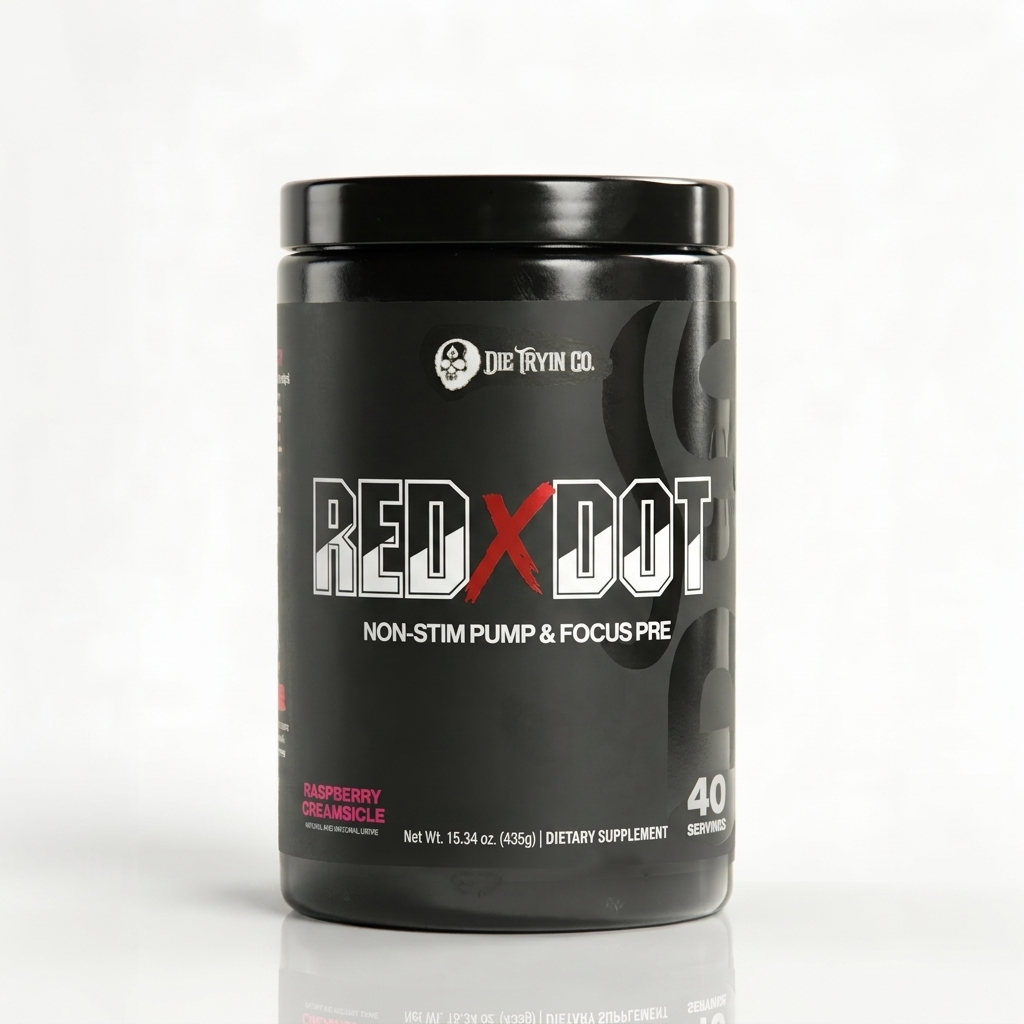
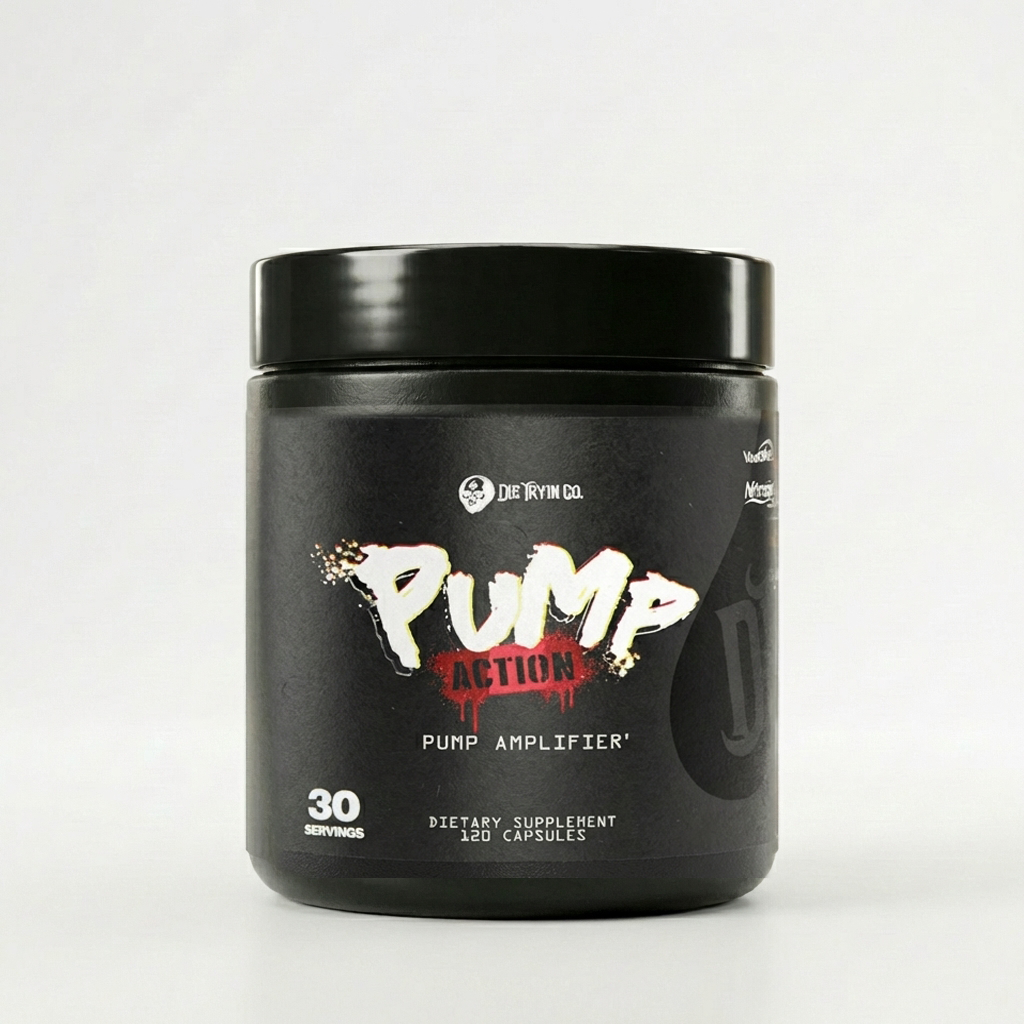
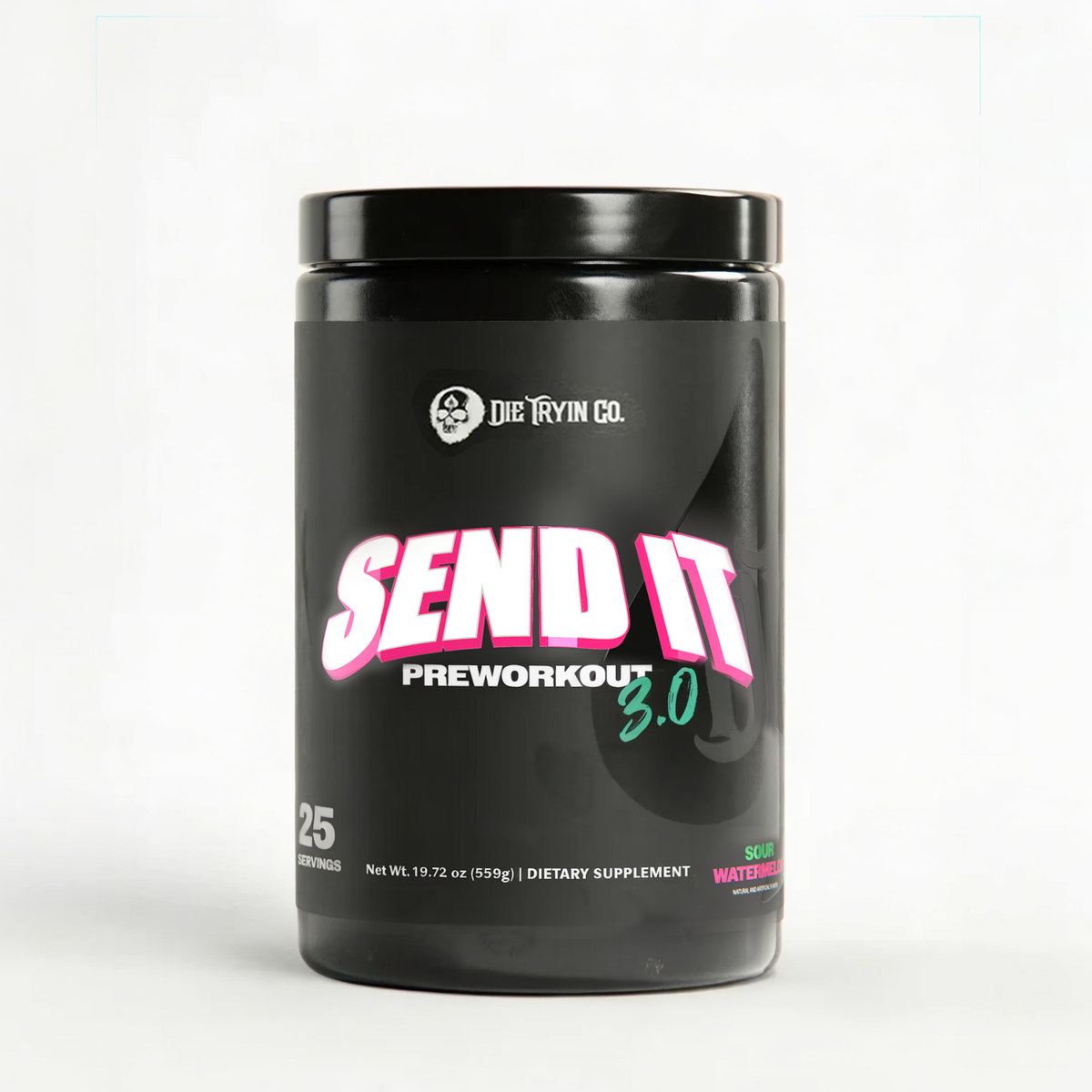
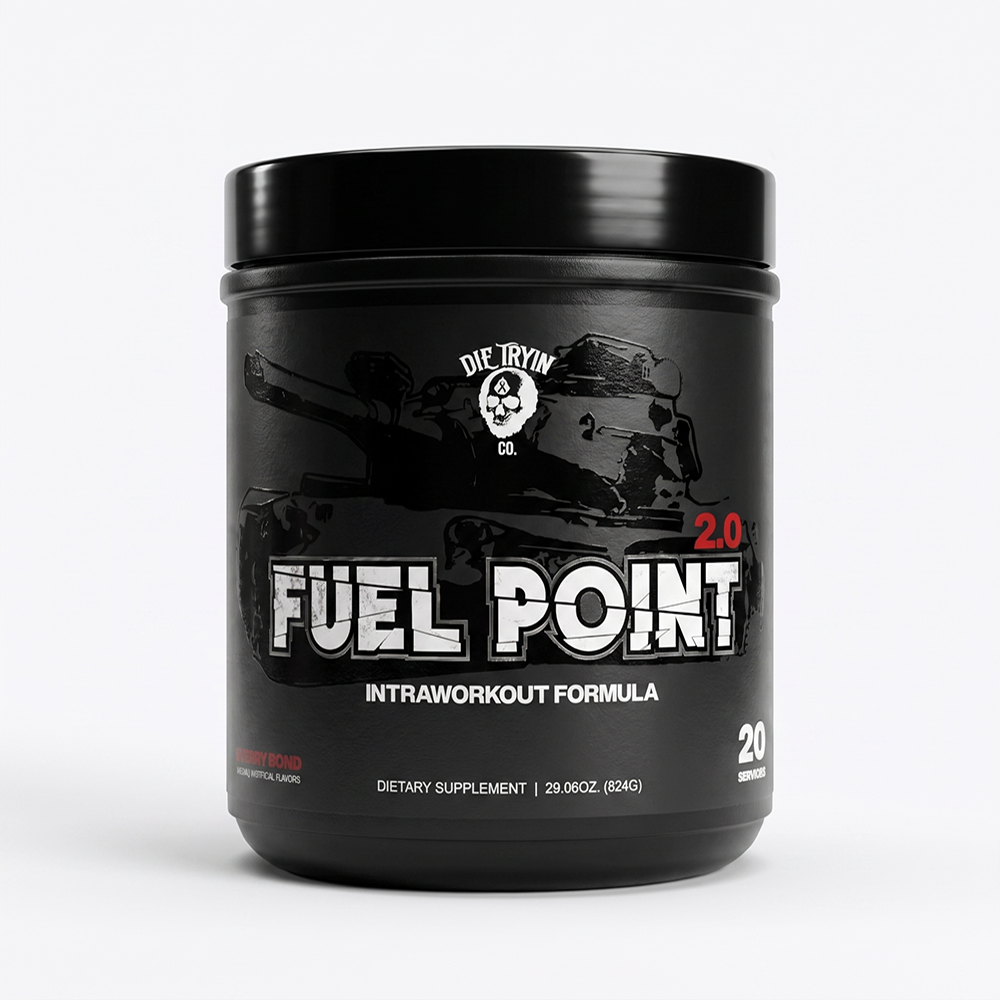
Strip sets are high-rep, blood-in-the-muscle work, which makes them one of the few honest use cases for a stim-free pump product. Red Dot runs 9g of L-Citrulline with zero caffeine; Pump Action does it in capsules if caffeine is already handled by SEND IT 3.0. Long, high-volume sessions are where Fuel Point and Aqua Spike stop being optional. None of it grows the muscle. The set does. Real doses of real ingredients just keep you sharp enough to finish it — the muscle-building guide covers the rest.
FREQUENTLY ASKED QUESTIONS
Are strip sets and drop sets the same thing?
Yes. Strip sets, drop sets, descending sets, breakdown sets, and rack runs all describe the same technique: reduce the load on the same exercise and keep going without rest. The only genuinely different variant is the mechanical drop set, which changes leverage instead of load.
Do strip sets build more muscle than straight sets?
No. Across three research reviews, hypertrophy came out statistically the same when total work was equated. What strip sets actually deliver is the same result in less time, at a higher perceived cost.
How much weight should I strip per drop?
Start at 20–25% and adjust from there. The percentage matters less than the outcome. If you can't get at least five more reps, you didn't cut enough; if you're still going at fifteen, you cut too much.
How many drops should I do?
Two is the working default and three is the ceiling on isolation work. Past that, the load is too light to drive much of anything and you're buying fatigue you'll pay for at the next session.
Can I use strip sets on squats and deadlifts?
Don't. Technique degrades hard past failure on big barbell lifts, unloading plates is slow enough to defeat the entire point of the method, and the risk profile is nothing like a machine.
How do strip sets count toward my weekly volume?
There's no agreed-upon standard, so pick a rule and stay consistent. Counting a top set plus two drops as roughly two hard sets keeps your weekly numbers honest. Counting it as three or four inflates the log and makes a stall impossible to diagnose.
READY TO GEAR UP?
Strip sets compress the work. They don't replace it. If the technique is going into your program, put it on the last exercise, cap it at two drops, and pull it back out before the fatigue outruns the stimulus. Not sure what your training actually needs right now? Take the quiz.
- Red Dot — stim-free pump and focus. 9g L-Citrulline, zero caffeine.
- Pump Action — stim-free pump capsules for high-rep work.
- SEND IT 3.0 — the daily driver.
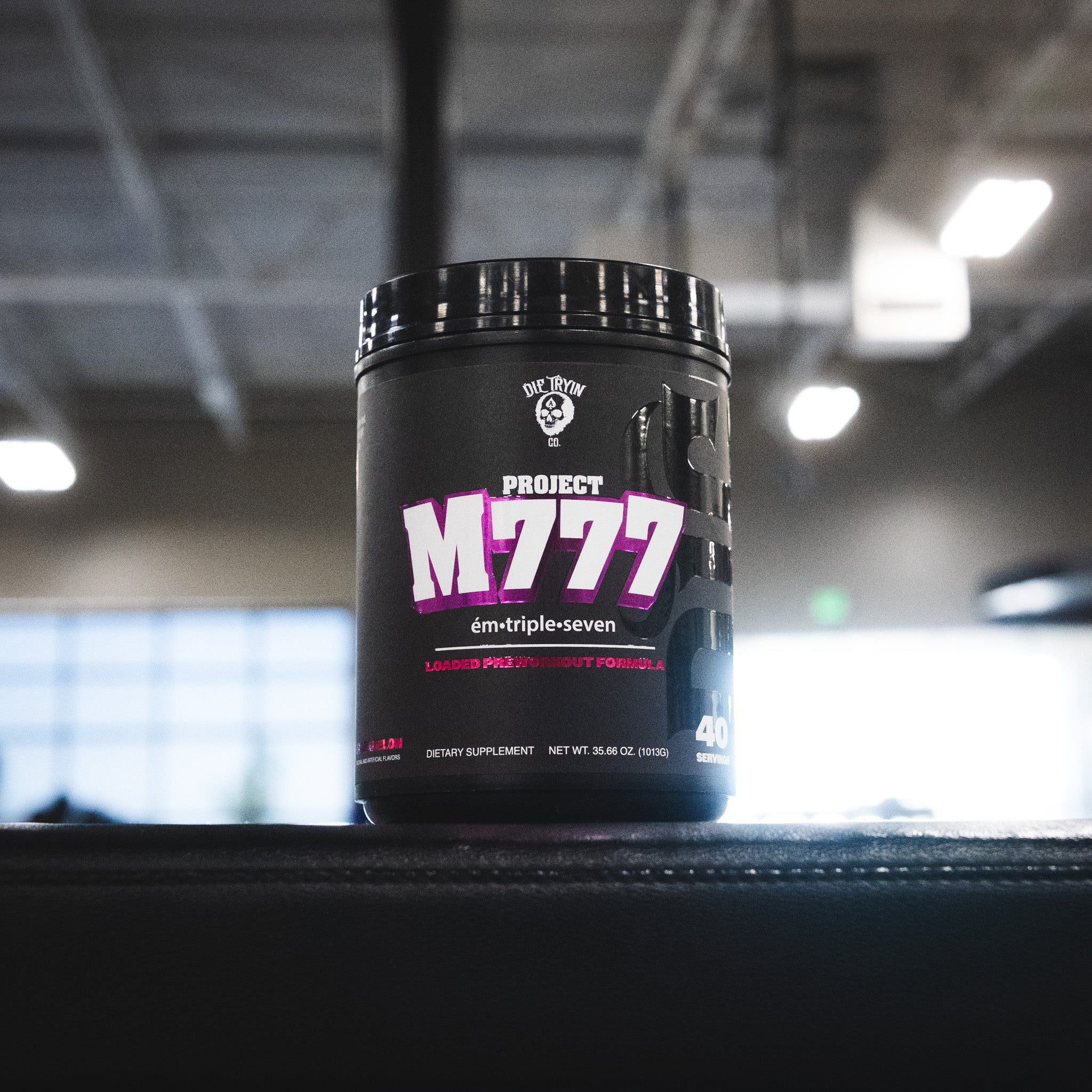
- Project M777 — high-stim, hardest days only.
- Fuel Point — intra-workout carbs for long sessions.
- Creatine — 5g micronized Creatine Monohydrate.
- Post Iso — 24g whey isolate with DigeZyme enzymes.
- Aqua Spike — hydration and electrolytes.
- DTC Athletic Tee — the last drop soaks whatever you're wearing.
ALWAYS FORWARD.
Read more

Most lifters asking if they're overtraining are actually overreaching, and there are two kinds. Here's how to tell which one you're in, and what to do about it.
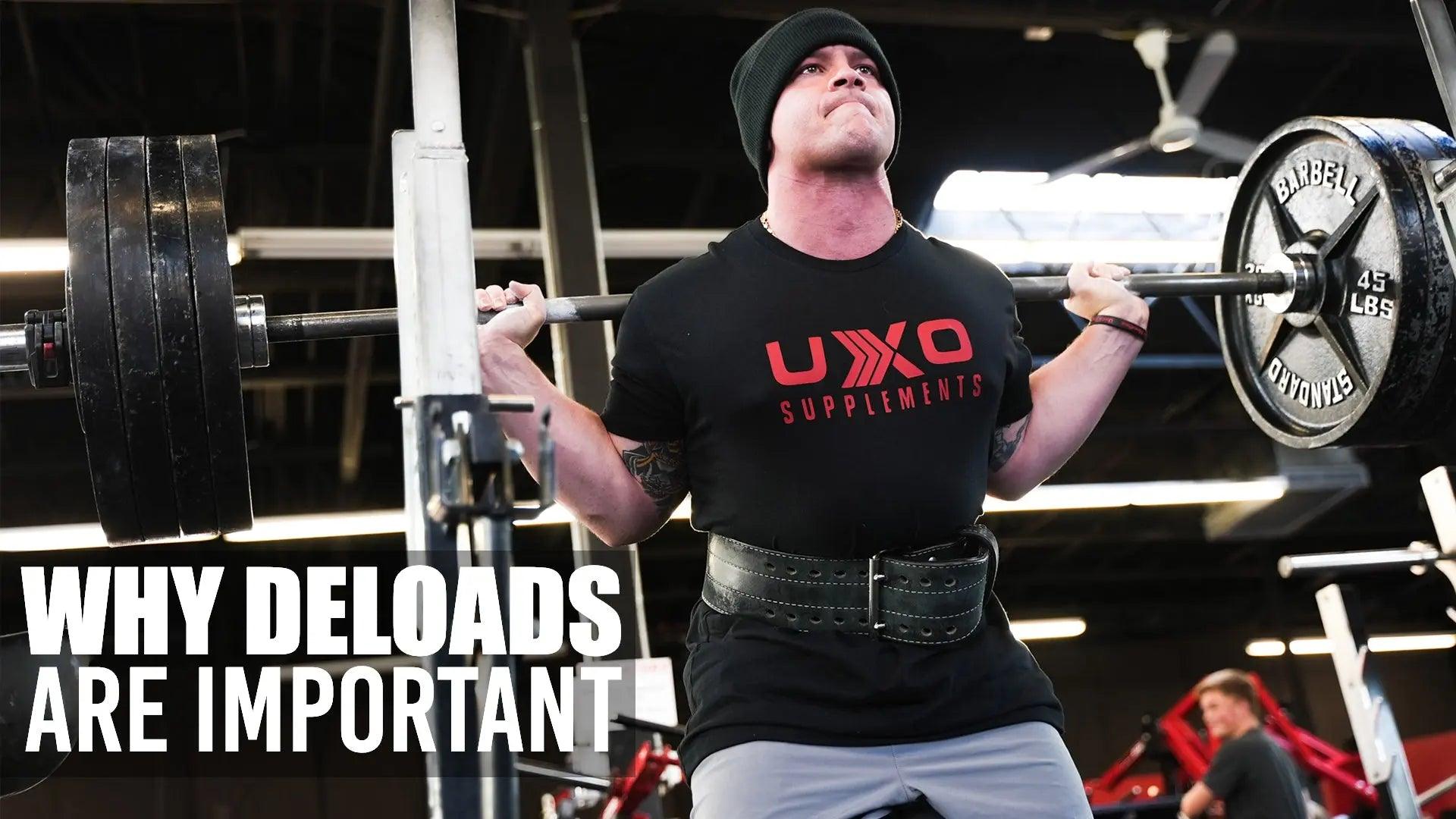
Recovery is the other half of adaptation. The signals you need a deload, and exactly how to run one without losing progress.

The no-BS recovery playbook — sleep, stress, nutrition, modalities, and the framework that ties it all together. Recovery is where growth actually happens.

You program sets, reps, load and tempo. Then the plan stops. Recovery is a training variable, not the absence of training, and here is what leaving it blank actually costs you.
Training to failure is a tool, not a default. Here is what the research actually says for size and for strength, what the fatigue costs you, and the exact spots where taking a set to the wall earns...
Overtraining doesn't build faster results — it builds injuries and burnout. The minimum effective dose principle for training, recovery, and smart supplementation.

GEAR THAT FITS THIS POST
The products this article actually talks about. Real doses, disclosed labels, veteran owned.