




Interval Training: Ratios, Dose, and Progression
By Jon Klipstein, U.S. Army Combat Veteran & Founder of Die Tryin Co.
Science reviewed by Onur Oncer, BS Physiology and peer-reviewed published researcher.
INTERVALS ARE A PRESCRIPTION, NOT A VIBE
Listen up. Most people do not actually run intervals. They go hard until they feel sick, stand around until they feel human, then repeat that until the clock runs out. That is not interval training. That is unstructured suffering with a stopwatch nearby.
An interval session has four numbers in it: how long you work, how hard you work, how long you rest, and how many times you repeat it. Change any one of those and you change what the session trains. A 15-second sprint with 90 seconds of rest and a 90-second push with 2 minutes of rest are not the same tool.
This is the execution layer. Ratios, machine choice, setting intensity without a lab, weekly dose, progression. The strategy questions above it live elsewhere: whether conditioning belongs in a lifter's week in how cardio benefits lifters, what training does to your metabolism in exercise and metabolism, and where it fits a cut in the complete fat loss guide. What follows is how to build the session itself.
THE RATIOS, AND WHAT EACH ONE ACTUALLY TRAINS
Work-to-rest ratio is the single decision that defines the session. Pick it on purpose. Here is the quick answer.
| WORK : REST | EXAMPLE | WHAT IT TRAINS | ROUNDS |
|---|---|---|---|
| 1:6 to 1:8 | 10-15 s all-out / 90 s easy | Peak power and top-end speed. Almost no fatigue accumulation, by design. | 6-10 |
| 1:2 to 1:3 | 30 s hard / 90 s easy | Repeat-effort capacity. Producing a big effort again after a short break. | 8-10 |
| 1:1 to 1:2 | 60-90 s hard / 90-180 s easy | Tolerance for high-lactate work. The ratio that hurts most for the least glory. | 4-6 |
| 1:1 (short) | 15 s hard / 15 s easy | Aerobic ceiling work you can actually tolerate. The best entry point. | 8-10 min blocks |
| Long (2-4 min) | Prescribed in the VO2 max post | The aerobic ceiling, straight at it. | Per that post |
Notice what the table does not say. It does not say one row is better. Peak-power work and aerobic-ceiling work are different jobs. Picking the 30-second row because it sounds hard, when your goal is a bigger engine, is how people train for months and adapt to nothing in particular.
THE SAME RATIO ON A DIFFERENT MACHINE IS A DIFFERENT SESSION
If you lift, run your intervals on a bike, rower, sled, or a hill. The concurrent-training evidence on why low-impact modality protects lower-body size and strength is broken down in lifting and cardio for fat loss, and that equipment decision comes before anything on this page.
Once the tool is picked, adjust the ratio to it. A written ratio assumes the rest is genuinely rest and the work starts at full output. On half the equipment in a gym, neither is true.
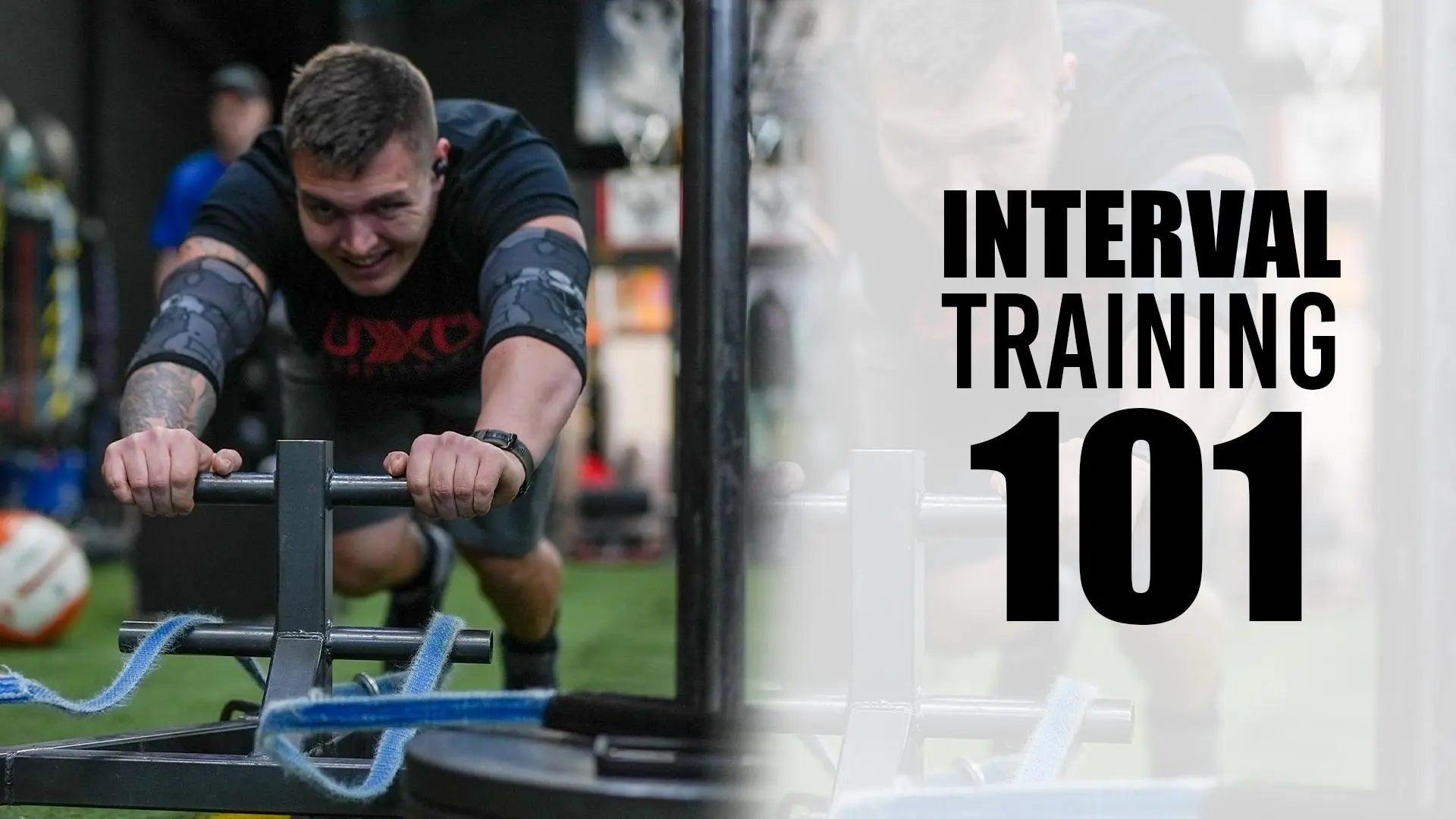
- Sled. No coast phase, no eccentric phase. Every second is production, so a sled push is harder second for second than a bike. The walk back counts as rest: start that clock when you let go of the handles, not when you reach the start line.
- Air bike. The most honest tool here. Output dies the instant you stop driving, so the clock and the effort agree.
- Rower. The rest is less restful than it looks. Even easy pulling keeps your grip and torso working, so add roughly 15 seconds to the rest side compared with a bike, or drop two rounds.
- Hill sprints. The walk down sets your rest whether you planned it or not. Pick a hill whose walk-down roughly matches the rest you want.
HOW TO SET THE WORK INTENSITY WITHOUT A LAB
The repeatability check. This is the one that matters. Correct intensity is the hardest output you can repeat for every prescribed round, including the last, with only a small drop off. If round one is your best and round six is a shell of it, you did not run intervals. You ran one interval and five recoveries. Time or count your first round. When any later round falls more than about 5 to 10 percent below it, the session is over.
The talk check. During true work intervals you should be able to produce single words, not sentences. During the rest you should be back to short sentences by the time the next round starts. Still gasping when the clock says go? The rest is too short for the ratio you chose.
The heart rate check, on the aerobic rows only. Those carry a specific target: 90 to 95 percent of max heart rate during the work, dropping to roughly 70 percent through the recovery. According to PubMed, in an 8-week randomized trial of 40 moderately trained men with total work matched across four training styles, a 15-seconds-on, 15-seconds-easy protocol at that intensity raised VO2 max by 5.5 percent, significantly more than the same total work performed at moderate intensities (Helgerud et al., 2007). Read that narrowly. It does not mean intensity is the whole game; showing up consistently is the bigger lever, and the VO2 max breakdown puts numbers on how much bigger. It means that when total work is held equal, hard beats moderate. On anything under about 30 seconds, ignore heart rate. It lags the effort and it will lie to you.
Every session gets a real ramp first. Cold intervals are how hamstrings get pulled. Use the same four-phase approach you use before lifting, laid out in level up your warm-up, then cool down with five to ten easy minutes.
HOW MANY OF THESE YOU CAN ACTUALLY ABSORB
One hard interval session a week is plenty for most lifters. That is the same number we land on in the cardio guide, and not by accident. A second session is a ceiling rather than a target, and it only earns its place if lifting is at four days or fewer and nothing else in the week is already draining you. How much endurance work in general interferes with lifting, and by how much, has real numbers on it in lifting and cardio for fat loss.
Inside the session, keep actual work time to roughly 12 to 25 minutes. Ten minutes of genuine work at the top of your repeatable output is a real session. Forty-five minutes of it is a hole you spend the rest of the week climbing out of.
Placement matters as much as count. Never put a hard leg-driven interval session the day before your heaviest squat or deadlift day. Same day is workable if you lift first and leave hours between, which is covered in cardio before lifting. If sleep quality drops, resting heart rate climbs, or bar speed goes flat, you are past your ceiling. Check yourself against the signs in are you overtraining, and read the recovery guide.
HOW TO PROGRESS INTERVALS
Progressive overload applies here exactly like it applies to a barbell. Most people skip it and run the identical session for a year. Change one variable per three to four week block, in this order.
- Add a round. Four to five to six, same pace, same rest. Cheapest progression there is.
- Cut the rest. Shave 15 to 30 seconds off the recovery while holding the same output. Density goes up, the ratio tightens.
- Extend the work. Lengthen the work interval, then restore the rest to the original ratio.
- Raise the output. Only once the first three stop delivering. More watts, more speed, more sled load, same structure.
Log every session. Rounds, times, watts, distance, resistance. Interval training without a log is guessing, and guessing does not progress. Deload the conditioning the same week you deload the lifting.
THE MISTAKES THAT KILL THE SESSION
- Treating rest as optional. The rest is not downtime. It is what makes the next round repeatable, which is the entire point of the method.
- Going all-out on a 1:1 ratio. All-out belongs with long rest. Match the effort to the ratio you wrote down.
- Running the identical session every week. No added round, no tightened rest, no progression, no adaptation.
- Grading the session by how wrecked you feel. Output is the scoreboard. Anyone can get destroyed. Not everyone can hold round six.
- Skipping the ramp and the cool-down. Five minutes of prep protects the ten minutes that matter.
FUELING THE WORK
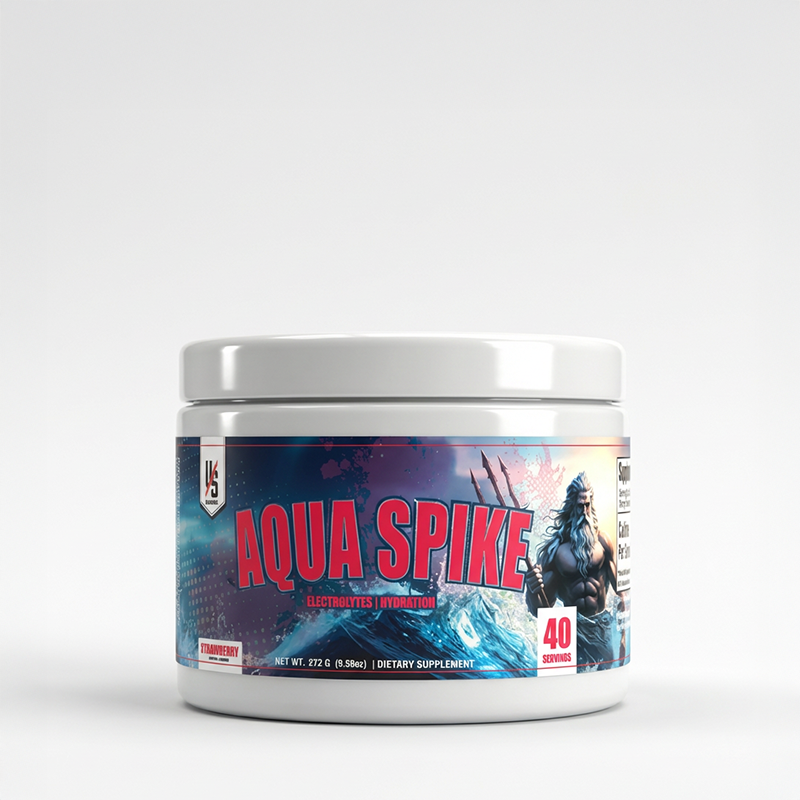
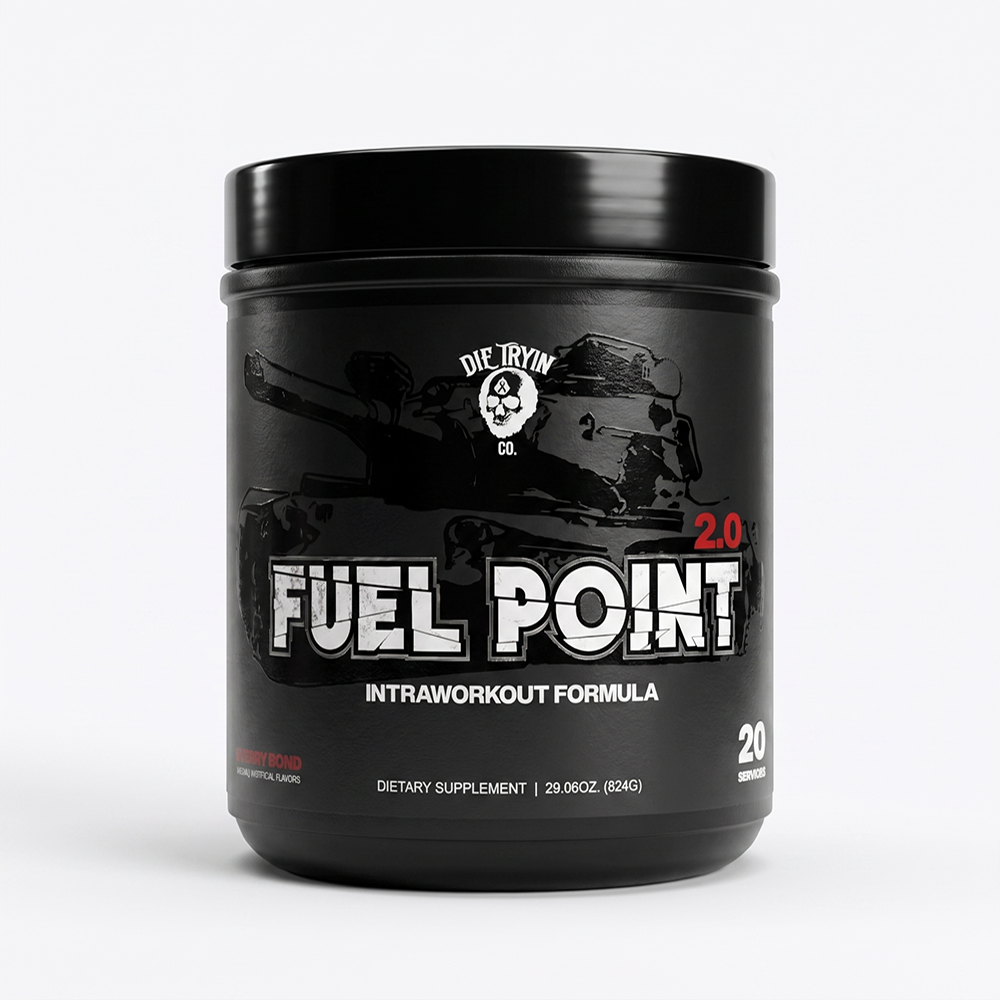
Short sessions do not need much. Under about 40 minutes, water and what you already ate will cover it. Fueling matters on the long conditioning block, the second session of the day, and heavy-sweat environments, where hydration and electrolytes hold output up. Aqua Spike handles the electrolyte side, and Fuel Point 2.0 puts 24g of SusCarb HBCD carbohydrate, a full electrolyte panel, and 6,750mg of EAAs into the session itself.
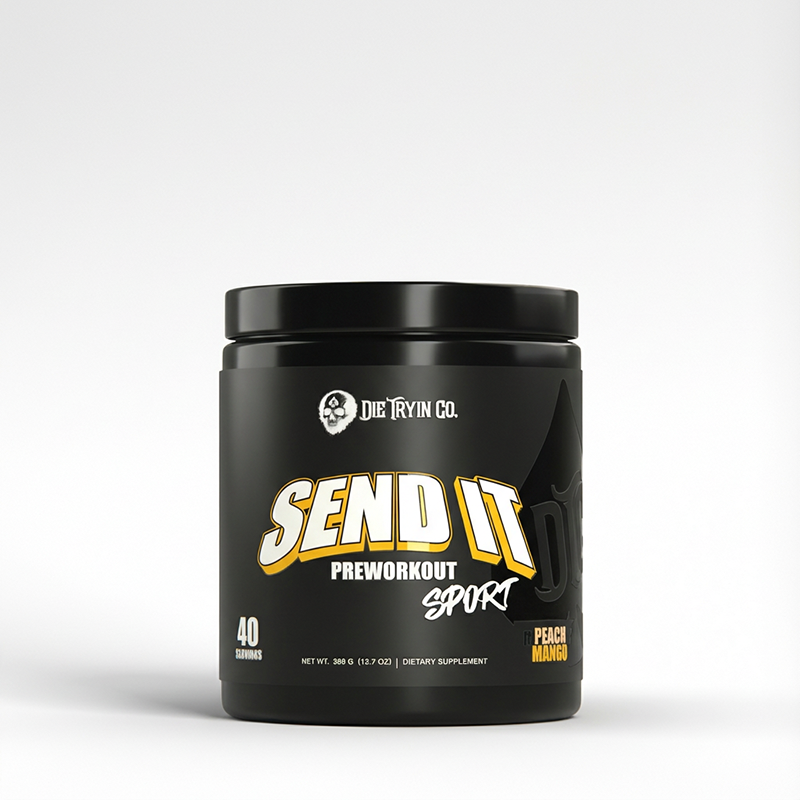
For stimulants, match the tool to the session length. SEND IT Sport was built for 60-plus minute conditioning work at 145mg caffeine. Sustained output beats a spike you have to ride out through the back half. Basics beat hype. No powder fixes a badly written interval session.
INTERVAL TRAINING FAQ
What is a good work-to-rest ratio for interval training?
It depends on the target. Peak power wants 1:6 to 1:8, roughly 15 seconds on and 90 seconds off. Repeat-effort capacity wants 1:2 to 1:3, which is the classic 30 seconds on and 90 off. High-lactate tolerance wants 1:1 to 1:2. For the long aerobic intervals, the protocol lives in our VO2 max post. Choose the row, then hold it for the whole block.
How long should an interval session actually be?
Twelve to twenty-five minutes of actual work, plus a real warm-up ramp and a five to ten minute cool-down. Door to door that is usually 25 to 40 minutes. Longer is not better here, just more fatigue to pay for later.
How many interval sessions per week can I do if I lift?
One hard session a week is plenty for most lifters, which is exactly what we tell people in the cardio guide. A second only if lifting is at four days or fewer and your logbook is holding steady. Treat frequency as a dial you set deliberately, not a switch you flip on.
Do I need the same work-to-rest ratio on every machine?
No. A sled has no coast phase, so the work is harder second for second and the walk back counts as rest. A rower keeps your grip and torso working through the recovery, so give it slightly more rest than a bike. On hills the walk down is the rest, so pick the hill to fit the ratio.
How do I know if I am going hard enough without a heart rate monitor?
Use repeatability. Time your first round, then hold every round within about 5 to 10 percent of it. If you cannot, you started too hot. Back it up with the talk check: single words during the work, short sentences by the end of the rest.
How do I make interval training harder over time?
Change one variable per three to four week block. Add a round, then cut the rest, then extend the work, then raise the output. Log every session so you know which variable moved and whether it actually worked.
READY TO GEAR UP?
- Long conditioning sessions, 60+ minutes: SEND IT Sport
- Fuel inside the session: Fuel Point 2.0
- Heavy-sweat work and daily hydration: Aqua Spike
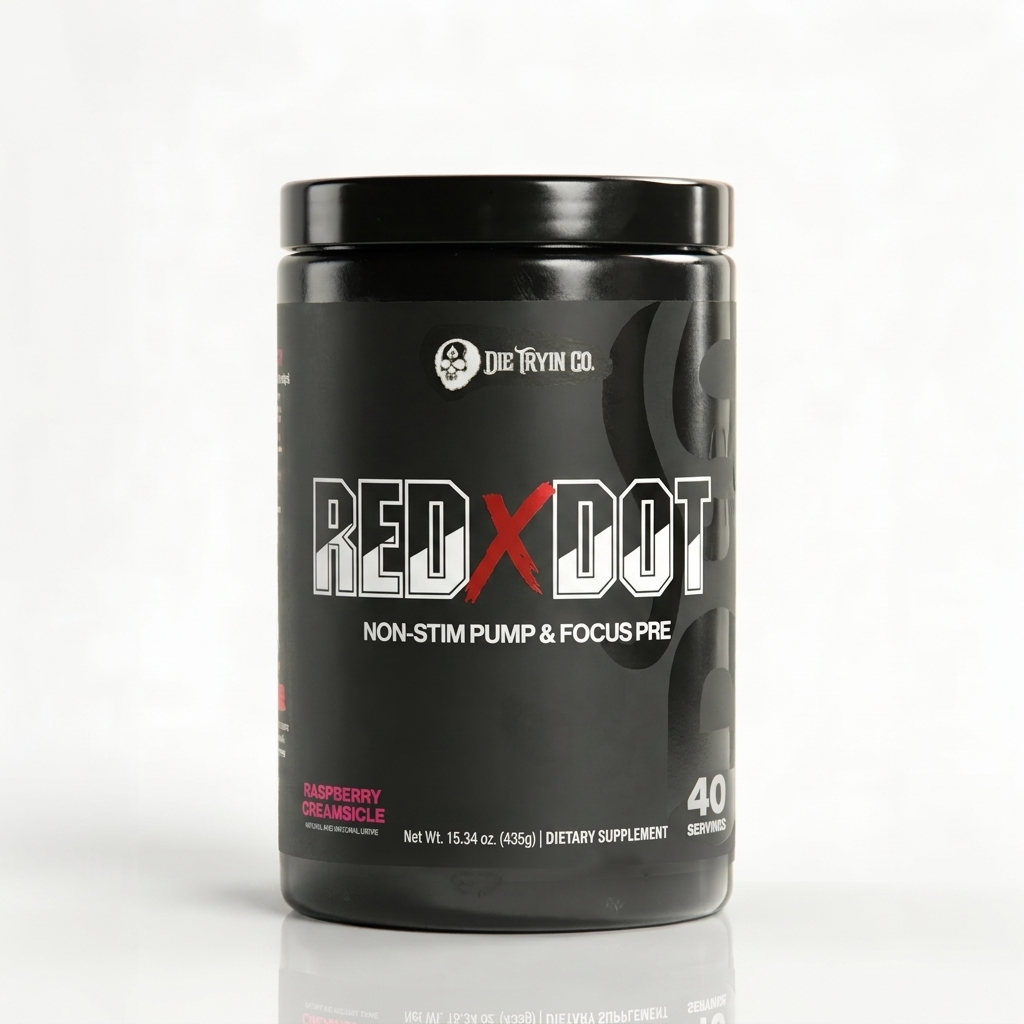
- Late sessions with zero caffeine: Red Dot
- Not sure where to start: take the quiz
Write the numbers down before you start. Hit them. Then make them harder. Discipline beats motivation, every time.
ALWAYS FORWARD.
GEAR THAT FITS THIS POST
The products this article actually talks about. Real doses, disclosed labels, veteran owned.
Read more

Cardio is not the enemy of your gains. The lifter case for conditioning: what it does for recovery, work capacity, and health.

The afterburn effect is real, and it is far smaller than the industry claims. Here is what cardio and lifting each actually contribute to your metabolism.
The no-BS playbook for losing fat without losing muscle. Energy balance, protein, training, sleep, and the supplements that actually help.

Being unfit carries a larger mortality risk than smoking or diabetes. Here is what VO2 max measures, how to estimate it, and how to train it.
Cardio does not kill gains. Bad scheduling does. Here is how to run both without paying for it.
Five minutes on a treadmill is not a warm-up. Here is the four-phase ramp that actually preps you to lift heavy, plus what the research says about foam rolling and static stretching.