



Exercise and Metabolism: The Afterburn Is Oversold
By Jon Klipstein, U.S. Army Combat Veteran & Founder of Die Tryin Co.
Science reviewed by Onur Oncer, BS Physiology and peer-reviewed published researcher.
WHAT EXERCISE ACTUALLY DOES TO YOUR METABOLISM
Straight to the point: exercise does affect your metabolism. It just does not do it the way the industry sold it to you.
You have been told a hard session turns your body into a furnace for two days. That the afterburn keeps torching calories while you sleep, while you drive, while you sit at your desk. That pitch sells class packs and it sells fat burners.
The research does not support the size of that claim. The afterburn is real and measurable. It is also a rounding error next to the calories you burned during the session itself.
Here is what this post covers: what exercise genuinely contributes to daily energy expenditure, why cardio and lifting do two completely different metabolic jobs, and why your body quietly claws back a chunk of everything you burn. If you want the full breakdown of what sets your metabolic rate in the first place (lean mass, daily movement, the thermic effect of food), that lives in how to increase your metabolic rate. If you want the food angle, read foods that boost metabolism. This one stays on training.
| TRAINING TYPE | WHAT IT DOES TO YOUR METABOLISM | HONEST SIZE OF THE EFFECT |
|---|---|---|
| Resistance training | Modest calorie burn in the session. Builds and defends the lean tissue that sets your resting rate. | Slowest to show up, and the only lever that raises the baseline. Strength training for fat loss |
| Intervals / HIIT | Highest burn per minute. Largest afterburn bump. Highest recovery cost. | Same body-composition result as steady cardio in roughly 40% less training time. Steady state or intervals |
| Steady-state cardio | Adds directly to expenditure while you are doing it. Builds the engine and the work capacity behind it. | Real, repeatable, and it stops when you stop. How cardio benefits you |
| Daily movement (NEAT) | Not technically exercise. Swings your daily total more than your session does. | Covered in depth in the metabolic rate breakdown |
WHAT THE AFTERBURN ACTUALLY BUYS YOU
The technical name is excess post-exercise oxygen consumption. EPOC. After you stop training, your body keeps working to get back to baseline: restoring oxygen stores, clearing metabolites, repairing tissue, walking core temperature back down. That work costs energy. Real physiology, not marketing.
A 2006 review in the Journal of Sports Sciences put a number on it. Even in the studies built around the hardest exercise stimuli, EPOC accounted for roughly 6 to 15 percent of the net oxygen cost of the exercise itself. Run that math on a real session. Burn 400 calories in a session and the afterburn adds somewhere around 25 to 60 on top. Not hundreds. Not all day.
Long afterburn windows do exist. That same review found EPOC can run 3 to 24 hours, but only off a serious stimulus: 50-plus minutes at 70 percent of VO2 max, or all-out work above your maximum. The authors' own caveat is that most non-athletes will not tolerate that kind of session, and their read on the weight-loss angle was blunt. The old optimism about EPOC driving weight loss is largely unfounded. Exercise moves body composition mostly through the calories you burn while you are actually training.
CARDIO AND LIFTING DO TWO DIFFERENT METABOLIC JOBS
Cardio pays out immediately. It adds to your expenditure in the moment, the per-session numbers are the biggest you will see, and it builds the heart and work capacity that let you train harder everywhere else. The catch is that the meter stops when you do.
Lifting pays out slowly. The session burn is unimpressive on paper. What it actually does is supply the stimulus that builds and defends lean tissue, and lean tissue is what sets the floor your entire day is built on. That is the difference between renting expenditure and owning it. Cardio rents. Lifting owns.
On the intervals-versus-steady argument, a 2017 meta-analysis of 13 trials compared high-intensity intervals against moderate-intensity continuous training in overweight and obese adults over about 10 weeks. Both cut whole-body fat mass and waist circumference. Neither beat the other on a single body-composition measure. Intervals just arrived at the same place in roughly 40 percent less training time. One detail worth knowing: in that dataset, running protocols produced large fat-mass effects in both formats, and cycling protocols did not. Pick the format you will actually repeat.
YOUR BODY FIGHTS BACK: EXERCISE COMPENSATION
Here is the part nobody puts on the studio wall. When you burn more through activity, your body does not simply stack that number on top of your daily total. It adjusts underneath you.
Researchers pooled total and basal energy expenditure data from 1,754 adults living normal lives and found that energy compensation averaged about 28 percent. Meaning roughly 72 percent of the extra calories you burn from added activity actually showed up as extra calories burned that day. The rest got absorbed by a quiet drop in basal expenditure.
Compensation was not uniform, either. It ran higher in people carrying more body fat, and the researchers were careful to say the direction of cause is not settled. And that is only the physiology side of the ledger. The behavioral side stacks on top: eating a little more because you earned it, moving less the rest of the day, sitting harder after a brutal session. Which is exactly why the treadmill readout and the scale never seem to agree.
SO WHY TRAIN AT ALL?
Because the calorie math was never the strongest argument for training. It was just the easiest one to put on a poster.
Lifting is the only lever that raises the floor instead of renting a bump. Conditioning buys you work capacity, better recovery between sets, and a heart that handles the load. Both make a caloric deficit dramatically easier to hold, because a trained body tolerates hard days and low food better than an untrained one. None of that shows up in an afterburn number.
Exercise still helps fat loss. It helps at a realistic size, with the deficit doing the heavy lifting and training protecting the muscle you want to keep. The full framework is in the complete guide to losing fat and keeping muscle.
HOW TO USE EXERCISE FOR METABOLISM WITHOUT KIDDING YOURSELF
The honest playbook is short:
- Lift three to four times a week. Non-negotiable. It is the only training that builds and defends lean mass, and lean mass is the baseline.
- Add two to three conditioning sessions. Intervals if you are short on time, steady work if you recover better that way. Both get you there.
- Stop paying for the afterburn. Do not upgrade a session from productive to destructive chasing a bonus worth tens of calories.
- Do not eat back what your watch says. Wearable calorie readouts for resistance work are estimates, not measurements, and they read high.
- Protect your daily movement on training days. Compensation eats that first. Hard session, then eight hours on the couch, and you are back to even.
- Fuel and recover the work. A session you cannot repeat next week contributes nothing. That is the whole argument behind training smarter, not harder.
Consistency beats intensity. Not because intensity is bad, but because the guy who trains hard for six weeks and quits ends up behind the guy who trained sensibly for a year.
FREQUENTLY ASKED QUESTIONS
Does exercise boost your metabolism?
Yes, in two ways, and both are smaller than advertised. Training adds calories burned during the session and a modest afterburn afterward. Over the long run, resistance training raises your resting rate by adding lean tissue. What exercise does not do is turn your metabolism into a furnace that runs for days on one hard workout.
How long does the afterburn effect last?
It depends entirely on the stimulus. Most normal training sessions produce an elevation measured in minutes to a couple of hours. Research indicates that windows of 3 to 24 hours require something extreme, like 50-plus minutes above 70 percent of VO2 max. Even then the total contribution runs about 6 to 15 percent of what the session itself burned.
Is cardio or weight training better for metabolism?
They answer different questions. Cardio burns more calories per session and stops paying when you stop. Weight training builds the lean mass that raises your resting rate, so it changes the baseline rather than renting a spike. For metabolism specifically, lifting is the long game and cardio is the short game. Run both.
Does HIIT burn more fat than steady-state cardio?
Not according to the head-to-head research. A 2017 meta-analysis found no significant difference between interval training and moderate-intensity continuous training on any body-composition measure in overweight and obese adults. Intervals just got there in roughly 40 percent less time, which is a scheduling advantage, not a metabolic one.
Why am I not losing weight even though I work out?
Usually compensation plus overestimation. Your body offsets part of the added activity by reducing basal expenditure, appetite drifts up, daily movement drifts down, and the calorie number on your watch is generous to begin with. Fix the food side and keep training. Training protects the muscle while the deficit does the work.
Can supplements make my workouts burn more calories?
Caffeine can raise energy expenditure slightly and, more usefully, lets you train harder for longer. The full breakdown of caffeine and other so-called metabolism foods lives in foods that boost metabolism. Beyond that, most metabolism claims on a label are marketing. Research suggests supplements support the training, and the training supports the result. Nothing on a shelf replaces the session.
READY TO GEAR UP?
Train the way that actually works, then fuel it properly:
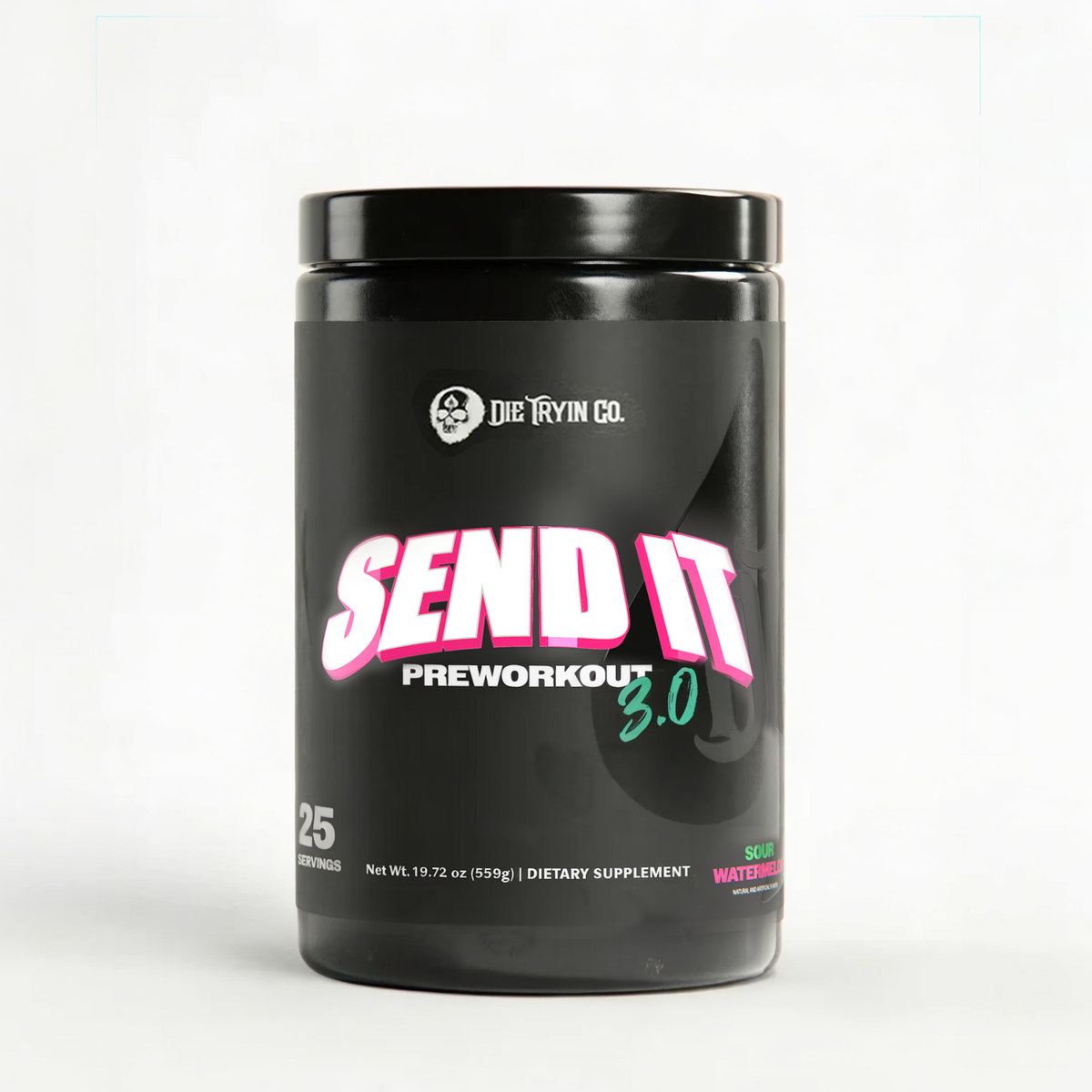
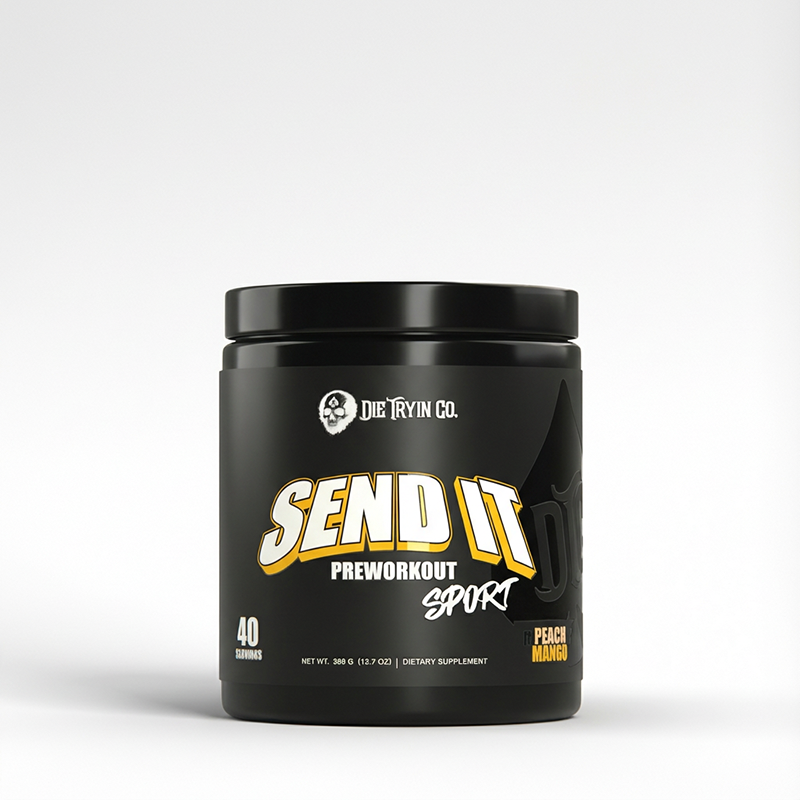
- SEND IT Sport for conditioning days and sessions running past an hour, at 145mg caffeine instead of a heavier stim load.
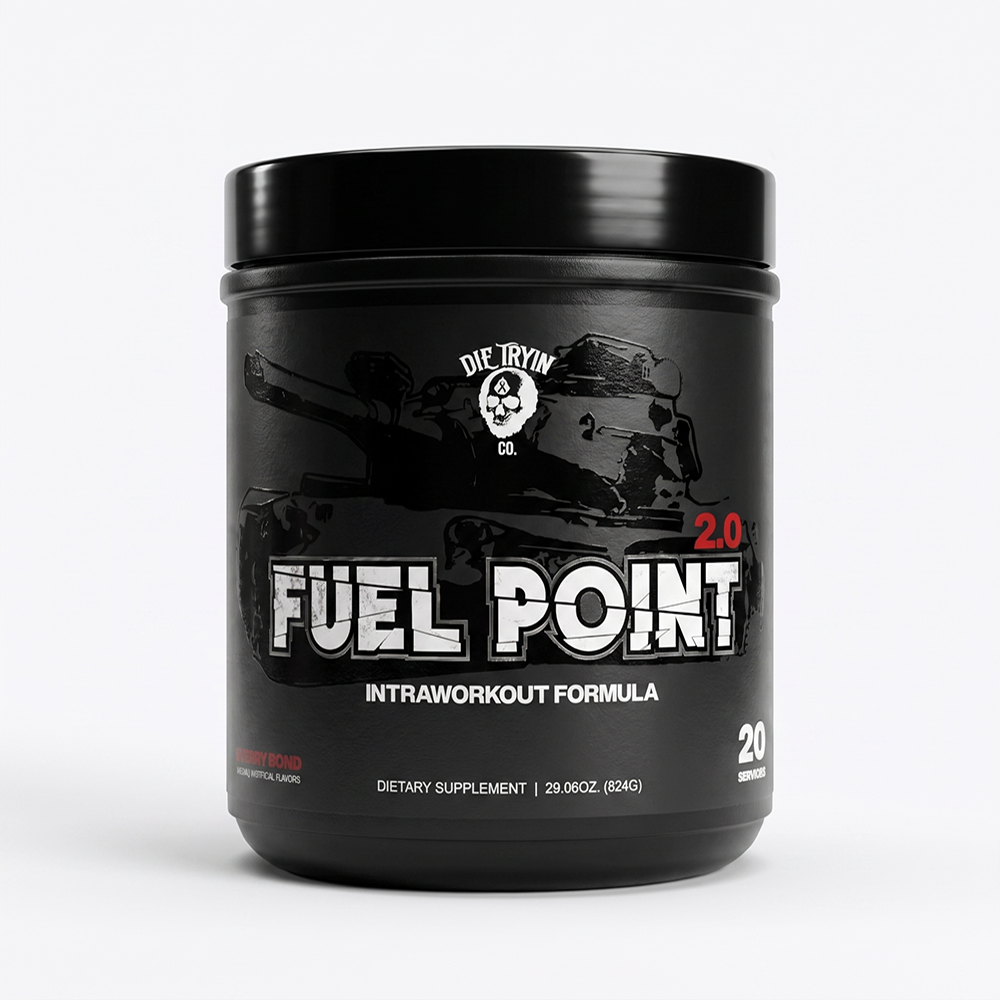
- Fuel Point for intra-workout carbs when the session is long enough to actually need them.
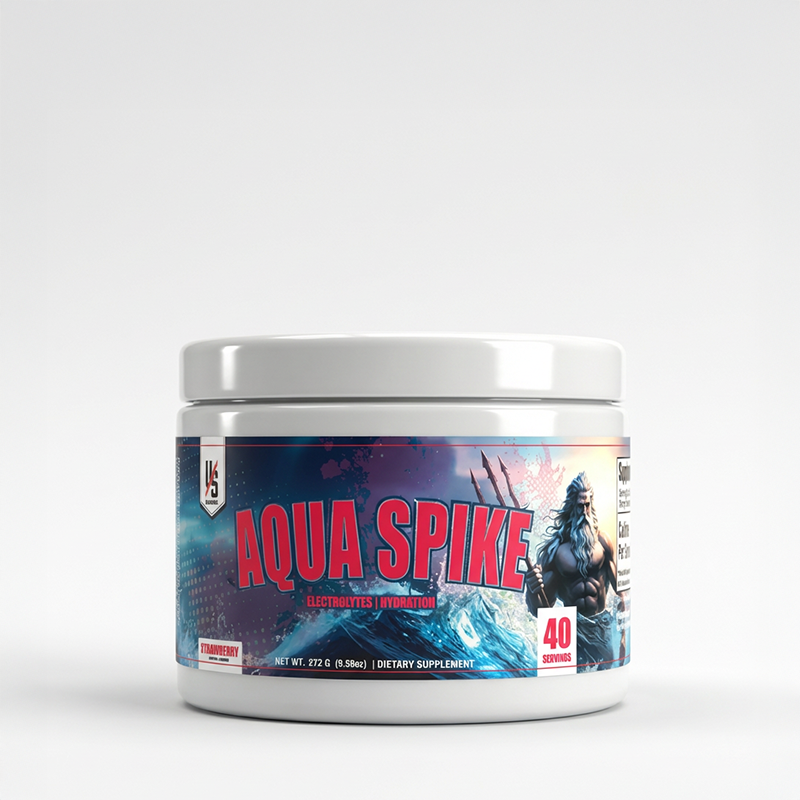
- Aqua Spike for heavy-sweat conditioning work and daily hydration.
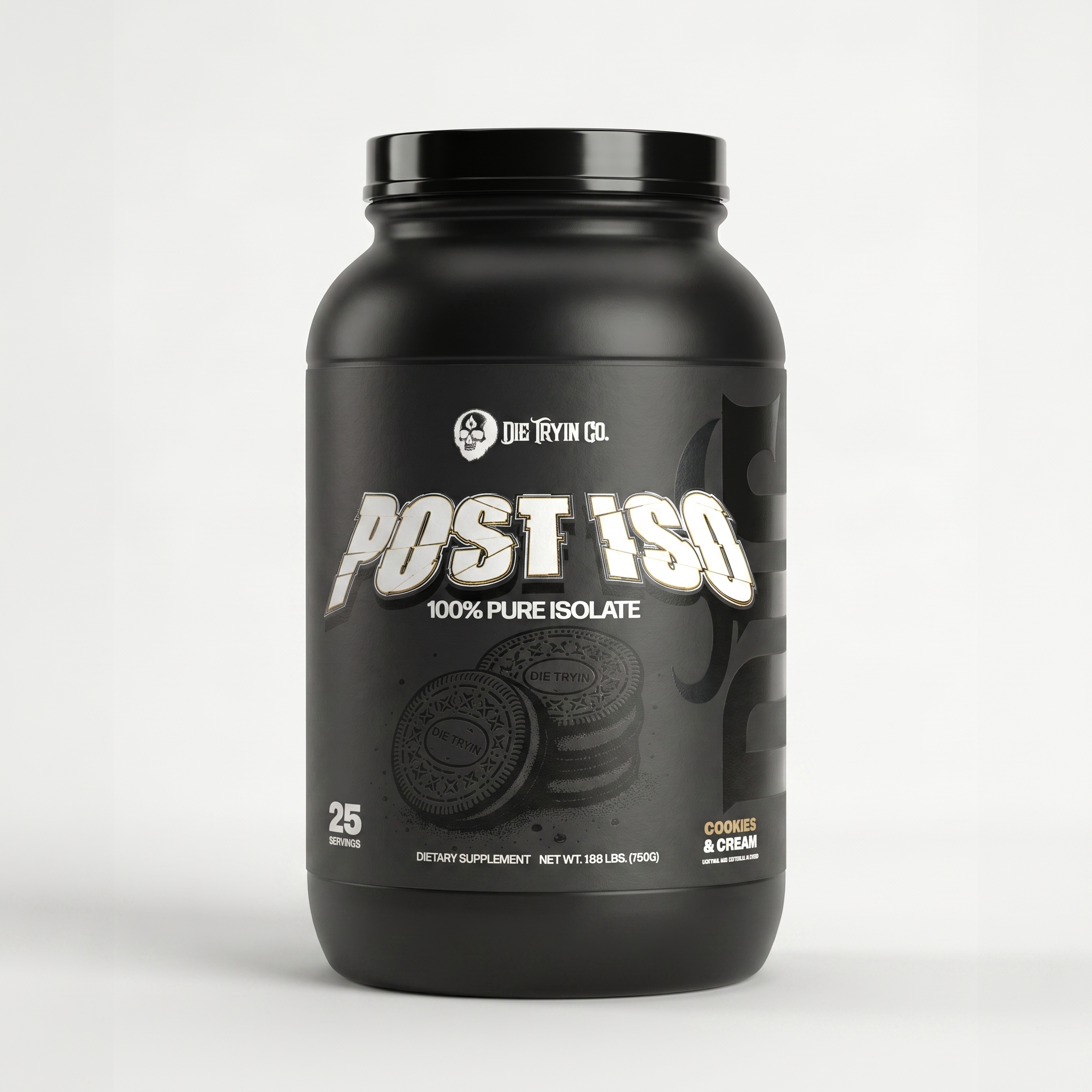
- Post Iso at 24g of whey isolate per serving, because protecting lean mass in a deficit starts with protein.
- Creatine Monohydrate at 5g, the most researched training supplement there is.
- Incendiary Stage 2 with L-β-Aminoisobutyric Acid (MitoBurn®) at the full 500mg dose. The evidence base here is still mostly preclinical, so it earns a spot next to a working deficit, not in place of one.
- Mesh Training Shorts for the days the session is going to get ugly.
Not sure where to start? Take the supplement quiz and get pointed at what fits your training, not what has the loudest label. Train smart. Train hard.
ALWAYS FORWARD.
GEAR THAT FITS THIS POST
The products this article actually talks about. Real doses, disclosed labels, veteran owned.
Read more
Most metabolism advice is decimal dust. Here are the four buckets your daily burn actually comes from, the levers that move each one, and by how much.
Fish oil, coffee, apple cider vinegar — the "metabolism-boosting foods" the industry sells you. Here's the honest research on each, and the real levers that actually move the needle.
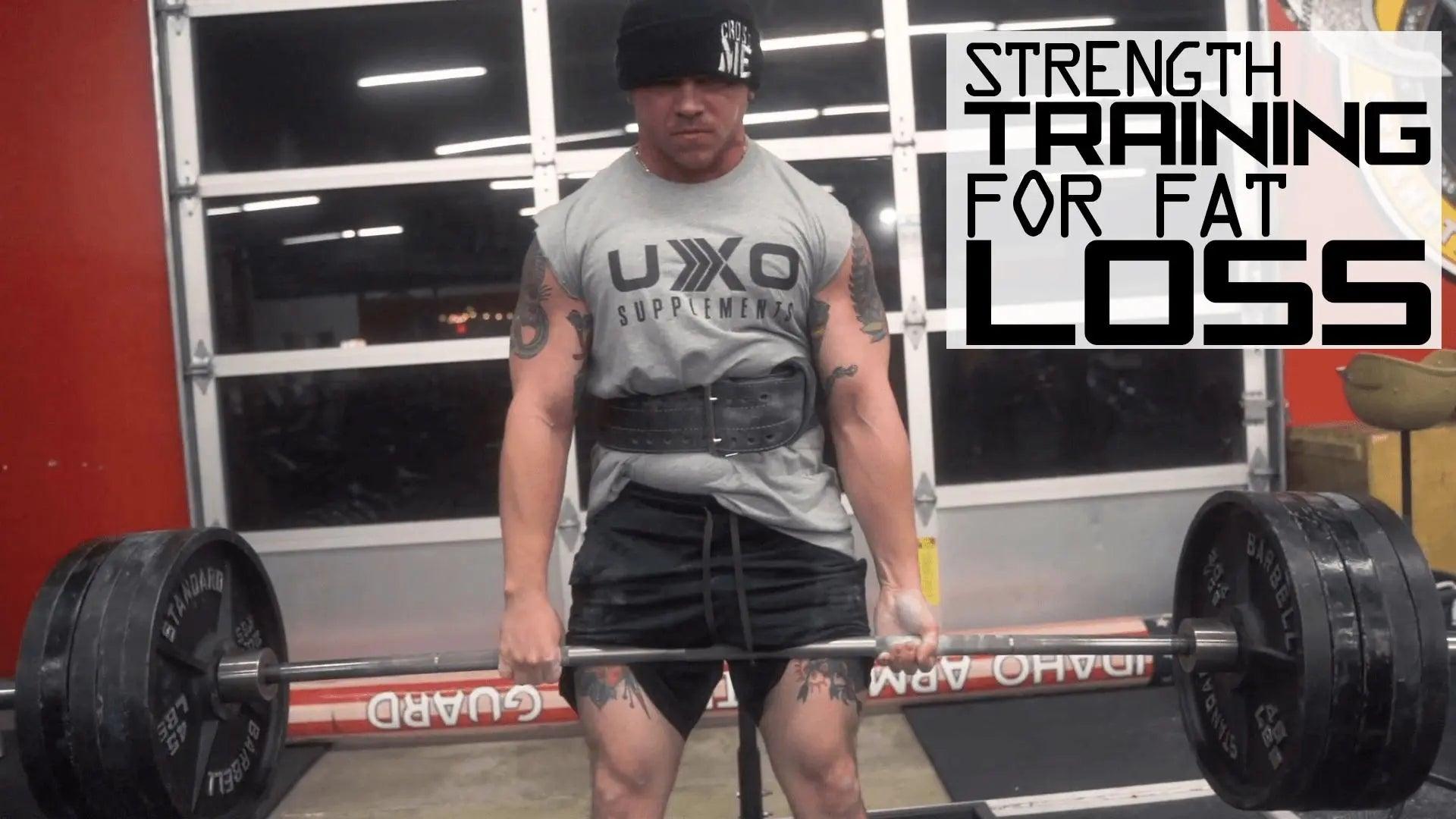
Think you shouldn't lift weights while losing fat? It's a myth. Here's how strength training preserves muscle, protects your metabolism, and beats cardio alone.
Cardio is not the enemy of your gains. The lifter case for conditioning: what it does for recovery, work capacity, and health.
The no-BS playbook for losing fat without losing muscle. Energy balance, protein, training, sleep, and the supplements that actually help.
Overtraining doesn't build faster results — it builds injuries and burnout. The minimum effective dose principle for training, recovery, and smart supplementation.