




How to Increase Metabolic Rate: The 4 Real Levers
By Jon Klipstein, U.S. Army Combat Veteran & Founder of Die Tryin Co.
Science reviewed by Onur Oncer, BS Physiology and peer-reviewed published researcher.
YOUR METABOLIC RATE ISN'T ONE DIAL. IT'S FOUR.
Listen up. Almost everything sold to you as a metabolism fix is a rounding error wearing a label. Thermogenic capsules. Ice water. Meal timing tricks. Green tea by the gallon. The industry loves selling metabolism because nobody can see theirs, which means nobody can call the claim a lie.
Here's the truth: your metabolic rate isn't a single dial. It's four separate buckets of energy leaving your body every day, and each one responds to a completely different lever. Some move fast. Some move slowly. One moves far less than the industry wants you to believe. Knowing which is which is the entire game.
So this is how to increase metabolic rate at the level of mechanism, not the grocery list. If you want the food angle, we already tore that one apart in foods that boost metabolism. What follows is the machinery underneath: where your daily burn actually comes from, what moves it, and how much (honest numbers, not hype).
| WHERE THE CALORIES GO | SHARE OF YOUR DAILY BURN | CAN YOU MOVE IT? | THE ACTUAL LEVER |
|---|---|---|---|
| Resting metabolic rate (staying alive) | The largest single chunk | Slowly, and less than you've been told | Build and keep lean mass |
| NEAT (walking, standing, chores, fidgeting) | The most variable piece by far | Yes. Today. Massively. | Steps, stairs, standing, not sitting still |
| Thermic effect of food (digestion) | Roughly 5 to 15% at energy balance | A little, and only one way | Anchor every meal to protein |
| Training (the actual workout) | Smaller than your watch claims | Yes, but recovery caps it | Lift for the muscle, not the calorie counter |
LEAN MASS IS THE BIGGEST LEVER YOU ACTUALLY CONTROL
Your resting metabolic rate tracks with how much fat-free tissue you're carrying. More muscle, more machinery running in the background. That part is real, and it's why every serious approach to raising metabolic rate starts in the weight room and not in the supplement aisle.
But the numbers you've seen quoted are inflated. "One pound of muscle burns 50 calories a day" has been repeated so many times people assume it's sourced. It isn't. Here's the honest version: a 2020 systematic review and meta-analysis in the Journal of Sports Sciences pooled 18 exercise studies and found resistance training raised resting metabolic rate by about 96 calories per day compared to controls. Aerobic exercise, on its own, showed no significant effect on resting metabolic rate at all.
Ninety-six calories. That's a banana. And it's still the best lever on the list, because lean mass doesn't just raise the resting number. It raises your work capacity, it protects your burn while you're in a deficit, and it's the one adaptation that compounds over years instead of hours. That's the difference between a lever and a gimmick. Creatine Monohydrate at 5g daily and enough protein are the two cheapest ways to defend that tissue while you train.
NEAT IS THE PIECE THAT SWINGS THE MOST
Non-exercise activity thermogenesis is everything you burn that isn't sleeping, digesting, or training. Walking to the truck. Standing while you're on the phone. Carrying groceries. Fidgeting. It sounds trivial. It is not.
The landmark study here is from 1999 in Science: 16 non-obese volunteers were overfed 1,000 calories a day for eight weeks. Two-thirds of the rise in total daily energy expenditure came from NEAT, and the differences in NEAT response predicted a ten-fold spread in how much fat people actually stored. Same surplus. Same eight weeks. Wildly different outcomes, driven mostly by how much people unconsciously moved.
That's the lever nobody sells you, because you can't put a price tag on stairs. Deliberately add steps. Stand more. Park at the far end. And when a cut drags on, watch for the slide, because the first thing a tired, under-fed body does is quietly stop moving. Comfortable clothes help more than you'd think here, which is the entire reason our straight-leg joggers get worn on rest days, not just training days.
PROTEIN AND THE THERMIC EFFECT OF FOOD
Digesting food costs energy. That's the thermic effect of food, and it's the one place your diet composition genuinely changes the number on the meter.
A 2004 review in Nutrition & Metabolism laid out the accounting: a mixed diet eaten at energy balance produces a diet-induced energy expenditure of about 5 to 15% of daily energy expenditure, and the macronutrient ranking runs alcohol, then protein, then carbohydrate, then fat. Protein sits near the top. Fat sits at the bottom. That same review notes protein-induced thermogenesis carries an important effect on satiety, which is the part that actually keeps people compliant.
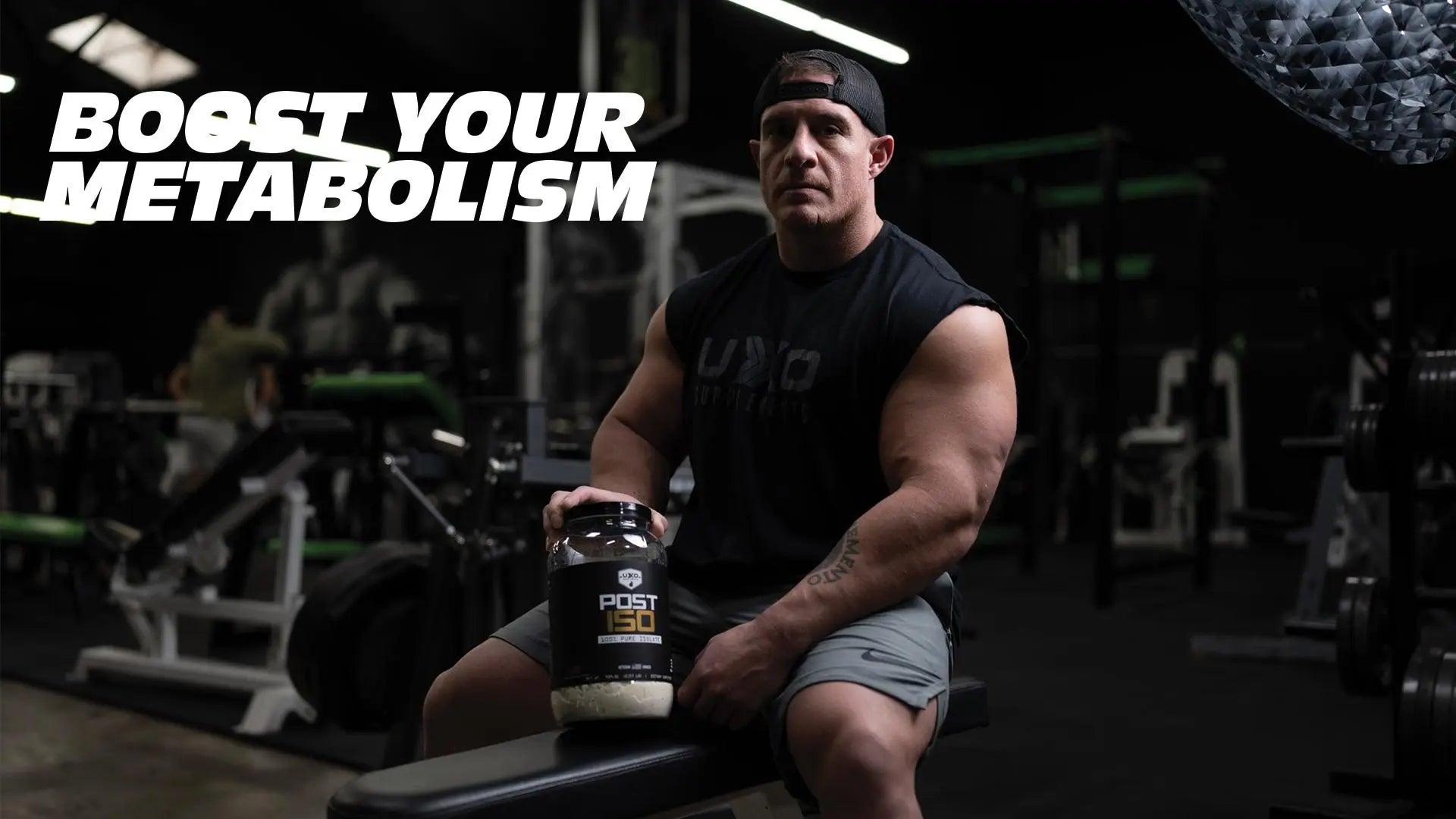
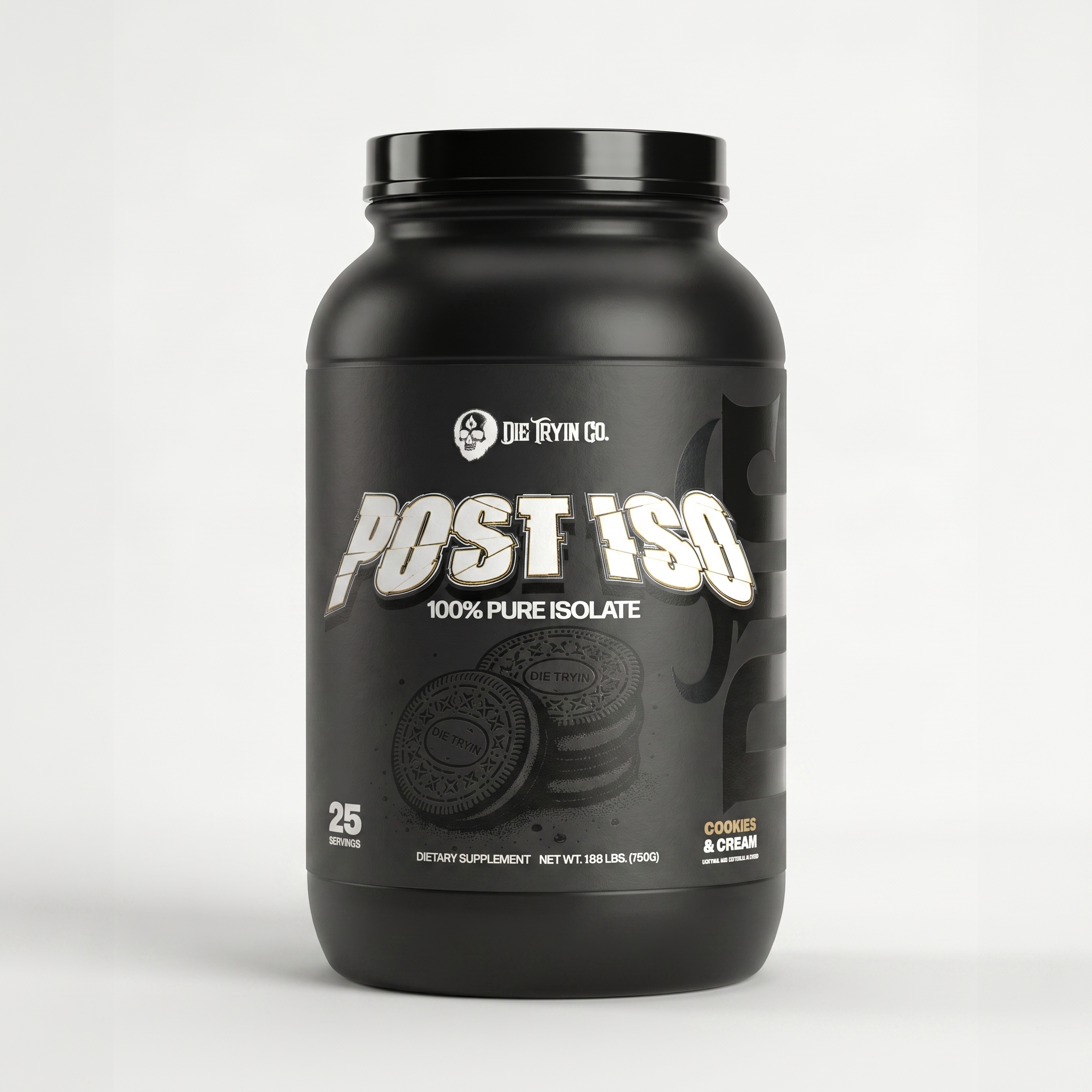
Practical translation: swapping calories toward protein raises the digestion tax slightly and makes the deficit easier to hold. That's it. It's not a metabolic override. If you don't know your current intake, start with how macros actually work, then make protein the anchor of each meal. A scoop of Post Iso puts 24g of whey isolate into the day for 110 calories, which is the cheapest way to hit the target without hitting the calorie ceiling.
WHAT TRAINING ACTUALLY CONTRIBUTES
Training burns calories during the session. That's the small part. The bigger contribution is that it's the stimulus that builds and defends the lean mass driving bucket number one.
A quick reality check on the afterburn myth while we're here. The post-workout elevation in metabolism is real and it's small, usually tens of calories, not the hundreds implied by "you'll burn all day." Same for your watch: wrist-based calorie estimates during lifting are guesses dressed up as data. Train for the adaptation. Let the burn be a side effect.
And the honest comparison, straight from the meta-analysis above: resistance training moved resting metabolic rate, aerobic training did not. Cardio is still worth doing (heart, work capacity, and it adds directly to your daily expenditure while you're doing it). It just isn't the tool for raising the baseline. That's what lifting is for, and it's the through-line in the full guide to losing fat and keeping muscle.
WHY MOST "METABOLISM BOOSTERS" DON'T MOVE THE NEEDLE
Here's the pattern. A compound shows a measurable thermogenic effect in a lab. Marketing converts that into a percentage. The percentage gets applied to your entire daily burn instead of the tiny slice it was measured against. Suddenly a 20-calorie effect is a "400% metabolic boost" on a label. Proprietary blends make it worse, because if a brand won't tell you the dose, they're hiding something.
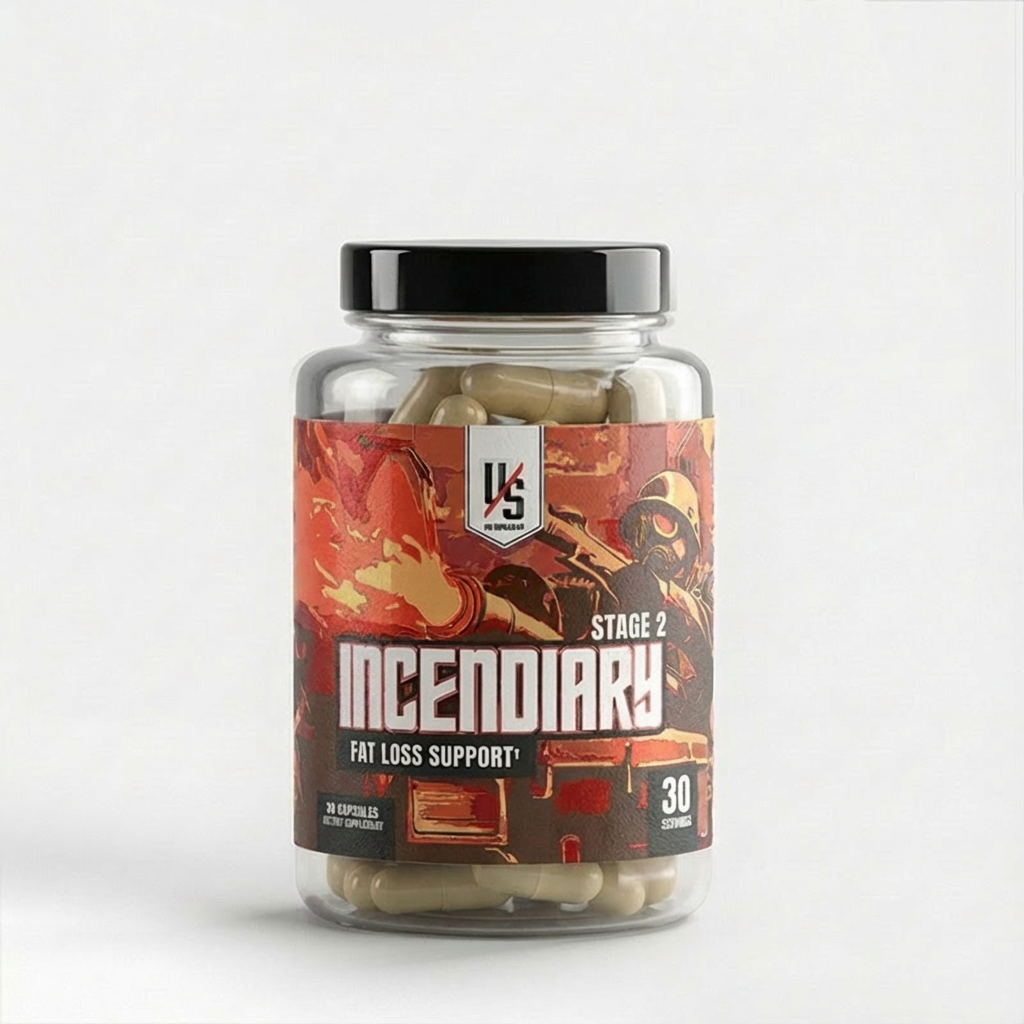
Real doses of real ingredients can support a cut. They cannot substitute for one. Incendiary Stage 2 carries the full 500mg dose of L-β-Aminoisobutyric Acid (MitoBurn®), and we'll say the quiet part out loud: the human research on L-BAIBA is still early, most of the evidence is preclinical, and it's a support piece stacked on top of a working foundation, not a replacement for one. Same standard we apply to every SKU. Would I take this before training? If the answer isn't yes, it doesn't make the cut. For the wider breakdown of what fat-loss ingredients can and can't do, read how to burn fat quicker.
THE HONEST PLAYBOOK
Five things, in priority order. Do them badly and you'll still beat anyone chasing a thermogenic.
- Lift heavy, 3 to 4 days a week. Compounds, progressive load, years not weeks. This is the only lever that raises the baseline.
- Anchor every meal to protein. Highest thermic cost, highest satiety, and it's what protects lean mass in a deficit.
- Add steps deliberately. NEAT is the biggest day-to-day swing you own. Set a floor and hold it even when the cut gets hard.
- Eat enough to keep training hard. Aggressive deficits shrink your output, your NEAT, and eventually your muscle. Slower holds better.
- Sleep like it's part of the program. It's not a metabolic-rate lever the way lean mass is, but it governs whether you move and whether you stay in control of your appetite. More on that in sleep and fat loss.
FREQUENTLY ASKED QUESTIONS
How do I increase my metabolic rate naturally?
Build and keep lean mass with resistance training, eat enough protein, and raise your daily non-exercise movement. Those three cover the levers that are actually yours. Everything else is decimal dust.
Does muscle really burn more calories than fat?
Yes, but nowhere near the "50 calories per pound" figure the internet repeats. The meta-analysis data puts the real-world effect of a resistance-training program at roughly 96 calories per day on resting metabolic rate. Small, permanent, and worth more than any capsule.
Can supplements increase your metabolism?
The measurable effects are small and they sit on top of the foundation, never in place of it. Caffeine and a handful of other compounds nudge energy expenditure. None of them rewrite your baseline. Judge any product by whether it lists real doses, not by the percentage on the front of the tub.
Does eating small, frequent meals boost metabolism?
No. The thermic effect scales with how much you eat, not how many times you split it up. Six meals and three meals with identical intake produce essentially the same digestion cost. Pick the meal pattern you'll actually stick to.
Did I wreck my metabolism from dieting?
Almost certainly not. A smaller body with less food coming in burns less. That's arithmetic, not damage. Rebuild by eating back to maintenance, training hard, and rebuilding lean mass, and the number climbs back with the tissue.
How long does it take to increase metabolic rate?
NEAT changes today. The thermic effect changes with your next meal. The resting number moves on the timeline that muscle moves on, which is months and years. Consistency beats intensity here more than anywhere else.
READY TO GEAR UP?
Metabolism isn't a product. But the tools that protect lean mass and make the protein target easy are worth having on the shelf.
- Hit the protein target without the calorie ceiling: Post Iso (24g whey isolate, 110 calories, DigeZyme enzyme complex)
- Defend lean mass daily: Creatine Monohydrate (5g micronized, no novel-form marketing)
- Fat-loss support on top of a working foundation: Incendiary Stage 2 (500mg MitoBurn®)
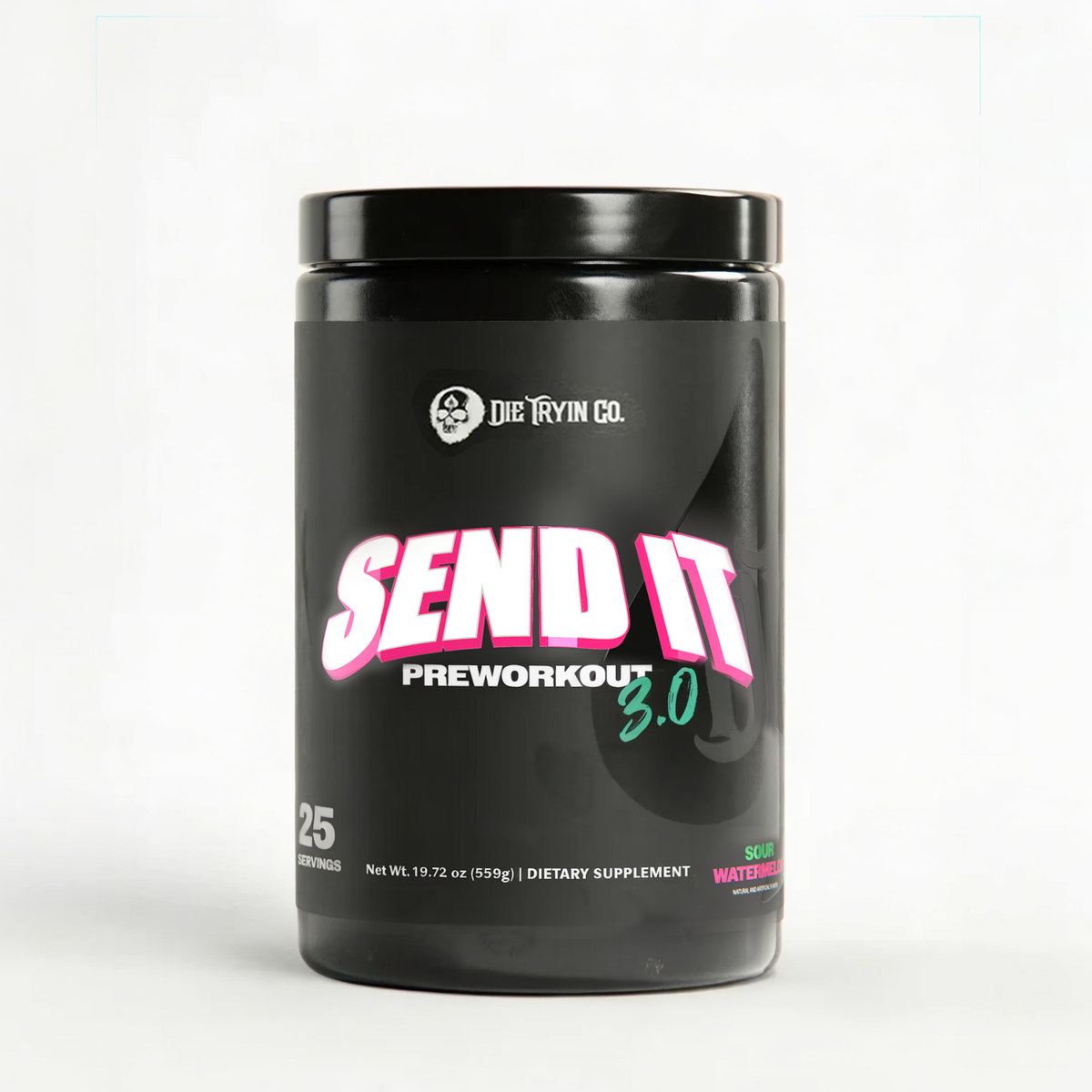
- Show up and train hard on the days that matter: SEND IT 3.0
- Not sure where to start? Take the supplement quiz
Basics beat hype. Lift, eat protein, move all day, sleep. That's the whole metabolism protocol, and nobody can package it.
ALWAYS FORWARD.

GEAR THAT FITS THIS POST
The products this article actually talks about. Real doses, disclosed labels, veteran owned.


Read more
Fish oil, coffee, apple cider vinegar — the "metabolism-boosting foods" the industry sells you. Here's the honest research on each, and the real levers that actually move the needle.
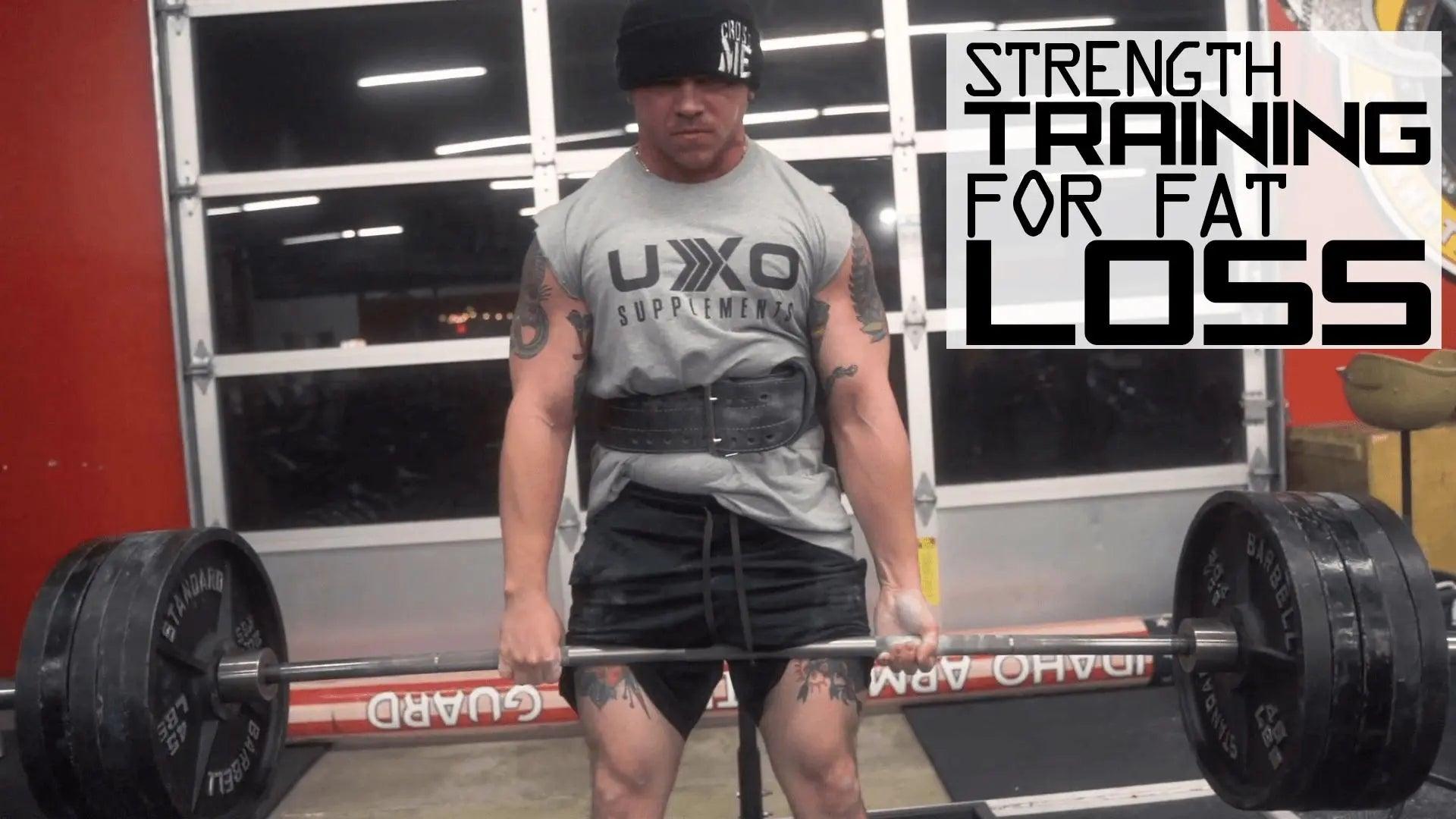
Think you shouldn't lift weights while losing fat? It's a myth. Here's how strength training preserves muscle, protects your metabolism, and beats cardio alone.
Protein does more than build muscle. 8 real benefits ranked by evidence strength: satiety, metabolic boost, bone density, sarcopenia prevention, and more.
You can't out-train a bad diet. Here's the no-BS guide to macros — what they are, why they matter, and how to count them so you actually hit your goals.

The no-BS playbook for losing fat without losing muscle. Energy balance, protein, training, sleep, and the supplements that actually help.

How Do I Burn Fat Quicker? Since starting the company, we have received a lot of questions regarding ways to lean out (or the most common