



How to Improve Athletic Performance: What Moves the Needle
By Jon Klipstein, U.S. Army Combat Veteran & Founder of Die Tryin Co.
Science reviewed by Onur Oncer, BS Physiology and peer-reviewed published researcher.
ATHLETIC PERFORMANCE IS A TRANSFER PROBLEM
Listen up. Most "boost your athletic performance" articles hand you a list of things that are good for you. That is not the same list as the things that make you faster, and the gap between them is the entire game.
Fit is a general state. Fast is a specific one. Strength only becomes speed when the training sits close enough to the real movement to carry over. That is why the strongest lifter in your gym is often not the fastest guy on the field, and why plenty of fast athletes cannot squat their bodyweight for five.
What follows is the transfer chain: build force, learn to express it in a hurry, then rehearse it at full speed. Mobility and flexibility work earns its own place in a program, but it is a separate job with its own article and out of scope here. Same with warm-up design, covered in Level Up Your Warm-Up.
| QUALITY | WHAT IT ACTUALLY IS | HOW YOU TRAIN IT | WHAT SUPPORTS IT |
|---|---|---|---|
| Max force | The ceiling on everything downstream. No force, no power. | Heavy compounds, 3-6 reps, 2-3x/week | Creatine Monohydrate |
| Rate of force development | How much of that force you can produce in a fraction of a second. | Jumps, bounds, throws, Olympic variations | SEND IT 3.0 |
| Reactive strength | Ground contact quality. Stiff ankle, fast bounce, no leak. | Depth jumps, pogos, short-contact hops | Red Dot (stim-free) |
| Top speed | A skill. It does not appear on its own from lifting. | Actual max-velocity sprinting, fully rested | Aqua Spike |
| Repeatability | Doing it again in the fourth quarter, and again on Thursday. | Conditioning, fueling, sleep, deloads | Post Iso |
STEP ONE: FORCE IS THE CEILING
Power is force times velocity. If the force side is small there is nothing to accelerate, and no amount of clever plyometric programming fixes that. It is the least glamorous part of athletic development and the part most recreational athletes skip, because jumping around feels more like sport than a heavy set of five does.
Keep it boring on purpose. Two or three lifting days built around squat, hinge, press and pull patterns, in the 3-6 rep range with real load and real rest. You are chasing force production, not a pump. The full programming logic lives in our Ultimate Guide to Muscle Building.
- Squat or split squat — 3-5 sets of 3-5, leave a rep in reserve on most sets
- Hinge (deadlift, trap bar, RDL) — 3-4 sets of 3-6
- Horizontal + vertical press and pull — 3 sets of 5-8
- Direct posterior chain and calf work — the tissue that eats sprint forces
STEP TWO: PLYOMETRICS TEACH THE NERVOUS SYSTEM TO HURRY
Plyometrics are the bridge. They train the stretch-shortening cycle, the mechanism that lets a tendon load and return energy fast enough to matter in a stride or a cut. The measurable version is the reactive strength index: jump height divided by ground contact time.
The evidence base here is unusually deep. A 2023 systematic review with meta-analysis in Sports Medicine pooled 61 studies covering 2,576 participants and found plyometric jump training improved reactive strength index against active and specific-active control groups, with an overall effect size of 0.54 (95% CI 0.46-0.62). Honest caveats: that sample ranged from 8 to 73 years old, roughly 60% of participants were under 18, about 78% were male, and the authors rated the certainty of evidence as moderate. A real effect, not a huge one, and youth athletes are over-represented in it.
The dose findings point somewhere useful, with one caveat. Gains were larger with programs longer than seven weeks, with more than 14 total sessions, and with three weekly sessions, and adults responded better than youths. Total jump volume above or below roughly 1,080 jumps made no difference. But those subgroup comparisons ran from p = 0.027 to p = 0.060, so not every one of them cleared significance, and the authors' own meta-regression found that frequency, duration and session count did not predict the size of the effect. Read it as a direction, not a prescription: consistency and duration beat volume in any single session.
- Start extensive: pogo hops, ankle bounces, low box step-offs. Short ground contacts, quiet landings.
- Progress to intensive: depth jumps, broad jumps, single-leg bounds — only once landings look controlled.
- Keep sets short: 3-6 contacts per set, full recovery. The moment contact time gets sloppy, the set is over.
- Do them fresh: before lifting or on their own day, never at the tail end of a conditioning session.
STEP THREE: IF YOU WANT TO BE FAST, YOU HAVE TO SPRINT
Speed is a skill, and you cannot backdoor it through the weight room. Squatting more and jumping higher raise the ceiling on how fast you could run. Only sprinting teaches you to organize the limbs at 95-100% effort.
One or two exposures a week is enough, and they need to be genuinely fresh. Ten to twenty minutes — short accelerations building to a handful of longer runs with full walk-back recovery — is a complete session. Sprinting tired is not conditioning. It is rehearsing a slower version of yourself.
ENDURANCE ATHLETES: THE BARBELL IS PART OF YOUR PROGRAM
Runners, cyclists and combat athletes hear "strength work" and picture losing their engine. The research points the other way, and at a specific kind of strength work. A 2024 Sports Medicine systematic review with meta-analysis on strength training and running economy in middle- and long-distance runners found small improvements from high-load training (effect size -0.266, p = 0.039), moderate improvements from combining two or more methods (-0.426, p = 0.018), and small improvements from plyometric training at slower speeds of 12 km/h or less (-0.307, p = 0.028). Certainty was graded moderate for the high-load and plyometric findings, low for the combined-methods one.
Report the null results too, because they are the useful part. In that same analysis, submaximal-load and isometric strength training produced no significant improvement in running economy at all. A separate 2021 meta-analysis in the Journal of Sports Sciences, pooling 21 studies and 511 endurance runners, found jump training moderately improved 2-5 km time-trial performance (effect size 0.88) while leaving VO2 max, velocity at VO2 max and maximal strength unchanged. The authors read that gain as coming through force production and running economy rather than a bigger engine, which is their interpretation, not a measured mechanism. The aerobic half of the equation is in Importance of VO2 Max, and SEND IT Sport sits at 145 mg caffeine so it does not wreck a 90-minute effort.
THE POST-ACTIVATION TRICK, AND WHY IT'S SMALLER THAN YOU THINK
You have seen it: heavy squat, wait a few minutes, jump higher. That is post-activation potentiation, and it is real, but the marketing has outrun the data. A 2016 meta-analysis in Sports Medicine covering 47 studies and 1,954 participants found only small effects on jump (0.29), throw (0.26) and upper-body ballistic performance (0.23), with a moderate effect on sprint performance (0.51).
The honest read: the effect was larger in stronger athletes with more resistance training experience, making it a tool for people who already did steps one and two, not a shortcut past them. Plyometric conditioning activities (0.47) edged out traditional high-intensity ones (0.41), moderate-intensity work barely moved (0.19), and maximal isometrics did nothing measurable (-0.09). Build the base first.
WHERE SUPPLEMENTS ACTUALLY SIT IN THIS
Supplements do not create adaptations. They protect the quality of the sessions that do. That is the only claim worth making. Basics beat hype, and nothing in this catalog outranks 14 weeks of consistent plyometric and sprint exposure.
- Creatine Monohydrate — 5 g daily. It works through saturation, not timing. Skip the novel forms; that is marketing.
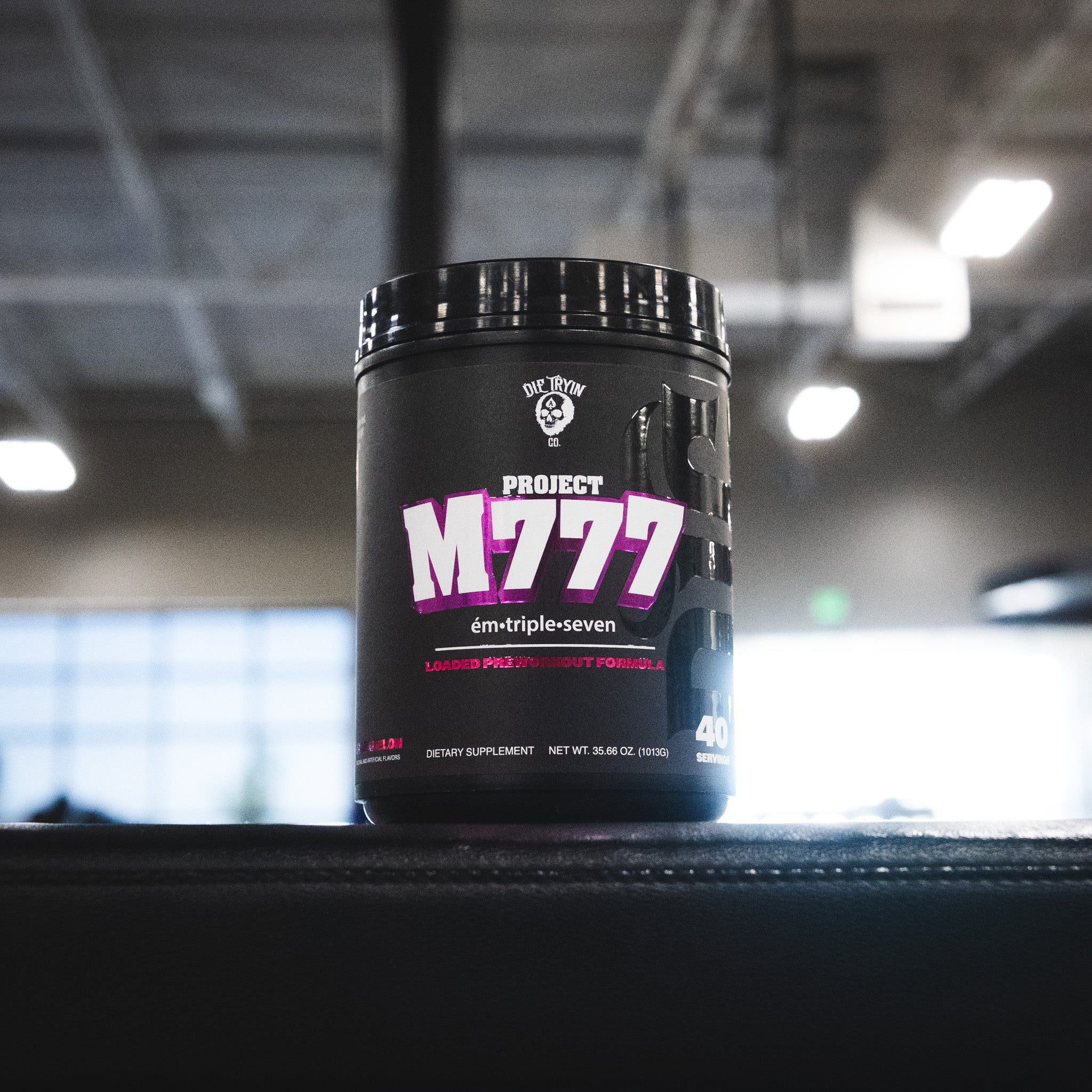
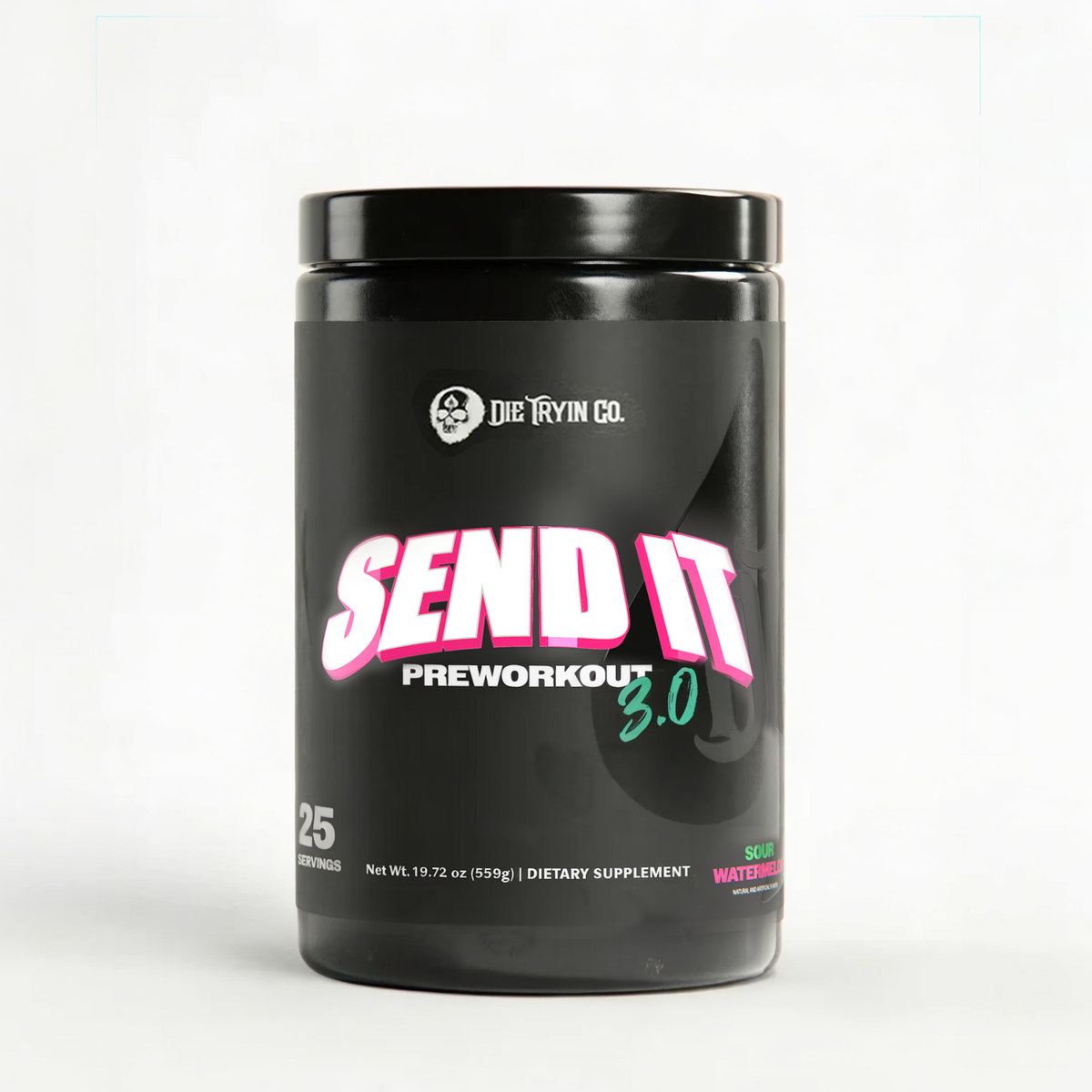
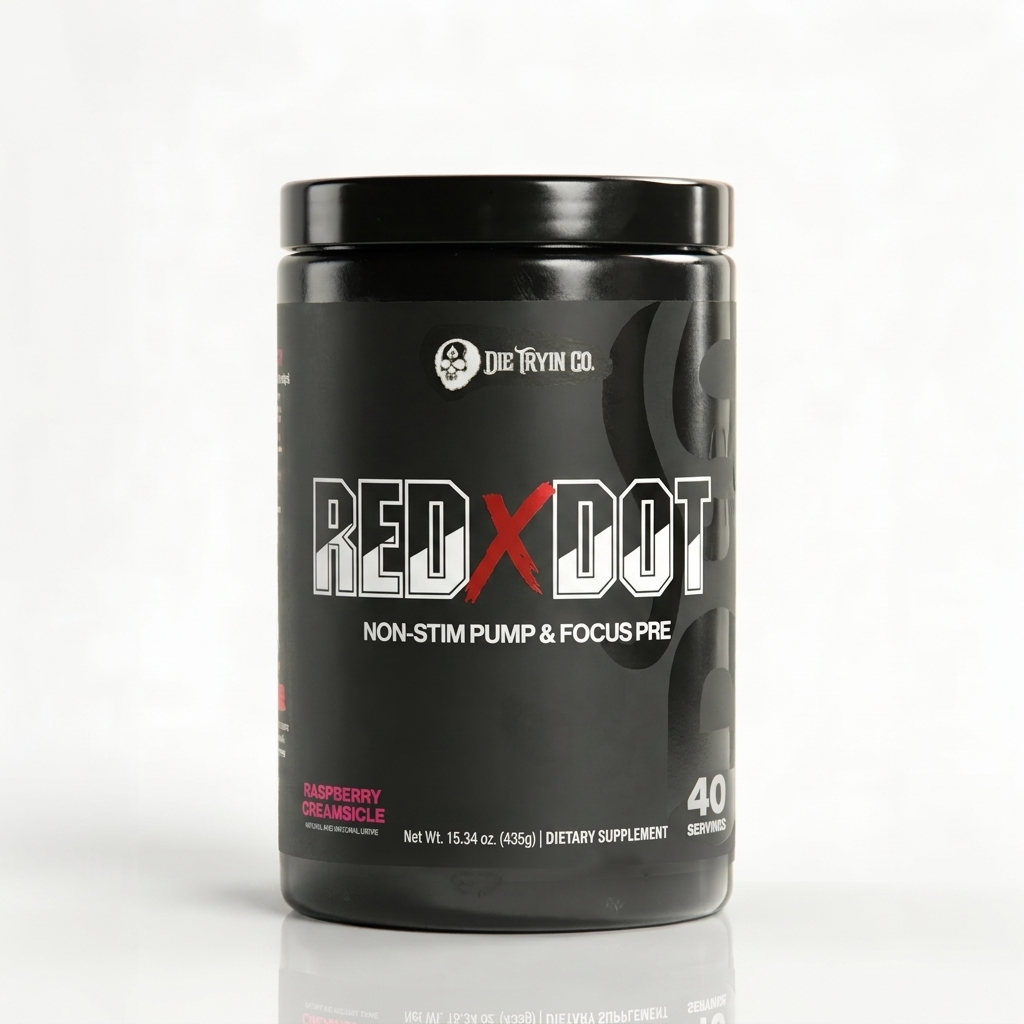
- Caffeine, dosed to the session. SEND IT 3.0 for a standard training day, Project M777 for the hard ones, Red Dot when you need pump and focus with zero stimulant.
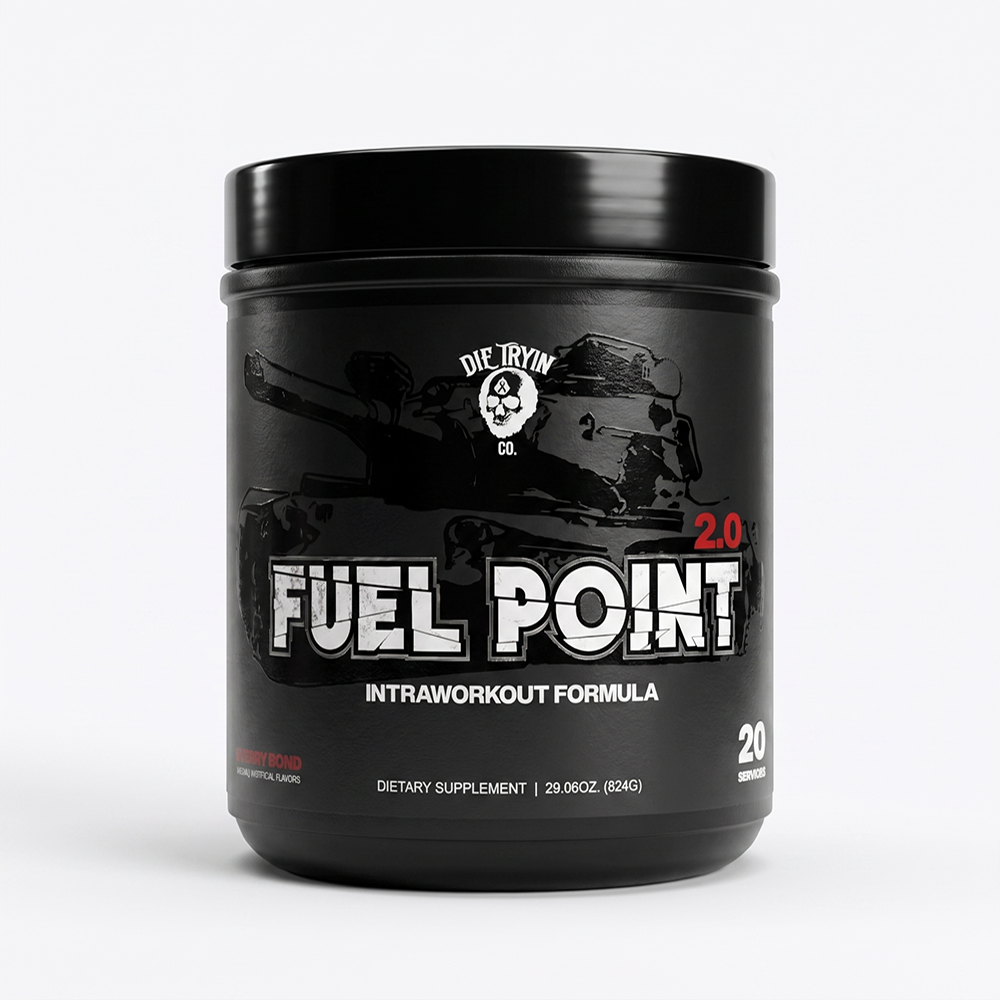
- Hydration and fuel. Sprint and plyo quality falls apart when you are dry. Aqua Spike for electrolytes, Fuel Point for carbohydrate on long sessions. Timing detail in our pre/intra/post guide.
- Protein you will actually hit. Post Iso at 24 g per serving, because most athletes miss the target by convenience, not knowledge. See The Athlete's Guide to Fueling.
WHAT THE WEEK ACTUALLY LOOKS LIKE
None of this requires more training time. It requires better ordering: fast work first, heavy work second, conditioning last, and hard days separated by real recovery days. A workable template for an in-season or general-prep athlete:
- Day 1 — Sprint (short accelerations) → lower body heavy → light posterior chain
- Day 2 — Upper body heavy → med-ball throws → easy aerobic work
- Day 3 — Off, or easy movement
- Day 4 — Plyometrics (low volume, high quality) → lower body moderate
- Day 5 — Sprint (longer runs) or sport practice → upper body accessory
- Day 6-7 — Conditioning, then off. Sleep is the session you are not counting.
Every fourth to sixth week, back the volume down — that is when the adaptation actually lands. See Why Deloads Are Important, Are You Overtraining?, and The Training Sweet Spot for where that line sits, and our Ultimate Guide to Recovery for the full structure.
FREQUENTLY ASKED QUESTIONS
How long does a plyometric block need to run before it pays off?
Give it more than seven weeks and more than 14 total sessions. That is where the 2023 Sports Medicine meta-analysis saw larger gains in reactive strength, with three weekly sessions outperforming fewer. Treat those as a rough floor, not a hard threshold — the same paper's meta-regression could not confirm any single training variable drove the result.
Do I need to be strong before I start plyometrics?
You need to control landings, which is not the same as hitting a strength standard. Start with low-amplitude hops and step-offs and earn the depth jumps. That same research found no extra benefit from piling up jump volume, so there is no reason to rush.
Will heavy lifting make me slow or too heavy for my sport?
Not if the sprint and jump work stays in the program. Force is the ceiling on power, and in middle- and long-distance runners specifically, high-load training improved running economy while submaximal-load and isometric training did not. The risk is not lifting heavy — it is lifting heavy and nothing else.
How many sprint sessions per week?
One or two, always fresh, with full recovery between runs. Ten to twenty minutes of true max-velocity work is a complete session. Sprints run as punishment or conditioning are a different quality entirely, and will not build top speed.
Does jump training raise VO2 max?
Not in the data we have. The 2021 meta-analysis of 21 studies in endurance runners found jump training improved 2-5 km time-trial performance without changing VO2 max, velocity at VO2 max, or maximal strength. Same engine, more of it reaching the ground.
Should I do plyometrics and lifting in the same session?
Yes, in that order — jumps first while the nervous system is fresh, heavy work after. Running both methods inside one program is what the "combined methods" arm of the running economy analysis tested, and it produced the largest effect of any method there. Two caveats: that review compared methods across a program, not session ordering, and rated the certainty of that finding low.
READY TO GEAR UP?
Build the base, protect the sessions, repeat for months. Here is what backs the work:
- Creatine Monohydrate — 5 g micronized, daily
- SEND IT 3.0 — the daily driver
- SEND IT Sport — 145 mg caffeine for long sessions
- Red Dot — stim-free pump and focus
- Aqua Spike — electrolytes for heavy sweat
- Post Iso — 24 g whey isolate
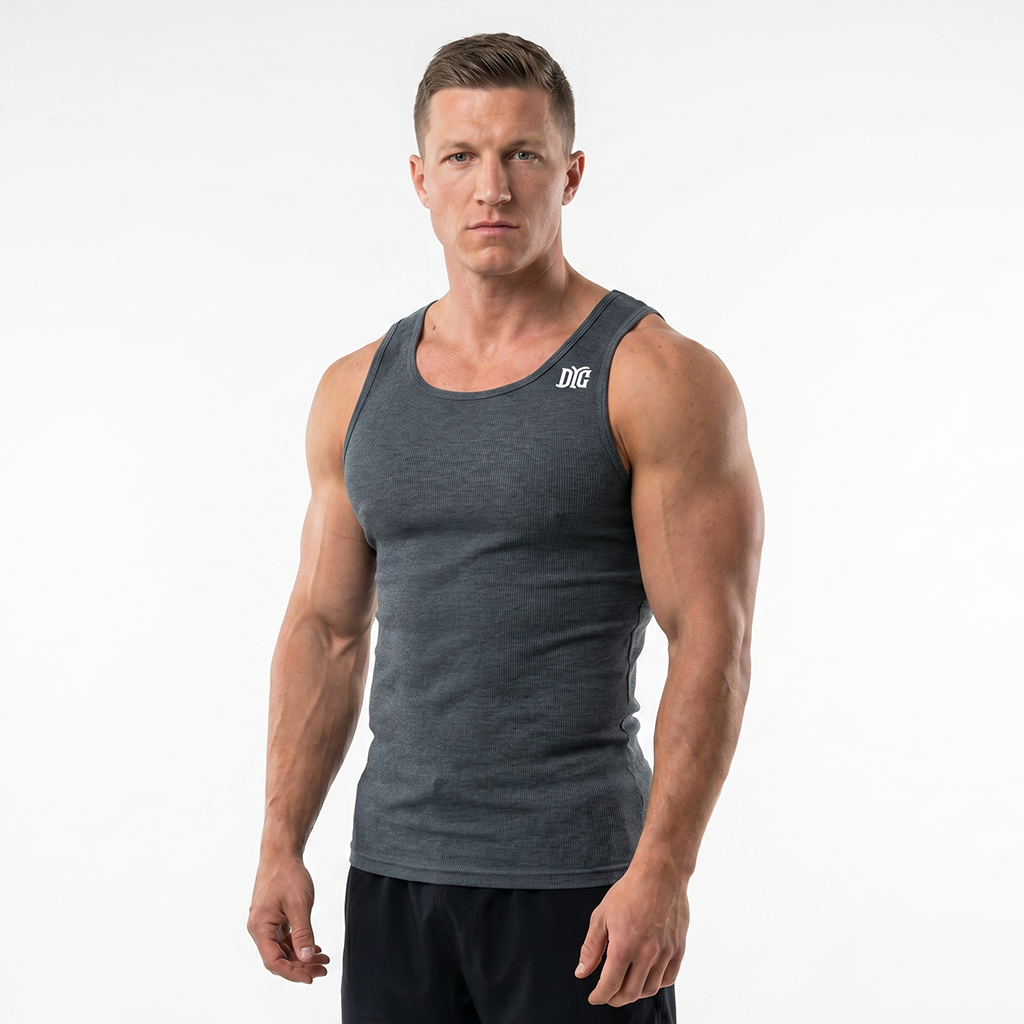
- DTC Athletic Tee — for the days you train outside
- Take the quiz — two minutes to a starting point
Discipline beats motivation. Consistency beats intensity. Train fast when you are fresh, train heavy when you are ready, and give it more weeks than you think it needs.
ALWAYS FORWARD.
GEAR THAT FITS THIS POST
The products this article actually talks about. Real doses, disclosed labels, veteran owned.


Read more
Five minutes on a treadmill is not a warm-up. Here is the four-phase ramp that actually preps you to lift heavy, plus what the research says about foam rolling and static stretching.

The complete playbook for building muscle that actually lasts. Training, nutrition, recovery, and the supplements that move the needle — no hype.

Being unfit carries a larger mortality risk than smoking or diabetes. Here is what VO2 max measures, how to estimate it, and how to train it.
What to take before, during, and after training — and exactly when. The complete pre/intra/post supplement timing guide. No filler, no 12-bottle stacks.

The complete athlete's guide to fueling: carbs for output, protein for recovery, fats for hormones. Daily targets, timing, and the mistakes that kill progress.
Recovery is the other half of adaptation. The signals you need a deload, and exactly how to run one without losing progress.