



Stretch-Pause Reps: Train the Loaded Stretch
By Jon Klipstein, U.S. Army Combat Veteran & Founder of Die Tryin Co., and Garrett Ussery, NASM-CPT & 2025 Idaho Cup Overall Champion
Science reviewed by Onur Oncer, BS Physiology and peer-reviewed published researcher.
STOP GIVING THE BOTTOM HALF AWAY
Listen up. Most lifters train the top half of the rep and treat the bottom half like a commute. They fight for the squeeze, then dump the weight back down and bounce out of the hole. That is backwards.
This is the protocol page. How long to hold, how much to load, how many reps, and which of the three stretch tools to run when. The case for why the stretched position grows muscle is already made in our back-focused stretch guide, so we are not re-arguing it here.
Three tools train the stretch directly: stretch-pause reps, intra-set stretching, and lengthened partials. Same principle, three different jobs. Below is how to run each one, and where the hype outruns the evidence.
One thing this is not: flexibility work. You are not stretching to touch your toes. You are loading a muscle at length and making it produce force there.
THE THREE STRETCH TOOLS AT A GLANCE
| TOOL | WHAT IT IS | WHEN TO USE IT |
|---|---|---|
| Stretch-pause rep | Lower under control, hold the stretched position for 3 seconds, then lift. | Free-weight compounds where the stretch is genuinely loaded. |
| Intra-set stretching | Hold the loaded stretch for a long count inside the set, then finish the reps. | Loads length when the joint cannot take more plates. The general tempo case lives in time under tension. |
| Lengthened partial | Half reps performed only in the bottom, stretched half of the range. | End of a set, after clean full reps are gone. See training to failure. |
WHAT A STRETCH-PAUSE REP ACTUALLY IS
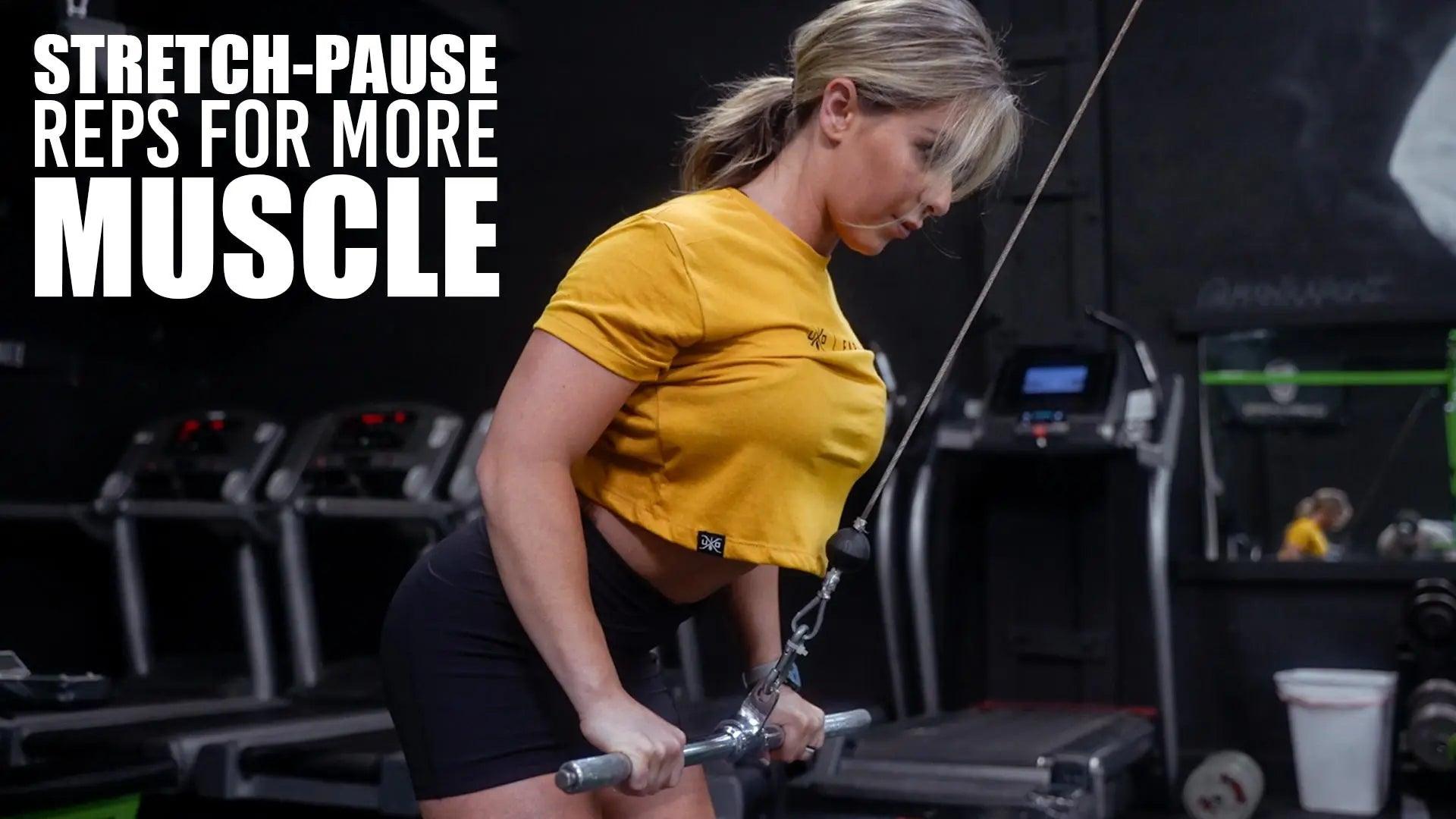
The mechanics are simple. Lower the weight slowly and under control until the working muscle is fully lengthened. Hold there for three seconds. Then lift.
The pause is the whole point. It kills the bounce, removes the elastic rebound you have been stealing energy from for years, and forces the muscle to restart the rep from a dead stop in its weakest position. Do not shorten the hold once fatigue shows up. The rep you rush is the rep that did not count.
- Load: a weight you could take for a clean 8 to 12 reps
- Reps: 6 per set, every one with a full 3-second hold in the stretch
- Best lifts: dumbbell bench press, stiff-leg deadlift, incline dumbbell curl, dumbbell row, cable fly
- Where it fails: machines that unload at the bottom, and any position that is a joint end-range instead of a muscle end-range
WHY THIS IS WORTH DOING AT ALL
Short version: the lowering phase is not the rest phase, and a muscle held under load at its longest has to produce force where it is weakest instead of coasting through the easy middle. That argument is made in full in the back stretch guide. Read it there.
Range of motion research points the same direction. A 2021 meta-analysis of 16 studies found full range of motion produced greater gains in strength and lower-body muscle size than partial range of motion. Cutting reps short is the fastest way to make a set feel hard while doing less actual work. For the cleanest exercise-level version of that idea, the seated versus lying leg curl comparison is the one to read. That page is about choosing the exercise. This one is about how you run the rep.
THE HONEST VERSION OF THE SCIENCE
Here is the part the stretch-training crowd leaves out. A 2025 Bayesian meta-analysis of 12 studies in young adults found that training at longer versus shorter mean muscle lengths produced similar regional growth. The authors also flagged that the muscle-length difference between the compared groups averaged only about 22 percent, so the question is far from settled.
Translation: the stretched position is worth training and full range of motion is worth defending, but stretch-pause reps are a tool, not a cheat code. Anyone selling them as the single reason you are not growing is selling you something. Load progression, total volume and showing up still run the show, which is exactly what the complete guide to building muscle covers.
INTRA-SET STRETCHING: LENGTH WITHOUT MORE WEIGHT
Sometimes adding weight is off the table, and plenty of lifters would rather not test a repaired shoulder or a cranky knee with heavier plates. Intra-set stretching comes at the problem from the other direction: it parks the muscle in the stretched position under load instead of asking the joint to carry more.
UXO Supplements is now Die Tryin Co. This clip is from the UXO era of the brand.
A general way to run it:
- Pick a weight you can genuinely control for 12 to 15 reps
- Run reps to a hard but clean stopping point, not to a form breakdown
- Hold the stretched position under load for a slow 10 to 15 count
- Finish with as many controlled reps as you still own
- Two to three sets. This is a finisher, not the main course.
LENGTHENED PARTIALS: THE THIRD TOOL
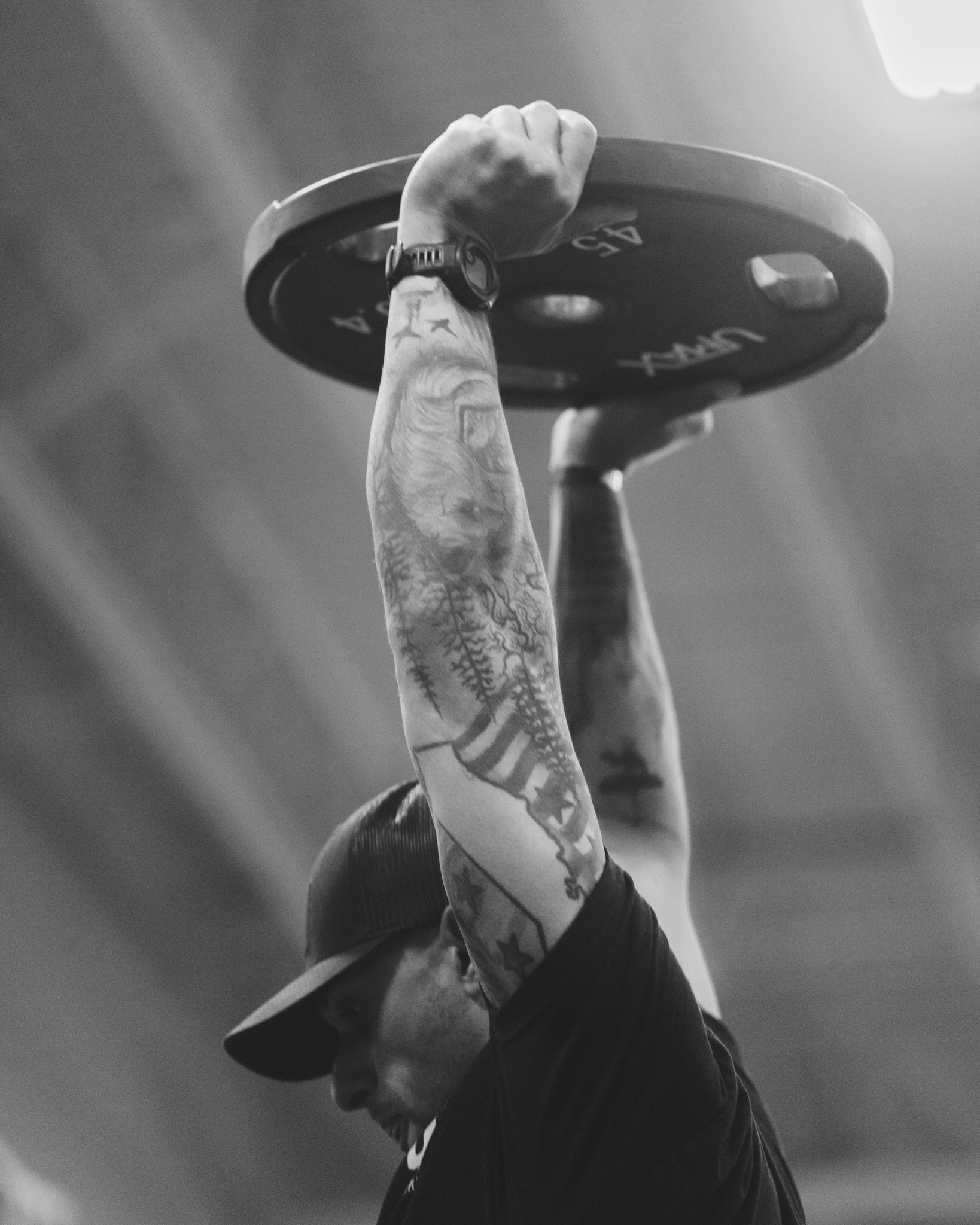
When full reps are gone, most lifters either quit or start heaving the weight up with body english. There is a third option: keep going, but only in the bottom half of the range where the muscle is long. Lengthened partials are half reps performed on purpose in the stretched half of a movement. They extend a set past the point where the top half has failed, and they keep tension parked where it matters most. Use them after the clean full reps are done, never as a replacement for them. The research comparing full and partial ranges was run on partial-range programs, not on partials tacked onto the end of full-range sets, so treat this one as coaching judgment rather than a finding.
WHERE THE STRETCH PAUSE BELONGS IN THE WEEK
Stretch work is expensive. Loading a muscle hard at length creates more mechanical stress and more soreness than the same set run through a comfortable middle range. Treat it like a sharp tool, not a default setting.
- For the first three weeks, cap it at one stretch-loaded lift per muscle per week and see what the soreness does before you add a second
- Do not run it in the same session as a set taken to failure on that same muscle. Failure work and tempo work carry their own dosing rules. Stacking all three on one muscle in one day buys soreness, not growth
- Run it early in the session, while technique is still clean and you are fresh
- Warm the joint and the full range before you load it, using the 4-phase warm-up ramp
- Never add a stretch pause to a lift you cannot already perform with clean technique
- Sharp pain in the joint is a stop sign. A hard stretch in the muscle belly is the target.
If the goal for the day is bar speed and power instead of size, this is the wrong tool. Cluster sets protect output by resting inside the set. Stretch-pause reps do the opposite on purpose.
WHAT THIS COSTS YOU AFTERWARD
Expect more soreness in the first two or three weeks. That is the bill for loading a muscle at length, and it is why the recovery guide matters more once this enters a program. Sleep, protein and sane session frequency do the heavy lifting.
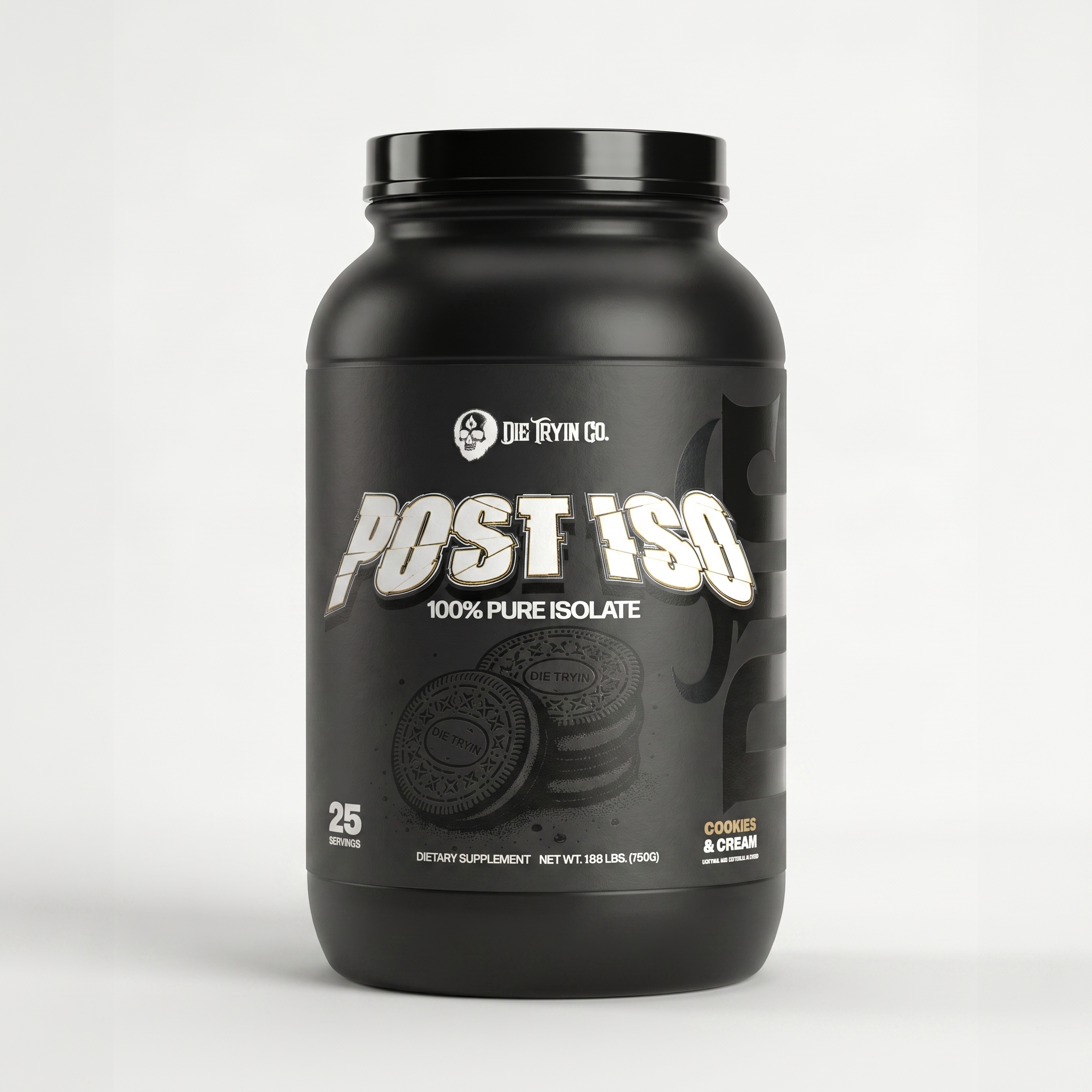
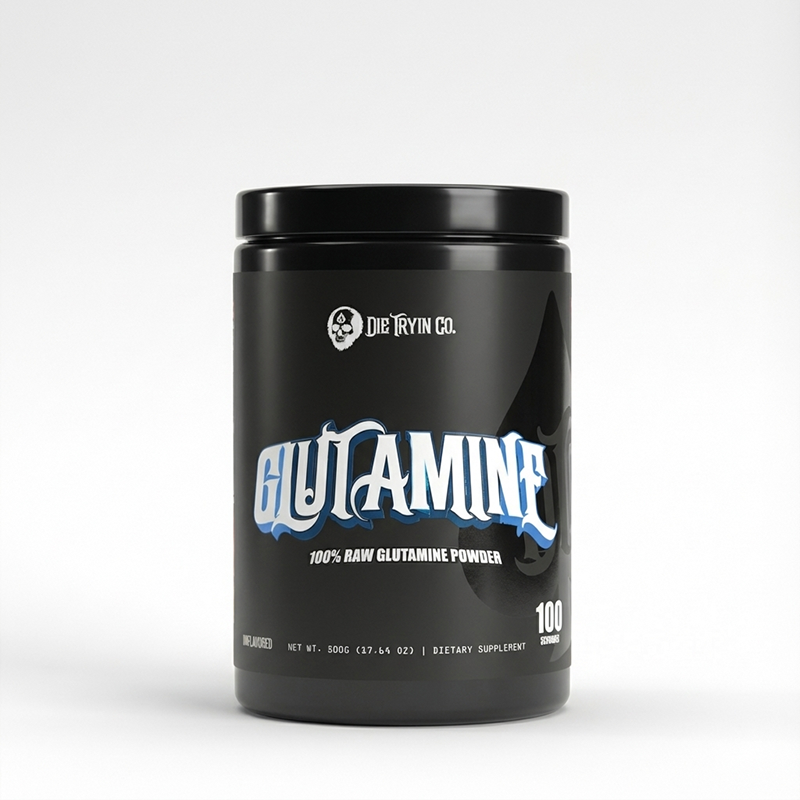
On the supplement side, keep it boring. Creatine Monohydrate at 5g daily is one of the most studied ingredients in sport for training performance. A 24g isolate shake from Post Iso covers protein around the session, and 5g L-Glutamine is a simple add-on some lifters run alongside it. Real doses of real ingredients. None of it replaces the sleep.
FREQUENTLY ASKED QUESTIONS
How long should the pause be?
Three seconds in the stretched position, held on every rep of the set. If the last two reps get a one-second version, the set stopped being a stretch-pause set.
How many reps per set?
Six, using a load you could otherwise take for 8 to 12. The pauses do the extra work, so the rep count comes down while the difficulty goes up.
Is a stretch-pause rep the same as a lengthened partial?
No. A stretch-pause rep is a full rep with a hold at the bottom. A lengthened partial is a shortened rep performed only in the stretched half of the range. Different tools, different jobs.
Can I do this on every exercise?
You can, and you will regret it. One or two lifts per session is plenty. Applying it everywhere buries you in soreness without a matching amount of growth.
Does it help if I train around an old injury?
This is training, not rehab, and it is not medical advice. If a joint is currently painful or under a clinician's care, get cleared first. Once you are cleared, the intra-set version is the easier one on a cranky joint: lighter load, more volume, more time spent at length instead of more plates on the bar.
Will this make me more flexible?
That is not the goal. This is loaded strength training at long muscle lengths. Range of motion can improve as a side effect, but treat it as training, not as a mobility routine.
READY TO GEAR UP?
Stretch work is a discipline problem before it is a programming problem. Hold the pause when it burns and the results follow. Not sure which stack fits your training? Run the supplement quiz and start there.
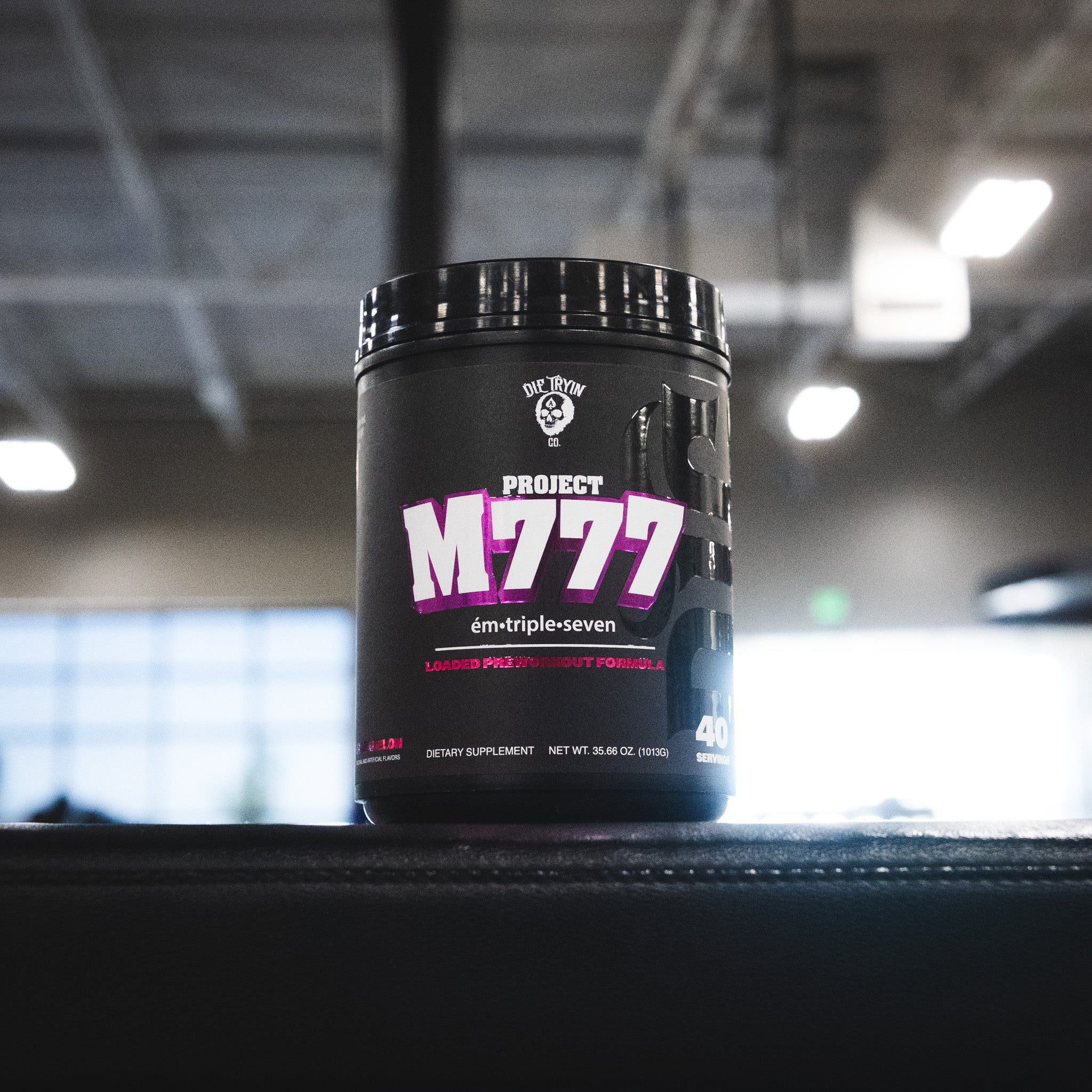
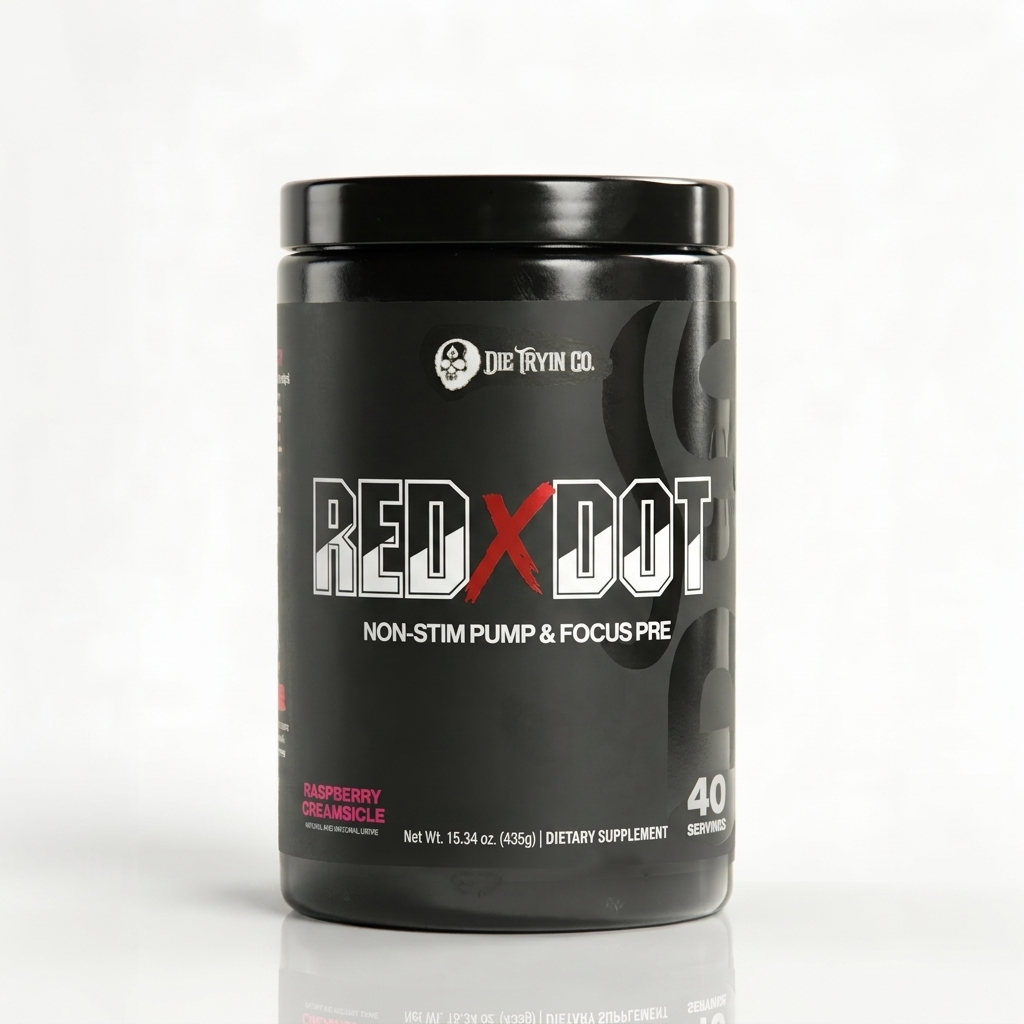
- Red Dot for stim-free pump and focus on high-tension sessions
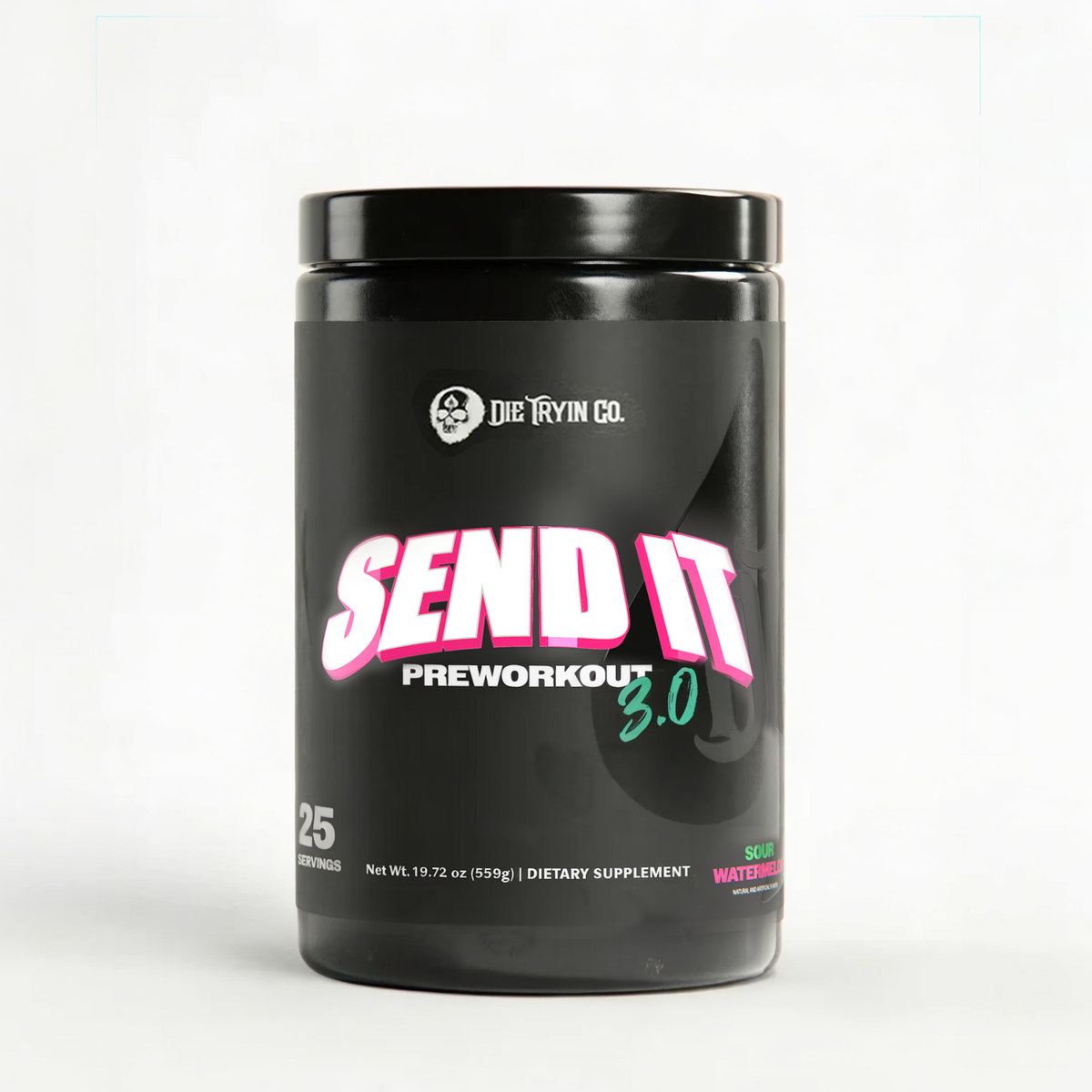
- SEND IT 3.0 when the day calls for a full balanced pre-workout
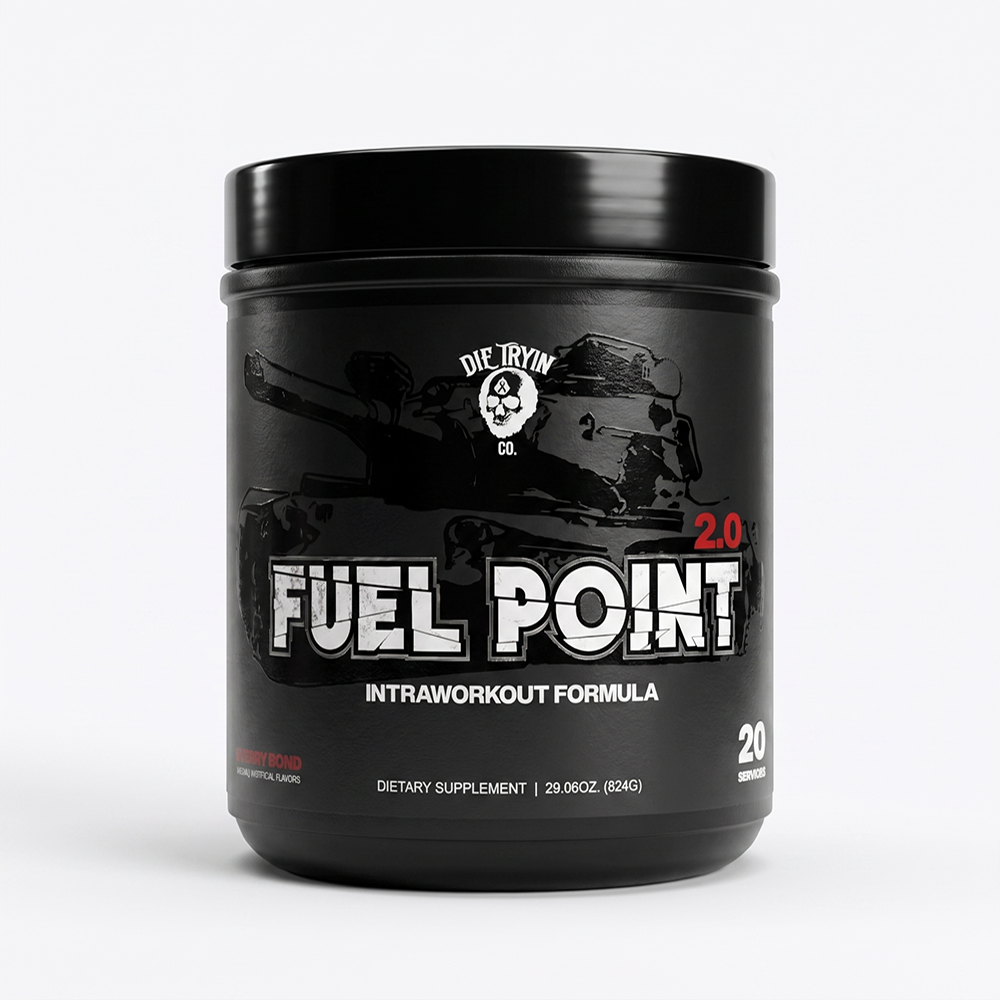
- Creatine Monohydrate and Post Iso for the daily basics
- Mesh Training Shorts because deep ranges of motion and stiff gear do not mix
ALWAYS FORWARD.
GEAR THAT FITS THIS POST
The products this article actually talks about. Real doses, disclosed labels, veteran owned.

Read more

The secret to a bigger back isn't more weight — it's the stretch. Here's how to train your lats at long muscle lengths, demoed on the barbell row.
Time under tension training is a real tool, not a shortcut. Here's what tempo actually does for muscle growth, how to read tempo notation, and where slowing down is worth it.
Training to failure is a tool, not a default. Here is what the research actually says for size and for strength, what the fatigue costs you, and the exact spots where taking a set to the wall earns...
The seated and lying leg curl move the same joint but hold your hip in different positions, and a 12-week MRI trial says that difference is worth about 50 percent more growth. Here is why hip angle...

The complete playbook for building muscle that actually lasts. Training, nutrition, recovery, and the supplements that move the needle — no hype.
Five minutes on a treadmill is not a warm-up. Here is the four-phase ramp that actually preps you to lift heavy, plus what the research says about foam rolling and static stretching.