


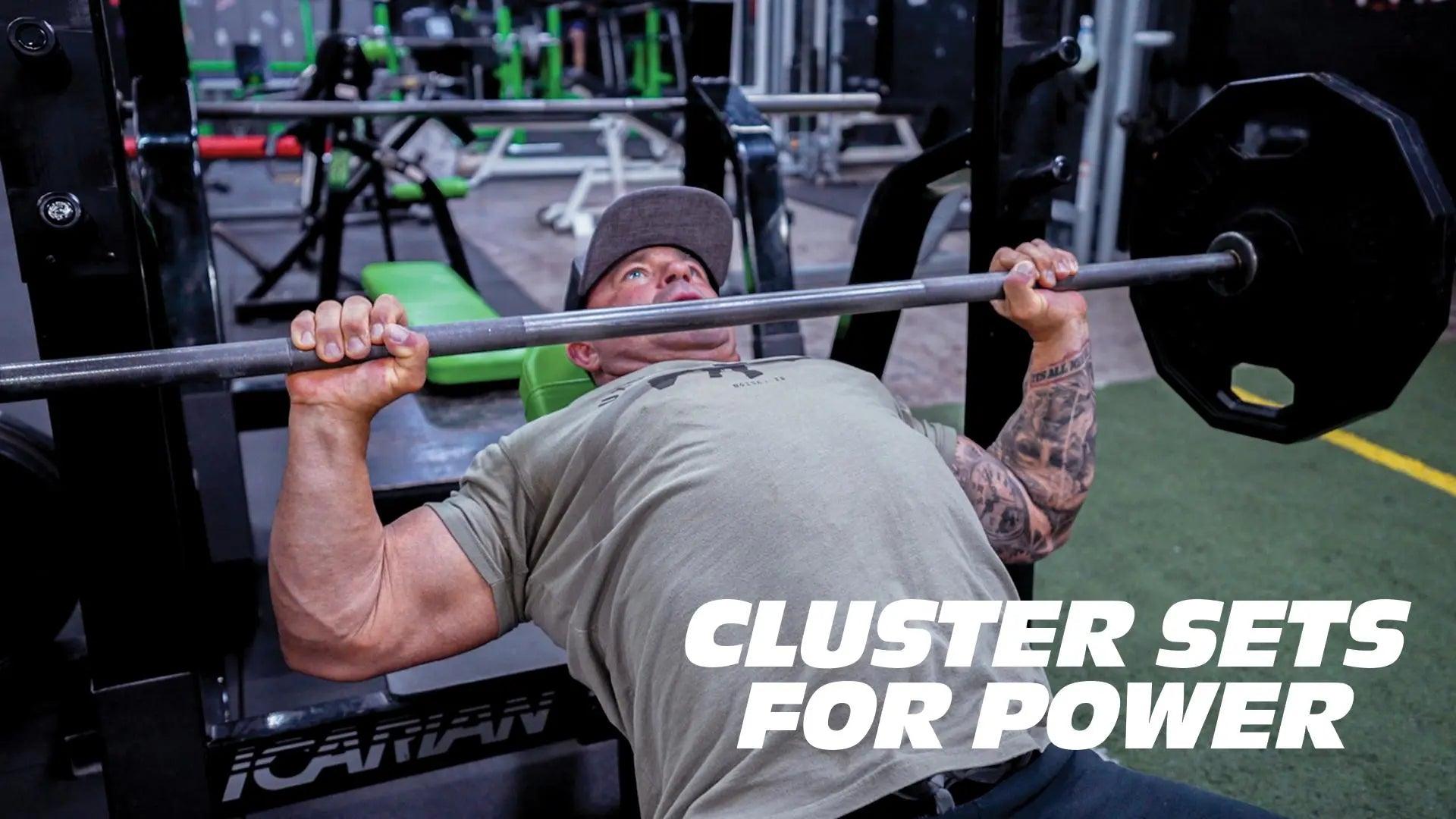
Cluster Sets: Why Rest Mid-Set Keeps Power High
By Jon Klipstein, U.S. Army Combat Veteran & Founder of Die Tryin Co.
Science reviewed by Onur Oncer, BS Physiology and peer-reviewed published researcher.
POWER DIES BY REP FIVE. CLUSTER SETS FIX THAT.
Watch anyone grind a straight set of eight heavy reps. Rep one is fast. Rep four is slower. Rep seven is a grind with the bar path drifting and the speed gone. You logged eight reps. You trained hard for maybe three of them.
Cluster sets break a working set into small chunks separated by a short rest inside the set. Same load. Same total reps. Completely different fatigue curve. Instead of one long slide toward failure, you get several short bursts that all move at close to full speed.
That is the entire method. The rest goes inside the set, not just between sets. And it is a strength and power tool, not a beginner size tool. Here is what cluster set training actually is, what the research supports (and what it does not), who should run it, and the set schemes worth your time.
| YOUR GOAL | CLUSTER SCHEME | REST INSIDE THE SET | LOAD |
|---|---|---|---|
| Max strength | 3 x (2+2+2) | 30 to 45 sec | 85 to 90% 1RM |
| Speed and power | 5 x (1+1+1) | 20 to 30 sec | 75 to 85% 1RM |
| Quality volume at heavy load | 4 x (3+3+3) | 20 sec | 70 to 80% 1RM |
| Size work (secondary use) | 3 x (5+5) | 15 to 20 sec | 65 to 75% 1RM |
WHAT A CLUSTER SET ACTUALLY IS
A cluster set is one working set broken into smaller groups of reps, separated by a short intra-set rest. Written out, 3 x (3+3+3) means three working sets, each containing three mini-clusters of three reps, with a brief rest between clusters and a full rest between sets. Nine reps per set. Never nine reps in a row.
The rest inside the set is short on purpose. Fifteen to forty-five seconds. Long enough to buy back real output, short enough that the set still functions as one continuous piece of work instead of turning into a handful of easy singles.
That is what separates it from rest-pause, which drives a set to failure and then squeezes extra reps out of the wreckage. Cluster sets run the opposite mindset. You are not chasing failure. You are staying away from it so every rep stays fast and clean.
WHY RESTING MID-SET KEEPS POWER HIGH
Short, heavy, fast reps run mostly on stored ATP and phosphocreatine. That fuel drains within seconds of hard work and starts refilling the moment you stop. Twenty to thirty seconds of standing there buys back a meaningful piece of it before the next rep. A straight set never gives you that window, so output bleeds off rep after rep.
The measurements back this up. A systematic review and meta-analysis of 25 studies published in Sports Medicine found that cluster sets attenuated the loss of velocity, power, and peak force compared to traditional sets, and the effect held across different loads, different exercises, and different experience levels.
A back squat study makes it concrete. Strength-trained men ran 3 sets of 12 reps at 60% of 1RM three ways: as straight sets, as clusters of four, and as clusters of two. Velocity and power dropped steadily through the straight sets. In both cluster structures they did not drop, and breaking the set up more often protected output the most. Same load, same reps, better reps.
WHAT CLUSTER SETS WON'T DO
Here is the part most articles leave out. The acute benefit is well documented. The long-term benefit is not. A second Sports Medicine meta-analysis pooled 29 training studies of three weeks or longer and found no significant difference between cluster and traditional set configurations for strength, power, velocity, hypertrophy, or muscular endurance. The authors did note that cluster configurations appear to produce those adaptations with less fatigue accumulated along the way.
Read that honestly. Cluster sets are not a growth hack. They are a fatigue-management tool. You get a comparable training result for a lower fatigue bill, and that matters most when fatigue is the thing limiting you: in-season athletes, heavy strength blocks, or anyone trying to squat hard Monday and still move well Wednesday. For the full picture on what actually drives size, start with the parent guide: How to Build Muscle.
WHO SHOULD ACTUALLY RUN CLUSTER SETS
Cluster sets earn their spot when the quality of each rep matters more than the burn. Strength athletes holding 85% for triples. Power athletes who need the bar moving fast. Lifters in a competition block where accumulated fatigue is the limiting factor, not effort. If you are chasing a new bench 1RM, this is a method worth running.
If you have been training six months and you want to add size, this is not your priority. Learn the lifts, build your weekly volume, and hammer progressive overload first. A newer lifter running clusters is optimizing a variable that was never holding them back, the same reason a beginner does not need FST-7 or advanced tempo work yet.
THREE CLUSTER SET SCHEMES THAT WORK
Pick one. Run it on your main lift. Leave the rest of the session alone.
- Max strength: 3 x (2+2+2) at 85 to 90%. Rest 30 to 45 seconds inside the set, 3 minutes between sets. Six heavy reps per set that all look identical. Best on squat, bench, and deadlift.
- Speed and power: 5 x (1+1+1) at 75 to 85%. Rest 20 to 30 seconds inside the set. Every rep is a fresh single with a fresh setup. Best on trap bar jumps, speed pulls, and Olympic lift variations.
- Quality volume: 4 x (3+3+3) at 70 to 80%. Rest 20 seconds inside the set. Nine reps at a load you could not hold together for nine straight. This is where cluster set training buys you the most.
HOW TO PROGRAM CLUSTER SETS INTO YOUR WEEK
Cluster sets go first in the session, on one or two compound lifts, while you are fresh. Everything after that runs as normal straight sets. Cluster every exercise and your session balloons to ninety minutes with nothing extra to show for it. This is a scalpel, not a template.
Run it as a block, not a permanent setting. Four to six weeks on your main lift is enough to see whether bar speed at a given load improves. Then rotate back to straight sets, into a size phase driven by time under tension, or into whatever your periodization plan calls for next. Cluster work also lines up with what you already know about muscle fiber types and training frequency, since the fast-twitch fibers are the ones you are protecting.
Time the intra-set rest with a clock. Not vibes. Twenty seconds felt is usually forty seconds real, and once the rest stretches past a minute you are not running cluster sets anymore, you are doing singles with extra steps.
THE MISTAKES THAT KILL THE METHOD
Four ways lifters wreck a good method:
- Resting too long. Past 60 seconds it is no longer one set. You lose the density that makes the whole thing work.
- Clustering isolation work. Lateral raises and curls do not need protected bar speed. Save it for the lifts moving real weight.
- Going to failure inside a cluster. The point is staying away from the edge. If the last rep of a cluster turns into a grind, the load is too heavy.
- Bolting it on top of everything else. Cluster sets replace your heavy work. They are not extra work stacked onto a full session.
FUELING HIGH-OUTPUT WORK
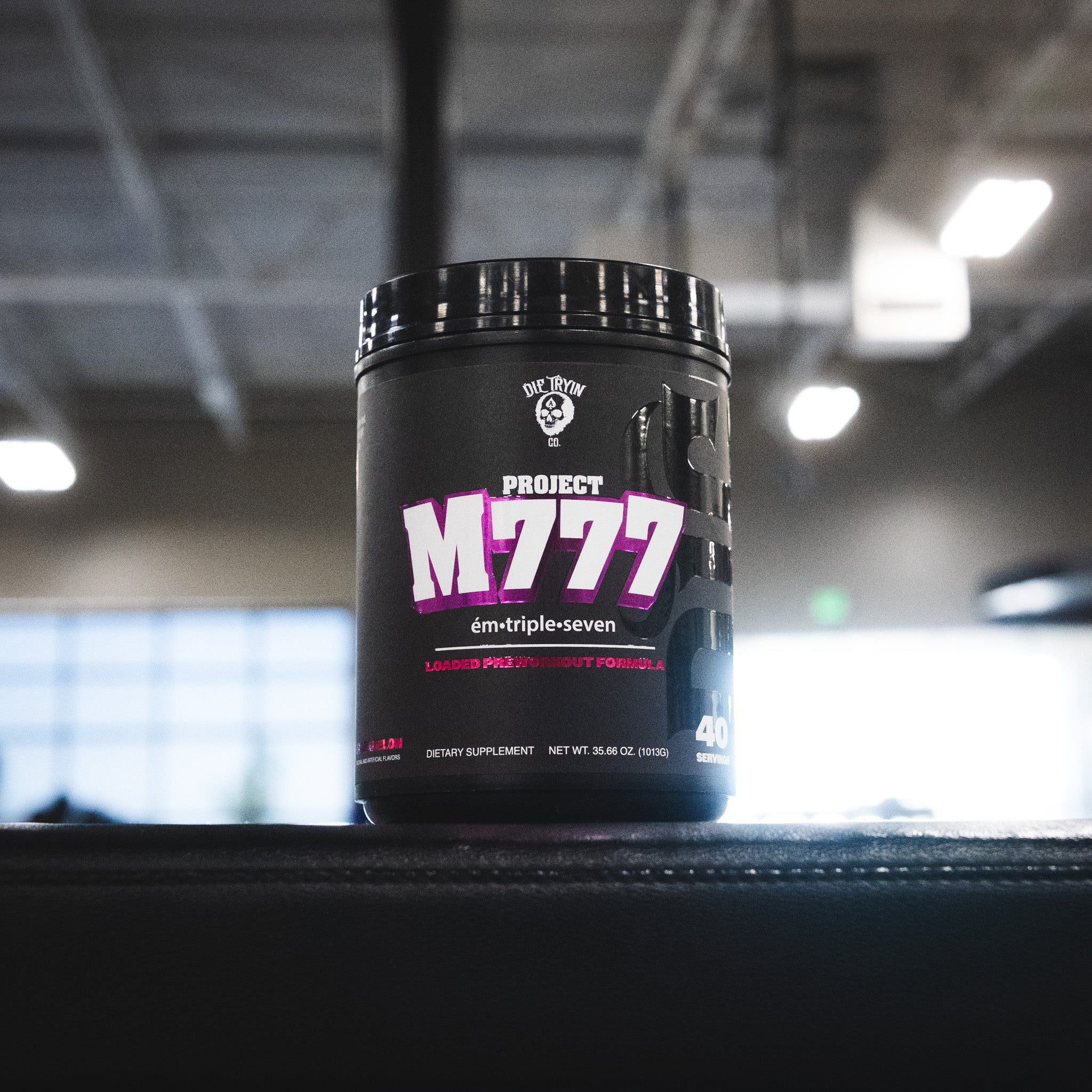
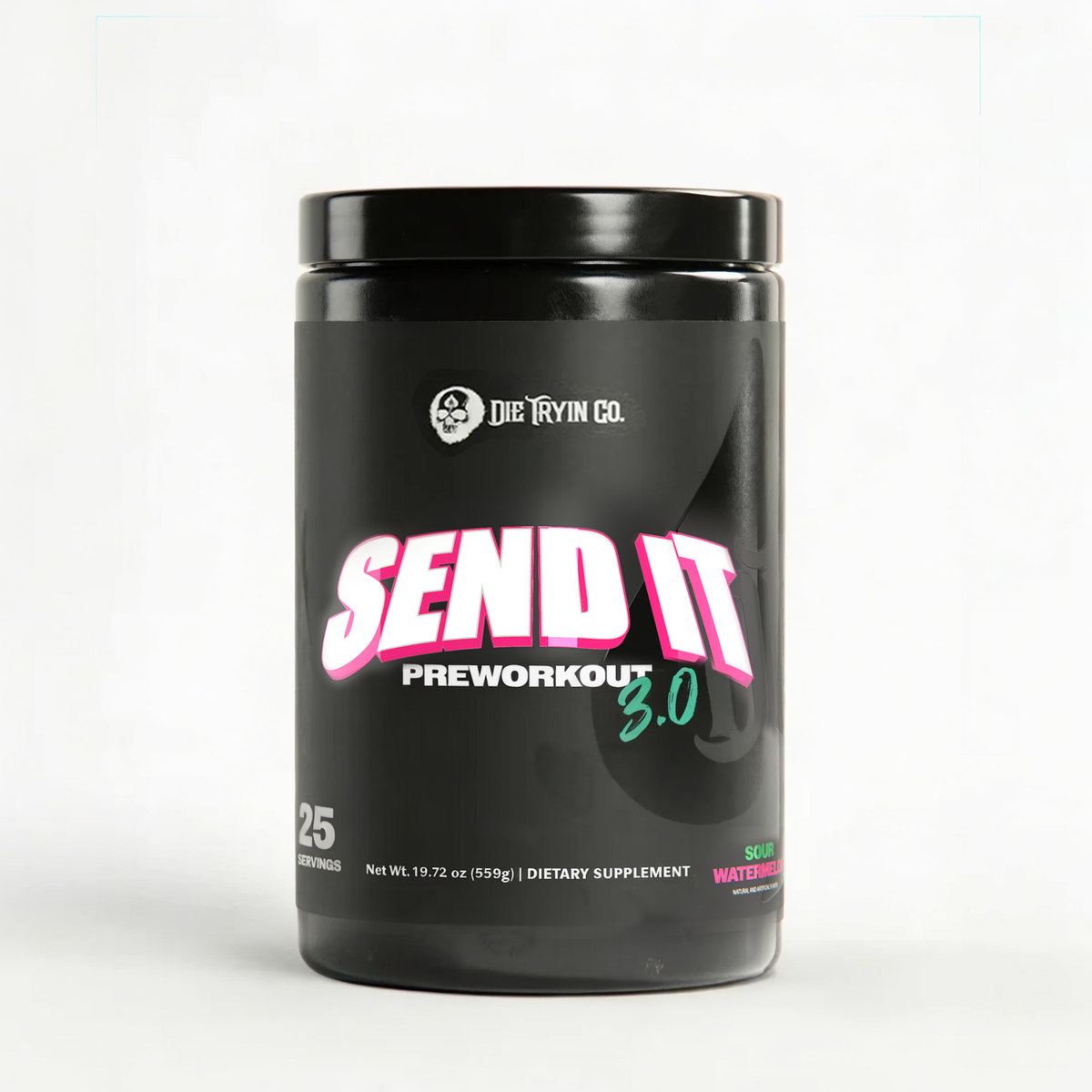
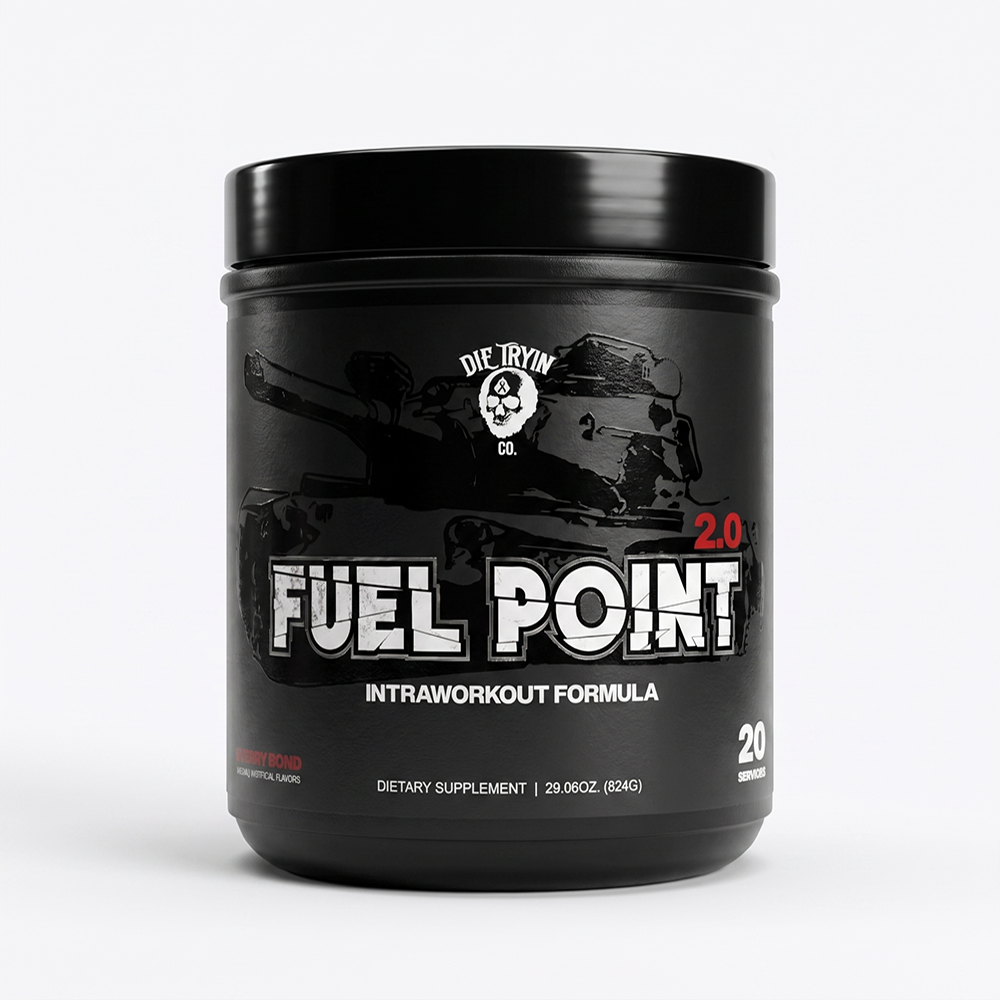
Cluster work is short, repeated, near-maximal effort. That is exactly the training style where the small stuff shows up: hydration, fuel, and stimulant timing that holds through set five instead of dying after set two. SEND IT 3.0 covers most training days as the daily driver. On sessions where you are holding 90% for triples, Project M777 is the heavier option for lifters with established stimulant tolerance. Creatine Monohydrate belongs in the daily rotation rather than the pre-workout window, because it works through saturation and not acute timing. And when a heavy cluster session runs long, Fuel Point keeps carbs going in while you work.
CLUSTER SET FAQ
What is a cluster set in weight training?
A cluster set is a single working set split into smaller groups of reps with a short rest (roughly 15 to 45 seconds) between each group. The load and total reps stay the same as a straight set, but the built-in breaks keep bar speed and power from collapsing across the set.
How long should the rest inside a cluster set be?
Twenty to forty-five seconds covers most work. Shorter (15 to 20 seconds) for lighter, higher-rep clusters. Longer (30 to 45 seconds) for triples and doubles at 85% and above. Past 60 seconds you have left cluster set territory and are just doing singles.
Are cluster sets better than straight sets for building muscle?
Research does not show that. A meta-analysis of 29 training studies found no significant difference in hypertrophy, strength, or power adaptations between cluster and traditional set structures over time. The documented advantage is less fatigue for the same work, not more growth.
What percentage of your 1RM should you use for cluster sets?
Depends on the goal. 85 to 90% for max strength doubles, 75 to 85% for speed and power singles, 70 to 80% for quality volume triples. The load should be heavy enough that a straight set would visibly degrade, which is the whole reason to cluster it.
Can beginners use cluster sets?
They can, but they should not prioritize it. A newer lifter gets more from consistent volume, technique work, and steady progressive overload. Cluster sets solve a problem beginners do not have yet.
What is the difference between cluster sets and rest-pause?
Rest-pause takes a set to failure and then adds reps after short pauses, so it is a fatigue-accumulation method. Cluster sets space the rest out from the start to avoid failure entirely and protect output. Opposite goals, similar-looking sets.
READY TO GEAR UP?
Cluster sets are for lifters who care what every rep looks like. Set the scheme, run the clock, let the quality carry the block. Here is what pairs with the work:
- SEND IT 3.0 for daily heavy training
- Project M777 for the hardest strength days
- Creatine Monohydrate, 5g daily, no cycling required
- Fuel Point when the session runs long
- Mesh Training Shorts for room to move under a loaded bar
- Not sure where to start? Take the supplement quiz
Discipline beats motivation. Train smart. Train hard.
ALWAYS FORWARD.

GEAR THAT FITS THIS POST
The products this article actually talks about. Real doses, disclosed labels, veteran owned.


Read more

The complete playbook for building muscle that actually lasts. Training, nutrition, recovery, and the supplements that move the needle — no hype.
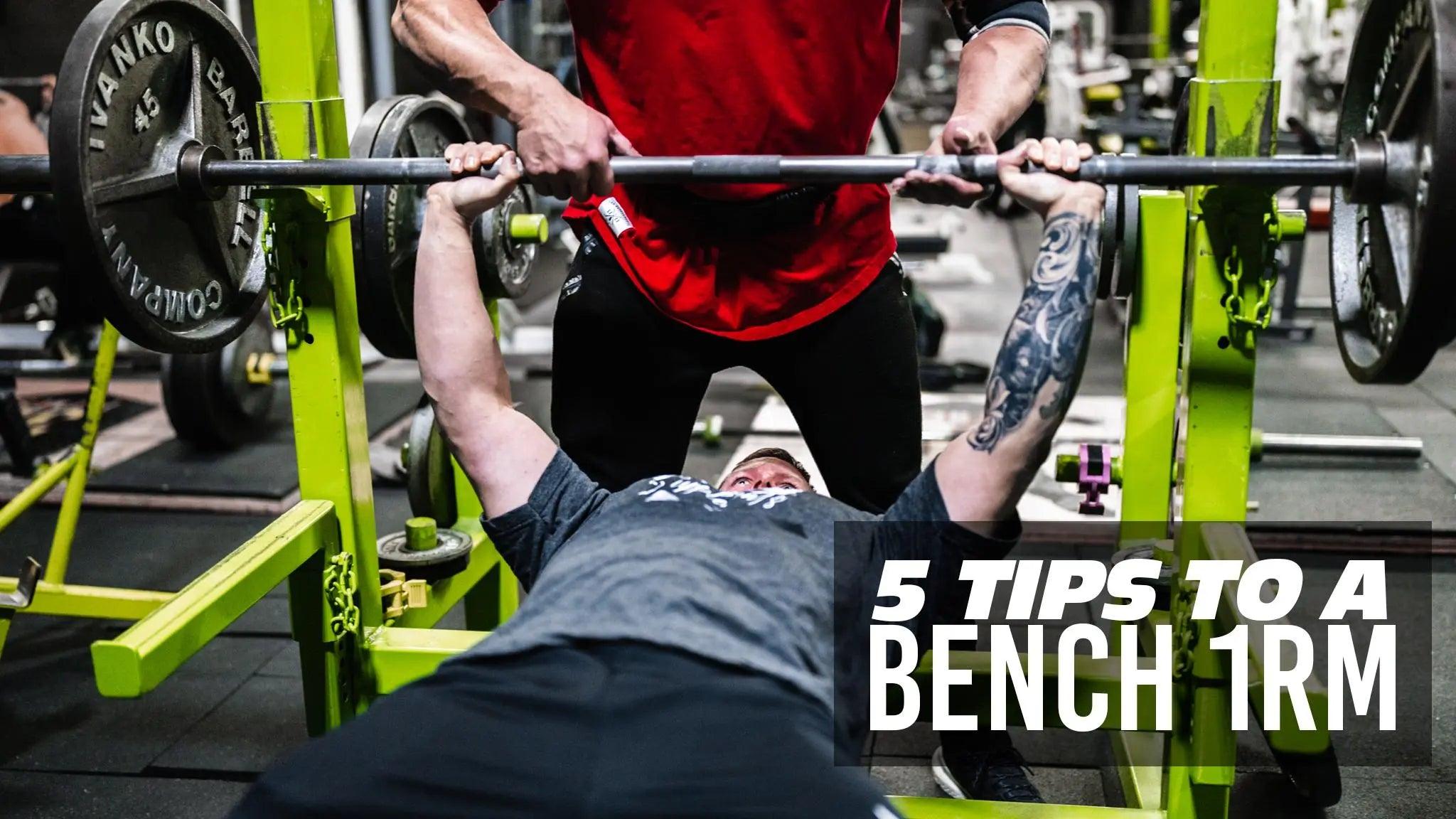
6 evidence-based strategies to increase your bench press — progressive overload, technique fixes, accessory work, and the recovery framework that turns training into real PRs.

Muscle grows when demand grows, everything else is detail. The load-vs-reps research, the double progression method, and how to escape a plateau without wrecking recovery.
FST-7 — Fascia Stretch Training, 7 sets. Hany Rambod's high-volume hypertrophy protocol explained: the science, the execution, and when to use it.
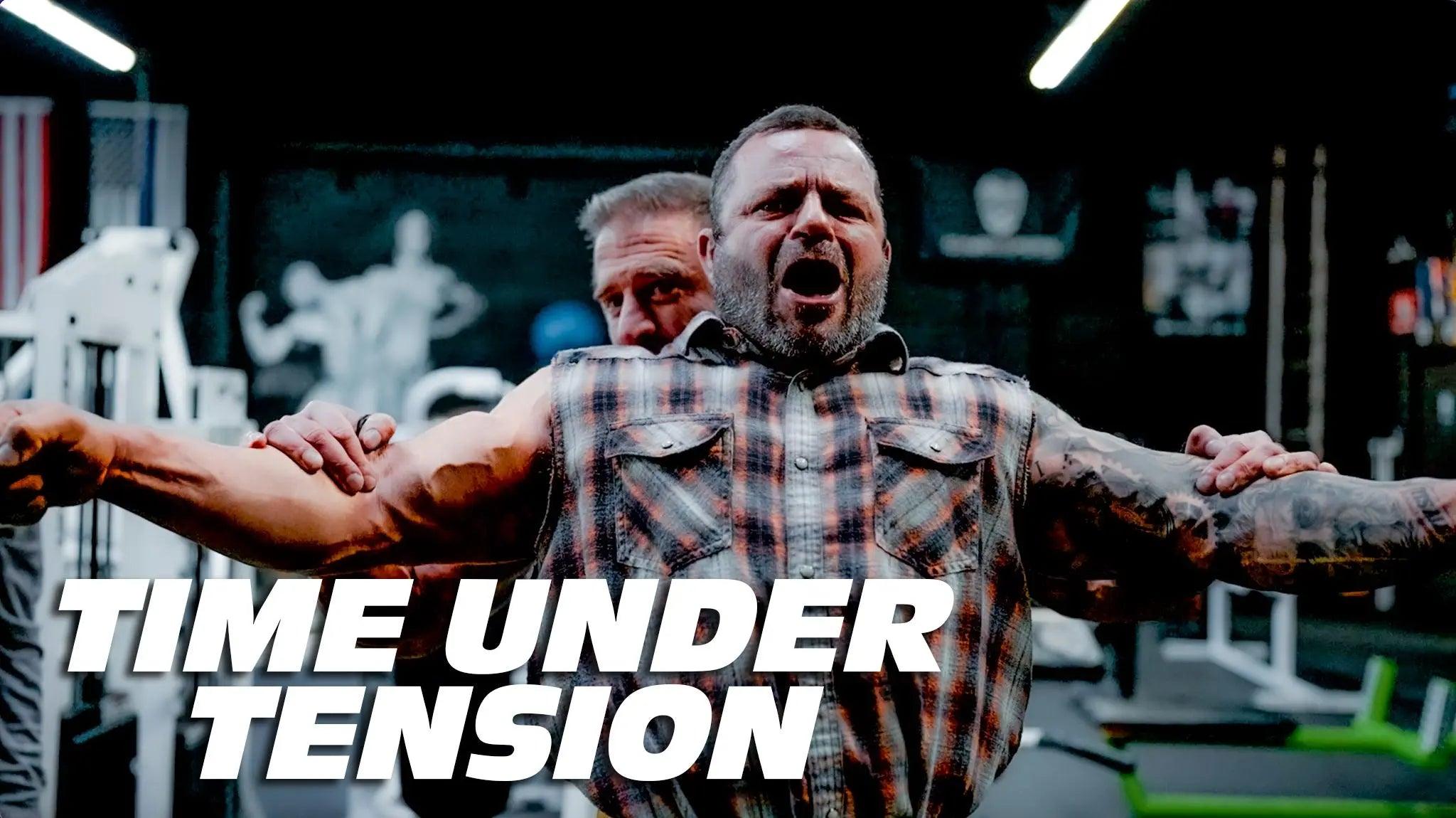
Time under tension training is a real tool, not a shortcut. Here's what tempo actually does for muscle growth, how to read tempo notation, and where slowing down is worth it.

Random workouts build random results. What periodization actually is, what the research shows it does for strength, and a 12-week structure you can start Monday.