





Carb Timing for Workouts: What Actually Matters
By Jon Klipstein, U.S. Army Combat Veteran & Founder of Die Tryin Co.
Science reviewed by Onur Oncer, BS Physiology and peer-reviewed published researcher.
FUEL FIRST. TIMING SECOND.
Listen up. Carb timing sells a lot of powder, and most of it gets sold to people who do not need it.
Here is the truth: carbohydrate is the main fuel for hard training, and how much you eat across the whole day matters far more than which minute it lands in. Timing is a dial you turn after the total is already right. It is not a switch that turns performance on.
The dial is real, though. There are specific situations where the clock genuinely changes your output and your next-day recovery, and there are far more situations where it changes nothing except what you spent. This post draws the line between the two, with the research on the table.
| YOUR SESSION | DO CARBS DURING IT HELP? | WHAT TO ACTUALLY DO |
|---|---|---|
| Under 60 min, ate a real meal 1-3 hrs before | Little to none | Water and electrolytes. Aqua Spike and go. |
| 60-75 min lifting, fed | Marginal at best | Optional. Fix hydration and sleep first. |
| Training fasted (8+ hrs since food) | Yes, small but real | 25-50 g carbs before or during. Fuel Point. |
| 90+ min, high-volume or hybrid | Yes | 30-60 g per hour, sipped, not slammed |
| Endurance 2 hrs+ | Yes, strongest evidence of any case | Highest-priority case. Full protocol lives in the endurance fueling guide. |
| Second session within 4-8 hrs | Yes, and the refeed after matters more | Carbs during, then aggressive carbs immediately after |
WHAT CARB TIMING ACTUALLY MEANS
Carbohydrate you eat gets stored as glycogen in muscle and liver. Muscle glycogen fuels the working tissue. Liver glycogen keeps blood sugar stable so your brain and central nervous system stay online. Both matter, and they empty at different speeds depending on what you are doing. Carb timing splits into three windows, and each one answers a different question:
- Pre-workout: do I have enough fuel loaded to start?
- Intra-workout: am I going long enough to run the tank low mid-session?
- Post-workout: how fast do I need to be ready to go again?
Most people obsess over the middle window and ignore the other two. That is backwards. A typical hypertrophy session does not empty your glycogen stores. A two-hour ruck, a long ride, or a double day absolutely can. For the deeper breakdown of how your body picks fuel at different intensities, we covered it in exercise metabolism.
BEFORE TRAINING: THE MEAL DOES MOST OF THE WORK
If you ate a normal meal containing carbohydrate one to three hours before you train, you are fueled. That is the whole answer for the majority of lifters. A carb drink stacked on top of a pre-workout meal is redundant calories, not an edge. Where a separate pre-workout carb dose does earn its keep:
- You train early and fasted. Overnight fast plus a 5 a.m. session is the classic case. 25-50 g of carbohydrate 30-60 minutes out gives your liver something to work with.
- You are in a deep deficit. Cutting hard means less glycogen on board to begin with, and a small pre-session dose protects training quality when calories are low. Same logic we use in the fat loss guide.
- You train straight after work with nothing since lunch. Six hours is a long enough gap to matter.
The old warning about eating carbs in the hour before training and crashing from rebound hypoglycemia does not hold up. A 2011 review by Jeukendrup and Killer in Annals of Nutrition and Metabolism worked through the literature and concluded that advice to avoid carbohydrate in the hour before exercise is unfounded, since almost every study showed performance unaltered or improved despite large metabolic changes. Some people still report hypoglycemia-like symptoms anyway, and the authors note those warrant an individual approach. Worth respecting. Not a rule for everyone.
DURING TRAINING: WHERE THE INDUSTRY OVERSELLS
Here is the claim you see everywhere: you are 45 minutes in, glycogen is gone, and without intra-workout carbs you are burning muscle. Good sales pitch. The data is a lot more specific than that.
A 2022 systematic review and meta-analysis in Sports Medicine pooled 21 crossover studies (226 participants) on acute carbohydrate feeding and resistance-training performance. Carbs did increase total session training volume overall, at a moderate effect size. The subgroup analysis is where the useful detail lives: the benefit was large when sessions ran longer than 45 minutes, and considerably smaller when the trigger was a fast of 8 hours or more. Carb dose did not moderate the effect. The number of maximal-effort sets did.
Read that twice, because it is the honest version of the pitch. Carbs during lifting help when the session is long, or when you walked in empty, and that fasted effect specifically is on the small side. For a fed lifter doing a 50-minute session, hydration, sleep, and actual effort under the bar will move your numbers far more.
Say it plainly: for sessions under roughly 60-75 minutes, when you have eaten a normal pre-workout meal, intra-workout carbs are largely unnecessary. Nobody selling carb powder wants that sentence in their ad copy. It is still true, and you should hear it from us before you spend money.
WHEN INTRA-WORKOUT CARBS ACTUALLY EARN A SPOT
Here is where the scoop does real work instead of adding calories:
- Sessions past 75-90 minutes. High-volume leg day, hybrid strength-plus-conditioning work, long metcon-style pieces.
- Fasted or long-gap training. The 8-hour fast threshold from the meta-analysis is a practical line to use.
- Two-a-days and back-to-back sessions. Fueling during session one is part of being ready for session two.
- Endurance work over two hours. The strongest evidence base in the whole category.
- Deep cuts and contest prep, where glycogen is chronically low and training quality is the thing you are protecting.
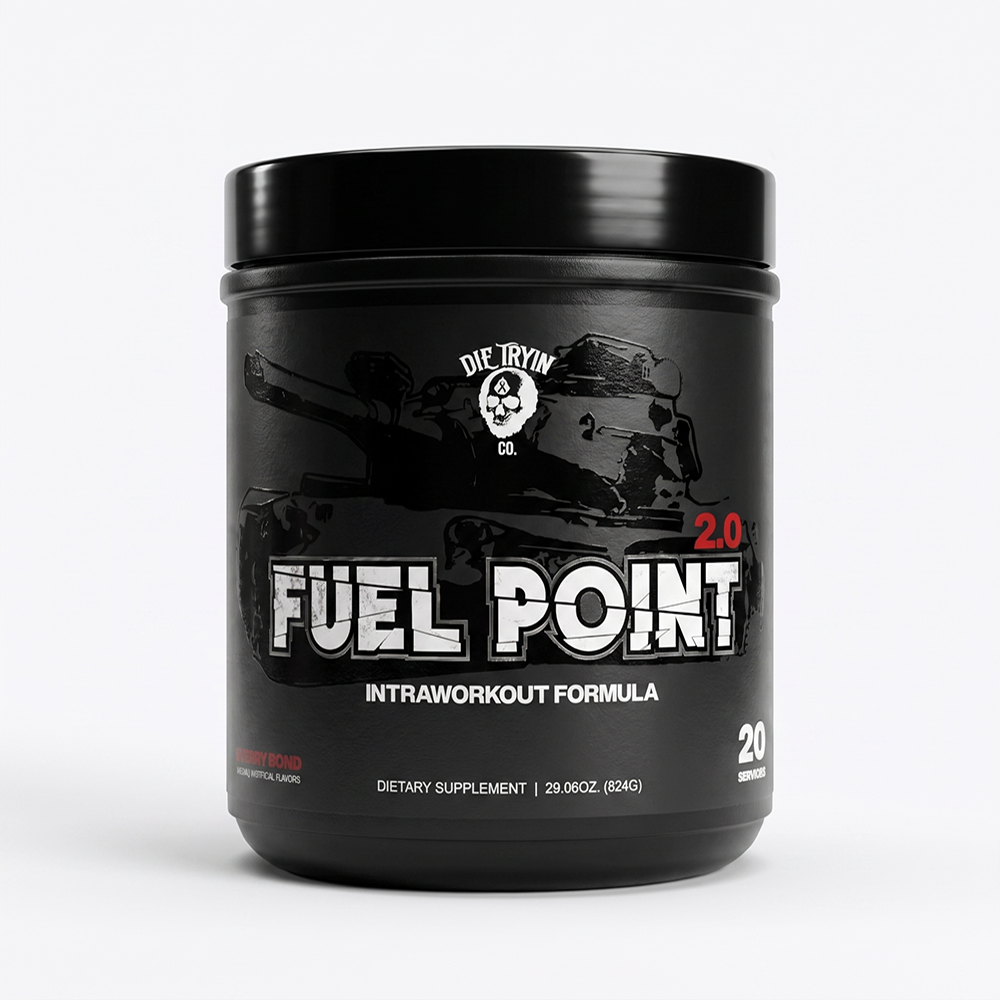
The International Society of Sports Nutrition position stand on nutrient timing puts the working dose for extended high-intensity bouts past 60 minutes at roughly 30-60 g of carbohydrate per hour, taken in small amounts every 10-15 minutes rather than in one hit. That drip-feed matters. Slamming a full scoop mid-session is how you end up with a gut full of sugar water and a set you had to bail on. Fuel Point is our intra-workout carb option, and it is meant to be sipped across the session. If your training does not meet the criteria above, water is a perfectly good answer, and hydration will do more for you than a carb you did not need.
AFTER TRAINING: THE WINDOW IS REAL, JUST WIDER THAN YOU WERE TOLD
The 30-minute anabolic window got oversold for two decades, then the correction swung too far the other way. Both the panic and the dismissal miss the actual variable, which is when do you train again.
If your next hard session is 24 or 48 hours out, hitting your total daily carbohydrate target is what refills the tank, and the specific hour you eat is close to irrelevant. If your next session is only a few hours away, timing becomes a genuine performance variable. The ISSN position stand recommends aggressive refeeding at around 1.2 g of carbohydrate per kilogram of bodyweight per hour when recovery time is under four hours.
The nuance is sharper than "glycogen refills either way." A 2024 double-blind randomized crossover trial in Acta Physiologica had nine recreationally active men do high-intensity interval work, then either take carbs immediately after or delay them, with total 24-hour carbohydrate intake matched at about 7 g/kg. Muscle glycogen was similar between conditions and back near baseline by 24 hours either way. Next-day interval capacity was still lower in the delayed group and perceived effort was higher. Nine men, one study, so hold it loosely. It does suggest "glycogen refilled" and "ready to perform" are not the same measurement.
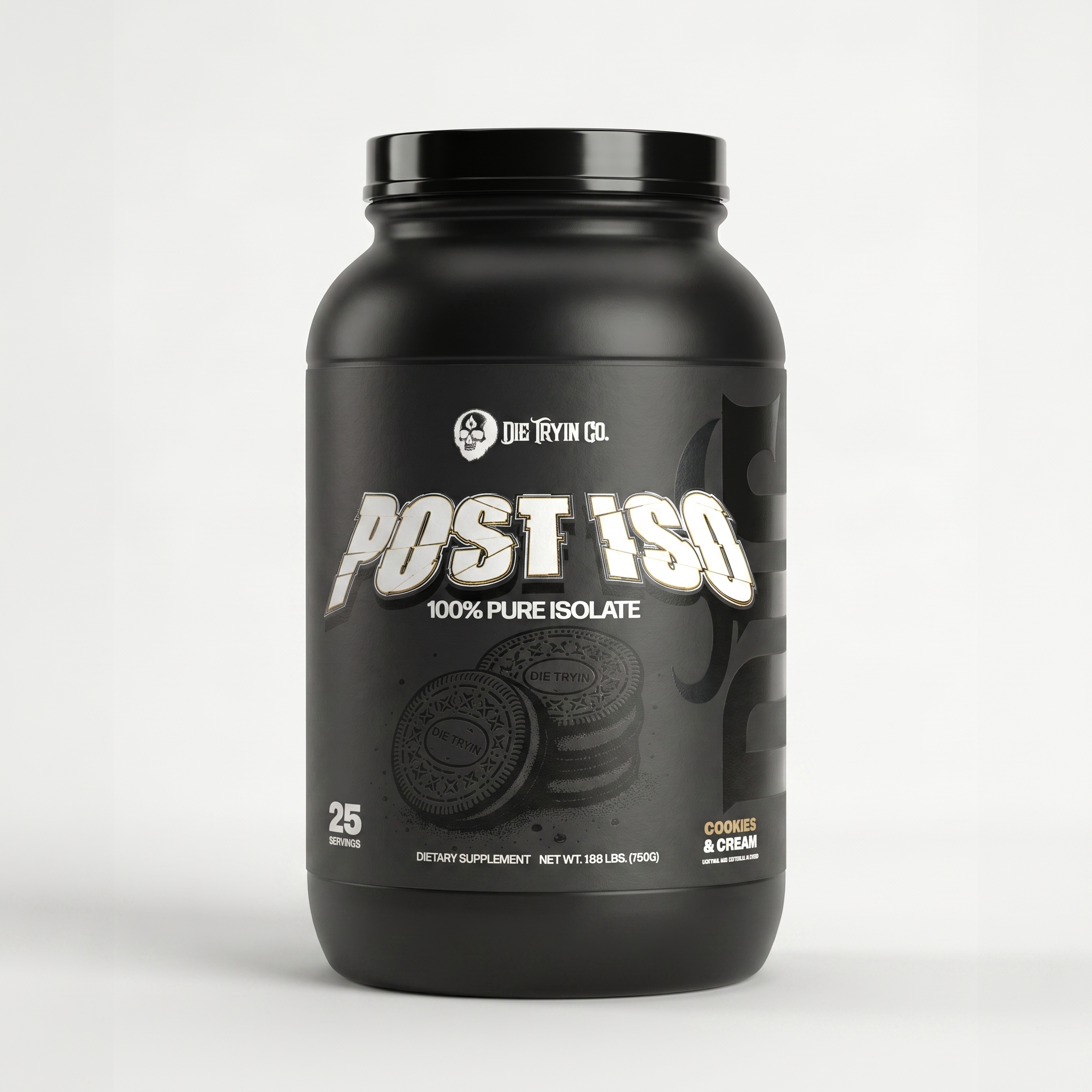
Practical version: eat a real meal with carbs and protein within a couple of hours of finishing. If you cannot get to food, Post Iso alongside a carb source covers the gap. We broke down the protein half of this question separately in does protein timing matter.
THE ORDER OF OPERATIONS
Fix these top to bottom. Do not skip to step four because step four has a scoop.
- Total daily carbohydrate. If you are chronically under-eating carbs, no timing strategy saves you.
- A real pre-workout meal. Carbs plus protein, one to three hours out. This single habit removes most timing problems before they exist.
- Post-session food. A meal within a couple of hours. Tighter only if you train again the same day.
- Intra-workout carbs. Only if the session is long, fasted, doubled, or endurance. That is the entire list.
If steps one through three are dialed and you are still crashing mid-session, the problem is probably not carbs. Look at sleep, look at your recovery, and be honest about whether you are overtraining. Fuel does not fix a schedule problem.
FREQUENTLY ASKED QUESTIONS
Do I need intra-workout carbs for a normal 60-minute lift?
Almost certainly not, assuming you ate beforehand. The resistance-training meta-analysis found the benefit concentrated in sessions over 45 minutes and in people who had fasted 8 hours or more. A fed lifter finishing inside an hour is not the person that data describes.
How many carbs should I eat before training?
25-50 g in the 30-60 minutes before a session is a reasonable dose if you have not eaten. If you had a full meal one to three hours out, you do not need a second dose on top.
Will carbs before training make me store fat?
No. Bodyfat is driven by total energy balance over time, not by the hour carbohydrate arrives. Timing changes fuel availability, not the ledger.
Can I take my carbs after training instead of during?
For most training, yes. During-session carbs are for sessions long enough to actually deplete you, or for training you started on empty. Post-session carbs cover everything else.
Do carbs help on fasted morning cardio?
They help performance, since you start with lower liver glycogen. Whether you want that trade depends on the goal of the session. Easy aerobic work fasted is fine. Hard intervals fasted usually cost you output.
What about timing the rest of my supplements?
Different question, different post. Creatine is the easy one, since total daily intake is what matters, so take Creatine Monohydrate whenever you will actually remember it. The rest of the window is mapped out in the pre, intra and post workout supplements guide.
READY TO GEAR UP?
Fuel the sessions that need fueling. Skip the ones that do not. Not sure which category you fall into, take the supplement quiz and we will point you at what your training actually calls for.
- Fuel Point - intra-workout carbohydrate for long, fasted, or doubled sessions
- Post Iso - 24 g whey isolate with DigeZyme enzymes for the post-session meal you keep skipping
- Aqua Spike - hydration and electrolytes for the sessions that need water, not sugar
- Creatine - 5 g micronized Creatine Monohydrate, timing-agnostic, consistency-dependent
- SEND IT Sport - lower-stim pre-workout built for the long sessions where fueling actually matters
- Red Dot - stim-free pump and focus for late training and double days
ALWAYS FORWARD.
GEAR THAT FITS THIS POST
The products this article actually talks about. Real doses, disclosed labels, veteran owned.


Read more

The complete athlete's guide to fueling: carbs for output, protein for recovery, fats for hormones. Daily targets, timing, and the mistakes that kill progress.

The afterburn effect is real, and it is far smaller than the industry claims. Here is what cardio and lifting each actually contribute to your metabolism.
The no-BS playbook for losing fat without losing muscle. Energy balance, protein, training, sleep, and the supplements that actually help.
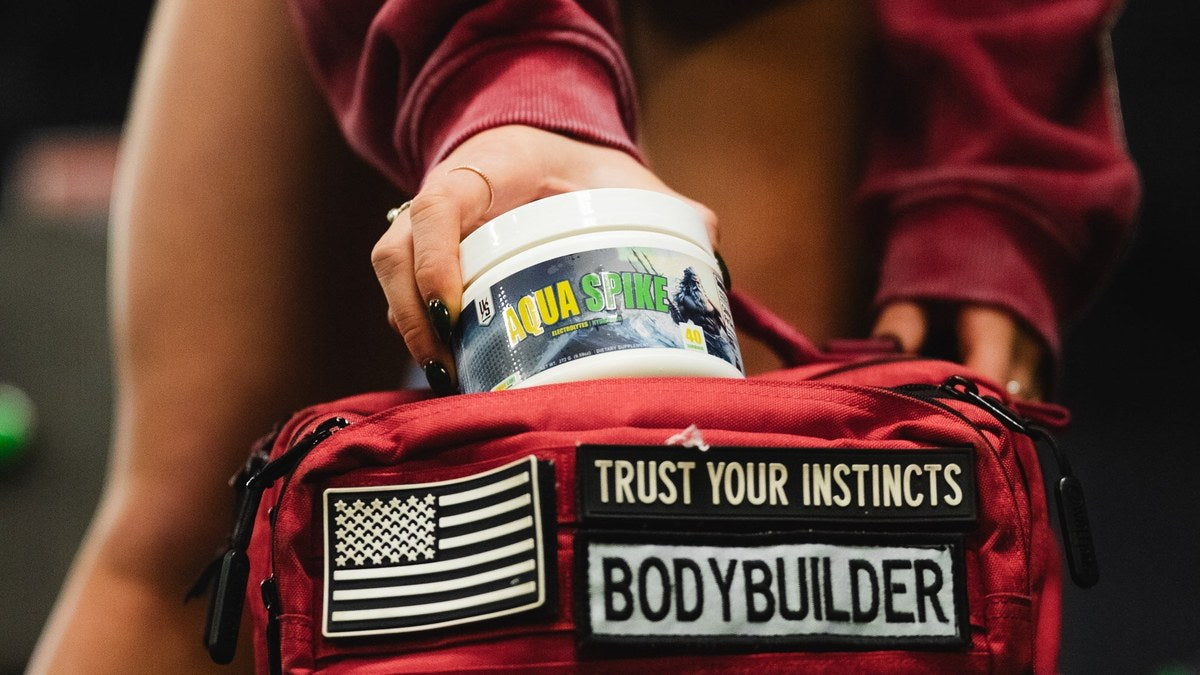
The complete hydration playbook: how much water you actually need, what dehydration does to your performance, and how to hydrate around hard training.
The 30-minute post-workout rush is the most oversold rule in sports nutrition. Here is what the research actually shows about the anabolic window, per-meal protein distribution, and pre-sleep protein.

The no-BS recovery playbook — sleep, stress, nutrition, modalities, and the framework that ties it all together. Recovery is where growth actually happens.