



How to Choose a Collagen Powder That Is Worth It
By Jon Klipstein, U.S. Army Combat Veteran & Founder of Die Tryin Co.
Science reviewed by Onur Oncer, BS Physiology and peer-reviewed published researcher.
MOST COLLAGEN TUBS ARE SELLING YOU THE FRONT LABEL
Listen up. The collagen aisle is one of the easiest places in the supplement industry to get robbed, because almost nobody flips the tub over.
The front says "Types I, II, III & V." It says "beauty." It says "grass-fed." None of that is the number that decides whether the product does anything. The number that decides it sits on the back, in grams, and plenty of brands would rather you never looked.
This page is a label guide. Five checks, in order, that tell you whether a collagen powder is worth your money before you spend it. The training side of collagen — tendon loading, dosing around lifts, what athletes actually get out of it — is its own subject and gets its own pages. Here we are only talking about the tub.
| CHECK | WHAT YOU WANT TO SEE | RED FLAG |
|---|---|---|
| 1. Form | "Hydrolyzed collagen peptides" printed on the panel | "Collagen protein" with no hydrolysis named |
| 2. Dose | 10 g or more per serving, stated in grams | 2–5 g scoops, or grams hidden inside a blend |
| 3. Source | Bovine or marine, named outright | "Plant-based collagen" — it does not exist |
| 4. Extras | Vitamin C listed at a real amount | A proprietary blend swallowing the whole panel |
| 5. Testing | Third-party tested; lot or batch code printed | No lot code, no testing language anywhere |
WHAT COLLAGEN ACTUALLY IS
Collagen is the most abundant protein in your body. It is the structural material in skin, tendon, ligament, bone matrix and the connective tissue holding the whole frame together. It is not a magic compound. It is a protein with an unusual amino acid profile, very heavy in glycine, proline and hydroxyproline, and short on several of the aminos that drive muscle growth.
That profile is the entire story. It explains what collagen is good for, and it explains what it will never do.
CHECK 1: IS IT HYDROLYZED?
Raw collagen is a big, tightly wound molecule. Hydrolysis chops it into short peptide chains your gut can actually absorb. That is why the serious trials on this ingredient use hydrolyzed collagen, not gelatin scraped off a bone. If the panel does not say "hydrolyzed collagen peptides," assume the brand is hoping you never ask.
CHECK 2: WHAT IS THE ACTUAL DOSE?
This is where most tubs fail. In a 24-week randomized, double-blind, placebo-controlled trial of athletes with activity-related joint pain, the dose was 10 g per day of collagen hydrolysate. Read that one with its limits attached: 147 people were randomized, but only 97 produced data that could be statistically evaluated, and the product tested was one specific branded formula. It is a single trial with real attrition, not a settled case.
Skin trials use a wider spread of doses, and the meta-analyses do not name one proven threshold, so treat 10 g as a defensible floor rather than a magic number. Here is what it does tell you: a 2.5 g "beauty collagen" scoop sits well under what the joint research actually used. A brand quoting that research while dosing a fraction of it is borrowing credibility it did not earn. Real doses of real ingredients, or do not bother.
CHECK 3: WHERE DID IT COME FROM?
Bovine (hide and bone) and marine (fish skin and scales) are the two sources you will actually find. Marine tends to be finer and pricier. Bovine is the workhorse and what most of the research used. Pick on price, allergy and dietary preference, not on which one a marketing team called superior.
One hard line: plant-based collagen does not exist. Collagen is an animal structural protein. Products sold as "vegan collagen" are precursor packs — vitamin C, amino acids, botanical extracts — sold at collagen prices. They may be perfectly good products. They are not collagen, and a label that blurs that tells you how the rest of the company operates.
CHECK 4: WHAT ELSE IS IN THE TUB?
Vitamin C earns its spot. Your body cannot properly build its own collagen without it, because it is a required cofactor for the enzymes that hydroxylate proline and lysine during collagen synthesis. A formula listing it at a real amount made a formulation decision. A formula burying eleven trendy botanicals inside one proprietary blend so you cannot see a single dose made a marketing decision. Same rule we apply to protein blends: when the grams are hidden, the grams are embarrassing.
CHECK 5: WHO TESTED IT?
Collagen is an animal byproduct, which makes source control matter more here than with most powders. Look for third-party testing language and a printed lot or batch code. A brand that will not put a lot number on the tub cannot trace a problem backward, and neither can you.
WHAT COLLAGEN IS NOT: YOUR PROTEIN POWDER
This is the most expensive mistake people make. Collagen counts as protein by label math, so a 10 g scoop reads like 10 g of protein. The amino acid profile is wrong for that job: short on essential amino acids and low in leucine, the amino acid that carries the muscle-building signal.
Be careful how hard anyone pushes trial data here, us included. A 2023 randomized controlled trial in the European Journal of Nutrition (Bülow and colleagues, 66 healthy Danes over 65) ran 12 months of collagen, whey or carbohydrate supplementation and found no change in basal or post-meal muscle protein synthesis rates in any group. That is a null for whey as much as for collagen, so it is not evidence that collagen is the worse powder. The case against collagen as your protein source rests on the amino acid profile, not on that trial. Muscle protein comes from food and from Post Iso. That logic is laid out properly in The Ultimate Guide to Protein.
WHAT THE EVIDENCE ACTUALLY SUPPORTS
Skin is the strongest evidence base collagen has. A 2023 systematic review and meta-analysis of 26 randomized controlled trials covering 1,721 participants found hydrolyzed collagen significantly improved skin hydration and elasticity against placebo. Those same authors flagged several biases in the trials they pooled and called for larger randomized trials before anyone calls the question settled. Research in this category is also commonly run with ingredient-supplier involvement, so check the funding statement before treating any single trial as decisive.
There is a second caveat nobody prints on a tub. An earlier meta-analysis of 19 trials and 1,125 participants reported benefit at 90 days, but 95% of those participants were women aged 20 to 70. The skin evidence is real. It was also built almost entirely on women, and that is a limitation, not a footnote. Joint discomfort is the next best-supported use, and it rests on far fewer trials than the skin work does. Hair, nails and "gut lining repair" get repeated on every collagen page on the internet and sit on a much thinner human evidence base than the confidence of the marketing suggests. If gut health is the actual goal, start here instead.
HOW TO ACTUALLY RUN IT
- Dose: 10 g or more daily, matching what the joint trial used.
- Timing: Barely matters for the skin and joint uses this page covers. Pick a slot you will never miss — coffee, shake, water bottle.
- Pair it: Vitamin C, from the formula or from food.
- Runway: Judge it at 90 days, not 9. Nothing in the research moved faster than that.
- Stack position: Alongside your protein and Daily Essentials, never instead of them.
Consistency beats intensity. A cheap 10 g scoop you take every day beats a premium 3 g scoop you take when you remember.
FREQUENTLY ASKED QUESTIONS
How much collagen should I take per day?
Follow the research, not the scoop size. The joint trial cited above used 10 g per day of hydrolyzed collagen, and the skin meta-analyses do not report one proven threshold. If a tub's serving lands far under 10 g, you are either double-scooping or under-dosing.
Does the "Type I, II, III" claim on the front matter?
Less than the label implies. Type numbering describes the source tissue, but hydrolyzed collagen gets broken into peptides and amino acids during digestion, so you do not get to address a specific type to a specific body part. Undenatured type II collagen is a genuinely separate category sold at milligram doses, so never compare it gram-for-gram against a peptide powder.
Is marine collagen better than bovine?
No strong evidence either way at matched doses. Marine costs more and suits people avoiding beef; bovine is what most of the research used. Choose on price, allergies and preference.
Can collagen replace my whey protein?
No. Its amino acid profile is short on essential aminos and low in leucine, which makes it a poor muscle-building protein even though it counts as grams on a label. Keep the two jobs separate.
How long before I notice anything?
Give it 90 days of daily use. That is the timeframe the skin meta-analysis reported benefit at, and the joint trial ran 24 weeks. Anything promising a two-week transformation is selling, not reporting.
Is vegan collagen real?
Not as collagen. Those products supply building blocks such as vitamin C and amino acids. That can be useful, but you are not buying collagen and you should not pay collagen prices for it.
Are there downsides?
It is generally well tolerated in the trials, with mild digestive complaints the usual reported issue. It is a food-derived protein, not a stimulant. If you are pregnant, managing a medical condition or taking medication, clear any supplement with your doctor first.
READY TO GEAR UP?
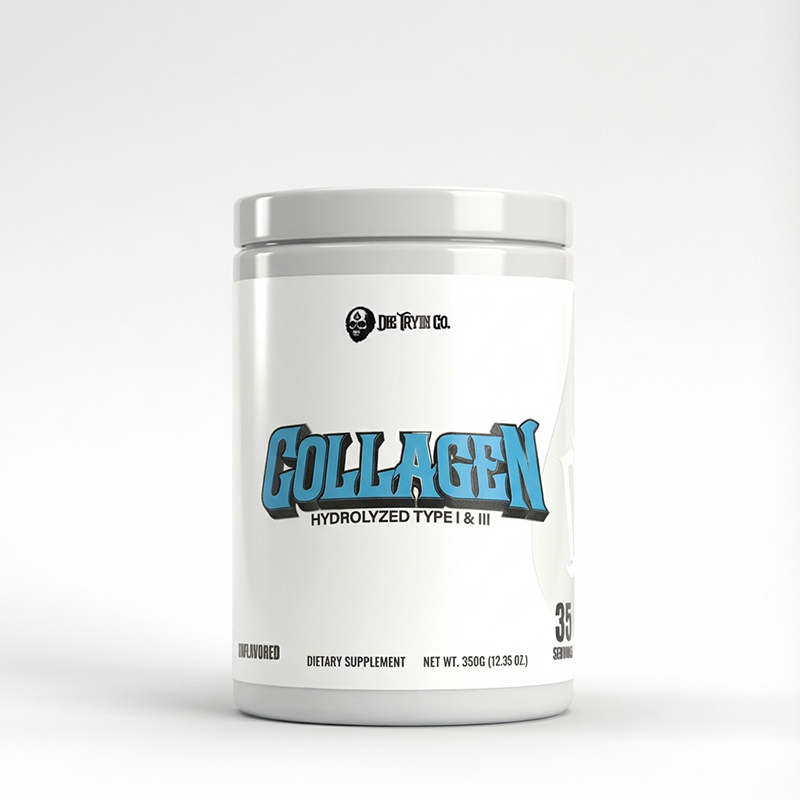
We built ours the way this guide says to buy one: hydrolyzed peptides, dose on the front, nothing hidden behind a blend.
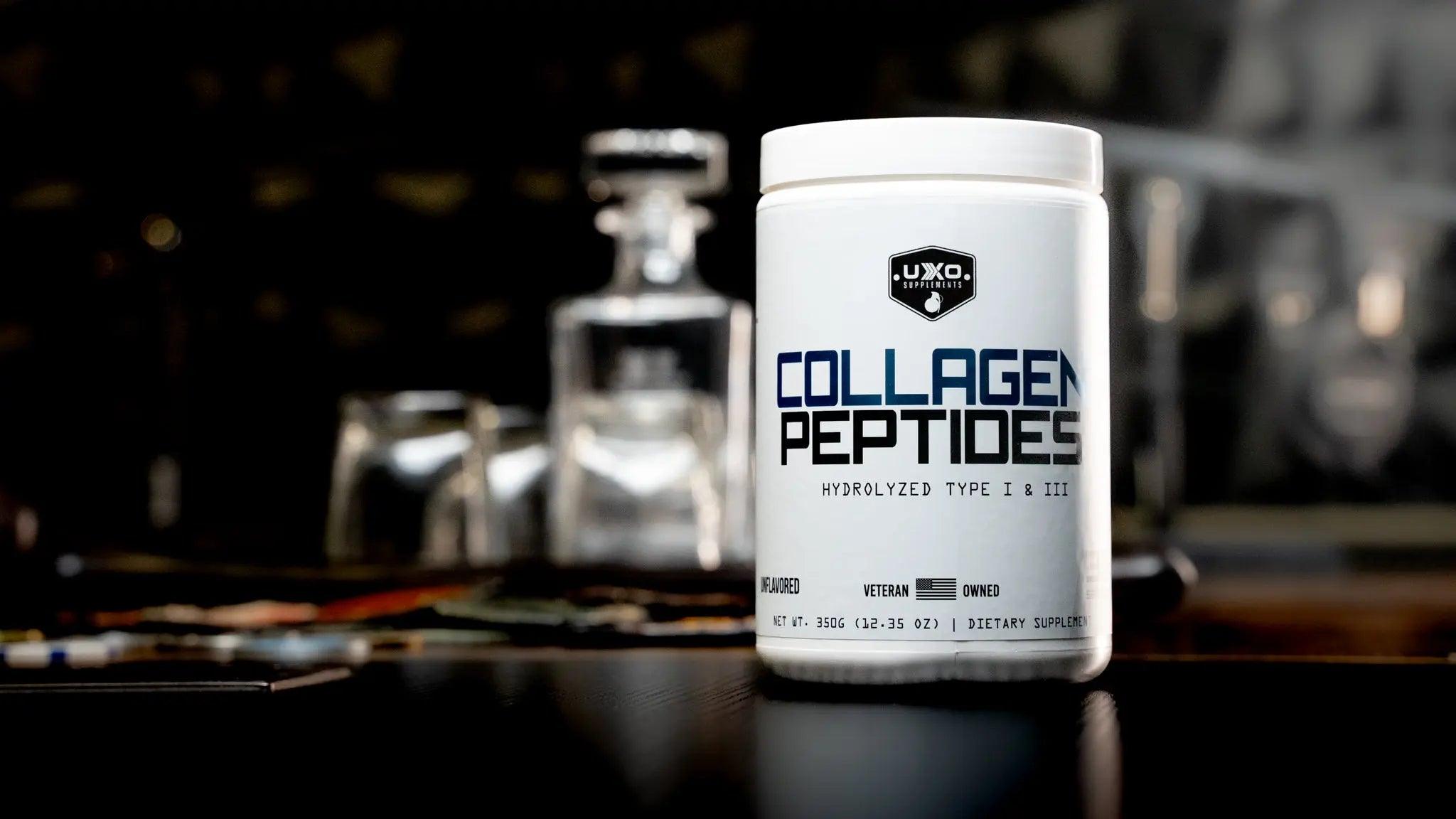
- Collagen Peptides — joint, skin and connective tissue support
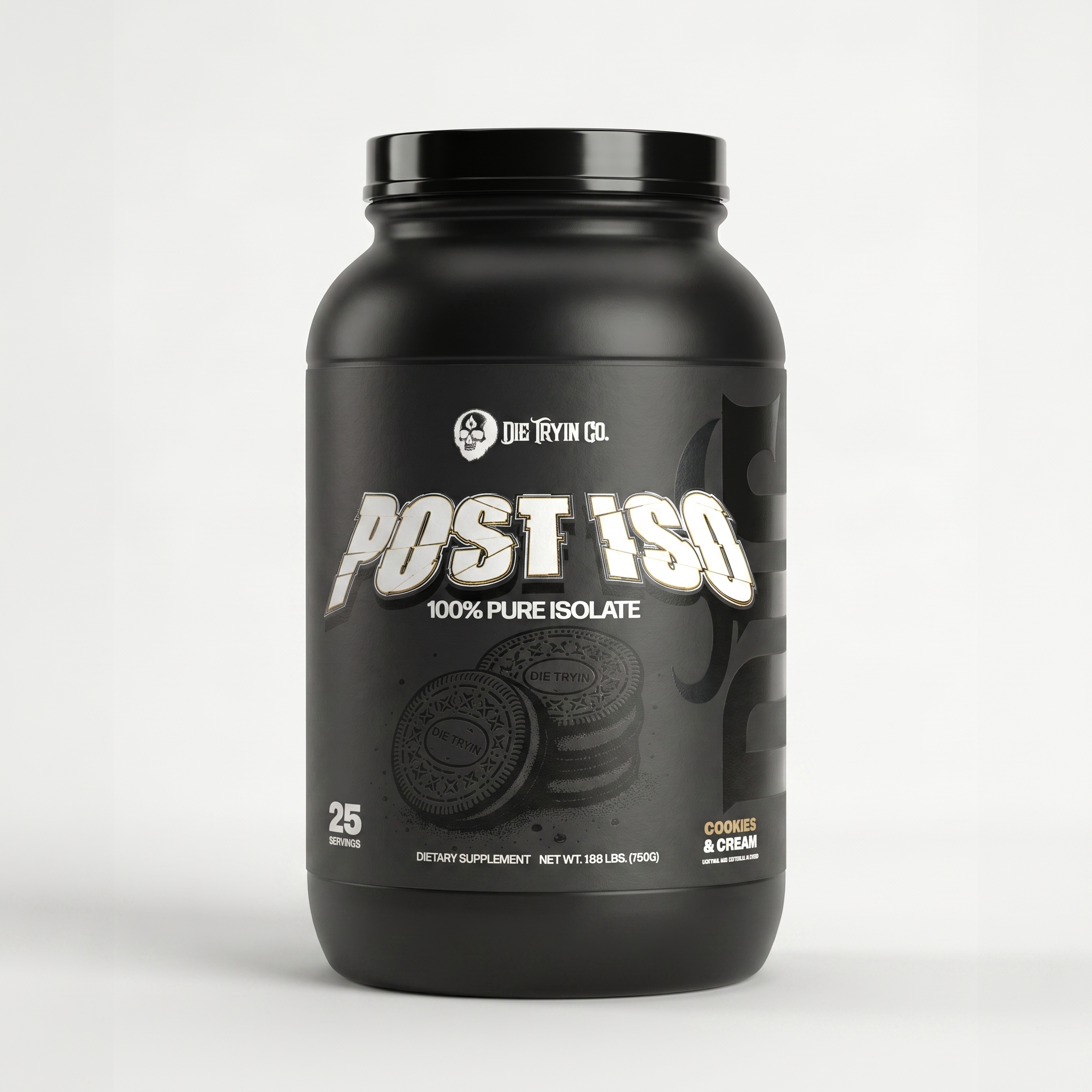
- Post Iso — 24 g whey isolate, the muscle-building job collagen cannot do
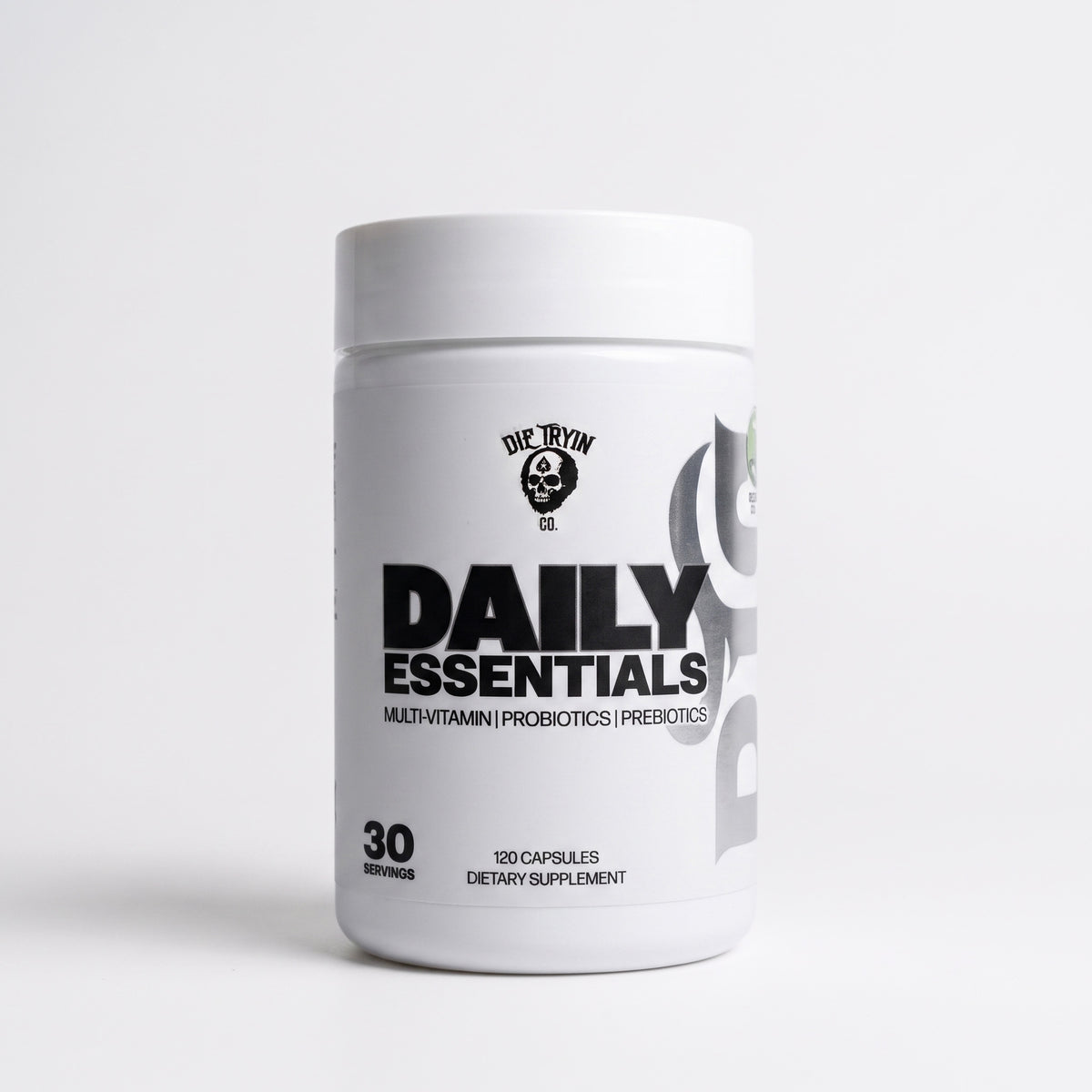
- Daily Essentials — chelated multi and gut-health stack
- The Ultimate Guide to Recovery — where connective tissue fits the bigger picture
- The Most Overlooked Part of Training — the habit that beats any powder
- Take the quiz — two minutes to a stack that fits your actual training
ALWAYS FORWARD.

GEAR THAT FITS THIS POST
The products this article actually talks about. Real doses, disclosed labels, veteran owned.
Read more
Isolate or blend is a smaller decision than the label suggests. Here is what genuinely separates them, and what matters more.
The complete protein playbook — how much you need, when timing matters, which sources deliver, and the myths costing you money.
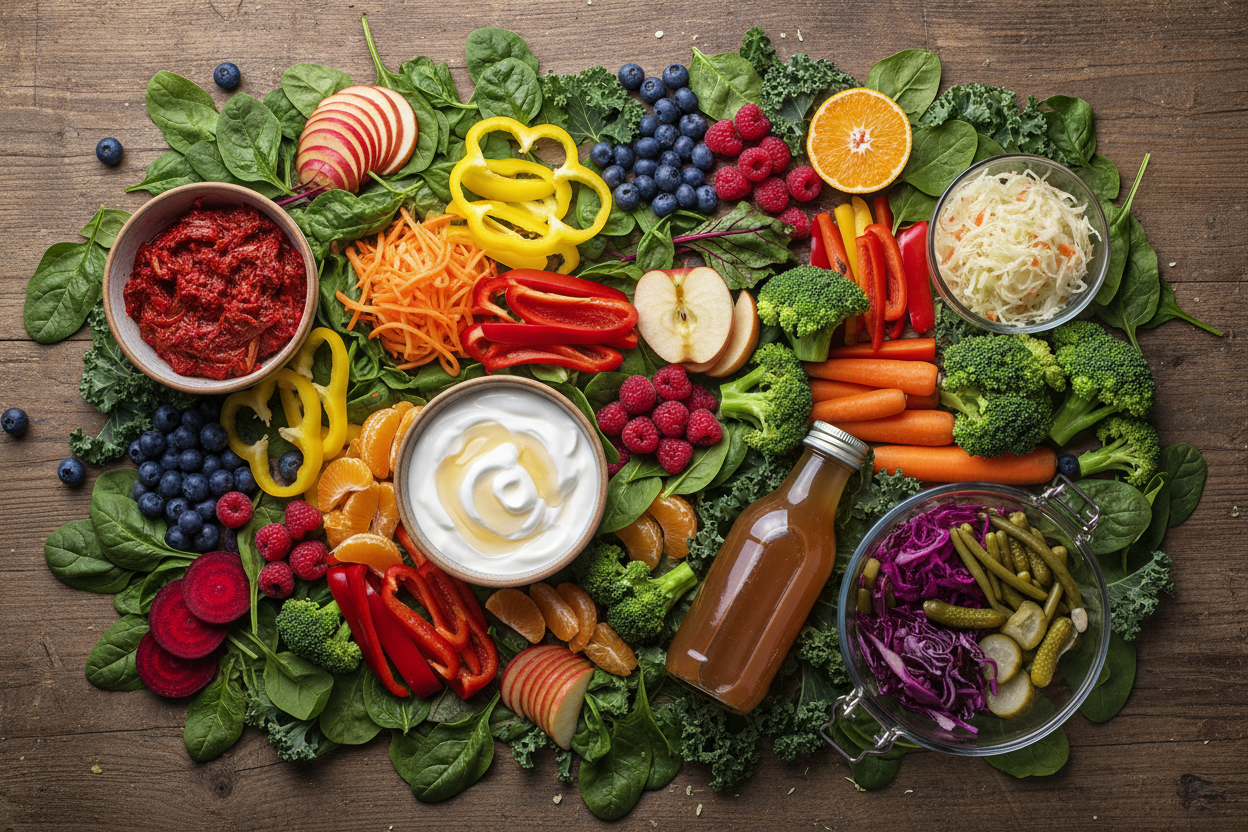
Your gut runs more than your digestion. Here are 8 day-to-day tips — diet, hydration, sleep, stress, and probiotics — to support a healthier gut.

The no-BS recovery playbook — sleep, stress, nutrition, modalities, and the framework that ties it all together. Recovery is where growth actually happens.

You program sets, reps, load and tempo. Then the plan stops. Recovery is a training variable, not the absence of training, and here is what leaving it blank actually costs you.
Your gut lining runs the same creatine energy system as your muscles. Here is what the research shows on stomach upset, IBS, colitis and leaky gut, and exactly where the human evidence stops.