



Glutamine for Athletes: What It Does (And Doesn't)
By Jon Klipstein, U.S. Army Combat Veteran & Founder of Die Tryin Co.
Science reviewed by Onur Oncer, BS Physiology and peer-reviewed published researcher.
THE HONEST VERSION OF THE GLUTAMINE PITCH
Listen up. Glutamine has been sold to lifters for three decades as a muscle-sparing, immune-boosting, soreness-killing miracle powder. Most of that pitch does not survive contact with the research.
Here is the truth: glutamine is a real amino acid doing real work in your body. It is the most abundant free amino acid you carry, most of it parked in skeletal muscle, and demand climbs when you train hard or eat in a deficit. None of that is in dispute. What is in dispute is whether swallowing more of it builds muscle, improves endurance, or repairs an immune system beaten up by a heavy block. The pooled evidence in athletes says no.
What the evidence does show is narrower and more specific than any label promises: in endurance athletes running in the heat, glutamine has lowered blood and urine markers of gut cell damage. That is a marker-level finding in one context, not a general gut-repair claim, and it is why our Glutamine exists as a single-ingredient product instead of a hype blend. Here is the whole picture in one table.
| THE CLAIM | WHAT THE RESEARCH IN ATHLETES SHOWS | VERDICT |
|---|---|---|
| Builds muscle or spares lean mass | A meta-analysis pooling 25 trials in athletes found no effect on body composition | No |
| Improves endurance or aerobic performance | Same pooled data. No effect | No |
| Restores training-suppressed immunity | Same pooled data. No effect on immune outcomes | No |
| Cuts soreness and shortens recovery | That meta-analysis did not measure soreness at all, and we have no verified trial that does. Our recovery guide puts glutamine at modest support during high-volume blocks, and that is where it sits | Unproven |
| Lowers markers of gut damage in endurance work | A 2022 systematic review found 4 glutamine trials; 3 lowered markers of gut cell damage in runners training in the heat | Yes, with caveats |
WHAT GLUTAMINE ACTUALLY IS
Glutamine is conditionally essential: under normal conditions your body makes plenty on its own. Under heavy training, illness, injury, or a hard cut, demand can outrun supply. That is the entire logical basis for supplementing it.
Where does it go when demand climbs? Into rapidly dividing cells. The cells lining your small intestine and your immune cells both run on it as a preferred fuel. That is the mechanism every glutamine ad is built on. But a real mechanism does not guarantee a real outcome when you add more from a scoop. Two different questions, and the industry has spent thirty years hoping you would not notice the gap.
WHAT IT DOES NOT DO: BUILD MUSCLE
The strongest single piece of evidence here is a 2018 systematic review and meta-analysis in Clinical Nutrition. The authors screened 47 studies and pooled 25 trials in athletes over 18. Their own conclusion: glutamine supplementation has no effect on athletes' immune system, aerobic performance, or body composition. That is not one small negative study you can wave away. That is the weight of the literature.
Want the knockout detail? A 2001 double-blind trial from the University of Saskatchewan gave 31 young adults 0.9 grams of glutamine per kilogram of lean tissue every day for six weeks while they ran a supervised resistance-training program. For a lean lifter that is roughly ten times a standard 5 gram scoop. Squat one-rep max climbed about 30 percent. Bench climbed about 14 percent. Both groups. Lean tissue went up 2.0 percent on glutamine and 1.7 percent on placebo. A urinary marker of muscle protein breakdown rose in both groups with no significant difference between them.
Six weeks and 31 people is not proof of zero. It is absence of evidence at an absurdly generous dose. But practically: when ten scoops a day alongside real training moves nothing measurable, one scoop is not the variable that changes your physique.
THE IMMUNE CLAIM DID NOT HOLD UP EITHER
Immune cells do use glutamine as fuel. That part is true, and it is why the claim sounds convincing. It is also why the null result matters: researchers went looking directly for the immune benefit in athletes and did not find one. The only immune-adjacent signal in the pooled data was that doses above 200 mg per kilogram of bodyweight were associated with lower neutrophil counts, and lower is not automatically better.
If your goal is fewer sick days during a heavy block, the levers that move are sleep, calorie intake, and managing training load before it buries you. Unglamorous, and they work. Glutamine is not the shortcut around them.
THE GUT DATA: WHAT WAS MEASURED, AND IN WHOM
Here is the part worth your attention, stated at its real size. A 2022 systematic review in PLoS ONE looked at supplements and markers of exercise-associated gut damage. Four of the studies it collected tested glutamine. Three of those four lowered markers of gut cell damage in runners, and the fourth, a cycling time trial, found no difference. The reviewers landed on a conditional conclusion: glutamine may reduce exercise-induced gut damage and permeability in running, especially in moderate heat and when carbohydrate is restricted. They also report no added benefit when glutamine was added on top of a carbohydrate drink.
Context matters more than the headline. Permeability climbs with session duration and heat, and a systematic review put the threshold near two hours at 60 percent of VO2max. A 60-minute lift is nowhere close, which is exactly the point we make in our gut and muscle deep dive. That post is our canonical on gut health for lifters, and it holds the same line we hold here: outside of exercise, the human barrier data sits largely in clinical and critically ill populations, not healthy lifters.
So the accurate sentence is this. Promising, specific, measured in blood and urine markers, in endurance work under heat stress. No trial has shown it makes anyone's stomach feel better, and the reviewers say plainly that more research is needed before anyone claims it translates to gastrointestinal or performance outcomes. It is also not a license to skip your gut-health basics, where fiber, sleep, and plant variety do the heavy lifting.
HOW TO USE IT
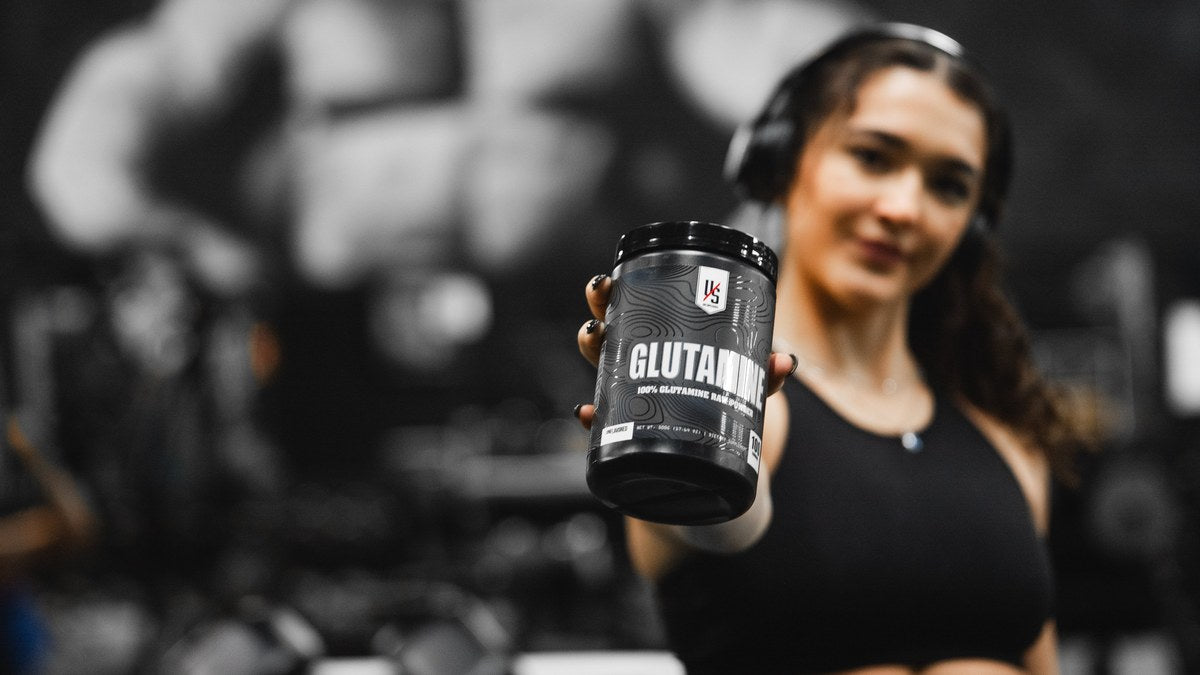
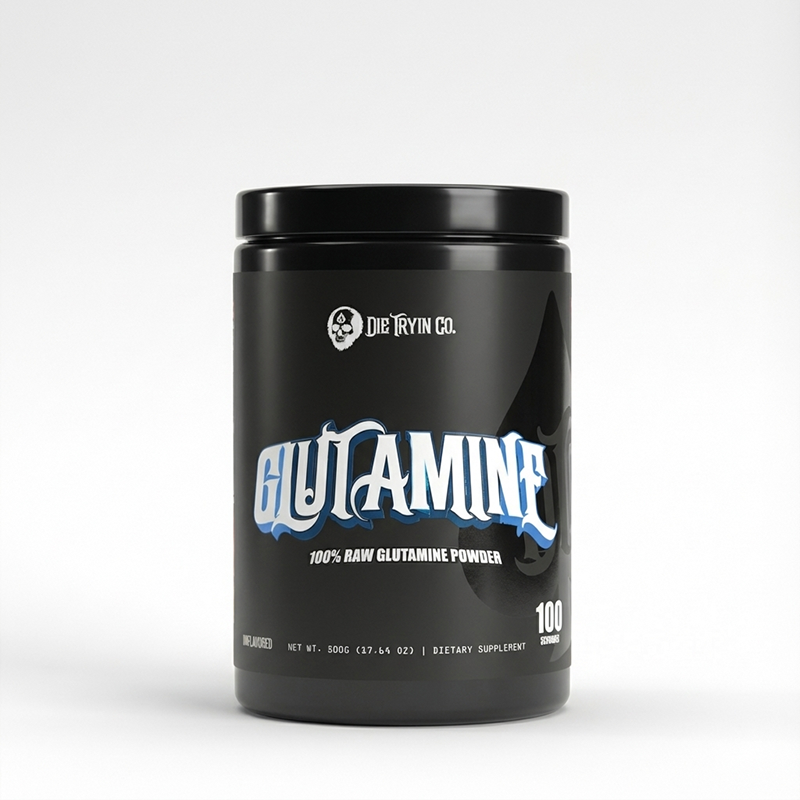
Our Glutamine is exactly what it says on the tub: 5 grams of L-Glutamine per serving, single ingredient, no filler, no proprietary blend hiding the number. Real doses of real ingredients. Here is the honest fit, gaps included.
- Dose: 5 grams of L-Glutamine per serving is our label serving. Be straight about the gap: the gut trials in that review dosed 0.25 to 0.9 grams per kilogram of fat-free mass, taken roughly two hours before running in the heat, and the effect tracked with dose. That is well above one scoop, and nobody has tested a single 5 gram serving against those results. Our product spec notes athletes commonly run 10 to 20 grams a day split across doses. The separate finding that higher doses buy nothing applies to performance outcomes, not to the gut markers.
- Timing: every trial that found a gut effect dosed before the session. Post-training and before bed are the common consumer protocols, and neither has been tested against the other, so pick the one you will keep.
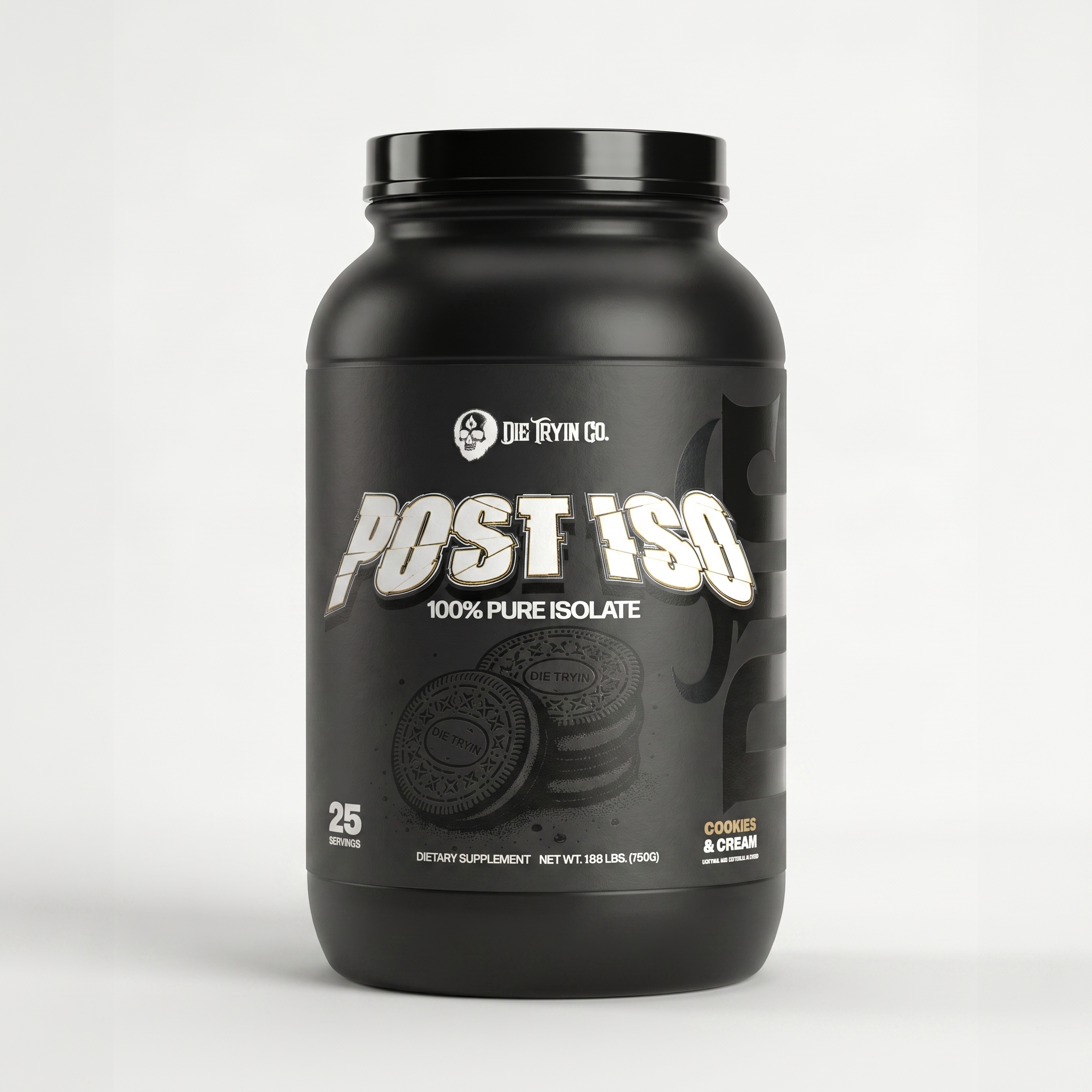
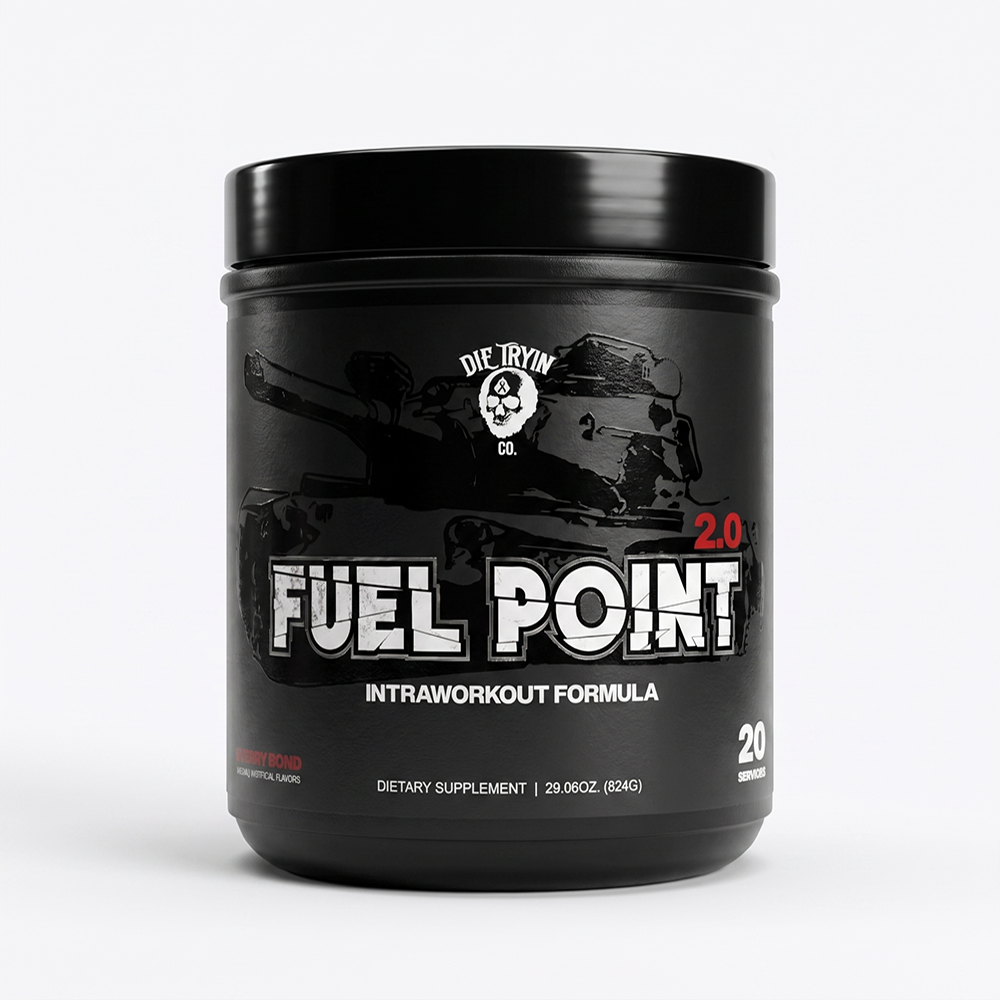
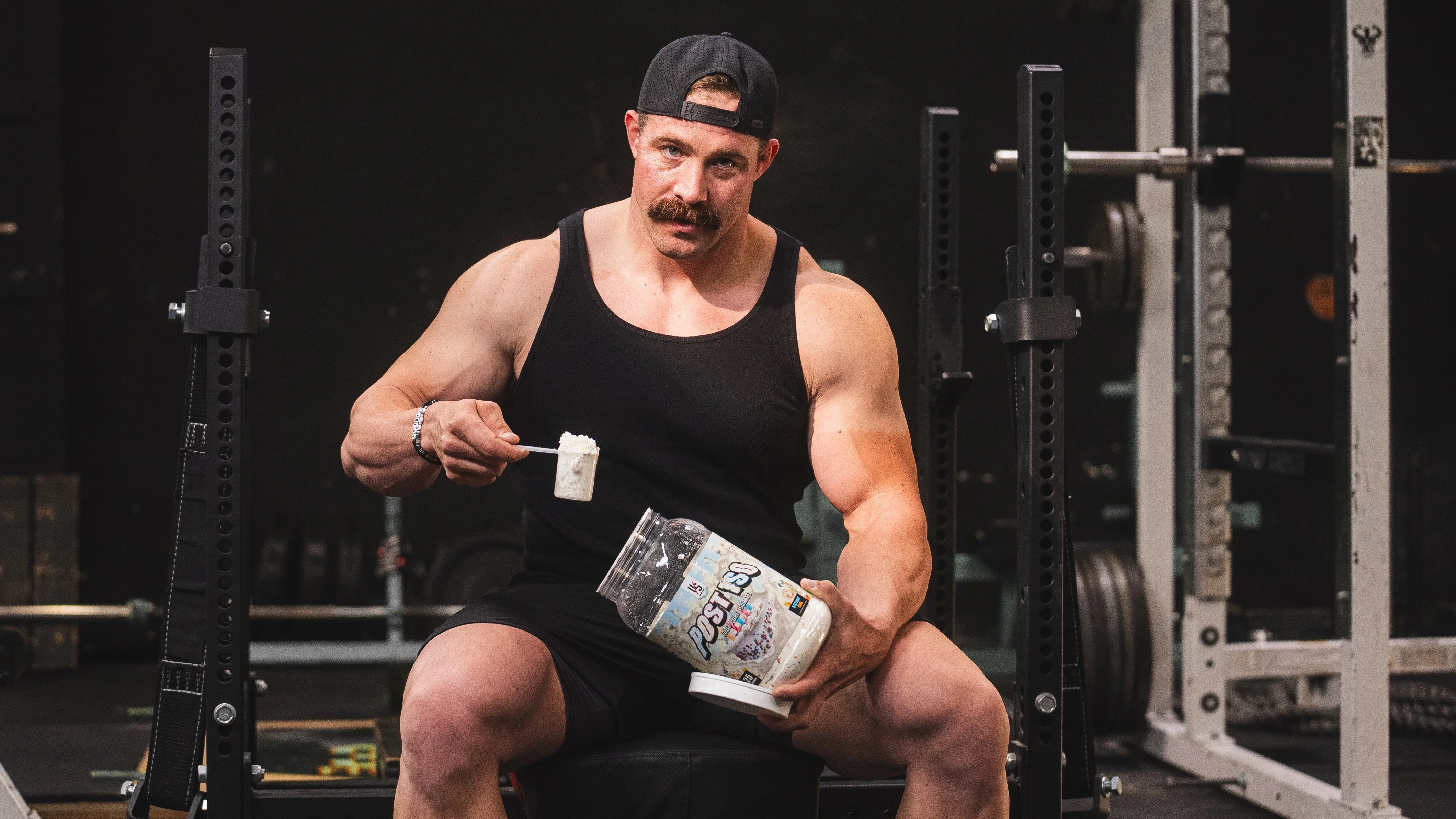
- Stacking: pairs fine with whey isolate like Post Iso. One caution on intra-workout carbs: Fuel Point 2.0 already carries 2 grams of L-Glutamine per scoop, and the same review reported no added benefit from stacking glutamine on top of a carbohydrate drink. Read your labels before doubling up.
- What to skip: any "recovery matrix" that buries glutamine inside a proprietary blend, and any brand that will not print the dose or the test results. That argument in full lives in our piece on third-party testing.
WHO SHOULD ACTUALLY BUY IT
Be honest about which list you are on, because the evidence only covers one of them.
- Worth it: endurance and heat-stress athletes doing long sessions, which is the only population where the marker-level evidence sits. Know what you are buying: a change in a blood or urine marker, not a promise about how your stomach will feel.
- Worth it: athletes who already have sleep, protein, hydration, and training load handled and are hunting the next small edge.
- Skip it for now: anyone still missing their protein target, still sleeping five hours, or still without Creatine Monohydrate in the cabinet. Glutamine is not the gap in that plan.
- Skip it: anyone buying it because a label promised muscle preservation, faster recovery, or fewer sick days. Those claims are not supported, and you deserve to know that before you spend.
WHERE GLUTAMINE SITS IN THE STACK
Basics beat hype. Glutamine is a Tier 3 margin: worth owning once your foundation and your goal layer are locked, never worth buying first. The full buying order, tier by tier, lives in our guide to building a supplement stack for your actual goal. Not sure where you sit? Take the quiz and start at the bottom of the list, not the top.
FREQUENTLY ASKED QUESTIONS
Does glutamine build muscle?
No. A meta-analysis pooling 25 trials in athletes found no effect on body composition, and a six-week trial using roughly ten times a standard scoop found no difference in squat, bench, lean tissue, or a marker of muscle breakdown. Buy it for the gut markers, not the mirror.
How much glutamine should I take?
Our product delivers 5 grams of L-Glutamine per serving, the standard label serving. The exercise gut trials used far larger weight-scaled doses taken before the session, so one scoop has not been tested against those results. Our own spec notes athletes commonly run 10 to 20 grams a day split across doses.
Will glutamine keep me from getting sick during a hard block?
The pooled athlete data did not find an immune benefit, so do not count on it. The one signal that showed up, lower neutrophil counts at higher doses, is a shift in a blood marker, not a health win. Sleep, calories, and load management do more here.
Should I take glutamine on rest days?
The studies that found a gut-barrier effect dosed before exercise, in the heat. Daily versus training-day-only has never been compared, so anyone telling you one beats the other is guessing. Pick the schedule you will actually keep.
Can I take glutamine with creatine and protein?
Yes. Plenty of lifters drop a scoop into the same shake as their post-training protein. Read your labels first so you know what you already get from an intra-workout or recovery formula.
Is glutamine actually worth the money?
For an endurance athlete training long and hot, it is the one use case with real human data behind it. For a lifter hoping it protects muscle on a cut, no, and any brand telling you otherwise is selling a claim the research does not back.
READY TO GEAR UP?
Pick the tool that matches the actual job:
- Gut-marker support for long, hot endurance sessions: Glutamine, 5 grams of L-Glutamine, one ingredient, nothing hidden.
- Strength and size, where the research support is deepest: Micronized Creatine Monohydrate at 5 grams daily, the most-researched performance supplement in the category.
- Daily protein you will actually drink: Post Iso whey isolate with DigeZyme enzymes.
- Fuel and aminos during long sessions: Fuel Point 2.0.
- Build the recovery side properly: start with the complete recovery guide, then tighten up your day-to-day recovery habits.
Glutamine is a real tool with a narrow job. Use it for that job, put your money into the basics first, and stop paying for claims nobody can back up. Train smart. Train hard.
*These statements have not been evaluated by the Food and Drug Administration. This product is not intended to diagnose, treat, cure, or prevent any disease.
ALWAYS FORWARD.
GEAR THAT FITS THIS POST
The products this article actually talks about. Real doses, disclosed labels, veteran owned.

Read more
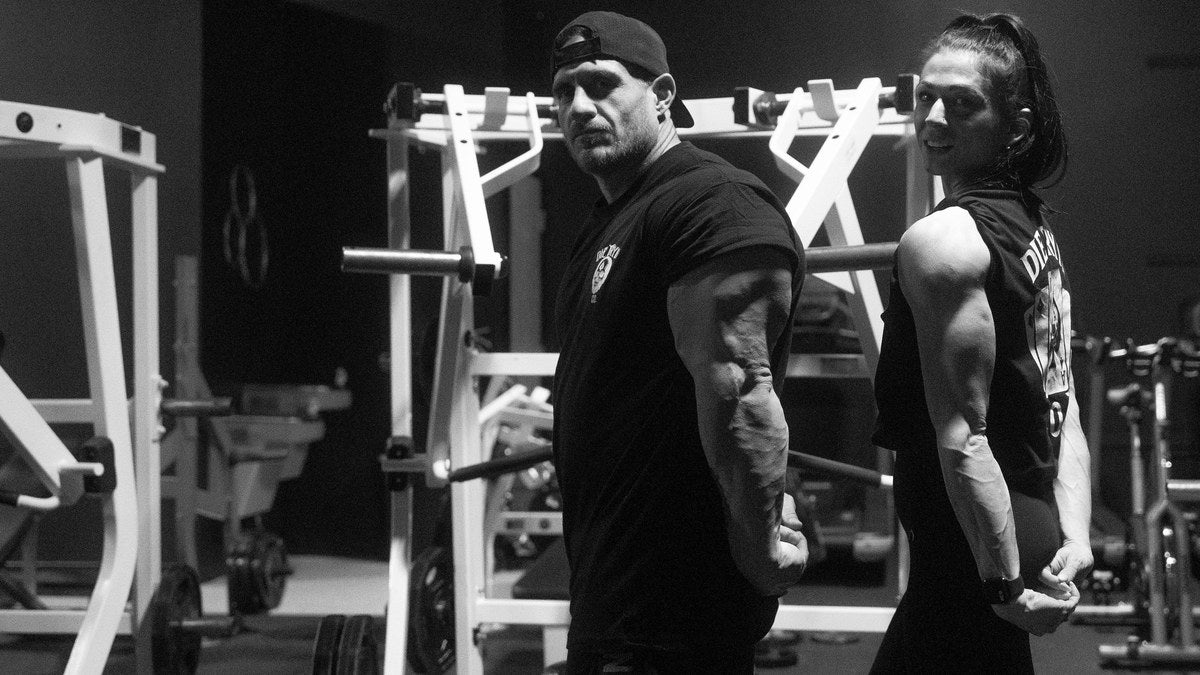
The no-BS recovery playbook — sleep, stress, nutrition, modalities, and the framework that ties it all together. Recovery is where growth actually happens.
You do not grow from what you eat. You grow from what you absorb, and that is a gut problem.
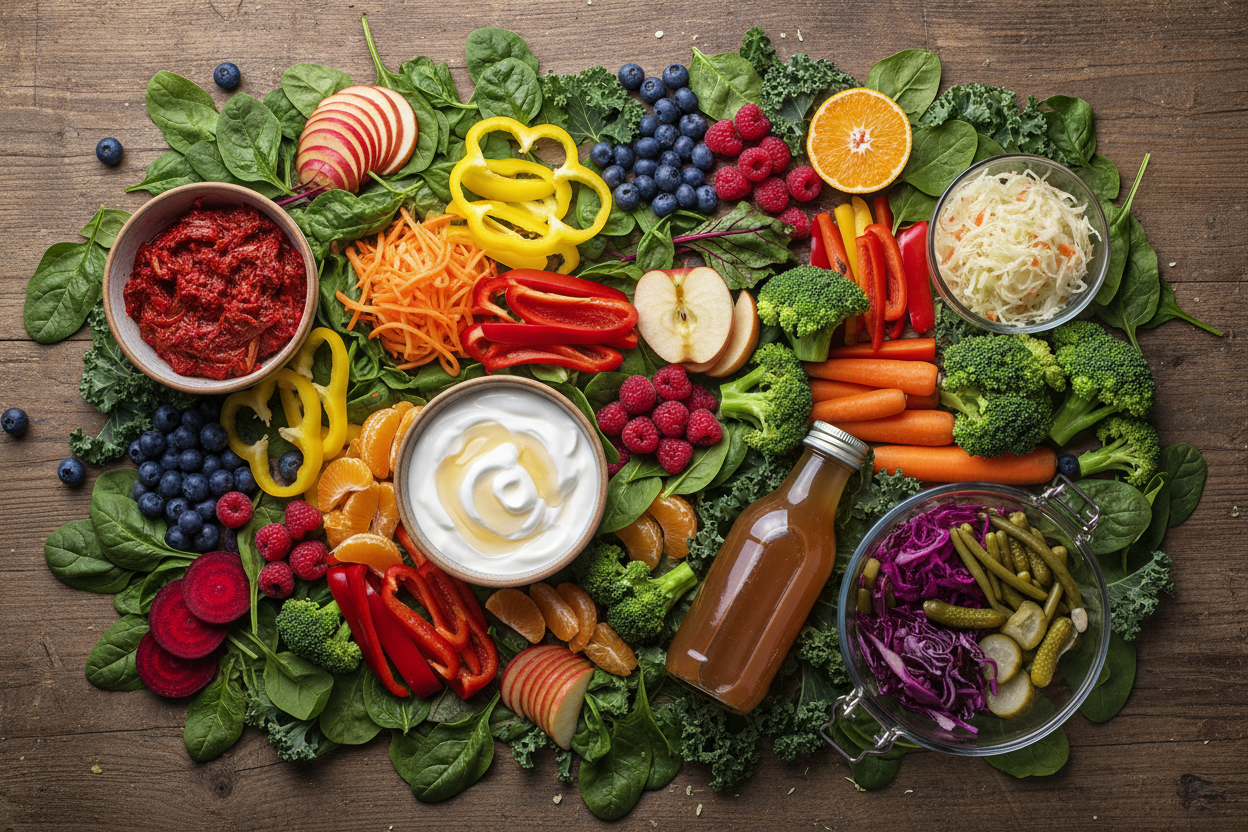
Your gut runs more than your digestion. Here are 8 day-to-day tips — diet, hydration, sleep, stress, and probiotics — to support a healthier gut.
"Third party tested" has no legal definition, and independent labs keep finding undeclared steroids and wrong doses in products that print it. Here is what each tier of testing actually verifies, a...
Most people build a stack from what is trending. Build it from your goal instead, and the list gets shorter and cheaper.
Recovery is mostly three unglamorous things. Everything else is a rounding error, and we will show you the numbers.