


KSM-66 Ashwagandha
By Jon Klipstein, U.S. Army Combat Veteran & Founder of Die Tryin Co.
Science reviewed by Onur Oncer, BS Physiology and peer-reviewed published researcher.
THE ADAPTOGEN (STRESS HERB) THAT EARNED ITS SPOT
KSM-66® is a branded ashwagandha extract made from the root only. It's standardized, meaning every batch is made to a set strength: at least 5 percent of it is withanolides. Those are natural compounds in the root that researchers keep coming back to. Ashwagandha is an adaptogen, an herb studied for helping your body handle stress. Part of that is how it affects cortisol, your body's main stress hormone.
Here's the truth: "adaptogen" is one of the most abused words in this industry. Brands usually slap the word on a label when the product holds only a pinch of some root with no set strength. KSM-66 is in our line for one reason. Ashwagandha root extract has real trials behind it, where people were split at random and one group got a placebo (a dummy pill). And those trials used amounts that fit in a real supplement serving.
WHAT THE RESEARCH SHOWS
The evidence for stress comes from studies on the root extract. In one 2012 stress trial, 64 adults with long-term stress got either the extract or a placebo. Neither they nor the researchers knew who had which. The trial used a strong root extract that keeps the root's natural mix of compounds, not just one isolated part. The extract group took 300 mg twice a day for 60 days.
On every stress survey, the extract group's scores dropped more than the placebo group's, and the gap was very unlikely to be chance. Cortisol in the blood also dropped more than with the placebo.
A second trial tested two doses to see if more works better: 250 mg or 600 mg a day for eight weeks. Both doses lowered how stressed people felt, and both lowered cortisol. The 600 mg dose got the stronger result.
There's less evidence for gym results, but what's there is real. A 2015 trial on ashwagandha and lifting split 57 young men at random. One group took 300 mg of root extract twice a day, the other a placebo, through 8 weeks of lifting. The extract group gained more strength, built more muscle and saw a bigger rise in testosterone than the placebo group.
Where the evidence stops: these trials ran on people who were stressed or new to lifting. So be careful applying the results to a trained lifter who already sleeps well. And not every extract or study shows the same result. Some studies using other ashwagandha products didn't find the main stress benefit they were looking for. That's exactly why we use the same root-only, set-strength kind used in the studies where it worked. And we print the dose.
| Source | Dose | What it means |
|---|---|---|
| In the trials | 250 to 600 mg of root extract a day | Strongest results at 600 mg |
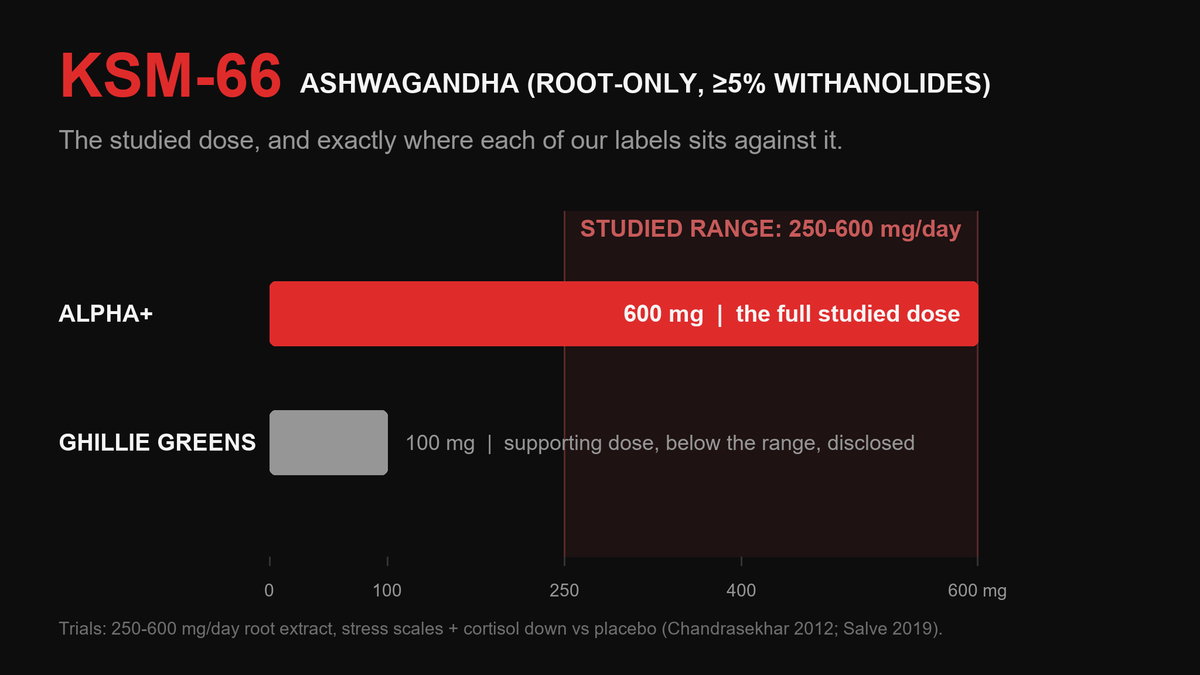
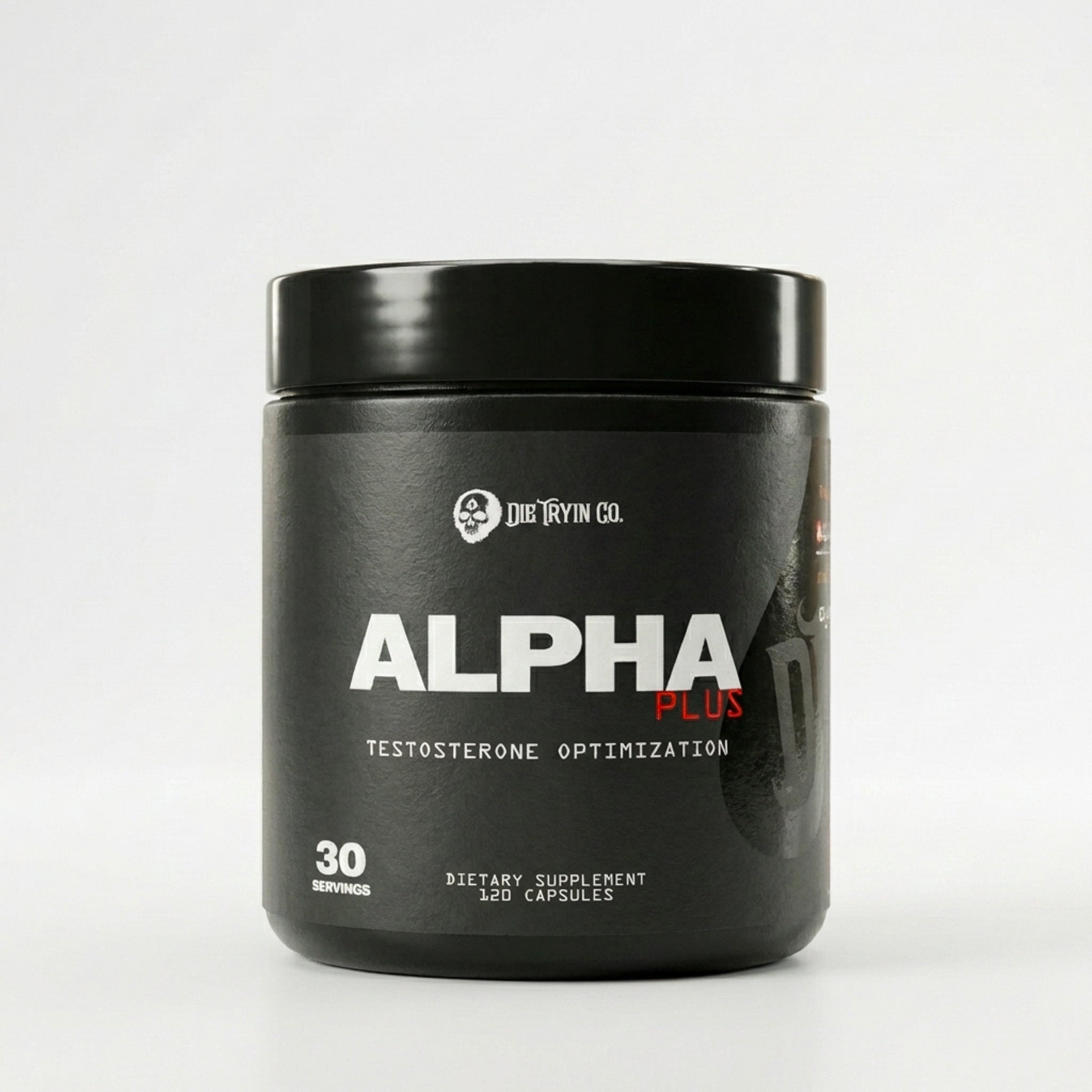
| Alpha+ | 600 mg KSM-66 (at least 5% withanolides) | Matches the 600 mg a day the root-extract trials used |
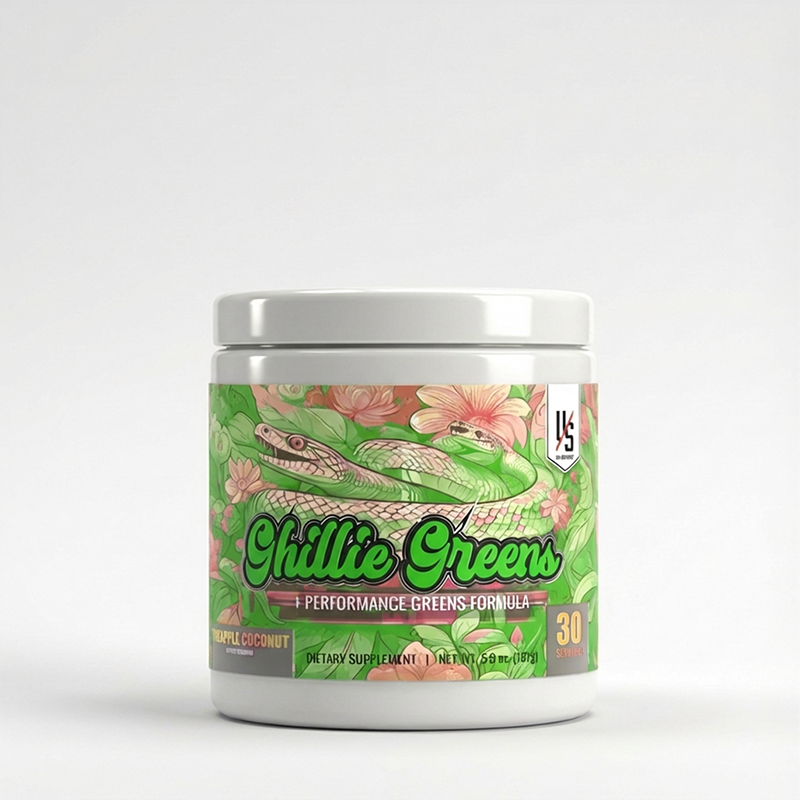
| Ghillie Greens | 100 mg KSM-66 | A small add-on amount, below what the trials used. We say so up front. |
See the gap between Alpha+ and Ghillie Greens in the table? That's why you check the amount on the label, not just whether the ingredient is listed. Alpha+ is where KSM-66 does its full job. In Ghillie Greens it's a smaller add-on. The greens are the point of that product. We'd rather tell you straight than call 100 mg a "clinical" dose in the marketing.
FREQUENTLY ASKED QUESTIONS
What is KSM-66 ashwagandha?
It's a branded, root-only extract of the ashwagandha plant (Withania somnifera), standardized, meaning every batch is made to a set strength: at least 5 percent withanolides. Root-only matters because most human studies where it worked used the root, while leaves are cheaper and let brands pump up the withanolide number on the label.
Is ashwagandha a stimulant?
No, it's the opposite of a caffeine kick: it's studied for stress and taken every day like your daily multivitamin, not timed around training. We go deeper on cortisol in our balancing cortisol post.
Does ashwagandha raise testosterone?
The 2015 lifting trial found a bigger testosterone rise than placebo in young men just starting to lift, a real result with real limits. Our complete testosterone guide puts it in context: training, sleep and food do most of the work on testosterone, and supplements support it.
What dose should I look for?
The trials ran 250 to 600 mg of root extract a day. Alpha+ carries the full 600 mg per serving, and Ghillie Greens carries a smaller 100 mg add-on dose alongside its greens. If you are pregnant, managing a medical condition or taking medication, clear any supplement with your doctor first.
READY TO GEAR UP?
Every dose above is printed on the label, and it's the dose of the exact ingredient you get. See every ingredient we use in the Ingredient Index. Or take the 60-second quiz to match a formula to your training.
ALWAYS FORWARD.
GEAR THAT FITS THIS POST
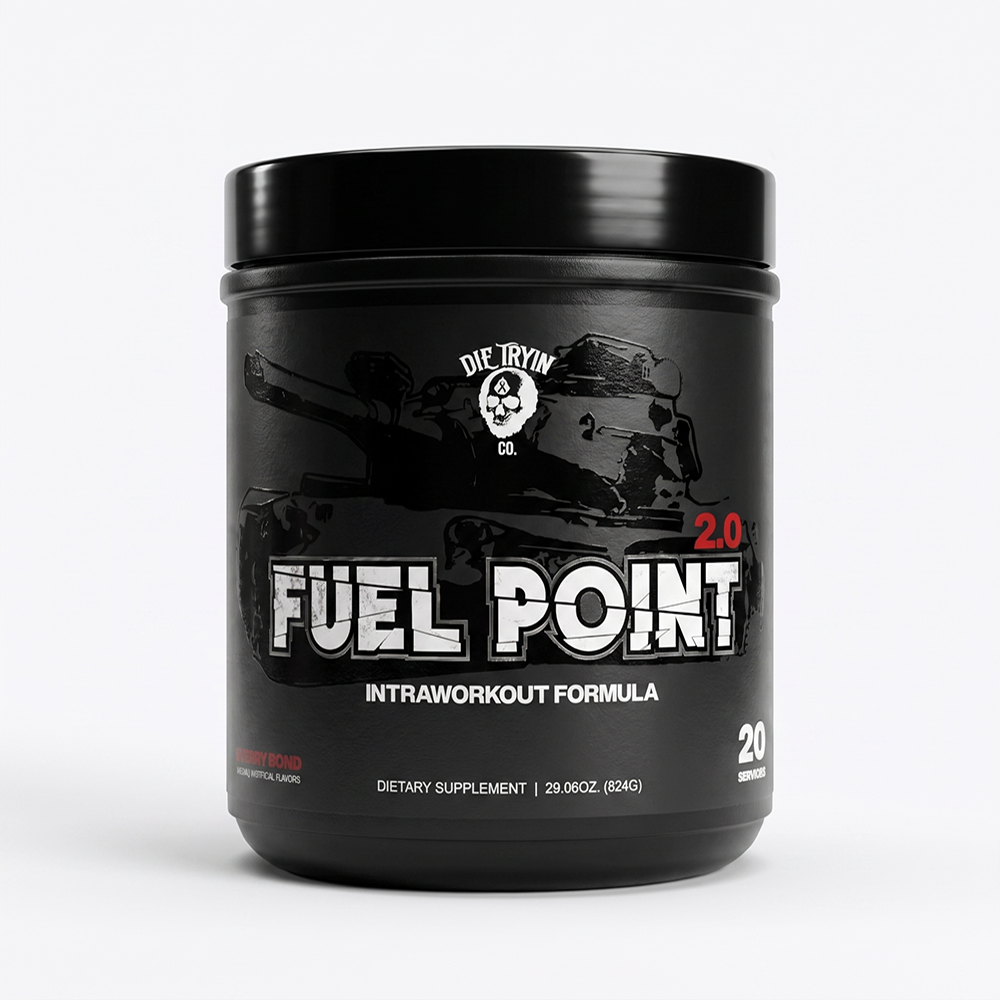
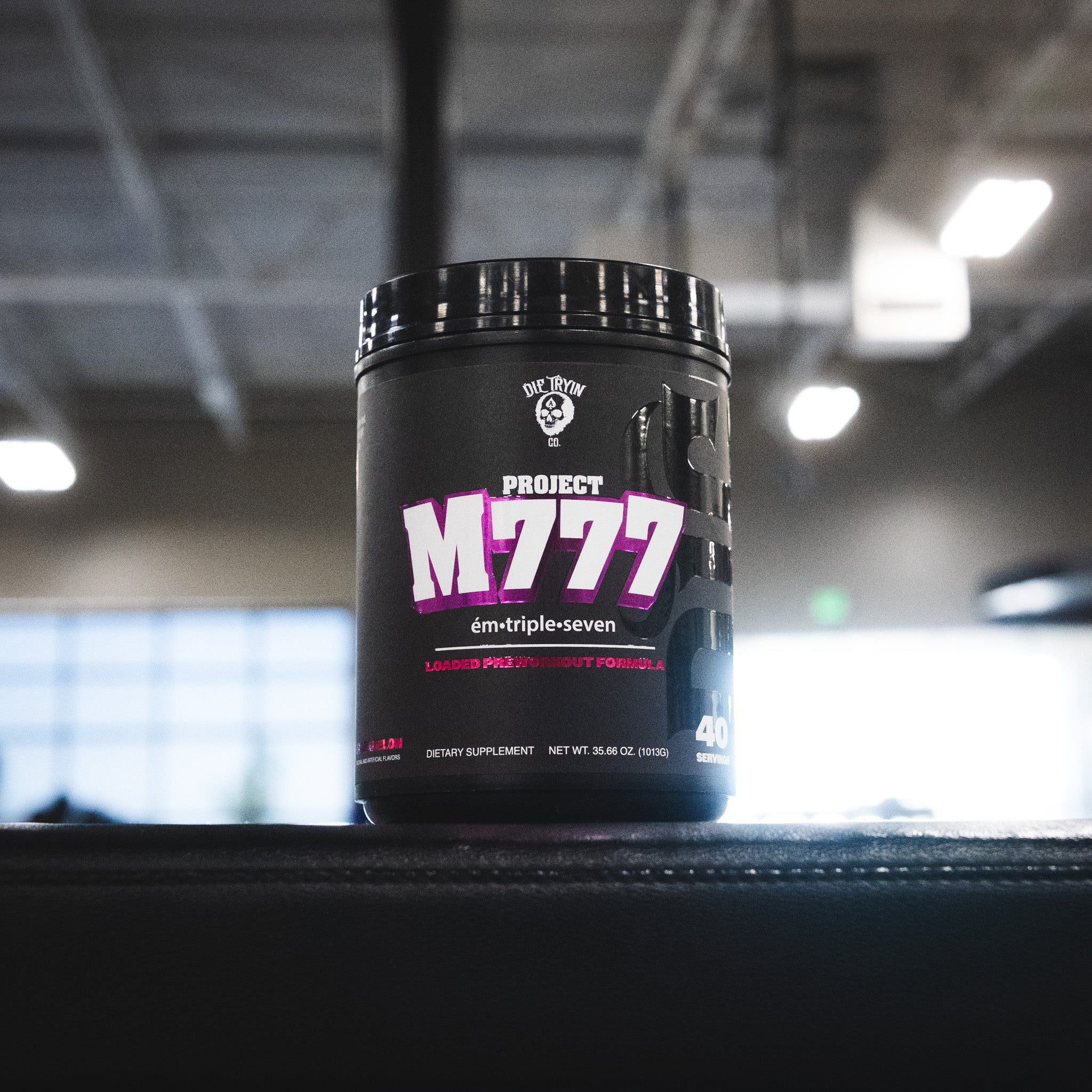
The products this article actually talks about. Real doses, disclosed labels, veteran owned.
Read more
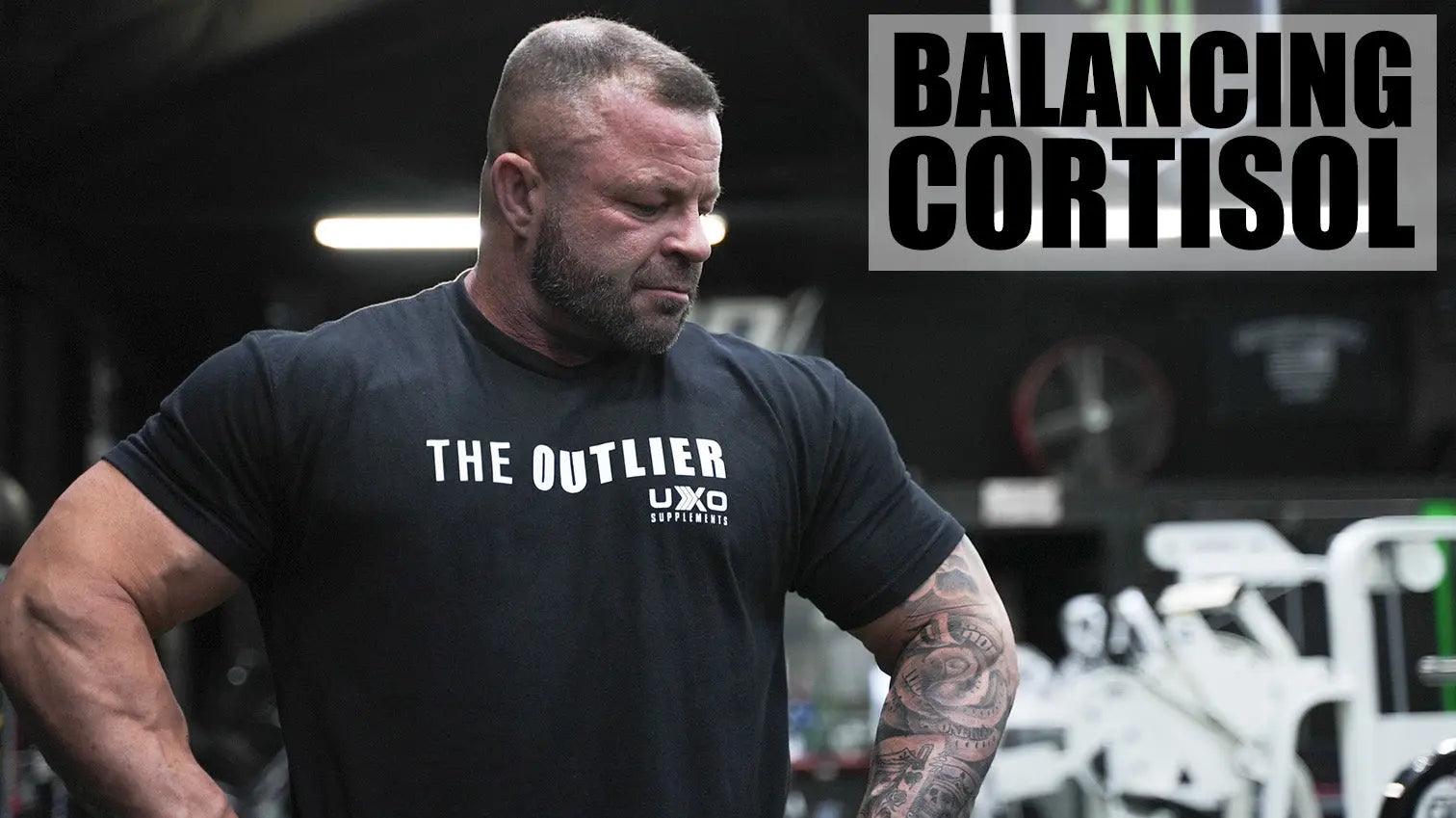
Chronic high cortisol breaks sleep, drives belly fat, and tanks recovery. The honest physiology + evidence-based strategies to normalize HPA axis function.
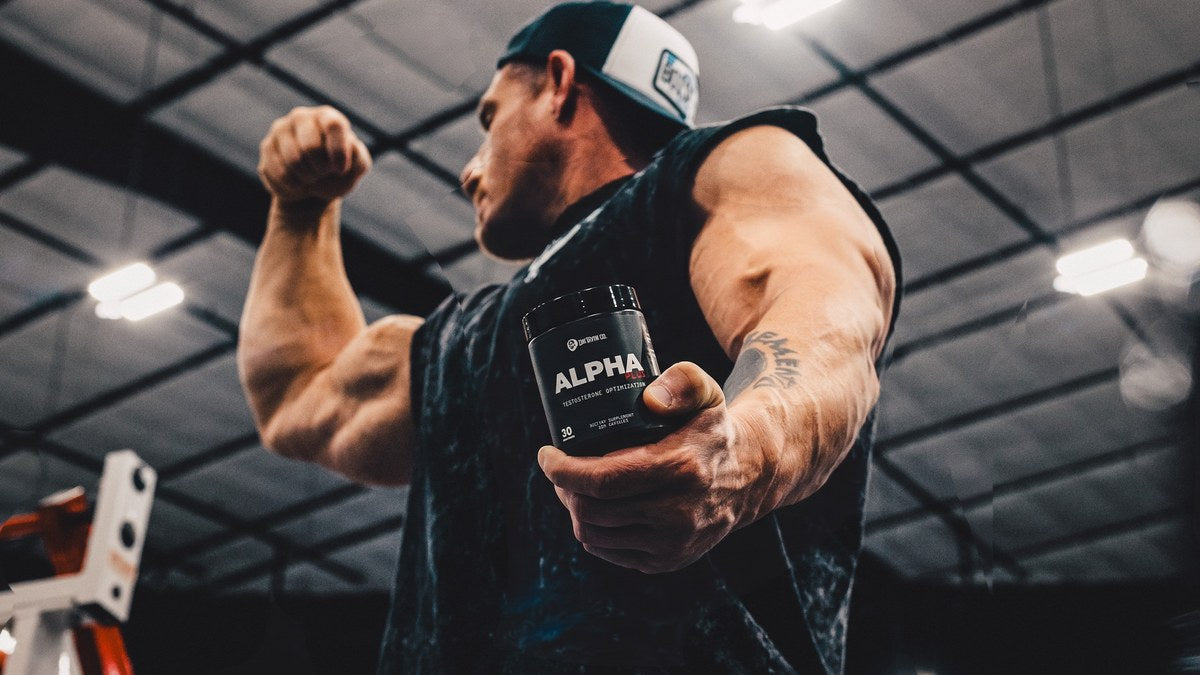
The honest playbook for healthy testosterone — sleep, body composition, training, stress, and what the research really says about boosters. No hype.
Your gut lining runs the same creatine energy system as your muscles. Here is what the research shows on stomach upset, IBS, colitis and leaky gut, and exactly where the human evidence stops.

Creatine gummies can work if the creatine is actually in them, and lab tests keep finding it often is not. Here is why a scoop of Creatine Monohydrate powder still wins.
Flavor doesn't change what creatine does; taking it every day is what counts. How to pick flavored or unflavored, what to mix it with, and how long it lasts once mixed.
Whey protein concentrate now costs more than four times its early-2023 low. Here is what is driving it, what the 2027 forecasts actually say, and how to pay less per gram of protein without getting...