



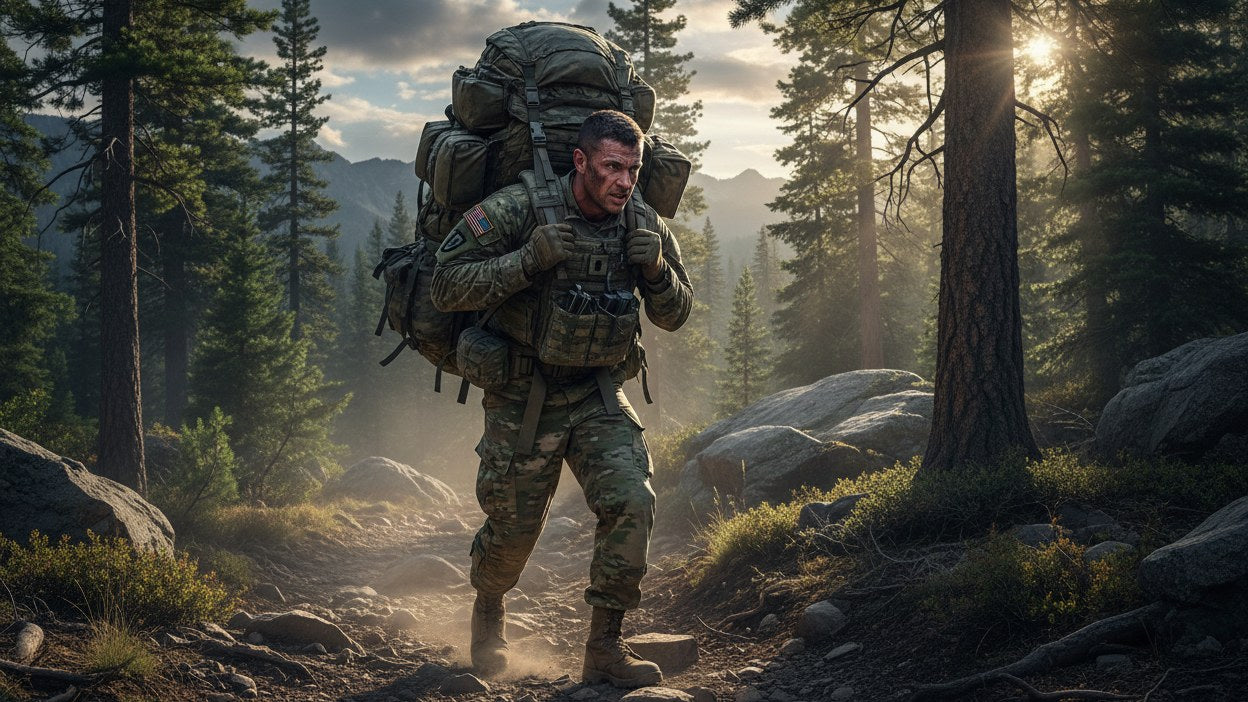
Why We Murph: The Workout That Remembers
By Jon Klipstein, U.S. Army Combat Veteran & Founder of Die Tryin Co.
Science reviewed by Onur Oncer, BS Physiology and peer-reviewed published researcher.
MISSION FIRST
Every Memorial Day morning, gyms across America fill up for the same hour of suffering: one mile run, 100 pull-ups, 200 push-ups, 300 air squats, one more mile, all with a 20 lb vest if you have earned that choice. It is called Murph, and if you have ever wondered why grown adults voluntarily do this on a holiday, this is the answer, and it is the most Die Tryin thing we publish all year. Read it before your first Murph, or read it the morning after your tenth, it lands either way.
THE MAN BEHIND THE WORKOUT
Lieutenant Michael P. Murphy was a Navy SEAL killed in Afghanistan on June 28, 2005, during Operation Red Wings, and posthumously awarded the Medal of Honor. During the fight, with his team pinned in terrain that blocked their communications, Murphy moved into open ground, exposed to fire, to get a rescue call out for his men. He completed the call and did not survive the fight. The workout was one he trained himself, reportedly calling it Body Armor, and after his death the community renamed it Murph and made it a Memorial Day ritual that now spans thousands of gyms, garages and base weight rooms every year.
That is the part to sit with before you complain about the pull-up count. The workout is hard on purpose. It is one hour of chosen difficulty to honor people who took on difficulty that was not optional, and did not come home from it. A hero workout is memory with a heart rate.
WHY EFFORT IS HOW LIFTERS REMEMBER
Standing quietly has its place. But for the training community, and for a combat-veteran-owned brand like this one, effort is the honest language of respect. You cannot give the fallen anything, they are past receiving. What you can do is refuse to waste the body and the freedom you still have, loudly, once a year, in a way that makes you tell the story of a 29-year-old SEAL to whoever asks why you are destroyed on a Monday. The workout keeps the name alive. That is the entire technology of it, and it works.
There is also an honest, well-studied link between hard training and carrying heavy things mentally. A meta-analysis of randomized trials found physical activity meaningfully reduced symptoms of PTSD and depression as an adjunct to standard care (Rosenbaum et al., 2015). Research frames movement as support alongside real treatment, never a replacement for it, and we frame it exactly the same way. The full picture, including where to reach for actual help, lives in our training and mental health piece, written from a veteran's seat.
HOW TO RUN MURPH WITHOUT WRECKING YOURSELF
Partition it. Almost nobody does 100 straight pull-ups. The classic split is 20 rounds of 5 pull-ups, 10 push-ups, 15 squats, which keeps every set submaximal until deep in the work. Scale it honestly. Half Murph, banded pull-ups, rows on a bar, push-ups from knees: the tribute is the effort at your edge, not someone else's numbers. Earn the vest. If you have never finished Murph comfortably without one, you have not earned the 20 pounds yet, and Michael Murphy of all people would respect the discipline of that call. Pace the first mile. The workout does not start until the second mile anyway.
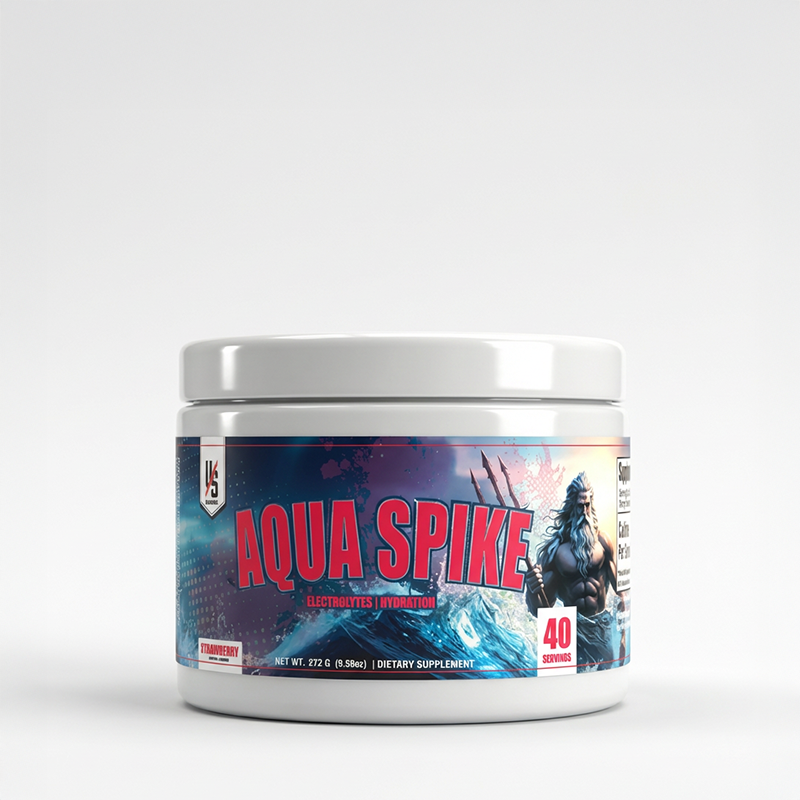
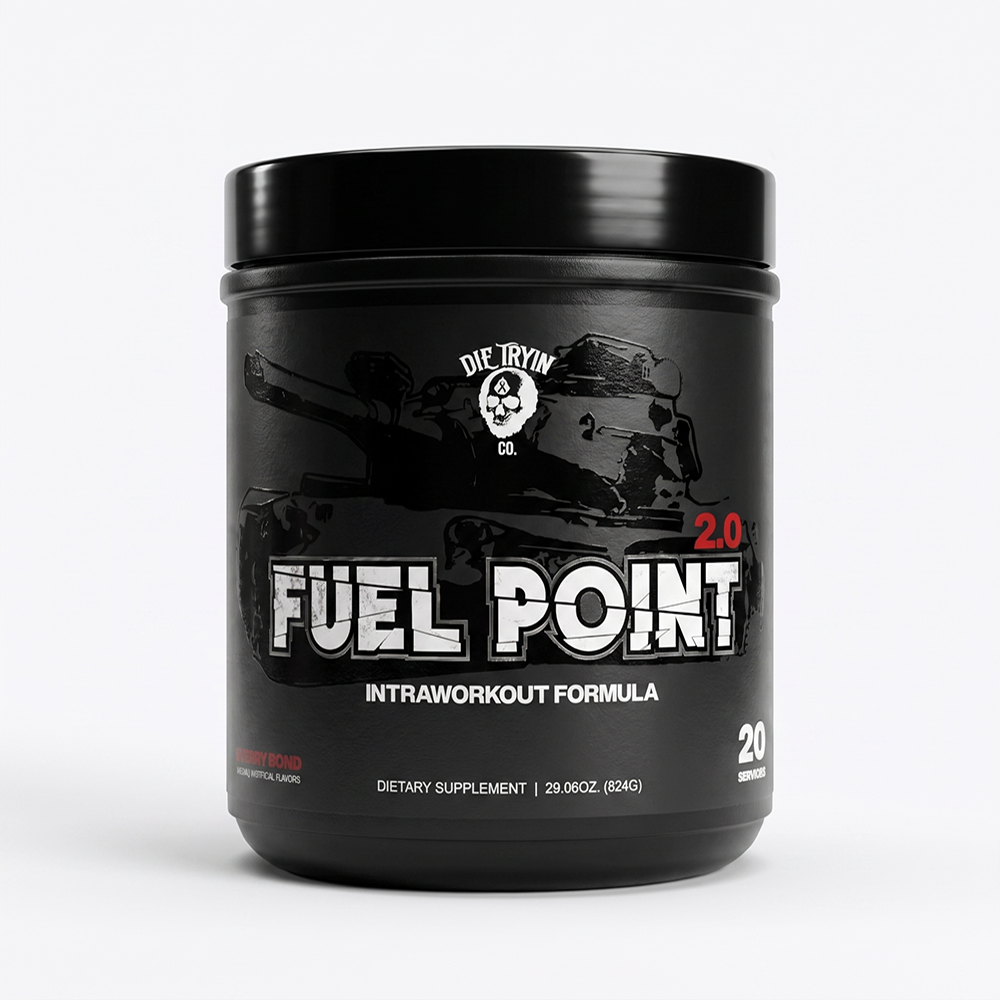
Preparation is a six-week on-ramp, not a Sunday decision: build pull-up volume with the grease-the-groove approach from our mindset guide's consistency playbook, push-up capacity every other day, and one run a week that finishes fast. Hydrate like it is a real event, because it is: Aqua Spike before and during, Fuel Point 2.0 in the bottle for anything over 45 minutes, and skip the max-stim pre-workout for once, your heart rate has plans of its own today.
THE SIX-WEEK ON-RAMP
Weeks one and two: find your honest baseline. One timed mile, one max set of pull-ups, one max set of push-ups, written down. Then train each three times a week at half those numbers, multiple sets, never to failure. Weeks three and four: volume climbs, the classic Murph partition enters, run 10 rounds of the 5-10-15 scheme twice a week and feel the rhythm of it. One mile run each week finishes at goal pace. Week five: a half Murph, full format, half the reps, timed, vestless. It will tell you everything about pacing and where your arms die. Week six: back off, short crisp sessions, nothing new, arrive at Memorial Day hungry instead of sore.
The single biggest on-ramp mistake is pull-up volume arriving too fast. Elbows and shoulders adapt slower than enthusiasm. If 100 partitioned pull-ups sounds impossible today, six weeks of submaximal sets is genuinely enough runway for most lifters, but only if the sets stay submaximal until the day itself.
MURPH DAY LOGISTICS
Eat a normal carb-forward breakfast two to three hours out. Chalk if your gym allows it, tape if your hands blister, a plan for the sun if you run outdoors. Decide your format before the clock starts, partition scheme, scaling, vest or not, because mid-workout negotiations always end in regret. And when it is done, before the shaker and the couch, take the minute the day is actually about: the name is Michael Murphy, the day is for all of them, and you just spent an hour making sure at least one more person asked.
THE STANDARD CARRIES PAST MEMORIAL DAY
Murph is one hour a year. The standard it points at, chosen difficulty as a form of respect, is the daily thing, and it is the same thread that runs through why this country used to test its kids and why we still test ourselves. Do the workout in May. Keep the receipts all year. That is the version of remembrance a training company can actually offer, and we offer it without apology.
FREQUENTLY ASKED QUESTIONS
What is a good Murph time?
Unpartitioned with a vest, elite is under 40 minutes. Partitioned without a vest, most fit adults land between 45 and 70 minutes. The honest metric your first year is finishing with form intact.
Can beginners do Murph?
Scaled, yes: half the reps, banded pull-ups, knee push-ups, walk portions of the runs. The tradition is effort at your limit, and a scaled Murph at true effort honors it completely.
Should I wear a weight vest?
Only if you have completed the full workout comfortably without one. The vest represents body armor, and wearing it unearned mostly represents a trip to urgent care.
How should I eat before Murph?
A normal carb-forward meal two to three hours out, fluids and electrolytes from the morning on. Treat it like a race, not like a lift.
Why is it done on Memorial Day specifically?
Memorial Day honors those who died in service. Murph gives the day a physical ritual, one that makes people learn and repeat a fallen operator's name. That is what hero workouts are for.
Are there other hero workouts?
Dozens, each named for a fallen service member or first responder, each with its own story. Murph is the most widely run because Memorial Day gave it a date, but the format, learn the name, do the work, tell the story, is the same across all of them.
READY TO GEAR UP?
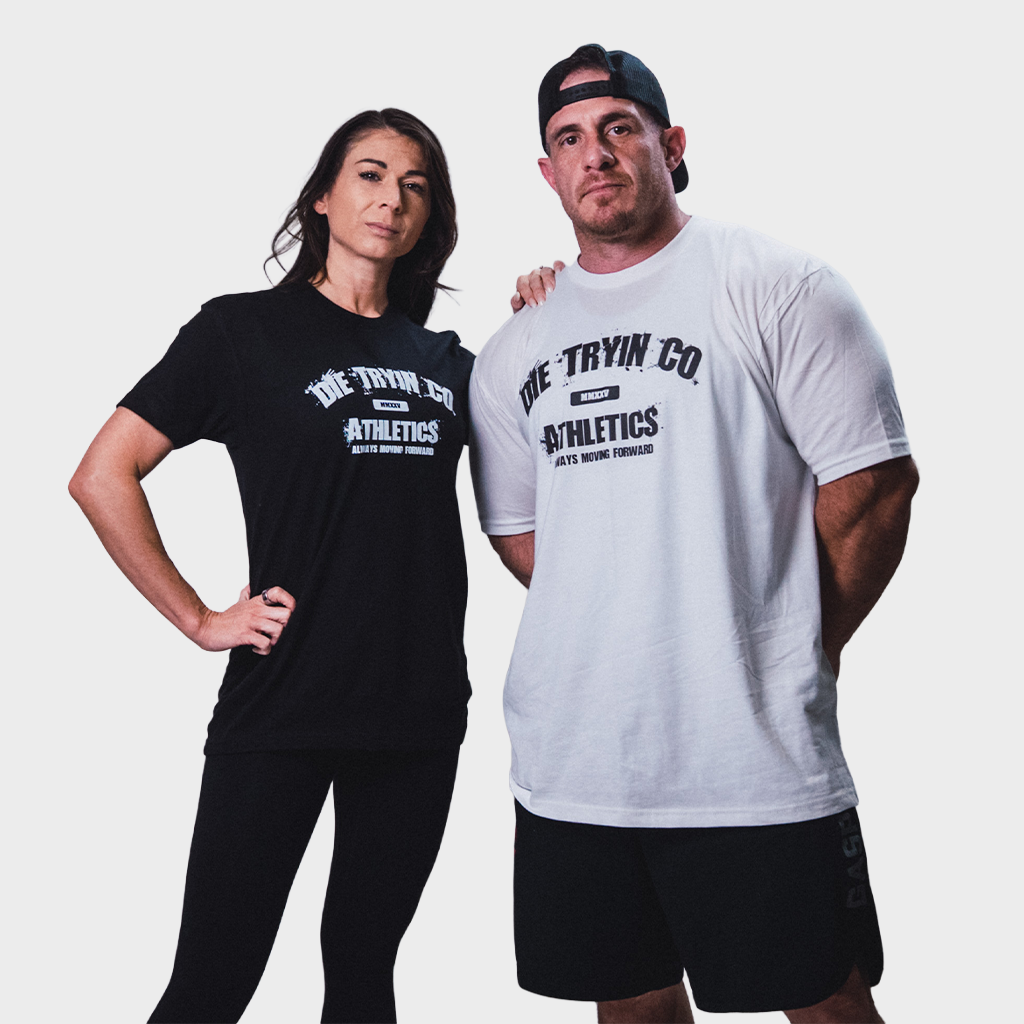
Show up prepared and hydrated: Aqua Spike for the electrolytes, Fuel Point 2.0 for the long grind, the Athletic Tee because you will sweat through whatever you wear. Then put it on the calendar and tell someone why. ALWAYS FORWARD is not a slogan on Memorial Day. It is the assignment.
ALWAYS FORWARD.
GEAR THAT FITS THIS POST
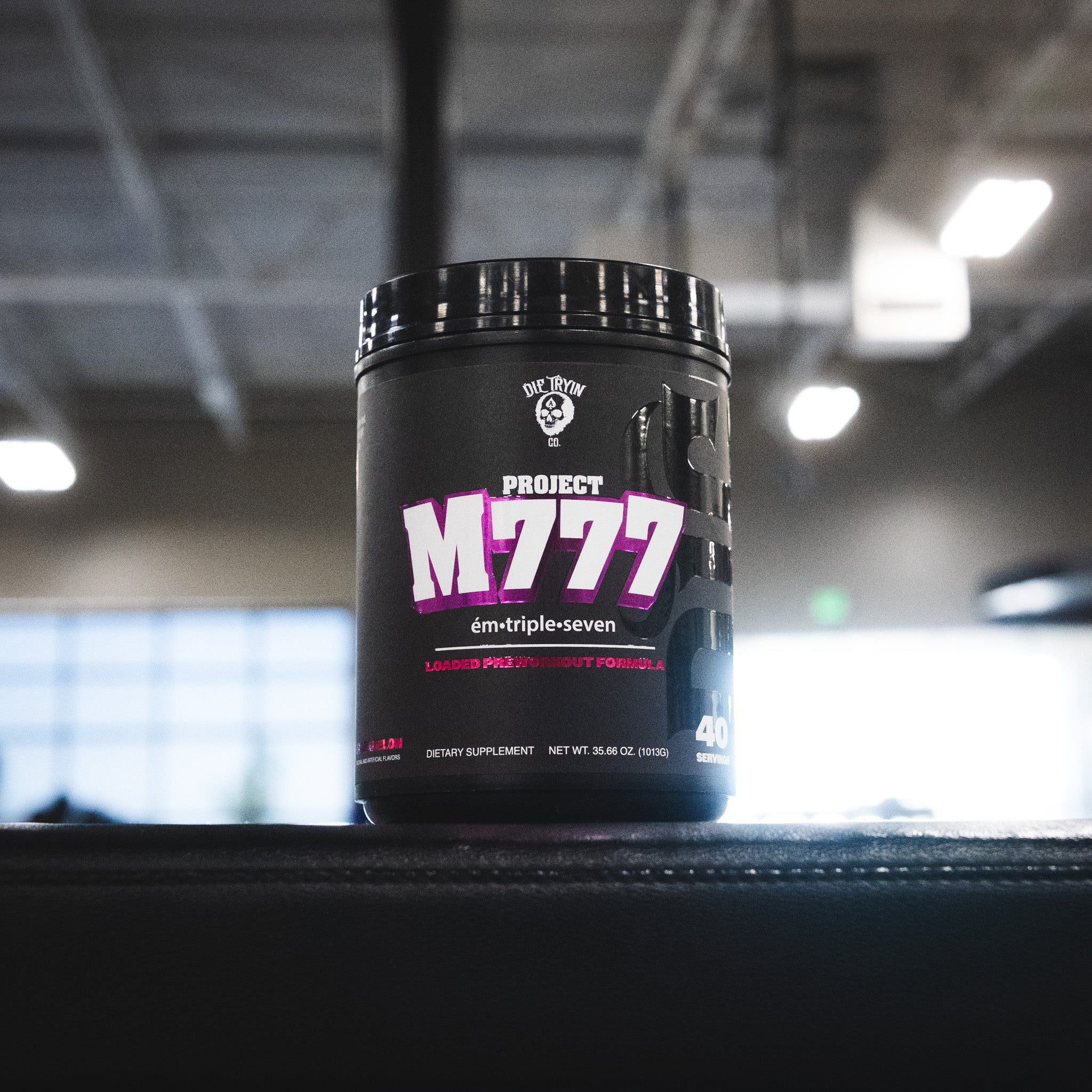
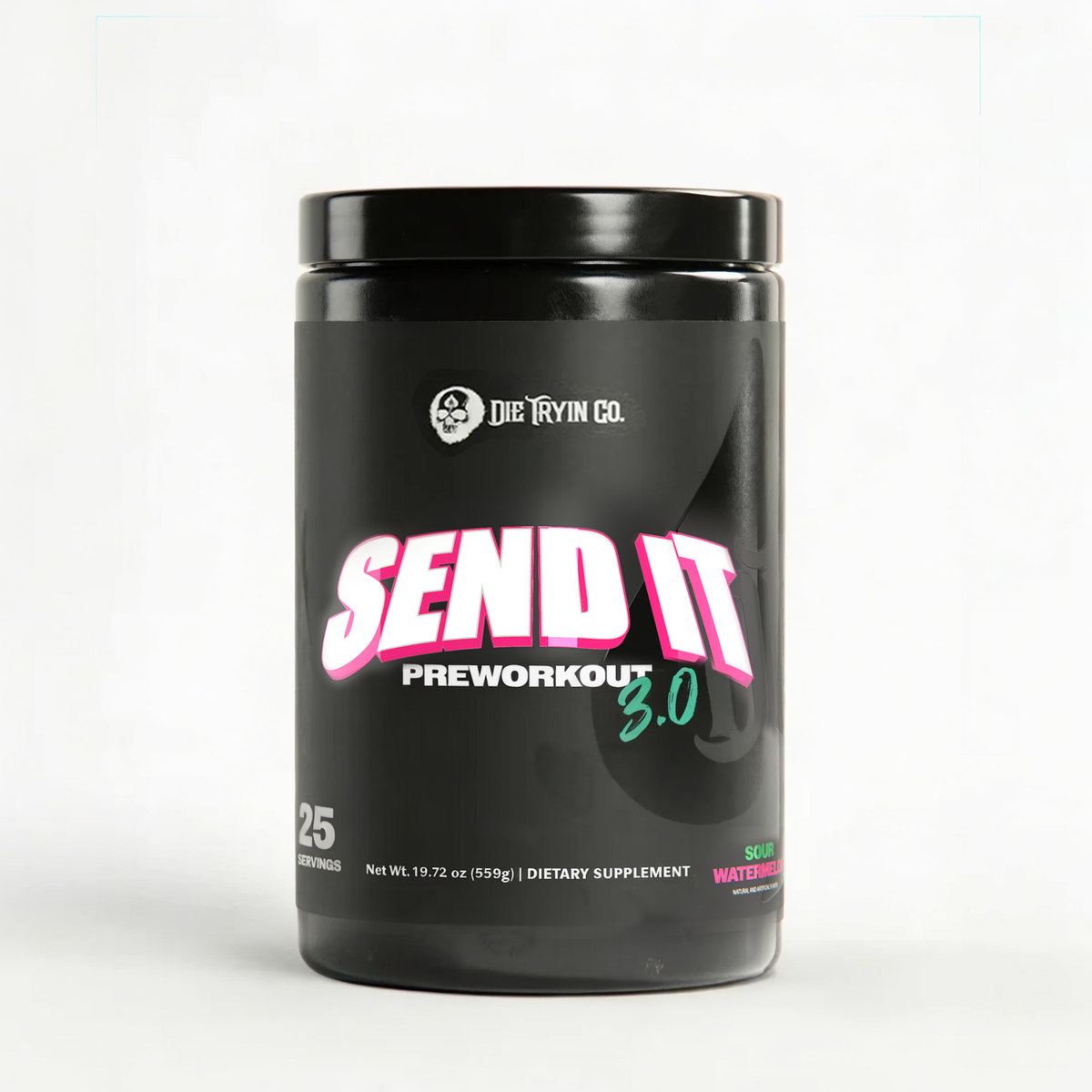
The products this article actually talks about. Real doses, disclosed labels, veteran owned.
Read more
Movement isn't a cure, but for many veterans it's a lifeline. An honest look at how training supports mental health, what the research says, and where to get help.
The honest playbook for building the discipline that actually lasts. Motivation fails — discipline gets built. Here's how.
Born from a Cold War readiness scare, designed so most kids could not win, quietly retired in 2012. The real story of the Presidential Fitness Test, and why standards still matter.
Your gut lining runs the same creatine energy system as your muscles. Here is what the research shows on stomach upset, IBS, colitis and leaky gut, and exactly where the human evidence stops.

Creatine gummies can work if the creatine is actually in them, and lab tests keep finding it often is not. Here is why a scoop of Creatine Monohydrate powder still wins.
Flavor doesn't change what creatine does; taking it every day is what counts. How to pick flavored or unflavored, what to mix it with, and how long it lasts once mixed.