


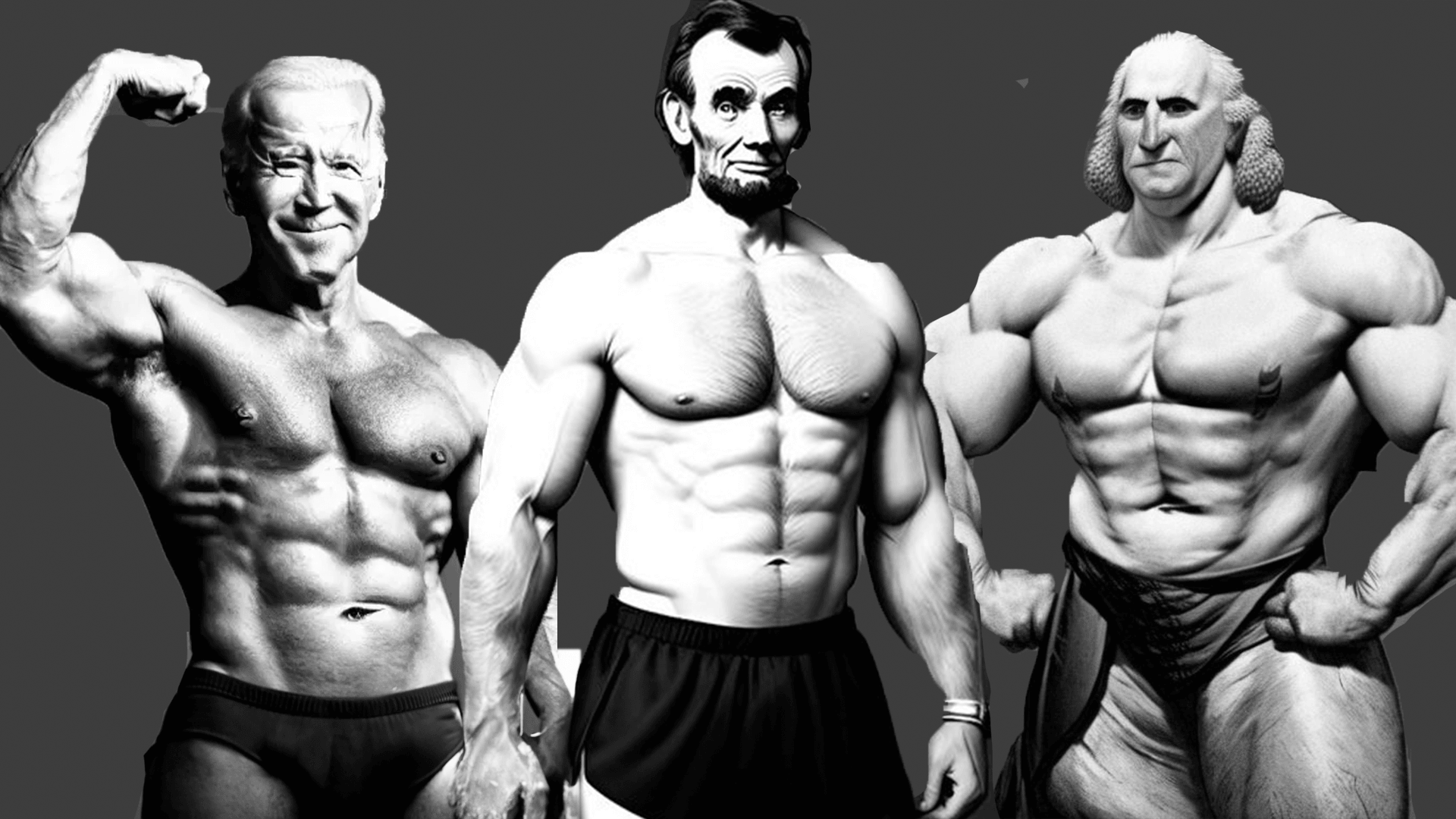
The Presidential Fitness Test: 5 Wild Facts
By Jon Klipstein, U.S. Army Combat Veteran & Founder of Die Tryin Co.
MISSION FIRST
Listen up. If you grew up American, there is a decent chance a flexed-arm hang or a shuttle run lives somewhere in your memory, next to the smell of a gym floor and a clipboard-carrying PE teacher. That was the Presidential Fitness Test, and the story behind it is stranger, more military, and more relevant to right now than almost anyone remembers.
Five facts, and the last one is the reason this brand cares.
1. IT STARTED BECAUSE AMERICAN KIDS FAILED A TEST EUROPEAN KIDS PASSED
In the early 1950s, physician Hans Kraus and researcher Ruth Hirschland ran thousands of schoolchildren through a six-item minimal fitness screen, the Kraus-Weber tests, simple trunk and posture checks a healthy child should pass. Their reported results landed like a grenade: more than half of American kids failed at least one item, while European children failed at a rate under one in ten.
That finding made it to President Eisenhower's desk, complete with a White House lunch where the data was laid out. Eisenhower, a man who had commanded armies, read it as a national readiness problem, and in 1956 signed the order creating what became the President's Council on Youth Fitness. The entire apparatus your gym class inherited traces back to a soldier looking at soft kids and seeing a strategic liability.
2. THE FAMOUS TEST CAME A DECADE LATER, AND KEPT MUTATING
The Council spent its first years on campaigns, not clipboards. The actual Presidential Physical Fitness Award arrived in 1966 under Lyndon Johnson, and the test grew into the gauntlet generations remember: pull-ups or the flexed-arm hang, sit-ups, the shuttle run, the sit-and-reach, and the mile. Items shifted across decades, softball throws came and went, but the format held for nearly fifty years: everyone tested, scores read aloud, one standard for the whole country.
3. THE AWARD WAS DESIGNED SO MOST KIDS COULD NOT WIN IT
Here is the fact that explains both the nostalgia and the resentment: the Presidential award required reaching the 85th percentile on every single event. By construction, the badge belonged to roughly the top sliver of kids and nobody else, and no amount of national improvement could change that, because percentiles move with the population. It was a ranking dressed up as a standard. Great for finding future athletes, brutal for the kid who trained hard, improved all year, and still watched someone else collect the patch. Keep that design flaw in mind, because it is what eventually killed the test.
4. IT WAS QUIETLY RETIRED IN 2012, AND THE REPLACEMENT FLIPPED THE PHILOSOPHY
After the 2012-13 school year, the Presidential Fitness Test was retired and replaced by the Presidential Youth Fitness Program built on FitnessGram, a health-referenced assessment. The change sounds bureaucratic and is actually philosophical: instead of ranking children against each other, the new standard asks whether each kid's aerobic capacity, strength and body composition sit in a healthy zone for their age. Competition out, health floor in. Whatever you think of the softer branding, the underlying question got better, because the point of childhood fitness was never the top 15 percent.
5. THE SCIENCE UNDERNEATH WAS RIGHT THE WHOLE TIME
Strip away the percentiles and the patches, and the original instinct has aged into hard evidence: physical fitness in childhood and adolescence is one of the most powerful markers of health science can measure, with aerobic capacity and muscular strength in youth linked to cardiovascular health, skeletal health and mental wellbeing down the line (Ortega et al., 2008). Eisenhower's council was reacting to a readiness scare, and the readiness concern never left: the military still tracks how large a share of young Americans would not qualify to serve, and fitness remains one of the leading disqualifiers.
That is the thread this brand actually cares about. Standards are not cruelty, and measurement is not the enemy; a country that stops testing itself does not become fitter, it becomes untested. The fix for the old test's flaws was better standards, not no standards, and the same is true for the person reading this. Pick your events, test yourself twice a year, and hold the line. It is the same logic that puts us under a barbell every Memorial Day for Murph, and it is the entire operating system laid out in our training mindset guide: discipline beats motivation, and what gets measured gets kept.
RUN YOUR OWN PRESIDENTIAL TEST
Nostalgia is cheap. A standard you actually test is not. So here is the adult version of the battery, built from the same logic the original got right, measured events across strength, endurance and mobility, minus the percentile trap:
The DTC five: one, a max set of strict pull-ups, the event that never lied. Two, a one-mile run for time, the engine check. Three, a top set of five on a squat or trap-bar deadlift, the strength floor. Four, a two-minute max set of push-ups, the old readiness staple. Five, a dead hang for time, grip and shoulders telling on you together. Test it in week one, write the numbers where you will see them, train for eight to twelve weeks, test again.
The rules that make it work are the ones the schools eventually learned: compete against your last card, not the kid next to you. Every retest beats no test. And the standard is not the ceiling, it is the floor you refuse to fall through, the same way we treat a deload week or a Monday session nobody feels like doing. Progress that is written down survives motivation. Progress that is vibes does not.
FREQUENTLY ASKED QUESTIONS
Does the Presidential Fitness Test still exist?
Not in its classic form. It was retired after the 2012-13 school year and replaced by the Presidential Youth Fitness Program, which uses FitnessGram's health-referenced zones instead of percentile rankings.
What exercises were on the Presidential Fitness Test?
The classic battery: pull-ups or the flexed-arm hang, curl-ups, the shuttle run, the sit-and-reach, and the one-mile run, with events varying somewhat by era.
What was a passing score?
For the Presidential award there was no passing, only ranking: the 85th percentile on every event. A National award at the 50th percentile was added later, which is the closest the old system came to admitting the design flaw.
Why did the military care about school fitness?
The council was born from a readiness scare, and the concern is current: fitness and weight remain leading reasons young Americans do not qualify for military service, which keeps youth fitness a national-security topic, not just a health one.
Should adults still test themselves like this?
Yes, and most serious lifters already do. A twice-yearly personal battery, a mile time, a max set of pull-ups, a top squat or deadlift, tells you more than a year of mirror checks. Standards you wrote down beat standards you feel.
What happened to the kids who failed the Kraus-Weber tests?
Nothing directly, and that was part of the alarm: the test was a minimal screen, closer to a health floor than an athletic bar, which is exactly why the failure rate read as a crisis rather than a ranking. The follow-up was national, not individual, and it built the entire school fitness apparatus that came after.
Was the European comparison fair?
It has been debated ever since, and reasonable critics note differences in how samples were drawn and how kids lived, European children of the early fifties simply walked and worked more. But the direction of the finding held up in decades of later surveillance: American youth fitness declined as daily movement disappeared, and no serious researcher disputes the trend the old test first made visible.
READY TO GEAR UP?
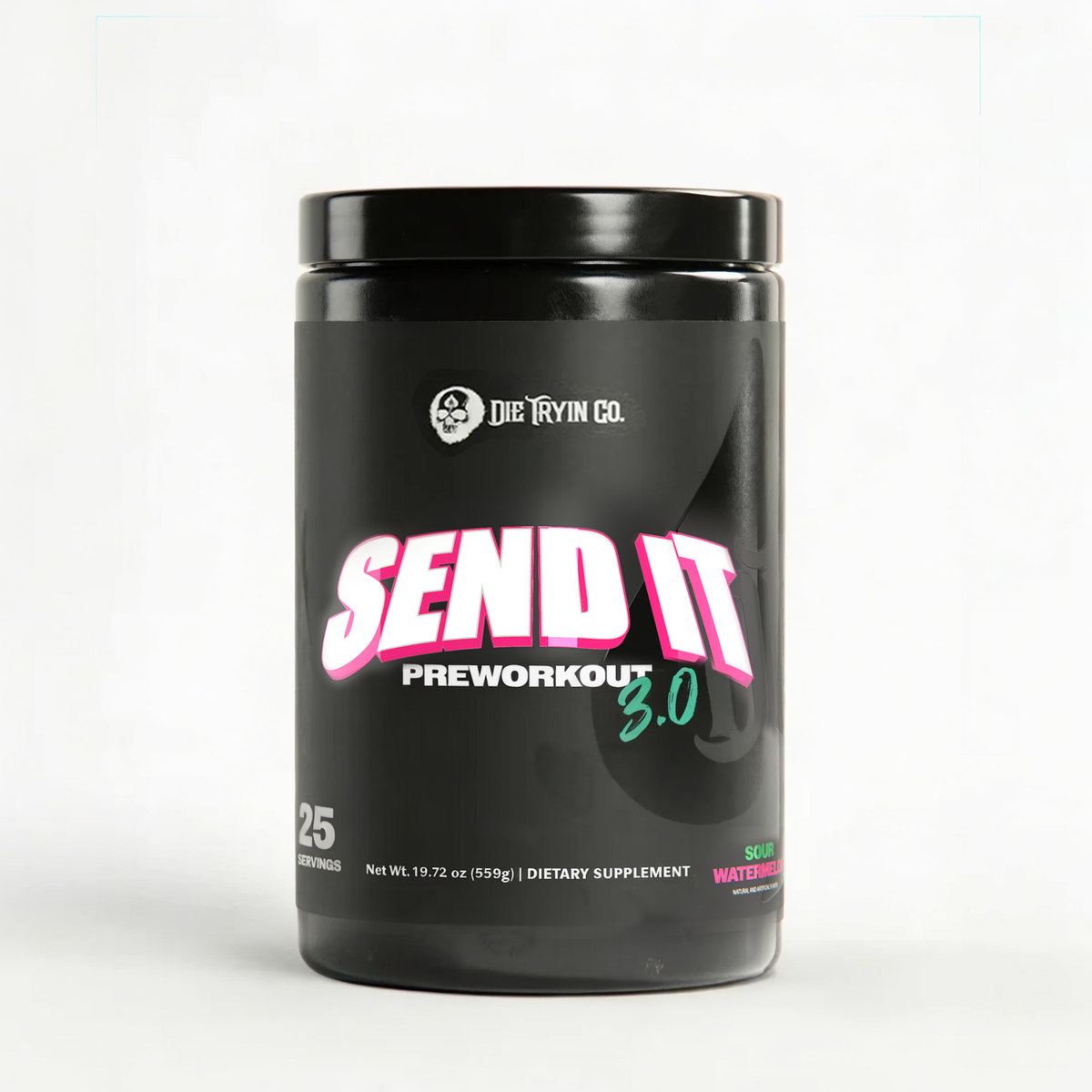
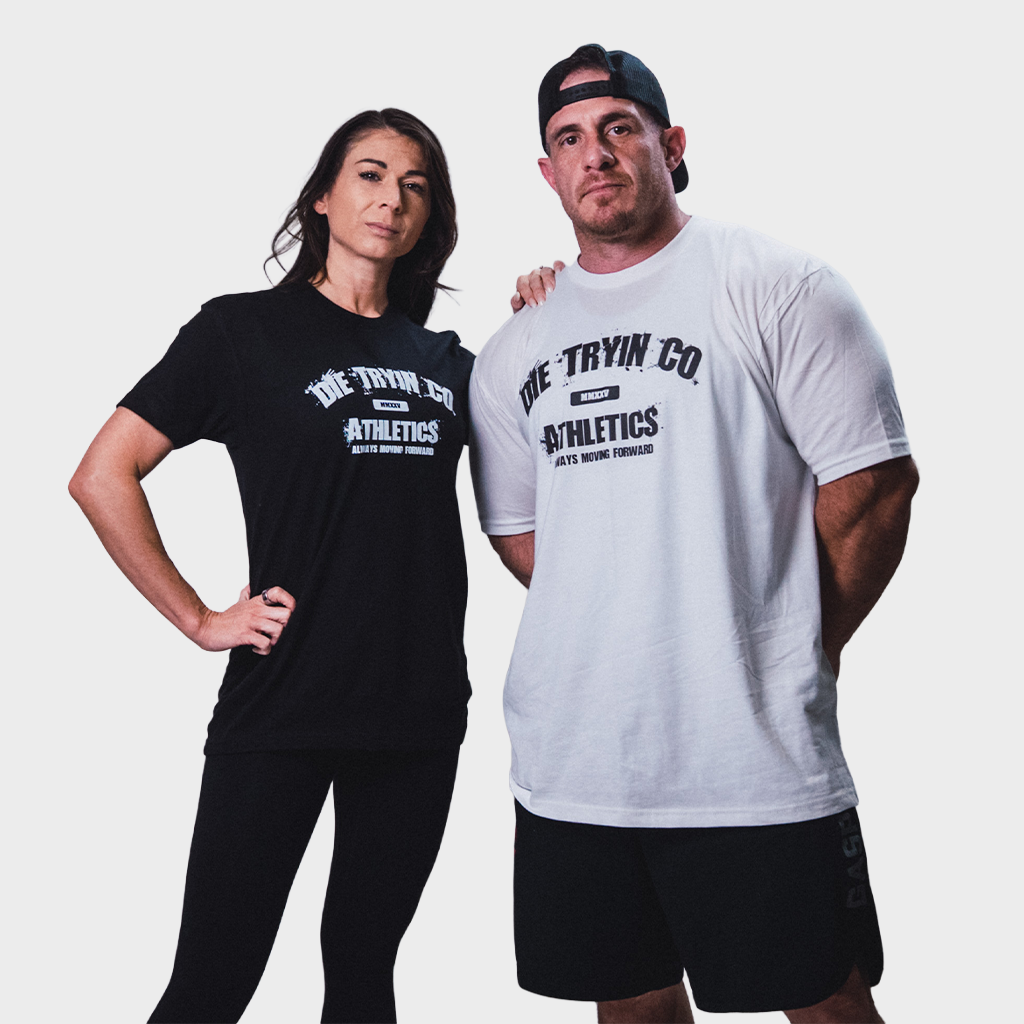
Set your own standard and outwork last year's you: SEND IT 3.0 for test day, Creatine every day, and the DTC Athletic Tee if you want the flag on your shoulder while you earn it. Not sure where to start? Take the quiz.
ALWAYS FORWARD.
GEAR THAT FITS THIS POST
The products this article actually talks about. Real doses, disclosed labels, veteran owned.

Read more
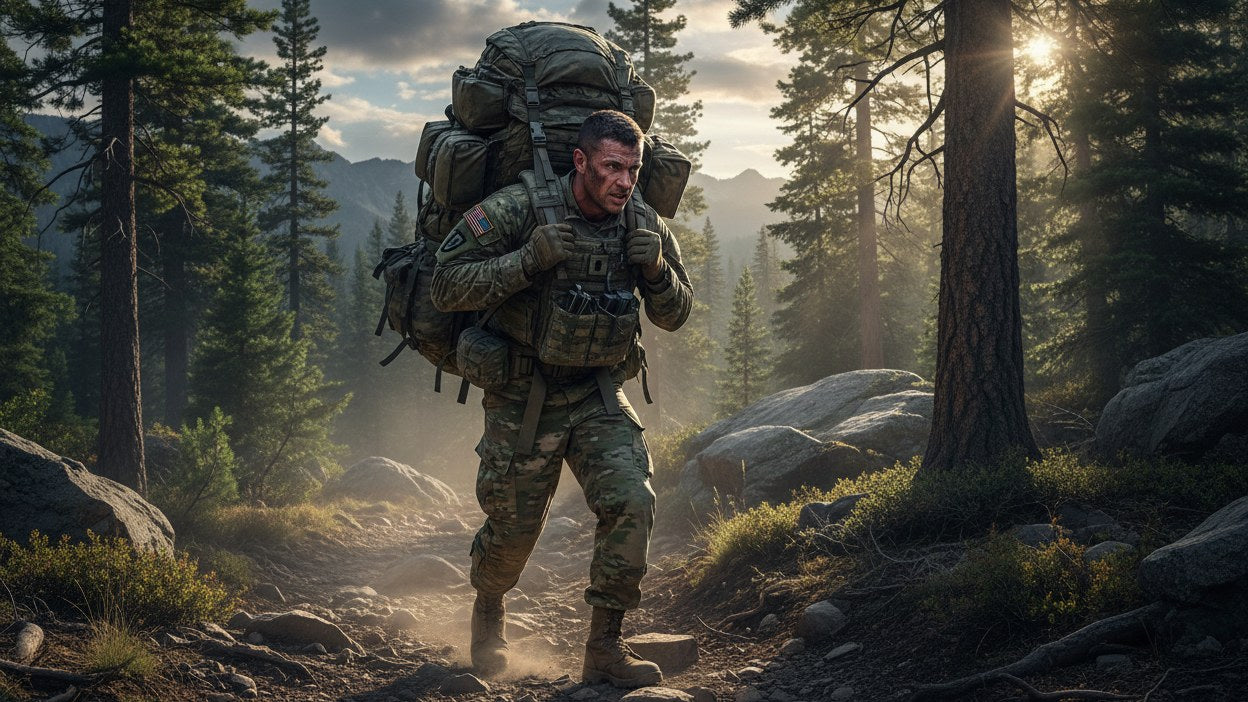
Every Memorial Day, gyms across America run the same brutal hour. What Murph is, the man it remembers, how to scale it honestly, and why effort is how lifters grieve.
The honest playbook for building the discipline that actually lasts. Motivation fails — discipline gets built. Here's how.
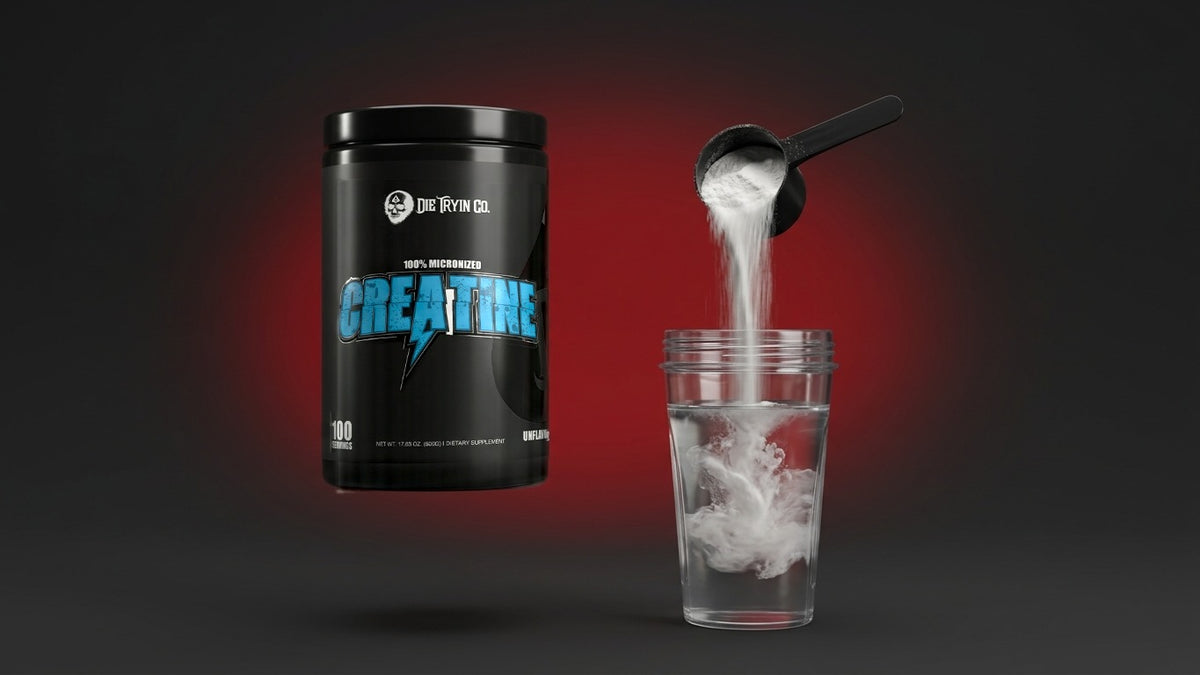
Your gut lining runs the same creatine energy system as your muscles. Here is what the research shows on stomach upset, IBS, colitis and leaky gut, and exactly where the human evidence stops.

Creatine gummies can work if the creatine is actually in them, and lab tests keep finding it often is not. Here is why a scoop of Creatine Monohydrate powder still wins.
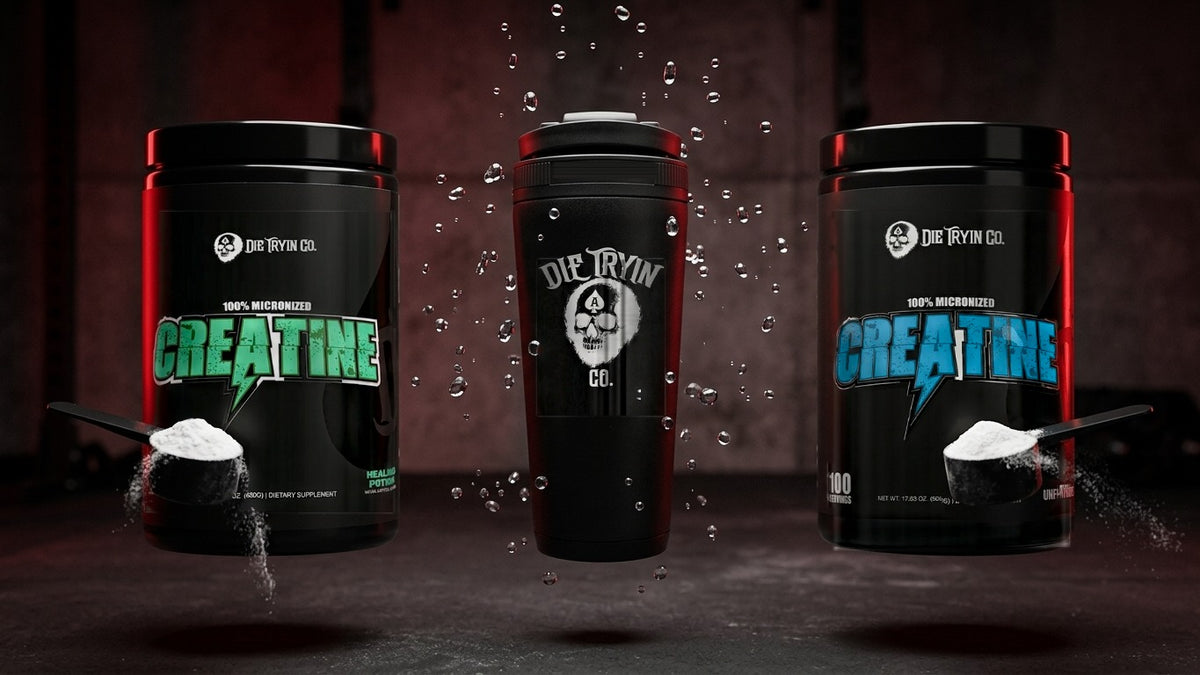
Flavor doesn't change what creatine does; taking it every day is what counts. How to pick flavored or unflavored, what to mix it with, and how long it lasts once mixed.
Whey protein concentrate now costs more than four times its early-2023 low. Here is what is driving it, what the 2027 forecasts actually say, and how to pay less per gram of protein without getting...