


Alpha-GPC
By Jon Klipstein, U.S. Army Combat Veteran & Founder of Die Tryin Co.
Science reviewed by Onur Oncer, BS Physiology (Phi Beta Kappa) and peer-reviewed published researcher.
THE FOCUS INGREDIENT THAT ALSO TALKS TO YOUR MUSCLES
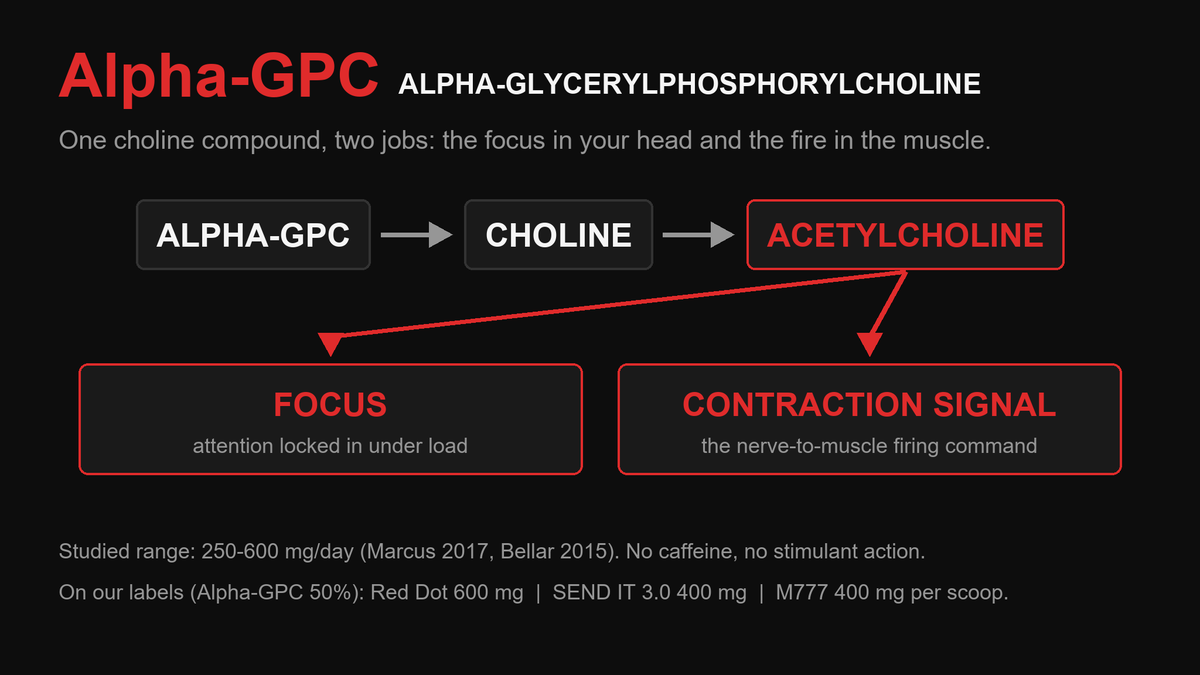
Alpha-GPC (alpha-glycerylphosphorylcholine) is a choline compound that crosses the blood-brain barrier efficiently and feeds the production of acetylcholine, the neurotransmitter your nervous system uses for two jobs lifters care about: locking in focus, and firing the signal that makes a muscle contract.
Most people get this wrong: they file Alpha-GPC as a "nootropic" and stop there. The acetylcholine story runs from your brain all the way down to the neuromuscular junction, which is why the research on it keeps measuring jump power and pulling force, not just attention.
Where it sits in the line, exactly as the labels print it:
| Product | Alpha-GPC 50% per serving | Role in the formula |
|---|---|---|
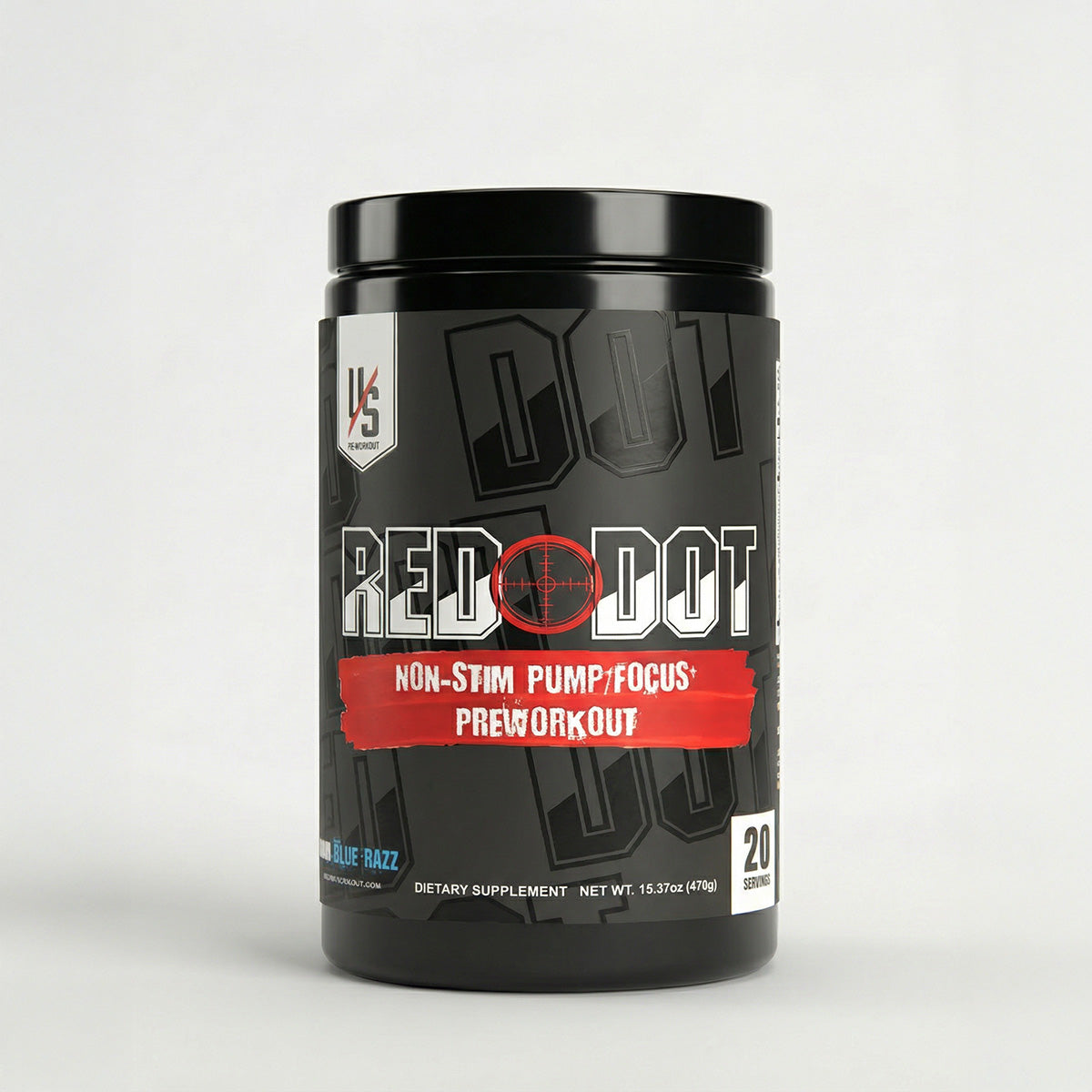
| Red Dot | 600 mg | Focus without a single milligram of caffeine |
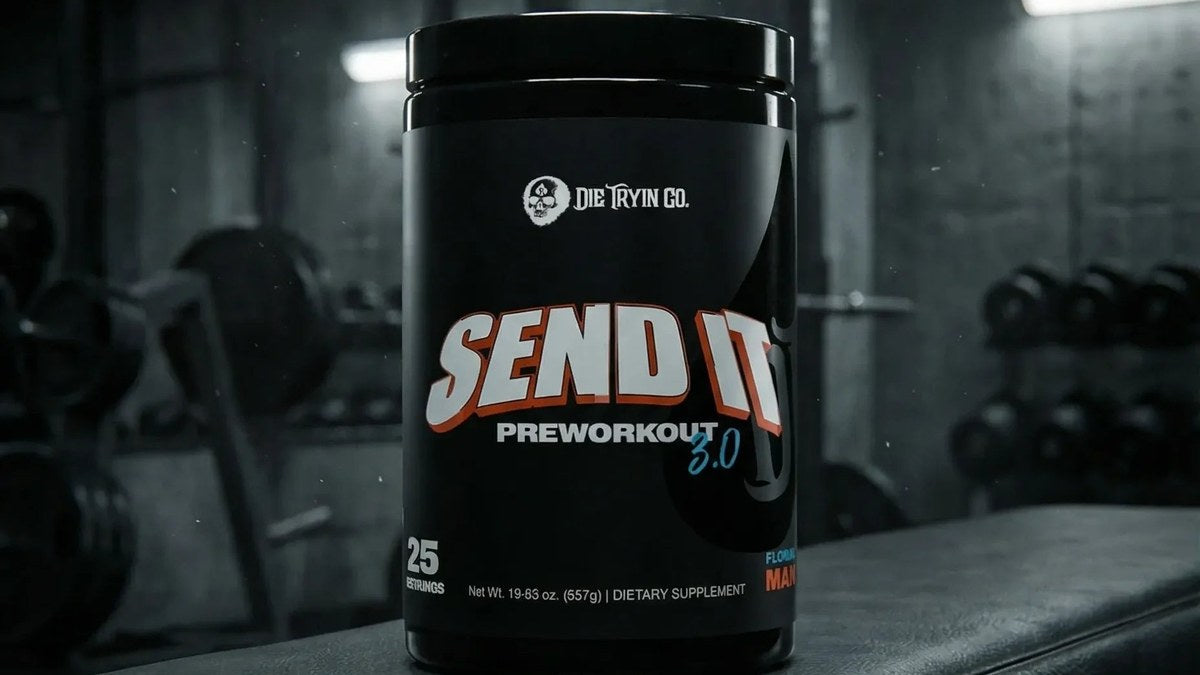
| SEND IT 3.0 | 400 mg | Focus layer under the caffeine curve |
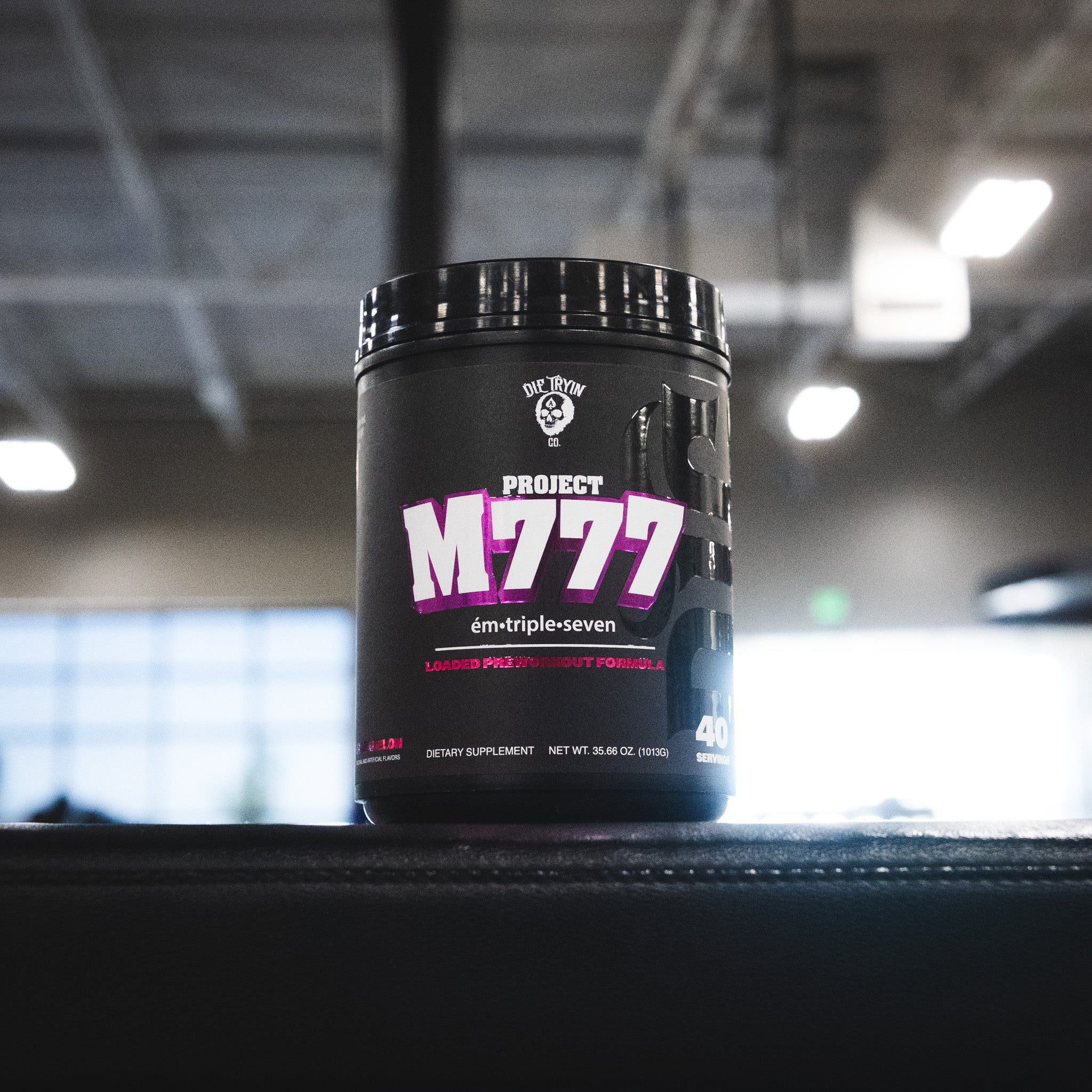
| Project M777 (per scoop) | 400 mg | Focus at high-stim scale |
The "50%" is the industry-standard raw material: alpha-GPC on a stabilizing carrier, because the pure compound pulls moisture out of the air and clumps. Same convention the studies' supplement suppliers use; it is on the label because that is what goes in the tub.
WHAT THE RESEARCH SHOWS
Two randomized controlled trials anchor the performance case. In a four-arm trial against both placebo and caffeine, a week of Alpha-GPC improved countermovement jump velocity and mechanical power, with the 250 mg dose showing the largest gains, while isometric strength and reaction time did not move. In a separate double-blind crossover, six days at 600 mg increased isometric mid-thigh pull peak force versus placebo, with an upper-body trend that did not reach significance.
Where the evidence stops: these are small studies, and they improved different measures. Jump velocity and power moved in one, isometric pulling force in the other, so the signal points toward lower-body output without either endpoint being replicated yet. On dose, one more piece of honesty:
| Dose | What the number counts | |
|---|---|---|
| In the trials | 250 to 600 mg per day | Alpha-GPC as the studies report it |
| On our labels | 600 mg (Red Dot) · 400 mg (SEND IT 3.0, M777 per scoop) | The Alpha-GPC 50% raw material, as printed |
Trials report the compound; labels across this industry, ours included, list the 50% material. We print exactly what goes in the tub so you can hold the two numbers side by side yourself. That is the standard we hold every ingredient to: a mechanism worth formulating on, human data disclosed honestly, and a label you can check.
FOCUS WITH OR WITHOUT THE STIMULANTS
Acetylcholine does not care whether caffeine is in the formula, which is why Alpha-GPC shows up on both sides of our line: under the full caffeine curve in SEND IT 3.0 and M777, and carrying the focus load solo in Red Dot for evening sessions. If your head is the thing that quits before your body does, the gym-focus tactics breakdown pairs the behavioral side with the supplement side.
FREQUENTLY ASKED QUESTIONS
What is Alpha-GPC?
A choline compound (alpha-glycerylphosphorylcholine) that efficiently raises the raw material for acetylcholine, the neurotransmitter behind focus and muscle-contraction signaling. It occurs naturally in the body in small amounts; supplementing raises the available pool.
What dose does the research use?
The performance trials dosed 250 to 600 mg of alpha-GPC per day. Our labels list the Alpha-GPC 50% raw material per serving: 600 mg in Red Dot, 400 mg in SEND IT 3.0 and per scoop of M777. Trials count the compound, labels count the material, and we print the label form exactly.
Is Alpha-GPC a stimulant?
No. It has no caffeine-like or stimulant action, which is exactly why it can anchor the focus side of a stim-free formula like Red Dot.
Alpha-GPC vs regular choline, what's the difference?
Absorption and delivery. Alpha-GPC crosses the blood-brain barrier more efficiently than plain choline salts, so more of the dose ends up where acetylcholine is actually made. The essential pre-workout ingredients guide covers where it fits among the rest of a formula.
READY TO GEAR UP?
Every dose above is printed on the label, in the form you actually receive. See every ingredient we use in the Ingredient Index, or take the 60-second quiz to match a formula to your training.
ALWAYS FORWARD.
Read more
The ingredients that actually move the needle in your pre-workout — and the ones that don't. What works, why, and at what dose. Veteran-owned, no marketing fluff.

Focus is a system you build, not a mood you wait for. Seven tactics that hold up through a real session.
Two tubs both say 9 g of citrulline. One gives you 9 g, the other gives you 6 g. The 2:1 ratio explained, plus the 2024 trial that tested whether the malate does anything at all.
The honest case for a multivitamin when you train hard: where the evidence stops, where the gaps are real, and why chelated minerals plus a gut stack change the math.
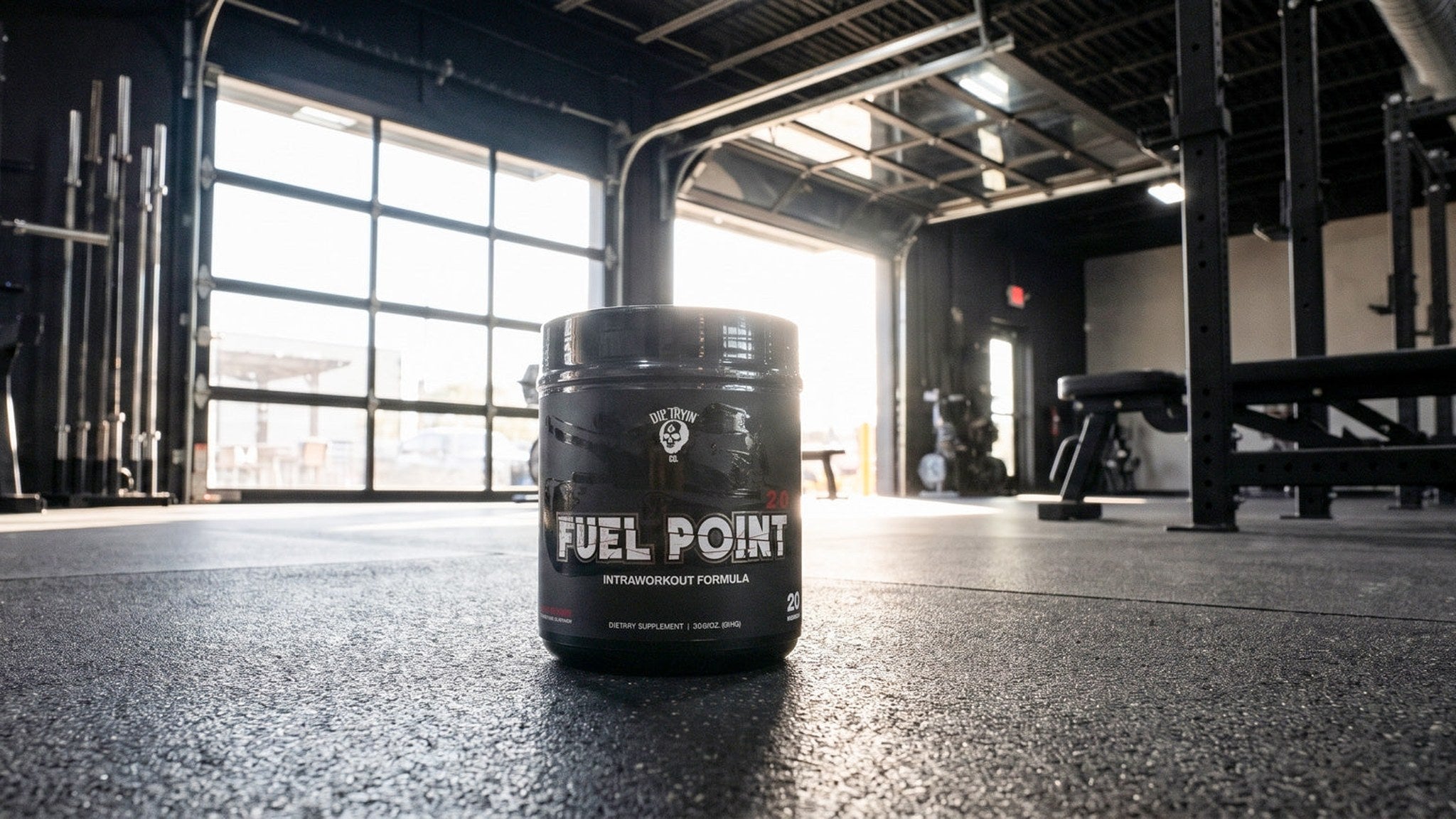
Most people buy carbs, aminos and electrolytes as three separate tubs. Fuel Point 2.0 is one scoop that does all three jobs, with every dose printed where you can read it.
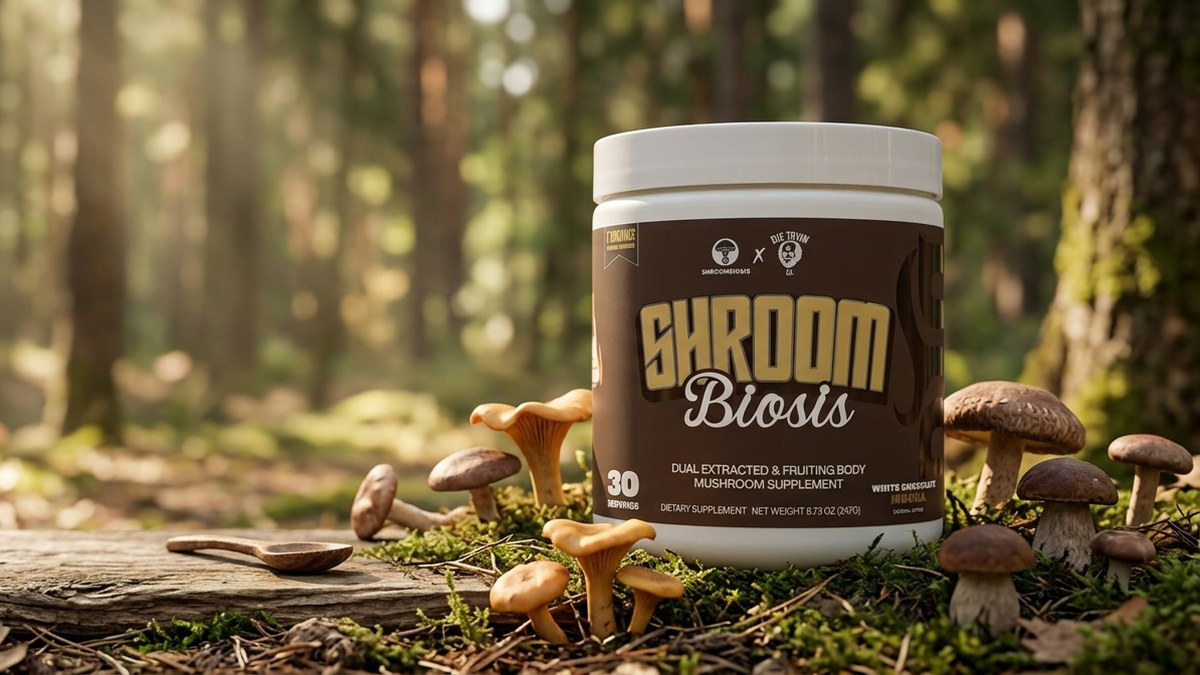
Seven fruiting-body mushrooms, honest doses, and what the research actually shows (and doesn't). The no-hype athlete's guide to the new Shroombiosis collab.
GEAR THAT FITS THIS POST
The products this article actually talks about. Real doses, disclosed labels, veteran owned.