
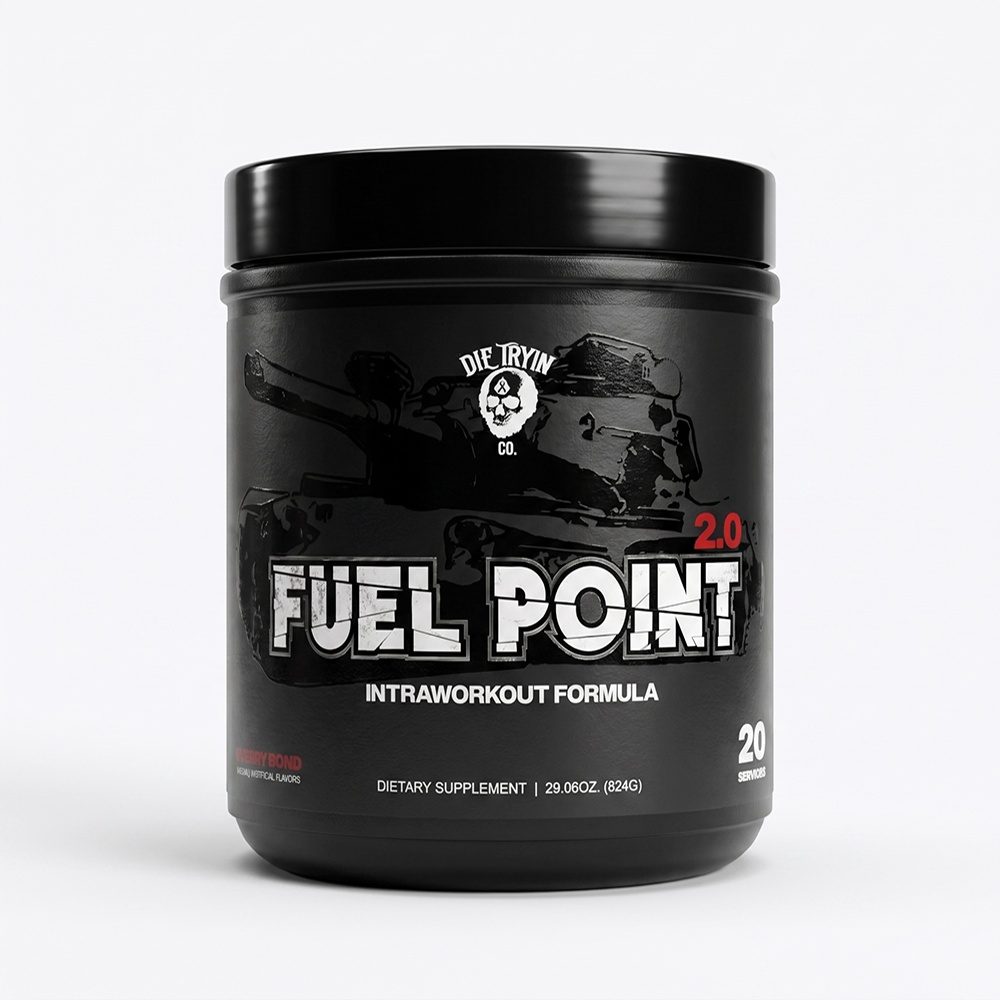



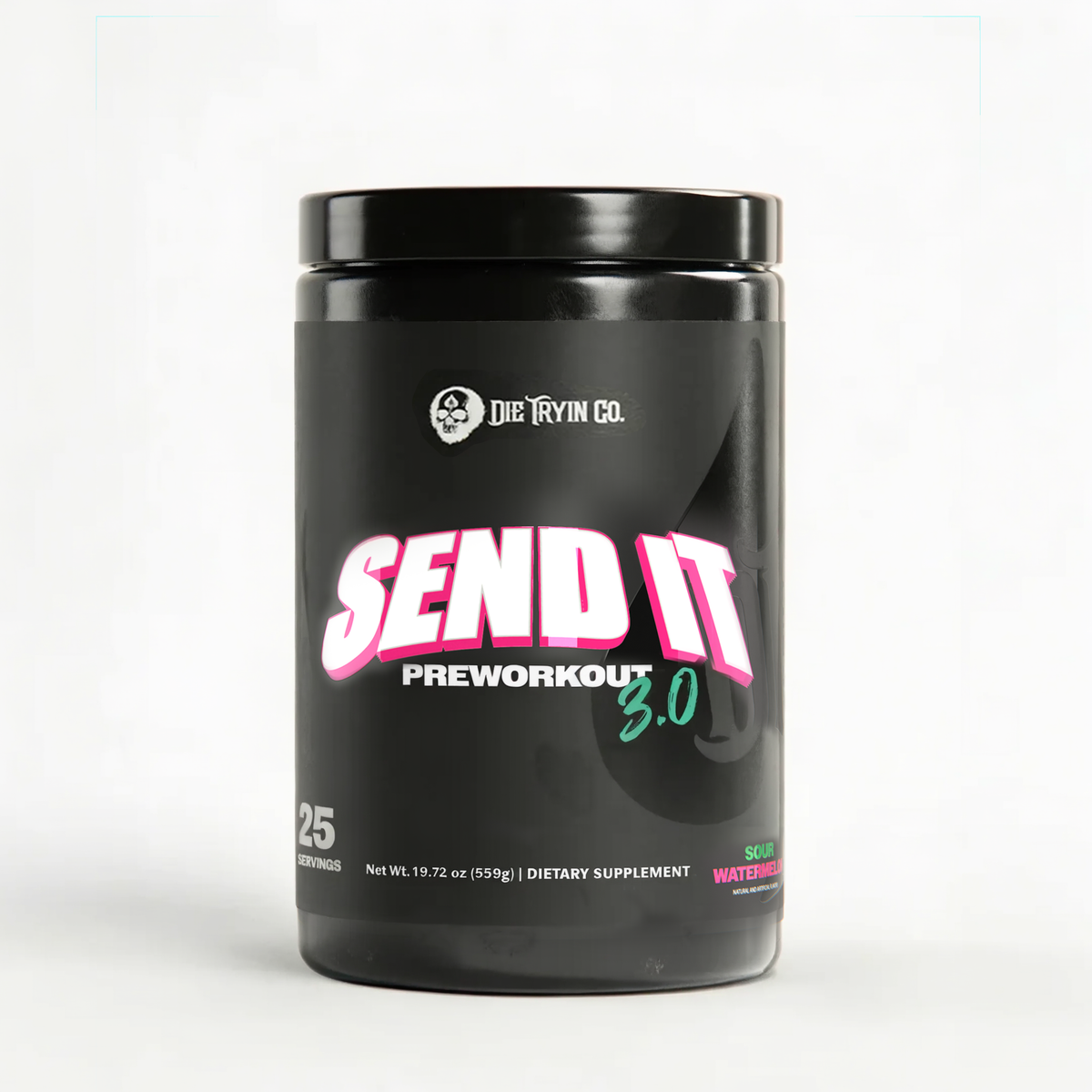

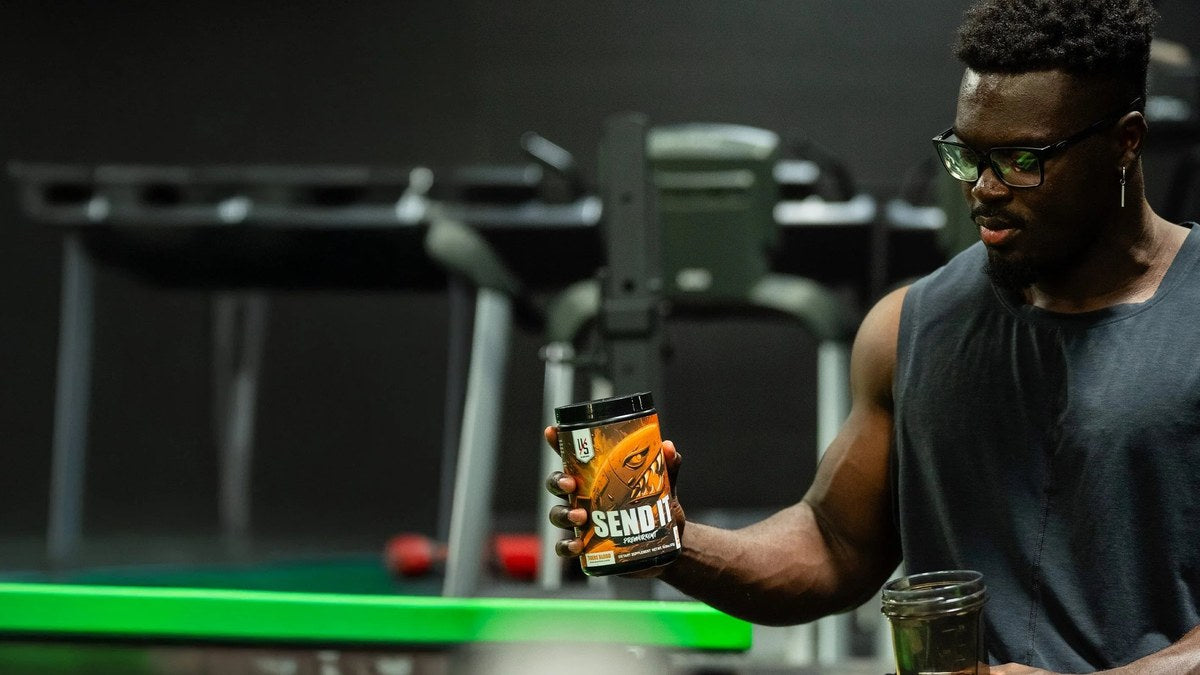
Energy drinks wake you up. Pre-workout makes you perform. Side-by-side breakdown of what's actually in each, why pre-workout wins for training, and when an energy drink is still the right call.
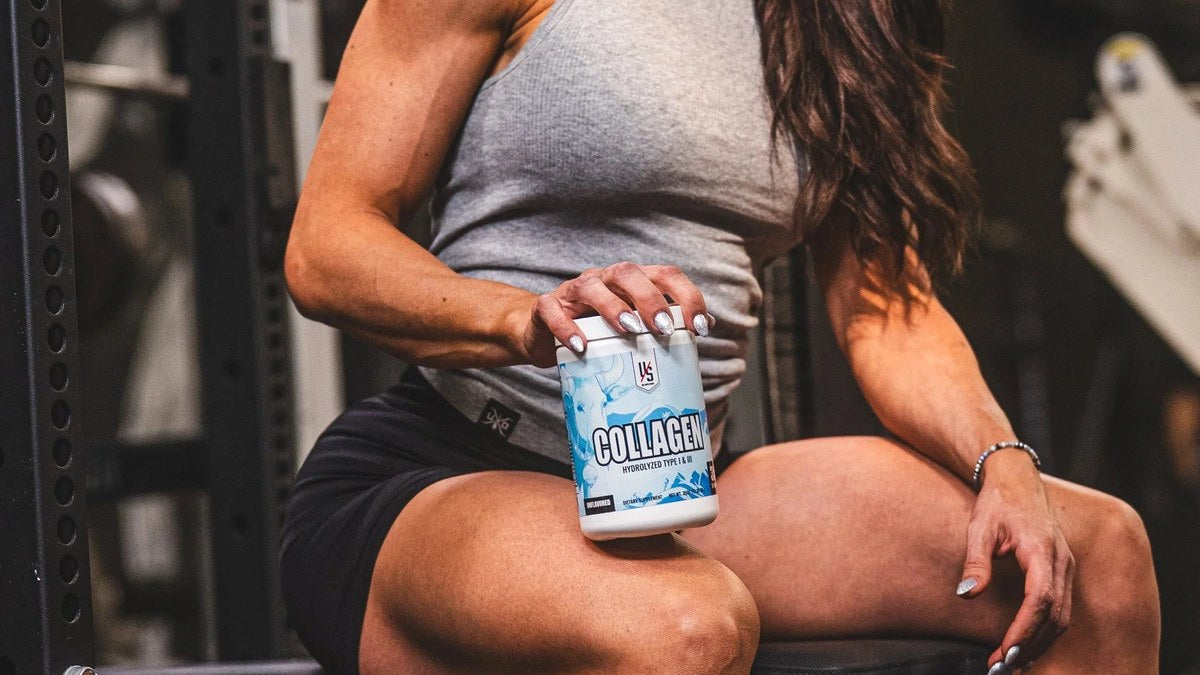
Collagen got filed under beauty. The research worth reading is about tendon and connective tissue in people who train, and it is more modest than the label promises.
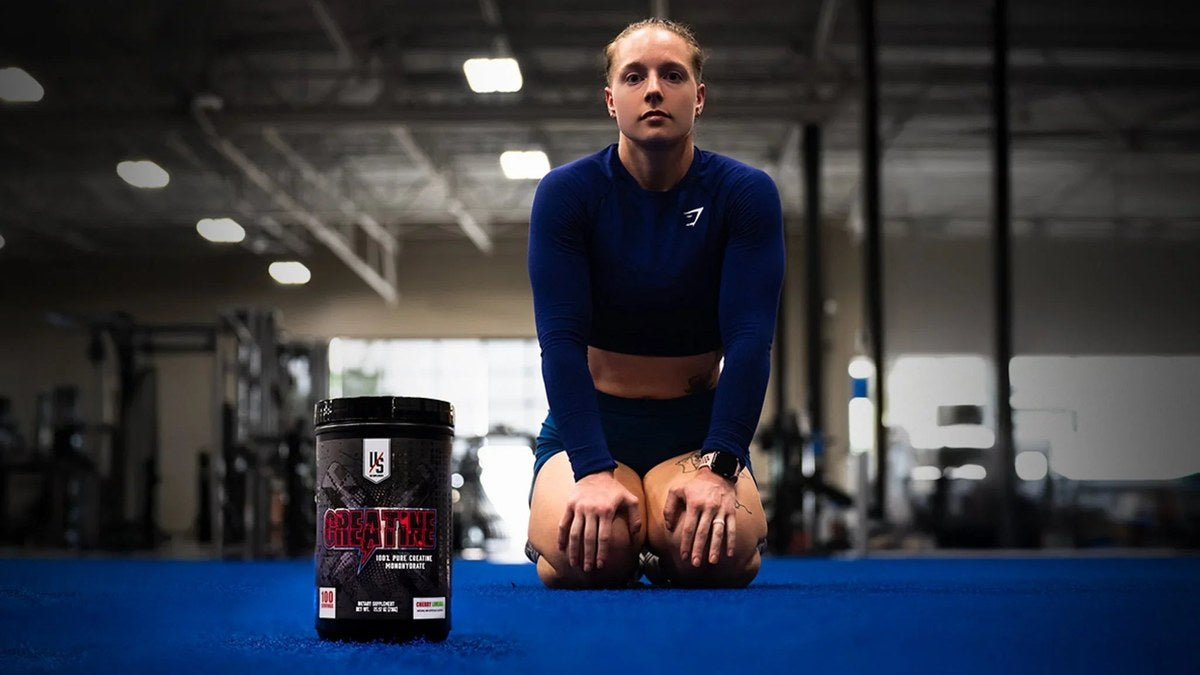
Not all creatine is worth your money. Here's exactly what to look for in the best creatine — and the overpriced, overhyped forms to walk right past.
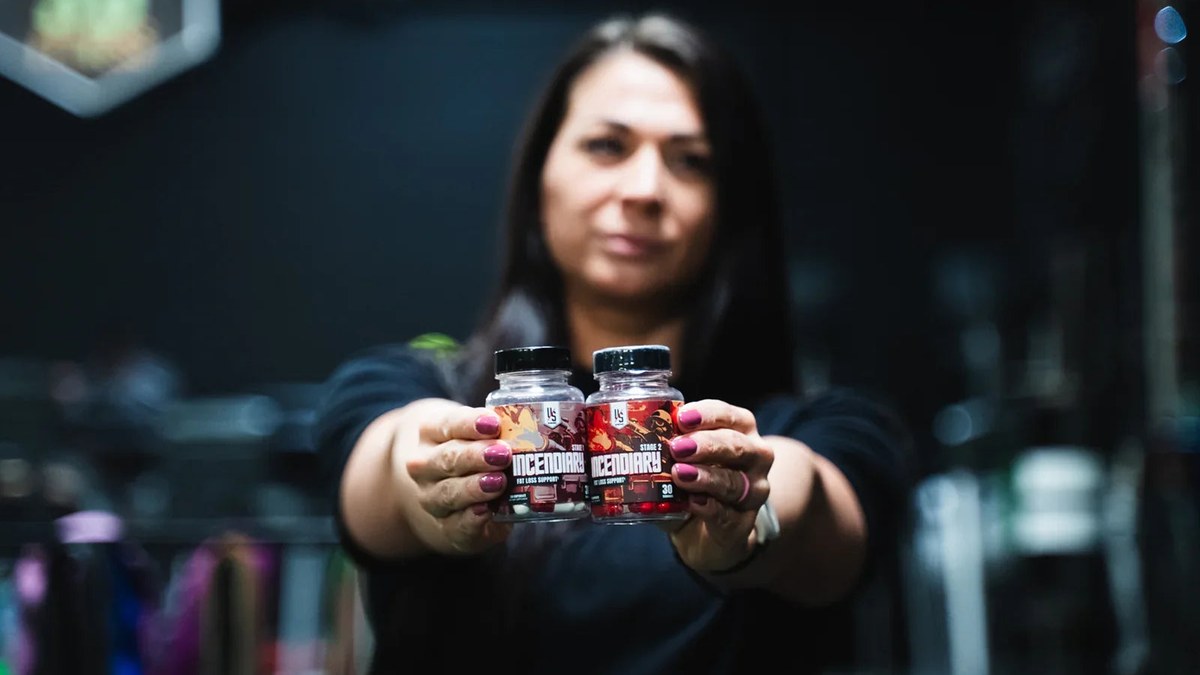
Fat burners aren't a scam because the ingredients are fake. They're a scam when they're sold as a substitute for a calorie deficit. Here's the honest version.
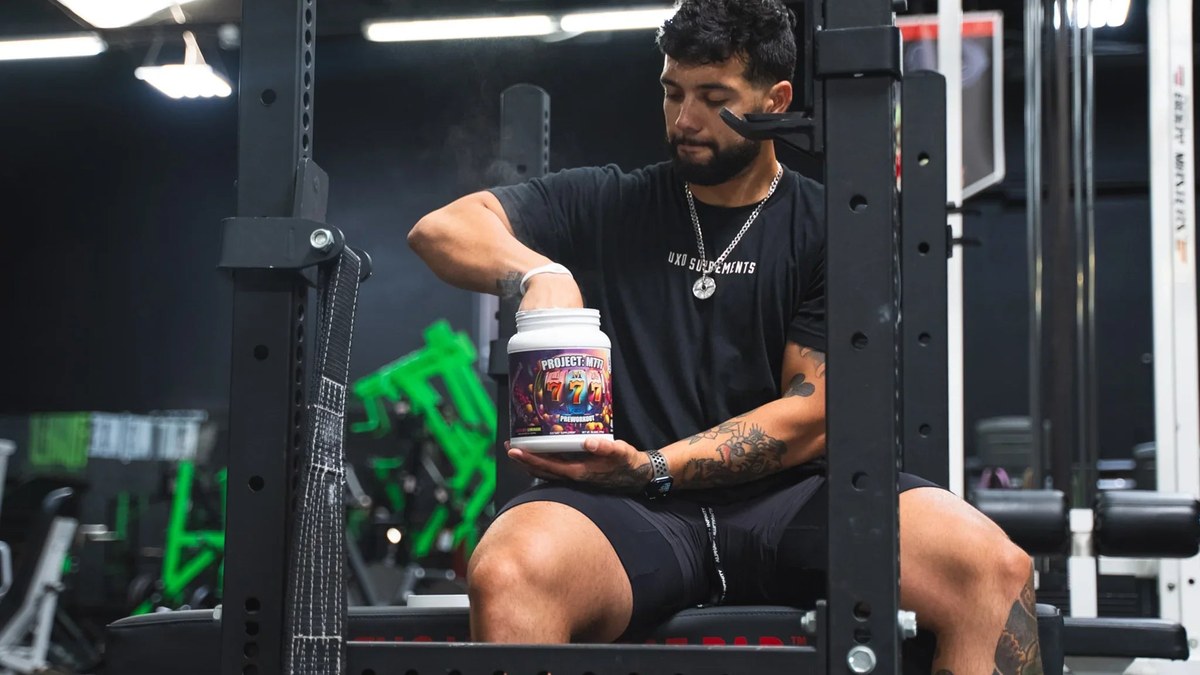
A well-dosed pre-workout is safe for most healthy adults — but the wrong formula causes the side effects everyone fears. Crash, addiction, sensitive stomach, cardiovascular concerns: which are real...
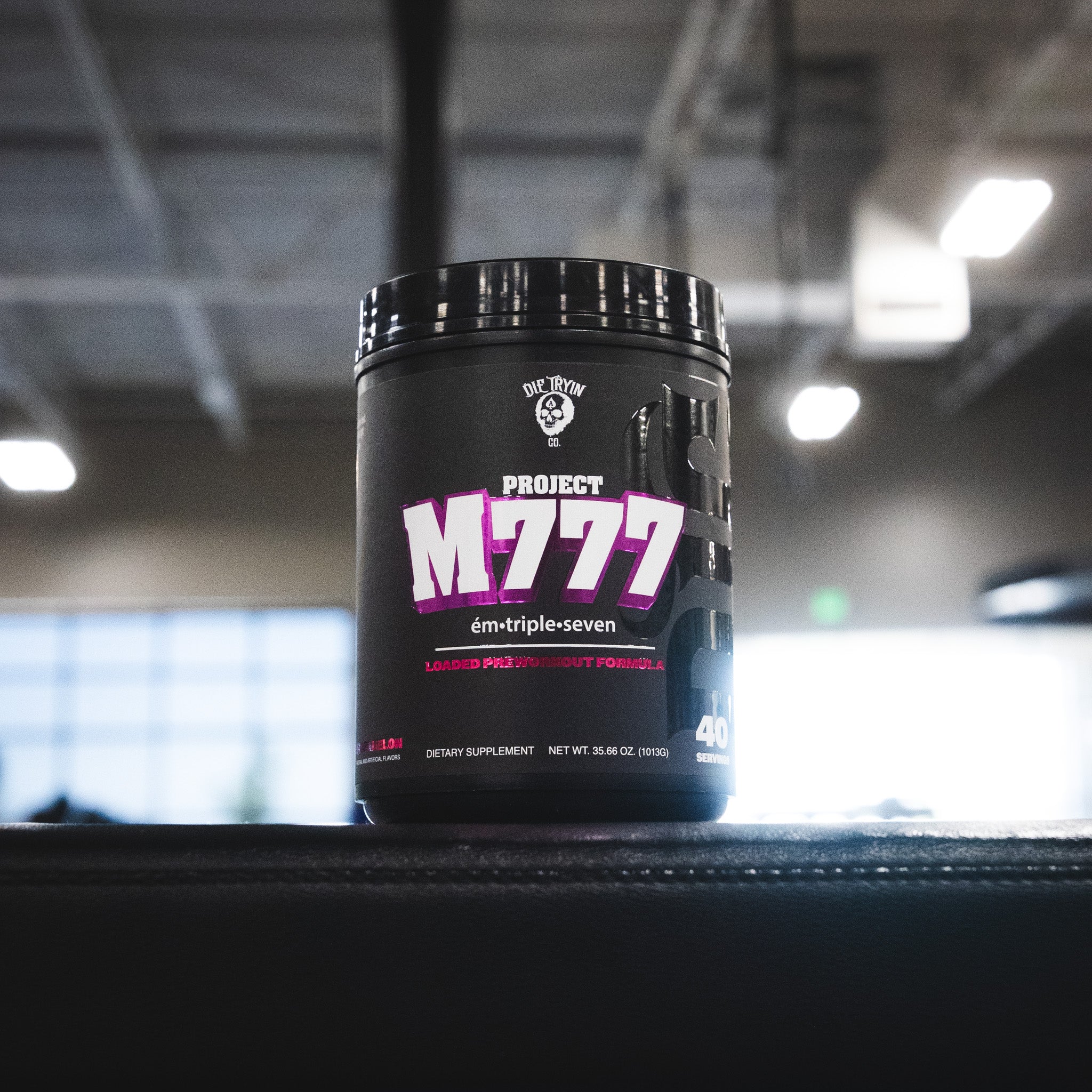
The patented, casein-derived pump ingredient inside Project M777 — how VasoDrive-AP drives blood flow, and what the research actually says.
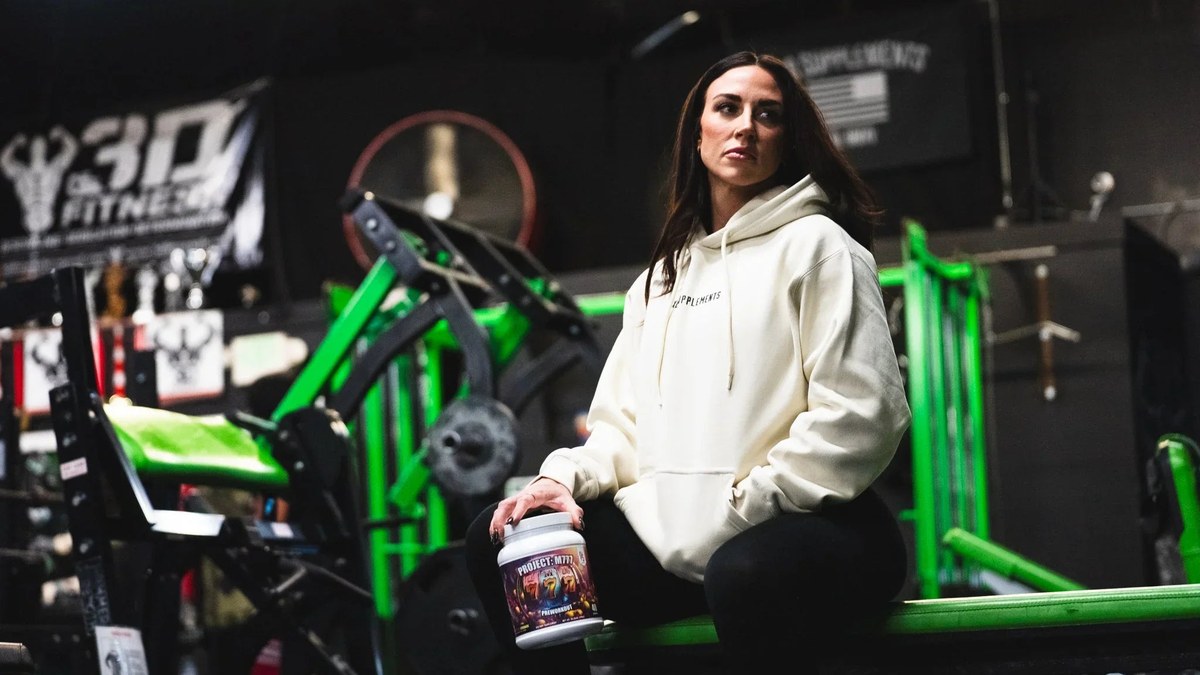
Rauwolscine might be the most hyped, least honestly explained ingredient in pre-workout. Here is what the science actually shows, what it doesn't, and why Project M777 prints the dose: 1 mg.

The supplement industry sells creatine HCL as an upgrade. The honest answer: monohydrate is the proven, better-value gold standard. Here's the real comparison.
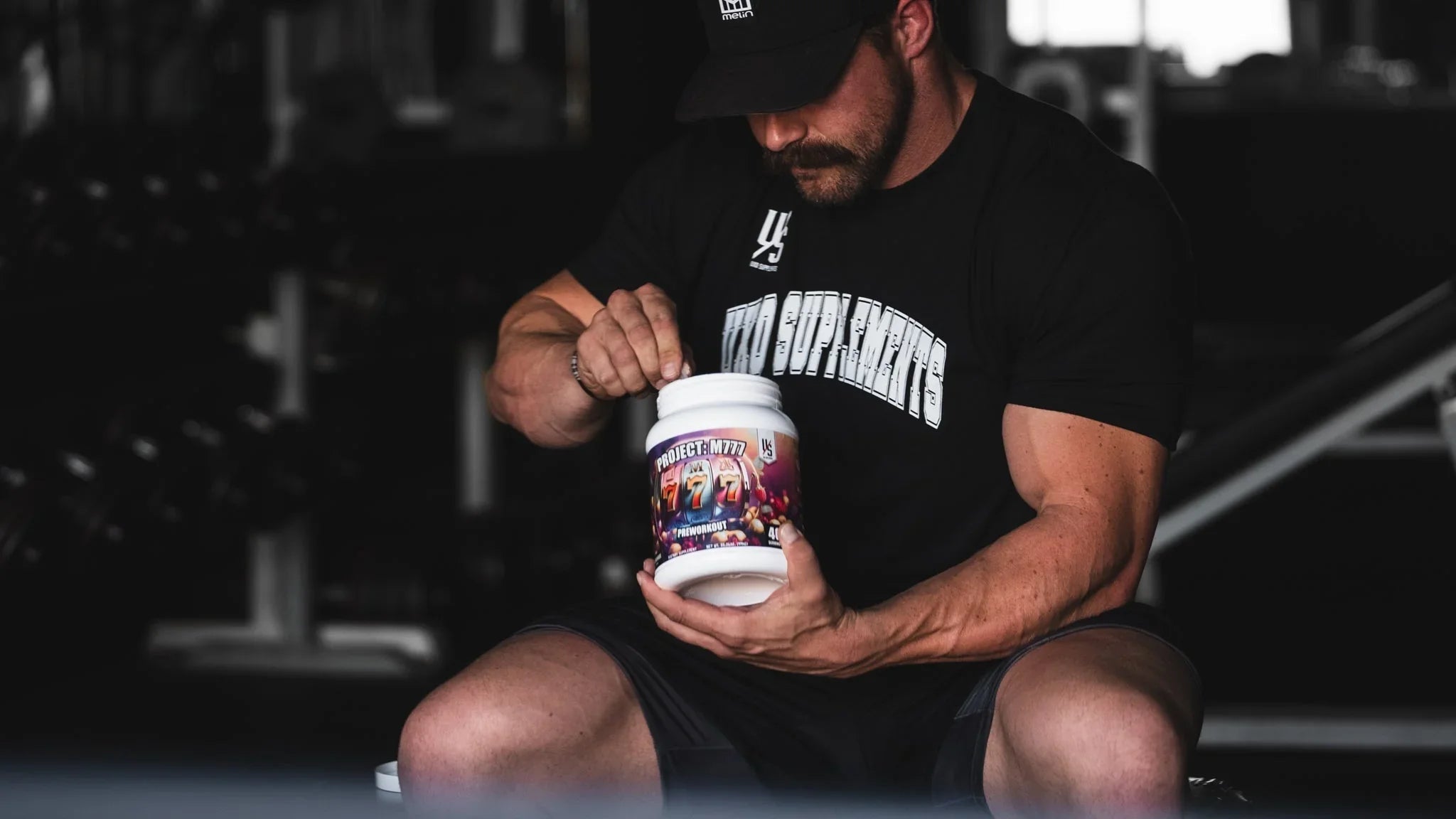
Most pre-workouts put 500 mg of L-Tyrosine on the label and call it a focus formula. Here's where 7 grams actually comes from, and what it really does.