






Intermittent Fasting & Fitness: What Actually Works
By Jon Klipstein, U.S. Army Combat Veteran & Founder of Die Tryin Co.
Science reviewed by Onur Oncer, BS Physiology and peer-reviewed published researcher.
THE TRUTH ABOUT FASTING
Listen up. Intermittent fasting got sold to you as a metabolic cheat code. Skip breakfast, magically melt fat, unlock some hidden fat-burning switch your body was hiding from you. That's the pitch. It's mostly hype.
Here's what intermittent fasting actually is: a schedule. You eat inside a window and you don't eat outside of it. That's the whole tool. It doesn't rewrite your metabolism, it doesn't make calories stop counting, and it isn't superior to plain old calorie counting. What it does well is make it easier for some people to eat less without thinking about it all day.
That's not a knock on IF. A schedule you can actually stick to beats a "perfect" plan you abandon in three weeks. Basics beat hype. So let's cut to the chase and go through what fasting can and can't do for your fitness, what the research actually says, and how to run it without wrecking your training.
WEIGHT LOSS — THE REAL MECHANISM
This is why most people start fasting, so let's be straight about how it works. Intermittent fasting helps you lose fat because it helps you eat fewer calories. Full stop. When your eating window shrinks, most people naturally take in less food across the day. The deficit drives the fat loss — not the clock itself.
The best evidence we have backs this up. A 2025 BMJ systematic review and network meta-analysis pooled 99 randomized clinical trials covering 6,582 adults and found that intermittent fasting approaches and standard daily calorie restriction deliver broadly similar weight loss and cardiometabolic improvements. Every fasting pattern — and continuous calorie restriction — beat an unrestricted diet. But head-to-head, fasting wasn't a category-wide win over just eating fewer calories the normal way.
One subtype, alternate-day fasting, showed a small extra edge over continuous restriction in shorter trials — about 1.3 kg. Small. And in the longer studies, even that edge mostly washed out. Translation: pick the approach you can stick to, because they all run on the same engine — a calorie deficit you maintain.
DOES FASTING BOOST YOUR METABOLISM? NO.
Time to kill a myth, because it shows up in half the fasting articles online. You'll read that IF "raises your basal metabolic rate" or that it's "the exception to the rule that dieting slows your metabolism." That claim does not hold up, and we're not going to repeat it.
Your basal metabolic rate is just the energy your body burns at rest to keep you alive — breathing, pumping blood, running your organs. It's mostly set by your size, age, sex, and how much muscle you carry. Skipping breakfast doesn't crank it up. Fasting works through eating less and sticking to it, not through some metabolic magic trick.
That's not bad news. It means you don't need a gimmick. Discipline beats motivation, and a deficit you can hold beats a "metabolism hack" you can't. If you want the deeper playbook on actual fat loss, we laid it out in How to Burn Fat Quicker: 6 Real Strategies and the simple framework in 2 Steps to Success With Fat Loss.
INSULIN SENSITIVITY AND BLOOD SUGAR
Here's where fasting gets genuinely interesting, and where the science is more than just "eat less." There's evidence that when you eat — not only how much — can move the needle on how your body handles blood sugar.
In a controlled feeding study, men with prediabetes who ate within an early six-hour window improved insulin sensitivity and beta-cell responsiveness compared to a 12-hour eating schedule — and they did it without losing weight, because the researchers held their weight steady. That's a real signal that meal timing itself can matter for blood sugar handling.
Now the honest caveats, because this is your health and you deserve the full picture. That study was small, short-term, men only, prediabetic only, and used a very early window (dinner before 3 p.m.) that almost nobody runs in real life. Across the broader research, results are mixed and often modest, and a lot of real-world benefit comes bundled with weight loss anyway. So fasting may support insulin sensitivity and blood sugar handling — but it does not treat, cure, or reverse diabetes. If you've got blood-sugar concerns, talk to your doctor. Diet timing isn't medical care.
WHAT ABOUT YOUR HEART?
You'll see big claims that fasting "protects your heart" or "reduces your risk of heart disease." We're not going to make those claims, because the evidence doesn't earn them.
What the research actually shows: alongside weight loss, intermittent fasting can shift some of the cardiometabolic markers people track — body weight, blood pressure, parts of the lipid panel — to a roughly similar degree as standard calorie restriction. The same BMJ analysis found the benefit tracks with weight loss, not with some unique magic of fasting. And the picture is genuinely mixed. Some reviews found small blood-pressure drops, others found none. One fasting style even nudged total and LDL cholesterol slightly up.
So here's the honest line: research suggests IF may support the heart-health markers tied to losing weight, about the same as regular dieting does — but it has not been shown to prevent heart attacks or any heart disease, and the effects are small and mixed. Consistency beats intensity, and staying lean over years does more for those markers than any single eating schedule.
FASTING WHILE BUILDING MUSCLE
Fasting isn't only a cutting tool. It's a schedule, remember — so you can run it during a muscle-building phase too, as long as you respect one hard rule: you still have to hit your calories and protein.
A muscle-building phase means eating in a surplus and keeping protein high. Intermittent fasting doesn't cap your total calories or ban any macros — it just shrinks the hours you have to eat them. That's the catch. If you're a bigger athlete trying to put away 4,000–5,000 calories a day, cramming that into a six- or eight-hour window is hard. Not impossible. Hard.
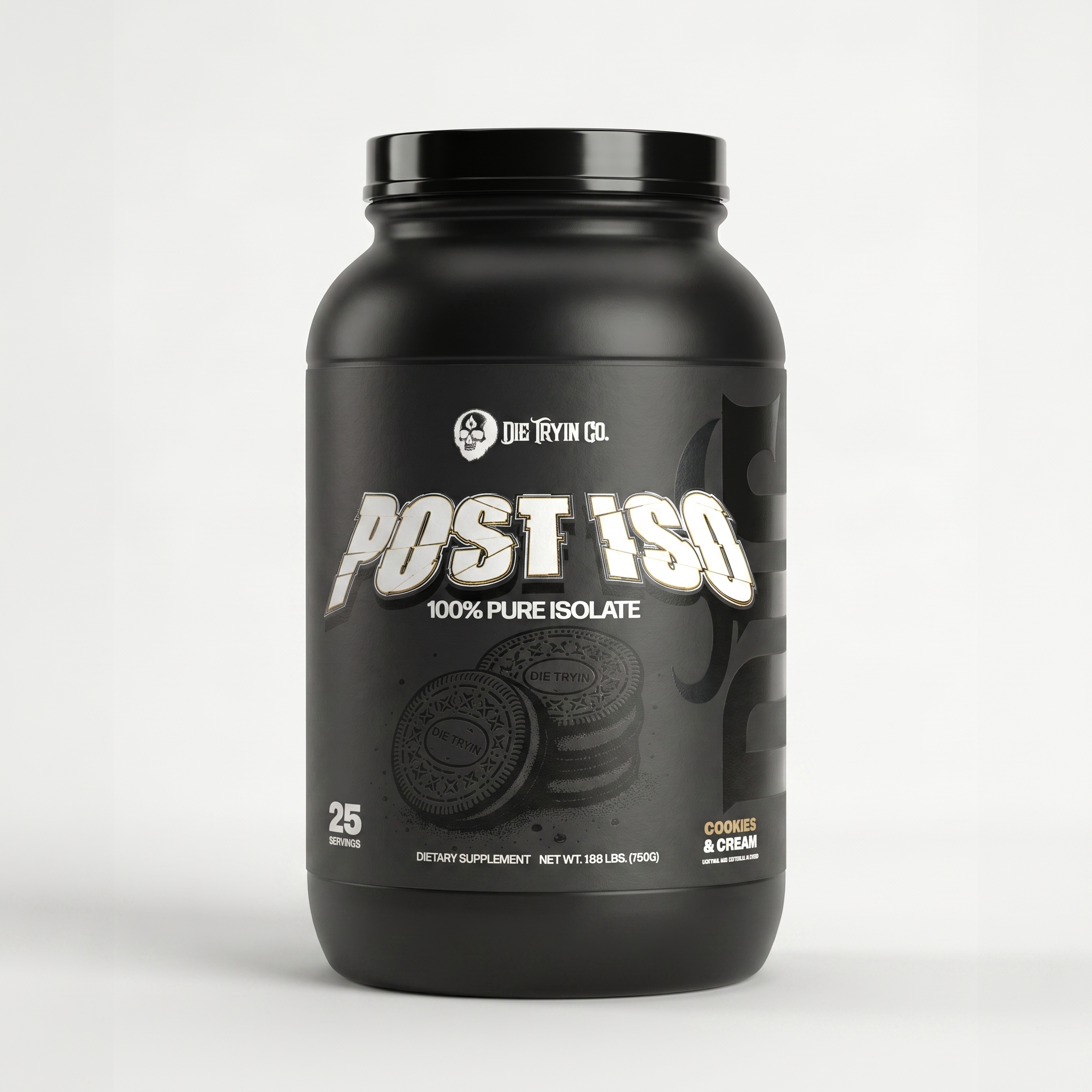
If you want to build on a fasting schedule, do this: widen your window a little (a clean 10-hour window beats a brutal 4-hour one for a bulk), front-load dense, calorie-rich meals, and anchor every meal around a real protein source. Hitting protein is non-negotiable for growth — that's where a fast-digesting whey isolate like Post Iso earns its spot, letting you bank 24g of clean protein fast when whole-food meals won't fit. For how to set your numbers in the first place, start with What Are Macros? and, if you want to time carbs around training, Carb Cycling.
HOW TO RUN A FASTING WINDOW WITHOUT WRECKING TRAINING
The biggest mistake people make with IF is treating the fasting hours like a free pass to feel like garbage. You don't have to. A few rules keep your training sharp:
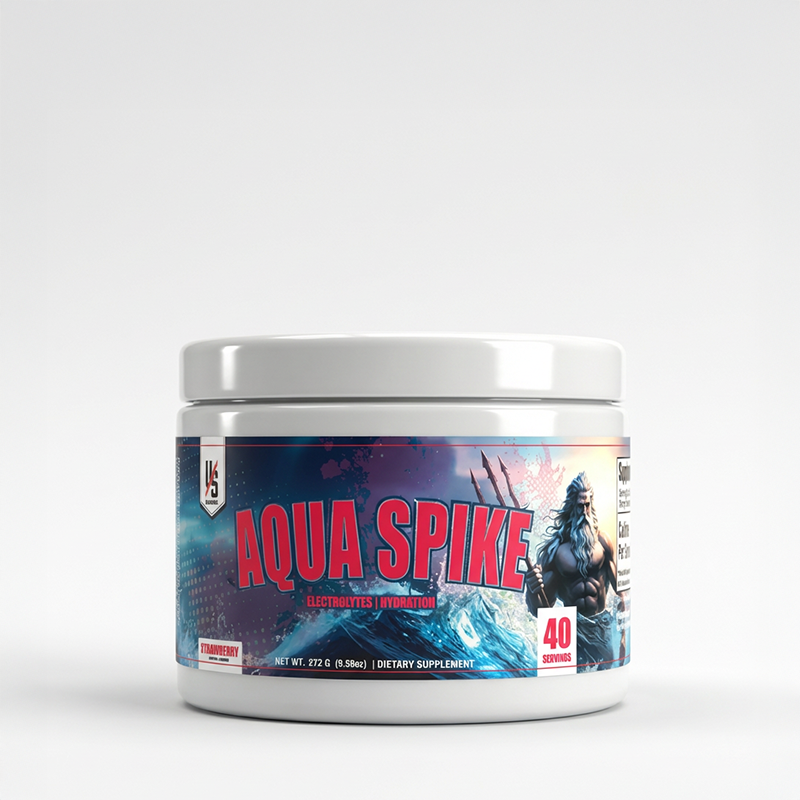
Stay hydrated through the fast. Water, black coffee, and electrolytes are your friends — and yes, electrolytes matter more than people think when you've gone hours without food. A scoop of Aqua Spike keeps sodium, potassium, and magnesium topped off so a fasted morning lift doesn't turn into a cramping, foggy mess. Train near the edge of your window when you can, so you eat soon after lifting. And don't use "I'm fasting" as an excuse to come up short on total protein for the day. The window changes when you eat — not whether the basics still apply.
FREQUENTLY ASKED QUESTIONS
Does intermittent fasting burn more fat than regular dieting?
No. The best available evidence — a BMJ network meta-analysis of 99 trials — found IF produces roughly the same weight loss and cardiometabolic changes as standard daily calorie restriction. It works by helping you eat fewer calories, not by burning fat faster. Pick whichever approach you'll actually stick to.
Will fasting slow down my metabolism?
Fasting doesn't magically raise your metabolism, and a sensible fasting schedule doesn't tank it either. Your basal metabolic rate is mostly driven by your size, age, sex, and muscle mass. The thing that protects your metabolic rate during any diet is keeping muscle on — so lift hard and eat enough protein.
Can I work out fasted?
Plenty of people train fasted with no problem. Stay hydrated, keep your electrolytes up, and if you feel weak or dizzy, eat before you lift. If performance on heavy sessions drops, shift your training closer to your eating window so you can fuel right after.
Is intermittent fasting good for blood sugar?
Research suggests meal timing may support insulin sensitivity and blood sugar handling — one controlled study in prediabetic men showed improvements even without weight loss. But the evidence is early and mixed, and fasting is not a treatment for diabetes. If you have blood-sugar concerns, work with your doctor.
Can I build muscle while doing intermittent fasting?
Yes, as long as you hit your calorie surplus and protein targets inside your eating window. That's the whole challenge — fitting enough food in fewer hours. Widen your window for a bulk, front-load dense meals, and anchor each one around protein. Muscle loss on any diet comes from too little protein and too little lifting — not from the eating schedule itself.
How long should my eating window be?
It depends on your goal and what you can sustain. Many people run an 8-hour window for fat loss; if you're building muscle and need a lot of food, a 10-hour window is easier to hit your numbers in. There's no magic number — the best window is the one you'll actually keep.
READY TO GEAR UP?
Intermittent fasting is a tool, not a miracle. It works because it helps you control calories and stick to the plan — same as any approach that actually moves the needle. Whatever schedule you run, the basics still win: hit your protein, stay hydrated, train hard, and stay consistent.
- Post Iso — 24g of clean whey isolate to hit your protein fast when meals won't fit the window.
- Aqua Spike — electrolytes and hydration to carry you through a fasted morning and a hard lift.
- Take the Quiz — not sure where to start? Answer a few questions and we'll point you to the right stack for your goal.
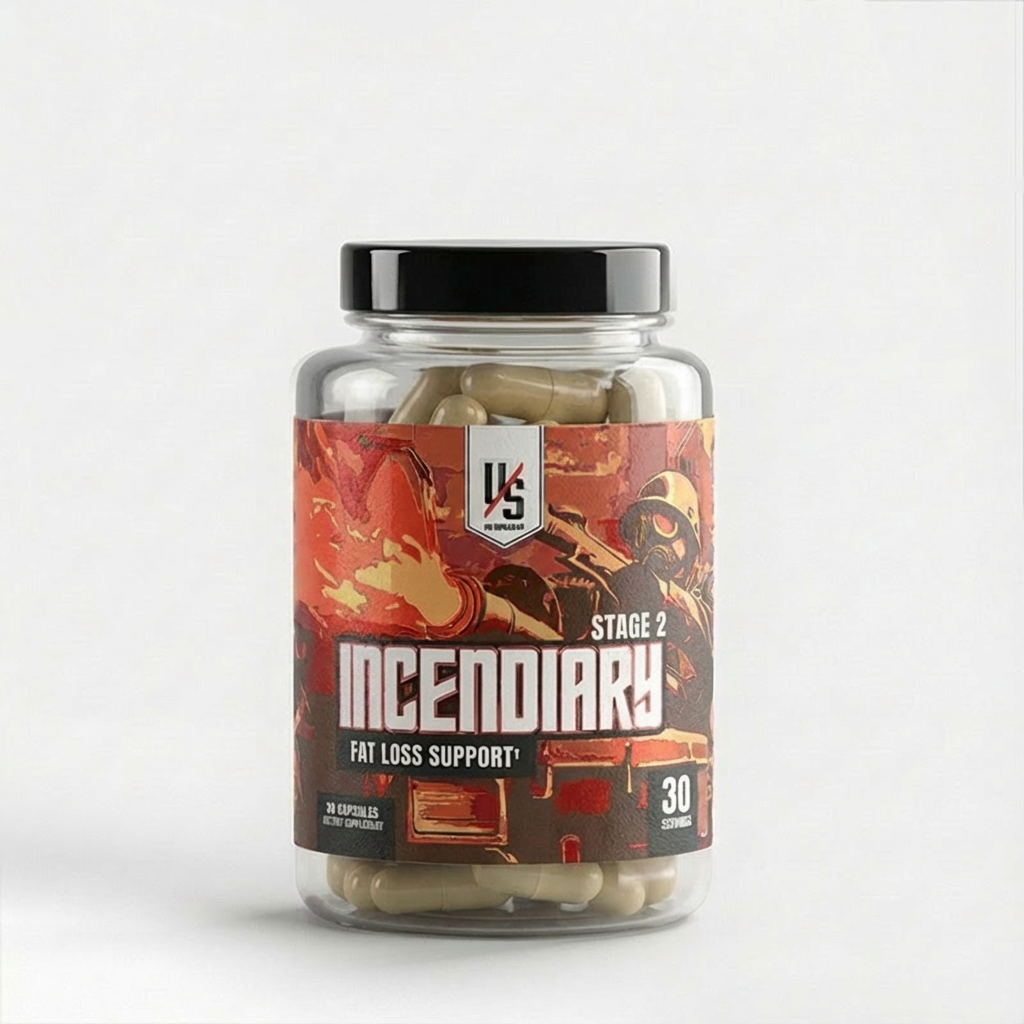
- Metabolic support → Incendiary Stage 2 (MitoBurn)
ALWAYS FORWARD.
GEAR THAT FITS THIS POST
The products this article actually talks about. Real doses, disclosed labels, veteran owned.
Read more

How Do I Burn Fat Quicker? Since starting the company, we have received a lot of questions regarding ways to lean out (or the most common

Most fat-loss attempts fail because the target was never defined. Set the target, build the momentum — the two steps that turn intention into result.
You can't out-train a bad diet. Here's the no-BS guide to macros — what they are, why they matter, and how to count them so you actually hit your goals.

Carb cycling means rotating high, low, and moderate carb days around your training. Here's how it works — and the honest truth about whether it burns more fat.
Your gut lining runs the same creatine energy system as your muscles. Here is what the research shows on stomach upset, IBS, colitis and leaky gut, and exactly where the human evidence stops.

Creatine gummies can work if the creatine is actually in them, and lab tests keep finding it often is not. Here is why a scoop of Creatine Monohydrate powder still wins.