


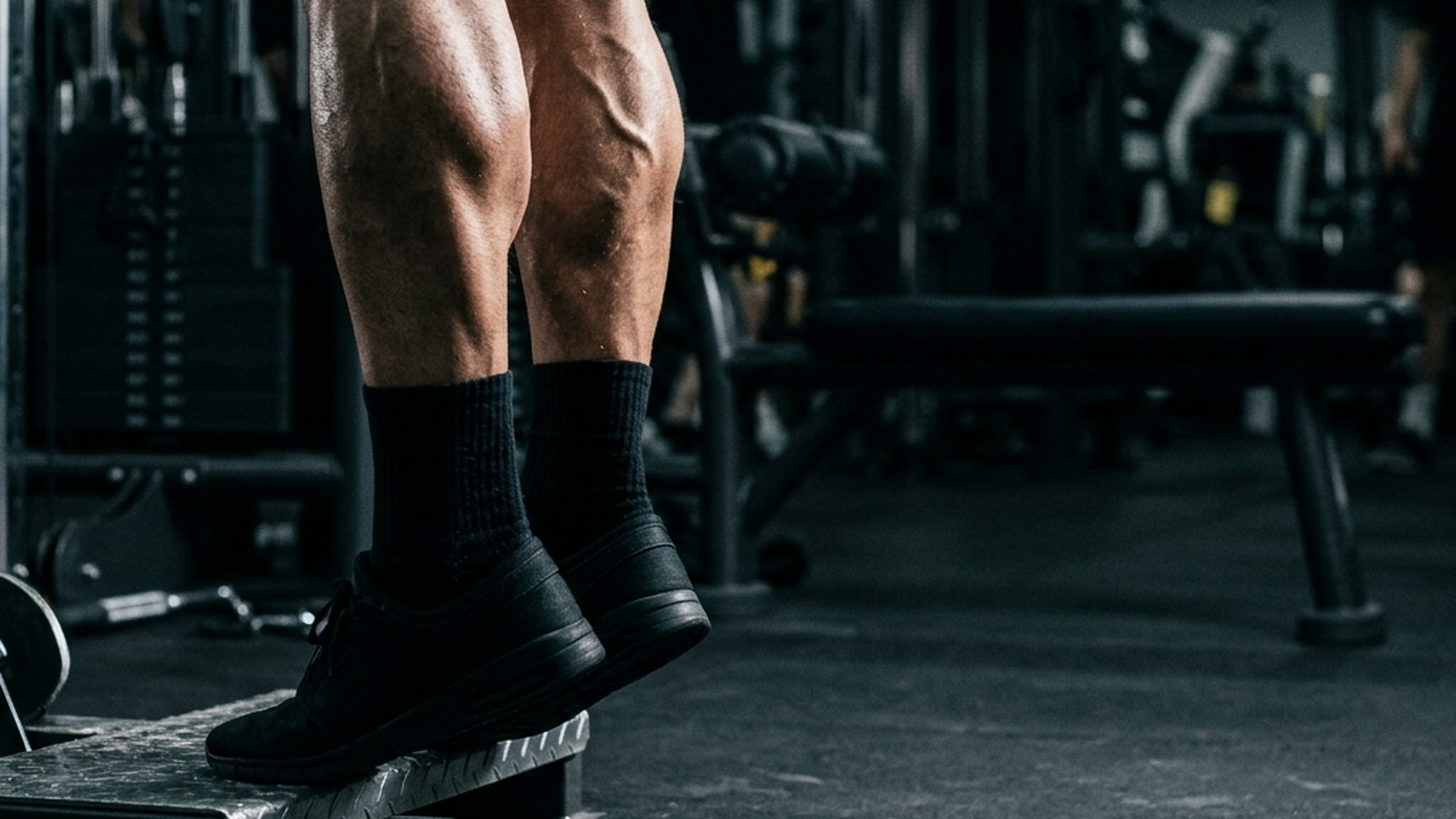
How to Get Bigger Calves: What Actually Works
By Jon Klipstein, U.S. Army Combat Veteran & Founder of Die Tryin Co., and Garrett Ussery, NASM-CPT & 2025 Idaho Cup Overall Champion
Science reviewed by Onur Oncer, BS Physiology and peer-reviewed published researcher.
SMALL CALVES ARE A TRAINING PROBLEM BEFORE THEY ARE A GENETICS PROBLEM
Listen up. Everybody with small calves blames their parents. Some of that is fair. Muscle belly length and Achilles tendon insertion are handed to you at birth, and a high belly with a long tendon will never carry the same shape as a low insertion.
That is where the honesty ends and the excuses start. Most lifters with small calves are not losing a genetic fight. They are doing three sets of bouncy half reps at the end of leg day, on an empty tank, with the same 90 pounds they used last year.
Calves are genuinely stubborn, and there is a reason. The triceps surae is built for a lifetime of walking and standing, which makes it resistant to hypertrophy and quick to shrink when you stop loading it. Stubborn is not impossible. It means the details matter more here than they do on a barbell curl.
| IF YOUR PROBLEM IS | THE FIX | GO DEEPER |
|---|---|---|
| Flat upper calf (no diamond) | Standing, knee-locked raises. The gastrocnemius only gets loaded when the knee is straight. | Best Leg Exercises |
| No width low on the leg | Seated, knee-bent raises for the soleus. Higher reps, longer sets. | How to Build Muscle |
| Training hard, nothing moves | Kill the bounce. Own the bottom stretch for a full count on every rep. | Focus on the Stretch |
| One calf day a week | Go to three or four short sessions. Calf sets cost little. | Muscle Fiber Types |
YOU ARE TRAINING TWO MUSCLES, NOT ONE
The calf is not a single muscle. It is the triceps surae, and for training purposes it splits into two jobs that answer to two different setups.
- Gastrocnemius. The two-headed muscle that gives you the diamond shape up high. It crosses both the knee and the ankle, which is the whole point. Bend the knee and it goes slack. It can only be loaded properly with the leg straight.
- Soleus. The flat, wide muscle sitting underneath and below the gastrocnemius. It crosses the ankle only, so knee angle never takes it out of the fight. It is heavily slow-twitch and it carries you all day, which is why it wants volume and time under tension instead of heavy triples.
- Tibialis anterior. The shin muscle on the front. Almost nobody trains it, and it adds real thickness from the front. Toe raises or a tib bar, two sets, done.
That split is the single most useful thing on this page. If your upper calf is flat, you have been training bent-knee. If the whole lower leg is thin, you have been skipping calves and calling it genetics.
STANDING AND SEATED RAISES ARE NOT INTERCHANGEABLE
Most lifters treat the standing machine and the seated machine as two ways to do the same thing and take whichever one is open. They are not, and the research here is unusually clean.
A 2023 within-subject trial in Frontiers in Physiology trained 14 untrained adults one leg standing with the knee extended, the other seated with the knee bent to 90 degrees, twice a week for 12 weeks at 70% of one-rep max, with MRI before and after. The standing leg grew the lateral gastrocnemius 12.4% versus 1.7% seated, and the medial gastrocnemius 9.2% versus 0.6%. Soleus growth came out nearly identical between legs at 2.1% versus 2.9%. See the study.
The seated leg put almost nothing on the gastrocnemius across three months of consistent training. Bend the knee and the gastrocnemius is shortened out of the movement, so the soleus takes the work. That is what the seated raise is for. So run both. Standing raises build the shape people notice. Seated raises build the base underneath it.
THE STRETCH IS WHERE THE GROWTH LIVES
Here is the truth: the bottom half of a calf raise does most of the work, and it is the half everyone skips. Watch any gym for five minutes and you will see loaded heel bounces through the top four inches with the plates never settling.
A 2023 randomized trial in the Journal of Strength and Conditioning Research put 42 young women through eight weeks of calf raises on a leg press, three days a week, split into three groups: full range, the stretched bottom half only, and the shortened top half only. The stretched-half group added 15.2% to medial gastrocnemius thickness. Full range added 6.7%. The top-half group added 3.4%. See the study.
That is not an argument for living in partial reps forever. It says the stimulus is concentrated in the stretched position, which makes cutting that position off the most expensive mistake in calf training. A 2023 review of range of motion research reaches the same conclusion across muscle groups and recommends training at long muscle lengths. Read the review. Practically: drop your heels below the platform until you feel the Achilles load, pause a two-count with zero bounce, then drive up and squeeze for one. If the weight will not let you do that, the weight is wrong.
LOAD, REPS AND TEMPO
Calves get trained with worse tempo than any other muscle, because the range is short and the bounce is easy. Fix execution before you touch the pin.
- Standing raises: 8 to 15 reps. Heavy enough that rep 12 is genuinely hard, light enough that you can still pause at the bottom.
- Seated raises: 12 to 25 reps. The soleus is slow-twitch dominant and answers to longer sets. This is where burn sets earn their keep.
- Tempo: two seconds down, two-count pause in the stretch, drive up, one-count squeeze at the top. No bounce, ever.
- Volume: 8 to 16 hard sets per week, split across sessions. Roughly half standing, half seated.
- Single-leg work: doubles the load per limb without a bigger machine and exposes side-to-side imbalances you cannot hide behind.
- Progression: add reps at the same weight until you top the range, then add weight and start over. That is progressive overload, and calves need it as much as anything else does.
FREQUENCY: CALVES CAN TAKE MORE THAN YOU GIVE THEM
One session a week bolted onto leg day is why most lifters have never watched a calf grow. The soleus is heavily fatigue resistant, calf work runs through a short range, and a calf set costs almost nothing systemically, so the lower leg handles frequency better than most muscles. The fiber-type reasoning sits in our breakdown of muscle fiber types and training frequency.
Three or four short sessions is also easier to execute well than one long one. Four hard sets, ten minutes, done. Keep calves on leg day where they already live, then add two more slots on upper-body days so the extra volume never competes with your squats for energy. Hold the plan for eight weeks before you judge it, because a lower leg that has been ignored for years does not turn around in a fortnight.
WHAT SQUATS AND DEADLIFTS ACTUALLY DO FOR YOUR CALVES
You will hear that squats, deadlifts and lunges build calves because compound lifts build everything. That is not accurate. The ankle does move under load in a squat, but the calves are working as stabilizers holding you over mid-foot, not as the prime mover. The set ends when your quads and your back quit, long before the calves have taken anything close to a hard set. That is the difference: stimulus requires the calves to be the limiting factor, and in a squat they never are.
Keep the compounds. They build the legs. Just stop counting them as calf work, and do not let leg day end without direct plantarflexion under load. Jump rope, sled pushes and hill sprints are the same story: conditioning, not a progressable hypertrophy stimulus.
FUEL, RECOVERY AND THE STACK
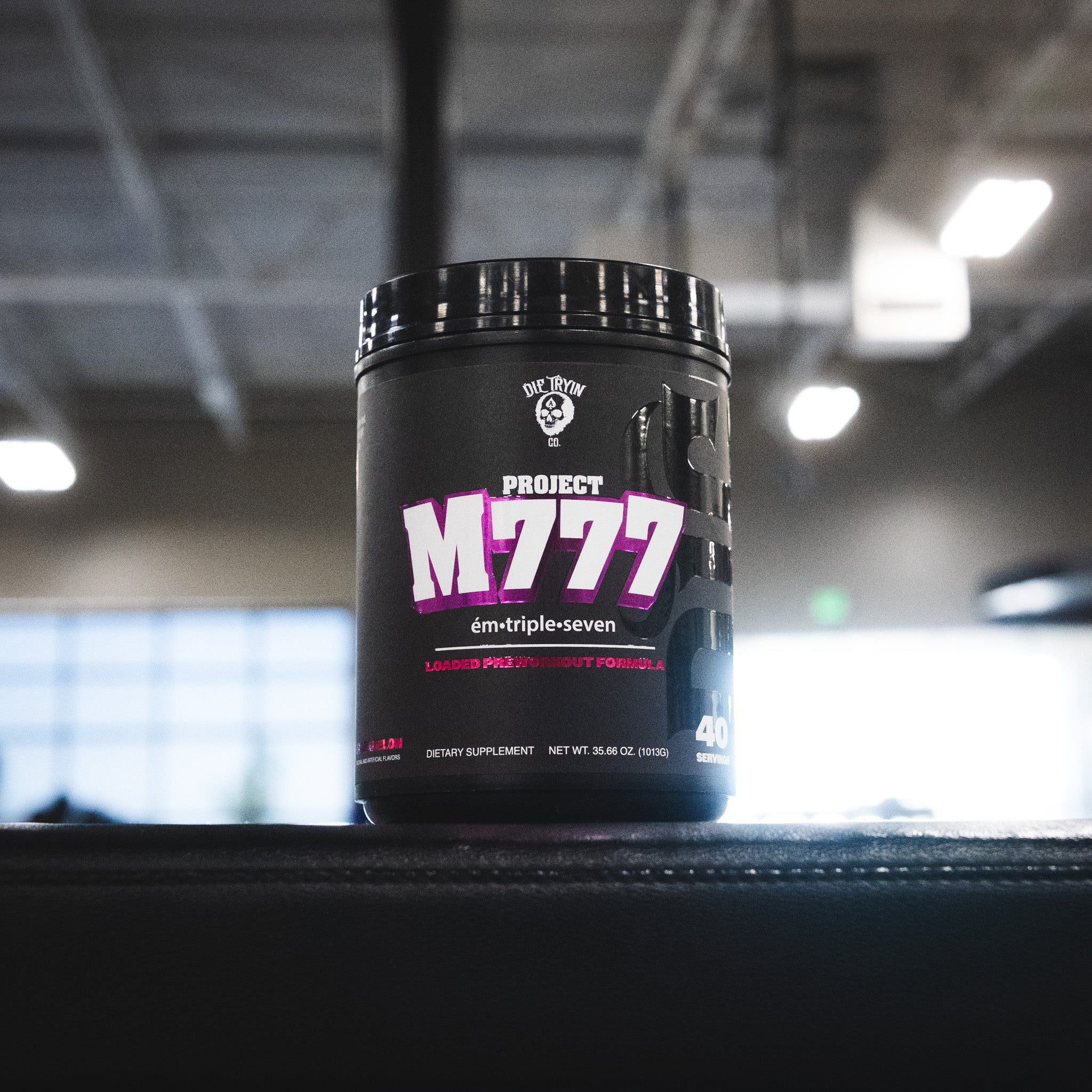
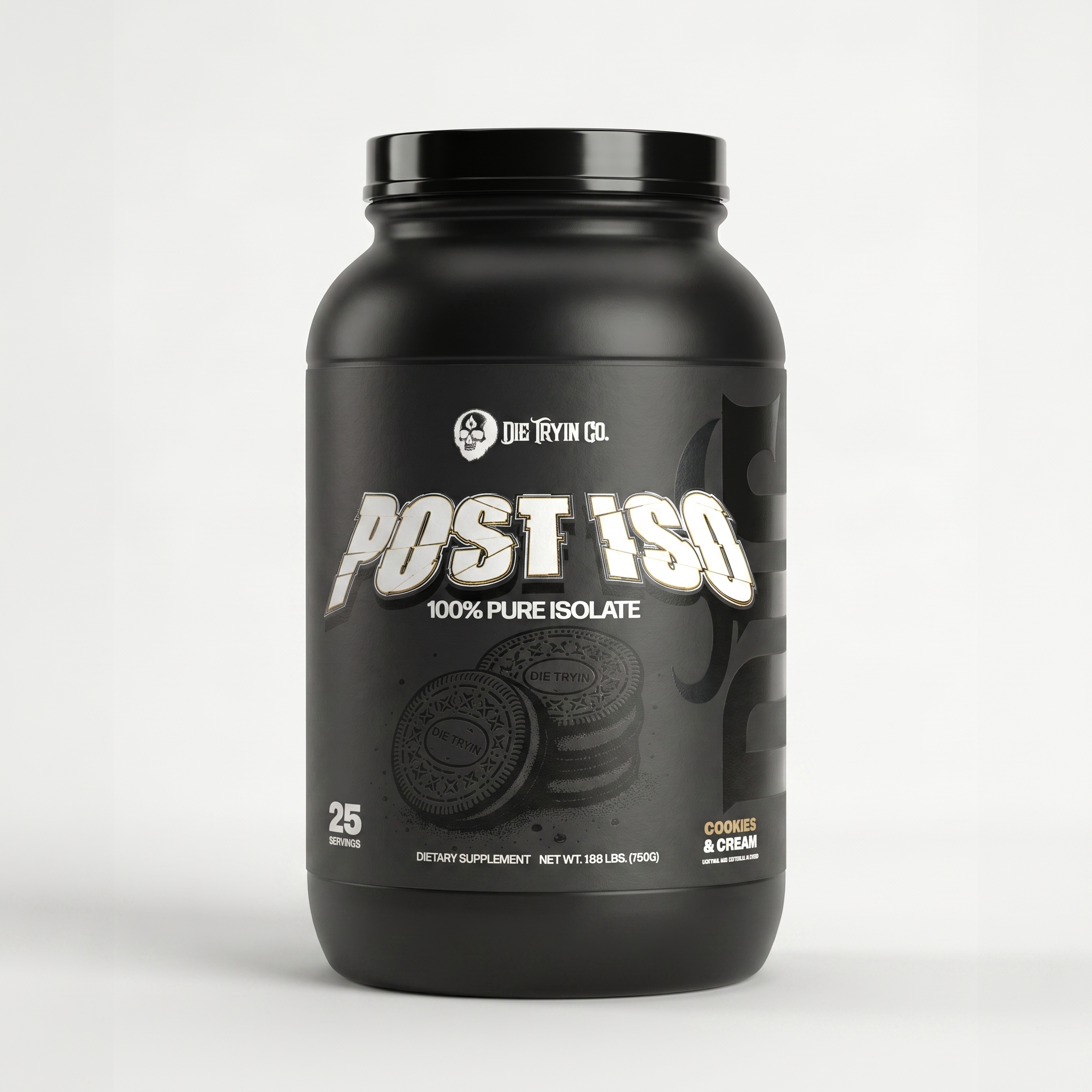
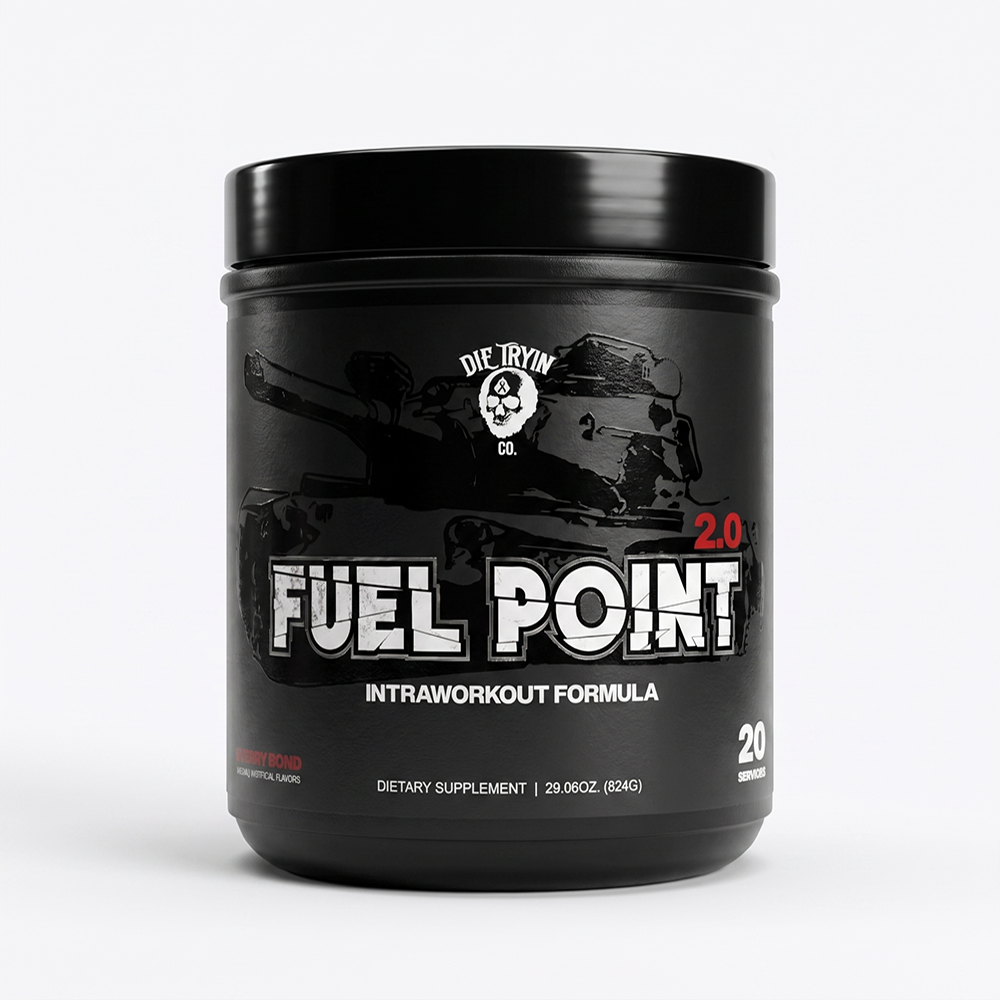
Calves trained three or four times a week near failure need the recovery side handled. Hit your protein target daily, keep carbs around training, and sleep. Our complete guide to recovery covers the rest. On the supplement side, keep it boring and effective. Creatine Monohydrate at 5g daily is one of the most researched supplements in sport, and it works through saturation, so timing does not matter. Post Iso makes a 24g protein hit simple on a training day. Fuel Point 2.0 covers carbs and aminos through long lower-body sessions.
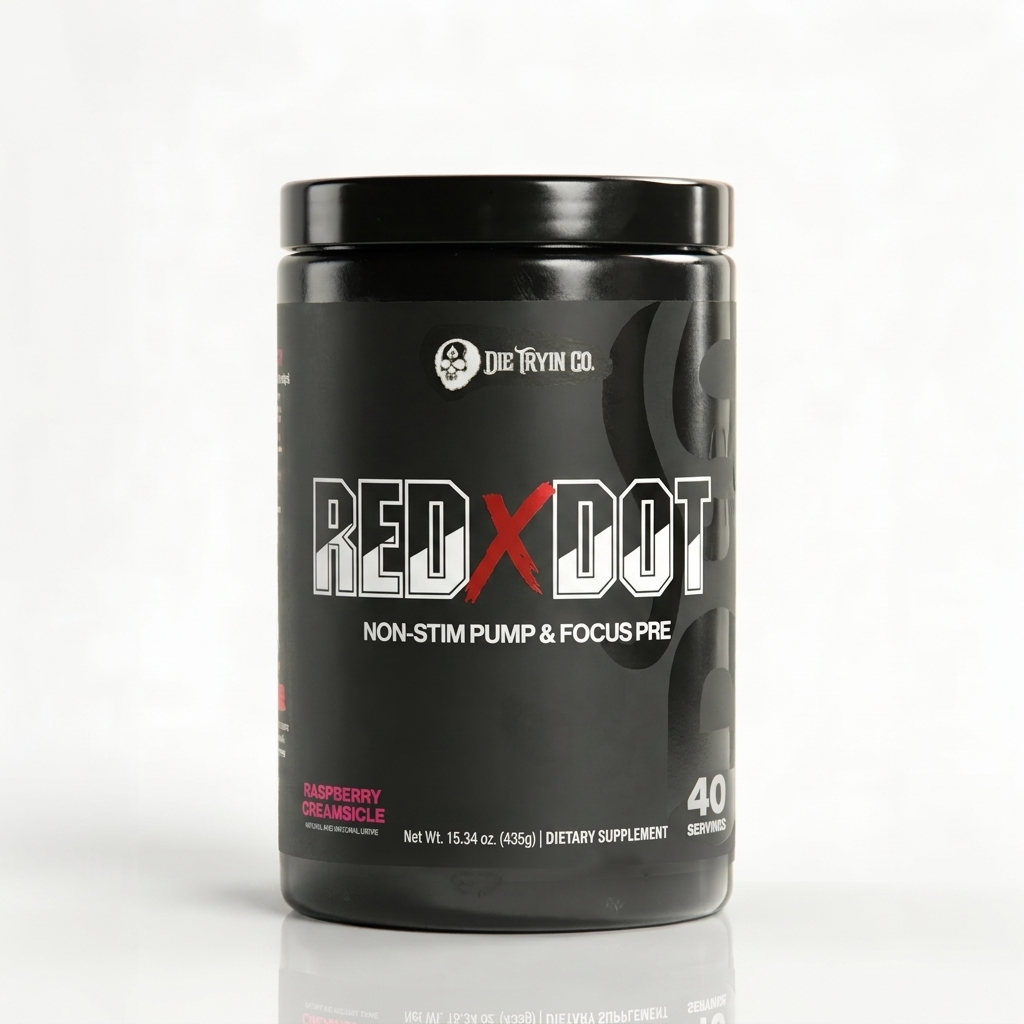
For high-rep calf work specifically, a stim-free pump formula earns its place. Red Dot runs 9,000mg L-Citrulline and 508mg VasoDrive-AP with zero caffeine, so it stacks on a late session without piling on stimulants. Research suggests L-Citrulline supports nitric oxide production and blood flow. It will not build a calf on its own. Nothing will. The reps do that.
FREQUENTLY ASKED QUESTIONS
How long does it take to grow calves?
Give it eight to twelve weeks of consistent, correct training before you judge anything. The twelve-week standing-versus-seated trial above used untrained adults, and the eight-week range-of-motion trial ran in young women. Trained lifters move slower than either.
Are calves really all genetics?
Insertion point and muscle belly length are fixed, and they decide the shape you end up with. Size is trainable. The lifter who says calves are pure genetics is almost always the lifter doing three bouncy sets a week.
Should I do standing or seated calf raises?
Both, and not as substitutes for each other. Standing raises with the knee straight are the only way to load the gastrocnemius properly. Seated raises with the knee bent hit the soleus. Run standing first while you are fresh, seated second for higher reps.
How many days a week should I train calves?
Three to four short sessions beats one long one for most lifters. The soleus is fatigue resistant and calf sets cost little systemically, so the lower leg tolerates the frequency. Keep each session to roughly four hard sets, one of them on leg day.
Do I need to lift heavy for calves?
You need enough load that the last few reps are genuinely hard, and little enough that you can pause in the full stretch without bouncing. If loading the machine forces you into half reps, you picked the wrong weight.
Does jumping rope build calves?
It builds conditioning and ankle stiffness and it makes a good warm-up. It is not a hypertrophy stimulus you can progressively overload the way you can a loaded calf raise. Use it as a bonus, not as your calf training.
What about the shin muscle?
The tibialis anterior adds thickness from the front and almost nobody trains it. Two sets of 15 to 20 toe raises against a wall or with a tib bar at the end of a session is enough.
READY TO GEAR UP?
Calves answer to the same things everything else answers to: real load, full range, honest execution, repeated for longer than you want to repeat it.
- Creatine Monohydrate for daily 5g saturation
- Red Dot for stim-free pump and focus on high-rep days
- Post Iso for 24g of whey isolate after the session
- Fuel Point 2.0 for carbs and aminos during long leg sessions
- Not sure where to start? Take the quiz.
ALWAYS FORWARD.
GEAR THAT FITS THIS POST
The products this article actually talks about. Real doses, disclosed labels, veteran owned.

Read more
The best leg exercises that actually build wheels — 8 moves for quads, hamstrings, glutes, and calves, plus a complete leg-day plan.
The complete playbook for building muscle that actually lasts. Training, nutrition, recovery, and the supplements that move the needle — no hype.
The secret to a bigger back isn't more weight — it's the stretch. Here's how to train your lats at long muscle lengths, demoed on the barbell row.
Fast twitch, slow twitch, and a whole generation of training rules built on labels nobody ever measured. Here is what fiber type actually decides about your rep ranges and your frequency, and wheth...
Muscle grows when demand grows, everything else is detail. The load-vs-reps research, the double progression method, and how to escape a plateau without wrecking recovery.
The no-BS recovery playbook — sleep, stress, nutrition, modalities, and the framework that ties it all together. Recovery is where growth actually happens.