


ElevATP vs Creatine: Which ATP Supplement Is Worth It?
By Jon Klipstein, U.S. Army Combat Veteran & Founder of Die Tryin Co.
Science reviewed by Onur Oncer, BS Physiology and peer-reviewed published researcher.
TWO WAYS TO CHASE ATP. ONLY ONE HAS THE RECEIPTS.
Listen up. Every product in this category sells the same promise: more ATP, more output, more work before you gas out. ElevATP® is the polished version of that pitch, a 150 mg blend of ancient peat and apple extract. Creatine Monohydrate makes a similar-sounding promise through a completely different mechanism, backed by a completely different pile of evidence.
We pulled every human study on ancient peat and apple extract that PubMed indexes. Six records. Five papers plus one published erratum, three of the five out of the same lab. That is the whole indexed human body of work behind an ingredient marketed as its own category.
If you came here for the plain definition of ElevATP and what the trademark covers, that is a different page. This one answers one thing: does an ATP booster earn a slot next to Creatine Monohydrate, or get bumped?
| FACTOR | ELEVATP (ANCIENT PEAT + APPLE) | CREATINE MONOHYDRATE |
|---|---|---|
| What it is | 150 mg of mineral-rich peat paired with a polyphenol-rich apple extract. Proprietary, trademarked, owned. | 5 g of a single unpatented molecule your body already makes and stores in muscle. |
| Proposed mechanism | Research suggests it raises circulating ATP after a dose. The mitochondrial explanation is still a hypothesis. | Refills phosphocreatine so ATP regenerates faster between hard efforts. Measurable inside the muscle. |
| Human trials on PubMed | Five. Three from one lab. Three of the five buried it inside a multi-ingredient blend. | Its own ISSN position stand, built on decades of independent replication. |
| Time to effect | One pilot measured a blood change inside 60 minutes. | Days to weeks. Saturation is the mechanism, not a switch you flip. |
| Safety record | Blood chemistry stayed in clinical range across two 12-week trials. | The ISSN reports up to 30 g/day for five years as safe and well tolerated in healthy people. |
| Do we sell it? | No. Zero live Die Tryin Co. products contain it. | Yes. 5 g micronized Creatine Monohydrate, standalone. |
WHAT "MORE ATP" ACTUALLY MEANS
ATP is not a fuel tank. It is a flow. Your muscle holds only a tiny amount of free ATP at any instant, and a hard working set burns through that pool almost immediately. What keeps you moving is regeneration speed, not storage volume.
So the useful question was never "how much ATP is sitting in there." It is "how fast can you rebuild it, and from what." Phosphocreatine covers the opening seconds. Glycolysis takes the middle. Oxidative phosphorylation handles everything long. We broke down how those systems hand off in our guide to exercise metabolism.
That is why "ATP booster" is such a slippery label. A supplement can move an ATP number in a blood draw without touching what limits your fifth set. Two different claims wearing the same word.
THE ELEVATP HUMAN EVIDENCE, TRIAL BY TRIAL
Here is the entire indexed human literature, flat. The fine print is the story.
- 12 weeks, 25 trained men, strength and power. Squat and deadlift 1RM increased versus placebo, and vertical jump peak power and peak velocity separated too. Bench press 1RM did not turn up among the significant results. Wingate peak power only "tended to favor" the supplement, which is researcher language for did not reach significance. Two authors list the ingredient's supplier as their employer, several more the sports science arm of a supplement company, and the trial was registered on ClinicalTrials.gov retrospectively. Joy et al., 2016.
- 12 weeks, 25 trained men, body composition. Ultrasound cross-sectional area rose 0.91 cm² against a 0.08 cm² drop on placebo, muscle thickness 0.46 cm against 0.04 cm. Fat mass did not budge. Triglycerides climbed 24.1 mg/dL in the supplement group while falling 20.2 mg/dL on placebo, both inside clinical range. The paper carries a published erratum. Joy et al., 2015.
- 12 weeks, 21 trained subjects, stacked with caffeine. Rectus femoris cross-sectional area rose 1.07 cm² against a 0.08 cm² drop on placebo. The capsule also held 180 mg of a caffeine blend plus B vitamins, so nothing in it separates the peat and apple from the caffeine.
- Ten all-out five-second cycle sprints, 17 recreationally active men and women, dosed one hour prior. Average and peak power held across the set on the blend while placebo declined sprint after sprint. Average velocity still dropped on the blend and distance fell on the ninth sprint, so the protection was not total. That blend also contained Creatine Monohydrate, taurine, ribose and magnesium. A study that puts creatine in the test capsule tells you nothing about an ATP booster alone.
- 13 collegiate rugby players, 14 days, multi-ingredient. Creatine kinase and lactate dehydrogenase both spiked after the match in both groups. Creatine kinase came in lower 24 hours post-match on the supplement, and lactate dehydrogenase returned to baseline while placebo stayed elevated. TNF-alpha and malondialdehyde, the inflammation and oxidative stress markers, showed no difference between conditions. Thirteen people, crossover, blended with turmeric and chicken meat extract.
Two of those papers describe the same 25 resistance-trained men on the same 12-week protocol, reported for two different outcome sets. Three of the five cannot isolate the ingredient at all. Strip it down and one reasonably clean trial in 25 people carries the entire load.
THE ONE PILOT THE WHOLE CATEGORY RESTS ON
The "raises ATP" headline traces back to one acute pilot from Reyes-Izquierdo and colleagues in 2013: 18 generally healthy adults, a single 150 mg dose against a 50 mg encapsulated silica placebo, blood drawn at 60, 90 and 120 minutes. Whole blood ATP came in 64% higher than placebo. Reactive oxygen species and lactate did not change. Total mTOR came out modestly but significantly lower after treatment, which you will never see printed on a label. The authors are affiliated with the ingredient's supplier, and their own conclusion was that confirmation in a larger sample was needed.
Two things. Whole blood ATP lives overwhelmingly inside red blood cells, and nobody has shown that moving that number changes ATP availability inside a working quadricep under load. And the pilot is not indexed on PubMed; searching the trade name there returns two records, and this is not one of them. The same group later ran a single-dose crossover on exercise output in nine sedentary subjects, also unindexed. A decade on, the larger confirmation study its own authors asked for has not appeared. Not a scandal. Just a much smaller foundation than the marketing implies.
WHAT CREATINE MONOHYDRATE DOES THAT THIS DOES NOT
Creatine's mechanism is named, measurable and boring. Supplementation consistently raises intramuscular creatine concentration, and the ISSN position stand on creatine states this may help explain the observed improvements in high-intensity exercise performance and the greater training adaptations that follow. You can biopsy a muscle and watch the number change.
The safety file is equally unglamorous. That same position stand reports supplementation up to 30 g/day for five years as safe and well tolerated in healthy individuals and in patient populations ranging from infants to the elderly. No proprietary blend on the shelf has a paper trail like that.
Here is the part the industry hates: nobody owns creatine. No trademark to defend, no exclusive supplier, no reason to build a marketing budget around it. Which is why the shelf fills with expensive alternatives to the cheapest thing that works. For the full picture of what drives size and strength, start with the muscle-building pillar.
"FAST-ACTING" VS "SATURATION," THE HONEST VERSION
The standard pitch says creatine needs a week to saturate while an ATP booster works on the first dose. Half true, and beside the point. Creatine's value was never day one. It is week twelve, when the extra rep from every top set has compounded into a pile of extra work. Comparing an acute blood marker against a twelve-week training adaptation compares two different currencies. One says something entered your bloodstream. The other says your squat went up.
WHERE AN ATP BOOSTER COULD STILL FIT
We are not calling this junk. It is a 150 mg dose with no signal of harm across two supervised 12-week trials and one honest hypertrophy result that beat placebo on ultrasound. More than most novelty ingredients manage.
It is a marginal-gains play, not a base layer. If your creatine is saturated, protein is hitting daily, sleep is handled and training is progressing, testing at the margins is a defensible experiment. If any of those four is broken, an ATP booster is a distraction with a receipt attached. Sort the foundation first with the pre, intra and post workout guide, and get your weekly volume into the productive range before spending a dollar chasing a percent.
WHAT WE RUN INSTEAD
Real doses of real ingredients, in the order that actually moves the needle:
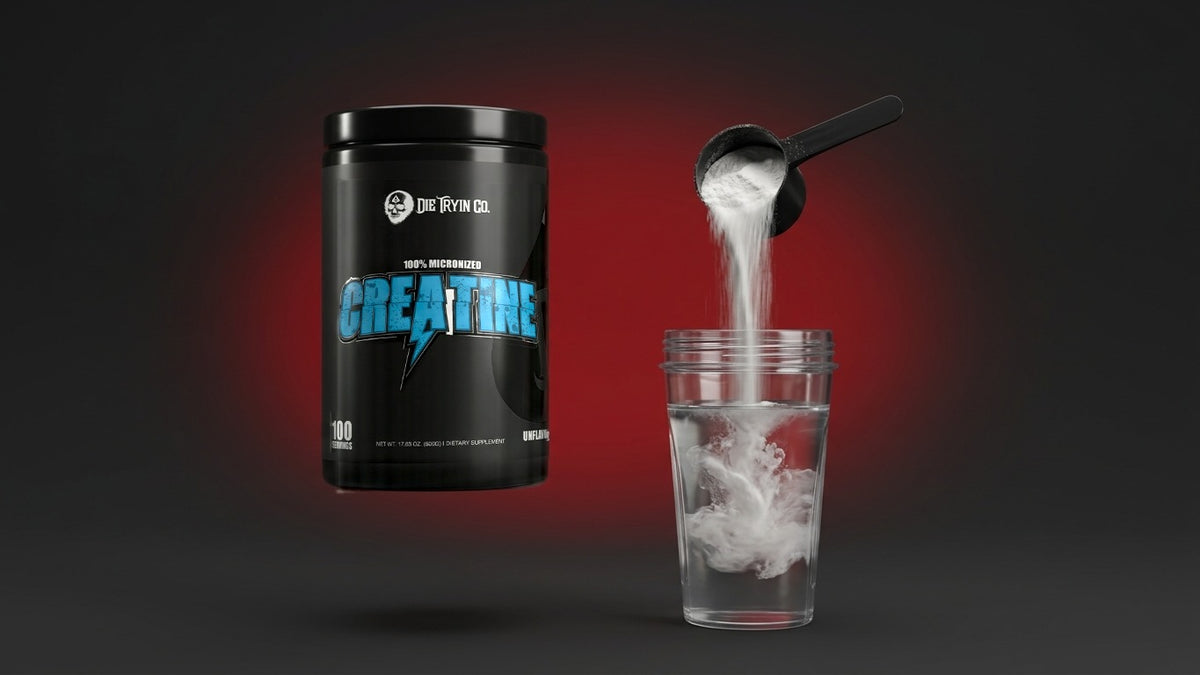
- Creatine Monohydrate, 5 g daily. Training day or rest day, no loading phase, no novel form necessary. Saturation is the whole game.
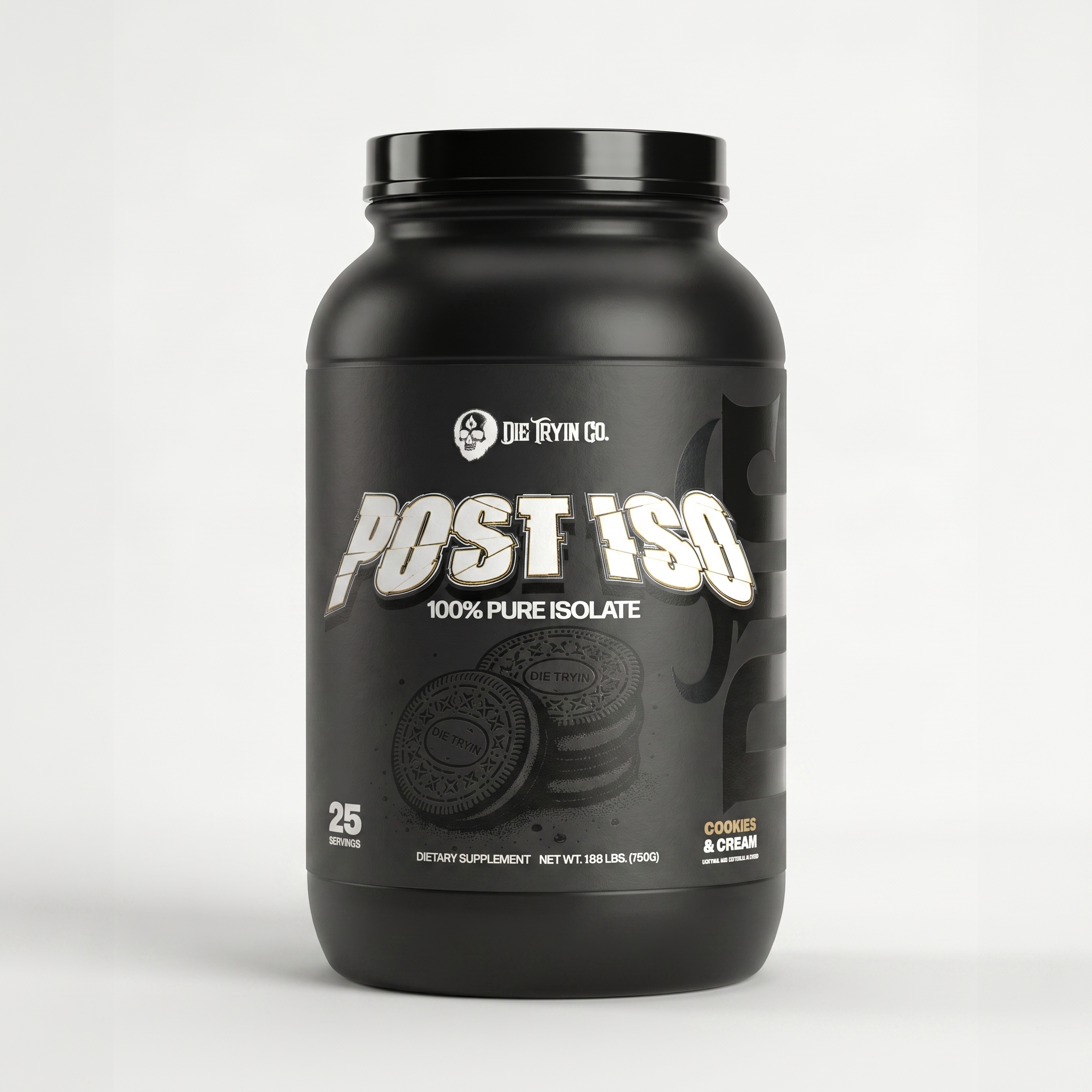
- Protein first. Hit your daily target before optimizing anything downstream. Post Iso makes that boring and easy.
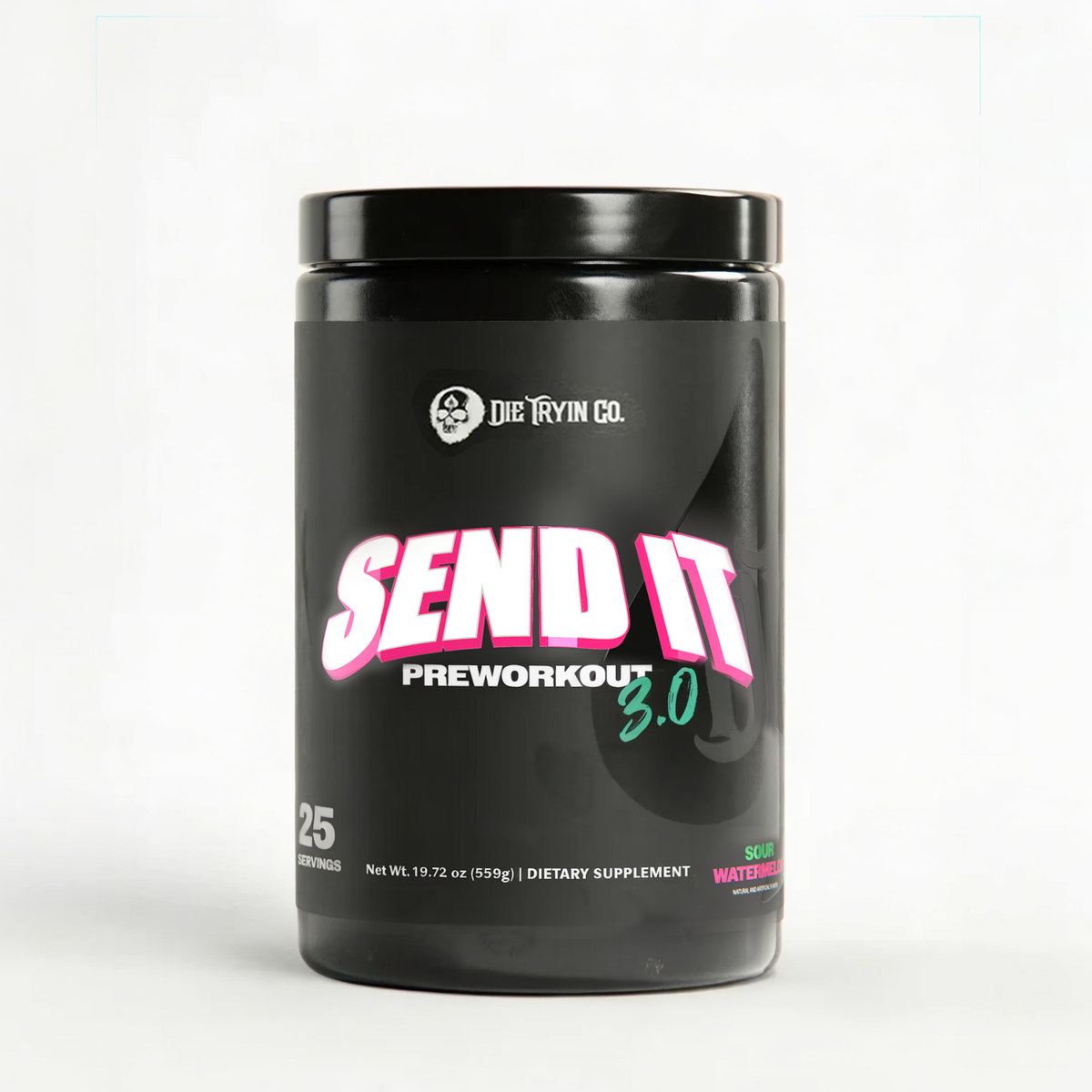
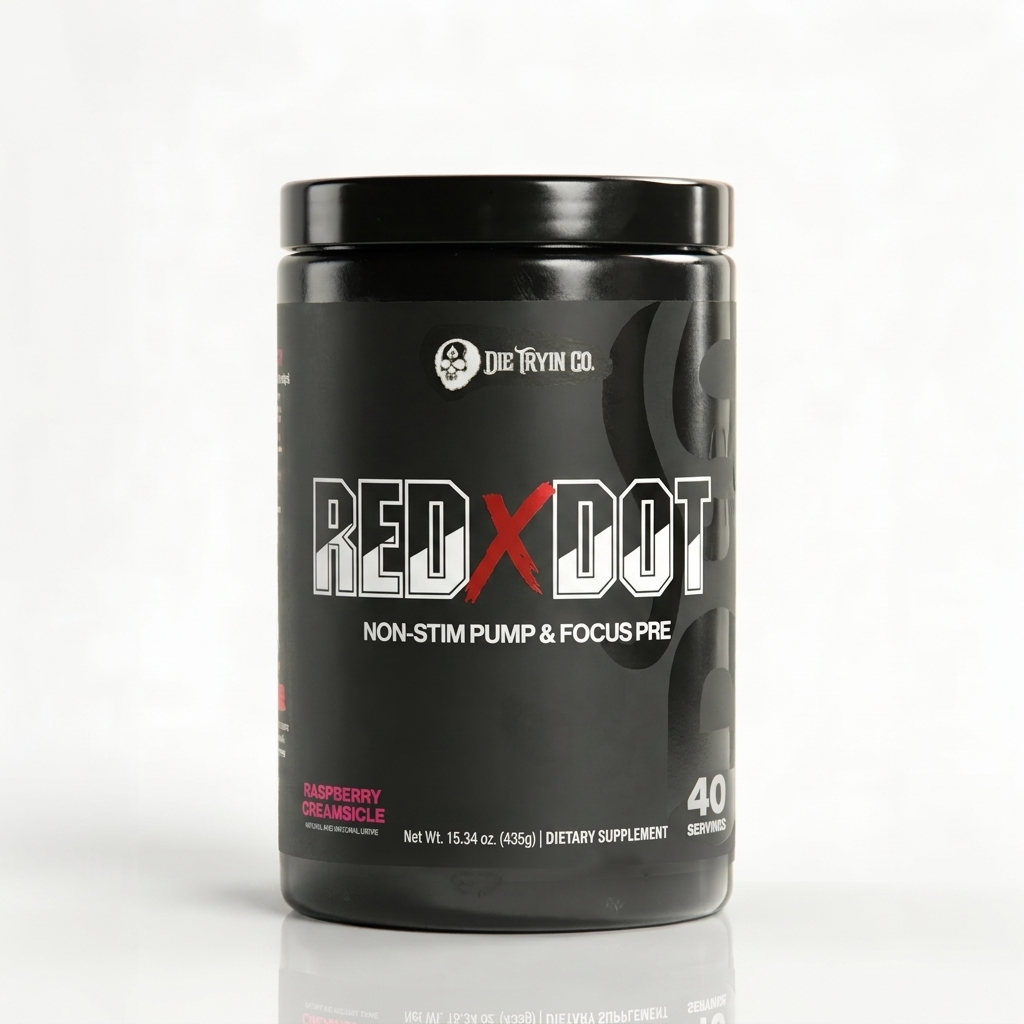
- A pre-workout that prints its doses on the label. SEND IT 3.0 as the daily driver, Red Dot when you want pump and focus with zero caffeine.
- Progressive overload. Free, unpatentable, and it beats every ingredient on this page. Consistency beats intensity.
We do not sell an ElevATP product. We are telling you that on the page that ranks for it, because the alternative is inflating thin evidence to move something we do not stock. Basics beat hype.
FREQUENTLY ASKED QUESTIONS
Is ElevATP better than creatine?
No, not on the evidence available. Creatine has its own position stand and decades of independent replication behind a mechanism measurable directly in muscle tissue. Ancient peat and apple extract has five indexed human papers, three from one lab, and three of the five tested it inside a blend.
Can I take ElevATP and Creatine Monohydrate together?
Nothing in the published research suggests a conflict, and one of the sprint studies literally combined them. Just understand what you are paying for: creatine is doing the heavy lifting in that pairing, and the trial design makes it impossible to credit anything else.
Does ElevATP actually raise ATP in my muscles?
That has not been shown. The 64% figure comes from whole blood in an 18-person acute pilot from the supplier's own authors, and whole blood ATP sits mostly inside red blood cells. Blood ATP and working-muscle ATP availability are different measurements, and no published human trial has connected the two.
What dose was used in the research?
150 mg per day, once daily across 12 weeks in the training studies and as a single dose in the acute work. If a product buries it in a proprietary blend without naming the milligrams, you cannot know whether you are getting the studied amount.
Is it safe?
Two supervised 12-week trials reported blood markers staying inside clinical range, though one noted triglycerides and VLDL rising in the supplement group while falling on placebo. That is a small dataset in young trained men, not a broad safety file. Talk to your doctor before adding anything new.
If I can only buy one thing, what should it be?
Creatine Monohydrate. Every time. It is the cheapest, most replicated, most boring purchase in sports nutrition, and it will outwork an ATP booster on the metrics you care about. Not sure where the rest of your stack goes? Run the quiz.
READY TO GEAR UP?
Build the base before you chase the margins:
- Creatine Monohydrate – 5 g micronized, standalone, four flavors, no gimmicks
- Post Iso – 24 g whey isolate with DigeZyme enzymes
- SEND IT 3.0 – the daily driver, fully disclosed label
- Red Dot – stim-free pump and focus, zero caffeine
- Take the quiz – two minutes to a stack that fits your training
ALWAYS FORWARD.
GEAR THAT FITS THIS POST
The products this article actually talks about. Real doses, disclosed labels, veteran owned.

Read more
The afterburn effect is real, and it is far smaller than the industry claims. Here is what cardio and lifting each actually contribute to your metabolism.

The complete playbook for building muscle that actually lasts. Training, nutrition, recovery, and the supplements that move the needle — no hype.
What to take before, during, and after training — and exactly when. The complete pre/intra/post supplement timing guide. No filler, no 12-bottle stacks.

More is not better, it is just more. Here is where the returns actually flatten out, and how to train at the edge of enough.
Your gut lining runs the same creatine energy system as your muscles. Here is what the research shows on stomach upset, IBS, colitis and leaky gut, and exactly where the human evidence stops.

Creatine gummies can work if the creatine is actually in them, and lab tests keep finding it often is not. Here is why a scoop of Creatine Monohydrate powder still wins.