


Beta-Alanine Benefits: The Tingles, Explained
By Jon Klipstein, U.S. Army Combat Veteran & Founder of Die Tryin Co.
Science reviewed by Onur Oncer, BS Physiology and peer-reviewed published researcher.
THE INGREDIENT YOU CAN FEEL
Listen up. Beta-alanine is the only ingredient on a pre-workout label that announces itself. Ten minutes after the scoop, your face and forearms start buzzing, and half the gym thinks that buzz IS the workout. It is not. The tingles are a side effect. The actual benefit takes four weeks to build and lives in a very specific window of effort.
Here is what the research genuinely shows, where it shows nothing, and what is on our labels.
| CLAIM | VERDICT | WHY |
|---|---|---|
| Helps efforts of 30 seconds to 10 minutes | Supported | 40-study meta-analysis; strongest in the 0.5-10 min window |
| Works in trained lifters | Supported | 2024 meta in trained men; best at 5.6-6.4 g/day |
| Boosts your 1RM | Not supported | Single max efforts end before acid buildup matters |
| Improves repeated short sprints | Not supported | 2026 meta of 17 RCTs found no effect on repeated sprint ability |
| The tingles mean it is working | No | Harmless nerve side effect; the benefit builds over weeks either way |
HOW IT ACTUALLY WORKS
Beta-alanine is the rate-limiting ingredient your muscle uses to build carnosine, an intracellular buffer. When a set runs long enough that hydrogen ions pile up and the burn arrives, carnosine soaks up part of that acidity and buys you reps. Supplementing daily raises muscle carnosine over about four weeks, which is why beta-alanine is a saturation ingredient like Creatine Monohydrate, not an acute one like caffeine. Take it every day and the timing barely matters. Take it only on training days and you are leaving most of the effect unbuilt.
What it feels like when it is working is subtler than the marketing: the twelfth rep burns the same, but the fourteenth still happens. Interval three of six holds pace instead of bleeding. The effect size in the research is real but moderate, a few percent on capacity in the right window, which in training terms is one to two extra hard reps at the exact moment they count most. Stack a few percent onto every high-rep set for a year and the compounding is not subtle at all.
WHAT THE META-ANALYSES SHOW
The anchor is a British Journal of Sports Medicine meta-analysis of 40 studies and 1,461 participants: a significant overall benefit, with exercise duration as the deciding moderator, and the meaningful gains concentrated in efforts lasting 30 seconds to 10 minutes (Saunders et al., 2017). That window is not a footnote, it is the entire story: high-rep leg work, brutal supersets, CrossFit metcons, 800 m to mile repeats, the last two minutes of a hard round. That is beta-alanine country.
A 2024 meta-analysis narrowed the question to trained young men, the population reading this, and still found a significant benefit, largest at four or more weeks of loading, in maximal efforts of 4 to 10 minutes, and at daily doses of 5.6 to 6.4 g (Georgiou et al., 2024). Hold that 6.4 number. It comes back when we get to the label.
WHERE IT DOES NOTHING, PRINTED ANYWAY
Two honest boundaries. Single maximal lifts do not benefit: a one-rep max is over before acid accumulation becomes the limiter, so beta-alanine will not move your squat 1RM by itself. And for repeated short sprints, a 2026 multilevel meta-analysis of 17 randomized trials by Liang and colleagues in Frontiers in Nutrition found no significant improvement in repeated sprint performance, peak power or fatigue decrement, regardless of dose or duration. Ten-second bursts run on phosphocreatine, not on buffering. If your sport is pure sprints, spend your money on Creatine first.
ABOUT THOSE TINGLES
The buzzing, called paresthesia, comes from beta-alanine binding nerve receptors in the skin. It is harmless, dose-dependent, and completely unrelated to effectiveness. It fades as receptors desensitize over a couple of weeks. If it genuinely bothers you, split the daily dose into smaller servings and it mostly disappears. If you love it as a starting gun, enjoy it, just know the real work is happening silently in your muscle carnosine stores either way.
THE FOUR-WEEK LOADING PLAN
Because saturation is the mechanism, the plan is boring and that is the point. Weeks one through four: hit your daily dose every single day, training or not, and expect nothing except tingles. The buffering benefit arrives quietly as carnosine stores fill. From week four onward you are operating at capacity, and staying there costs nothing more than continuing the habit. Miss a day and nothing collapses, carnosine washes out over weeks, not hours. Miss a month and you are starting over.
Stack logic is simple because the mechanisms do not overlap. Creatine covers the first ten seconds of a maximal effort, beta-alanine covers the minutes after it, caffeine covers your willingness to be there at all. All three coexist in a formula without stepping on each other, which is exactly why they are the three most defensible actives in the entire pre-workout category. What beta-alanine does not need is cycling, special timing, or the empty-stomach rituals attached to it by forum folklore.
Who should skip it: anyone whose training never leaves the low-rep strength zone and never touches conditioning has little to gain, and the money goes further in Creatine and food. Anyone with tingling they cannot stand despite split dosing has a comfort answer, not a safety one, but comfort decides adherence and adherence decides results. For that lifter, we keep a shelf of pre-workouts without beta-alanine.
THE DOSES ON OUR LABELS
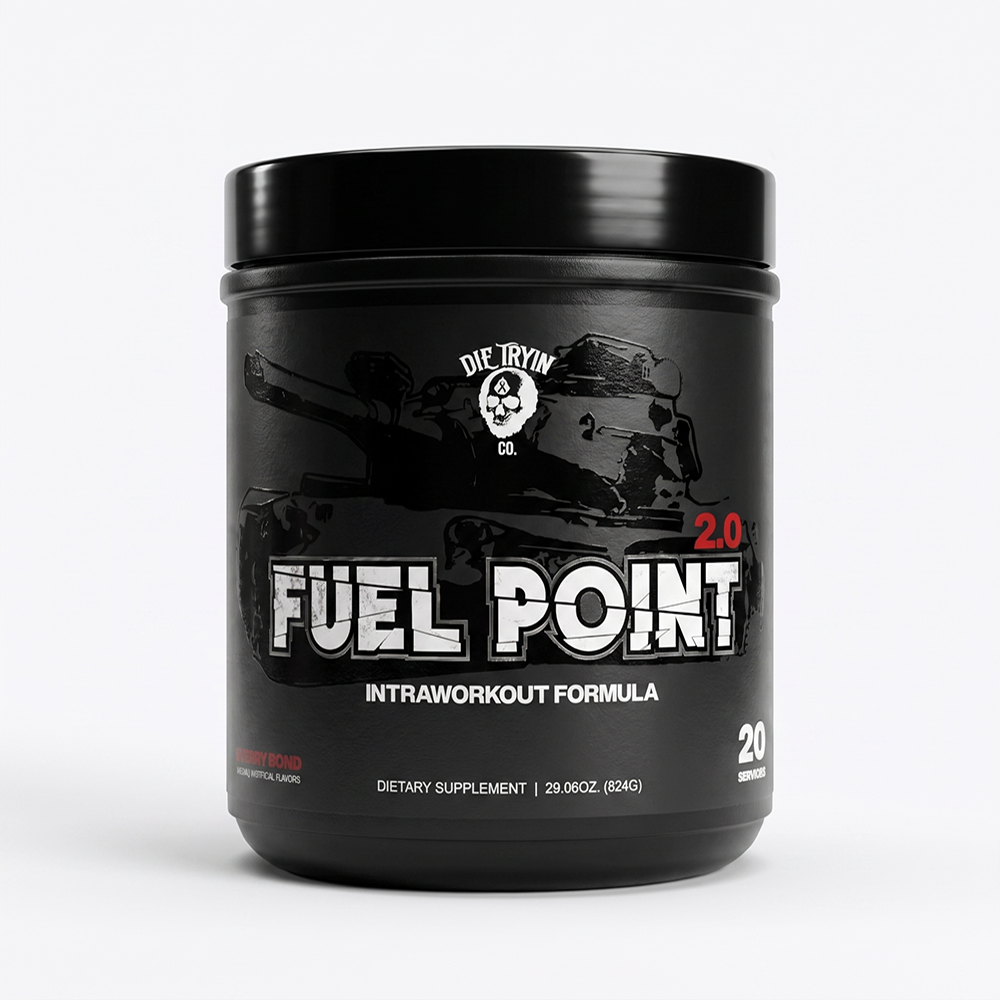
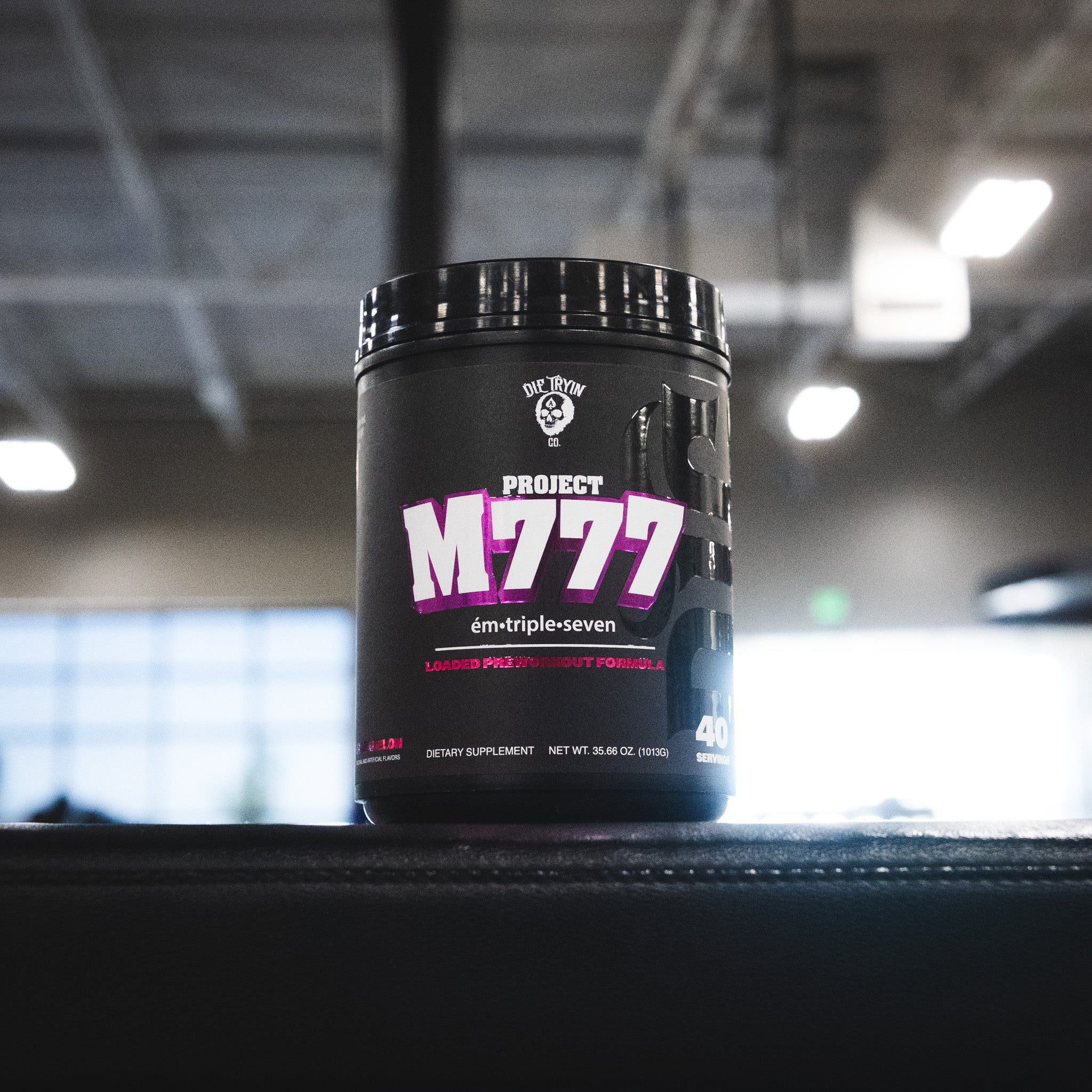
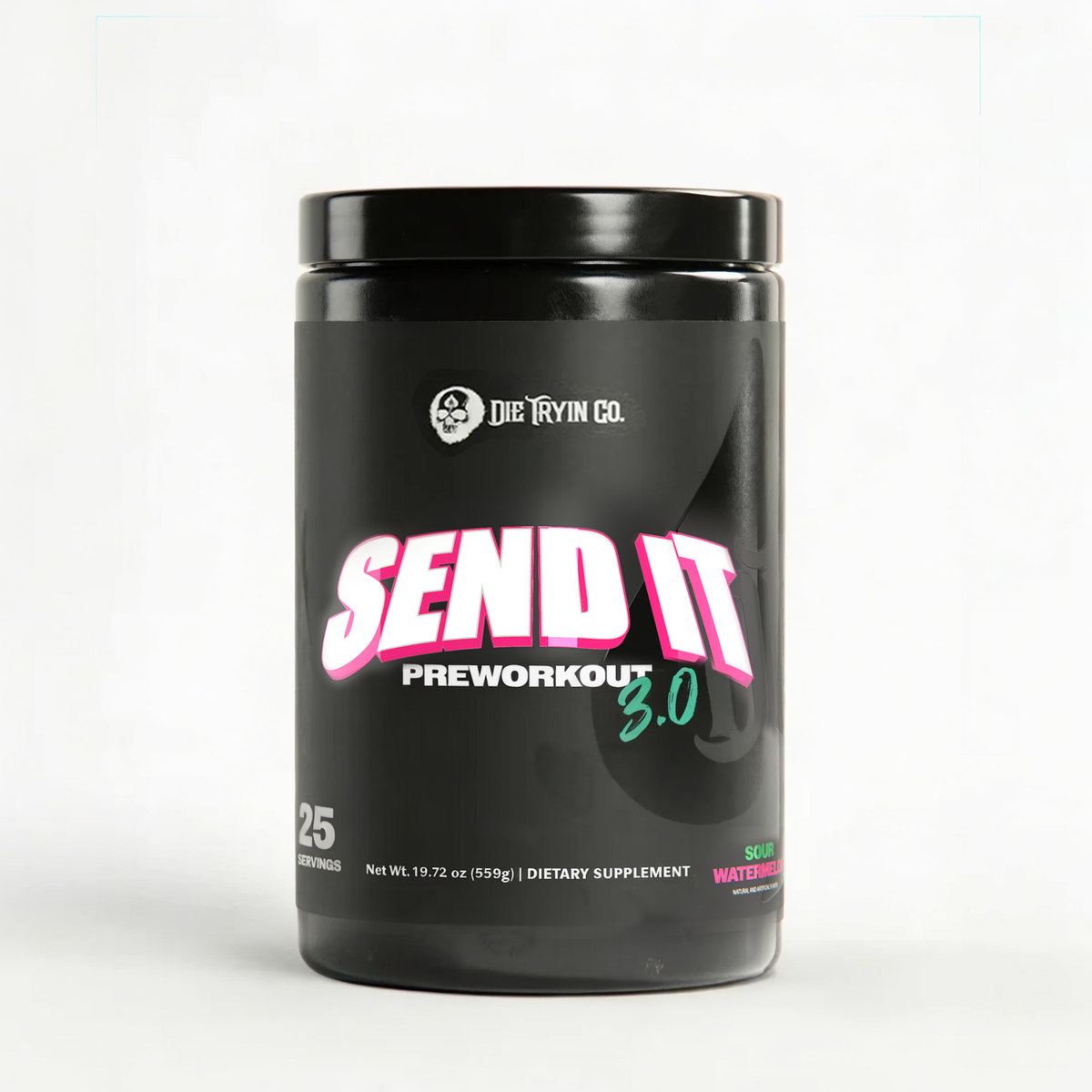
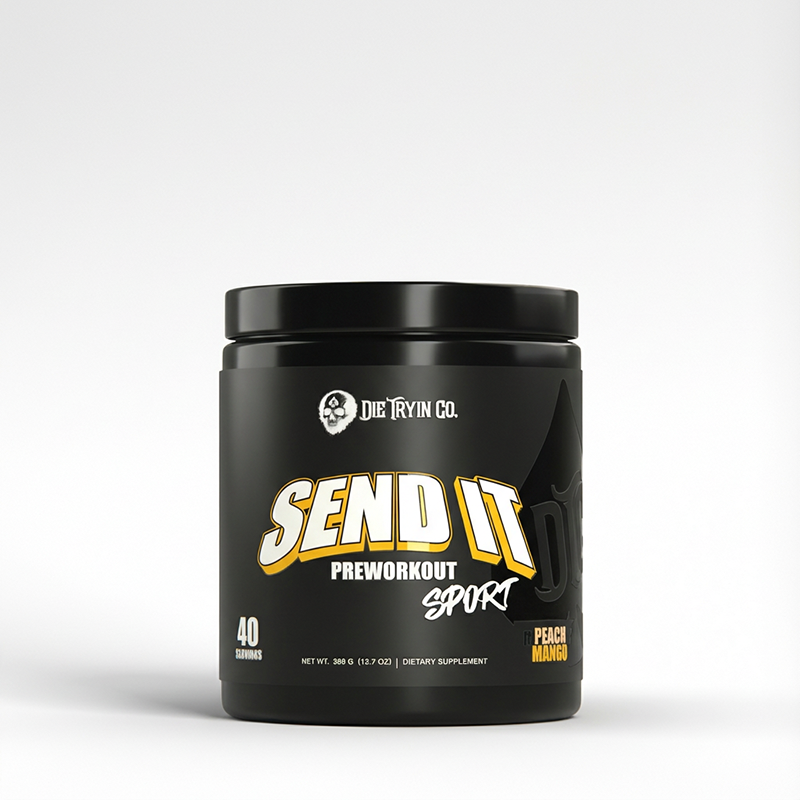
Every number here is printed on the tub. SEND IT 3.0 carries 3.2 g per scoop, the clinical floor, built for daily driving. Project M777 runs 3.2 g per scoop and 6.4 g on a full two-scoop serving, which lands exactly on the 5.6-6.4 g range the trained-lifter meta-analysis found most effective. And SEND IT Sport deliberately leaves beta-alanine out, because it is built for long steady endurance work where the 0.5-10 minute buffering window is not the limiter. Ingredients earn their slot per formula here, or they do not appear.
FREQUENTLY ASKED QUESTIONS
How long until beta-alanine works?
About four weeks of daily use to meaningfully raise muscle carnosine, with the research showing effects from that point on. It is a subscription, not a switch.
Should I take it on rest days?
Yes. Saturation is the mechanism, so daily intake matters and workout timing does not. Any consistent time of day works.
Are the tingles dangerous?
No. Paresthesia is a harmless skin-nerve effect that fades with regular use. Splitting the dose reduces it if you find it unpleasant. If you are pregnant, managing a medical condition or taking medication, clear any supplement with your doctor first.
Beta-alanine or creatine first?
Creatine Monohydrate first, always: broader evidence, bigger effect, works for short efforts too. Beta-alanine is the add-on for the 30-second-to-10-minute grind. Together they cover both energy systems.
Does beta-alanine build muscle directly?
Not directly. It buys extra reps in the burn zone, and those extra reps are training volume. Research suggests the muscle comes from the work it lets you do, not from the molecule itself.
Can I get beta-alanine from food?
Meat and poultry carry some, which is why vegetarians tend to run lower muscle carnosine and often respond more to supplementation. Hitting the researched daily grams through food alone is not realistic, which is the honest case for the scoop.
Does caffeine interfere with beta-alanine?
No. They work on unrelated systems and coexist in most pre-workouts, ours included. The only interaction that matters is the one on your log sheet: the buffering shows up in sets, not in feelings.
READY TO GEAR UP?
Pick the dose that matches the day: SEND IT 3.0 at the 3.2 g clinical floor for the daily grind, Project M777 when a two-scoop day calls for the full 6.4 g, plus Creatine underneath it all. How the whole label fits together lives in the Ultimate Guide to Pre-Workout, and the four ingredients worth paying for goes deeper on the shortlist. Not sure? Take the quiz.
ALWAYS FORWARD.
GEAR THAT FITS THIS POST
The products this article actually talks about. Real doses, disclosed labels, veteran owned.


Read more

What actually works in pre-workout — ingredients, doses, timing, and how to pick the right one. Cut through the marketing. Get the real answer.
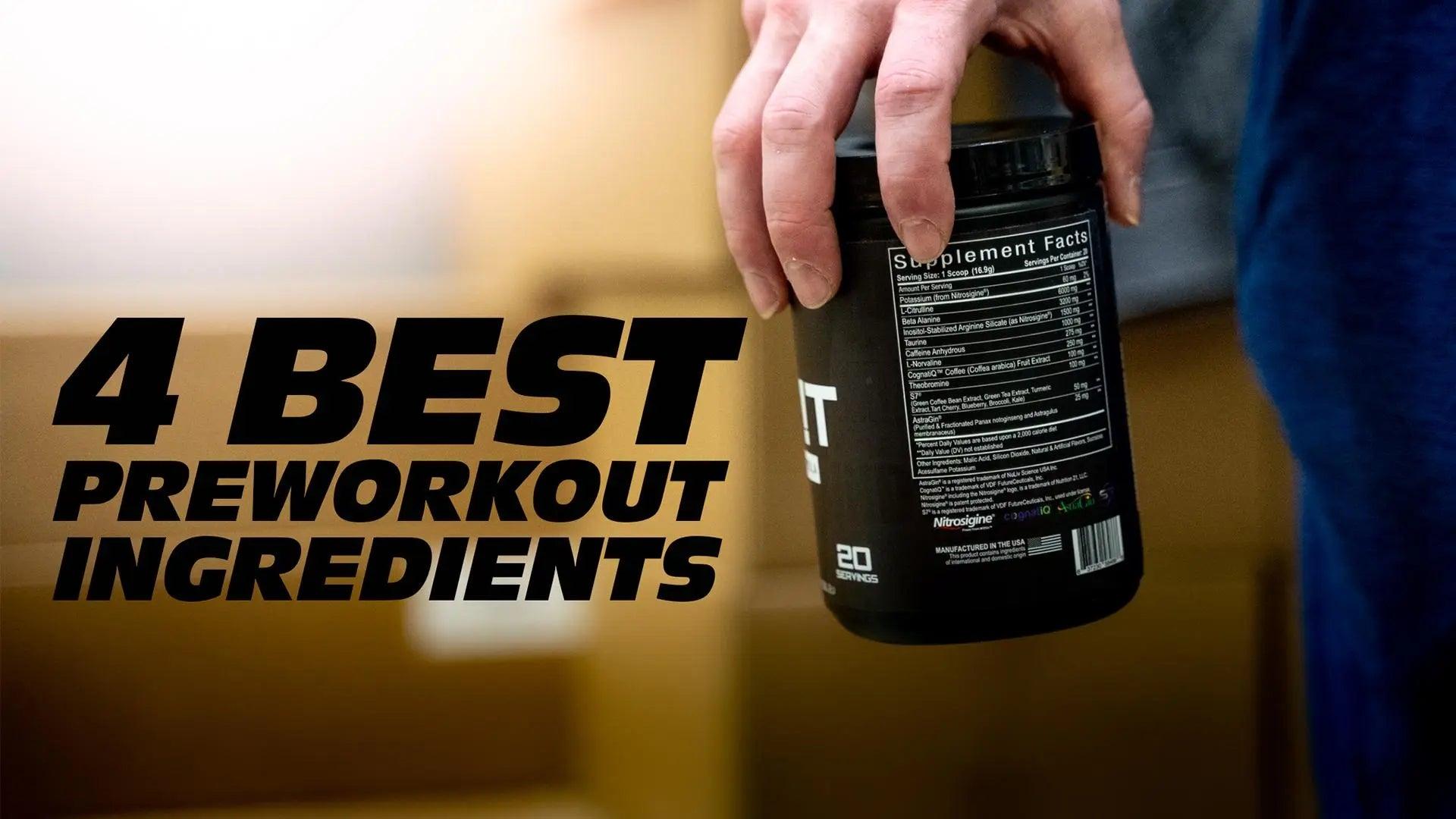
Strip away the marketing — these are the 4 ingredients that actually drive pre-workout performance: L-Citrulline, Beta-Alanine, Nitrosigine®, CognatiQ®. Plus what to avoid and why dose matters.
Your gut lining runs the same creatine energy system as your muscles. Here is what the research shows on stomach upset, IBS, colitis and leaky gut, and exactly where the human evidence stops.

Creatine gummies can work if the creatine is actually in them, and lab tests keep finding it often is not. Here is why a scoop of Creatine Monohydrate powder still wins.
Flavor doesn't change what creatine does; taking it every day is what counts. How to pick flavored or unflavored, what to mix it with, and how long it lasts once mixed.
Whey protein concentrate now costs more than four times its early-2023 low. Here is what is driving it, what the 2027 forecasts actually say, and how to pay less per gram of protein without getting...