



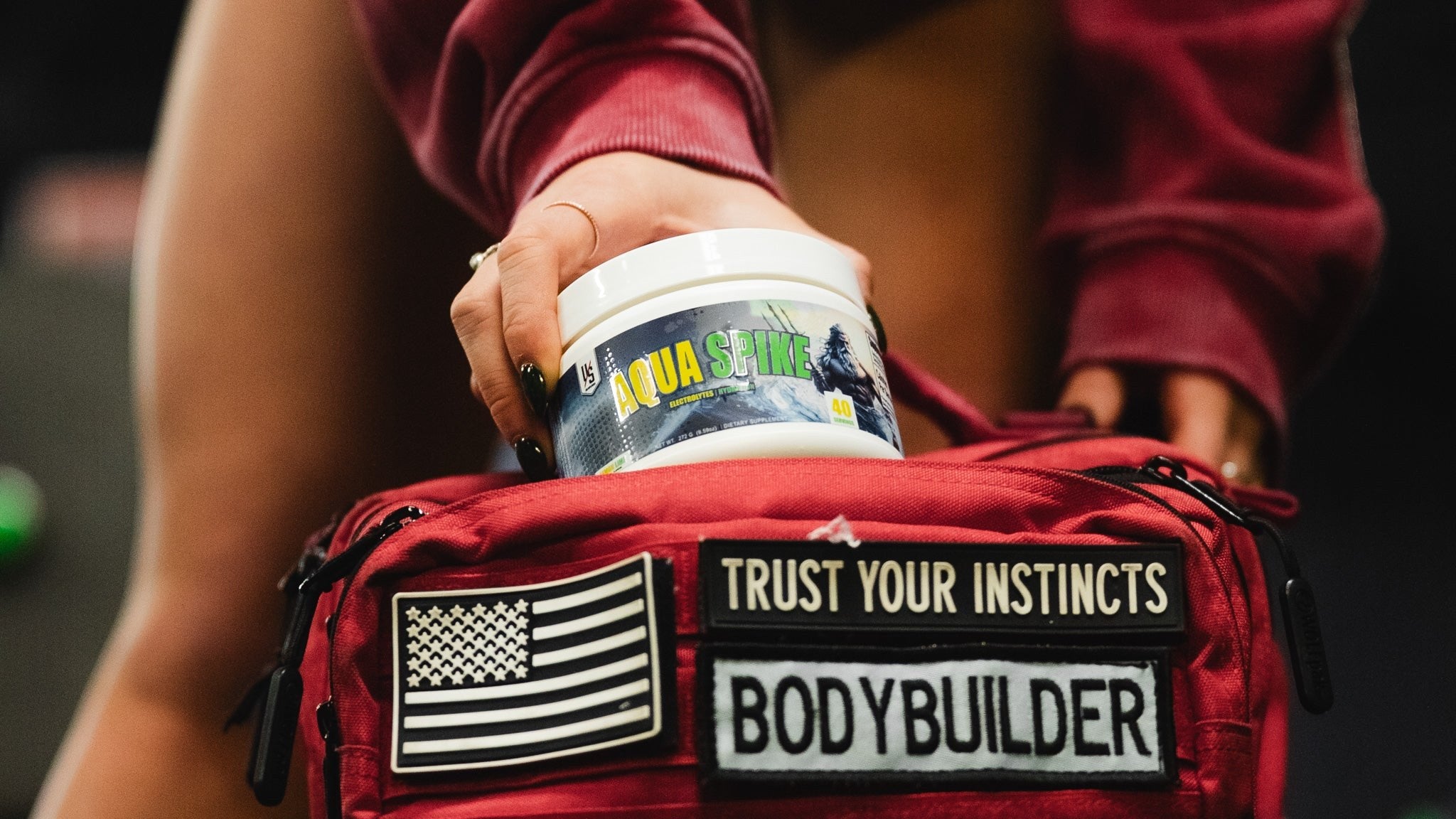
5 Gym Bag Essentials: The Ready-Bag Packing List
By Jon Klipstein, U.S. Army Combat Veteran & Founder of Die Tryin Co.
Science reviewed by Onur Oncer, BS Physiology and peer-reviewed published researcher.
PACK IT LIKE YOU'RE GETTING INSPECTED
Listen up. In the Army, your bag gets packed the same way every single time. Same items, same pockets, same order. Not because someone loves rules, but because when you're moving at 0400 with no light and no time, muscle memory is the only thing standing between you and a mission you can't complete.
Your gym bag deserves the same treatment. Most people throw a shaker and a pair of headphones in a duffel and call it a day, then spend half the session hunting for a hair tie or drinking warm tap water out of a fountain that hasn't been cleaned since 2019. A ready bag is packed once and restocked after every session. You don't think about it. You grab it and go. Here's what actually earns a spot in mine, and why each item is in there.
| ITEM | WHY IT'S IN THE BAG | DTC PICK / WHAT WORKS |
|---|---|---|
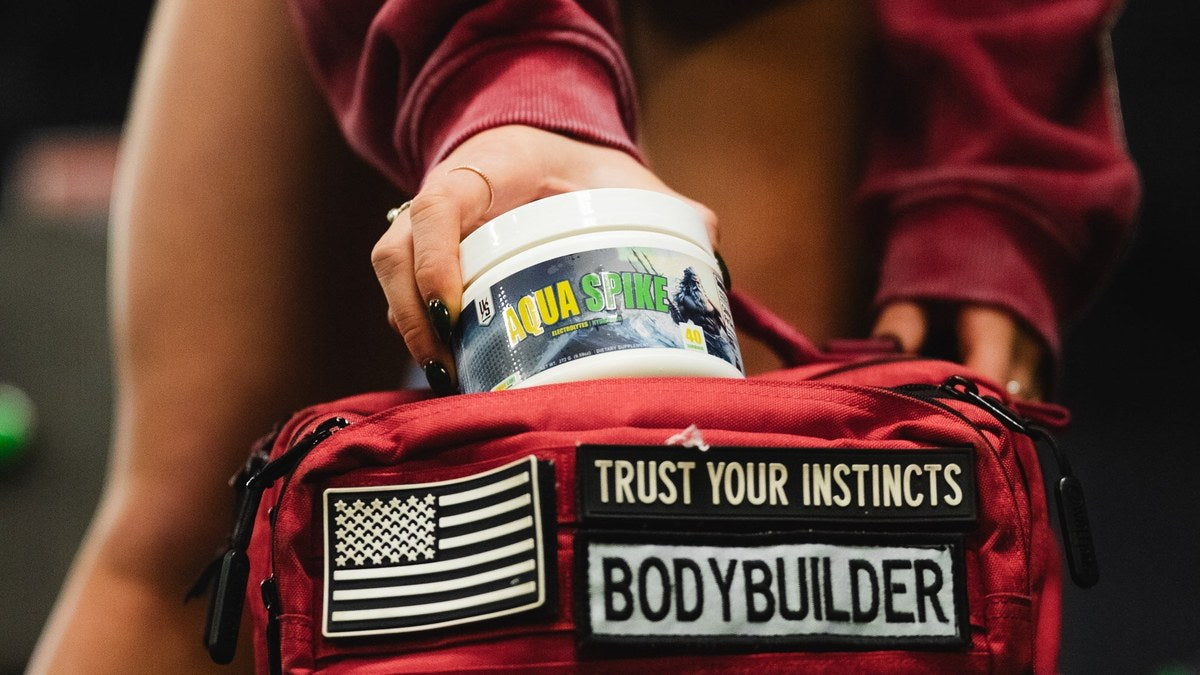
| Shaker + electrolytes | Water alone doesn't replace what you sweat out | IceShaker + Aqua Spike |
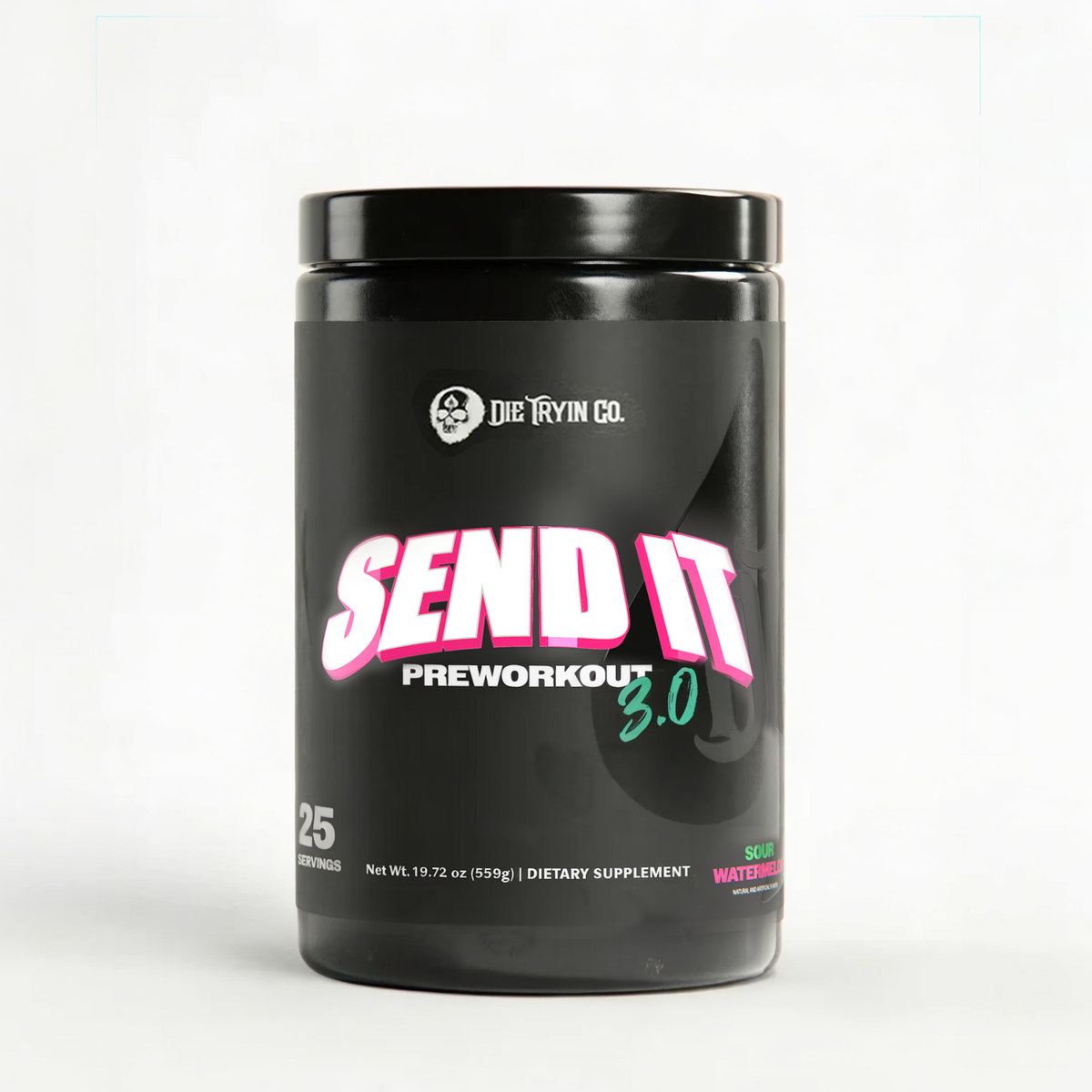
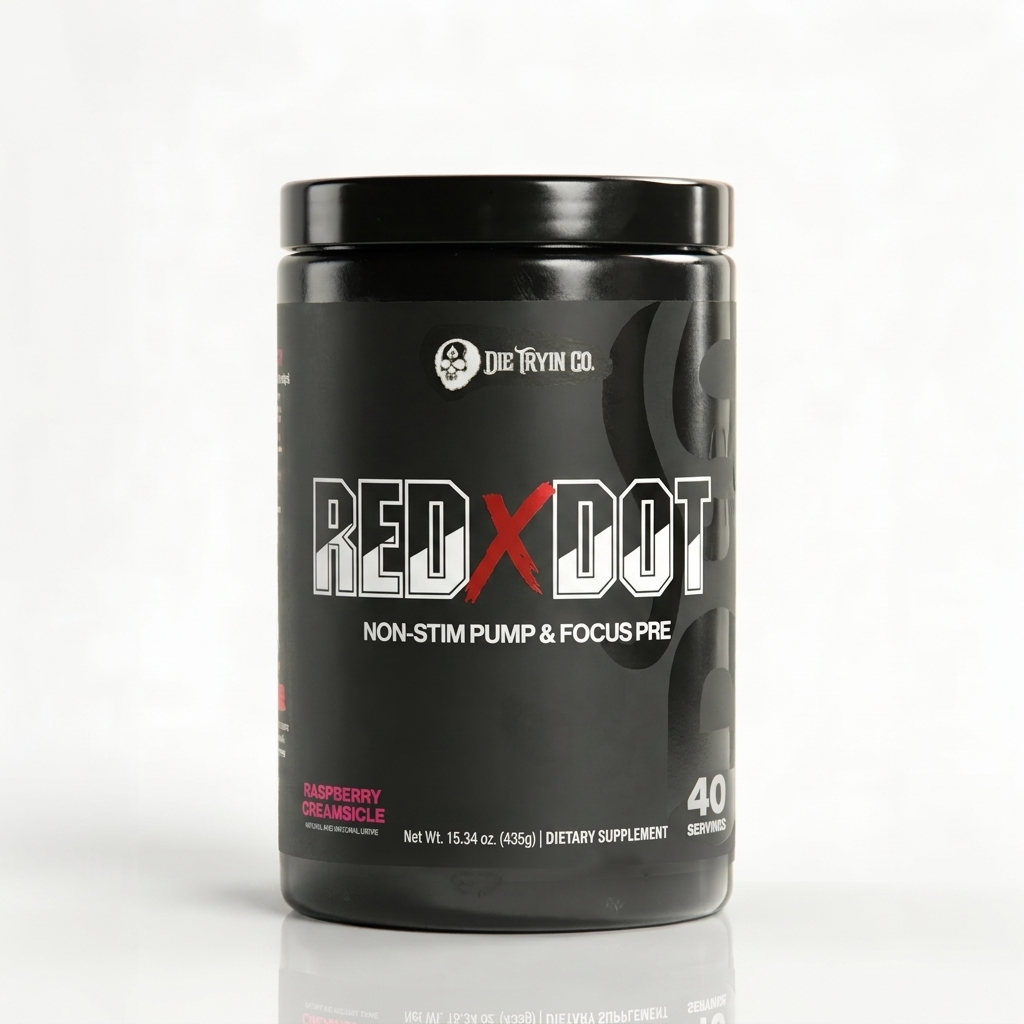
| Pre-workout | Dosed before you leave the house, not scooped in the parking lot | SEND IT 3.0 or Red Dot |
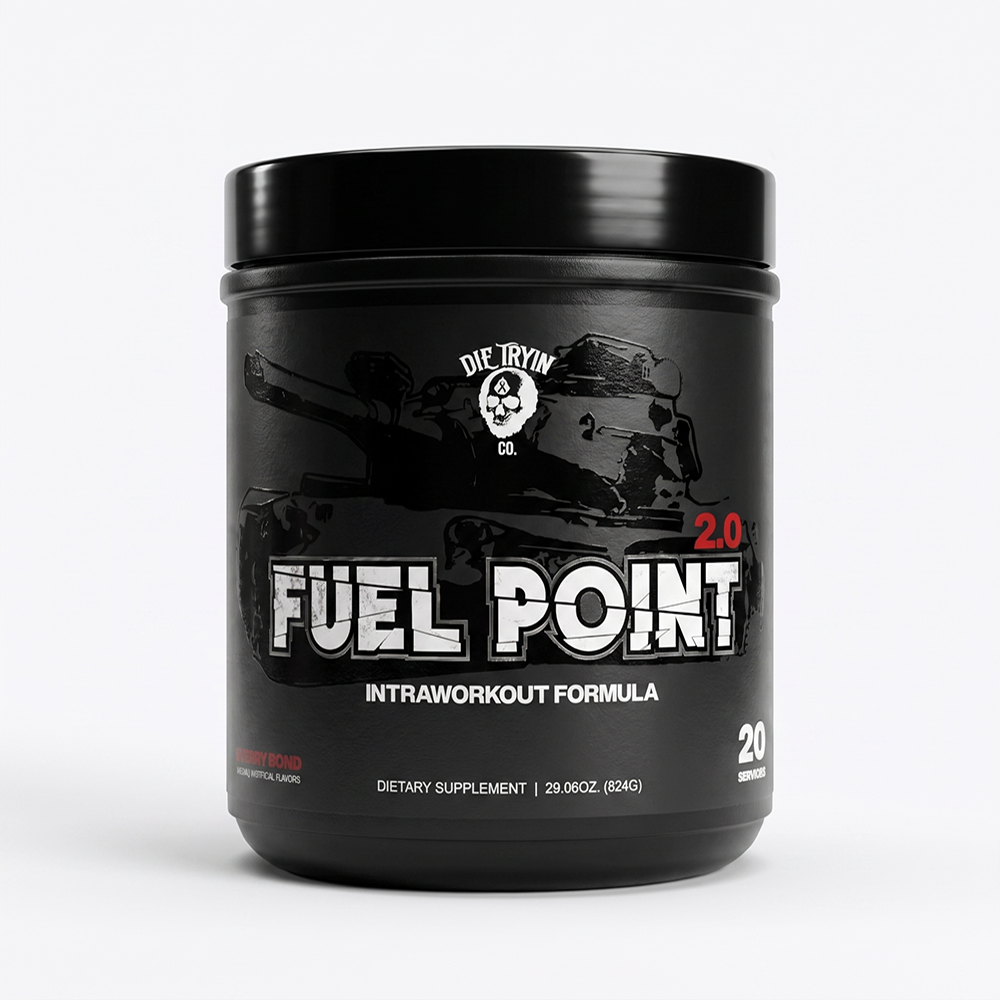
| Intra-workout carbs | Fuel for long sessions so the last set matches the first | Fuel Point |
| Post-workout protein | Recovery starts before you get home | Post Iso |
| Straps, belt, sleeves, bands | Grip and bracing shouldn't be the limiting factor | Your gear, same pocket every time |
| Hygiene kit | Shared equipment is filthy. Clean up before you go back to work. | Wipes, deodorant, travel soap, spare socks |
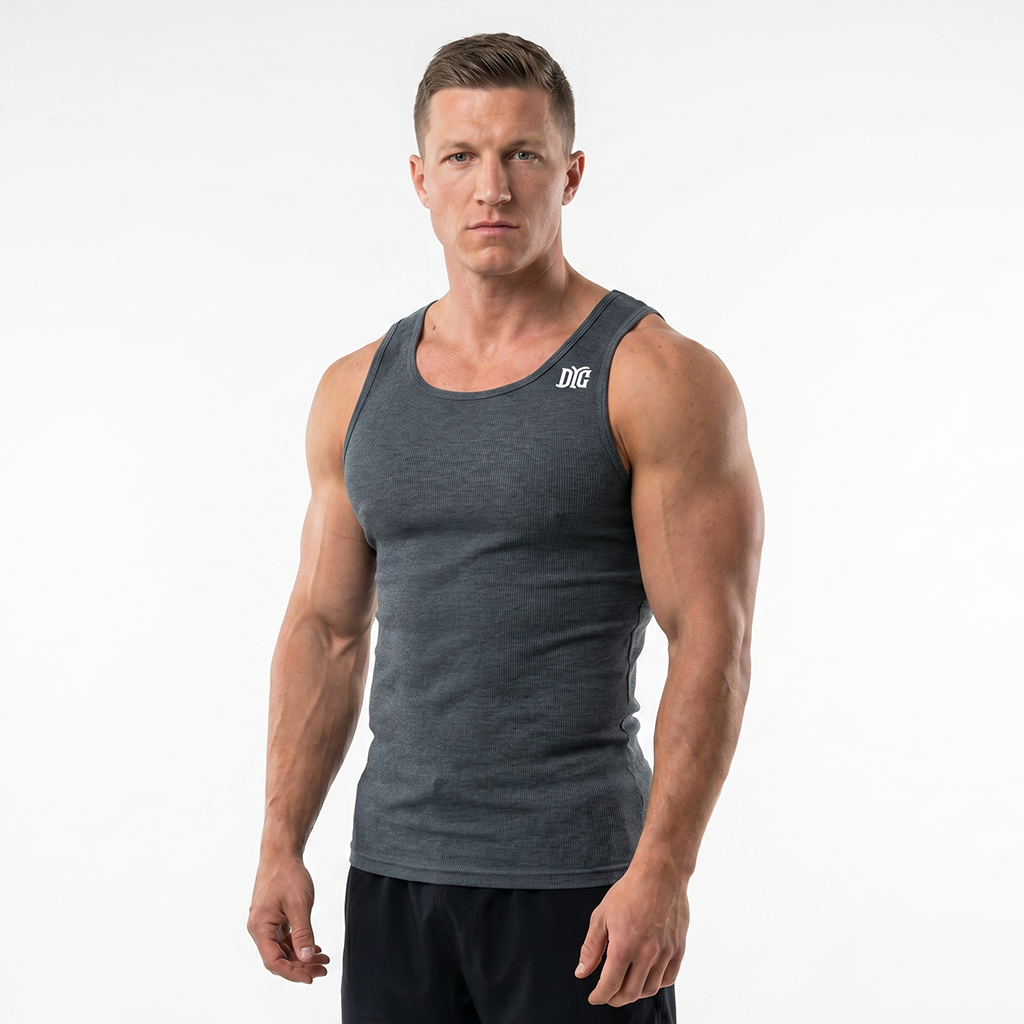
| Change of clothes | Dry gear after a session. Non-negotiable in winter. | A dry DTC tee, always in the bag |
1. HYDRATION: THE SHAKER AND WHAT GOES IN IT
This is item one for a reason. You lose water and electrolytes through sweat, and plain water only handles half of that equation. Sodium, potassium, and magnesium walk out of you in the middle of a heavy session, and nobody replaces them by sipping from a fountain between sets. The performance cost is real. Research on mild dehydration and cognition suggests that even a small fluid deficit may impair attention and mental performance, which shows up in the gym as sloppy technique, missed cues, and a session that feels harder than the weight on the bar says it should.
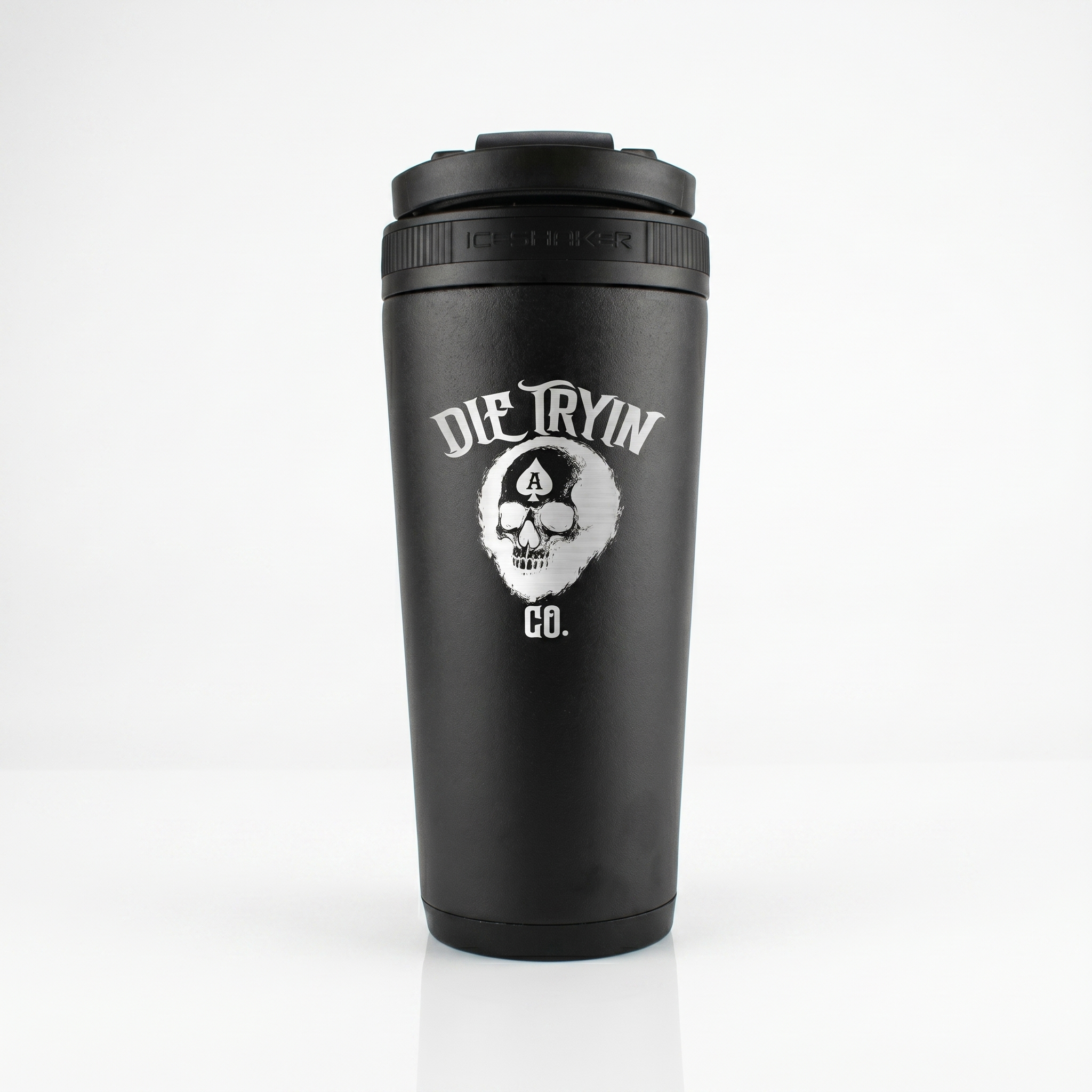
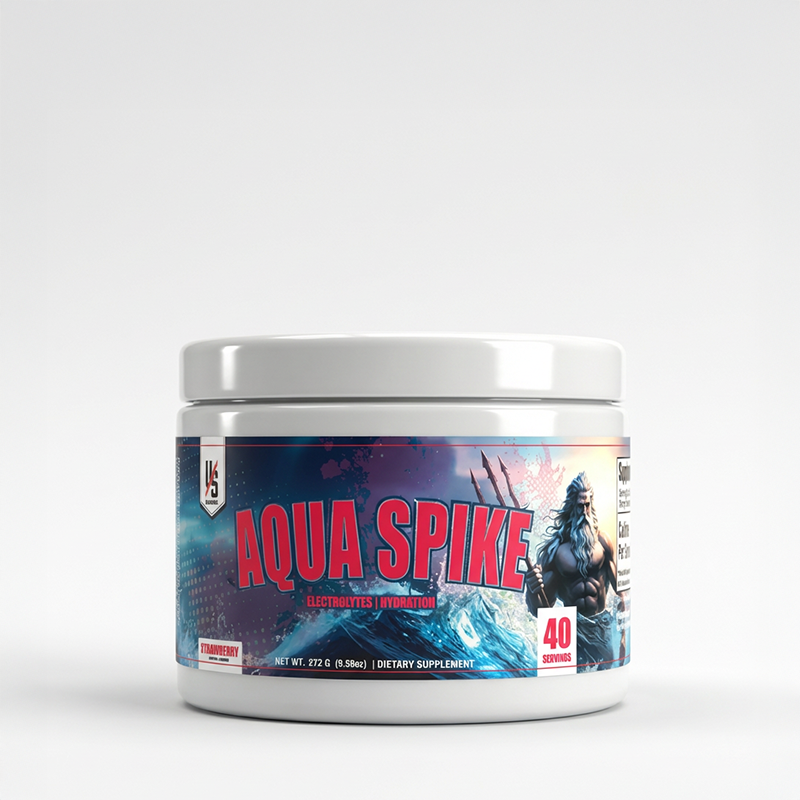
Pack a shaker and a serving of Aqua Spike. Ours is the stainless steel IceShaker, because plastic holds smell and cheap lids leak protein into your bag. Fill it before you walk in, not after you're already three sets deep and cotton-mouthed. If you want the full breakdown on daily intake instead of just training-day intake, we covered it in why hydration is key.

2. FUEL: PRE, INTRA, AND POST LIVE IN THE SAME BAG
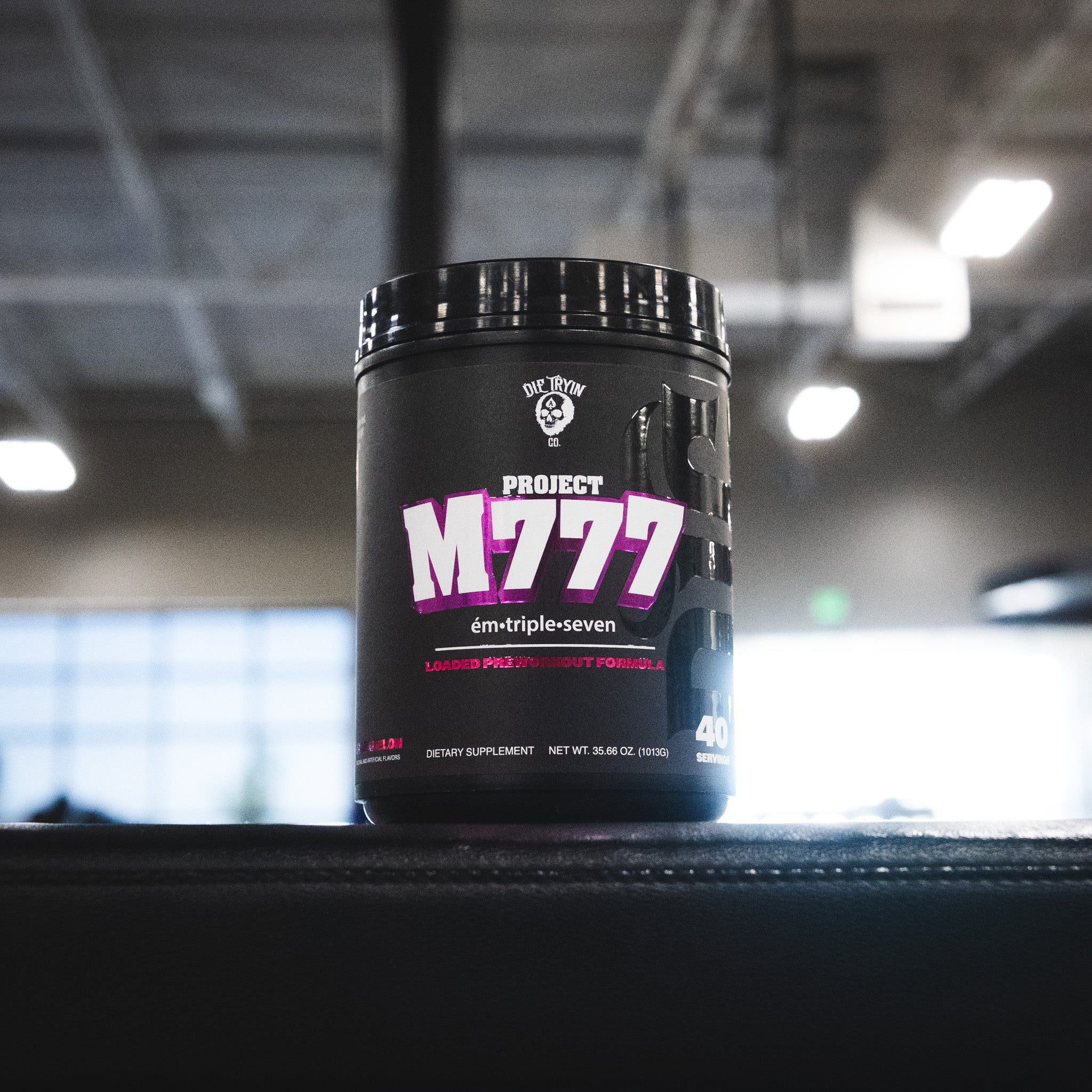
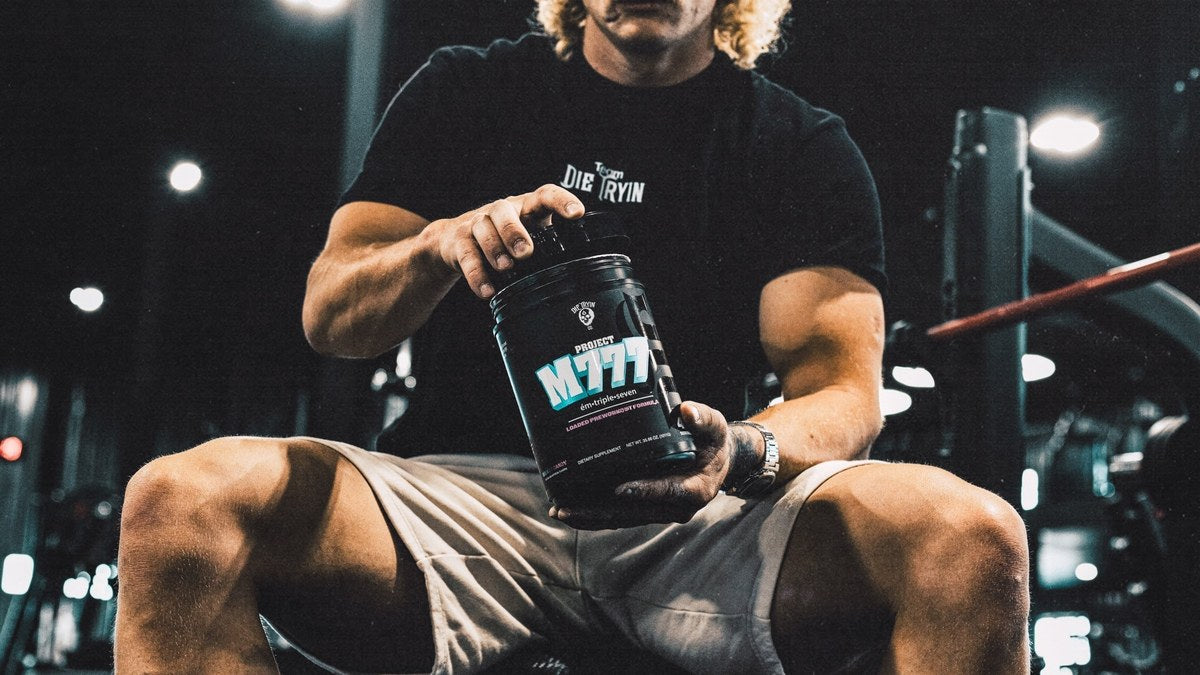
Three jobs, three windows, and most people only cover one of them. Pre-workout gets taken before you leave, not scooped in the parking lot while your ride cools down. SEND IT 3.0 is the daily driver. Project M777 is for the days you need everything you've got. If you train at night or you're already running on too much coffee, Red Dot gives you pump and focus with zero caffeine.
Intra-workout is where long sessions get won. Fuel Point keeps carbs going in while you're still working, so hour two doesn't fall apart and set twenty still looks like set one.
Post-workout is Post Iso in a second shaker, packed dry and ready to go. Water it down on the walk out. The full timing framework lives in our pre, intra, and post-workout supplements guide.
3. TRAINING TOOLS: STRAPS, BELT, SLEEVES, BANDS
You don't need a hardware store in your bag. You need four things that solve four specific problems, and nothing else. Straps, so grip stops capping your pulling volume. Failing a heavy row because your hands quit is not back training. A belt for heavy squats and deadlifts in the lower rep ranges, where the extra bracing you get against it genuinely changes what you can hold position under. Knee sleeves if your joints appreciate the warmth on a cold morning. One light band for shoulder and hip work, so your first working set isn't doubling as your warm-up.
Every one of those items lives in the same pocket every time. That's the inspection-ready part, and it matters more than it sounds. Your decision-making degrades when you're tired, rushed, or three exercises from done, and a pre-packed bag removes a decision entirely. When you reach for straps mid-session, you don't search, you don't break rhythm, and you don't talk yourself out of the set while you're digging through a pile of laundry. You just reach.
4. HYGIENE: RESPECT THE ROOM AND THE REST OF YOUR DAY
Gym equipment is shared equipment. Handles, benches, and dumbbells get touched by dozens of people a day, and almost none of them wipe anything down. Bring your own wipes and use them on the way in and on the way out. Small kit, zipped pouch, permanently in the bag: deodorant, travel body wash, a compact towel, sanitizing wipes, and a spare pair of socks. Restock it the first of every month so it never runs dry mid-week.
The real test is the day you train on a lunch break or before a shift. Twenty minutes, a shared locker room, and a meeting waiting for you. That's when the kit earns its spot: rinse, dry, deodorant, clean shirt, out the door. Add dry shampoo and a second face towel if the showers at your gym are a gamble. Nobody at work remembers the session you crushed. They remember that you walked back in smelling like the squat rack.
5. RECOVERY AND THE APPAREL YOU CHANGE INTO
The session ends when you leave, and recovery starts immediately. Pack a lacrosse ball or a small massage tool for tight hips and upper back so you can actually work on them in the parking lot or on the couch, instead of promising yourself you'll get to it later.
Pack a dry change of clothes too, and not just for comfort. A soaked shirt pulls heat off you fast once you stop moving, and sitting cold and stiff through a 45-minute drive is how a tight neck turns into a week of compromised training. Our veteran owned clothing and headwear exists for exactly that. Train in it, change into it, wear it out of the building.
Sleep, food, and hydration still do the heavy lifting on recovery. The bag supports the system, it doesn't replace it. We broke the whole thing down in the ultimate guide to recovery.
THE RESTOCK RULE
Here's the truth: a ready bag only works if you reset it. Unpack the shakers, wash them, refill your single-serve supplements, and put every item back in its assigned pocket the same night you train. Takes four minutes, and it saves you from every "I forgot my straps" excuse you've ever used.
5. A DRY CHANGE OF CLOTHES
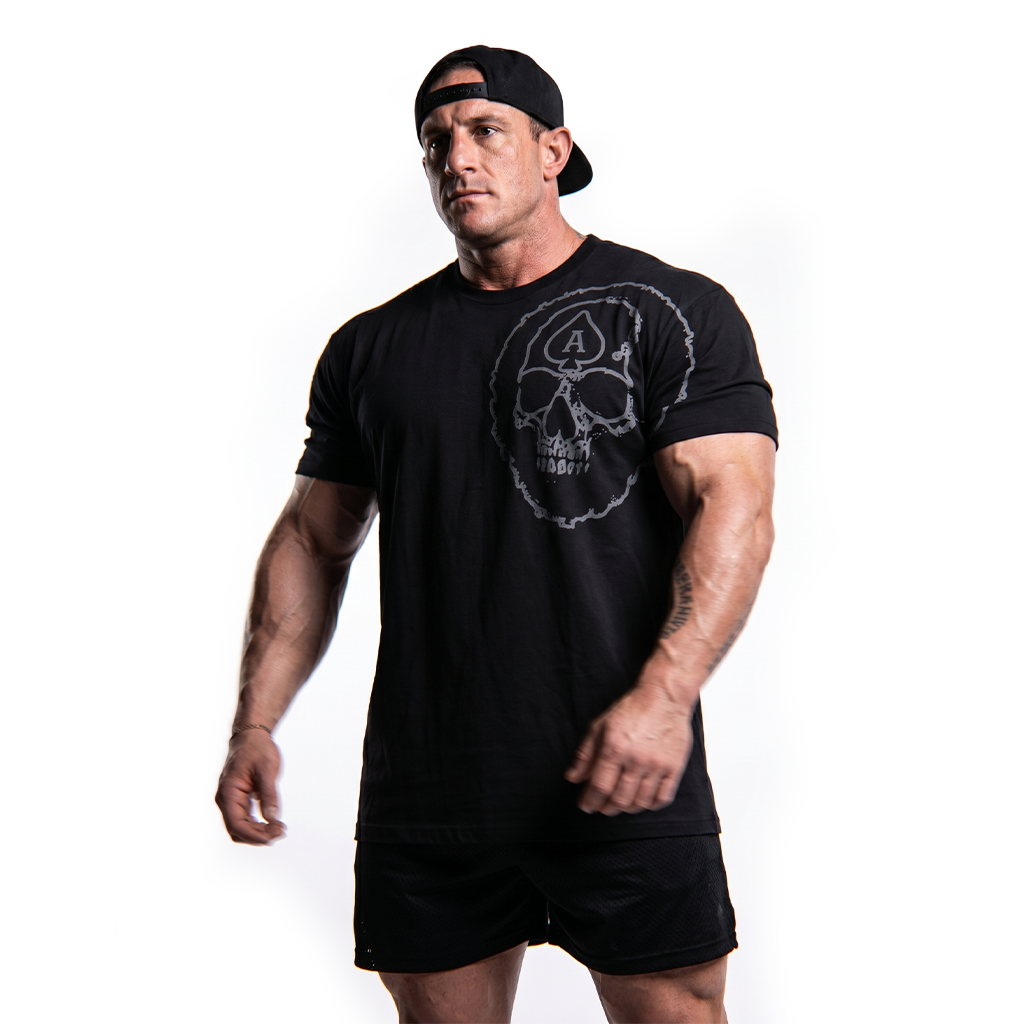
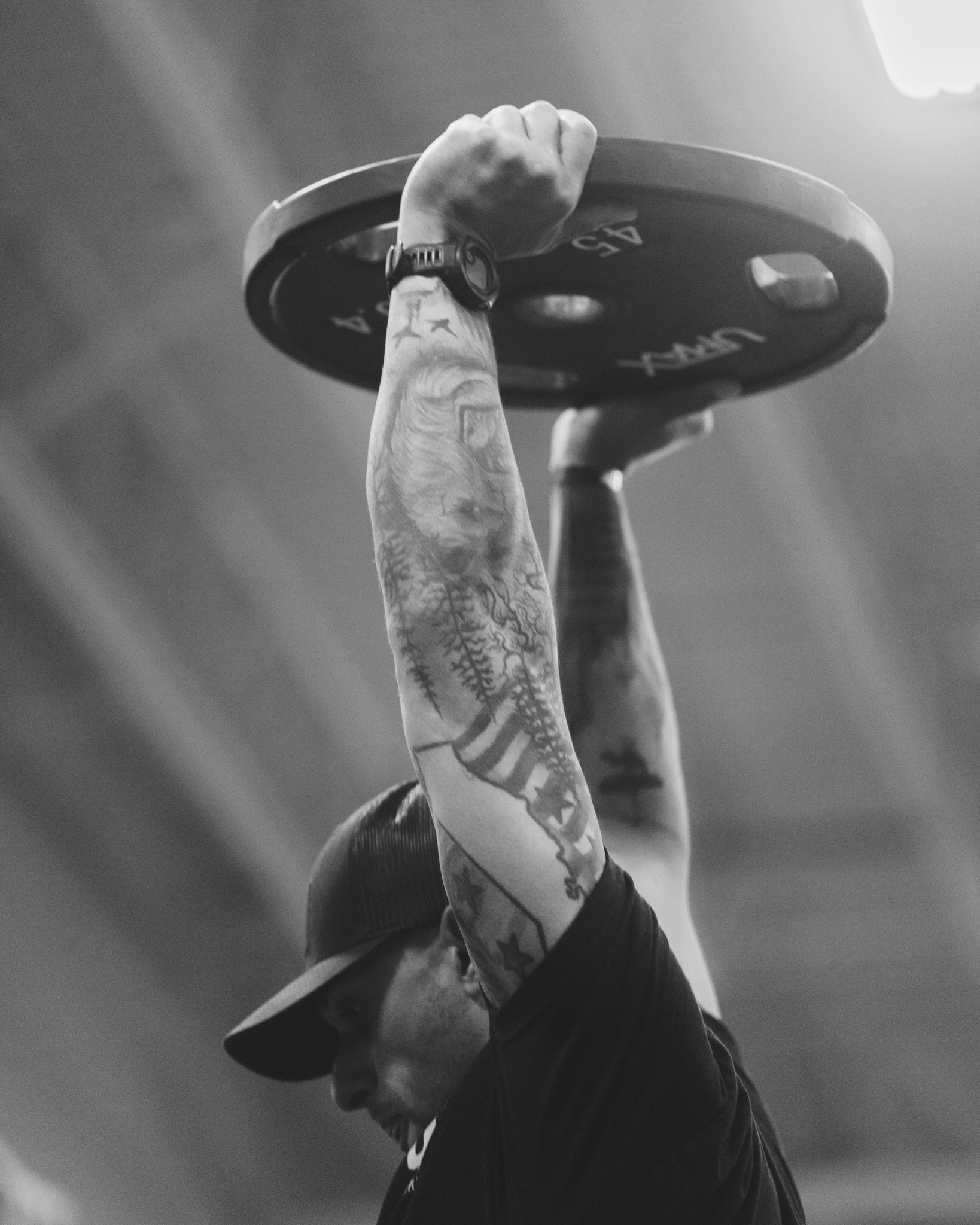
Look at that shirt. That is what an honest session does to a tee, and that is exactly why a dry change of clothes lives in the bag permanently. Sitting in a soaked shirt on the drive home is how you spend winter fighting a cold, and walking back into work like that is how you become the guy people avoid in the elevator.

A spare tee, dry socks, and a hat for the days your hair loses the fight. We build our gear to get sweated in, which is the whole point of veteran owned gym apparel that actually gets trained in instead of posed in.
FREQUENTLY ASKED QUESTIONS
What are the 5 most important things in a gym bag?
A shaker with electrolytes, your pre-workout, intra or post-workout nutrition, training tools like straps and a belt, and a hygiene kit. Everything else is optional. If those five are always in there, you can train on short notice without thinking about it.
Should I pre-mix my supplements at home?
Pre-workout, yes. Protein, no. Mix protein powder with water, let it sit in a warm bag for two hours, and you'll regret opening it. Pack the powder dry in a sealed shaker and add water when you're ready to drink it.
Do I really need electrolytes if I already drink water?
If you sweat hard, train in heat, or go longer than an hour, electrolytes may support hydration better than water alone. Sodium and potassium leave through sweat, and water by itself doesn't put them back.
How often should I clean out my gym bag?
Weekly at minimum. Shakers get washed the same day, every time, no exceptions. A forgotten protein shaker is the single worst thing you will ever smell, and it will end that bag's career.
What if I don't know which pre-workout belongs in my bag?
Take the Die Tryin Co. quiz. Two minutes, and it matches you to the right formula based on how you train and how much caffeine you actually tolerate.
Is a belt necessary for every session?
No. Use it for heavy compound work in the lower rep ranges. Train your bracing raw on lighter sets so your midsection gets stronger instead of outsourcing the job to leather.
READY TO GEAR UP?
Build the bag once and stop improvising. Start with Aqua Spike for hydration, Fuel Point for intra-workout fuel, and Post Iso for the walk out the door. Add the pre-workout that fits how you train: SEND IT 3.0 for daily work, Project M777 for the hardest days, Red Dot when caffeine isn't the move.
Not sure where to start? The quiz sorts it in two minutes. Pack it once. Pack it right. Then go train.
ALWAYS FORWARD.
GEAR THAT FITS THIS POST
The products this article actually talks about. Real doses, disclosed labels, veteran owned.
Read more
The complete hydration playbook: how much water you actually need, what dehydration does to your performance, and how to hydrate around hard training.
What to take before, during, and after training — and exactly when. The complete pre/intra/post supplement timing guide. No filler, no 12-bottle stacks.
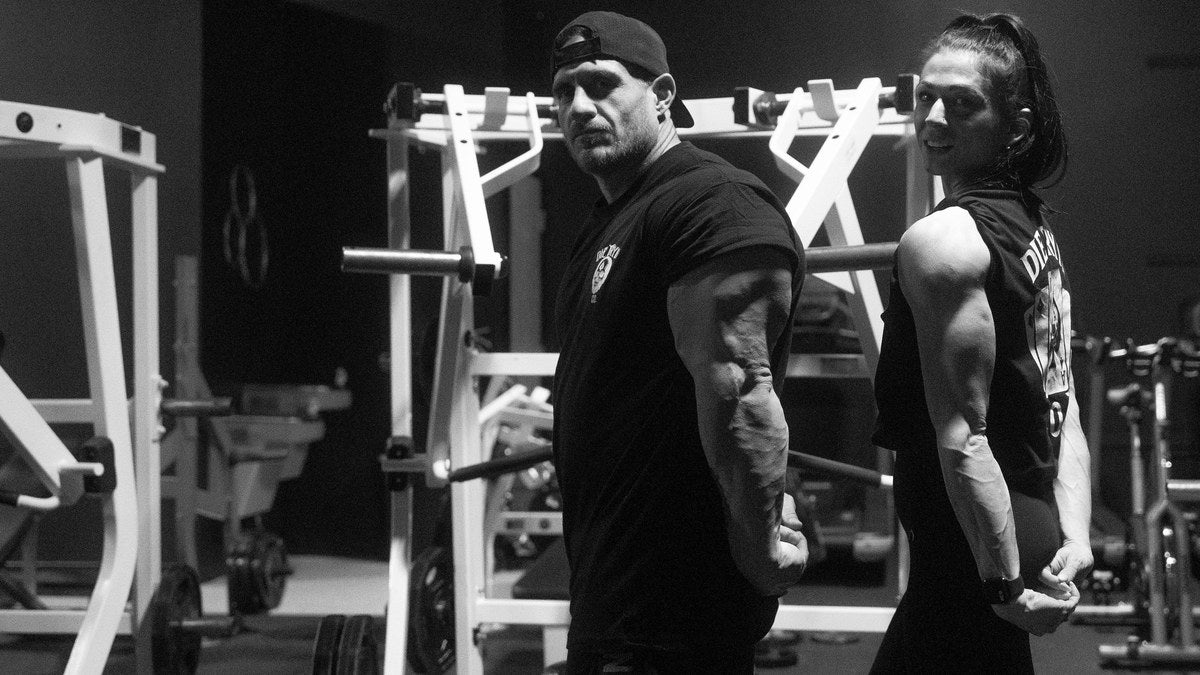
The no-BS recovery playbook — sleep, stress, nutrition, modalities, and the framework that ties it all together. Recovery is where growth actually happens.
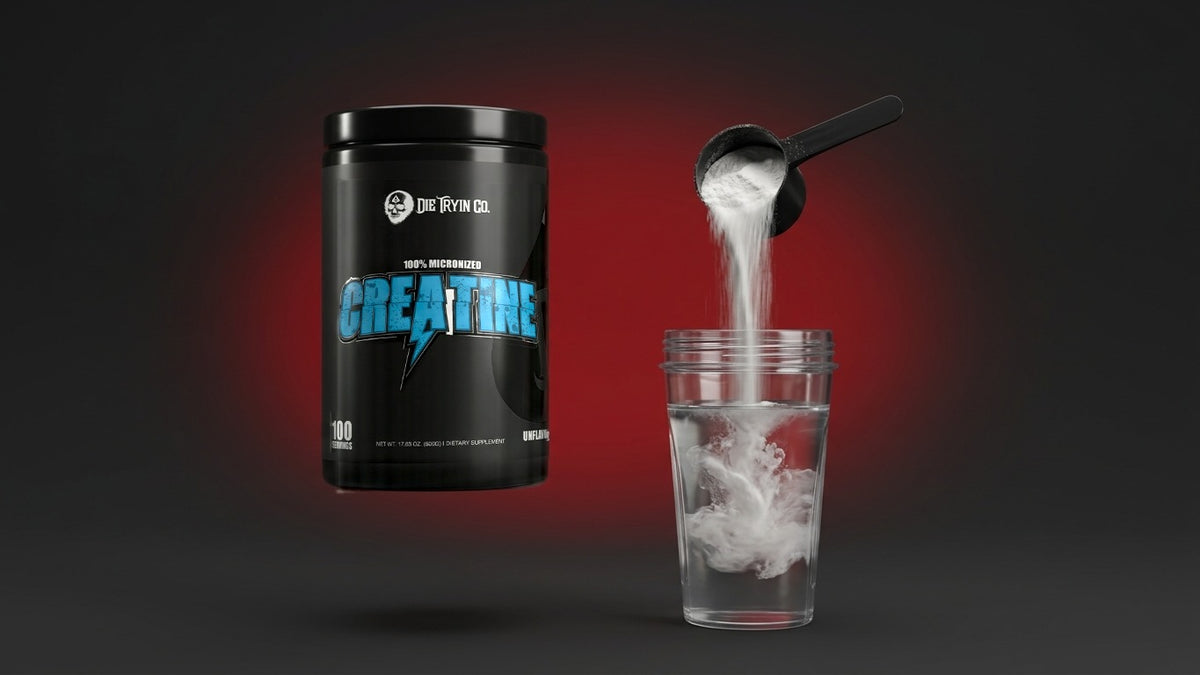
Your gut lining runs the same creatine energy system as your muscles. Here is what the research shows on stomach upset, IBS, colitis and leaky gut, and exactly where the human evidence stops.

Creatine gummies can work if the creatine is actually in them, and lab tests keep finding it often is not. Here is why a scoop of Creatine Monohydrate powder still wins.
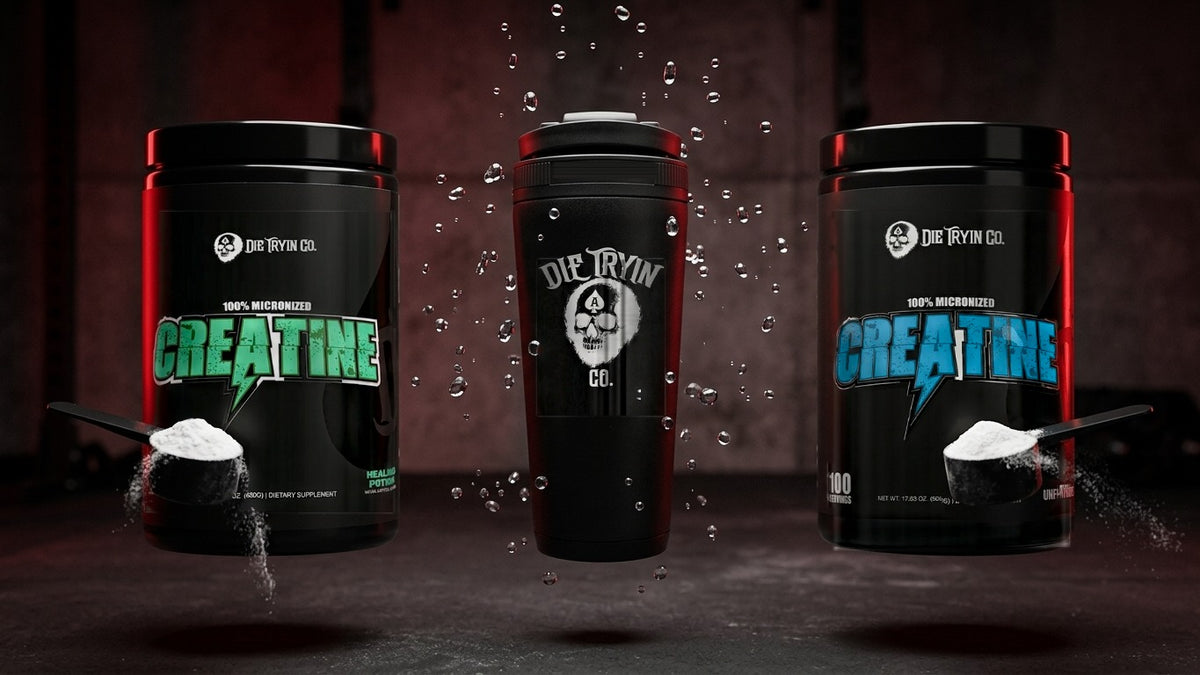
Flavor doesn't change what creatine does; taking it every day is what counts. How to pick flavored or unflavored, what to mix it with, and how long it lasts once mixed.