





Morning vs. Evening Lifting: What Actually Matters
By Jon Klipstein, U.S. Army Combat Veteran & Founder of Die Tryin Co., and Chelsea Rodgers, IFBB Pro & Die Tryin Co. Athlete
Science reviewed by Onur Oncer, BS Physiology and peer-reviewed published researcher.
TRAINING TIME IS NOT A CHEAT CODE
Most people get this wrong. They treat the clock like a cheat code, as if sliding the session to 5 p.m. is going to add a plate to the bench.
Here's the truth: the research does show a small strength edge later in the day. Real, measurable. The same research also shows that over a training block, morning trainees and evening trainees ended up with similar gains in strength and in muscle. The clock moved what they could lift on a given afternoon. It did not move what they built.
Here is our read, stated as a read and not as a study finding: if the adaptation is a wash either way, the window you can defend week after week beats a few percent of expressed strength. The lifter grinding at 5 a.m. for two straight years beats the lifter who hits the "optimal" evening window whenever work lets him. The real question was never morning or evening. It is which window you can defend, and how you set it up so it works for you instead of against you.
| YOUR SITUATION | TRAIN WHEN | WHAT TO RUN |
|---|---|---|
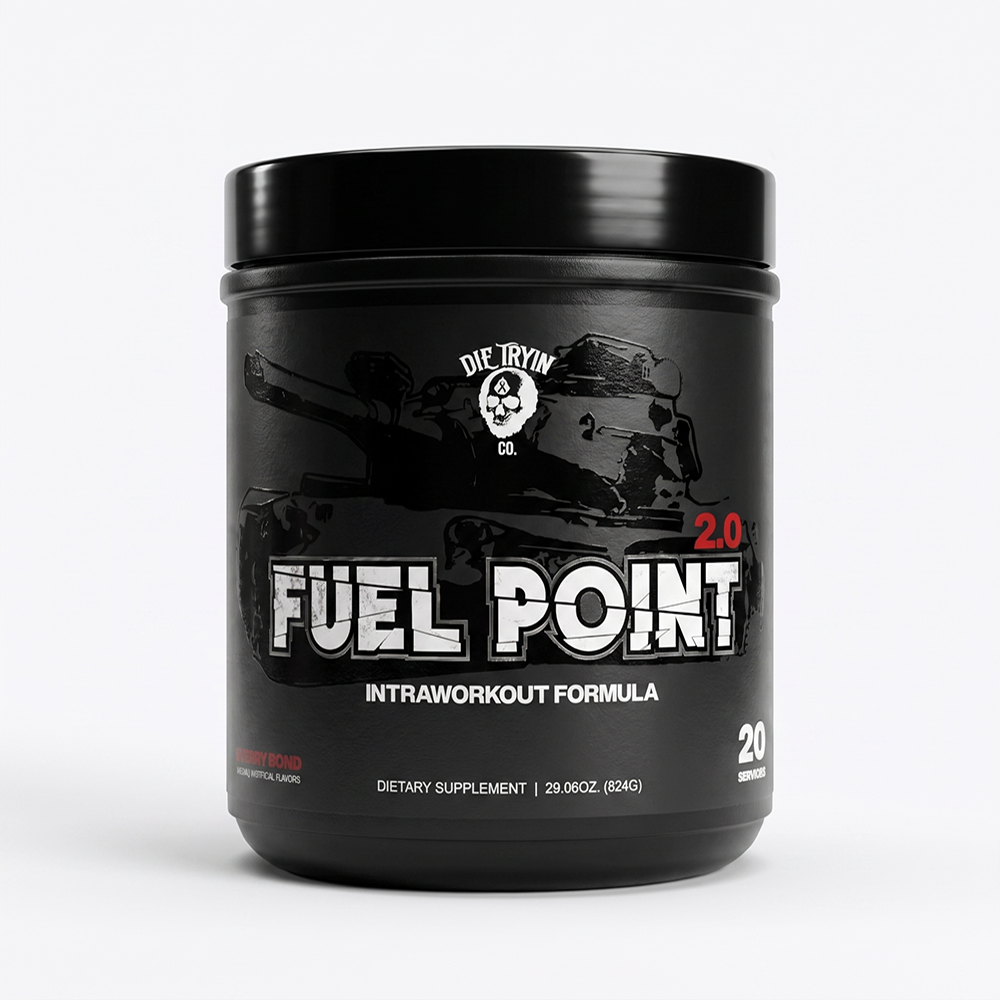
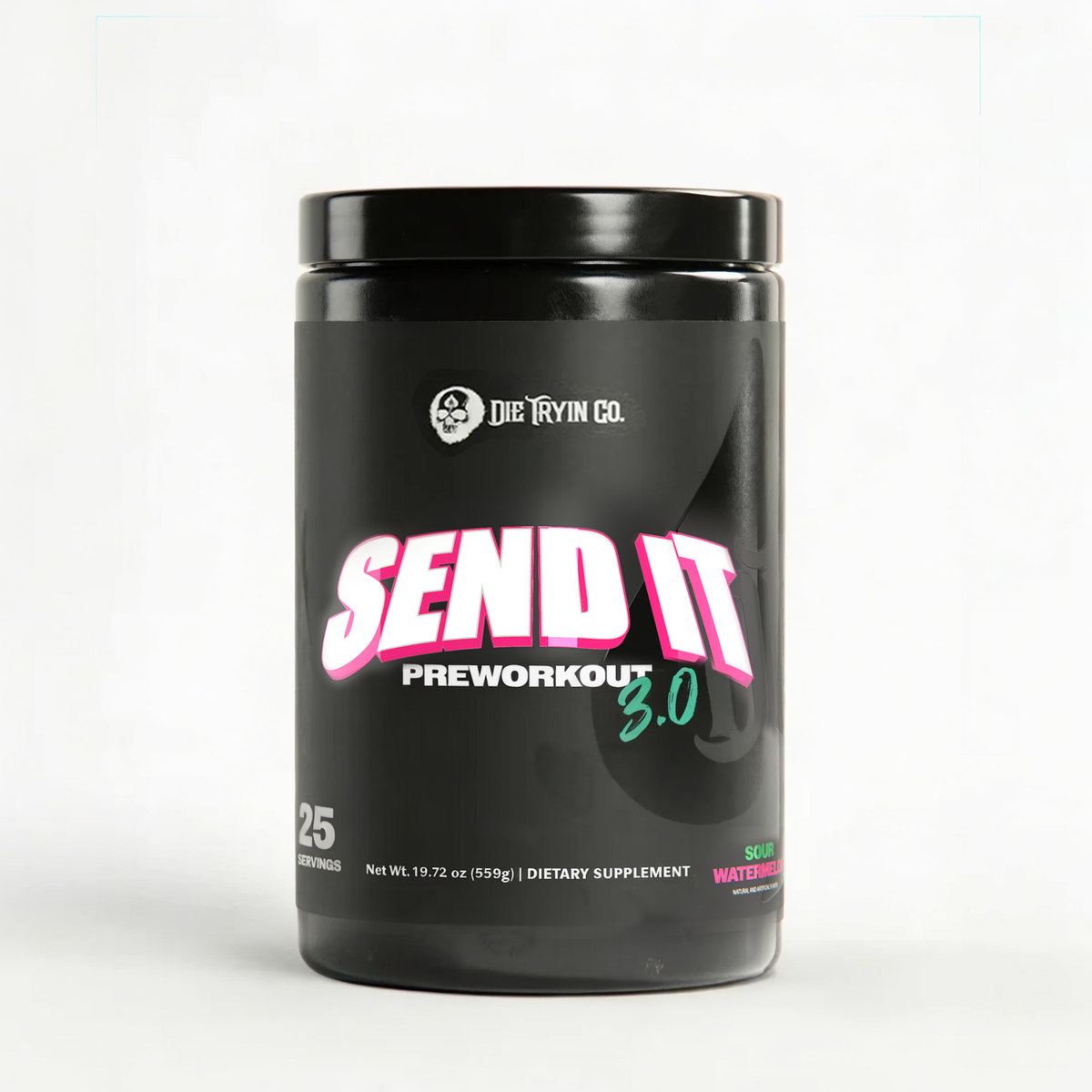
| Locked schedule (shift work, kids, a 4 a.m. alarm) | Morning, before life gets a vote | SEND IT 3.0 as the daily driver |
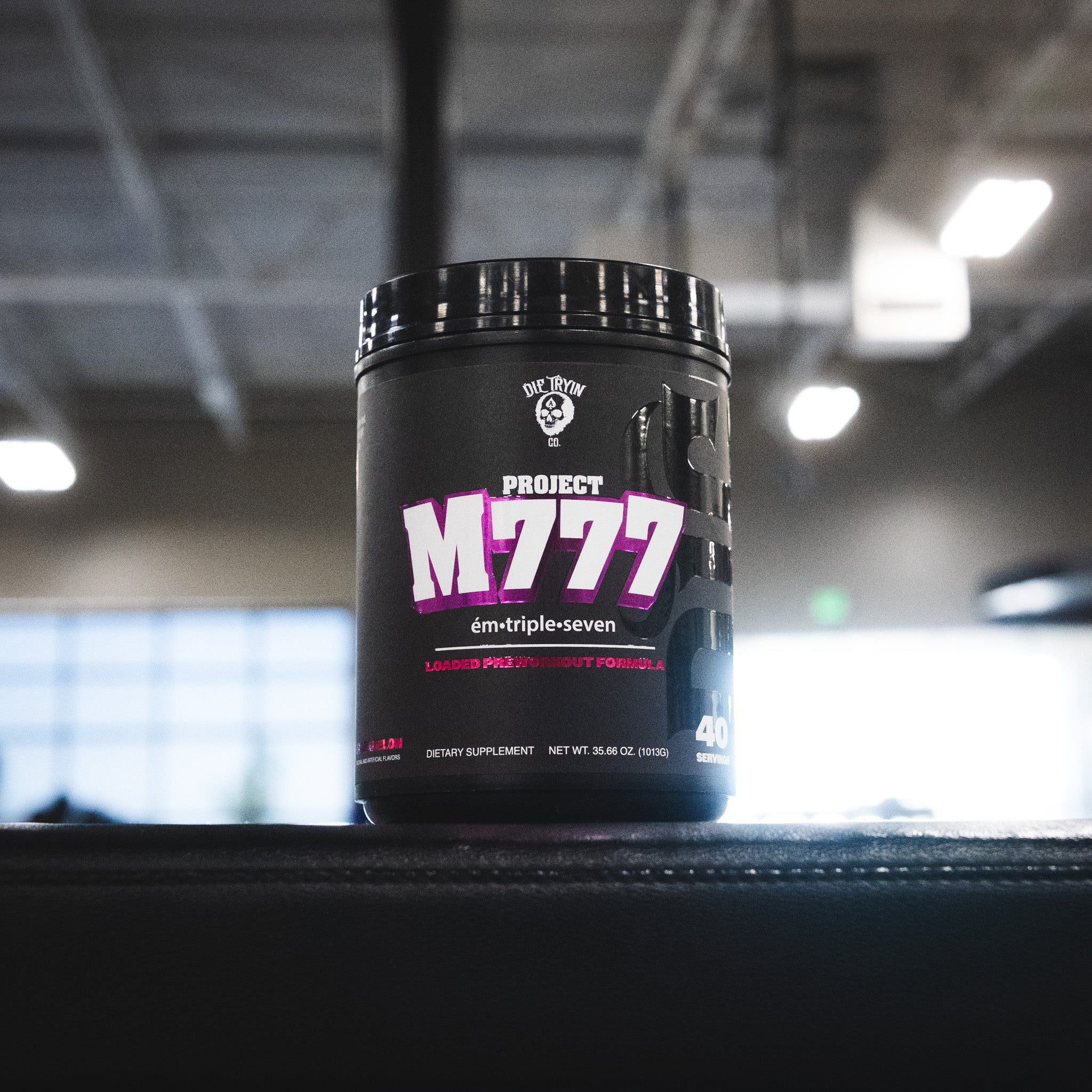
| Testing a 1RM or peaking for a meet | Late afternoon or early evening | Project M777 on the heaviest days |
| Training after 7 p.m. with a normal bedtime | Evening, zero caffeine | Red Dot, stim-free pump and focus |
| Second session the same day | Evening, zero caffeine | Pump Action capsules |
| Sessions past 60 minutes or conditioning work | Either window | SEND IT Sport, 145 mg caffeine |
| Still undecided | The window you'll repeat for a full block | Take the quiz |
WHAT THE RESEARCH ACTUALLY FOUND
The cleanest look at this is a 2019 systematic review and meta-analysis in Chronobiology International that pooled 11 studies on time-of-day-specific resistance training, matching training frequency and volume between the groups. Four findings matter, and they do not say what the internet says they say.
- At baseline, people are stronger in the evening. That gap shows up before anyone starts a program.
- Training in the morning may bring your morning strength up toward evening levels. The "may" is the review's own word, and we are keeping it. Your body appears to adapt to the clock you train on.
- Training in the evening keeps the daily gap intact. Evening lifters stay stronger in the evening and weaker in the morning.
- Strength increases were similar between the morning and evening groups. So were the increases in muscle size, regardless of when the training happened.
Read that last line again. Grgic and colleagues, Chronobiology International, 2019 found that the adaptation, meaning the actual strength and size you keep, did not track the hour on the clock. What shifts across the day is how much strength you can express in that moment, not how much you build over months.
WHY YOU FEEL WEAKER AT 5 A.M.
The usual explanation is temperature. Core temperature sits at its daily low in the early morning, joints are stiffer, tissue is less pliable, and that is offered as the reason the first working set at sunrise feels heavier than it would at four in the afternoon. Tidy story. Also incomplete.
Researchers raised morning core temperature all the way to evening resting values, using an active warm-up on a bike and a passive one in a heated room, and strength and power still did not climb to evening values. Ten healthy active young men, all pushing for maximum effort, so treat it as one data point rather than settled law. But it undercuts the claim that a longer warm-up erases the morning deficit. The daily swing has several drivers, not just temperature.
Warm up anyway. Not to chase a number, but because cold tissue and heavy loads are a bad pairing. Run a real one: our 4-phase warm-up exists for exactly this. Then be patient. The closest thing to a fix is training in that window long enough for your body to adapt, not a longer bike ride.
MORNING TRAINING: THE REAL TRADE-OFFS
- Wins: Almost nothing competes with 5 a.m. No meetings, no traffic, no "something came up." The session is banked before the day gets a vote, and adherence is the whole game.
- Costs: Lower expressed strength early on, a longer ramp-up, and a hard ceiling on how late you can push bedtime.
- Costs: You have gone seven or eight hours without a drink. Rehydrate before you load anything heavy.
Morning is the window where the sleep math stops fighting a stimulant pre-workout. A scoop of SEND IT 3.0 carries roughly 286 mg of caffeine, and taken at 5 a.m. that is down to a small fraction of the dose by a normal bedtime. Start with Aqua Spike, then the pre-workout, then the ramp. If you are new to stims, our guide on how often to take pre-workout covers tolerance before you build a daily habit around it.
EVENING TRAINING: THE REAL TRADE-OFFS
- Wins: Peak expressed strength and power, warmer tissue, and a body that has eaten several meals already.
- Wins: If you are testing a max or peaking for a meet, this window gives you the best shot at the number.
- Costs: Work, family, and everything else collides with 6 p.m. This is where consistency goes to die.
- Costs: Crowded gyms, waiting on racks, and a session that runs long for no extra work.
- Costs: The stimulant problem, which is bigger than most lifters think.
Evening training is the correct call if your schedule genuinely protects it and you are chasing performance numbers. It is the wrong call if you are skipping two sessions a week because a meeting ran long. Be honest about which one you are.
THE CAFFEINE PROBLEM NOBODY BUDGETS FOR
Caffeine clears slowly. The commonly cited half-life in healthy adults is roughly five to six hours, and it varies a lot person to person with genetics, medications and smoking status. Take 300 mg at 6 p.m. and on that math you are still carrying somewhere around half of it at midnight. That is not a rounding error.
The timing has been tested directly. A randomized, double-blind trial in the Journal of Clinical Sleep Medicine gave subjects 400 mg of caffeine at bedtime, three hours before bed, and six hours before bed. All three timings measurably disrupted sleep compared to placebo, the six-hour dose included. The authors' recommendation was blunt: refrain from substantial caffeine for at least six hours before bed.
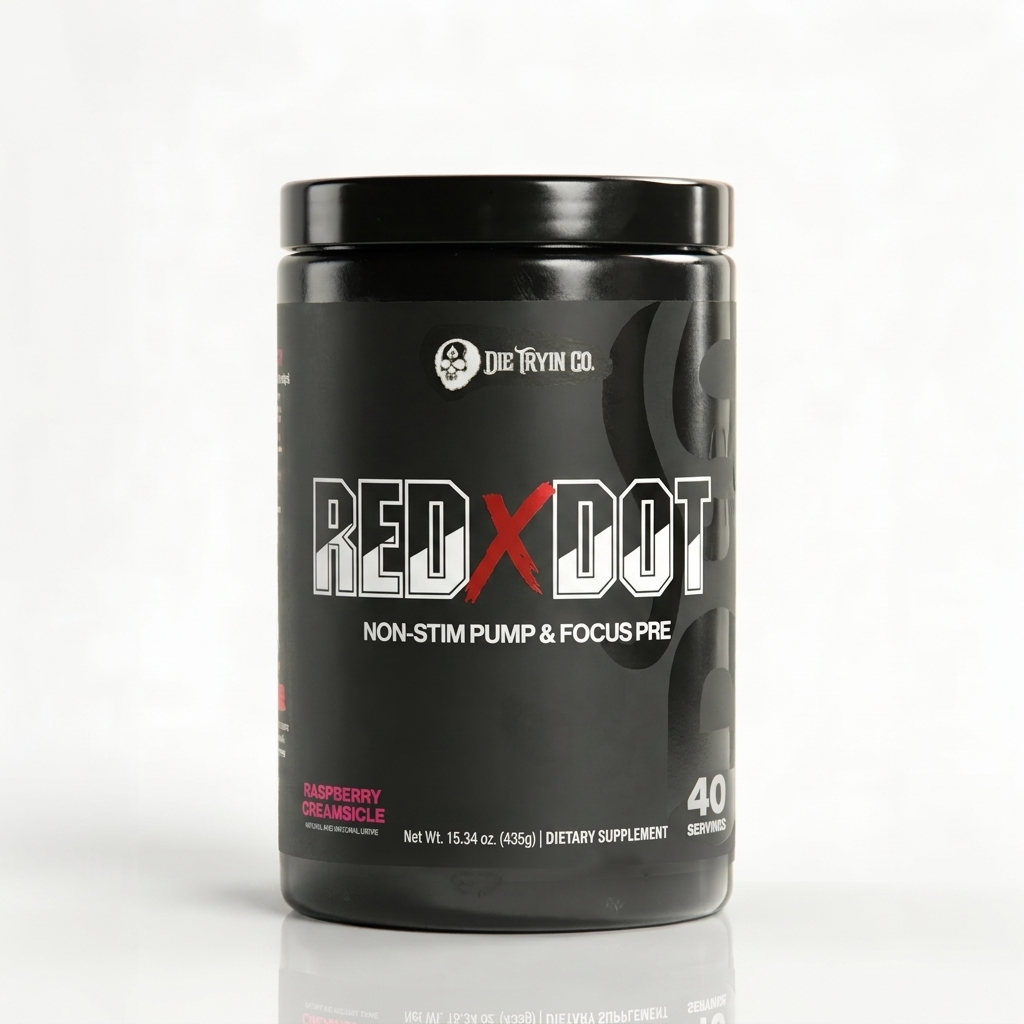
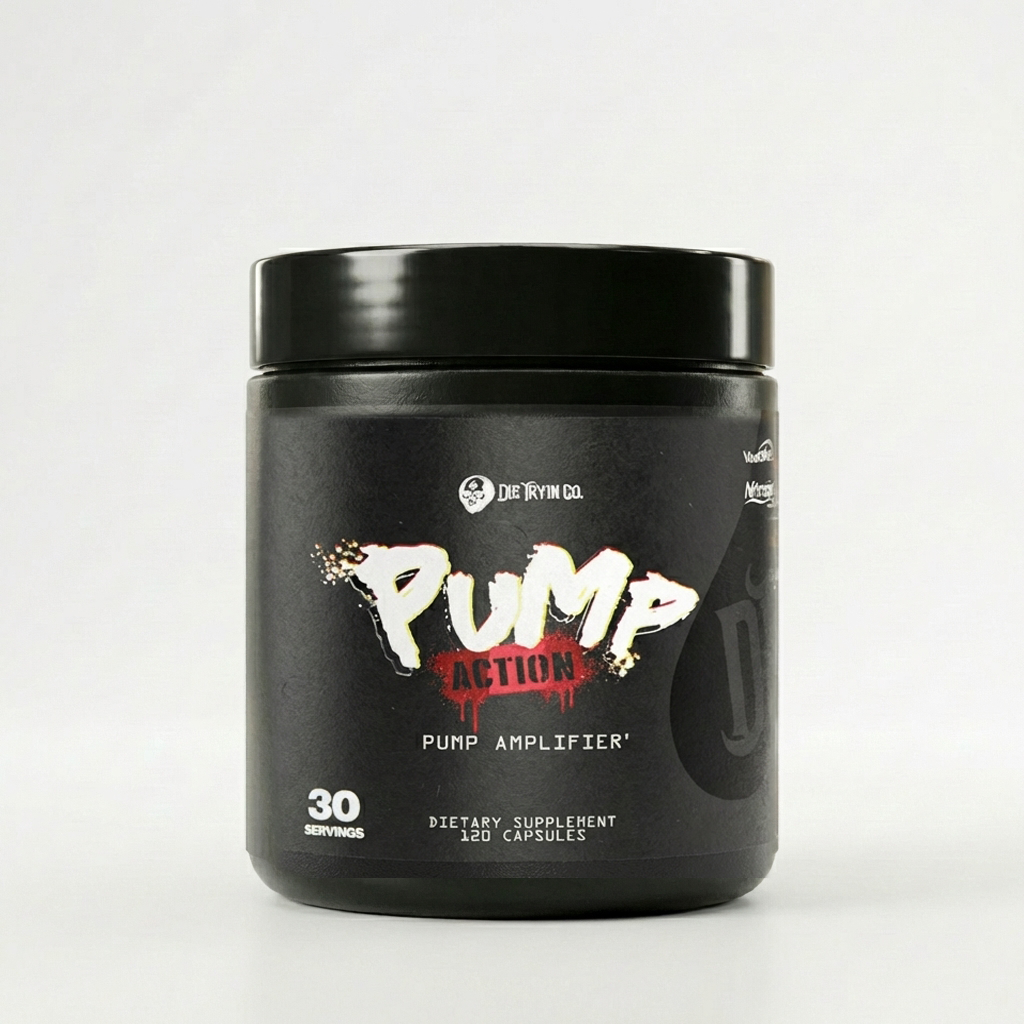
Run that math on your own week. A 7 p.m. session, a full-stim scoop beforehand, and an 11 p.m. bedtime means you spent recovery to buy a slightly better workout. Bad trade, and it is why sleep quality shows up in your body composition. If you train late, go stim-free and keep the pump and focus without the tab. Red Dot runs 9,000 mg L-Citrulline, 4,000 mg L-Tyrosine, 600 mg Alpha-GPC and 508 mg VasoDrive-AP with zero caffeine. Pump Action delivers 1,500 mg Nitrosigine plus 508 mg VasoDrive-AP in a four-capsule serving, also zero caffeine. Our breakdown on when to add a stim-free pre-workout walks through the switch, and The Complete Guide to Pre-Workout Supplements covers the full ingredient picture.
WHAT DOES NOT CARE WHAT TIME YOU TRAIN
Plenty of the stack is time-of-day agnostic. Do not confuse it with the circadian question.
- Creatine Monohydrate. It works on a saturation model, not an acute one. Five grams daily, training day or rest day, morning or midnight. Creatine timing is a non-issue, and anyone selling you a timing protocol is selling you something.
- Total daily protein. Hit your number across the day. The clock on any individual shake matters far less than the total.
- Hydration. Morning lifters start down on fluid. Evening lifters start behind from a workday of coffee and not enough water. Both fix it before the first heavy set.
- Sleep. The one variable that outranks training time by a wide margin, and the first thing evening caffeine puts at risk.
PICK YOUR WINDOW AND DEFEND IT
Here is the protocol. The numbers in it are our programming rule of thumb, not something a study prescribed. Choose the window your life actually protects, not the one a study says is a few percent better. Run it at the same hour, on the same days, for a full eight-to-twelve-week block before you judge anything. Expect your morning numbers to climb across that block: training mornings consistently is what the specificity research points to as the route to higher morning strength.
If you have to switch windows, give it a couple of weeks before you read anything into the numbers. Do not panic-change your program in week one. Discipline beats motivation, and a defended training window is discipline made concrete. That is the same argument we make in the complete guide to training mindset.
FREQUENTLY ASKED QUESTIONS
Is it better to lift in the morning or at night?
For expressing strength in a single session, late afternoon and evening carry a small measurable edge. For building strength and muscle over months, the 2019 meta-analysis found similar increases in both groups. Pick the window you will actually keep.
Will I build less muscle training in the morning?
Not according to the pooled research. It found similar increases in muscle size regardless of what time of day the training happened. Morning sessions may feel weaker for the first several weeks, and that is a difference in what you can express, not in what you are building.
Should I take a pre-workout before a 5 a.m. session?
That is the cleanest window for it. Caffeine taken at 5 a.m. is down to a small fraction by a normal bedtime, so the sleep cost mostly comes off the table. SEND IT 3.0 is the daily driver. Save Project M777 for the heaviest days.
How late is too late for a stimulant pre-workout?
Work backward six hours from your bedtime and treat that as the cutoff. That is exactly what the caffeine-timing trial authors recommend. An 11 p.m. bedtime means no substantial caffeine after 5 p.m. Past that line, switch to Red Dot or Pump Action.
Does fasted morning lifting burn more fat?
You will oxidize a higher percentage of fat during the session itself, but that does not translate into more fat lost across the week. Total intake and total output run that equation. Train fasted if it feels better, not because you expect a shortcut.
How long until my morning strength catches up?
The research does not put a clock on it. What it shows is that morning training may lift morning strength toward evening levels over a training block. Our rule of thumb is eight to twelve weeks of consistent work before judging a window. Consistency is the mechanism, not a supplement.
READY TO GEAR UP?
Match the tool to the window you actually train in.
- Morning daily driver: SEND IT 3.0, roughly 286 mg caffeine, no proprietary blend.
- Hardest morning sessions: Project M777, the high-stim option.
- Training after 7 p.m.: Red Dot, stim-free pump and focus, zero caffeine.
- Second session or a capsule format: Pump Action, 1,500 mg Nitrosigine, zero caffeine.
- Long or conditioning sessions: SEND IT Sport, 145 mg caffeine.
- Timing-proof daily basics: Creatine Monohydrate and Aqua Spike.
- Not sure where to start: Take the quiz.
The best time to train is the time you will still be training two years from now. Everything else is a rounding error. Pick the window, defend it, and stop negotiating with yourself at the alarm clock.
ALWAYS FORWARD.
GEAR THAT FITS THIS POST
The products this article actually talks about. Real doses, disclosed labels, veteran owned.

Read more

Five minutes on a treadmill is not a warm-up. Here is the four-phase ramp that actually preps you to lift heavy, plus what the research says about foam rolling and static stretching.

How often you take pre-workout matters more than how big the scoop is. Real framework for frequency, timing, signs you're overdoing it, and how to cycle the formula to keep it working long-term.

Short sleep does not necessarily stall your weight loss. It changes what you lose, and the scale will not warn you it is happening.
Stim-free pre-workouts aren't a downgrade — they're an upgrade in strategy. 5 signs it's time to introduce one, how to slot it into your training, and which DTC formula fits your goal.

What actually works in pre-workout — ingredients, doses, timing, and how to pick the right one. Cut through the marketing. Get the real answer.

The honest playbook for building the discipline that actually lasts. Motivation fails — discipline gets built. Here's how.