

Resistance Bands: The Cheapest Gains in the Gym
By Jon Klipstein, U.S. Army Combat Veteran & Founder of Die Tryin Co., and Chelsea Rodgers, IFBB Pro & Die Tryin Co. Athlete
THE CHEAPEST GAINS IN THE GYM
Listen up. There is a piece of equipment that costs less than one month of most gym memberships, fits in a backpack, and has peer-reviewed evidence behind it that most of the machines on your gym floor will never have. It is a loop of rubber, and most lifters either ignore it or use it wrong.
Bands are not a replacement for the barbell. They are a multiplier on it, and a legitimate stand-in when the barbell is not available. This guide covers what elastic resistance actually does to a lift, what the research says it is good for, and exactly how to put bands to work without turning your training into a circus act.
| USE CASE | HOW | GO DEEPER |
|---|---|---|
| Add to barbell lifts | Anchor bands to the bar for squats, bench, deadlifts. Keep band tension around 20% of the load. | Build your squat 1RM |
| Warm-up and activation | Light band work before heavy sets to wake up lagging muscles, especially glutes. | Glute activation guide |
| Travel and home training | Full-body sessions from a backpack. Research shows strength gains comparable to machines and dumbbells. | Progressive overload rules |
WHAT A BAND ACTUALLY DOES TO A LIFT
A plate weighs the same at the bottom of a squat as it does at the top. A band does not. The further you stretch it, the harder it pulls back. Coaches call this variable resistance, or accommodating resistance, and it flips the loading profile of a barbell lift on its head.
Think about where a squat or bench press feels hardest: the bottom, where leverage is worst. Now think about where it feels easiest: lockout, where you are strongest. A straight bar loaded with plates is limited by your weakest position, so the top half of every rep is under-loaded. Loop a band over that bar and the load now climbs as your leverage improves. The bottom stays manageable, the top finally has to fight, and the bar has to keep accelerating instead of coasting to lockout.
THE SCIENCE: BANDS VS IRON
Here's the truth: for building basic strength, bands hold their own against the hardware. A systematic review and meta-analysis pooling trials across different populations found no significant difference in strength gains between elastic resistance training and conventional resistance training with machines and dumbbells, in either the upper or lower body (Lopes et al., 2019). Hotel room, garage, deployment, the stimulus travels.
Adding bands to the bar goes a step further. A 2025 systematic review and meta-analysis comparing variable resistance training to plain free-weight training found the variable resistance approach produced greater long-term gains in maximal strength and jump distance, with the advantage showing up when band or chain tension stayed at or below about 20% of the load (Li et al., 2025). Not a magic trick, a measurable edge. Basics beat hype, and this is a basic with receipts.
HOW TO LOAD THE BAR WITH BANDS
The 20% guideline is your anchor. If you squat 300 lb for work sets, band tension at the top of the lift should add roughly 60 lb, no more. Most brands label their bands by resistance range, so pick the band whose stretched tension lands near that number and reduce the plates on the bar accordingly.
Setup rules that keep it safe: anchor bands symmetrically, either under the rack pegs, around heavy dumbbells, or under your feet for deadlifts. Check that the band cannot roll off mid-rep. Control the eccentric, because the band pulls the bar down faster than gravity alone and that surprise has humbled plenty of strong lifters. If you are new to squatting heavy in general, read our squat injury prevention guide before you add rubber to the problem.
THREE WAYS TO USE BANDS THIS WEEK
1. Banded barbell work on your main lift. One or two banded sessions per week on squat or bench, band tension near 20% of load, normal sets and reps. This is the version the research supports for pushing maximal strength.
2. Activation before leg day. Two or three light band exercises before you load the bar: lateral walks, glute bridges with the band above the knees, clamshells. The goal is waking up the muscle you are about to train, not exhausting it. Our glute activation guide lays out the full sequence.
3. The travel kit. One light band, one heavy band, and the discipline to actually use them. Rows, presses, pull-aparts, split squats, curls. Match your normal rep ranges, push each set close to failure, and the Lopes findings say your strength does not have to go backward just because the hotel gym is two treadmills and a sad rack of chrome dumbbells.
A BAND-ONLY SESSION THAT ACTUALLY COUNTS
For the days when rubber is all you have, here is a full-body template that respects the science instead of apologizing for the equipment. Banded squats or split squats, four sets of 12-15 with the band under both feet and over your shoulders. Banded rows, four sets of 12-15, band anchored to a door or post, squeezing every rep like a barbell row. Banded overhead or floor press, three sets of 12-15. Pull-aparts and banded curls, two or three sets each to finish.
The rules that make it work: every set within two or three reps of failure, a full one-second squeeze where the band tension peaks, and the same progression logic you would use with iron, more reps this week than last, then a thicker band. Effort is the active ingredient. The band is just the delivery system.
WHERE BANDS STOP AND IRON TAKES OVER
We do not oversell here. Bands are hard to measure precisely, so tracking week-to-week progress is messier than writing down plate numbers, and progression is the whole game. Maximal low-rep strength still favors the barbell, because a 1RM is a skill practiced under a bar, not a rubber loop. And band tension quality drifts as bands age and stretch out.
So use bands the way the evidence supports: as an add-on to barbell training for a new strength stimulus, as an activation tool, and as a portable fallback that keeps the habit alive when the gym is not there. Consistency beats intensity, and a band in a backpack protects consistency.
FREQUENTLY ASKED QUESTIONS
Can resistance bands really build muscle like weights?
Research comparing elastic to conventional resistance found similar strength gains in both upper and lower body. For muscle growth, effort and progression matter more than the tool. Push sets close to failure and add band thickness or reps over time.
How much band tension should I add to barbell lifts?
Around 20% of the total load at the top of the lift is the range the 2025 meta-analysis found most effective for long-term strength. More than that starts cutting into bar speed and power output.
Should beginners use banded barbell lifts?
Learn the lift with straight weight first. Bands change how a rep feels through the range, and a beginner benefits most from consistent practice with a predictable bar.
Do bands replace a deload or lighter training?
No. They are a loading tool, not a recovery plan. If your joints are cooked and progress has stalled, the answer is a planned easy week, not different rubber.
What is the difference between loop bands and tube bands?
Heavy loop bands are the ones for barbell work and pull-up assistance. Small hip loops handle activation work. Tube bands with handles suit travel pressing and rowing. Most lifters end up wanting one of each.
READY TO GEAR UP?
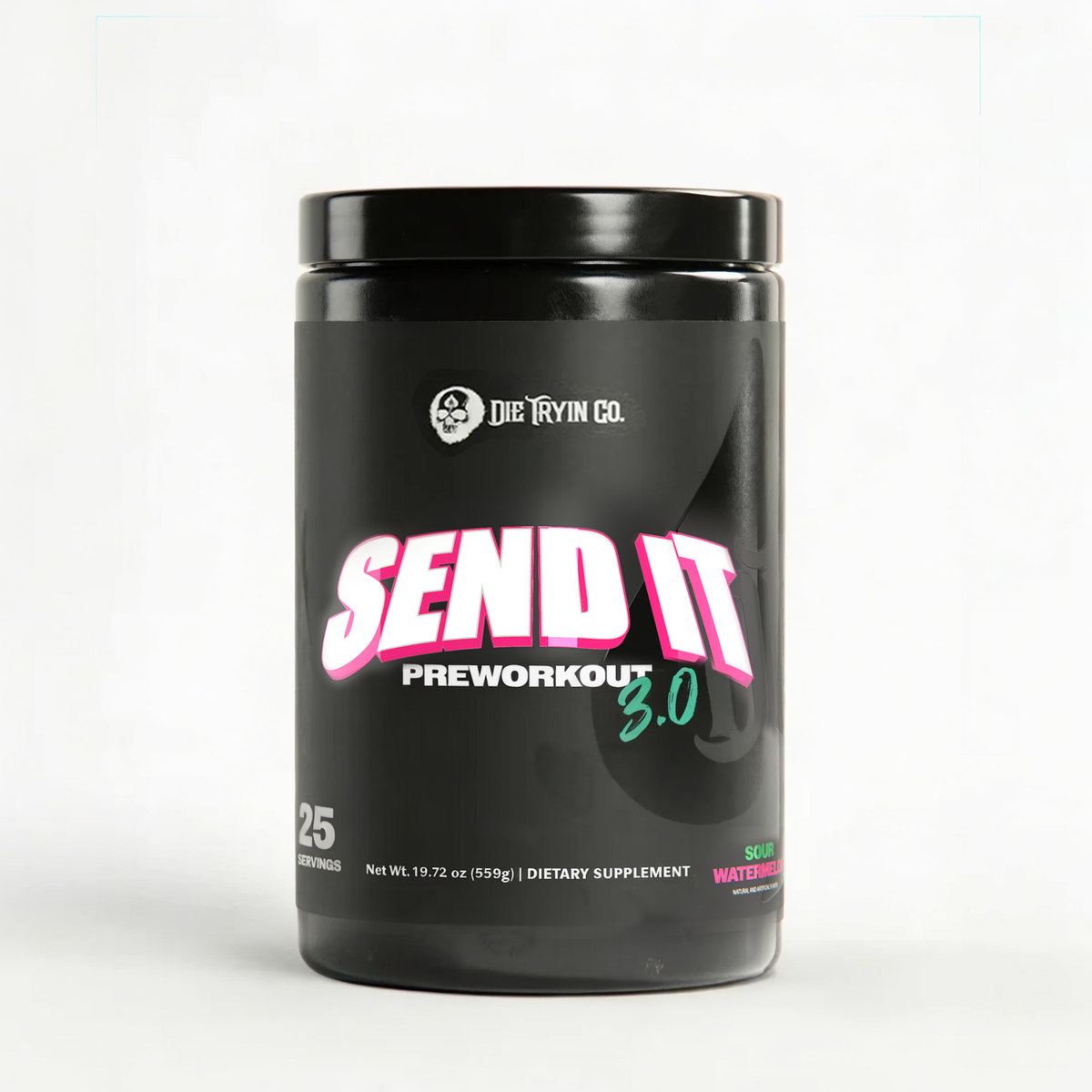
Bands supply the resistance, you supply the rest. SEND IT 3.0 before banded barbell sessions, Creatine Monohydrate daily because it backs strength work no matter what the resistance is made of, and the quiz if you want the full stack matched to your goal. Train smart. Train hard.
ALWAYS FORWARD.
GEAR THAT FITS THIS POST
The products this article actually talks about. Real doses, disclosed labels, veteran owned.

Read more
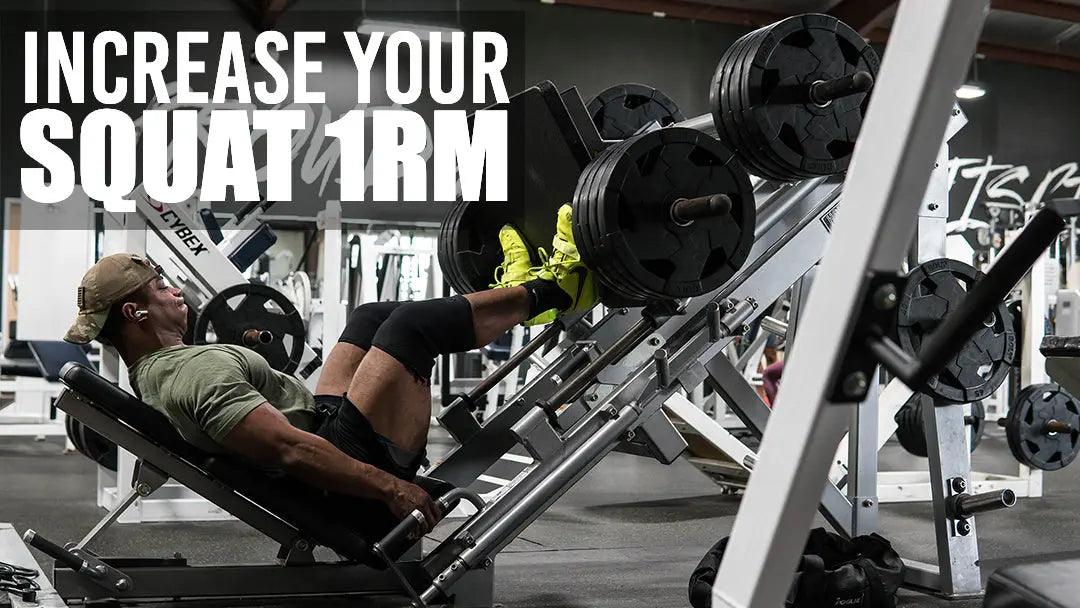
Where you fail tells you what to train. The practical guide to adding weight to your squat without wrecking yourself.
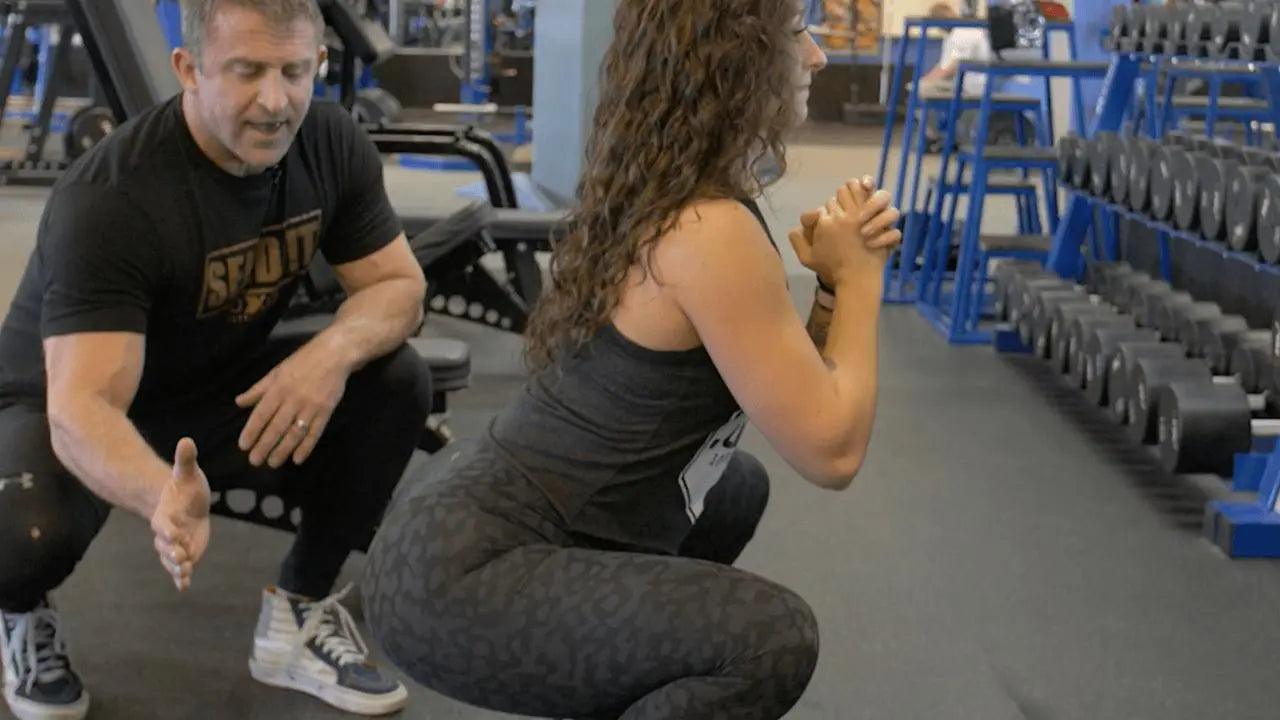
IFBB Pro Chet Nichols shows how to actually engage your glutes in goblet squats — slow down, pause, squeeze. Less weight, more glute growth.

Muscle grows when demand grows, everything else is detail. The load-vs-reps research, the double progression method, and how to escape a plateau without wrecking recovery.
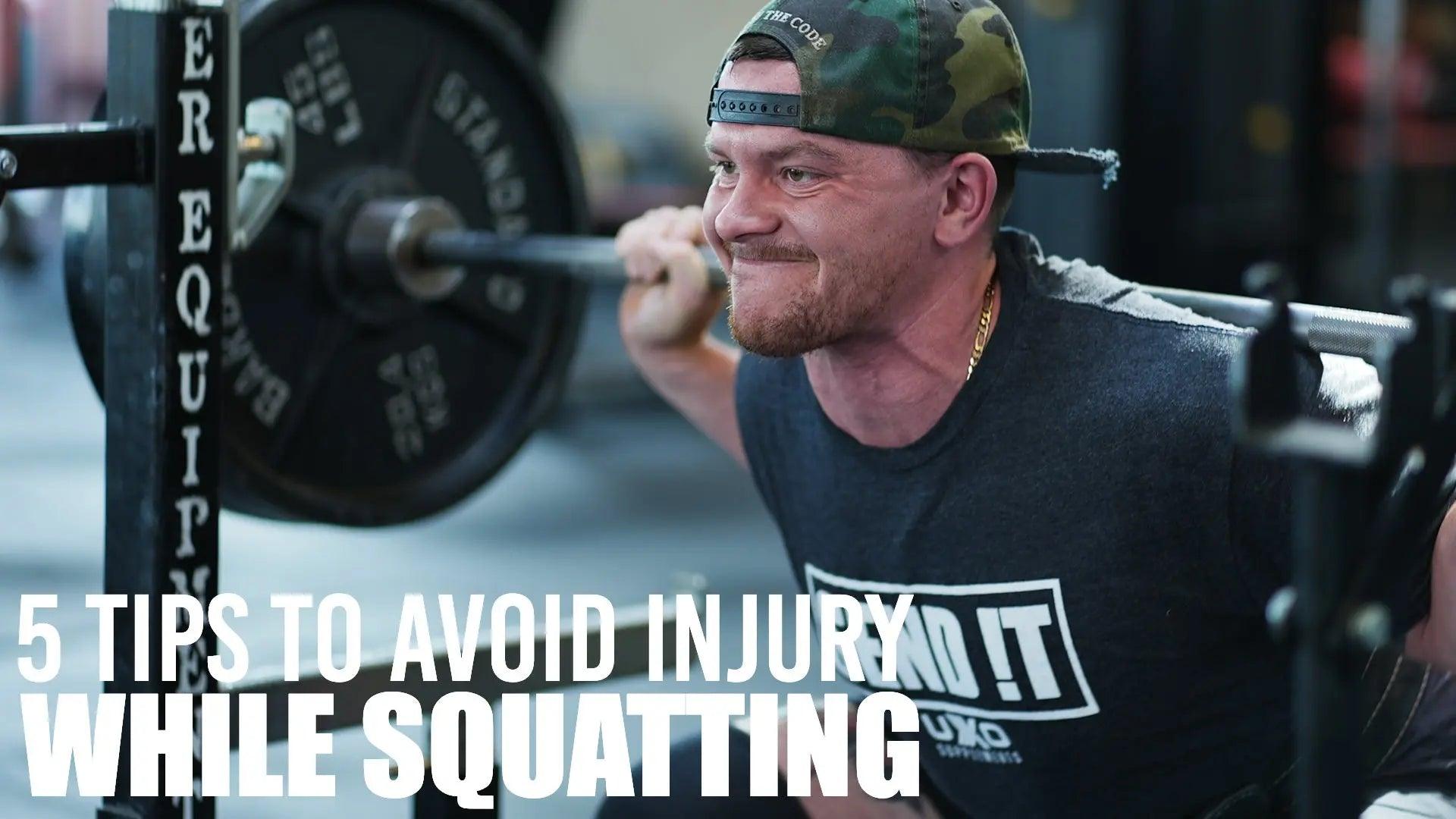
Knees caving, weight on the toes, losing the brace. The five squat errors that hurt people, and the fix for each one.
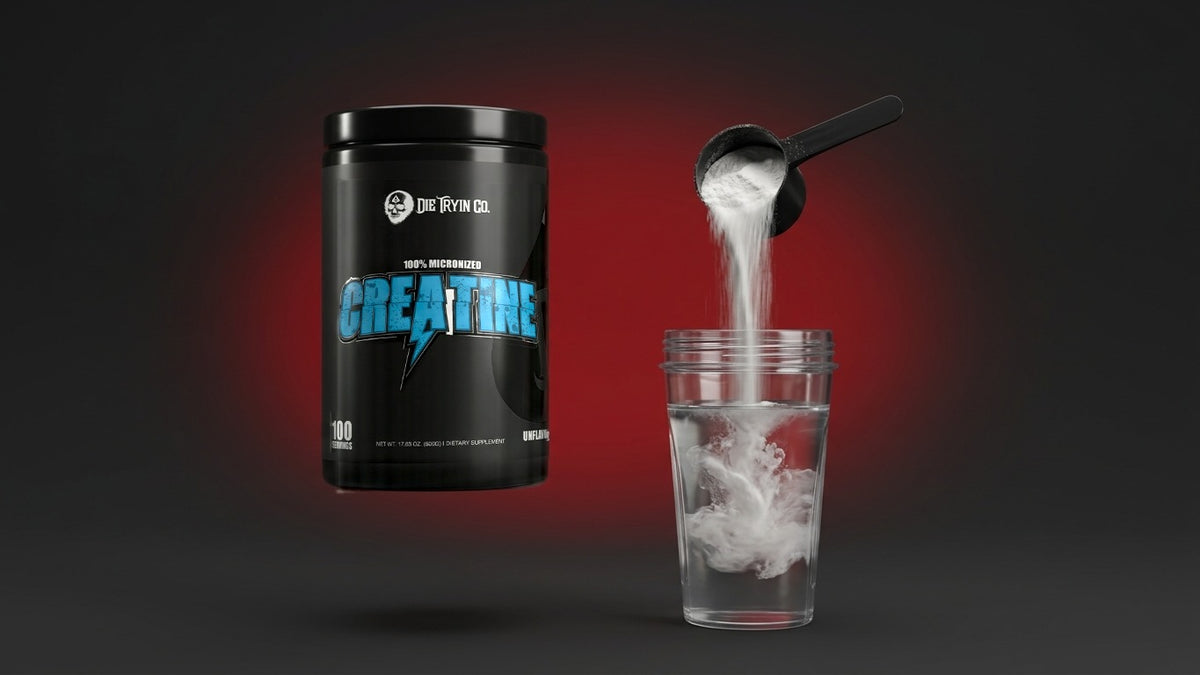
Your gut lining runs the same creatine energy system as your muscles. Here is what the research shows on stomach upset, IBS, colitis and leaky gut, and exactly where the human evidence stops.

Creatine gummies can work if the creatine is actually in them, and lab tests keep finding it often is not. Here is why a scoop of Creatine Monohydrate powder still wins.