





How to Stay on Track Through the Holidays (Honest Strategy)
By Jon Klipstein, U.S. Army Combat Veteran & Founder of Die Tryin Co.
Science reviewed by Onur Oncer, BS Physiology and peer-reviewed published researcher.
MAINTAIN. DON'T RESTRICT. DON'T ABANDON.
Holiday fitness advice usually comes in two flavors, both wrong. The "discipline" crowd tells you to stay in a strict deficit through December, skip the meals, out-train the calories. The "balance" crowd tells you to just enjoy yourself and worry about it in January. Both fail — one through burnout, the other through six weeks of un-tracked indulgence.
The actual right move during the holidays: maintenance. Don't try to lose. Don't try to add muscle. Just don't gain. Keep training, hit your protein, eat strategically at events, and let January handle the next phase. This is the honest strategy and it works because it's actually sustainable.
WHAT THE RESEARCH ACTUALLY SAYS ABOUT HOLIDAY WEIGHT GAIN
The "average person gains 5 to 7 pounds over the holidays" line gets repeated every November. It is not what the research found. Researchers at the National Institutes of Health tracked 195 adults through the holiday season, weighing them four separate times rather than asking them to recall it later. The measured average gain was 0.37 kg, about eight tenths of a pound (Yanovski et al., New England Journal of Medicine, 2000).
Here is the part that actually matters. That weight did not come back off. The post-holiday loss was statistically insignificant, so the gain stuck and compounded year over year. The holidays are not a five-pound problem. They are a one-pound problem you never reverse, repeated for a decade.
QUICK ANSWER: THREE HOLIDAY APPROACHES
| APPROACH | REALITY CHECK | OUTCOME |
|---|---|---|
| Aggressive cut (500+ cal deficit through holidays) | Unsustainable in social-heavy season | Typically fails by mid-December; binge follows; net gain |
| Total abandonment ("I'll start in January") | 6+ weeks of zero structure | 3–7 lbs typical gain (mostly fat); harder restart in January |
| Maintenance (recommended) | Eat at maintenance calories, hit protein, train consistently | No real change; ready to push hard in January with no setback |
THE HONEST REALITY OF HOLIDAY WEIGHT GAIN
The average American gains 1–2 pounds over the holiday season — not the 5–10 pounds popular media implies. The bigger problem isn't the holiday season itself; it's that most people don't lose that weight after. It accumulates year over year. So the real goal isn't survival mode through December; it's preventing the cumulative drift.
Aggressive fat loss during the holidays usually backfires. Sustainable fat loss is roughly 0.5–1 pound per week (or 0.5–1% of body weight per week) for most people. Pushing for 2–3 lbs/week during a season of constant social pressure means either: (a) you fail and binge, or (b) you succeed by losing significant muscle alongside the fat. Neither outcome is good.
THE 5-PART HOLIDAY MAINTENANCE PLAN
1. Set the right goal: maintain
Stop trying to "out-discipline" the holidays. Set your daily calorie target at maintenance — not a deficit, not a surplus. For most adults, maintenance is roughly 14–16 calories per pound of body weight. Track for a week to find your number, then aim for that average across the holiday season. Some days will be over (Thanksgiving, Christmas). Some days will be under. The weekly average is what matters.
For the calculation framework: What Are Macros? How to Count Protein, Carbs & Fats.
2. Keep training. Don't add holiday cardio.
Maintain your normal training schedule — 3–5 sessions per week, the same volume you've been hitting all year. Don't add extra cardio to "burn off" holiday meals. That mindset turns training into punishment, and the math rarely works anyway (running off a 1,500-calorie meal takes 2+ hours of moderate cardio).
Why training matters more than cardio during the holidays: it preserves muscle, maintains metabolic rate, supports mental health under family-event stress, and keeps the daily structure that makes everything else easier. For training framework: Ultimate Guide to Muscle Building.
3. Front-load protein. Always.
Most holiday weight gain isn't from desserts — it's from undereating protein and overeating everything else. Hit your daily protein target (1.4–1.8 g/kg body weight at maintenance) every day, no exceptions. Protein wins:
- Satiety: high-protein meals reduce post-meal hunger; lowers binge risk
- Thermic effect: 20–30% of protein calories burn in digestion
- Muscle preservation: even if your training drops slightly, protein protects muscle
Stock easy proteins: rotisserie chicken, Greek yogurt, eggs, cottage cheese, deli turkey, Post Iso shakes. Hit the target first; everything else fits around it. Why protein matters beyond muscle: Why Protein Matters: 8 Real Benefits.
4. Eat strategically at events. Don't avoid them.
"Bring your own meals to family events" advice usually fails — it's socially awkward and unsustainable. Better strategy:
- Eat a protein-heavy meal 2 hours before the event. Walk in not starving. Reduces the "I'll eat anything" trap.
- Hit protein at the event first. Turkey, ham, brisket, chicken — protein on the plate before anything else. Fills you up before you reach for the sides.
- Pick one or two indulgences. Pumpkin pie OR mashed potatoes with gravy, not both. Choose the indulgence that's actually meaningful, skip the rest.
- Save calories on alcohol. Liquid calories add up fast and don't satisfy hunger. Choose 1–2 drinks intentionally rather than grazing on bottomless eggnog.
The goal isn't perfection at events — it's intentional indulgence instead of unconscious overeating.
5. Permission, not panic, for off days
You will eat past maintenance at some point during the holidays. That's not a failure — it's the holiday season. The mistake isn't the meal; it's the spiral that follows. "I overate at Thanksgiving so I might as well let go for the next two weeks" turns a 2,000-calorie surplus into a 14,000-calorie surplus.
Permission for the off-day. Right back to maintenance the next day. Don't try to "compensate" by skipping meals or doing punishment cardio — that's the restriction trap that drives the next binge. Just resume normal eating.
WHAT TO TRACK (AND WHAT TO IGNORE)
You don't need to log every cookie at every family gathering. But maintaining some structure makes maintenance work:
- Track weight 3–4 mornings per week. Daily fluctuations are noise; weekly average is signal. If the average drifts up more than 1 lb/week for two weeks straight, tighten up.
- Hit protein every day. The single most impactful variable. Most lifters under-eat protein during the holidays; this is the easiest win.
- Track training sessions. Did you show up 4 times this week? Yes/no. Binary metric. Forget about PRs during the holidays; just maintain the habit.
- Don't track: every cookie, every glass of wine, every "off-plan" food. The detail is unsustainable and the precision doesn't matter at maintenance.
CELEBRATE THE SMALL WINS
Holiday fitness isn't about perfect macros and zero indulgences. It's about showing up to training when motivation is low, hitting protein on a busy day, choosing the salad at lunch so you can have dessert at dinner. Small wins compound.
Most people walk into January 8 pounds heavier than November. If you walk in at the same weight you started the holidays at — that's a massive win. You spent 8 weeks navigating a season designed to derail you, and you held the line. Start the January push from your real starting point, not from setback territory.
FAQ
Is it really impossible to lose weight during the holidays?
Not impossible — just much harder and often counterproductive. The math still works: caloric deficit = fat loss. But maintaining a deficit through 6 weeks of social events, family gatherings, and high-stress weeks usually leads to either (a) inconsistent execution and frustration, or (b) compensatory eating that erases the deficit. Maintenance is the smarter play for most lifters.
How much weight gain is "normal" during the holidays?
Population average: 1–2 pounds over the season. Bodybuilders and physique-focused athletes may experience more if not careful. Most "I gained 10 lbs over Thanksgiving" anecdotes are mostly water weight + glycogen + intestinal contents from a single big meal, not real fat gain. Fat gain happens from sustained surplus over weeks, not from a single Thursday dinner.
Should I do extra cardio to "earn" holiday meals?
No. Punishment cardio is a losing strategy — it turns training into a penalty instead of a habit, the math rarely works (1,500-calorie meal takes 2+ hours of moderate cardio to offset), and it sets up an unhealthy mental relationship with food. Maintain your normal training, hit protein, accept that some meals will be over maintenance. The weekly average is what matters.
What if I'm hosting and there's nothing on plan?
You control what gets cooked. Lean protein options at every meal (turkey, ham, roast chicken). Side dishes that include vegetables. One or two dessert options instead of five. Hosting is actually an advantage if you use it — you set the menu.
What's the single biggest mistake people make during the holidays?
Stopping training. Once the routine breaks, everything else slides. Even 2–3 short sessions per week maintains the habit, preserves muscle, and supports the mental side of staying on track. Worry less about perfect macros, more about showing up to the gym.
Can I drink alcohol and still maintain?
Yes, but it costs you. Alcohol is 7 cal/gram — almost as dense as fat — and provides zero satiety. A few drinks per week is fine at maintenance; nightly drinking through December usually shifts the math toward gain. Drink intentionally on specific events rather than habitually through the season.
What about post-holiday cuts?
If you maintain through the holidays, January is the right time to start a real cut from a stable starting point. For the framework: Ultimate Guide to Fat Loss covers the whole strategy — deficit math, protein targets, training adjustments, and the realistic timeline.
READY TO GEAR UP?
The maintenance stack for the holiday season:
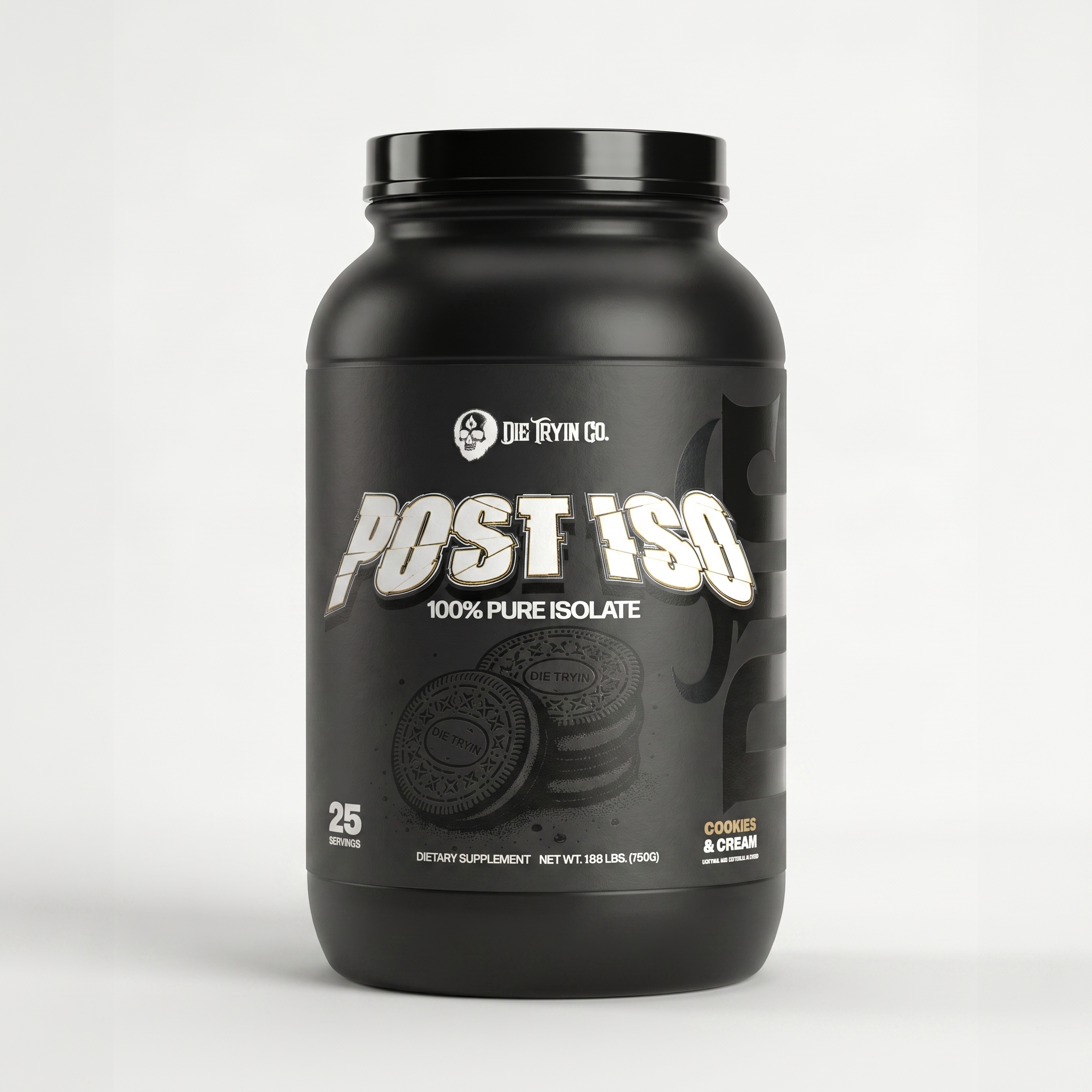
- Post Iso — 24g whey isolate per scoop, the easiest way to hit daily protein when family meals run low on lean options
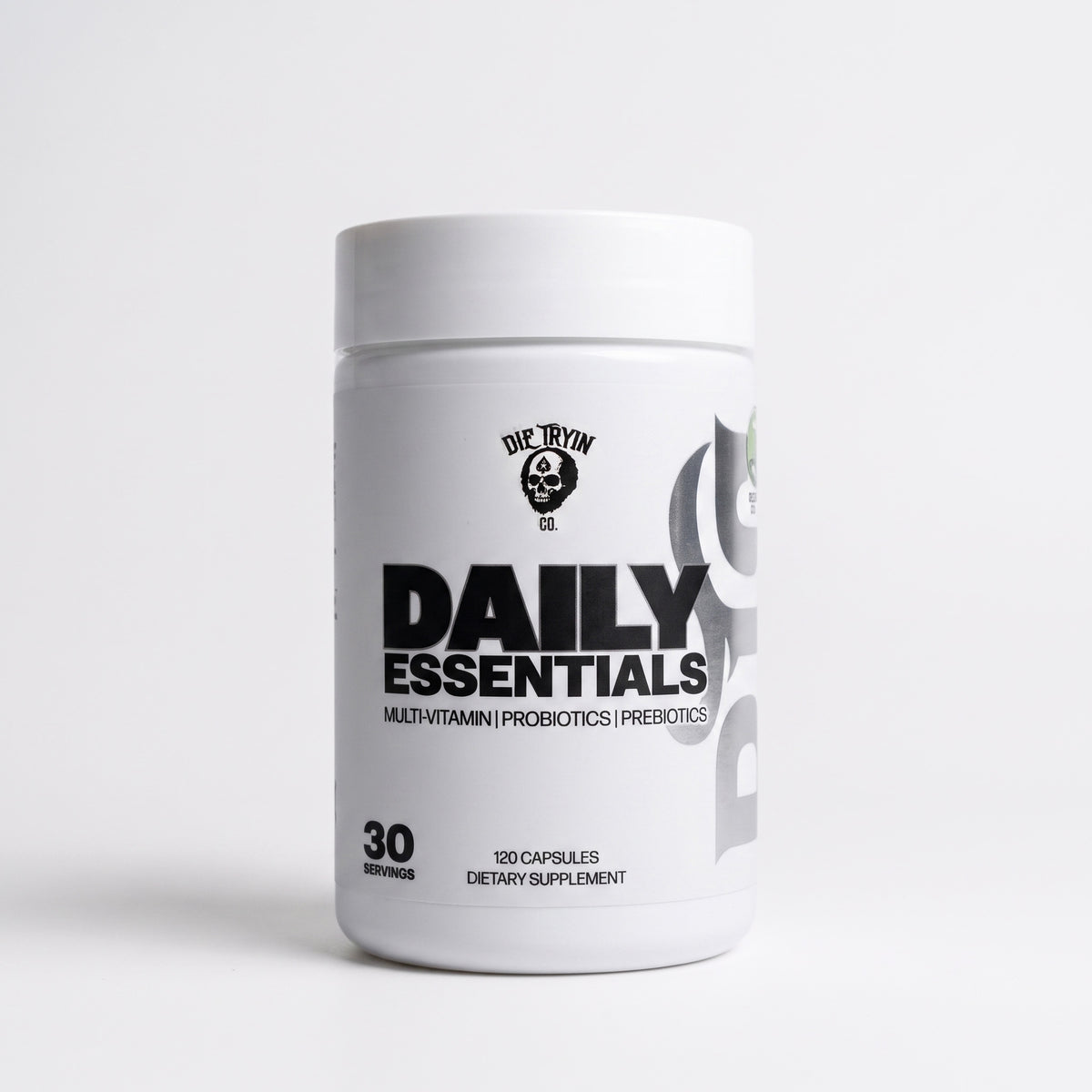
- Daily Essentials — premium multi with built-in gut-health stack for the inevitable richer-than-normal holiday eating
- Creatine — 5g daily for ATP regeneration and muscle preservation through training
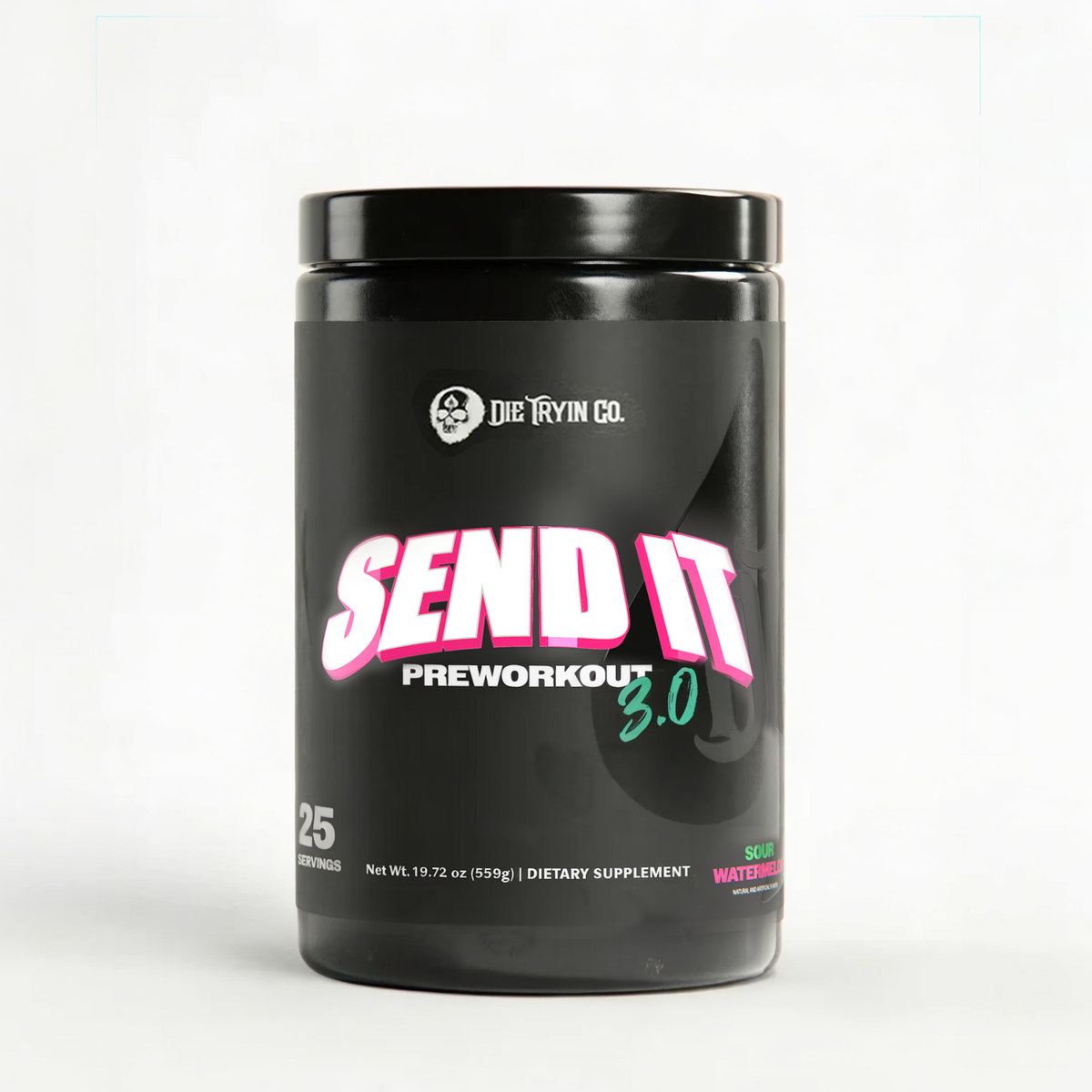
- SEND IT 3.0 — daily-driver pre-workout for the early-morning training sessions when family time crowds the rest of the day
For the broader strategy: Ultimate Guide to Fat Loss | Ultimate Guide to Protein | Ultimate Guide to Training Mindset. For the smart-training principle: Train Smarter, Not Harder.
Not sure where to start? Take the DTC supplement quiz — two minutes, dialed-in recommendation.
ALWAYS FORWARD.

GEAR THAT FITS THIS POST
The products this article actually talks about. Real doses, disclosed labels, veteran owned.

Read more

You can't out-train a bad diet. Here's the no-BS guide to macros — what they are, why they matter, and how to count them so you actually hit your goals.

The complete playbook for building muscle that actually lasts. Training, nutrition, recovery, and the supplements that move the needle — no hype.

Protein does more than build muscle. 8 real benefits ranked by evidence strength: satiety, metabolic boost, bone density, sarcopenia prevention, and more.

The no-BS playbook for losing fat without losing muscle. Energy balance, protein, training, sleep, and the supplements that actually help.

The complete protein playbook — how much you need, when timing matters, which sources deliver, and the myths costing you money.

The honest playbook for building the discipline that actually lasts. Motivation fails — discipline gets built. Here's how.