
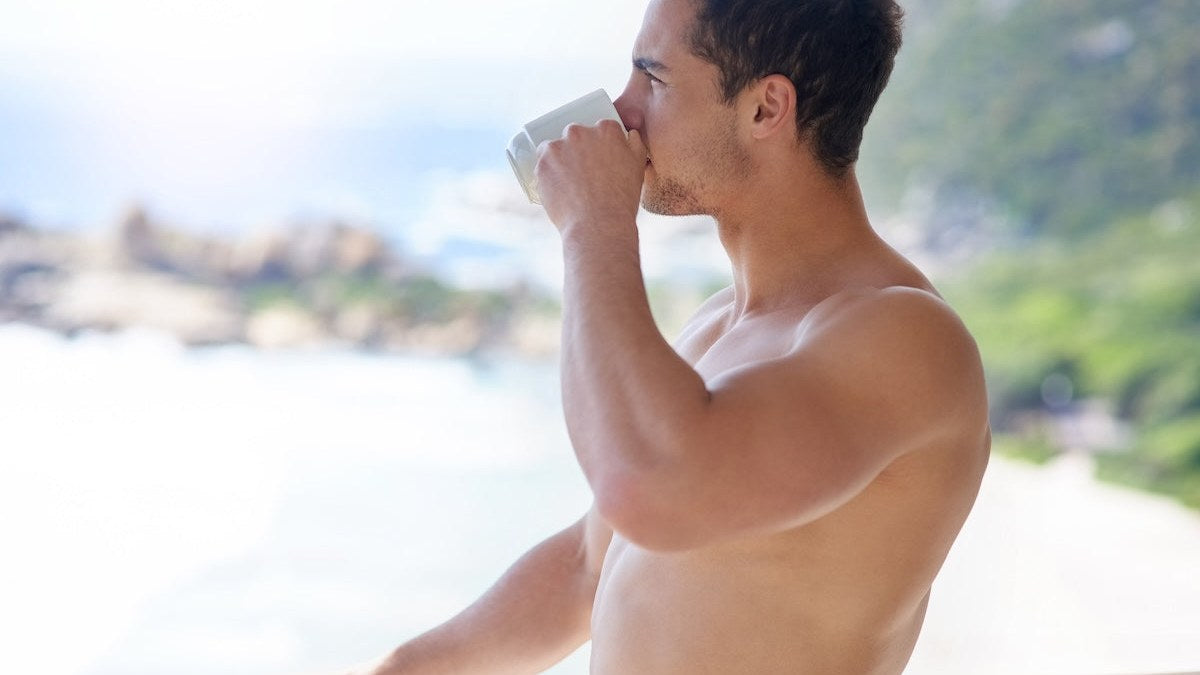
Coffee Before a Workout: The Good, Bad, and Ugly
By Jon Klipstein, U.S. Army Combat Veteran & Founder of Die Tryin Co.
Science reviewed by Onur Oncer, BS Physiology and peer-reviewed published researcher.
COFFEE ISN'T THE PROBLEM. YOUR TOTAL CAFFEINE BUDGET IS.
Listen up. Coffee gets argued about like it's a moral question. It isn't. Coffee is a caffeine delivery system with some antioxidants along for the ride, and caffeine is one of the most heavily studied performance compounds on the planet.
Here's the truth most people miss: the problem is almost never the coffee. The problem is that nobody counts it. Two cups before work, an energy drink at lunch, a full scoop of pre-workout at 5 PM, then a night spent staring at the ceiling wondering why sleep won't come.
So forget the "is coffee healthy" debate. The question that actually matters for anyone who trains is simpler. How much total caffeine are you taking in a day, and where is it coming from? Below is what the research supports, where coffee starts working against you, and how to run coffee and a pre-workout in the same day without turning yourself into a jittery mess.
| YOUR SITUATION | WHAT TO REACH FOR | WHY |
|---|---|---|
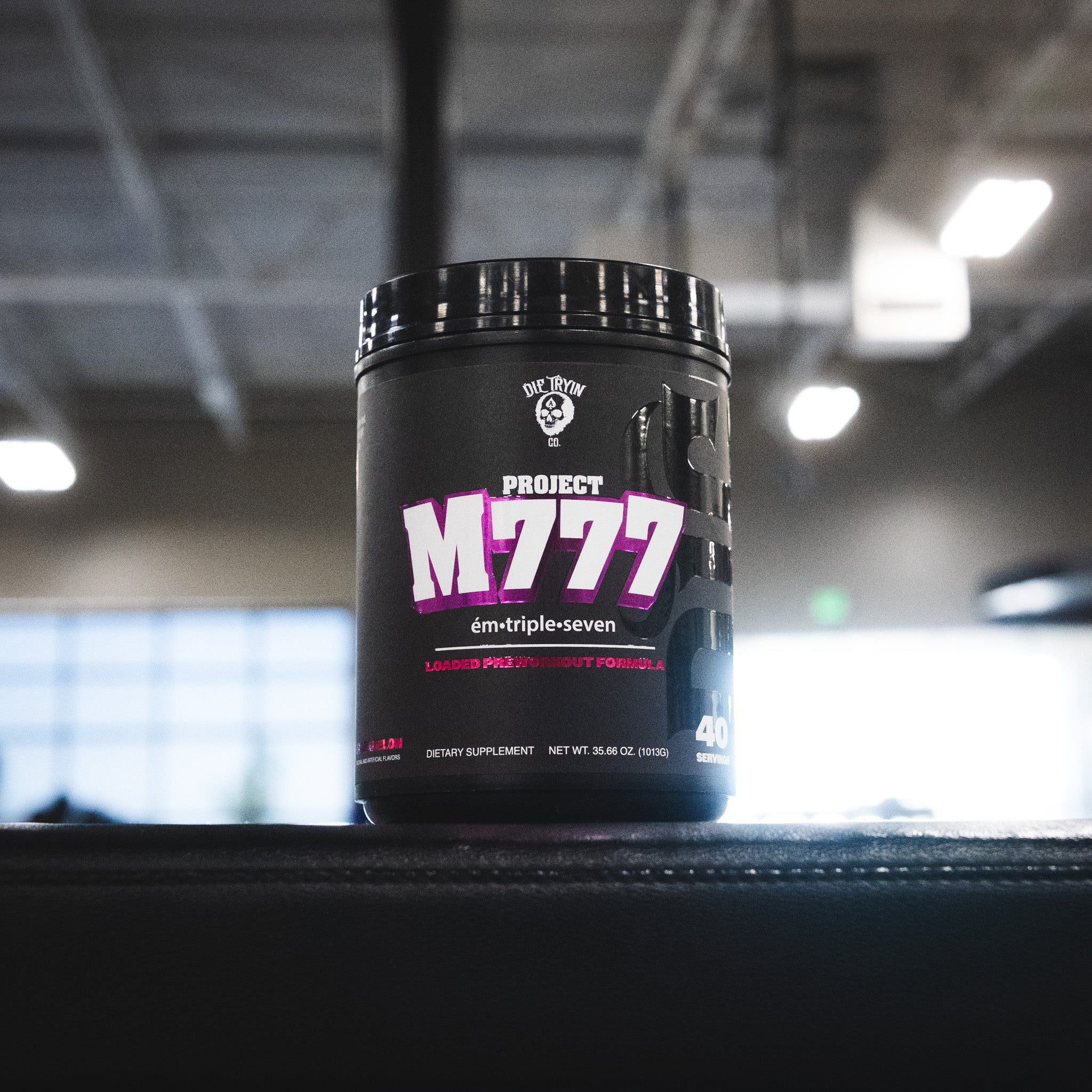
| No coffee yet, hardest session of the week | Project M777 | You're starting from zero, so the heavier stim load has room to work. |
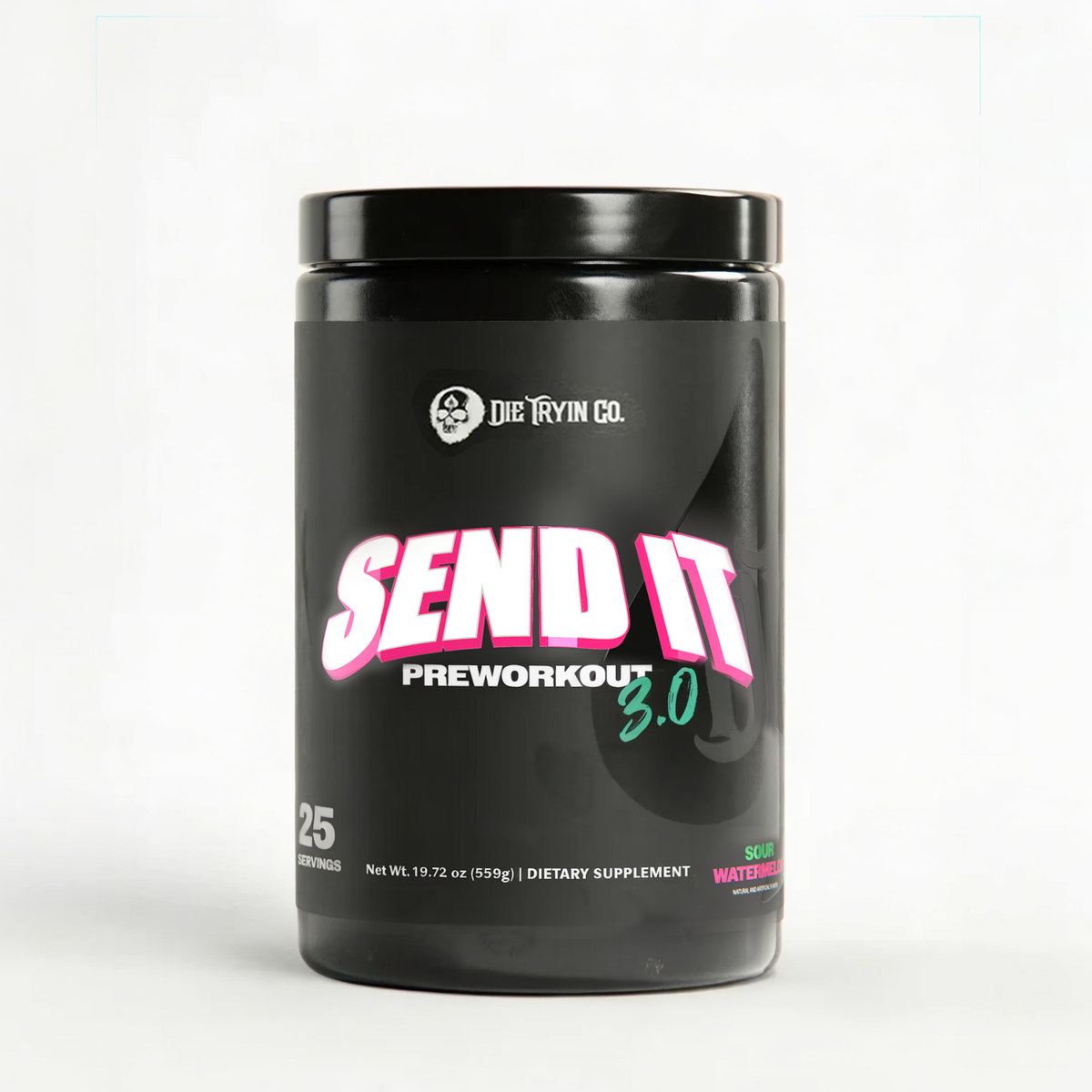
| One cup in, training in a couple hours | SEND IT 3.0, single scoop, nothing else | Roughly 90 mg from coffee plus 286 mg from a scoop still lands in a sane range for most people. |
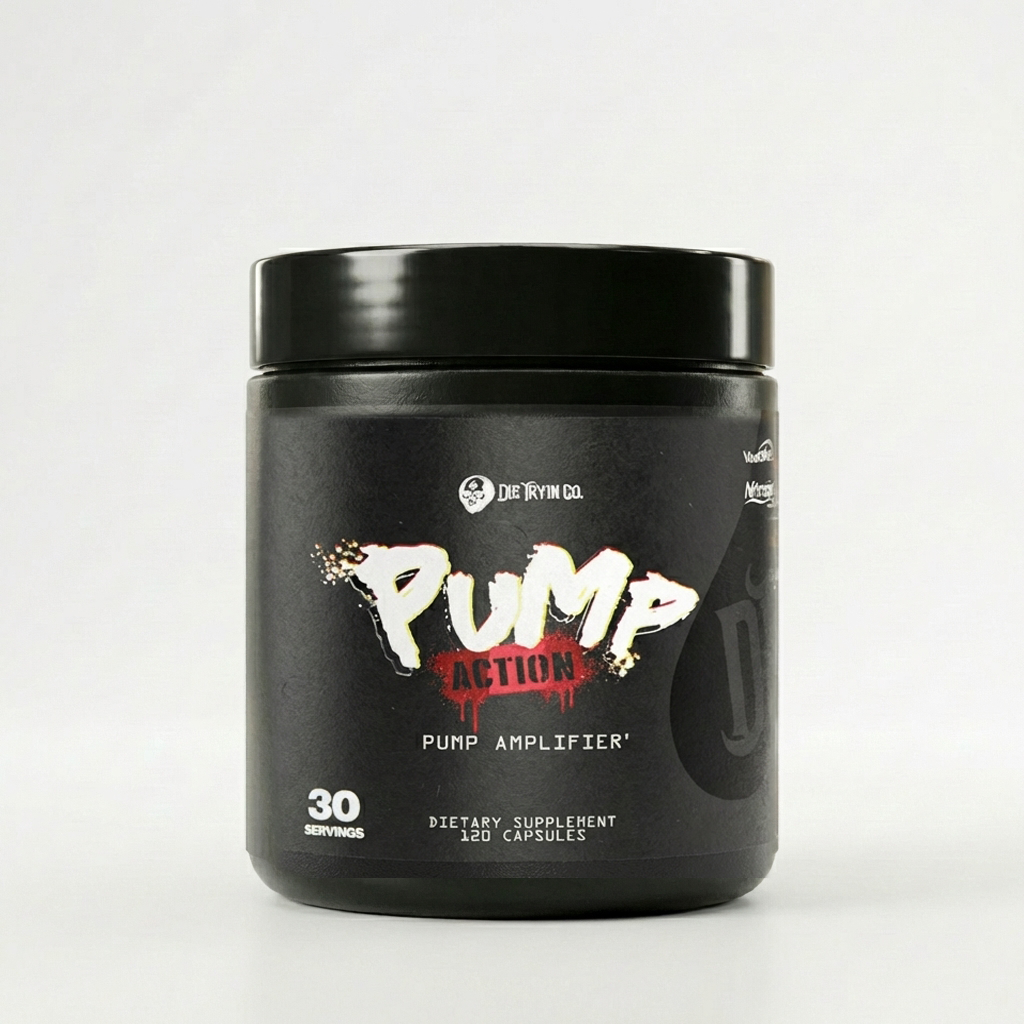
| Two or more cups already in | Pump Action | You're already at a useful dose. Stack pump, not more stimulant. |
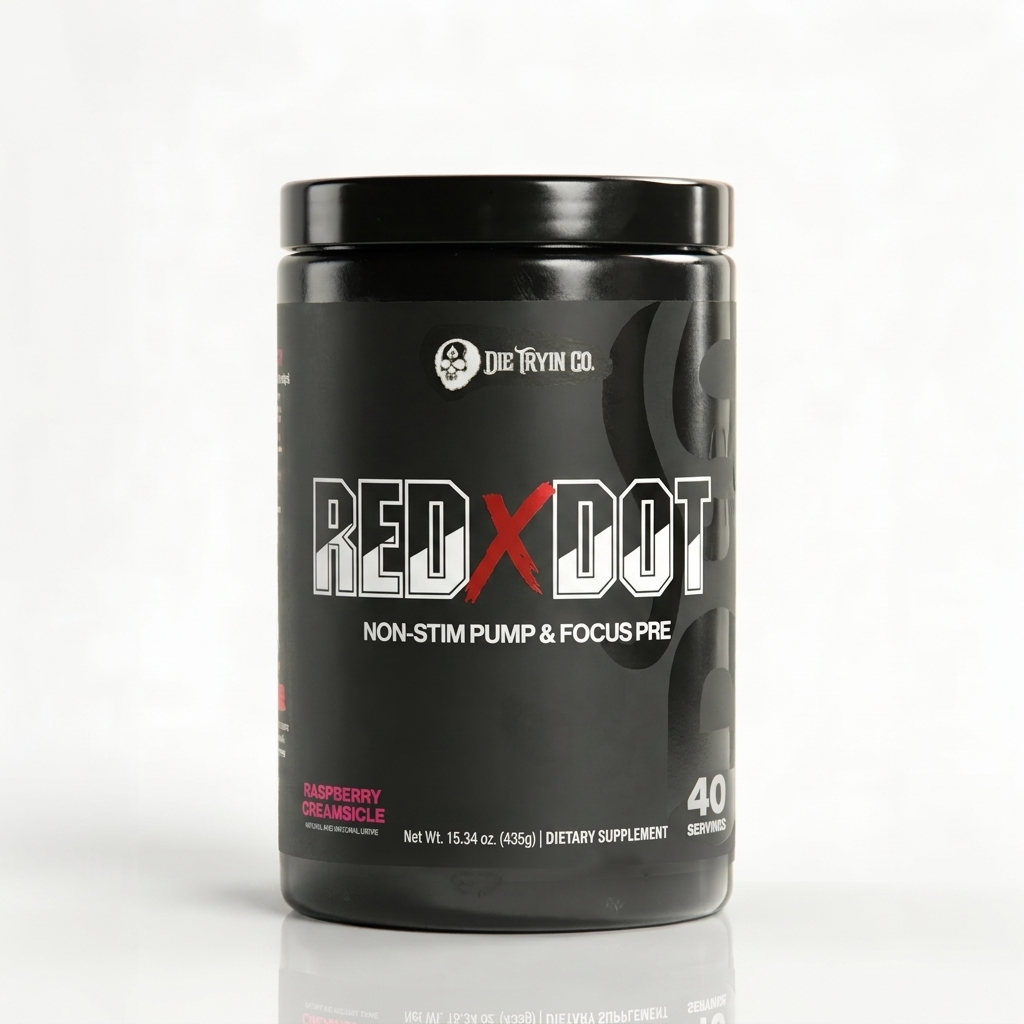
| Training after 5 PM | Red Dot (zero caffeine) | Caffeine has a long tail. Late stim is a sleep tax you pay tomorrow. |
| Long endurance or conditioning work | SEND IT Sport (145 mg caffeine) | Ninety minutes of sustained work doesn't need a heavy stim load. |
| Jittery or anxious on coffee alone | Stim-free only, or drop the dose | Caffeine response varies a lot between people. That's information, not weakness. |
THE GOOD: WHAT CAFFEINE ACTUALLY DOES
Caffeine blocks adenosine receptors. Adenosine is the molecule that builds up across your waking hours and tells your brain it's tired. Block it and you get alertness, sharper focus, and a workout that feels easier at the same load. That last part matters more than people give it credit for. Lower perceived effort means you finish the set you would have cut short.
The strongest evidence sits in the endurance and work-capacity lane. The 2021 ISSN Position Stand on Caffeine and Exercise Performance concluded that caffeine consistently improves performance at 3 to 6 mg per kg of body mass, that aerobic endurance shows the most reliable moderate-to-large benefit, and that attention and vigilance improve in most people.
For the barbell crowd, the picture is real but smaller. A 2018 meta-analysis on caffeine for strength and power pooled ten studies on each outcome and found a significant but small effect on maximal strength and on jump power. Break it down further and upper-body strength reached significance while lower-body strength did not.
Read that honestly. Caffeine is a genuine tool, not a cheat code. It buys you a small edge and a big change in how hard the work feels. Nobody adds fifty pounds to a squat because they drank coffee.
THE DOSE: 3 TO 6 MG PER KG, NOT "TWO CUPS"
Run the math on yourself instead of guessing. A 180 lb lifter is about 82 kg, which puts the research-supported range somewhere between roughly 245 mg and 490 mg of total caffeine. A 140 lb athlete is about 64 kg, so the same range drops to roughly 190 mg to 380 mg. Same compound, very different numbers.
Now count your coffee. A standard 8 oz cup of brewed coffee generally lands somewhere around 80 to 100 mg, but that swings hard with bean, roast, grind, and brew method, and a large drip from a coffee shop can carry two to three times that. Examine.com breaks down the research on caffeine if you want the deeper mechanism read.
Our labels don't hide behind proprietary blends, so you can do the arithmetic. SEND IT 3.0 carries about 286 mg per scoop (250 mg natural caffeine plus 36 mg zumXR extended-release). Project M777 runs about 213 mg at one scoop and about 425 mg at two, which is exactly why the two-scoop dose is for experienced lifters only. SEND IT Sport sits at 145 mg. Red Dot and Pump Action are both fully stim-free. If a brand won't tell you the dose, they're hiding something.
THE BAD: WHERE COFFEE STARTS COSTING YOU
Sleep is where the bill comes due. Caffeine's half-life sits in the neighborhood of five hours for most adults, and it varies widely from person to person. A 200 mg afternoon coffee can still have roughly 100 mg circulating five hours later and a meaningful amount past bedtime. You'll fall asleep. You just won't sleep as deeply, and deep sleep is where recovery actually happens.
Then there's tolerance. Habitual intake blunts the response, which is why the guy drinking four cups a day swears pre-workout "doesn't do anything" for him anymore. The fix isn't a bigger scoop. The fix is a lower baseline. Same logic behind cycling how often you use pre-workout.
Individual response is the variable nobody accounts for. The ISSN stand points to genetic variation in caffeine metabolism as one reason the same dose leaves one person locked in and another one anxious and shaky, with habitual intake playing a role too. If coffee alone makes you jittery, that's real data about you, not a tolerance problem to push through. Chronic overstimulation also feeds the stress-hormone side of the equation, covered in balancing cortisol, stress, and recovery.
THE UGLY: COFFEE STACKED ON TOP OF PRE-WORKOUT
This is the part the original version of this post got right, and it's worth saying plainly. If you already had coffee, be careful about layering a heavy stimulant formula on top of it.
Picture the common version. Two cups in the morning (call it 200 mg), a large iced coffee at 2 PM (another 200 mg), then two scoops of a high-stim pre-workout at 5 PM (425 mg). That's roughly 825 mg in a day. For an 82 kg lifter, that's over 10 mg per kg, well past the 3 to 6 mg per kg range where the benefit actually lives.
The ISSN stand is direct about the ceiling: very high doses, on the order of 9 mg per kg, come with a high incidence of side effects and don't appear necessary to get the ergogenic effect. You're not buying a better workout at that point. You're buying jitters, a racing heart, and a wrecked night. Same math is why pre-workout versus energy drinks is a stacking question more than a taste question, and why most of the real pre-workout risks trace back to dose, not to the ingredient list.
One more thing, and this one isn't negotiable. If you're pregnant or nursing, take medication, or have a diagnosed blood pressure, heart, or anxiety condition, your caffeine ceiling is a conversation with your doctor, not a decision you make off a blog post. That's not hedging. That's the only honest answer.
HOW TO RUN COFFEE AND PRE-WORKOUT TOGETHER
You don't have to pick one. You just have to count. Here's the framework:
- Budget the day, not the scoop. Add up every source: coffee, tea, energy drinks, pre-workout. Aim for the 3 to 6 mg per kg range on training days and sit under it on rest days.
- Pick one primary source per session. Coffee or pre-workout. Not both at a full dose.
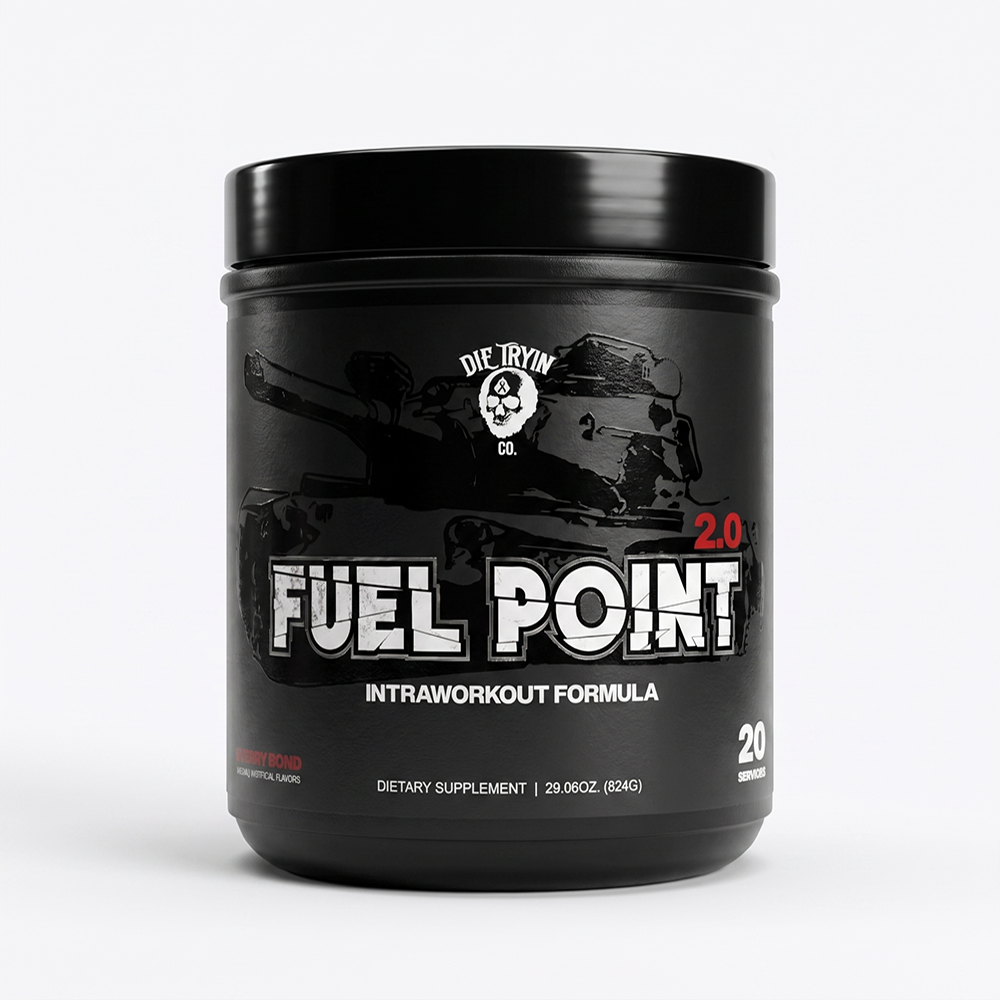
- Go stim-free once the budget is spent. Red Dot and Pump Action deliver pump and focus with zero caffeine, which is the entire point of adding a stim-free option to your stack.
- Set a hard cutoff. Count back at least six to eight hours from bedtime for your last dose. Train late, train stim-free.
- Fix the actual problem first. Flat energy is usually sleep, food, or hydration, not a caffeine deficiency. Salt and water beat another scoop. Aqua Spike covers that side.
- Deload the stim, not just the bar. A week at a lower baseline restores the response better than escalating the dose ever will.
Discipline beats motivation, and that applies to the coffee pot too. The lifter who tracks caffeine like a macro gets more out of 200 mg than the guy chasing 800 mg and calling it a personality.
FREQUENTLY ASKED QUESTIONS
Can I just drink coffee instead of pre-workout?
For the caffeine, yes. Coffee is a legitimate caffeine source, and the performance research is about caffeine, not about the delivery vehicle. What you don't get is everything else: L-Citrulline for blood flow, Beta-Alanine for buffering, Betaine Anhydrous, L-Tyrosine for focus. Coffee is one ingredient. A well-built formula is six or seven working together. The complete guide to pre-workout walks through what each one does.
How much caffeine is actually in a cup of coffee?
An 8 oz cup of brewed coffee usually falls somewhere around 80 to 100 mg, but the range is wide. Roast, grind, bean, and brew method all move the number, and coffee shop sizes are rarely 8 oz. If you're tracking seriously, assume a large drip coffee is closer to 200 to 300 mg and adjust from there.
Is it bad to have coffee and pre-workout on the same day?
Not automatically. It's bad when the combined total pushes you well past the 3 to 6 mg per kg range where the benefit lives. One cup in the morning and one scoop in the afternoon is fine for most people. Four cups plus two scoops is not.
How late is too late for coffee?
Work backward from when you sleep. With a half-life in the five hour neighborhood, a 2 PM coffee still has caffeine circulating at 10 PM. Six to eight hours before bed is a reasonable cutoff for most people, and if you're sensitive, push it earlier.
Does coffee burn fat?
Caffeine can shift which fuel your body leans on during a session, and it makes hard work feel easier, which lets you train harder. Neither of those is the same as losing body fat. Fat loss comes from energy balance held over weeks. Treat coffee as a training tool, not a fat-loss strategy.
Do I need to cycle off caffeine?
If your usual dose stopped doing anything, that's the signal. Habitual intake blunts the response, so a lower baseline for a week or two restores it better than escalating ever will. Stim-free formulas let you keep training hard through the reset instead of dragging.
READY TO GEAR UP?
Pick the tool that matches your caffeine budget, not the one with the loudest label:
- Hardest sessions, no coffee yet: Project M777 (about 213 mg per scoop, about 425 mg at two scoops, experienced lifters only)
- Daily driver: SEND IT 3.0 (about 286 mg with extended-release caffeine)
- Endurance and long sessions: SEND IT Sport (145 mg)
- Coffee already in, or training late: Red Dot or Pump Action (both zero caffeine)
- Hydration and electrolytes: Aqua Spike
- Stim-free metabolic support: Incendiary Stage 2
- Not sure where you land? Take the quiz and get matched.
Drink the coffee. Count the coffee. Train hard, sleep harder.
ALWAYS FORWARD.
GEAR THAT FITS THIS POST
The products this article actually talks about. Real doses, disclosed labels, veteran owned.

Read more
How often you take pre-workout matters more than how big the scoop is. Real framework for frequency, timing, signs you're overdoing it, and how to cycle the formula to keep it working long-term.
Chronic high cortisol breaks sleep, drives belly fat, and tanks recovery. The honest physiology + evidence-based strategies to normalize HPA axis function.
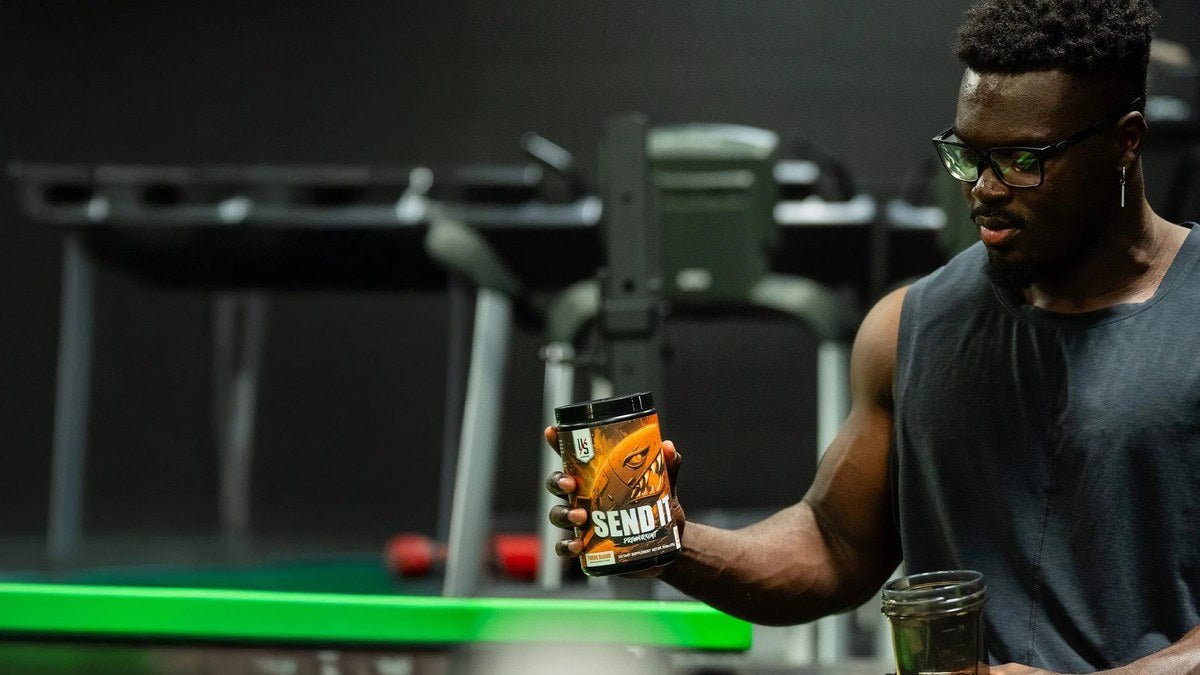
Energy drinks wake you up. Pre-workout makes you perform. Side-by-side breakdown of what's actually in each, why pre-workout wins for training, and when an energy drink is still the right call.
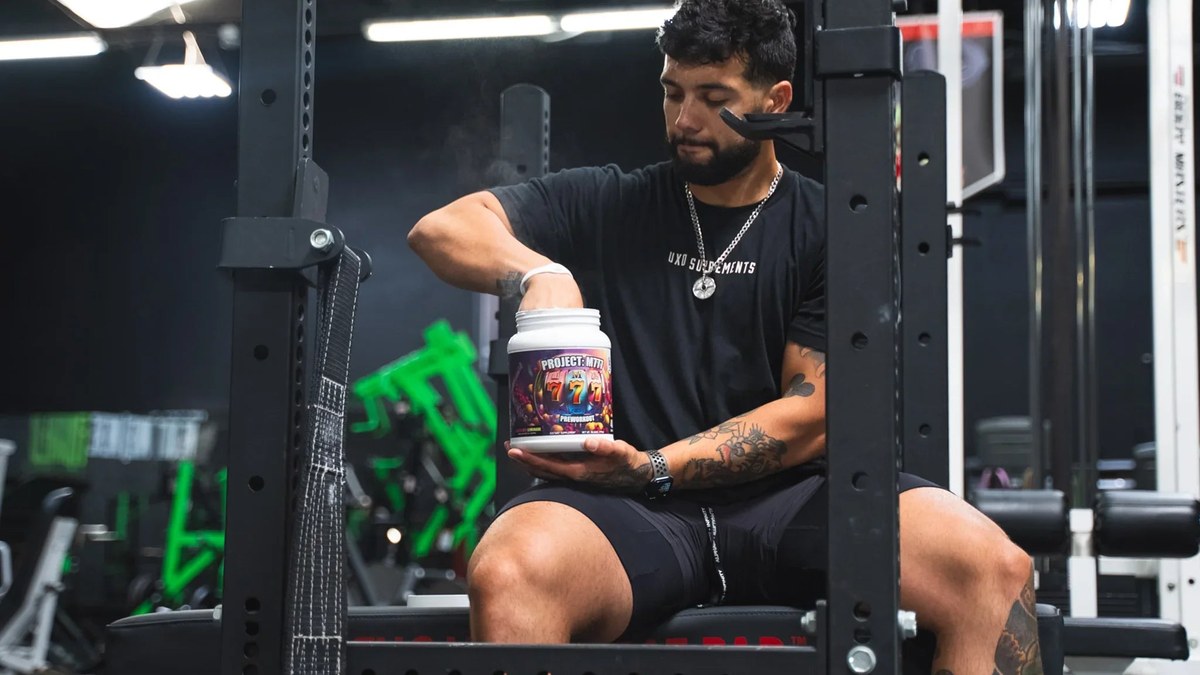
A well-dosed pre-workout is safe for most healthy adults — but the wrong formula causes the side effects everyone fears. Crash, addiction, sensitive stomach, cardiovascular concerns: which are real...
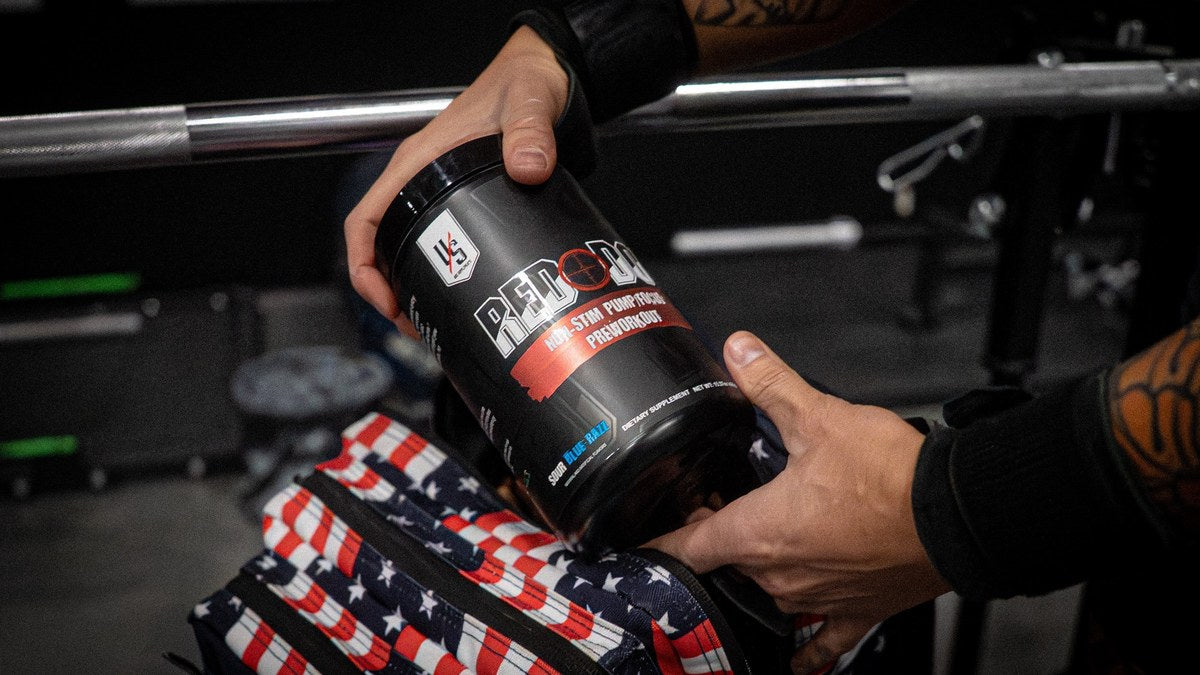
Stim-free pre-workouts aren't a downgrade — they're an upgrade in strategy. 5 signs it's time to introduce one, how to slot it into your training, and which DTC formula fits your goal.
What actually works in pre-workout — ingredients, doses, timing, and how to pick the right one. Cut through the marketing. Get the real answer.