
How to Track Alcohol in Your Macros (the Honest Way)
By Jon Klipstein, U.S. Army Combat Veteran & Founder of Die Tryin Co., and Jenna Fiscus, Die Tryin Co. Athlete & Coach
Science reviewed by Onur Oncer, BS Physiology (Phi Beta Kappa) and peer-reviewed published researcher.
Note: this video is from our UXO Supplements era — we've since rebranded to Die Tryin Co. Same team, same standards.
TRACK IT, DON'T FEAR IT
Most people think tracking macros means alcohol is off the table. It's not. If you can count it, you can fit it — a glass of wine on date night, a beer with the game, drinks with friends. You just have to log it honestly and plan for it.
Here's the method Jenna uses to keep a drink in her numbers without derailing a cut or a prep. It's simple math and one honest conversation with yourself. New to this? Start with the basics of counting your macros first, then come back.
THE METHOD: COUNT IT AS CARBS OR FATS
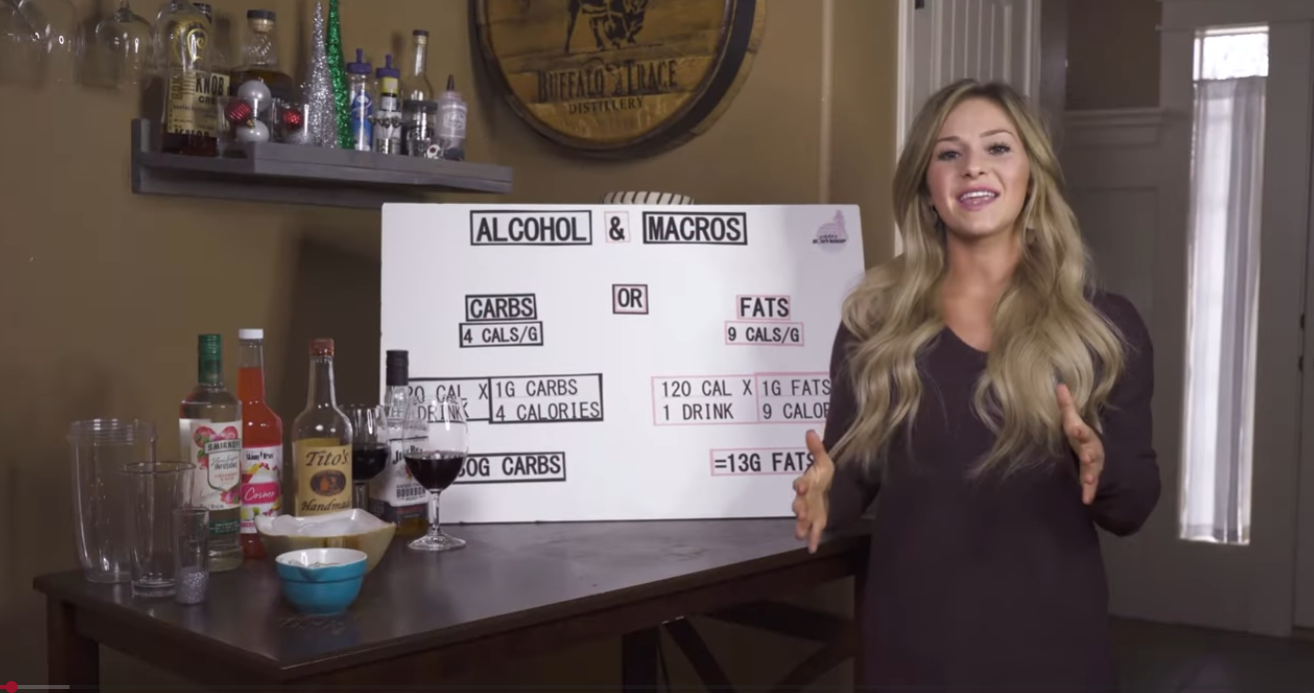
Most tracking apps don't have a line for alcohol — it's its own thing, 7 calories per gram, neither carb nor fat. So the practical workaround is to log a drink's calories as carbs or fats so the total still counts against your day. Here's the math:
- Count it as carbs: divide the drink's calories by 4. A 120-calorie glass of wine = 30g carbs.
- Count it as fats: divide by 9. That same glass = about 13g fat.
Pick whichever you have room for that day. It's not literal biochemistry — alcohol isn't a carb — it's a way to make the calories honest in an app that has nowhere else to put them. Here's the quick reference:
| Drink | Rough Calories | Log as carbs (÷4) | Log as fats (÷9) |
|---|---|---|---|
| Glass of wine (5 oz) | ~120 | 30g | ~13g |
| Light beer (12 oz) | ~100 | 25g | ~11g |
| Vodka soda | ~100 | 25g | ~11g |
| Shot of liquor (1.5 oz) | ~100 | 25g | ~11g |
| Regular beer (12 oz) | ~150 | ~38g | ~17g |
| Margarita | ~300 | 75g | ~33g |
MAKE ROOM FOR IT DURING THE DAY
Planning a drink tonight? Bank the macros earlier. Jenna's go-to: if you normally put a banana on your oats, skip it and save those carbs for the wine. If you eat two whole eggs at breakfast, switch to egg whites and save the fat. Same target — you just moved the spend to where you wanted it. You're not adding calories, you're reallocating them. Measure the pour with a scale or measuring cup too; a "5-ounce glass" poured by feel is usually closer to eight.
THE HONEST GUT-CHECK BEFORE YOU POUR
The math is the easy part. The honest part is whether you'll actually hold the line. Before you build a drink into your day, run the checklist:
- Can you stop at the amount you planned? One glass logged is one glass — not the second one you talk yourself into at dinner.
- Will you still eat clean once you're a few in? This is the real trap. Research shows alcohol before or with a meal tends to increase how much you eat, and those calories stack on top of everything else. The 120 calories you logged isn't the risk — the 1,200 you didn't is.
- Are you drinking because you want to, or because everyone else is?
- Will you be too hungover to train tomorrow? A logged drink that costs you a session wasn't worth the macros.
None of this is a lecture. It's the difference between a drink that fits your goals and one that quietly torches a week of work. Discipline beats motivation — even at happy hour.
A DRINK YOU CAN ACTUALLY TRACK
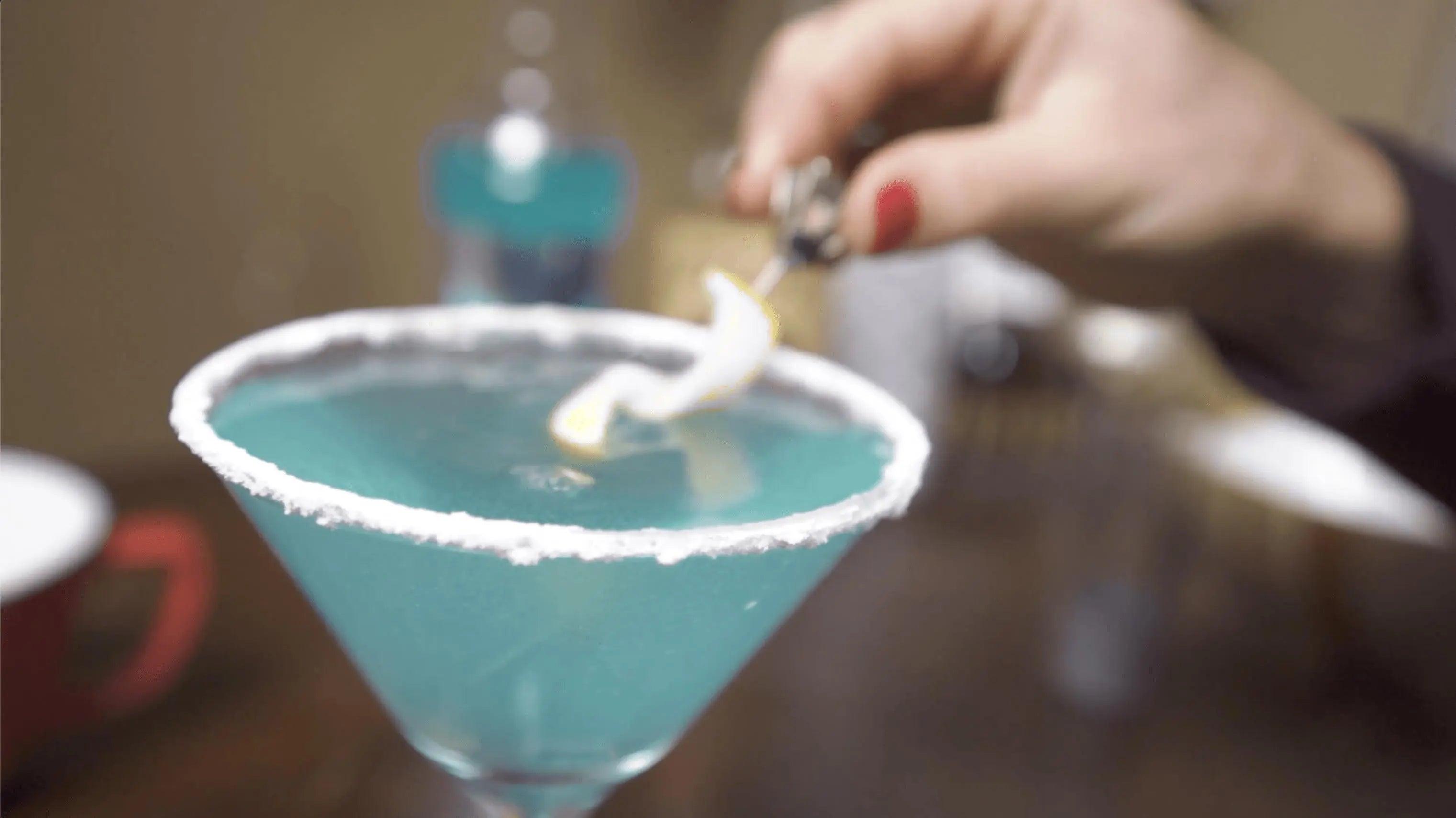
Want a real example? A skinny cosmo is one of the easiest drinks to fit: one part vodka, two parts a sugar-free cocktail mixer (the "skinny" mixes work, or sugar-free cranberry with a splash of orange). Shake with ice, garnish with lime. Because the mixer is sugar-free, almost all the calories come from the vodka — about 100 for a standard pour — so you log it as ~25g carbs or ~11g fat and you're done. For which drinks are leanest to start with, see our honest guide to skinny alcohol drinks.
FREQUENTLY ASKED QUESTIONS
How do you track alcohol in MyFitnessPal?
Take the drink's calories and log them as carbs (divide by 4) or fats (divide by 9), since most apps don't have an alcohol field. A 120-calorie glass of wine becomes 30g carbs or about 13g fat — whichever you have room for that day.
Should I log alcohol as carbs or fats?
Whichever fits your remaining macros. Biochemically it's neither, so the choice doesn't matter for accuracy — it's just a way to make the calories count. If you have carbs left, use carbs; if you have fat left, use fat.
Can you drink alcohol and still hit your macros?
Yes. Bank the calories earlier in the day, log the drink honestly, and be realistic about whether you'll stop where you planned. The tracking is easy; the self-control is the real variable.
How many calories is a glass of wine?
A standard 5-ounce pour of dry wine is roughly 120–150 calories. Sweeter wines run higher, and most home pours are bigger than five ounces — so measure if you're tracking closely.
Does alcohol count as a macro?
Technically it's its own thing at 7 calories per gram — more than carbs or protein (4) and close to fat (9). Since tracking apps rarely have an alcohol field, logging it as carbs or fats is the standard workaround to keep your calorie total honest.
READY TO GEAR UP?
Tracking is a tool, not a cage — use it to fit the life you want around the goals you won't quit. Dial in your whole plan with the quiz, get the right app in your corner with our best macro-tracking apps guide, and when you do go out, hydrate hard the next day with Aqua Spike.
ALWAYS FORWARD.
The essentials
Share details of your store's product selection, or share a story that speaks to your customers.