




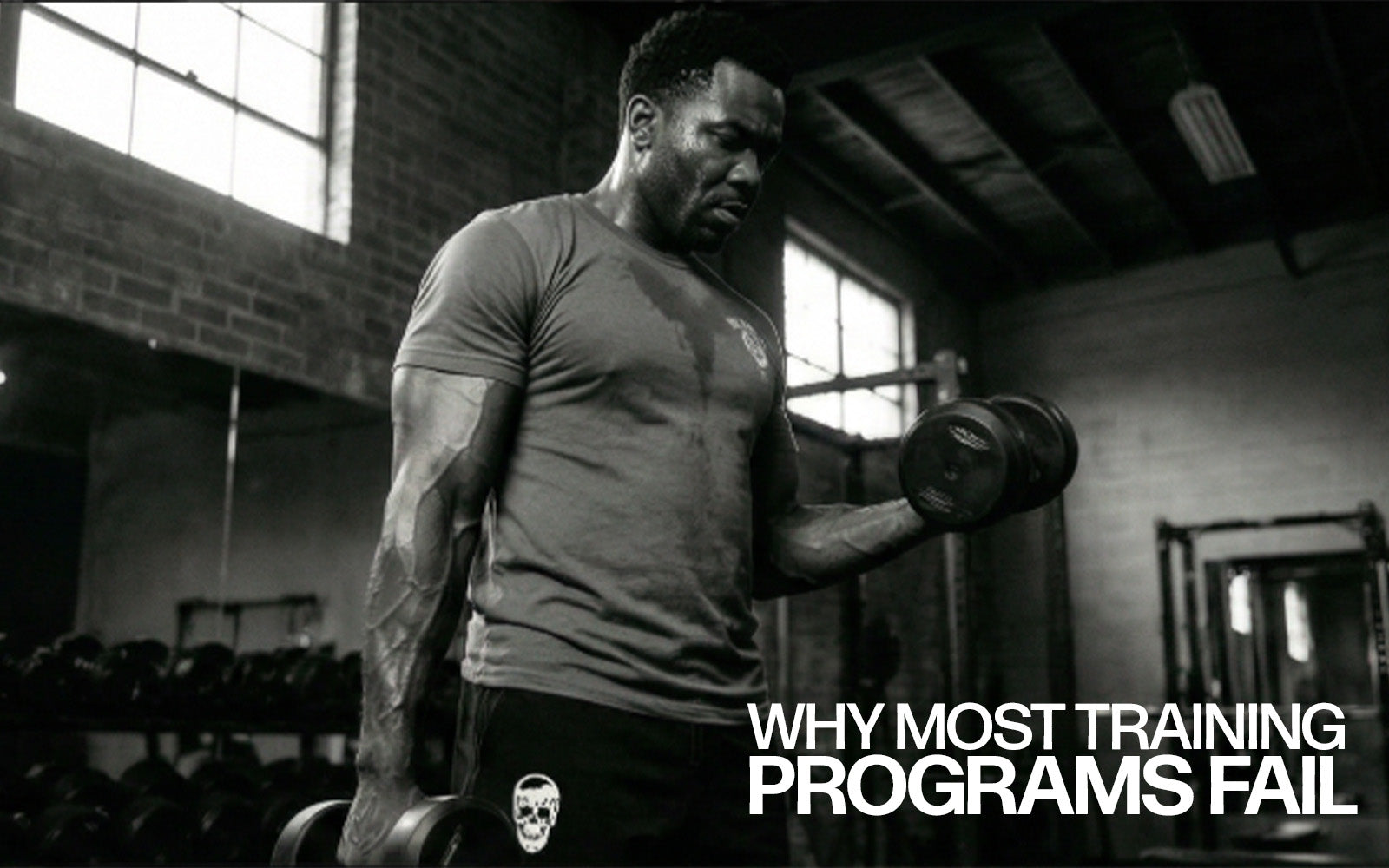
Why Most Training Programs Fail (And It’s Not the Program)
Why Most Training Programs Fail (And It’s Not the Program)
Every year, new training programs flood the internet. Push-pull-legs. Upper/lower. High-volume hypertrophy splits. Low-volume strength blocks. Most of them work.
Yet most people still stall, burn out, or quit.
The uncomfortable truth?
The problem usually isn’t the program. It’s the execution.
Below are the four most common reasons training plans fail—and how to audit your own before jumping to the next shiny routine.
Mistake #1: Inconsistency Disguised as “Trying Different Programs”
Program hopping feels productive. In reality, it’s often avoidance.
Muscle, strength, and conditioning adapt slowly. If you’re changing plans every 3–6 weeks, your body never has time to fully adapt to the stimulus you’re giving it.
Audit yourself:
- Have you followed one program for at least 8–12 weeks?
- Are you completing all prescribed sessions, or “making up” workouts?
- Do you skip days and tell yourself you’ll double up later?
Fix it:
Choose a program you can realistically execute for 3 months—then commit. Progress requires patience, not novelty.
Mistake #2: Unrealistic Volume for Your Recovery Capacity
Most programs are written assuming:
- Solid sleep
- Low life stress
- Consistent nutrition
Most people have:
- 6 hours of sleep
- High stress
- Inconsistent eating
High-volume training layered on poor recovery creates a slow bleed—fatigue accumulates, performance drops, and motivation disappears.
Warning signs:
- Strength regressing week to week
- Lingering soreness
- Poor sleep and low drive
Fix it:
Match volume to your life. More sets aren’t better if you can’t recover from them. Progress comes from what you can repeat—not what looks impressive on paper.
Mistake #3: Ego Lifting at the Expense of Progress
Chasing numbers instead of quality is one of the fastest ways to stall.
Ego lifting shows up as:
- Adding weight before earning it
- Sacrificing form for load
- Training every set to failure
It feels intense. It looks hardcore. And it often caps long-term growth.
Audit yourself:
- Are you controlling reps or surviving them?
- Are your top sets repeatable week to week?
- Can you honestly rate your effort, or do you guess?
Fix it:
Train with intent. Leave reps in reserve when appropriate. Strength is a skill—mastery beats chaos.
Mistake #4: No Clear Measure of Progress
If everything feels hard, nothing is measurable.
Many lifters train purely off emotion:
- “That felt heavy.”
- “I was tired today.”
- “I think I’m getting stronger.”
Without objective tracking, it’s impossible to know if the program is working—or if you are.
Fix it:
Track at least one of the following:
- Load progression
- Rep quality
- Total volume
- Performance markers (speed, rest times)
Data removes guesswork. Guesswork creates frustration.
How to Audit Your Training (Before You Blame the Program)
Before switching plans, answer these honestly:
- Have I followed this program consistently for 8–12 weeks?
- Am I sleeping and eating enough to support the workload?
- Is my volume aligned with my recovery?
- Am I lifting with intent or ego?
- Am I tracking anything objectively?
If the answer to even one is “no,” the program likely isn’t the issue.
The Die Tryin Standard
Real progress doesn’t come from perfect programming.
It comes from repeatable execution under imperfect conditions.
Train hard—but train intelligently.
Build strength—but build longevity.
Respect the process—or the process will humble you.
Standard of the Week:
Don’t change the plan until you’ve earned the right to judge it.
Featured product



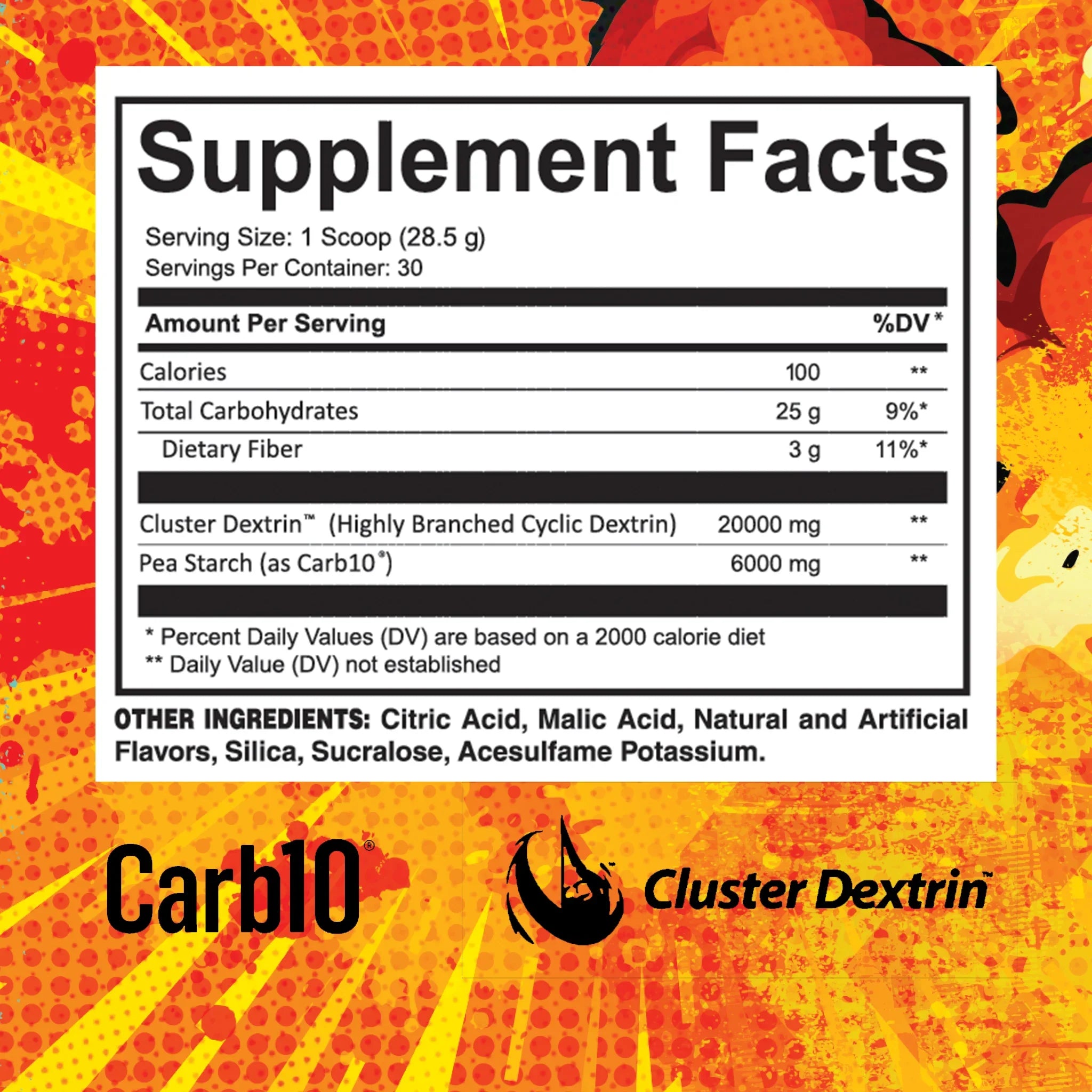
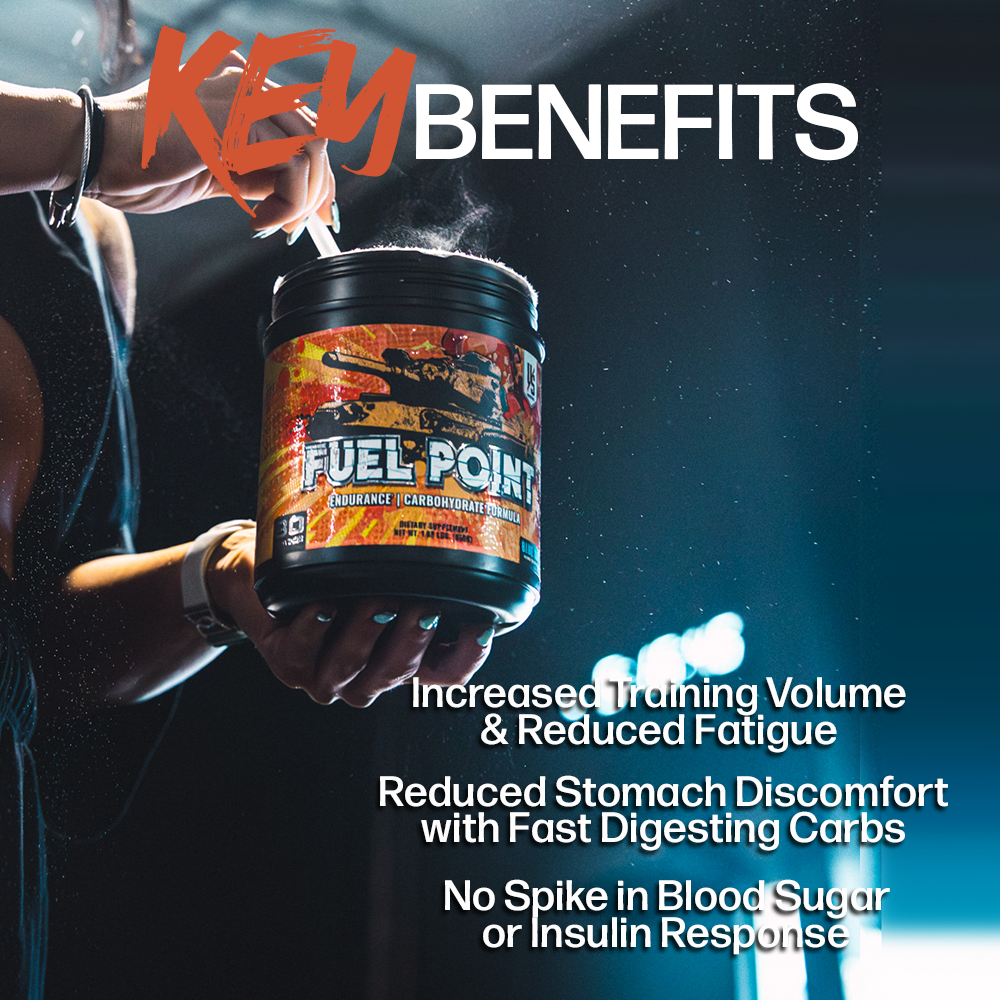

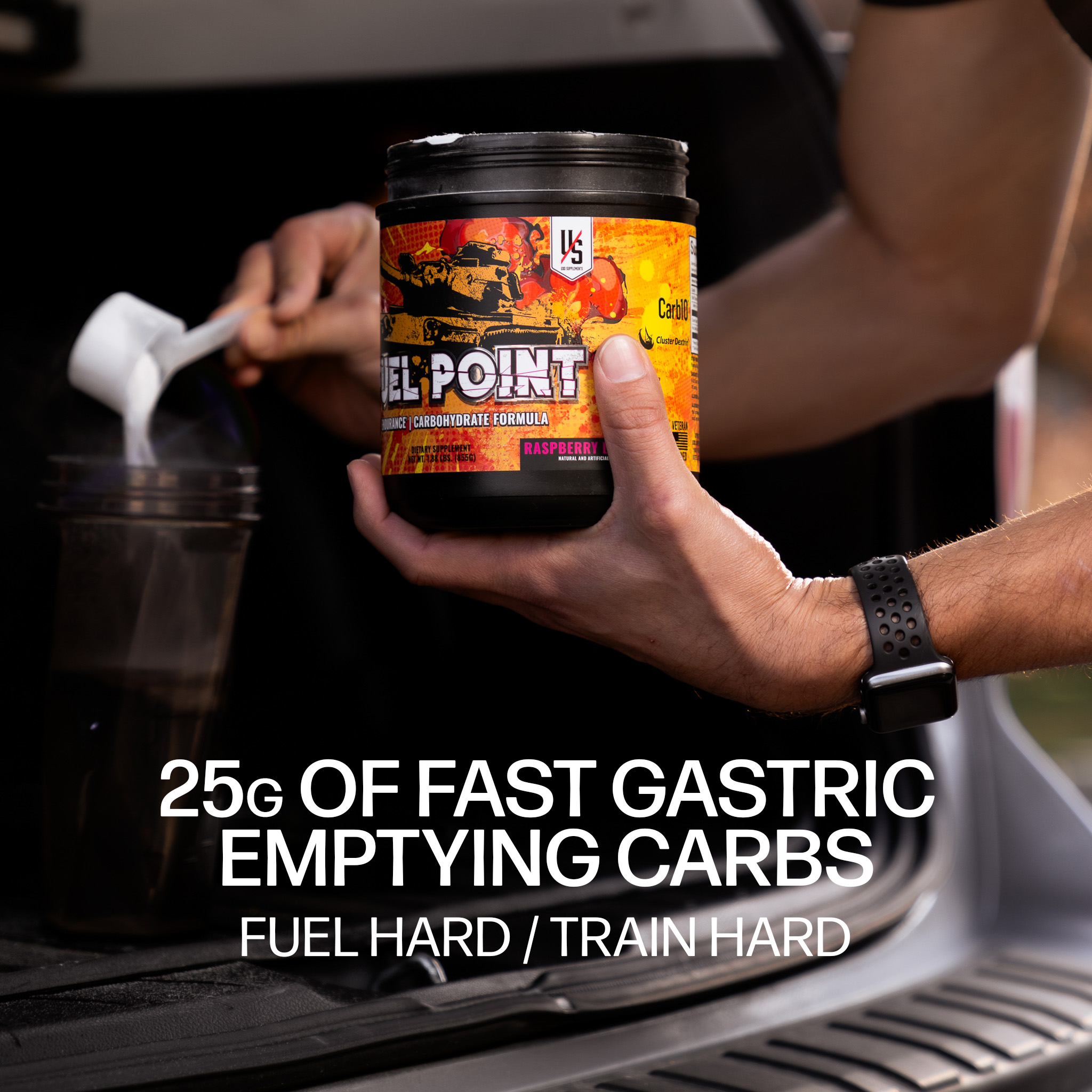

Designed for endurance athletes or those pushing limits in the gym. Get more our of your workout with Fuel Point.
Pickup available at 11880 W. President Dr. Suite D
Usually ready in 24 hours
Fuel Point
Orange Mango
11880 W. President Dr. Suite D
11880 W President Dr
Suite D
Boise ID 83713
United States

The essentials
Share details of your store's product selection, or share a story that speaks to your customers.


Read more

New Year. Same Standards. Higher Execution. Every January, the internet floods with the same recycled message: new year, new you.At Die Tryin Co, we reject that idea. You don’t need a new identity....

Build a stronger training mindset that goes beyond the gym. Learn how the Always Forward mentality develops discipline, resilience, and real-world performance.